REVIEW · CITY TOURS
City Tour in Cusco
Book on GetYourGuide →Operated by VIAGENS MACHU PICCHU SAC · Bookable on GetYourGuide
Cusco is a city that rewards good planning. This half-day route strings together Inca craftsmanship and colonial power in a way that’s actually efficient, especially if it’s your first day in town. I like that you’ll cover the big landmarks—Qorikancha and Sacsayhuaman—without losing hours on logistics, and I also like that the tour includes roundtrip transport plus a guide in Spanish, English, or Portuguese. One possible drawback: admission tickets aren’t included, so you’ll want to budget a bit more for site entry.
Because it’s only 4 hours, the tour works best when you’re ready to move at a steady pace. You’ll still get time to understand what you’re looking at, but it’s not a slow stroll where every wall gets a long lecture. If you’re traveling with kids or you booked a specific language, do a quick check at the start—there’s a note in the available experience feedback about a language mismatch and a confusing pickup spot.
In This Review
- Key things to know before you go
- A tight 4-hour Cusco loop that hits the big hitters
- Qorikancha and the Cathedral: Inca foundations, Spanish walls, one city story
- Temple of the Sun at Qorikancha
- The Cathedral of Cusco built over an earlier Inca palace
- Sacsayhuaman fortress: megaliths, angles, and the feeling of power
- Qenqo’s ceremonial center: the darker side of Inca ritual
- Puca Pucara: the mountain view that helps your bearings
- Tambomachay: Inca hydraulic engineering you can still spot
- Price and value: what $20 really covers in Cusco
- Getting picked up and dropped off without losing your day
- Language options: Spanish, English, or Portuguese
- Comfort level and practicalities in Cusco
- Who this tour fits best
- Should you book this Cusco City Tour?
- FAQ
- FAQ
- How long is the Cusco city tour?
- What does the $20 price include?
- Are admission tickets included?
- Which languages are available for the tour guide?
- How are pickup and drop-off handled?
- What are the main stops on the itinerary?
- Is the tour wheelchair accessible?
- Does the tour provide water?
- What is the cancellation policy?
Key things to know before you go
- One compact 4-hour “greatest hits” loop that connects Inca sites with colonial Cusco.
- Qorikancha + the Cathedral show how Spanish-era worship took over Inca foundations.
- Sacsayhuaman delivers the scale of Inca stonework in a ceremonial fortress setting.
- Qenqo gives you the eerie, ritual side of Inca archaeology in a darker ceremonial space.
- Puca Pucara and Tambomachay add viewpoints and water engineering beyond the usual central stops.
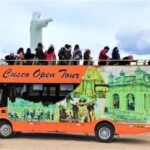
- Air-conditioned transport and roundtrip hotel pickup reduce the hassle of getting between areas.
A tight 4-hour Cusco loop that hits the big hitters
This city tour is built for your limited time in Cusco. For about 4 hours, you’ll cover several major sites that are spread around town and nearby hills, with transportation handled for you. It’s a solid choice when you want context fast, without committing to a full day tour.
You’re also not stuck doing only one style of sightseeing. You move through the historic center, ceremonial sites, a fortress, and a viewpoint, then finish with Inca water management you can still see working in the present day. That mix makes the whole experience feel like Cusco in layers, not just a list of stops.
The best part for value is what you get upfront: a professional certified guide, roundtrip transport from most hotels, and an air-conditioned vehicle. Water is included, which matters more than it sounds at altitude.
You can also read our reviews of more city tours in Cusco
Qorikancha and the Cathedral: Inca foundations, Spanish walls, one city story
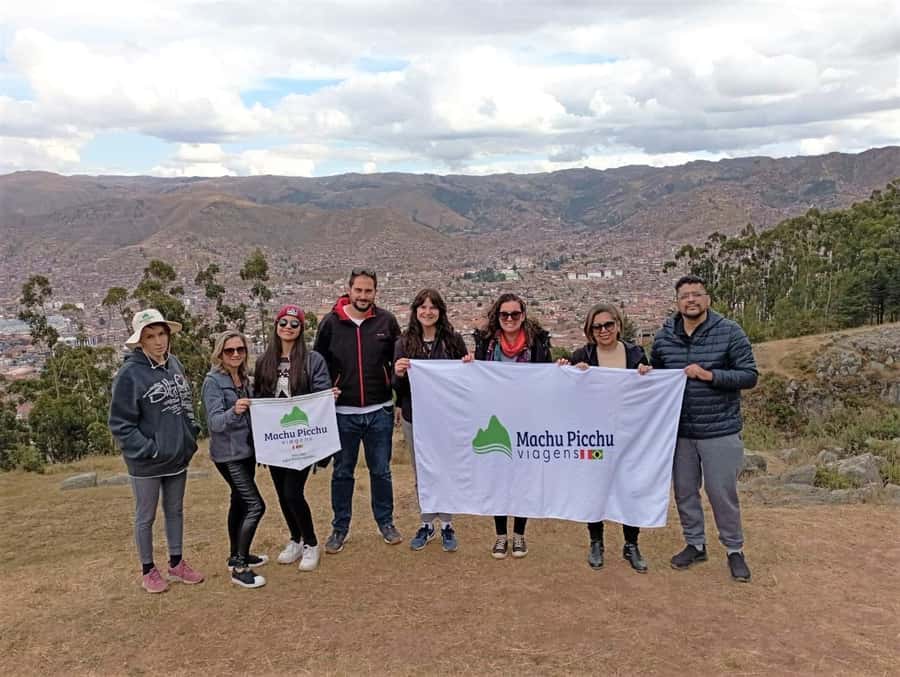
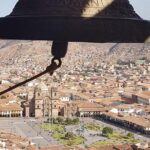
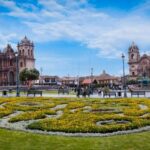
Your tour starts by getting you oriented in Cusco’s historic center. This is where the city’s “two worlds” show up clearly: Inca geometry and Spanish-era architecture interacting right in the middle of town. If you’ve ever wondered why Cusco feels like it never fully changed, this section gives you the practical answer.
Temple of the Sun at Qorikancha
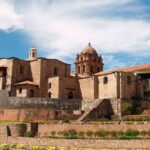
At Qorikancha, you’ll be looking at the principal spiritual site of the Inca, tied to the Sun. What makes this stop worthwhile is how it teaches you to read the space. You won’t just see a name on a map; you’ll understand why it mattered and how the meaning of the site would have shaped how people moved and gathered there.
Even if you’re not an archaeology expert, Qorikancha is a great “first exposure” because it’s central and iconic. It’s also one of the stops that makes the colonial layer easier to grasp later.
The Cathedral of Cusco built over an earlier Inca palace
Next up is the Cathedral of Cusco, often described as a highlight of colonial baroque architecture. The key detail to focus on is that its roots are anchored in what had been an Inca palace’s foundations. That’s the kind of overlap that makes Cusco different from other Peruvian cities: you’re walking through a continuity of sacred space, even though the rulers changed.
If you like architecture, watch how the setting feels more like a core of power than a standalone church. The point isn’t just aesthetics; it’s understanding how Spanish authorities repurposed existing monumental importance.
Practical note: this is one of the stops where admission tickets are typically part of the real-world cost, so plan for that.
Sacsayhuaman fortress: megaliths, angles, and the feeling of power
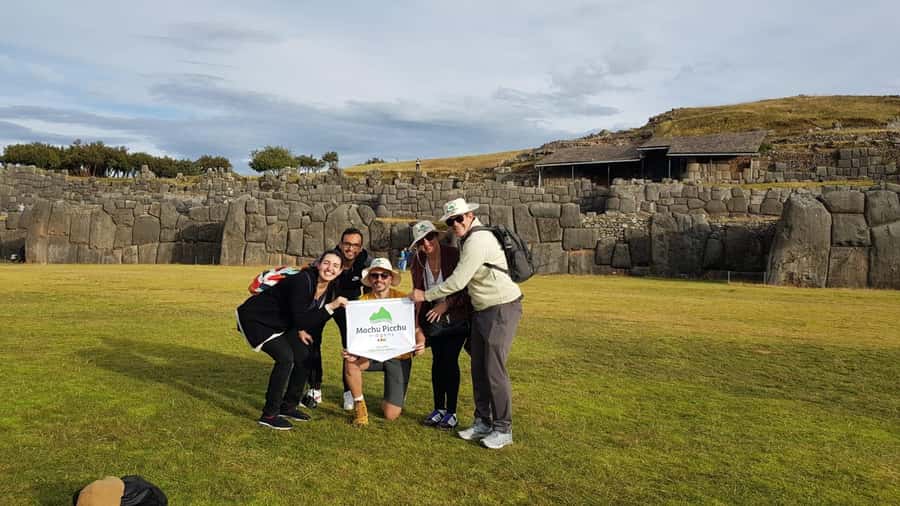
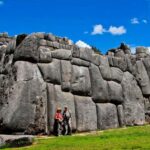
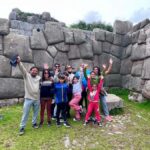
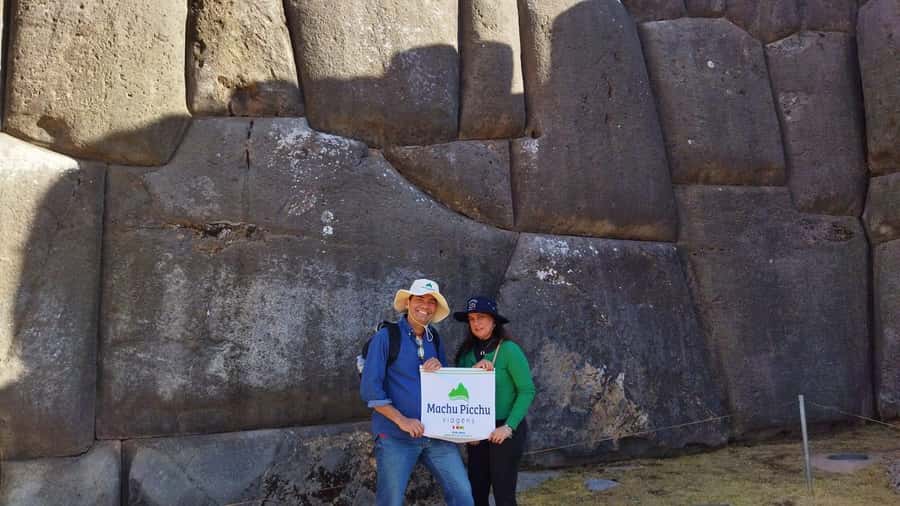
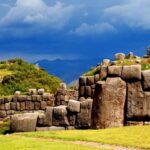
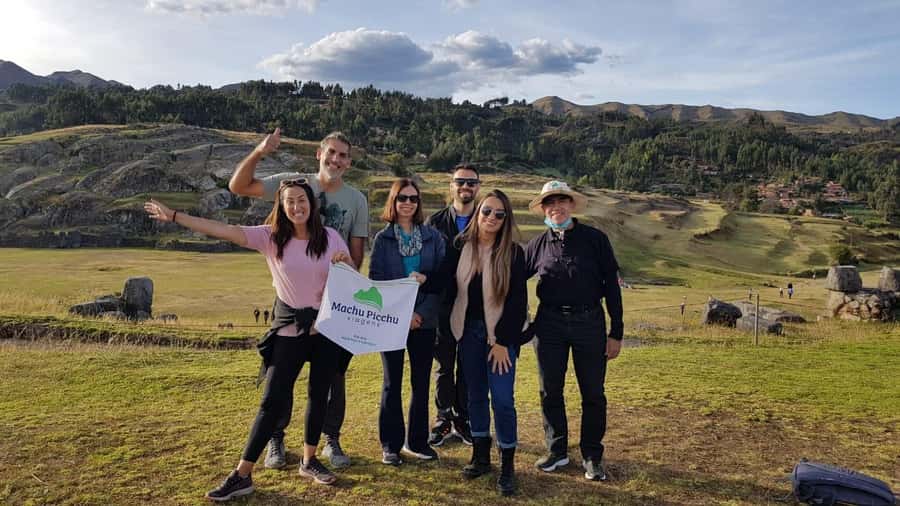
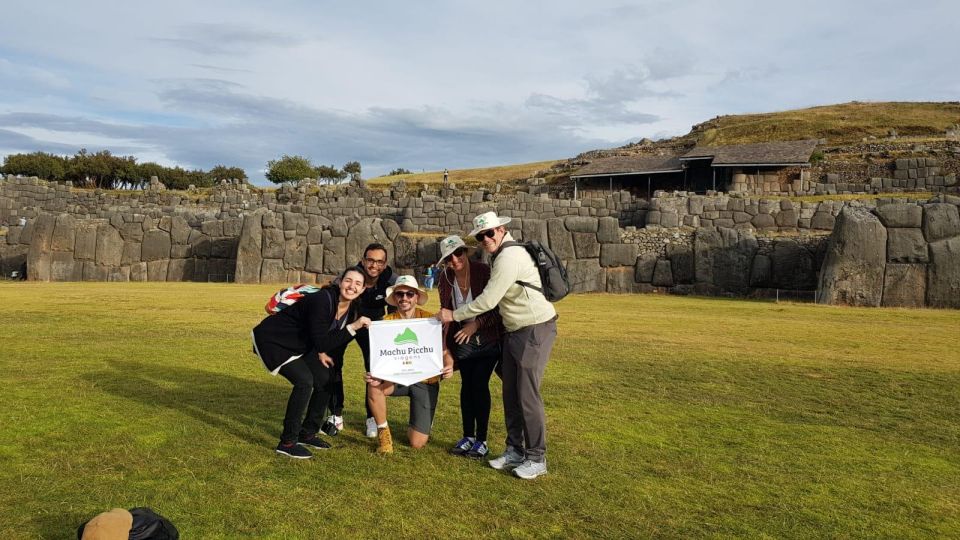
Sacsayhuaman is the Inca-built fortress that really drives home scale. You’ll be seeing monumental megalithic work—massive stone blocks positioned with such precision that even casual observers feel the effort behind it.
This stop works because it’s not only about the rocks. It’s also about the setting: a ceremonial fortress meant to impress, organize, and symbolize authority. When your guide connects the megalithic structure to Inca ingenuity and endurance, you get a better sense of why it still dominates the view above Cusco.
If you’re traveling with limited time, Sacsayhuaman is a smart “must-do” because it’s hard to replicate on your own without proper context. Even if you’ve seen photos, it lands differently in person.

Qenqo’s ceremonial center: the darker side of Inca ritual
Next comes Qenqo, described as a gloomy ceremonial center. That word—gloomy—matters, because it hints at the atmosphere and the way the space likely supported ritual activity. You’re not only walking among stones here; you’re walking through an area tied to significant ceremonies and sacrifices believed to have taken place there.
This is a good stop if you want to understand the “spiritual mechanics” of Inca belief rather than only the engineering. Qenqo helps you connect symbolism, landscape features, and ritual purpose in a way that’s often missing from purely sightseeing-focused city walks.
A practical consideration: because it’s ceremonial terrain, you’ll want sturdy shoes. Uneven stone surfaces and steps are part of the experience here, and Cusco altitude makes every bit of walking feel a little more intense.
Puca Pucara: the mountain view that helps your bearings
After the archaeology and fortress stops, you’ll go up to Puca Pucara to see Cusco from above. This is where the tour becomes useful for navigation in your future days.
From a viewpoint, the city’s layout makes more sense: you can start to picture where neighborhoods sit, how the surrounding terrain shapes travel routes, and why Cusco feels perched. It’s also where the “why here?” question becomes easier, because the geography is doing real work.
This stop is worth it even if you’re not a sunrise/sunset person. In the middle of a 4-hour schedule, a viewpoint gives you a mental reset.
Tambomachay: Inca hydraulic engineering you can still spot
The last major attraction is Tambomachay, known for the oldest functioning water fountains in the area. You’ll also hear about Inca mastery in hydraulic engineering, with still-functional irrigation channels and trio water fountains.
This is a stop I especially like because it breaks the stereotype that Inca sites are only about temples or stone walls. Water control was a major part of survival and agriculture, and Tambomachay gives you a visible example of that.
If you take nothing else from this half-day tour, take this: the Inca built systems that worked, not just monuments that looked impressive. When a site’s infrastructure still functions, it makes the past feel less distant.
Price and value: what $20 really covers in Cusco
The listed price is $20 per person, for a 4-hour city tour. For that money, you’re getting a professional certified guide (in one of the listed languages), roundtrip transportation from most Cusco hotels, a complimentary water bottle, and air-conditioned vehicle support.
That said, one important detail: admission tickets are not included. So your real total will depend on the sites’ entry fees on the day. If you’re watching costs, budget extra for entrances rather than expecting the $20 to cover everything.
Still, compared with hiring separate taxis, trying to piece together multiple stops, and paying for a guide for each area, this format is usually the more efficient way to do it. The transportation element alone is a big deal in Cusco, where getting between sites can eat time fast.
Getting picked up and dropped off without losing your day
The tour includes roundtrip transportation to and from most Cusco hotels. At the end, you’ll be dropped off either at your accommodation or at Plaza de Armas, depending on your preference.
This matters because Plaza de Armas is where you’ll naturally want to continue your day. It’s also a safer landing zone if you want to regroup quickly, grab snacks, or hop on another tour without adding extra transit stress.
One consideration from the available feedback: there can be confusion about the pickup location. I’d handle this like a pro—confirm the exact meeting point the day before, and don’t wait until the last minute to check in. If you’re sensitive to delays, plan to arrive a bit early.
Language options: Spanish, English, or Portuguese
The guide is available in Portuguese, Spanish, or English, and the operator notes one bus per language. In theory, that’s great: you’re not listening to a mixed-language group while trying to follow the story.
However, one reported issue is worth taking seriously. A booking noted that the tour wasn’t in Portuguese as contracted, leaving the person with a child who couldn’t understand the talk. That’s not a small annoyance—it affects whether your guide can actually add meaning.
My advice: when you confirm your reservation, double-check the language match. On the day, ask the driver or guide to confirm language before you step fully into the experience. If it’s wrong, you want to know early.
Comfort level and practicalities in Cusco
You’re in an air-conditioned vehicle, and you’ll get water. Those sound like small perks, but at altitude, they help you stay functional instead of drained before you even reach the first site.
The tour is also marked as wheelchair accessible, which is helpful if you need step-free or easier movement. Still, ancient sites can be uneven, so your safest approach is to ask the guide how the route handles transitions between areas.
Duration is a key factor: with only 4 hours, you’ll want to keep expectations realistic. You can absolutely learn a lot, but it won’t feel like a slow museum day. Think of it as a guided orientation to Cusco’s most important landmarks.
Who this tour fits best
This city tour suits you best if you:
- want a strong first-day overview of Cusco’s major sites
- like having a guide explain what you’re seeing instead of just taking photos
- prefer guided transport between stops to save time and energy
- want a mix of Inca ceremonial locations, colonial architecture, and a viewpoint
It also works well if you’re doing Machu Picchu soon and you want your Cusco day to set context for what you’ll see later. Even if you’re not an archaeology fan, stops like Tambomachay and Qorikancha usually land because they show real systems and real sacred places.
Should you book this Cusco City Tour?
I’d book it if you want a smart, time-efficient overview with transport, guide, and the core landmarks covered in one half-day. The price looks fair for what’s included, and the stop selection is practical: Qorikancha/Cathedral for the Inca-colonial overlap, Sacsayhuaman and Qenqo for ceremonial power, Puca Pucara for bearings, and Tambomachay for water engineering you can still recognize.
I’d be a little cautious if language accuracy is critical for you or your group. Do a quick language confirmation before the tour starts, and confirm the pickup point clearly to avoid the kind of confusion that can waste precious time in Cusco.
FAQ
FAQ
How long is the Cusco city tour?
The tour lasts 4 hours.
What does the $20 price include?
It includes a professional certified guide, roundtrip transportation from most Cusco hotels, a complimentary water bottle, and an air-conditioned vehicle.
Are admission tickets included?
No. Admission tickets are not included in the price.
Which languages are available for the tour guide?
The guide is available in Portuguese, Spanish, or English.
How are pickup and drop-off handled?
The tour includes roundtrip transportation to and from most Cusco hotels. You’ll be dropped off at your accommodation or at Plaza de Armas if you prefer.
What are the main stops on the itinerary?
Key stops include Qorikancha, the Cathedral of Cusco, Sacsayhuaman, Qenqo, Puca Pucara, and Tambomachay.
Is the tour wheelchair accessible?
Yes, the tour is listed as wheelchair accessible.
Does the tour provide water?
Yes, you receive a complimentary water bottle.
What is the cancellation policy?
Free cancellation is available up to 24 hours in advance for a full refund.