REVIEW · OLLANTAYTAMBO
From Ollantaytambo: Moray, Maras, and Chinchero Guided Tour
Book on GetYourGuide →Operated by Inspires Viagens · Bookable on GetYourGuide
The Sacred Valley route feels like a living Inca classroom. You’ll see Moray as an agricultural experiment, watch how Chinchero wool gets turned into dyed yarn, and still get big valley views without the hassle of organizing separate stops yourself.
I like that this tour is built around three distinct “why it matters” places—agriculture, salt production, and textiles—so the day doesn’t feel like three random photo stops. One drawback to keep in mind: pickup and communication can be inconsistent with some operators, so you should confirm details ahead of time and be ready to follow up close to departure.
In This Review
- Key highlights you should care about
- Moray’s circular terraces: the Inca agricultural lab you can actually picture
- Maras salt mines: when an ancient method is still a family business
- Chinchero textiles: natural dyes, wool prep, and why this town matters
- The Sacred Valley views between stops: not just scenery, a sense of place
- Price and tickets: when $80 becomes more, and when it’s still worth it
- Guides and timing: how to get the best day (and avoid pickup stress)
- What to bring (and what to plan for) for a full Sacred Valley day
- Who should book this 1-day Moray–Maras–Chinchero tour
- Should you book? My honest call
- FAQ
- How long is the tour?
- Where does the tour start and how do you get there?
- Is the tourist ticket included in the price?
- Do I need to pay for the Salineras entrance?
- What languages is the guide available in?
- Is this tour suitable for wheelchair users?
Key highlights you should care about
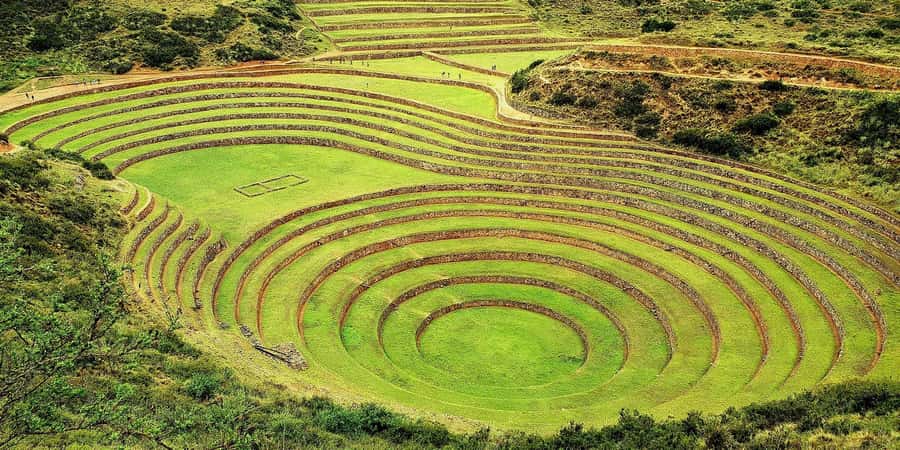
- Moray’s circular terraces: you’ll understand how the Incas created microclimates for growing different crops.
- Maras salt pools still working: you’ll see about 2,000 salt pans used by local families, not a staged exhibit.
- Chinchero textile interpretation: you’ll learn wool and cotton-to-yarn steps and how dyes come from natural pigments.
- Round-trip transport from Ollantaytambo: one price, one guide, less logistics between sites.
- A route that can beat big bus crowds: it’s possible to arrive before larger groups hit each stop.
Moray’s circular terraces: the Inca agricultural lab you can actually picture
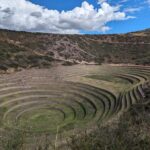
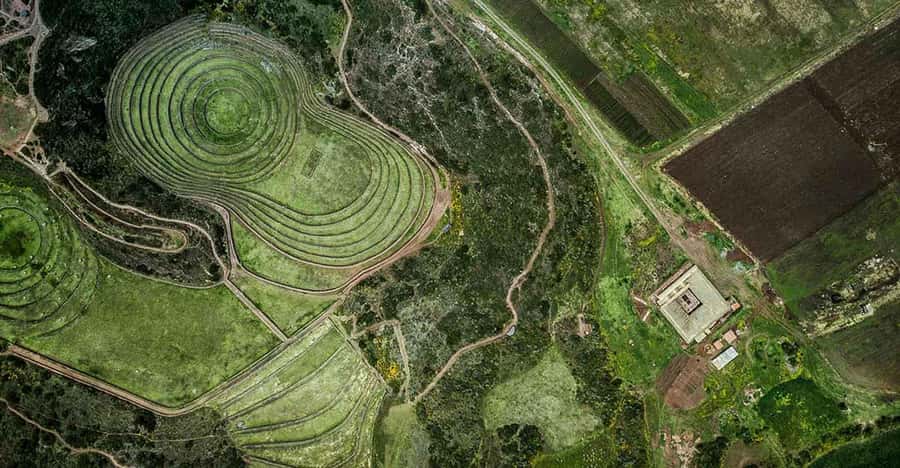
Moray is the kind of place where a guide makes the difference. At first glance, it’s just a set of circular terraces cut into the hillside. Then your guide starts explaining the logic behind it: these levels created different conditions—especially temperature and exposure—so the Inca could test what grew best without changing locations.
What I love about Moray is how visual it is. You can stand at one level and understand the concept of a “graded” growing environment. The terraces also connect to the irrigation system used to keep crops fed, which turns Moray from a cool ruin into a practical engineering story.
Practical tip: wear comfortable shoes even if the day looks simple on paper. The walkways can be uneven, and you’ll want stable footing for photo angles down into the circular pits. Bring water too—Moray can be sun-heavy.
A possible consideration: Moray is not the place to linger for hours. You’ll want to take your time, but it’s a guided “learn and move” stop, and the day is paced to cover multiple sites.
You can also read our reviews of more tours and experiences in Ollantaytambo.
Maras salt mines: when an ancient method is still a family business
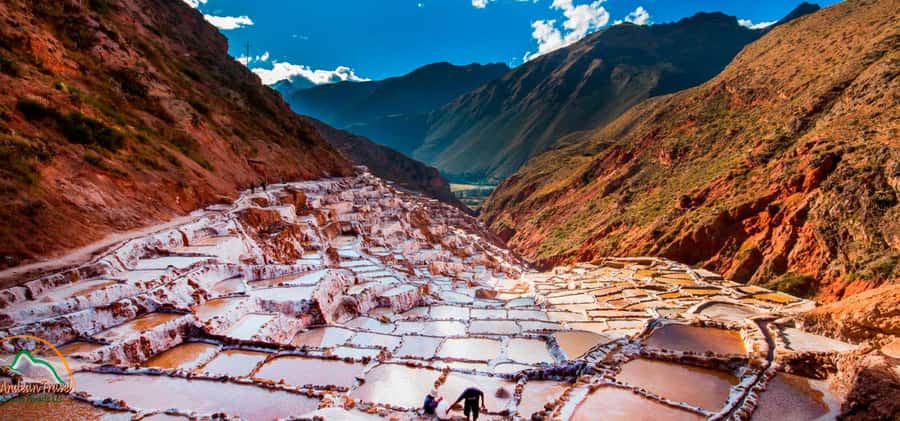
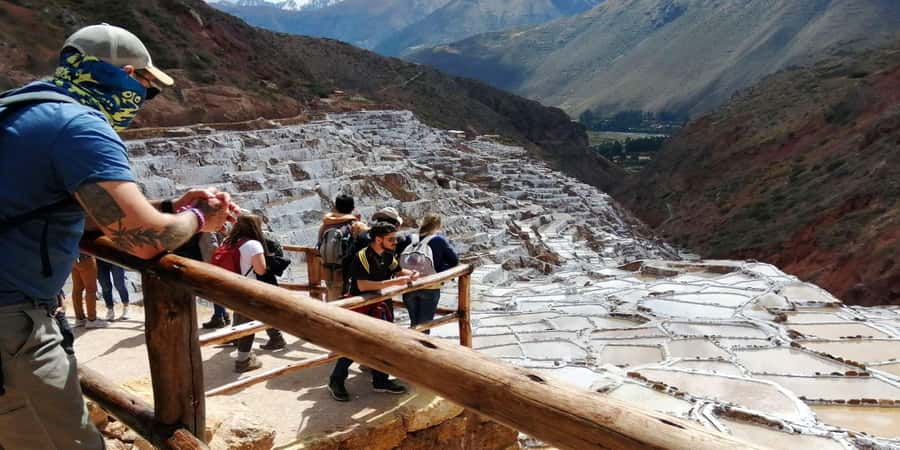
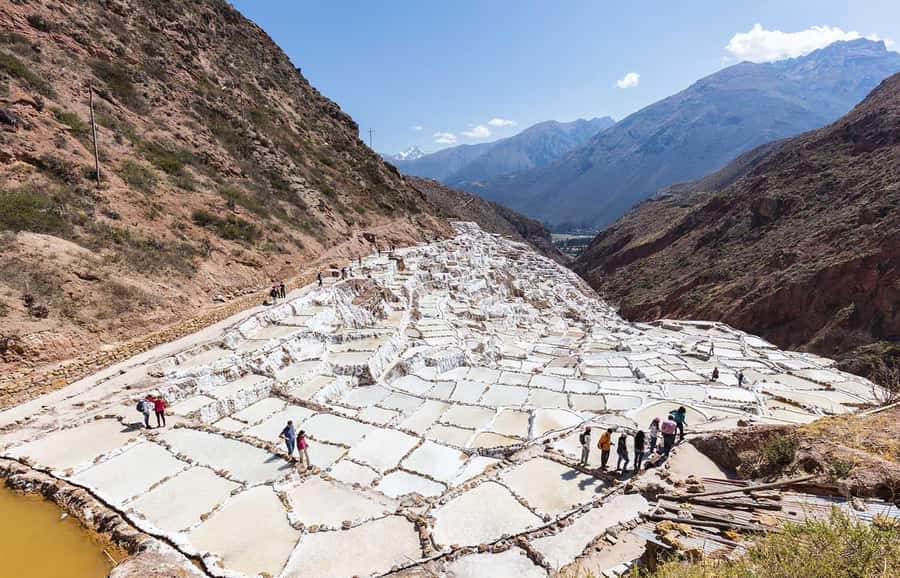
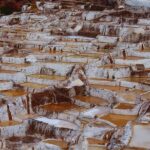
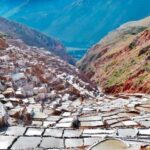
From Moray, you head to Maras for the salt pools—those small, geometric ponds that climb the mountainside. This is one of the most striking places in the Sacred Valley because it looks both ancient and current at the same time.
Here’s what makes it worth your time: there are around 2,000 salt pools, and many are still used by local families to extract salt. Your guide should explain the history of the mines and how the method works through traditional extraction practices. The result is that you’re not just admiring scenery. You’re watching a working system.
Even if you’re not a food person or a chemistry person, the salt story holds your interest. Salt is about resources, access to water, and making use of a specific local environment. Maras gives you that concrete, human scale.
Cost note: the Salineras entrance fee is not included, and you’ll likely pay 20 soles on-site. Also consider the Cusco Tourist Ticket if you have one, since it can apply to some visits (one guide-run itinerary used it for multiple locations).
Practical tip: you’ll be out in the open for portions of this stop. Sunscreen and a sun hat help more than you think, and don’t plan on buying everything there—come prepared with water.
Chinchero textiles: natural dyes, wool prep, and why this town matters
Chinchero is where the day gets hands-on, in the best sense. You’ll visit a textile interpretation center and learn how traditional techniques turn wool and cotton into yarn. Then you’ll see how that yarn gets dyed using natural pigments.
What I like here is the cause-and-effect learning. Instead of seeing textiles as just crafts to shop for, you start understanding the steps: fiber choice, spinning into yarn, then dyeing. Each part affects the final fabric quality, color consistency, and the look of the finished pieces.
This stop also works well after Maras. Salt is a resource extracted from the land; textiles are a resource transformed by people. Together, they make the day feel less like sightseeing and more like a tour of livelihoods shaped by the Sacred Valley.
Practical tip: if you want photos, bring your camera, but keep your respect dial up. Textile demonstrations often depend on people’s time and space.
The Sacred Valley views between stops: not just scenery, a sense of place
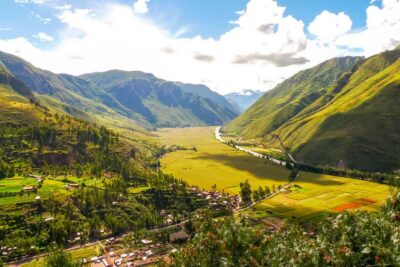
Between Moray, Maras, and Chinchero, you’ll get repeated glimpses of the Sacred Valley. The route matters. From the roads and viewpoints, you can start to see how terrain, water, and farming influenced where people settled and what they built.
I find these in-between moments are where the day clicks. A guided explanation gives you context at the sites, and the driving views make that context feel real—how terraces fit into hillsides, why certain spots are ideal for salt extraction, and why Chinchero’s position connects it to the wider region.
One smart move: take a few photos, but also pause. If you’re racing for the next stop, you miss the best part—getting your bearings.
Price and tickets: when $80 becomes more, and when it’s still worth it
The tour price is listed at $80 per person for a 1-day format with round-trip transportation from Ollantaytambo and a professional guide. For a one-day route that covers three major stops, that’s reasonable—especially if you’d otherwise be arranging separate transport and guiding.
Here’s the part you should budget for:
- The tourist ticket is not included: Nationals 40 soles, Foreigners 70 soles.
- Salineras entrance is not included: 20 soles.
In one itinerary context, the Cusco Tourist Ticket was used at two locations, and lunch happened around 13:30, with the group back around 15:30. That’s a helpful reminder that you may pay for tickets and still end up hungry, so plan for a meal (or snacks).
My practical take: this tour is good value if you factor in the likely site costs and you’re happy with a packed but doable schedule. If you already plan to self-drive or hire a private driver for a similar route, compare the ticket savings and transport time—not just the tour’s sticker price.

Guides and timing: how to get the best day (and avoid pickup stress)
A tour like this lives or dies on two things: the guide and the day-of organization.
On the guide side, I’ve seen strong performances on this kind of route. One English-speaking guide, Juan Carlos, was described as very knowledgeable with great English and the kind of extra effort that makes photos easier (plenty of picture-taking, not just rushing you through). Another guide name that came up positively is Yesica, and Yasmina also received standout praise—so if you land with a good guide, your explanations at Moray and Chinchero can feel like the whole trip.
On organization: this is the one area you should handle like a pro. In one documented experience, a group was left waiting about 1.5 hours after the provider didn’t show at the meeting point despite confirmation timing, and later communication was difficult. In another case, the guide message came via WhatsApp about 5 minutes before the activity started. That pattern doesn’t mean it happens every time, but it does mean you should not assume everything is perfectly scheduled.
Do this, and you’ll keep your day calm:
- Confirm pickup timing and exact meeting instructions ahead of time.
- If you’re not seeing anyone at the meeting spot near the stated start, message quickly and keep following up.
- Have your phone ready for short-notice coordination.
Also, build in practical patience. Sacred Valley roads can take time, and small delays can cascade. A good guide will keep you informed once you’re on the road.
What to bring (and what to plan for) for a full Sacred Valley day
The tour’s essentials are straightforward, and they’re correct:
- Comfortable shoes
- Sun hat
- Camera
- Sunscreen
- Water
I’d add one more habit: bring small snacks if you’re prone to getting hungry before the meal. On one itinerary, lunch was after the main stops (around 13:30), so there can be a long stretch before you eat.
If you have the Cusco Tourist Ticket, bring it. It can apply at more than one location on this kind of route, which can reduce what you pay separately at the gates.
Who should book this 1-day Moray–Maras–Chinchero tour
Book it if you want a tight, teachable day that covers three core Sacred Valley themes:
- Inca experimentation at Moray
- Working salt production at Maras
- Textile traditions at Chinchero, including natural dyes
This is also a solid choice if you’re staying in or near Ollantaytambo and don’t want to coordinate separate transport.
Skip it if you need wheelchair access. The tour is listed as not suitable for wheelchair users, which usually means uneven paths and steps at at least one of the sites.
Should you book? My honest call
I think this tour is worth it if you want maximum learning and scenery in one day, especially with a strong guide. The combination of Moray’s terrace logic, Maras’s salt pools that are still in use, and Chinchero’s textile and natural dye explanation makes the day feel coherent.
But book with your eyes open on logistics. Confirm pickup in advance and be ready to follow up if your meeting time comes and goes. If you do that, you give yourself the best chance of landing a smooth day and getting the most out of the sites.
If you’re the type who likes places with a story you can explain afterward, this route will satisfy you.
FAQ
How long is the tour?
It’s listed as a 1-day tour.
Where does the tour start and how do you get there?
You get pickup at the meeting point in Ollantaytambo, and the tour includes tourist transportation plus a guide.
Is the tourist ticket included in the price?
No. The tourist ticket is not included. It’s listed as 40 soles for Nationals and 70 soles for Foreigners.
Do I need to pay for the Salineras entrance?
Yes. Entrance to Salineras is not included and is listed as 20 soles.
What languages is the guide available in?
The live guide is available in Spanish and English.
Is this tour suitable for wheelchair users?
No. It’s listed as not suitable for wheelchair users.