REVIEW · URUBAMBA
Guided tour of Cusco and its 4 ruins
Book on GetYourGuide →Operated by Exploor Trip E.R.L · Bookable on GetYourGuide
Cusco ruins in one smooth six hours. This is a guided “greatest hits” route that strings together Qoricancha and the Sacsayhuamán fortress with minibus rides so you spend more time looking up and less time figuring out logistics.
I especially like how the morning starts at the Plaza de Armas and moves straight into the Inca-to-Spanish story, right down to the gold details that show up in the Cathedral’s decorative work. And for the big outer sites, the guide’s explanations matter, because these aren’t just rocks you walk past—they’re built to communicate power, religion, and engineering.
One drawback to keep in mind: timing and stop order can get tight, and the schedule may shift depending on the day. A Sunday booking, for example, reported a different order than expected, and that can be a real issue if the cathedral, Qoricancha, or Plaza de Armas are the main reason you booked.
In This Review
- Key things that make this tour work
- A quick game plan for Cusco in one day
- Plaza de Armas and the Cusco Cathedral: where the Inca story shows up
- Entrance note (important)
- Qoricancha (Temple of the Sun): the Inca–Spanish mix you can see
- Why Qoricancha needs a guide
- Sacsayhuamán fortress: the stonework that makes sense with context
- Practical reality
- Qenqo shrine and Puca Pucara: worship sites plus a watchtower
- Tambomachay, the Inca Bath: worshiping water
- Price and value: $20 isn’t the whole bill
- Where the value actually comes from
- Best day to go—and the order question you should ask
- What to bring for a comfort-first ruins day
- Who this tour is for (and who should look elsewhere)
- Should you book this Cusco ruins tour?
- FAQ
- How long is the guided tour?
- Where do you start and end?
- What’s included in the price?
- Which sites are visited on the tour?
- Are entrance fees included?
- How much are the entrance fees?
- Is the guide available in English?
- Do you get minibus transportation between stops?
- Is it free to cancel?
- Can the stop order change depending on the day?
Key things that make this tour work
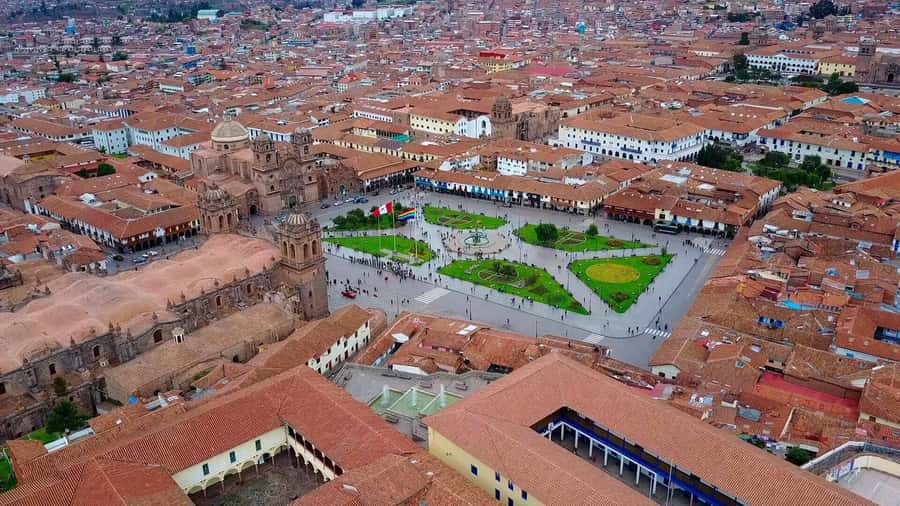
- Qoricancha (Temple of the Sun): Inca religious importance plus Spanish-era fusion you can actually see.
- Sacsayhuamán fortress: A guided walk helps you understand why it’s considered a top Inca architectural work.
- All four major surrounding ruins: Qenqo, Puca Pucara (Red Fortress), and Tambomachay are included in the same loop.
- Minibus hops that reduce dead time: You spend about half an hour getting out to the fortress area.
- A live guide in English or Spanish: One standout review describes a very passionate, professor-style approach.
A quick game plan for Cusco in one day
This tour is built for an efficient Cusco overview. You get pickup at a meeting point, then start in the historic center before heading outward by minibus to the four ruins.
The schedule is listed as 6 hours overall, but the tour description also references roughly 4.5 hours of sightseeing before you’re dropped back near the Plaza de Armas. Either way, plan for a solid chunk of the day with regular transitions and ticket stops.
You can also read our reviews of more guided tours in Urubamba
Plaza de Armas and the Cusco Cathedral: where the Inca story shows up
You begin around Plaza de Armas, right where the Cusco Cathedral stands. You’ll enter the cathedral to focus on architecture and artistic detail, including the note that many decorative elements use Inca gold.
Even if you’re not a cathedral person, it’s worth paying attention here because it frames the day’s theme: what happens when Spanish rule meets older Inca religious and political space. In a single morning, you’re shown how materials and meaning can be carried forward—or changed.
Entrance note (important)
Cathedral entry is not included. The Cathedral ticket is listed at 40 S/ (10.70 US$) for foreign visitors and 12.50 S/ (3.40 US$) for locals. If you’re budgeting tightly, decide early whether this stop is a must for you.
Qoricancha (Temple of the Sun): the Inca–Spanish mix you can see
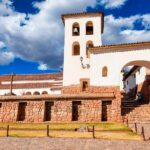
Next you walk to Qoricancha, also called the Temple of the Sun. The exact date of construction is described as still a mystery, but the big idea is clear: it was one of the most important religious centers in the Inca Empire.
What makes this stop special is the fusion. The tour highlights that Qoricancha represents one of the best examples of how Inca and Spanish culture overlap. Once you enter, you’re meant to be able to look at the structure and “see” that blend rather than just hearing a general talk.
Why Qoricancha needs a guide
Qoricancha is easy to misunderstand if you treat it like a museum stop. The guide helps you connect what you’re seeing to what it meant to the Incas, and then to how Spanish-era changes created a different layer of meaning. That’s the difference between snapping photos and actually getting it.
Sacsayhuamán fortress: the stonework that makes sense with context
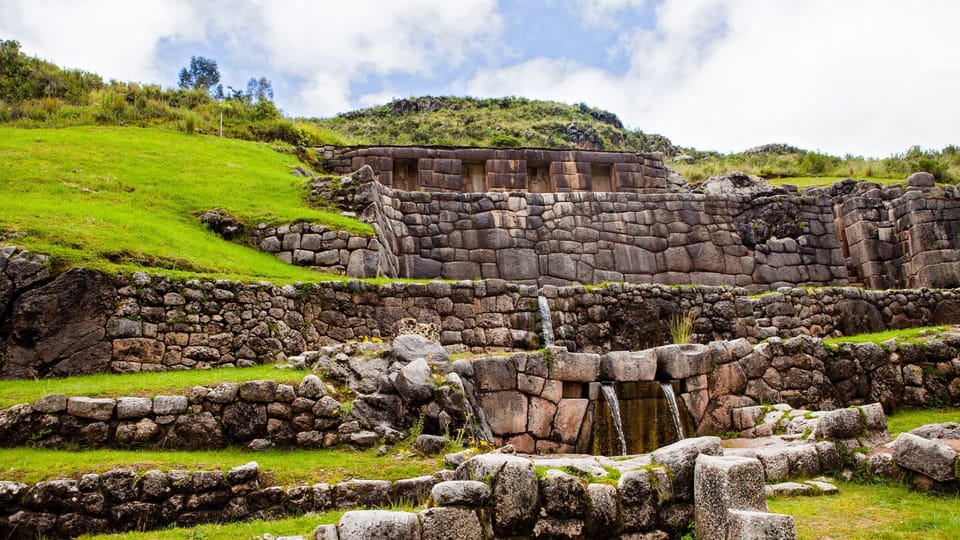
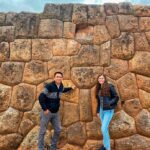
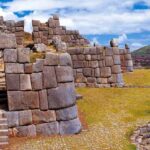
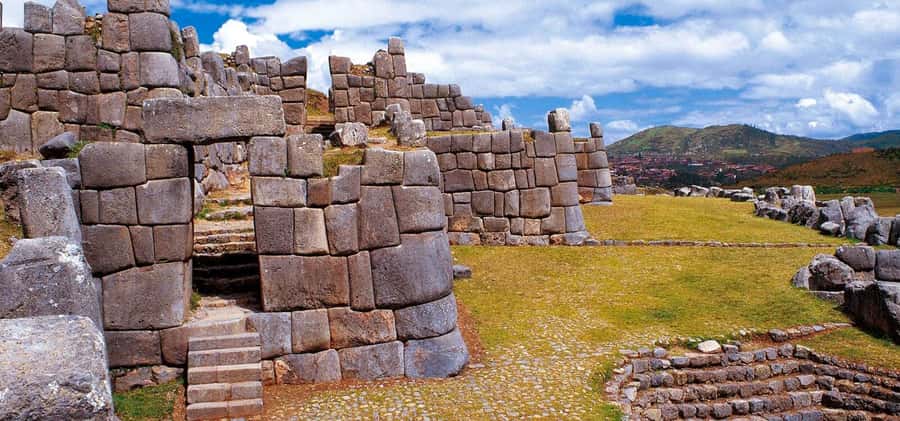
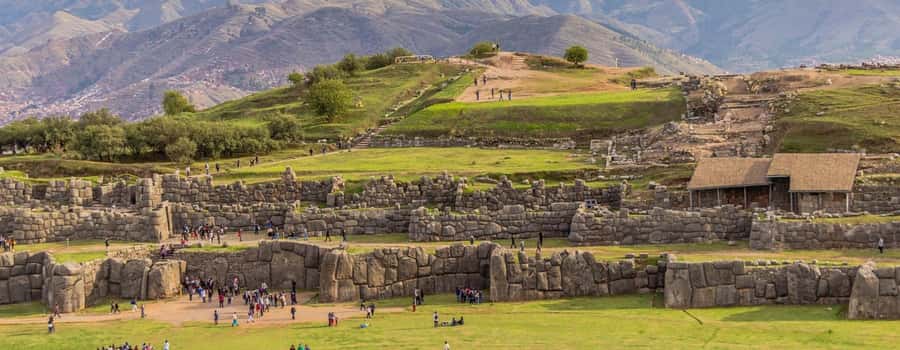
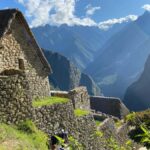
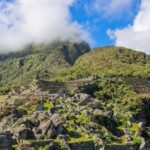
After returning to the minibus (about half an hour of travel), you arrive at Sacsayhuamán fortress. This is one of those places where scale alone can be impressive—but the tour’s value is the explanation of why it’s considered the greatest architectural work of the Incas.
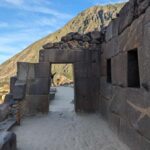
The guided portion matters because Sacsayhuamán isn’t just walls and corners. The tour is set up so you learn how the fortress fits into Inca power and construction logic, which changes how you look at the stones.
Practical reality
Time is limited, so expect a structured walk-through rather than an all-day wander. If you tend to linger, leave extra “buffer minutes” in your expectations.
Qenqo shrine and Puca Pucara: worship sites plus a watchtower
From Sacsayhuamán, the minibus takes you to the next two stops in the “four ruins” set.
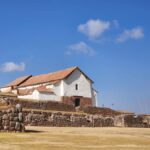
First is Qenqo shrine, described as one of the most important sanctuaries of the time. This stop is less about walking through rooms and more about understanding a sacred landscape. The guide’s job here is to help you interpret how the site fits into ritual life.
Then comes Puca Pucara, also known as the Red Fortress. A watchtower stop like this gives a different angle on how the Incas used high points—useful for control, observation, and regional strategy. The “fortress” part matters, because it shifts the story from purely religious sites to places tied to surveillance and defense.
Tambomachay, the Inca Bath: worshiping water
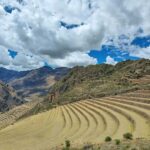
Last among the four ruins is Tambomachay, also called the Inca Bath. The tour explains why: it was precisely here where the Incas worshiped water.
This is a nice change of pace. After rock sanctuaries and fortress structures, Tambomachay brings the focus back to natural elements and how water shaped sacred practice. If you’re the type who likes seeing how religion connects to everyday resources—water, maintenance, and place-based rituals—this stop will land well.
Price and value: $20 isn’t the whole bill
The tour price is listed at $20 per person. That’s the “core” cost for pickup/return transfer to central Cusco, minibus transportation, and a guide.
But the major site entrances are not included. Based on the listed fees, here’s what you should budget if you’re a foreign visitor:
- Cusco Cathedral: 40 S/ (10.70 US$)
- Qoricancha: 15 S/ (4 US$)
- Four ruins: 70 S/ (18.80 US$)
That puts entrances at about 33.50 US$ total for foreign visitors (using the provided conversions). Add the $20 tour price and you’re around $53.50 all-in, before any personal extras.
Where the value actually comes from
This tour’s value isn’t just the sites—it’s the fact that you get them stitched together in one day with a live guide and minibus transfers. If you’d otherwise try to DIY the same loop, you’d lose time on planning and routes, and you’d likely miss the interpretive layer that turns “cool ruins” into “I understand what I’m seeing.”
Best day to go—and the order question you should ask
Here’s the key planning consideration: the order and timing can change.
A reported issue from a Sunday booking noted that the sequence of stops changed, and that pickup happened later than expected. The guest then ended up leaving without getting to Qoricancha, the cathedral, or Plaza de Armas—exactly the items they cared about most. Their complaint was basically this: when the order shifts and the day runs late, you can’t assume you’ll complete everything the way you planned your schedule.
So if you’re booking with a strict itinerary—like you have a later reservation, show, or need to be back for a flight—do yourself a favor and ask the operator (before you go) about the expected stop order for your day. You’re not being difficult; you’re being smart.
What to bring for a comfort-first ruins day
You’ll be in the sun and walking through uneven historic spaces. Bring:
- Comfortable, grippy shoes
- Sunscreen and a hat (Cusco light can be intense)
- Water for the gaps between stops
- Cash for entrances, if you prefer not to risk card issues
Also, keep your eyes on the guide’s pacing. A “six-hour tour” with multiple ticketed sites means you can’t treat this like a slow museum day.
Who this tour is for (and who should look elsewhere)
This guided loop is a good fit if you:
- Want an efficient overview of Cusco + its surrounding ruins in one day
- Appreciate architecture and enjoy stories that connect Inca meaning with Spanish-era layers
- Prefer minibus transfers over figuring out transportation across several sites
It’s less ideal if you:
- Have very tight timing and can’t risk a changed order
- Want deep, unhurried time at just one site (like only Qoricancha or only Sacsayhuamán)
- Plan to arrive late or leave early no matter what, because this route is structured
One more note: the tour is described as having a live guide in Spanish and English. A positive review praised the guide as a university teacher—passionate and professional—which is exactly the sort of energy that helps these sites “click.”
Should you book this Cusco ruins tour?
I think this is a strong choice if you want a guided “greatest hits” day and you’re comfortable paying separate entrance fees. The combination of Qoricancha’s Inca–Spanish fusion, Sacsayhuamán’s fortress story, and the four surrounding ruins in one loop is efficient and genuinely educational.
But if Qoricancha and the Cusco Cathedral are the main reasons you’re going, make your decision with one extra step: confirm the stop order for your exact travel day. That’s the one planning variable that can change your outcome. If the operator helps you lock in the sequence, you’ll get a smooth, high-value introduction to Cusco’s most important ruins.
FAQ
How long is the guided tour?
The tour duration is listed as 6 hours.
Where do you start and end?
You’re picked up at a meeting point, and you’re dropped off near the Plaza de Armas after the tour.
What’s included in the price?
The price includes pickup at the meeting point and return transfer to central Cusco, minibus transportation, and a guide.
Which sites are visited on the tour?
You visit the Cusco Cathedral area (entry is separate), Qoricancha (Temple of the Sun), Sacsayhuamán, Qenqo, Puca Pucara (Red Fortress), and Tambomachay (Inca Bath).
Are entrance fees included?
No. Entrance to the Cusco Cathedral, Qoricancha, and the four ruins are not included.
How much are the entrance fees?
For foreign visitors: Cusco Cathedral 40 S/ (10.70 US$), Qoricancha 15 S/ (4 US$), four ruins 70 S/ (18.80 US$). For locals, the listed fees are lower (cathedral 12.50 S/, four ruins 40 S/).
Is the guide available in English?
Yes. The live guide is available in Spanish and English.
Do you get minibus transportation between stops?
Yes. After Qoricancha, you return to the minibus and travel to the ruins (including about half an hour to reach Sacsayhuamán).
Is it free to cancel?
The activity includes free cancellation up to 24 hours in advance for a full refund.
Can the stop order change depending on the day?
Based on reported experience, the stop order may vary by day, and on a Sunday booking the sequence was different than expected.