REVIEW · CITY TOURS
City Tour Cusco
Book on GetYourGuide →Operated by Machupicchu Tou Services · Bookable on GetYourGuide
Cusco can feel like a time machine. In this $15 City Tour Cusco, I love how the Inca-and-Spanish architecture story shows up fast, then keeps paying off at key ruins like Sacsayhuamán. You’ll get guided stops at Sacsayhuamán, Q’enqo, Tambomachay, and Puca Pucará, with a professional guide focused on what you’re actually looking at—not just where it is. The main consideration: this tour isn’t suitable for people with mobility impairments, since the stops are outdoors and involve walking on uneven ground.
My favorite part is the way a good guide teaches you to “see” Cusco. Here, the route is built to connect the city as Inca capital to the surrounding ceremonial sites, with scenic viewpoints along the way. You’ll also hear about Cusco art styles and how Inca and Spanish design ideas blend together in everyday streets and major structures.
One more practical note: you should bring a passport or ID card, and avoid luggage or large bags. If you pack light, the whole day feels smoother.
In This Review
- Key highlights worth your attention
- Cusco starts the story: architecture, art styles, and smart viewpoints
- Sacsayhuamán: seeing the fortress in three levels
- Q’enqo: the Puma temple and the altar theme
- Tambomachay: water sources that still feed terraces
- Puca Pucará: the watchtower above the valley
- Price and value: $15 with real guiding time
- What’s included (and what you must plan for)
- Pickup, meeting points, and the flow back to Cusco
- Who this Cusco city tour fits best
- Should you book City Tour Cusco?
- FAQ
- How long is the City Tour Cusco?
- What does the tour include?
- How much does it cost?
- Where is pickup included?
- Where does the tour finish?
- Are entrance tickets included?
- Are meals and drinks included?
- What language is the live guide?
- What should I bring?
- Is this tour suitable for mobility impairments?
- Can I cancel for a full refund?
Key highlights worth your attention
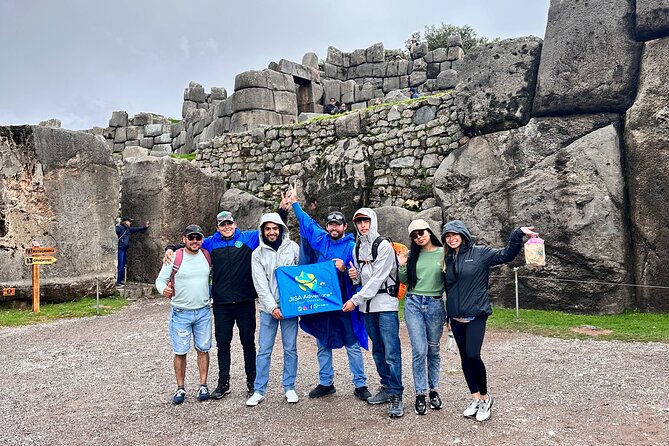
- Sacsayhuamán’s three levels: you’ll walk through the site and learn what dominated Cusco in Inca times.
- Q’enqo and the Puma temple: hear how the shrine connects to ancient sacrifice altars and the Pachamama.
- Tambomachay’s water mindset: spot spring sources that still support irrigation and terraces.
- Puca Pucará’s strategic views: climb into the “watchtower” role above the valley and imperial city.
- Bilingual live guide support: English and Spanish explanations throughout the best photo angles.
Cusco starts the story: architecture, art styles, and smart viewpoints
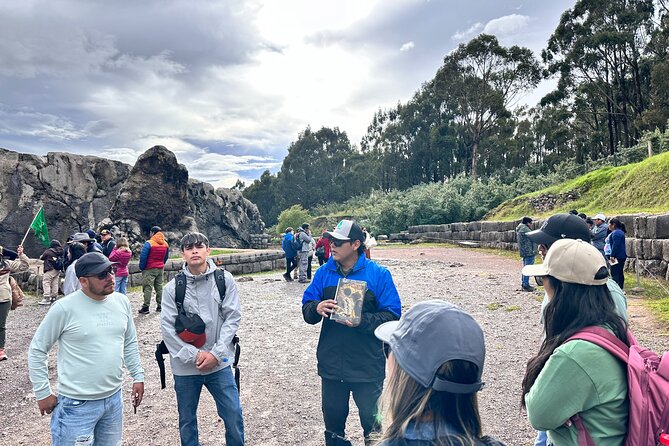
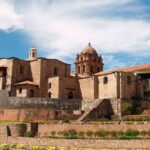
Cusco is the launchpad for this tour, and I like that you don’t waste time jumping straight into ruins without context. The city portion sets the tone: you’re learning Inca culture from its capital, then noticing how Spanish-era building styles sit alongside older Inca foundations. It’s the kind of contrast you might miss on your own, especially if you only focus on the big monuments.
I also appreciate that the guide addresses Cusco art styles, not in a textbook way, but as something you can connect to what you see on walls, crafts, and decorative details. In a place like Cusco, art isn’t just about beauty—it’s a language, and this tour gives you the starter vocabulary.
On the way out of town, there are scenic viewpoints from the vehicle route. Think of them as breathing room. When you’re heading into multiple ruins in a short time, small stops and changing angles help your brain keep up.
Tip: If you’re the type who likes to photograph details, keep your camera ready during the city-to-ruins drive. The best clues about architecture and style often show up on corners and facades, not only at the big labeled sites.
You can also read our reviews of more city tours in Cusco
Sacsayhuamán: seeing the fortress in three levels
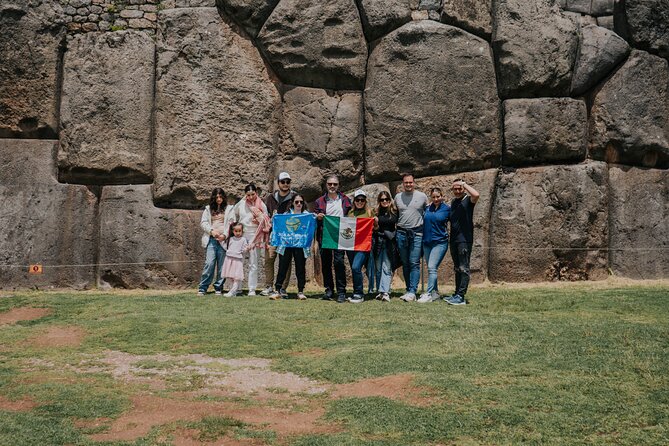
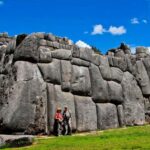
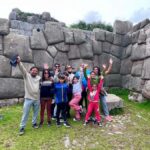
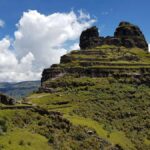
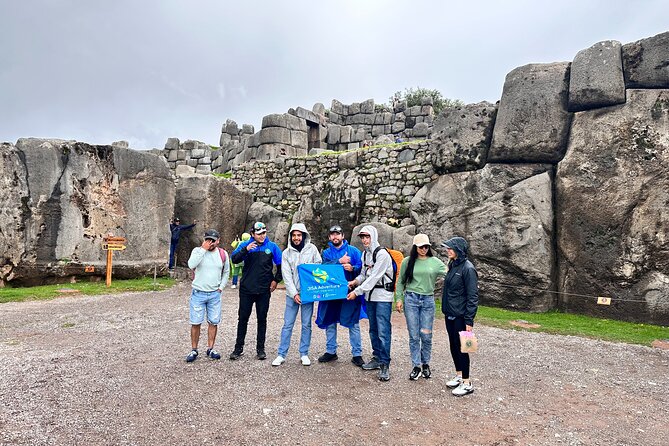
Sacsayhuamán is the big first wow, and it works because you approach it as a ceremonial fortress, not a random collection of stones. The structures are colossal, and you feel how the site was designed to command attention. The setting also matters here: it’s surrounded by open air views and hills, so the place feels connected to the environment around Cusco.
The tour focuses on touring the site’s three levels. That’s key. Many day tours treat Sacsayhuamán like a quick walk-by, but seeing the levels gives you a sense of how Inca builders organized space and power. In the upper part, you’ll learn about the bases of the great towers that once dominated Cusco. That detail helps you move from impression to understanding.
Here’s what I’d watch for as you go:
- How the construction lines up across levels, so you can picture how towers and walls would have looked in Inca times.
- How the stonework fits the terrain. The guide’s explanations tend to point out the parts many people overlook because they’re busy looking at the most obvious angles.
This stop also offers good mental payoff. Once you understand the idea of levels and dominance here, later ruins like Q’enqo and Puca Pucará make more sense as part of a system, not separate attractions.
Possible drawback: You’ll spend time outdoors and on a route that requires walking. Comfortable shoes help a lot, even if the tour pace is reasonable.
Q’enqo: the Puma temple and the altar theme
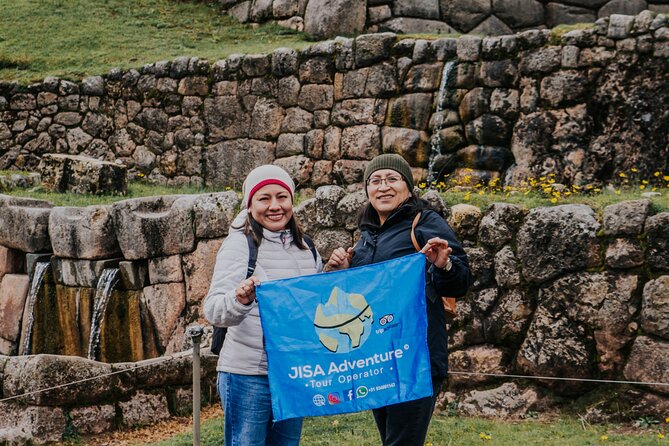
Next up is Q’enqo, described as an Inca shrine and an ancient temple of the Puma. I like the way this stop shifts the mood. Sacsayhuamán feels like scale and power; Q’enqo feels like ritual space—more intimate, but still meaningful.
Inside the shrine area, you’ll learn about an altar for sacrifices located inside what’s framed as the Pachamama. That theme matters because it changes how you read the site. You’re not just looking for shapes. You’re trying to understand why people would build, gather, and perform ceremonies in exactly this kind of place.
A strong guide helps here because there’s plenty you can see on the surface. The real value is hearing how the guide connects the physical layout with the spiritual purpose. If you like “how to look at ruins,” this is where the tour earns its price.
Photo tip: If you like photos, Q’enqo is great for mid-range shots where you can include surrounding rock features. Up close is interesting too, but I find the context shots tell the story faster.
Tambomachay: water sources that still feed terraces
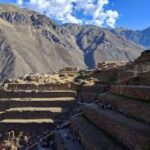
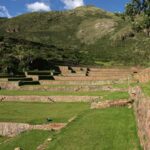
Then you head to Tambomachay, and it’s a different type of stop again. This place is treated as a monument of remarkable architectural excellence and considered one of the pillars of Andean cosmovision. In plain terms: it’s not just impressive stone. It’s tied to how people understand water, nature, and survival.
The tour pays attention to spring water sources that still irrigate the fields and terraces of the city. That living function is what makes Tambomachay click. You’re seeing infrastructure designed for a landscape that still works today, which adds weight to the architecture you’re standing near.
What to keep in mind while you’re there:
- Think about purpose. When water management is part of religious or cultural meaning, the structure’s “why” becomes as important as the “what.”
- Let the guide point you to the water-related elements. The tour description emphasizes these sources, so they’re likely a focus during the visit.
Tambomachay can also be a nice mental reset. After Sacsayhuamán’s big fortress energy and Q’enqo’s ritual vibe, this stop brings you back to a practical, continuing relationship with the land.
Puca Pucará: the watchtower above the valley
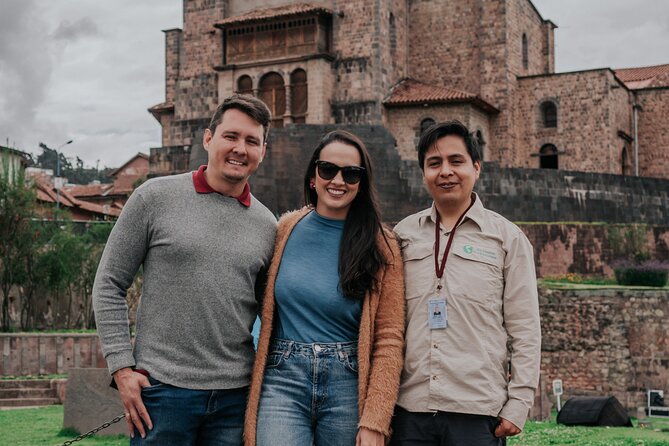
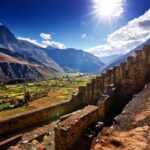
To finish, you’ll enter the watchtower area of Puca Pucará, a strategic place that dominates the valley and the imperial city. This stop has a built-in payoff: you’re basically studying the point of view itself.
A “watchtower” isn’t only about views—it’s about control, communication, and the ability to monitor movement across a region. The tour leans into that by framing the location as strategic and commanding over the imperial city.
I recommend taking a few minutes to slow down here. You’ll usually get better results if you:
- Look from one angle, then shift to another, instead of staying in one position for the whole stop.
- Turn your attention to how the valley opens out, because that’s the reason Puca Pucará exists.
It’s a satisfying capstone. By the time you reach Puca Pucará, you’ve already learned about ritual space and water significance. Now you see the bigger “system” picture: Cusco wasn’t only a city. It was a network of places with different roles.
Price and value: $15 with real guiding time
Let’s talk money, since this tour is priced at $15 per person. That’s not expensive for a 5-hour guided route that includes tourist transportation and a professional tourist guide.
The value equation is straightforward:
- You’re paying for transport plus guided time at multiple sites.
- The guide is live and bilingual (English and Spanish), which you’ll feel most at the ruins where context matters.
- What you’ll likely spend extra on: entrance tickets, plus meals, snacks, and beverages are not included.
So where does it feel like good value? When your guide helps you notice details that you would miss alone—like how to interpret Sacsayhuamán’s levels or how to connect Q’enqo to the sacrifice altar theme and Pachamama context. If you’re okay paying a little extra to learn, this price is a strong deal.
Also, the duration matters. The tour lists guided on the sites at about 5 hours, so you’re not just doing a drive-by. You’re actually spending time at each place.
Quick budgeting tip: Bring cash or a card mindset for entrance tickets and at least one snack plan. You’ll enjoy the day more if you’re not hungry by mid-afternoon.
What’s included (and what you must plan for)
This tour is built around guided site time. Here’s what you can count on:
- Tourist transportation
- A professional tourist guide
- Guided on the sites for about 5 hours
- Assistance from your agency 24/7
And here’s what’s not included:
- Entrance tickets
- Meals, beverages, snacks, or other personal expenses
- Travel insurance
The tour also requires practical prep:
- Bring a passport or ID card.
- Avoid luggage or large bags.
If you’re traveling with friends, this is a nice group-friendly format because the guide can keep you moving between stops while explaining what you’re seeing.
Pickup, meeting points, and the flow back to Cusco
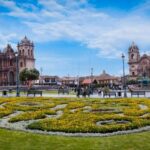
Pickup is included, and you have options. One listed pickup option is Plaza De Armas, Cusco. You can also arrange pickup from your hotel, and you’ll get a collection schedule. If your timing or location is complicated, the tour says you can coordinate from a neutral point and align schedules.
The tour finishes back at Cusco Main Square (listed as Cuzco Main Square). That’s convenient because it saves you from hunting for transport at the end of a long day.
In the real world, the exact feel of the day depends on your pickup time and how smooth the road traffic is. Still, the structure is sensible: city context first, then the major ceremonial and strategic sites, then back to the center.
Who this Cusco city tour fits best
This is a great choice if:
- You want a short guided loop around the most important nearby Inca-related sites without planning transportation yourself.
- You like learning the “why” behind what you see—architecture, ritual context, and Andean cosmovision themes.
- You’re comfortable with walking outdoors at multiple stops.
Skip it (or at least think twice) if:
- You have mobility impairments, since it’s noted as not suitable.
- You hate walking on uneven ground or dislike outdoor ruins in any weather.
If you’re visiting Cusco for the first time and you want a meaningful orientation to Inca culture in and around the city, this format is a strong fit.
Should you book City Tour Cusco?
Book it if you want a guided, time-efficient Cusco experience that connects the Inca capital to major ceremonial sites—Sacsayhuamán, Q’enqo, Tambomachay, and Puca Pucará—while also helping you notice the mix of Inca and Spanish architecture and the styles of Cusco art.
Don’t book it if you’re mainly looking for a relaxed, minimal-walking day, or if you need mobility-friendly access. This one is structured around active site visits.
Bottom line: for $15, you’re buying transportation plus real guiding time. If you show up with comfy shoes, a light bag, and a passport or ID, you’ll leave with a much clearer mental map of how Cusco was meant to be understood.
FAQ
How long is the City Tour Cusco?
The tour duration is listed as 5 hours (with site guiding about 5 hours).
What does the tour include?
It includes tourist transportation, a professional tourist guide, guided time at the sites (about 5 hours), and 24/7 assistance from the agency.
How much does it cost?
It costs $15 per person.
Where is pickup included?
Pickup is included from Plaza De Armas, Cusco, and it can also be coordinated from your hotel. A collection schedule is provided.
Where does the tour finish?
It finishes at Cusco Main Square.
Are entrance tickets included?
No. Entrance tickets are not included in the price.
Are meals and drinks included?
No. Meals, beverages, and snacks are not included.
What language is the live guide?
The live tour guide is available in English and Spanish.
What should I bring?
You should bring a passport or ID card.
Is this tour suitable for mobility impairments?
No. It is listed as not suitable for people with mobility impairments.
Can I cancel for a full refund?
Yes. Free cancellation is available up to 24 hours in advance for a full refund.