REVIEW · CITY TOURS
Tour of the most important points in the city of Cusco.
Book on GetYourGuide →Operated by Journey Peru SAC · Bookable on GetYourGuide
In Cusco, pacing is everything. This half-day loop helps you get settled with an acclimatization-friendly schedule while hitting the city’s biggest Inca highlights in about five hours.
I like that it’s built around practical order: you start at Qoricancha, then move through Sacsayhuaman, Qenqo, Puka Pukara, and Tambomachay without long gaps or chaos.
I also really appreciate the small-group comfort and the fact that your guide is bilingual in English and Spanish. One thing to consider: you still need to plan for site costs, since Qoricancha entrance isn’t included (S/ 20.00) and the Cusco Tourist Ticket handled by Cosituc may matter for other stops.
In This Review
- Why This Half-Day Cusco Route Works for Acclimatization
- The Two Shifts: Morning Pickup vs Meeting at Qoricancha
- Qoricancha Temple of the Sun: Where the Day Gets Its Context
- Sacsayhuamán’s Inca Military Architecture: Look for Scale and Purpose
- Qenqo Ritual Center: Reading a Limestone Outcrop
- Puka Pukara, the Red Fortress: Military Details in a Distinct Color
- Tambomachay’s Inca Baths: The Waterfall Stop You’ll Appreciate
- Group Size and Guide Style: Small Beats Rushed
- Price and Value: What $25 Buys (and What It Doesn’t)
- Pickup, Timing, and the WhatsApp Message That Matters
- What to Bring in Cusco: Comfort That Keeps You Moving
- Rules to Know So You Don’t Get Stuck
- Who This Tour Is Best For (and Who Might Want Something Else)
- Should You Book This Cusco Acclimatization Tour?
- FAQ
- How long is the Cusco highlights acclimatization tour?
- What’s the pickup plan for the morning shift and afternoon shift?
- Where will I start the tour?
- Does the price include transportation and the tour guide?
- Is the Qoricancha entrance included?
- What languages are the guides?
- What should I bring?
- Is there free cancellation?
Why This Half-Day Cusco Route Works for Acclimatization
This tour is designed as a calm, structured “get your bearings” day in Cusco. After you land or arrive, the altitude can make normal walking feel like a workout. A tour like this lets you move, see, and learn without turning the day into an exhausting scramble.
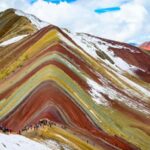
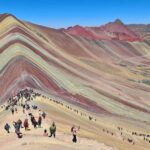
It’s also a smart stepping stone if you’re heading toward a more demanding excursion later, like Rainbow Mountain. You’re getting familiar with Cusco’s major archaeological sites, the rhythm of guided visits, and the basic logistics of moving around the city—so your next day feels less like a leap.
And because it’s only about 270 minutes, you’re not stuck all day wondering when you’ll finally sit down with water and a snack. (You’ll still want those later, since water and snacks aren’t included.)
The Two Shifts: Morning Pickup vs Meeting at Qoricancha
You have two start options, and choosing the right one makes the whole day easier.
- Morning shift: pickup is around 8:30 am from your hotel near the historic center.
- Afternoon shift: you meet at Qoricancha at 13:00 pm.
If you’re sensitive to early starts, the afternoon option can be a relief. If you want more of the day to yourself afterward, the morning shift gives you extra time in Cusco for exploring or just recovering.
Either way, the tour includes round-trip transportation back to the city at the end. It’s one less thing to manage when you’re adjusting to a new altitude and a new schedule.
You can also read our reviews of more city tours in Cusco
Qoricancha Temple of the Sun: Where the Day Gets Its Context
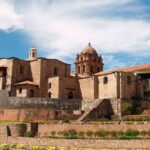
Your tour starts at Qoricancha, the Temple of the Sun. You’ll get a guided visit for about an hour, which is a great amount of time for a first stop. It’s long enough to understand what you’re looking at, but not so long that you lose energy early in the day.
This is also the easiest way to orient yourself. After the explanation, you’ll have a clearer mental map of Cusco’s most important sites and why they matter. It turns the rest of the itinerary from random ruins into a connected sequence.
Practical heads-up: entrance to Qoricancha isn’t included, and you should budget S/ 20.00 for that visit. If you want fewer surprises, carry some cash before you arrive at the temple.
Sacsayhuamán’s Inca Military Architecture: Look for Scale and Purpose
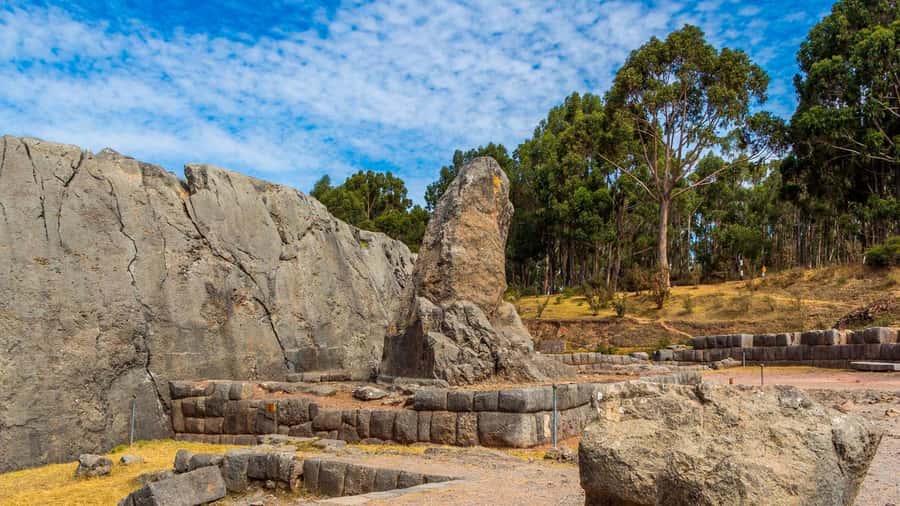
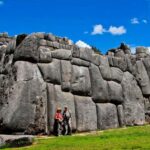
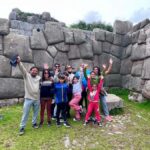
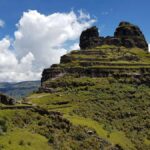
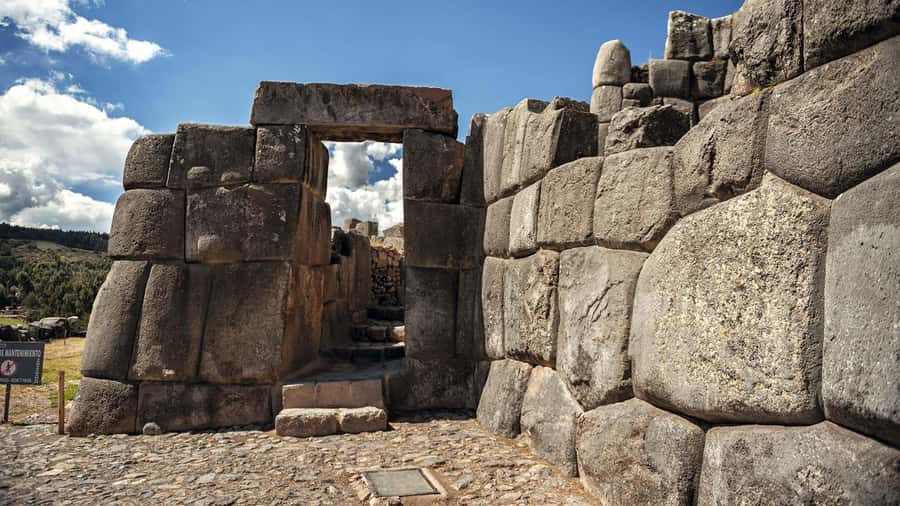
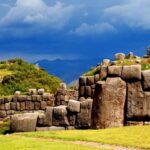
Next up is Sacsayhuamán, often described as an imposing example of Inca military architecture. Even if you’re not a stone-nerd, you can usually read the intent right away: this is built to control space and defend it.
The value of having a guide here is simple. Without explanations, you tend to focus only on the biggest stones and skip the why. With guidance, you learn what to notice—how the structure was designed, what role it played, and how it fits into the bigger Cusco story.
Also, this stop is a useful checkpoint for acclimatization. You get exercise from walking and climbing, but the pacing is still manageable because the tour is organized around short guided segments rather than one long grind.
Qenqo Ritual Center: Reading a Limestone Outcrop
After Sacsayhuamán, you’ll visit Qenqo, a ritual center built on a unique limestone outcrop. The outcrop matters because it changes how the site feels. You’re not just looking at constructed space; you’re seeing how the builders used natural rock in the setting.
This is one of those stops where your guide can help you slow down. When you know it’s a ritual center and not just another viewpoint, your attention shifts. You start noticing the way the site is positioned and how it might have been used.
If you like photography, it’s a solid chance to take pictures without sprinting. If you’re planning Rainbow Mountain later, this kind of stop is also a good test run for how your body handles active sightseeing.
Puka Pukara, the Red Fortress: Military Details in a Distinct Color
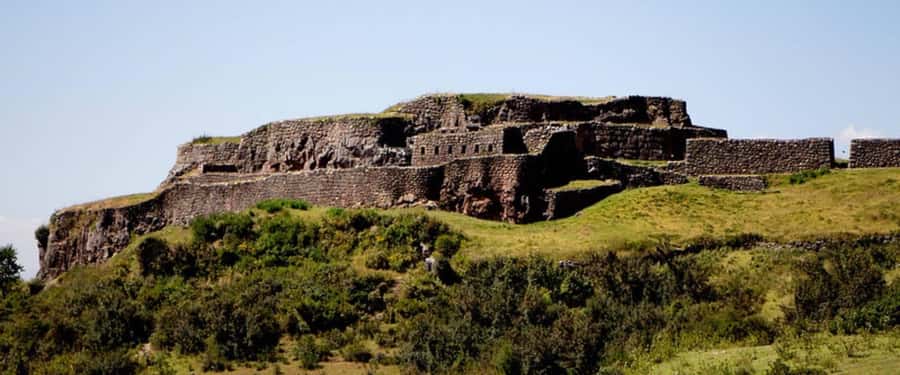
Then comes Puka Pukara, the red fortress. The key clue is in the name: you’ll see a reddish color and military construction that’s described as characteristic of the site.
A tour like this helps you go beyond surface impressions. Color alone is interesting, but a good guide connects it to why the place was built and how it functioned. You’re not just watching stones; you’re learning the logic behind them.
One more practical benefit: this stop breaks up the day. The route isn’t nonstop walking between monuments. You’re getting distinct settings and explanations, which helps keep the day from feeling like a checklist.

Tambomachay’s Inca Baths: The Waterfall Stop You’ll Appreciate
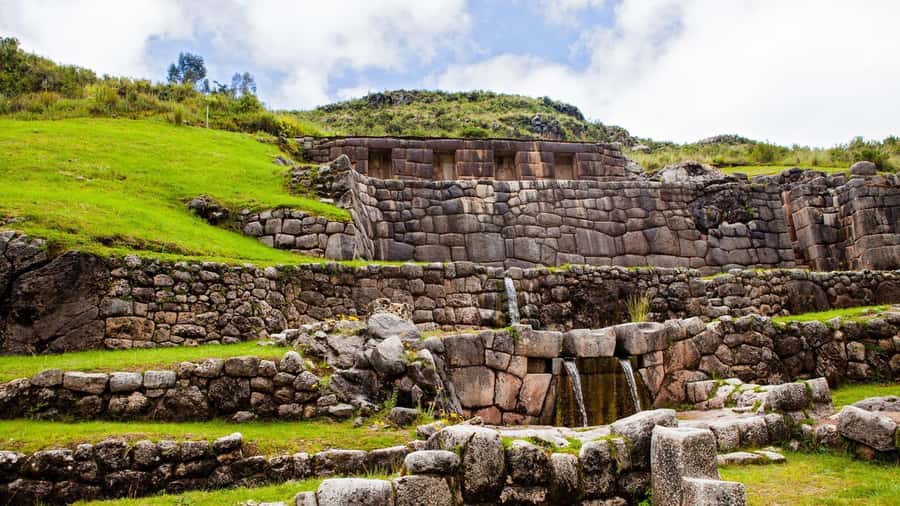
Finally, you’ll head to Tambomachay, known for its main waterfall—the Baths of the Inca. This is a nice emotional reset at the end of the itinerary. Earlier sites are about structures and ritual space; this one adds sound and motion.
Waterfall stops are great on travel days because they feel refreshing and easier to breathe through. You’ll likely take your time here, even if the schedule keeps moving. Just remember the tour may include rain gear recommendations, so conditions can change quickly.
Also, because Tambomachay is the last archaeological stop before heading back to Cusco, it’s a good moment to regroup. You’ll be tired by then. This helps the fatigue feel like part of the experience, not like the end of the world.
Group Size and Guide Style: Small Beats Rushed
The tour uses small groups, and that’s not a throwaway line. In Cusco, groups can get large fast—especially in peak season—and then your day turns into waiting, squeezing, and repeating questions you didn’t get to ask.
Here, the small-group setup supports a calmer pace and more meaningful guiding. You’ll be able to hear the explanation, ask basic questions, and keep your attention on what matters at each site.
The guides are bilingual, English and Spanish, which is a big plus if you’re traveling with someone who prefers a different language. It also makes the tour feel more accessible if your Spanish is improving but not perfect yet.
Price and Value: What $25 Buys (and What It Doesn’t)
The price is $25 per person, for a tour that runs about 270 minutes with round-trip transportation and a bilingual guide. For Cusco, that’s solid value if you want major sights without organizing a bunch of separate tickets and schedules.
Here’s the part that can catch people off guard: Qoricancha entrance costs extra. It’s listed as S/ 20.00, and the Cusco Tourist Ticket issued by Cosituc is also part of how many sites work in practice.
So think of your $25 as covering the guided experience plus transport. Plan a bit more cash for entrances. If you show up expecting everything to be included, you’ll end up stressed at the gate.
To keep it smooth:
- Bring cash (it’s specifically recommended).
- Budget for at least Qoricancha entrance in addition to any ticket requirements for the other sites.
Pickup, Timing, and the WhatsApp Message That Matters
Two things make this tour feel organized rather than improvised.
First, the tour uses real pickup points: near the Plaza de Armas historic center for those hotels, and a set meeting location for the afternoon shift at Qoricancha. If your hotel isn’t in the usual pickup area, you’ll be told a meeting point.
Second, you’ll get a WhatsApp message two or one day before your tour with your pickup time. That’s useful in Cusco, where schedules can shift slightly and roads can be busy.
When you’re traveling, it’s easy to ignore those messages. Don’t. A 30-minute timing mismatch at altitude can feel like a whole day, even if it’s just a small delay.
What to Bring in Cusco: Comfort That Keeps You Moving
This is an active half-day. You’re walking between sites, so bring what keeps your feet happy.
The tour suggests:
- Hiking shoes
- Biodegradable sunscreen
- Rain gear
- Camera
- Passport or ID card
- Cash
I also like that they call out the basics like ID and a camera. If you forget your ID, you can lose time. If you forget sunscreen, Cusco sun can turn an easy morning into a miserable one fast.
Rain gear matters too. Even when the day looks fine, conditions can shift. A light layer or poncho helps you stay in the moment instead of cutting the tour short.
Rules to Know So You Don’t Get Stuck
There are a few restrictions, and it’s best to respect them upfront:
- Alcohol and drugs aren’t allowed.
- Baby carriages aren’t allowed.
This kind of rule exists because the experience is structured around walking and handling sites efficiently. If you’re traveling with kids, the baby-carriage limit is a key detail to consider before you book.
Who This Tour Is Best For (and Who Might Want Something Else)
This tour is a great fit if:
- You’re in Cusco for the first time and want a guided orientation to the most important sites
- You want an acclimatization day without jumping straight into a tough hike
- You prefer small groups and bilingual explanations
It’s also ideal if you know you’ll do bigger trips after this. Your legs and lungs will appreciate the practice run, and your brain will appreciate the context.
If you hate guided tours or you prefer to wander completely on your own, you might find the structure limiting. But if your goal is to see the big Cusco hits in half a day and prepare for something harder, this is a smart starting move.
Should You Book This Cusco Acclimatization Tour?
If you’re planning Rainbow Mountain or another demanding excursion, I think this is the kind of first-day tour that pays off. You get a guided start at Qoricancha, a strong sequence through Sacsayhuamán, Qenqo, Puka Pukara, and Tambomachay, and you’re back in Cusco after about five hours.
Book it if you value:
- an organized route built for a gentler start
- bilingual, informative guidance
- small-group comfort
- major sights without the stress of self-coordinating transport and timing
Skip or compare if you’re allergic to extra entrance costs or you want everything included in one price. Just remember: Qoricancha entrance (S/ 20.00) is not included, and the Cusco Tourist Ticket system through Cosituc can apply for other sites, so budget a little more than the headline price.
FAQ
How long is the Cusco highlights acclimatization tour?
The tour lasts about 270 minutes, or roughly 5 hours.
What’s the pickup plan for the morning shift and afternoon shift?
For the morning shift, pickup is around 8:30 am from your hotel near the historic center. For the afternoon shift, the meeting point is Qoricancha at 13:00 pm.
Where will I start the tour?
You either get picked up at your hotel near the historic center of Cusco or you meet at a set meeting point if you’re not within the usual pickup radar.
Does the price include transportation and the tour guide?
Yes. The tour includes pickup near the historic center, round-trip transportation, and a bilingual tour guide.
Is the Qoricancha entrance included?
No. Entrance to Qoricancha costs S/ 20.00 and is not included.
What languages are the guides?
The tour includes a live bilingual guide in English and Spanish.
What should I bring?
Bring your passport or ID card, a camera, hiking shoes, biodegradable sunscreen, rain gear, and cash.
Is there free cancellation?
Yes. You can cancel up to 24 hours in advance for a full refund.