REVIEW · SACRED VALLEY
2-Day Inca Trail To Machu Picchu
Book on Viator →Operated by Happy Gringo Tours · Bookable on Viator
Two days on the Inca Trail feels like magic. You trade the full trek for a short, high-impact hike through cloud-forest scenery, then you hit Machu Picchu at sunrise with a guide and time to roam.
I especially like two things. First, the hike is about 16 km, so you still get the classic Inca Trail vibe without losing multiple days. Second, the hotel pickup on both sides of the trip removes a lot of stress in Cusco.
One possible drawback is timing pressure: the mornings run early, and there can be hiccups with pickup punctuality, so build a little buffer and don’t treat your schedule like it’s going to be perfect.
In This Review
- Key things to know before you book
- A 2-Day Inca Trail That Fits Real Schedules
- Sacred Valley Start: From Cusco to Ollantaytambo to Km-104
- Walking the Short Inca Trail: 16 km, Wiñay Wayna, and Inti Punku
- Day 2 Machu Picchu Sunrise: Early Bus Timing and First Views
- Huayna Picchu: The Optional Climb That Changes Your Day
- Lunch, Aguas Calientes, and the Return Train
- Guides You Might Get: Ruben, Wilbur, Mauro, Marko
- Price and Value: What You’re Paying For
- Fitness, Weather, and the Reality of Those Early Mornings
- Should You Book This 2-Day Inca Trail Tour?
- FAQ
- How long is the 2-day Inca Trail to Machu Picchu tour?
- How much do I hike on the Inca Trail portion?
- Are Machu Picchu tickets included?
- Are Huayna Picchu and Machu Picchu Montaña included?
- Do I get pickup from Cusco?
- What fitness level do I need?
- Is travel insurance included?
Key things to know before you book
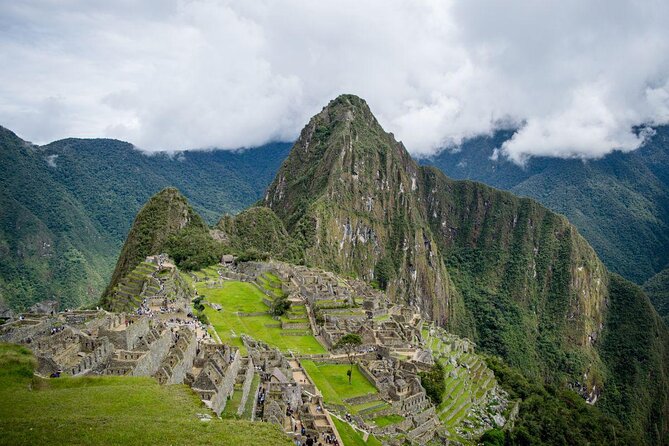
- Short Inca Trail (about 16 km): ideal if you want Machu Picchu without the full 4-day commitment
- Wiñay Wayna and Sun Gate (Inti Punku): you reach major viewpoints in less time
- Cloud forest walking: expect lush sections and plenty of birds around the trail
- Sunrise at Machu Picchu: you’re routed to catch the early light before crowds peak
- Private English-speaking guide for about 2 hours: a structured introduction, then freedom to explore
- Group limit of 16: you usually get a smaller-feeling experience rather than a massive bus tour
A 2-Day Inca Trail That Fits Real Schedules
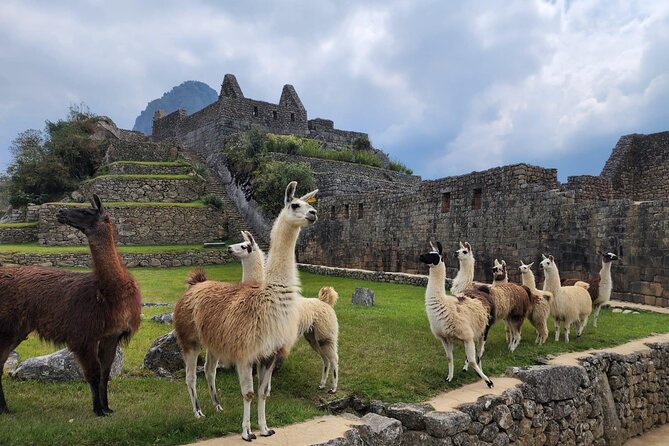
If the full Inca Trail sounds amazing but your calendar says nope, this two-day version is a very practical compromise. You still get the Sacred Valley-to-Machu Picchu arc, the steep “wow” moments, and the sense you’re following in ancient footsteps. It just doesn’t ask you to surrender every spare day.
The big win is focus. You’re not turning this into a weeklong logistics project. You’ll be hiking on day one, and day two is built around the main event: Machu Picchu at sunrise, guided, then your own time.
This format also helps if you’re sensitive to altitude planning. You’re getting a serious day of walking, yes, but you’re not spreading the strain across four days of incremental fatigue.
You can also read our reviews of more tours and experiences in Sacred Valley.
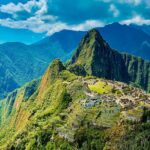
Sacred Valley Start: From Cusco to Ollantaytambo to Km-104
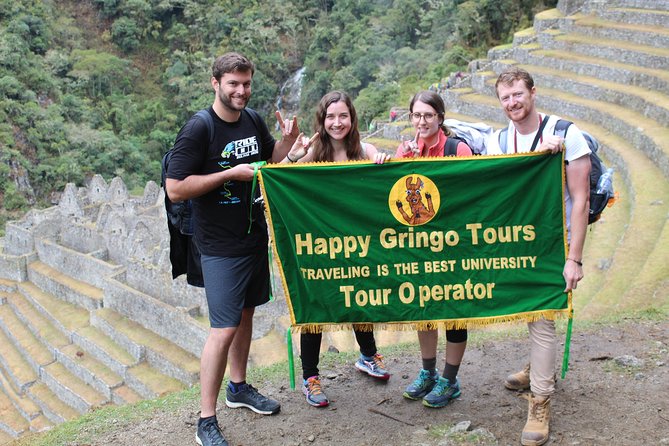
Day one begins early, with pickup from your Cusco accommodation. You go by bus to Ollantaytambo, then take the train from Ollanta at 07:45 to Km-104, where your hike begins.
That transfer rhythm matters more than you might think. You’re already dealing with elevation in the Cusco region, so reducing “dead time” helps. The train segment also sets you up for a clean start instead of scrambling for transport right when everyone’s half-awake.
Once you’re at Km-104, the hike starts to feel like the classic Inca Trail story—only compressed. Your group walks along a route that works its way upward, with breaks and viewpoints built into the pacing.
Your group size is capped at 16 travelers, which usually means you don’t feel lost in a crowd. It also tends to make the guide’s attention more useful when questions pop up.
Walking the Short Inca Trail: 16 km, Wiñay Wayna, and Inti Punku
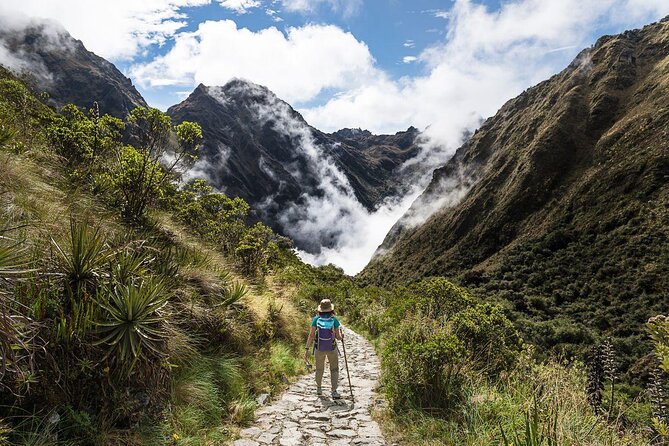
The main hiking portion covers about 16 km. That distance is far enough to feel like an achievement, but short enough that it doesn’t have to drain every ounce of energy for the Machu Picchu day ahead.
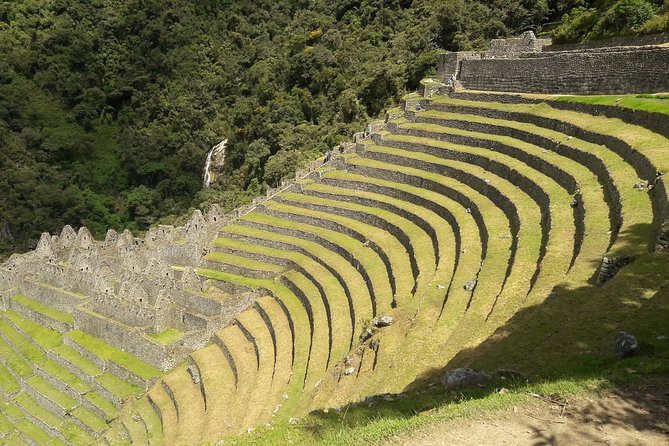
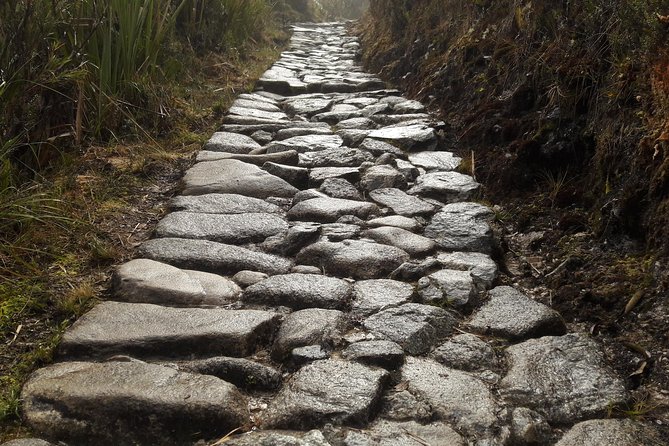
The route starts through Sacred Valley terrain and then climbs along an original Inca trail line toward major sites. You’ll pass through classic cloud-forest conditions—cooler air, misty sections, and thick vegetation—plus you’ll have a good chance to spot birds along the way.
Two stops are the big anchors:
- Wiñay Wayna: You’re not just walking through scenery. You’re stepping into a place that connects you to how the Incas designed movement, worship, and settlement along the mountainside.
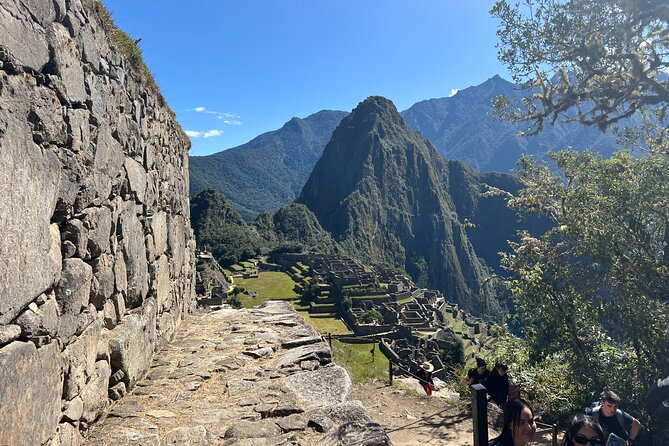
- Sun Gate (Inti Punku): This is your first major viewpoint moment for Machu Picchu ruins.
A practical note: because this is a shorter version, you’ll want to pace yourself more carefully than you think. Going too fast early can leave your legs heavy right before the best views. Aim for steady breathing, small rests, and a “save some for the climb” mindset.
You’ll also get guide commentary along the walk—about the region’s history and about native plants and animals—so the trail feels like more than just exercise.
Day 2 Machu Picchu Sunrise: Early Bus Timing and First Views
Day two starts with another early pickup from your hotel. You’re taken to Machu Picchu on one of the first buses so you can catch the sunrise. For many people, this is the moment they remember most clearly: the ruins emerging through changing light while the world feels quieter than later in the day.
Once you arrive at the citadel, you’ll get a guided tour of about 2 hours with a private English-speaking guide. That guided portion is valuable because it helps you “read” the site instead of just taking photos at random angles. You learn what you’re looking at and why it mattered.
Then you get time to explore on your own. This is when you slow down, find your preferred viewpoints, and take photos without the pressure of group timing.
If you’re the kind of traveler who likes structure first and freedom second, this split is a good match.
Huayna Picchu: The Optional Climb That Changes Your Day
If you have Huayna Picchu tickets, this schedule gives you time to climb. The round trip takes about 2 hours, so you’ll want to be honest about your stamina and weather conditions before committing.
Here’s the practical tradeoff: Huayna Picchu can be a big payoff for views and variety, but it costs time at the main site. If you’re already tired from day one’s 16 km hike, it might be smarter to enjoy Machu Picchu from ground level and spend that saved energy relaxing.
Also, tickets for Huayna Picchu are not included, so you’ll need to plan that separately if you want it.
If you don’t climb Huayna Picchu, you’ll still have plenty to do. Machu Picchu rewards patience—there are lots of angles, terraces, and lines-of-sight to take in.
Lunch, Aguas Calientes, and the Return Train
After your Machu Picchu time, you go down to Machu Picchu Pueblo (Aguas Calientes) for lunch. Lunch here is not included, so budget for it.
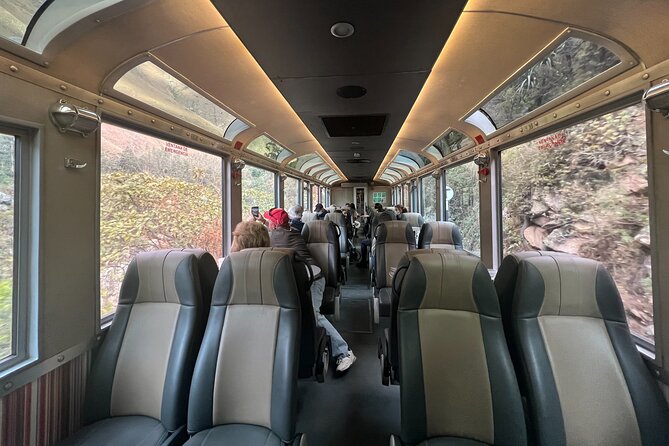
Then you take the train back from Ollantaytambo in the afternoon. From there, you ride the bus back to Cusco.
This return design is convenient because it keeps the trip loop clean. You’re not stuck negotiating last-minute transport after a big day on your feet.
One detail worth knowing: the schedule is full enough that you probably won’t want to add extra plans in Cusco the same evening. If you can, keep your day-two night open for a low-key dinner and an early bedtime.
Guides You Might Get: Ruben, Wilbur, Mauro, Marko
The guide can make or break a hiking day. Here, you’ll likely notice strong energy around history, plant life, and making the walk feel meaningful instead of just physical.
Some names you might encounter include Ruben, whose guiding approach comes through as truly transformative—connecting the hike to the mountains and the Incas’ relationship with place. Another guide you may meet is Wilbur, described as knowledgeable and especially patient with hikers who are less fit than average.
For organization and clarity, Marko stands out in descriptions of the trip: clear instructions before you start and a calm, structured rhythm during the experience. And Mauro is linked with thoughtful logistics on day one, including a lunch bag for the trail day.
If you care about a good guide, this is one of the strongest reasons to choose this option instead of DIY-ing the route.
Price and Value: What You’re Paying For
At $550 per person, you’re not buying “just a hike.” You’re buying a bundle of expensive, time-sensitive components:
- Inca Trail ticket access
- Machu Picchu ticket access
- Transportation that links Cusco to Ollantaytambo, then to Km-104, then back
- A sunrise routing that helps you reach Machu Picchu early
- A guided tour at the citadel with English interpretation
You also get pickup from your Cusco accommodation, which saves you from coordinating multiple transfers while you’re already managing altitude, early mornings, and the physical load of day one.
What isn’t included is also clear. Huayna Picchu and Machu Picchu Montaña tickets cost extra. And meals on day two aren’t fully covered, with lunch in Aguas Calientes specifically not included.
For value, the real question is whether you’d rather pay to remove friction. If you’re short on time, this price can feel fair because you’re paying for a plan that runs on schedule and doesn’t leave you figuring things out when you’re tired.
Also, the tour tends to be booked about 32 days in advance on average, so waiting too long can narrow your options.
Fitness, Weather, and the Reality of Those Early Mornings
This experience is designed for people with moderate physical fitness. Day one includes a steady climb and a 16 km hiking day, so you don’t need to be an athlete, but you do need to be comfortable walking for hours and handling altitude.
Be ready for early starts. Both days involve pickup and very early timing. If mornings make you cranky, pack a positive attitude—or at least a snack, water habits you can maintain, and good footwear.
Weather is another key factor. The experience requires good weather, and if it can’t run due to poor conditions, you’ll be offered another date or a full refund. That doesn’t remove the uncertainty, but it does mean the operator won’t just “push through” bad visibility when conditions aren’t right.
If you’re prone to altitude symptoms, consider how you manage them before you go. Keep your expectations realistic: you’ll feel exertion.
Should You Book This 2-Day Inca Trail Tour?
Book it if you want the Inca Trail feeling and Machu Picchu sunrise without committing to the full, multi-day version. It’s a great fit if you like guided interpretation, appreciate smaller groups, and want transportation + tickets handled for you.
Skip it or think twice if you know you’re not good with early mornings, or if you dislike schedules that leave little room for spontaneity. Also, if Huayna Picchu matters to you, plan those tickets separately ahead of time.
Bottom line: this is a strong choice when you want the highlights—Wiñay Wayna, Inti Punku, and sunrise at Machu Picchu—in a format that respects limited time.
FAQ
How long is the 2-day Inca Trail to Machu Picchu tour?
It runs for about 2 days, with day one centered on the short Inca Trail hike and day two centered on sunrise entry and touring Machu Picchu.
How much do I hike on the Inca Trail portion?
The hiking portion on day one covers about 16 km, starting from Km-104 and progressing toward key viewpoints and Inca sites.
Are Machu Picchu tickets included?
Yes. Machu Picchu admission is included as part of the tour.
Are Huayna Picchu and Machu Picchu Montaña included?
No. Huayna Picchu and Machu Picchu Montaña are not included, and you’d need separate tickets if you want to climb.
Do I get pickup from Cusco?
Yes. The tour includes pickup from your Cusco accommodation, and transportation is arranged for both days.
What fitness level do I need?
You should have moderate physical fitness. Day one includes a full hiking day with elevation and steady walking.
Is travel insurance included?
No. Travel insurance is not included, and you’re strongly recommended to arrange your own for the hike.