REVIEW · COOKING CLASSES & FOOD TOURS
1.5h Cusco Chocolate Workshop – Truffles & Hot Chocolate
Book on GetYourGuide →Operated by Original Perú · Bookable on GetYourGuide
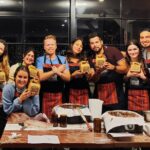
One sentence, and then you’re hooked: chocolate gets hands-on in Cusco. In a cozy restobar in San Blas, you learn the truffle process step by step, then taste top-notch hot chocolate while yours chill in the fridge. If you like food classes that feel practical (not just watch-and-wait), this 90-minute workshop hits the sweet spot.
What I like most is the hands-on truffle building. You don’t just sample—you roll, shape, and coat your own truffles with an impressive spread of toppings, guided through the recipe from start to finish. Second, you get a proper break while the chocolate sets: you’ll sip hot chocolate made for the group, plus you’ll have water on hand throughout the workshop.
One thing to consider: it’s not designed for everyone. The class isn’t suitable for kids under 10, and it also isn’t a fit for wheelchair users, so check your needs before you book.
In This Review
- Key things to know before you go
- Chocolate in San Blas: LIMBUS as your tasting kitchen
- What happens during the 90 minutes (from recipe to take-home truffles)
- 1) The host sets you up with the truffle recipe
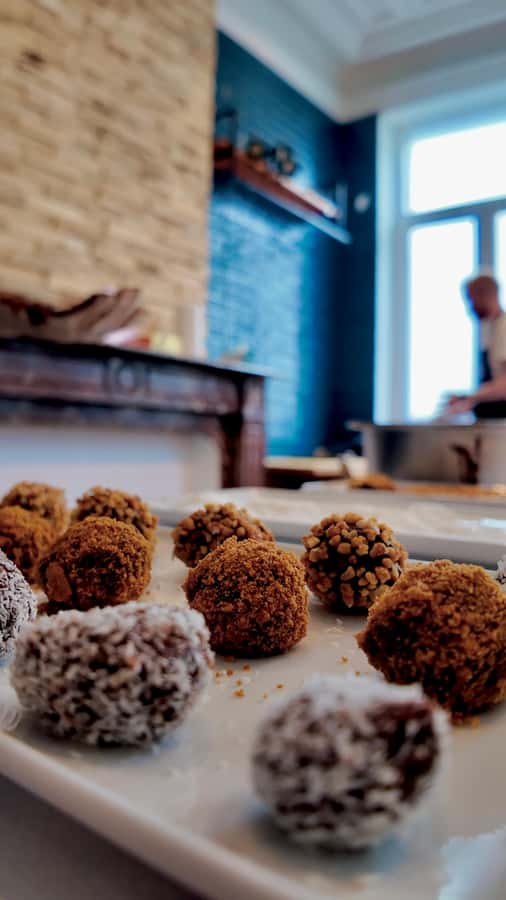
- 2) You make your own truffles: roll, shape, coat
- 3) While they harden: hot chocolate time
- 4) Pack them up: your homemade batch leaves with you
- The cacao and toppings: why the details matter
- Price and value: is $37 actually fair?
- Who this workshop suits best (and who should skip it)
- The guide’s role: learn fast and keep it fun
- Small tips to make your chocolate workshop smoother
- Should you book this Cusco chocolate workshop?
- FAQ
- What is included in the Cusco Chocolate Workshop
- How long is the workshop
- Do I get to take the truffles home
- What is the class focused on
- Where does the workshop take place
- What languages are available
- Is transportation included
- Are additional drinks included
- Who is it not suitable for
- What is the cancellation policy
Key things to know before you go
- You leave with 20 truffles you made yourself (and you can pack them to go)
- Step-by-step instruction that walks you through the full truffle process
- Hot chocolate included while your truffles chill
- Premium cacao focus with tastings built into the experience
- Toppings are part of the fun, not an afterthought
- 20% off at Limbus on the restobar menu after the workshop
Chocolate in San Blas: LIMBUS as your tasting kitchen
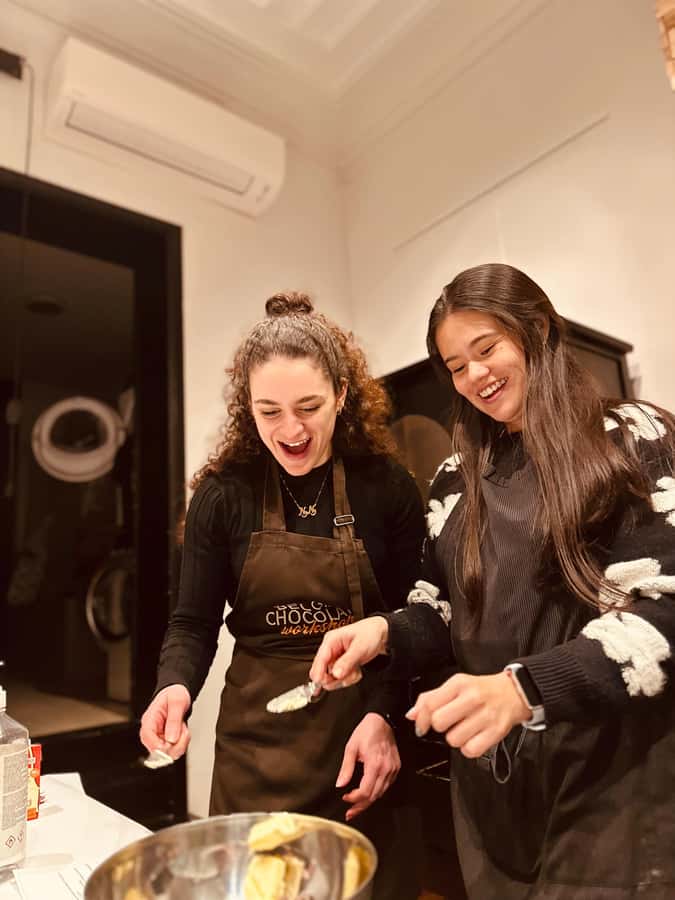
Cusco already has plenty going on, but this experience slows you down in the best way. The workshop happens inside LIMBUS restobar in the San Blas neighborhood, which matters because you’re not trekking somewhere remote—you’re working right in a real local space where you can actually focus on the chocolate.
When you arrive, go to reception and tell the hostess you’re there for the chocolate workshop. This is one of those small details that saves time and stress. You’ll want to be settled before the host starts the recipe walkthrough, because the class runs about 90 minutes total and it moves.
Also, the location choice is smart for value. San Blas is a historic, walkable area, so you can often pair this with an afternoon wandering session. If you’re planning a food day in Cusco, this workshop works well as a mid-block activity: not too long, not too short, and you still get something you can take home.
You can also read our reviews of more tours and experiences in Cusco

What happens during the 90 minutes (from recipe to take-home truffles)
The workshop format is clear: recipe lesson, hands-on truffle making, then chilling time paired with hot chocolate and conversation.
1) The host sets you up with the truffle recipe
At the start, your guide explains the recipe and shows you the step-by-step process. This part is more useful than it sounds. Truffles have a texture that depends on timing and technique—rolling and coating need to be consistent, and the guide’s job is to help you avoid the common newbie mistakes.
In the experience itself, the guides are friendly and teach through the process (Erika is one name you’ll see associated with the class). The tone tends to be light, with the kind of explanations that help you understand what you’re doing, not just follow a sequence.
2) You make your own truffles: roll, shape, coat
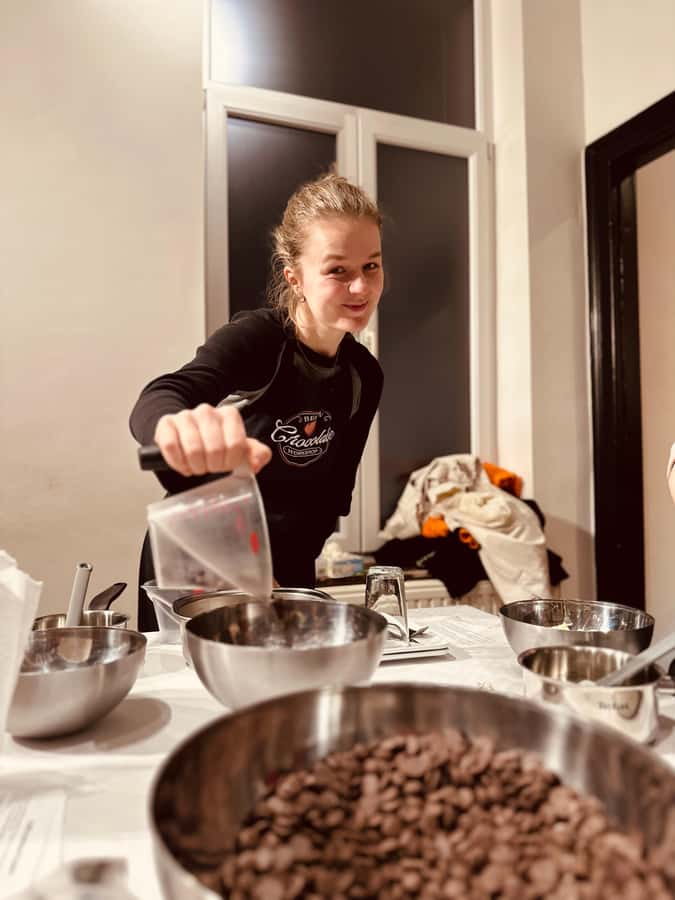
Then it’s your turn. You’ll craft your truffles from scratch, and the highlight here is control: you’re doing the physical work—rolling, shaping, and coating with premium ingredients and toppings.
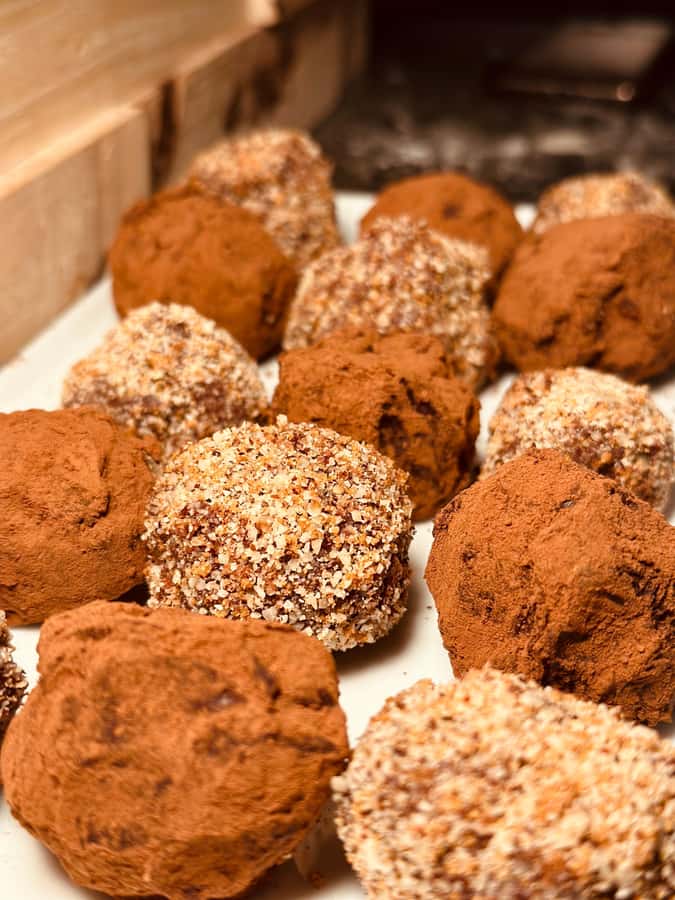
The toppings selection is a big part of the experience because it turns your batch of 20 into something personal. You get to choose the style and finish of your truffles rather than getting one standard coating. That means your box can include a few different looks and flavors, even if the base is the same.
You’ll also have the necessary tools provided, plus drinking water throughout the workshop. That small comfort matters, especially if you’re in Cusco and still adjusting to altitude and pace.
3) While they harden: hot chocolate time
Truffles need time to set in the fridge. While yours chill, you chat and sip hot chocolate. This isn’t just a random add-on. It’s a payoff moment after the hands-on work, when your brain is finally done with technique and can just enjoy the results-in-progress.
The workshop frames the cacao as some of the best organic cacao in the world, and even if you take that as a marketing claim, you’ll still be tasting hot chocolate made to match the cacao theme. In other words: it’s not a cheap beverage to fill time.
You can also read our reviews of more tours and experiences in Cusco


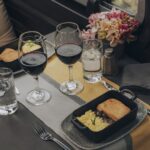
4) Pack them up: your homemade batch leaves with you
At the end, you can pack your truffles to take with you. The included amount is generous: you make 20 truffles of your own creation. If you’re traveling with friends, this is the easiest “bring back a tangible souvenir” option. If you’re traveling solo, it’s still satisfying because you can taste what you made later—back at your hotel, on a train, or as a treat during a Cusco evening.
The cacao and toppings: why the details matter
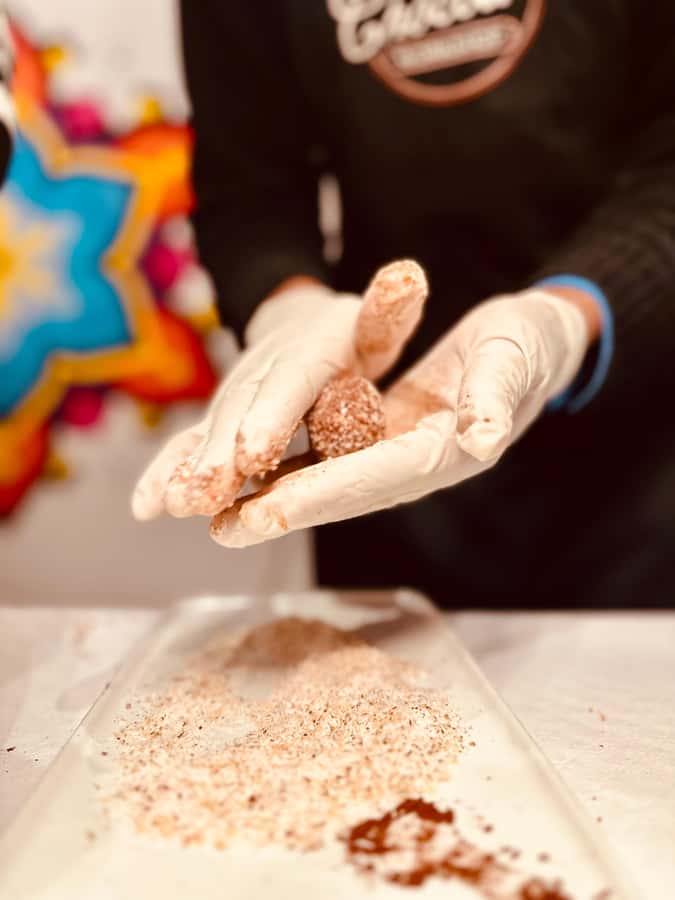
This workshop sells the idea of tasting and learning the craft of truffles, but the real value is in the technique you’re practicing.
When you roll and shape truffles, you learn how texture affects the finished product. When you coat them, you learn how a topping changes the experience: crunch, sweetness balance, and even how the chocolate feels on your tongue. That’s why the topping selection isn’t a side dish—it’s the creative layer.
The class also emphasizes premium ingredients and cacao. You’re not being asked to memorize theory. You’re being shown how ingredients behave in real time: mixing, portioning, rolling, and then setting.
Even the “waiting” step has purpose. The fridge time gives the chocolate structure so the coatings stay put. Then the hot chocolate break becomes more than comfort—it’s part of the learning loop: you enjoy a chocolate-based drink while your batch finishes transforming.
Price and value: is $37 actually fair?
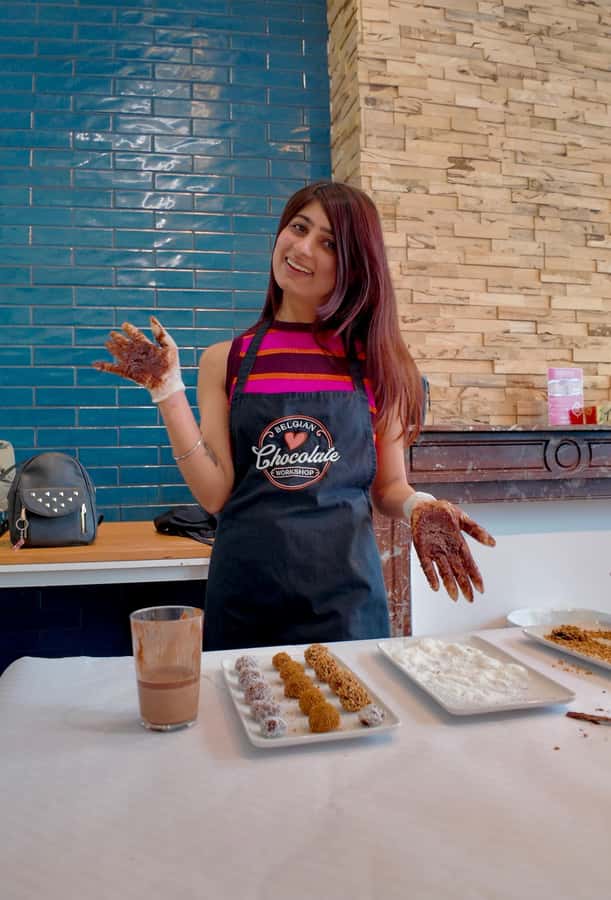
At $37 per person for a 90-minute workshop that includes instruction, tools, toppings, water, hot chocolate, and 20 take-home truffles, the math works out surprisingly well.
Here’s the realistic way to think about it:
- You’re paying for a structured food lesson, not just a tasting.
- You’re getting a meaningful take-home product—20 truffles isn’t a token sample.
- You also get extras baked into the experience: topings, tools, and time with your guide.
- There’s a 20% discount on the menu at Limbus (“Limbus” is the restobar where the workshop takes place). If you plan to eat or drink there anyway, that discount can soften the cost further.
The only value caveat is this: if you’re the kind of traveler who hates hands-on activities, the workshop won’t feel like a must-do. But if you like making things with your hands, it’s a solid, direct use of time.
It also helps that the workshop has a 4.3 rating from 8 bookings, which suggests the experience generally lands the way it’s intended—fun, instructive, and tasty.
Who this workshop suits best (and who should skip it)
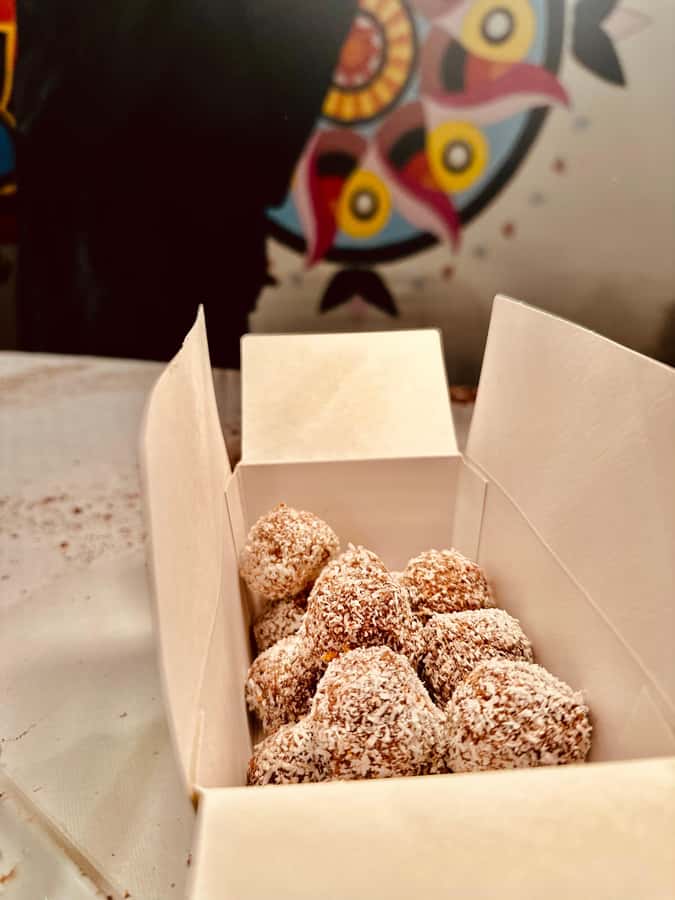
This is best for you if you:
- Want a short, practical food activity in Cusco rather than a long tour
- Enjoy interactive classes where you make something you can eat later
- Like chocolate and want to learn the “why” behind the steps (not just watch)
It may not be your best match if:
- You need wheelchair accessibility (the workshop isn’t suitable for wheelchair users)
- You’re traveling with young kids (it isn’t suitable for children under 10, and the listing specifies exclusions for under 11 and under 12 as well)
- You’re looking for a purely sightseeing experience. This is about foodcraft, not scenic stops.
Age limits and accessibility rules are worth respecting here, because the class involves hands-on rolling and shaping at a workshop setup. You’ll enjoy it more if you can fully participate.
The guide’s role: learn fast and keep it fun
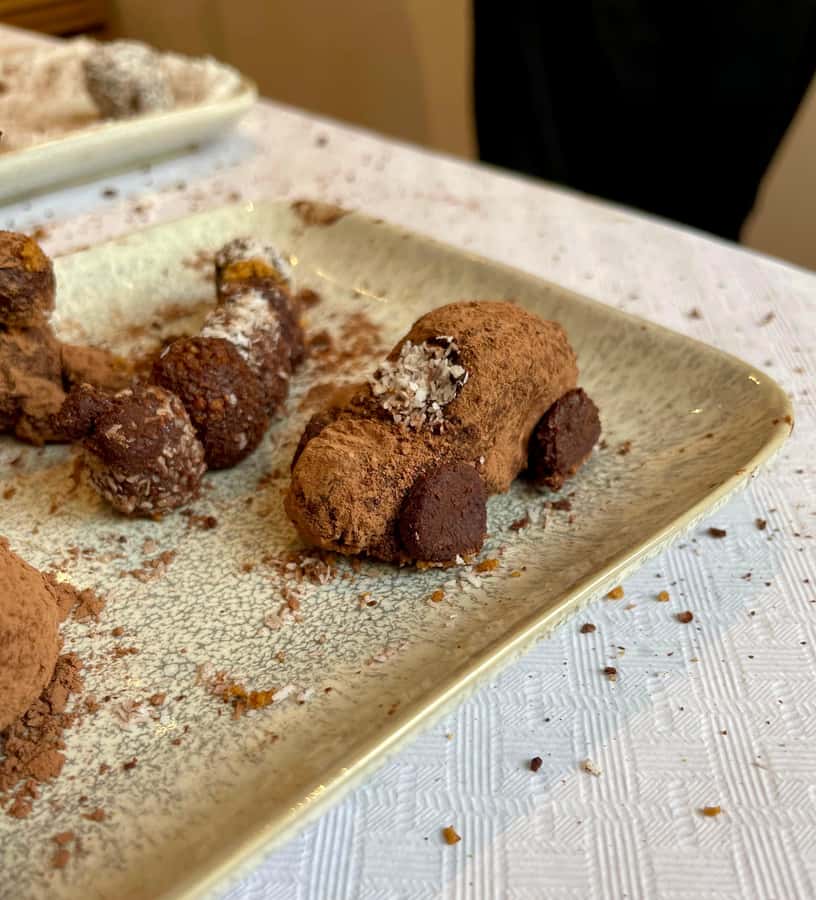
A good cooking class doesn’t just teach recipes—it manages energy. In this workshop, the teaching style seems to land with visitors. Erika comes up in the feedback as someone who explains clearly and keeps things laughing, which matters because truffle making has a few “easy to overthink” moments.
A guide like Erika helps you:
- understand what texture should look like as you work
- avoid getting stuck mid-process
- finish with truffles that feel like yours, not like a rushed craft project
You also get a guide who teaches throughout, which is ideal if you’re on a tight Cusco schedule. You don’t have to hunt for instructions later; you get support while you’re doing it.
Small tips to make your chocolate workshop smoother
These are the little things that help you get the most out of the session:
- Arrive a few minutes early so you can check in at LIMBUS reception without rushing.
- Wear something comfortable. You’ll be rolling and working at a station.
- Think about the toppings you like before you start, but stay open—half the fun is choosing coatings in the moment.
- Bring a plan for storage. You’ll pack your truffles at the end, so make sure you have space in your bag.
And if you’re the type who loves a reward after work: you’ll get it here. You make the truffles, you taste hot chocolate while they set, and you leave holding the proof.
Should you book this Cusco chocolate workshop?
Book it if you want a hands-on, high-satisfaction activity in Cusco that doesn’t require a full day. For the price, you’re getting real instruction, hot chocolate, and a substantial take-home batch—20 truffles made by you.
Skip it if you need a passive experience, or if accessibility and age requirements are a mismatch for your group. Otherwise, it’s a smart add-on to your Cusco time: short enough to fit, interactive enough to remember, and delicious enough that the lesson doesn’t evaporate the moment you leave.
If you’re even mildly into chocolate, you’ll likely come away with both a snack and a new skill.
FAQ
What is included in the Cusco Chocolate Workshop
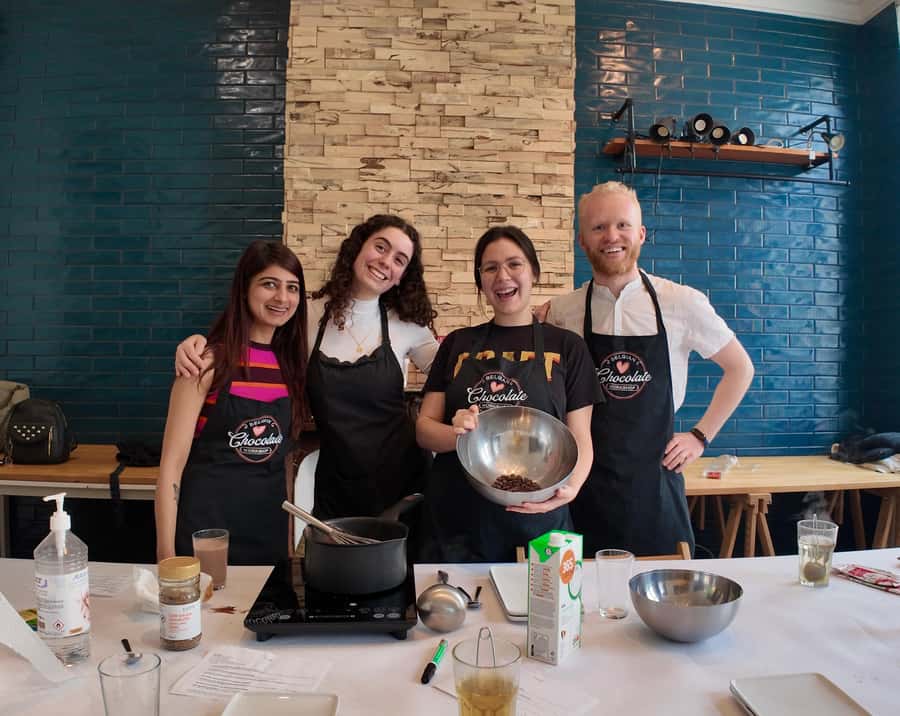
You get a 90-minute workshop, instructions from a live guide, all tools needed, toppings for your truffles, drinking water during the workshop, hot chocolate while the truffles chill, and enough materials to make 20 truffles. You also receive a 20% discount on the menu at Limbus restobar.
How long is the workshop
It lasts about 90 minutes.
Do I get to take the truffles home
Yes. At the end of the workshop, you can pack your truffles and take them with you.
What is the class focused on
You’ll learn how to make chocolate truffles from scratch, including rolling, shaping, and coating them with toppings. You also sip hot chocolate during the setting time.
Where does the workshop take place
Inside LIMBUS restobar in the San Blas neighborhood of Cusco. Check in at the reception desk and tell the host you are there for the workshop.
What languages are available
The live guide speaks English, Spanish, and French.
Is transportation included
No. Transportation is not included.
Are additional drinks included
No. Additional drinks are not included.
Who is it not suitable for
It’s not suitable for wheelchair users and it has age restrictions listed for children under 10, under 11, and under 12. It is also not suitable for babies under 1 year and people over 95 years.
What is the cancellation policy
You can cancel up to 24 hours in advance for a full refund.