REVIEW · URUBAMBA
Cusco: Sacred Valley and Salt Mines Ending in Ollantaytambo
Book on GetYourGuide →Operated by XPLORA AMERICA · Bookable on GetYourGuide
One long day, big Sacred Valley payoff. This guided sweep from Cusco gives you standout cultural stops plus two of the most unusual sights in the region, all in a single 12-hour loop.
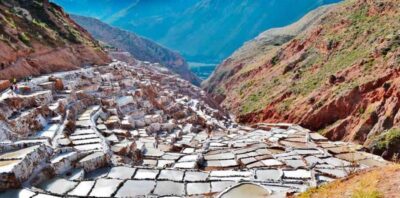
I especially love Chinchero—the market energy, the textiles made by Andean women, and the 17th-century colonial church details. I also love how Maras Salt Mines turns a simple mineral story into something visual: more than 4,000 salt wells stepping down the hillside.
The only real downside is pacing. At this price and in a full day schedule, it’s a bit of a speedy circuit—so if you want to linger in one place, you may feel the squeeze.
In This Review
- Key points to know before you go
- How This 12-Hour Sacred Valley Circuit Actually Feels (and why $40 works)
- Cusco pickup and the drive into Sacred Valley altitude
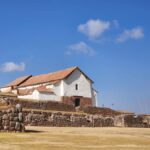
- Chinchero at 3,772 meters: church art, market chatter, and textiles you can’t fake
- Moray’s circular terraces: the experimental farming stop people remember
- Maras Salt Mines: 4,000+ wells and a very “work in progress” view
- Urubamba buffet lunch: refuel without losing your place in the day
- Ending in Ollantaytambo: fortress views and a town that still lives
- Pacing, comfort, and what to pack for a 12-hour day
- Who this tour is best for (and who should pick something else)
- Is $40 a bargain, or just cheap? The value breakdown
- Should you book this Sacred Valley and Salt Mines tour?
- FAQ
- How long is the tour?
- What does the tour include?
- Is the buffet lunch included?
- Where does the tour end?
- Are entrance fees included for all stops?
- What languages will the guide speak?
- What should I bring for the day?
- Is hotel pickup included or do I meet the group somewhere?
- Is there free cancellation?
Key points to know before you go
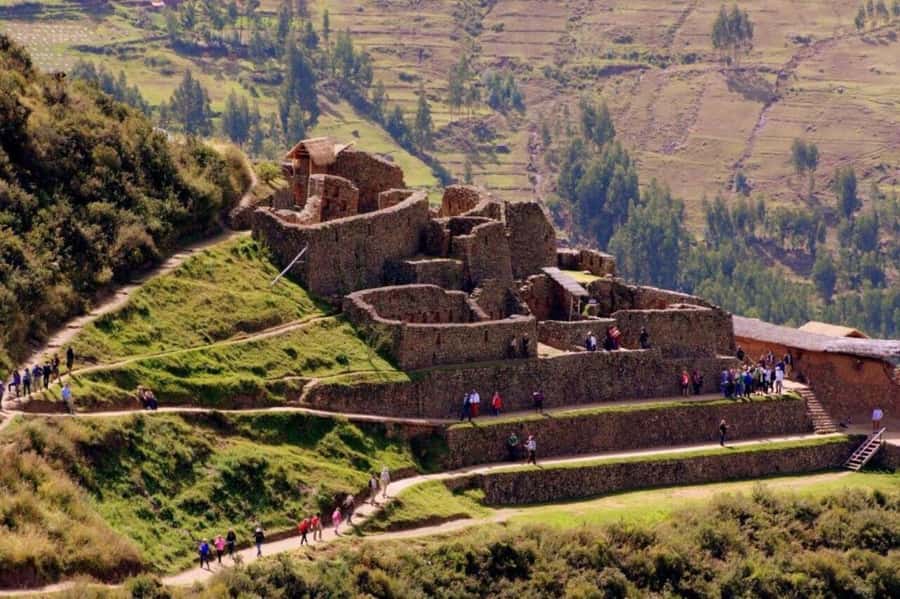
- Full-day Sacred Valley route with hotel pickup and transport, built to cover Chinchero, Moray, Maras, and Ollantaytambo
- Chinchero is high (3,772 meters), so plan for thin-air slowdowns on top of the walking
- Moray’s circular terraces are an experimental farming site worth seeing even if you’ve skipped similar places
- Maras has 4,000+ salt wells, and your photos will look better the closer you get to the working area
- Urubamba buffet lunch is included, which helps you keep the day moving without hunting for food
How This 12-Hour Sacred Valley Circuit Actually Feels (and why $40 works)
This tour is built for people who want a lot of iconic Sacred Valley sights in one day. For about $40 per person, you’re paying for the heavy lifting: Cusco hotel pickup, round-trip transport, a live guide, and visits timed together so you don’t waste hours figuring out connections on your own.
Is it “slow travel”? No. It’s more like a focused highlight reel. That’s not bad—if you like structure, a clear route, and getting outside Cusco without a headache. But if your dream day is sitting with a view for an hour and watching the light change, you’ll probably want a different style of tour.
A good middle-ground mindset: treat it as a planning day. You’ll see enough to decide what you want to repeat later at your own pace.
You can also read our reviews of more tours and experiences in Urubamba.
Cusco pickup and the drive into Sacred Valley altitude
You start with hotel pickup in Cusco, then you head out toward the Sacred Valley. Even without getting out of the van, you’ll feel the rhythm of Peru’s highland travel: short stops, big scenery, and plenty of time to look out the window while your guide handles the “where to next” piece.
One thing to keep in mind is altitude and sun. Chinchero sits at 3,772 meters, and you’ll be walking around outdoor sites in bright conditions. You can enjoy this day more if you keep your effort steady—short steps, slower breaths, and frequent water sipping.
Practical tip: comfortable shoes matter more than you think. This is a day where you’ll be on your feet repeatedly, and you’ll want traction on uneven ground.
Chinchero at 3,772 meters: church art, market chatter, and textiles you can’t fake
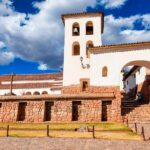
Chinchero is where the tour turns from “scenery and ruins” into “people and craft.” You’ll arrive in a high-altitude town where the air is crisp and the streets feel very local.
Here’s what makes it special:
- A 17th-century colonial church, with canvases connected to the Cusco School
- A typical market where you may be able to barter
- Traditional textiles made by Andean women, with a focus on handwork
This stop is also a good reminder that the Sacred Valley isn’t frozen in time. It’s living. The market vibe gives you something more human than just stones and views, and the textiles help you understand why Andean craft has such staying power.
Possible drawback: if you dislike markets or prefer quiet monuments, you might find Chinchero more stimulating than relaxing. The flip side is that it’s also the most “alive” part of the day for many visitors—especially if you like to buy one or two thoughtful items instead of souvenirs made by the hundreds.
Moray’s circular terraces: the experimental farming stop people remember
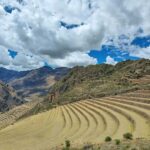
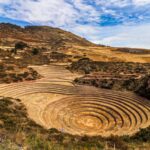
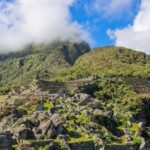
Next comes Moray, known as an experimental agricultural center. Even if you don’t care deeply about farming history, the geometry is what grabs you: circular terraces rising and curving like an outdoor model.
Why this stop works on a tour:
- It’s visually distinct from other Inca-area sites
- It’s easier to take in quickly because the shape tells the story
- It breaks up the day after market and church details
If you’re traveling with people who only want “major ruins,” Moray may not feel like the main event. But it’s exactly the kind of site that turns a highlight day into something you’ll remember later. It’s not just impressive because it’s old; it’s impressive because it looks like it was built to test and refine.
Entrance fees apply here, so budget a bit extra for Moray and Maras.
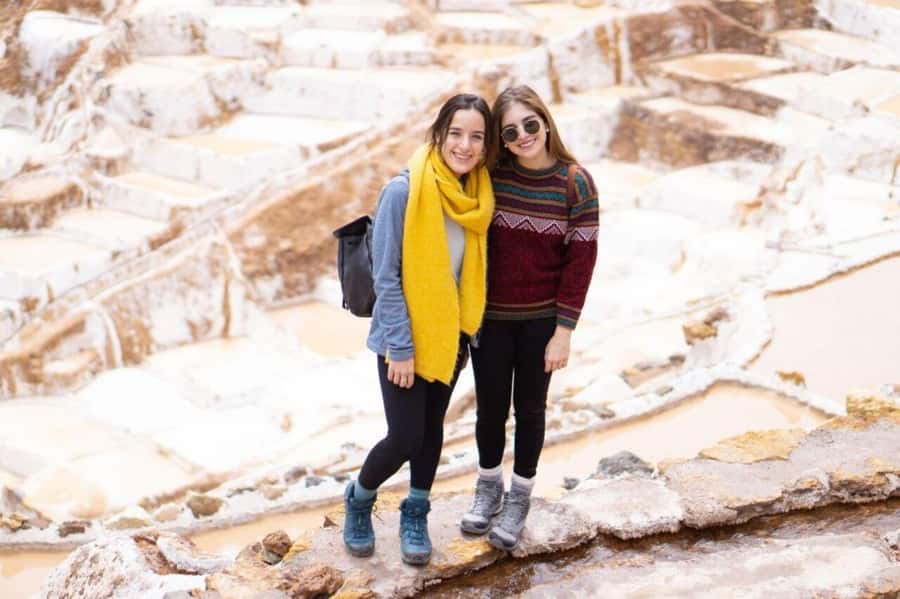
Maras Salt Mines: 4,000+ wells and a very “work in progress” view
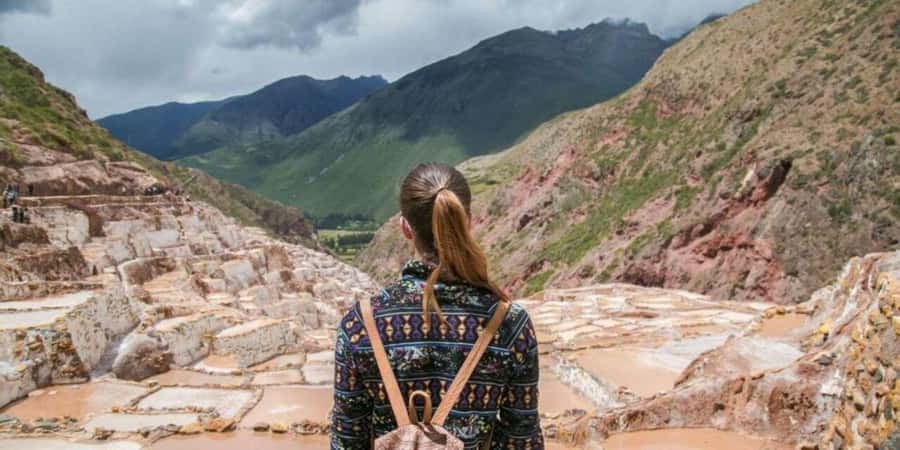
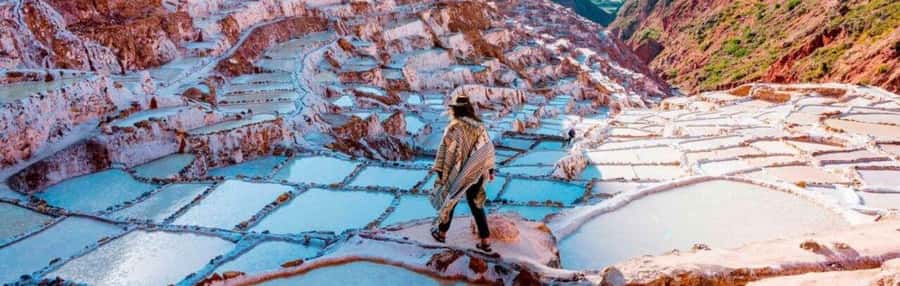
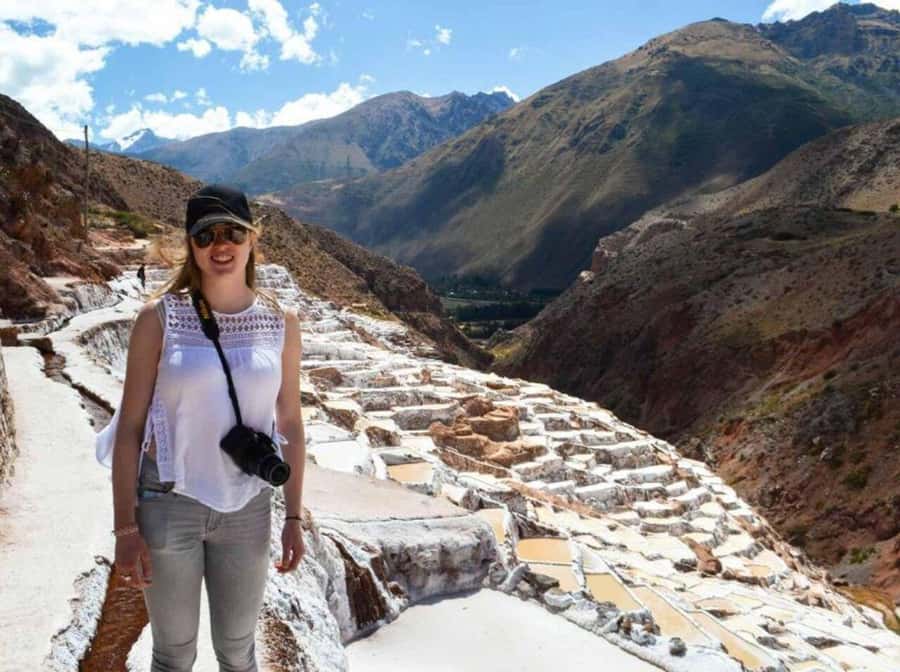
Then you reach Maras Salt Mines, famous for containing more than 4,000 wells. What you’re seeing isn’t a museum display. It’s an active production area, and that matters for your photos and your understanding.
A few things I think help you get the most out of Maras:
- Go in expecting visual repetition. The pattern is the point: thousands of small wells creating a staircase effect across the slope.
- Take photos from multiple angles if time allows. The lighting and colors shift as you move.
- Keep your pace steady while walking around. The area can be slippery or uneven depending on conditions.
Maras is often the “wow” stop in the itinerary, but it’s also the one place that feels most modern in a surprising way. The salt story is ancient, but the work continues.
As with Moray, entrance fees are not included, so plan to pay on-site for Maras too.
Urubamba buffet lunch: refuel without losing your place in the day
After the salt mines, the tour heads to Urubamba for a buffet lunch at a typical local restaurant (included in the price).
This is a smart choice for a 12-hour day. You’re not hunting for a menu in a new town mid-route, and you’re not waiting around for “the perfect restaurant” while the rest of the schedule keeps moving.
I’d treat lunch like your recovery checkpoint:
- Eat enough to keep your energy up for Ollantaytambo
- Drink water and slow down a bit before your next walk
- Don’t overthink it—this stop exists to keep the day comfortable and on track
The biggest value here is not fancy food. It’s timing: it protects your momentum so you can enjoy the final stop without feeling wrecked.
Ending in Ollantaytambo: fortress views and a town that still lives
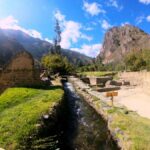
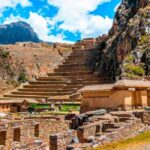
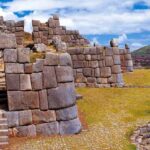
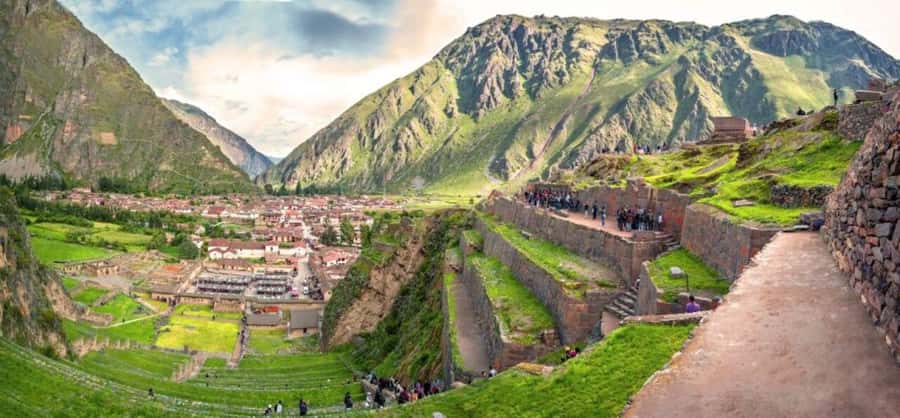
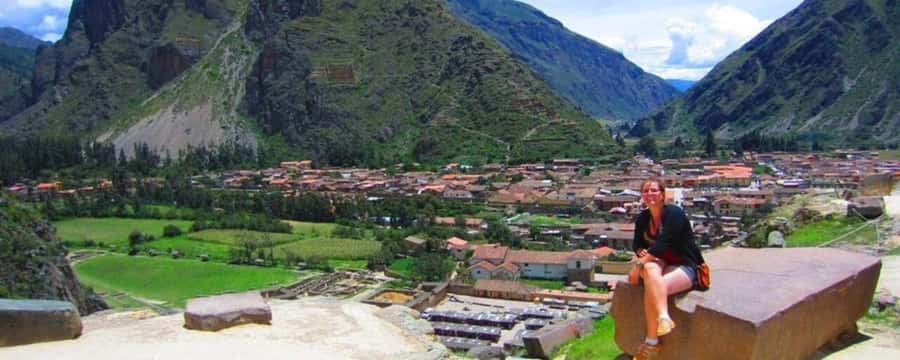
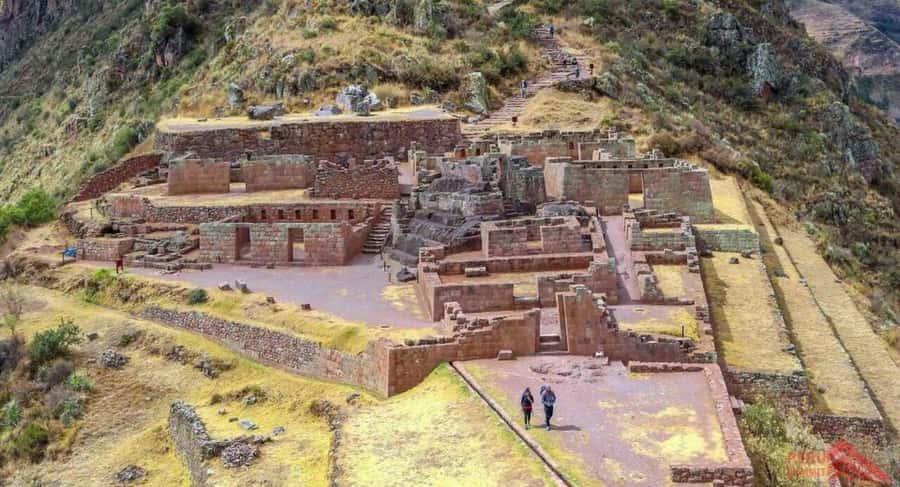
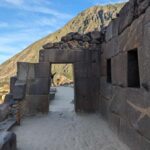
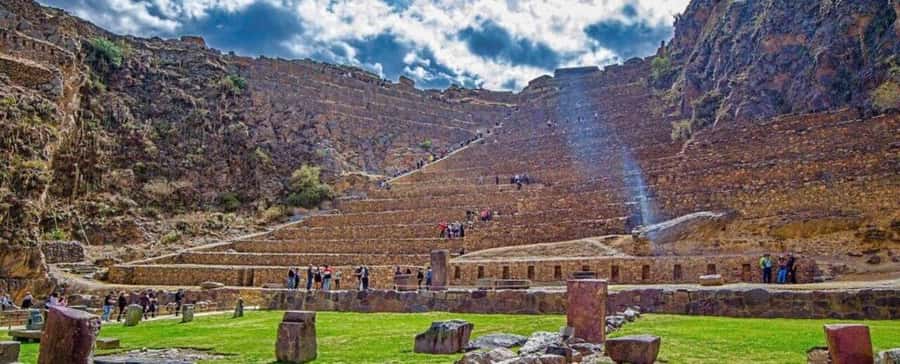
The tour finishes in Ollantaytambo, a living Inca city area. You’ll admire its military fortress, built to protect the Sacred Valley from potential invaders, and you’ll end with transport drop-off near the train station at 3:30 PM.
Ollantaytambo is a strong final note because it feels both strategic and human. The fortress explains why this place mattered. And the town setting makes it clear this isn’t only about ruins—it’s also a community.
What to do with the time you have:
- Keep your camera ready for the fortress angles
- If you’re continuing by train, treat the end point as your handoff zone and plan to move right away
Ending at 3:30 PM is helpful if you’re catching later onward travel, but it also means you should be ready to leave the sites behind as the day winds down.
Pacing, comfort, and what to pack for a 12-hour day
This is the day’s “real talk” section. A full itinerary covering multiple towns means you’ll spend a lot of time moving. Even with great guiding, it can feel rushed if you’re the type who wants to go deep in just one place.
For comfort, bring:
- Comfortable shoes
- Hat
- Camera
- Sunscreen
- Water
And wear:
- Clothing suitable for walking
- Layers if you run cold after sun exposure (highlands can shift)
If you’re sensitive to altitude, slow down on the first walking segments and don’t try to “power through.” Your body needs a minute to adjust, and it’s better to move calmly than to feel behind.
Who this tour is best for (and who should pick something else)
This one-day route fits best if you:
- Want Sacred Valley highlights without complex planning
- Like guided context and don’t want to guess what you’re looking at
- Prefer a clear schedule over open-ended wandering
- Are comfortable walking for hours in the sun
It’s less ideal if you:
- Want lots of free time at each site
- Get annoyed by back-to-back stops
- Prefer a slower pace focused on one or two locations
Think of it like this: if you’re using Sacred Valley as a “choose what to repeat later” trip, this tour is a strong starter.
Is $40 a bargain, or just cheap? The value breakdown
At around $40 per person, this tour is inexpensive for what you’re getting. You receive:
- Hotel pickup in Cusco
- Tourist transport for the route
- A guided tour covering multiple sites
- A stop in Urubamba with an included buffet lunch
- An end point in Ollantaytambo
The tradeoff is time. You’re paying for coverage, not for lingering. If you try to replicate this route independently, the combination of transport and guided explanations usually costs more once you factor in time and coordination.
So yes—this feels like good value as long as you’re okay with a full, moving day and you’re budgeting entrance fees for Moray and Maras.
Should you book this Sacred Valley and Salt Mines tour?
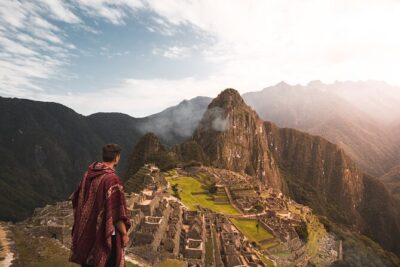
I’d book it if you want the classic Sacred Valley combo—Chinchero + Moray + Maras—and you’re happy to finish the day in Ollantaytambo with enough time to move on.
Skip it (or choose a slower option) if you know you hate rushed schedules or you want long, quiet time at only one or two stops.
If you’re on the fence, decide using two questions:
- Can you enjoy a busy itinerary without needing to linger?
- Are you willing to pay extra for entrance fees at Moray and Maras?
If you answered yes to both, this is a smart way to get a lot of Sacred Valley in one day—without burning time on logistics.
FAQ
How long is the tour?
The tour runs for 12 hours.
What does the tour include?
It includes hotel pickup in Cusco, tourist transport, a guided tour, and visits to Chinchero, Moray, Maras Salt Mines, and Ollantaytambo. Lunch at Urubamba is also included.
Is the buffet lunch included?
Yes. The buffer lunch in Urubamba is included in the tour price.
Where does the tour end?
The tour ends with transport drop-off near the Ollantaytambo train station at 3:30 PM.
Are entrance fees included for all stops?
No. Entrance fees to Moray and Maras are not included and must be paid separately.
What languages will the guide speak?
The live guide speaks English and Spanish.
What should I bring for the day?
Bring comfortable shoes, a hat, camera, sunscreen, and water.
Is hotel pickup included or do I meet the group somewhere?
Hotel pickup in Cusco is included.
Is there free cancellation?
Yes. You can cancel up to 24 hours in advance for a full refund.