REVIEW · SALKANTAY & ANDEAN TREKS
Qampa Climbing 2 Days in Ausangate
Book on Viator →Operated by Vidal Expeditions · Bookable on Viator
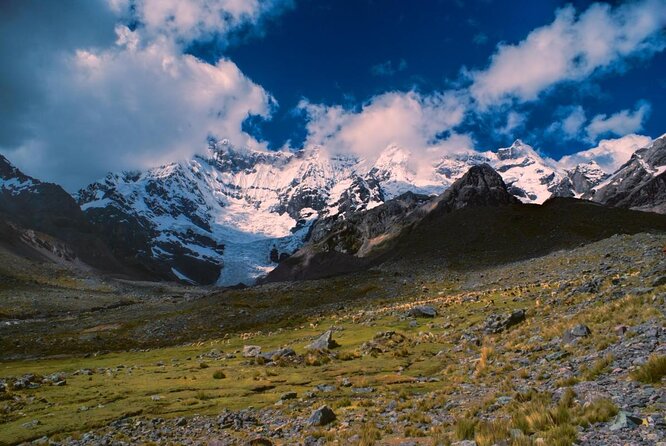
A glacier climb with a view that reaches Salkantay. Qampa (also spelled Jampa/Campa) is the easiest big-ticket mountain in the Cusco region, but you still earn it with a glacier hike and a summit high at about 5,520 meters. If you want your first mountaineering-style experience without getting thrown into a technical mess, this is a smart way to do it in just two days.
I like how the pacing sets you up for success: you hike in on Day 1, sleep at high camp (around 4,680 m), then make an early push with gear and close guidance. It’s also a tour where I’d feel comfortable trusting the operation—tents are set up for you, meals are handled, and guides such as Flavio, Angel, and Chino are specifically mentioned as making inexperienced climbers feel safe on the route. The one drawback to consider is altitude timing: you’ll be up extremely early (around 2:30 a.m. on Day 2), and water isn’t included, so you’ll want to plan for that cold, dry hike.
In This Review
- Quick reasons this Qampa climb earns your time
- Why Qampa fits a 2-day Cusco adventure so well
- Day 1: from Pacchanta village to Azulcocha lunch and base camp at 4,680 m
- What Day 1 does well (and what to watch)
- Day 2: the 2:30 a.m. glacier push to the Qampa summit (around 5,520 m)
- A smart way to think about the summit day
- What the included meals and camp setup actually mean for you
- The one item you must plan yourself: water
- Guides and safety: why the human part matters on glacier routes
- Price and value: is $380 for Qampa a good deal?
- Who should book Qampa, and who should pause a moment
- Should you book this Qampa Climbing 2 Days in Ausangate?
- FAQ
- What time is pickup in Cusco?
- How high do you climb on this tour?
- Do I need mountaineering experience to do this climb?
- What meals are included, and what should I plan to pay for?
- Is water provided during the trek?
- How large is the group?
Quick reasons this Qampa climb earns your time
- Beginner-friendly approach, but still real altitude: you can go without prior mountaineering experience, yet you’ll climb to about 5,520 m.
- Guide-led gear and a focused summit window: you get instructions and equipment before the glacier climb, with about a two-hour ascent to the top.
- High-camp comforts that reduce stress: tents are already set up, and sleeping gear is arranged for you.
- Good food on big-days: dinner, breakfast, and lunch are included to keep energy steady for steep sections.
- A hot-spring option after the descent: once back in Pacchanta, you can soak with Ausangate looming nearby.
- Small group size: the tour caps at 6 travelers, which usually means less crowding on the climb.
Why Qampa fits a 2-day Cusco adventure so well
Qampa is often described as the easiest and most popular mountain around Cusco. That’s not marketing fluff. The tradeoff is that you’re still going high—high enough that you should treat it like an altitude expedition, not a casual hike.
The payoff is the skyline. From the summit area, the panoramic views reach toward Salkantay, something you don’t get from most day hikes out of Cusco. It’s also a nice “training summit” vibe: you’ll practice movement on cold terrain, follow a guide closely, and learn what a glacier environment feels like without signing up for a longer multi-day commitment.
If you’re already in Cusco and want a mountaineering-style day without losing an entire week, this two-day format is the practical sweet spot.
You can also read our reviews of more tours and experiences in Cusco
Day 1: from Pacchanta village to Azulcocha lunch and base camp at 4,680 m
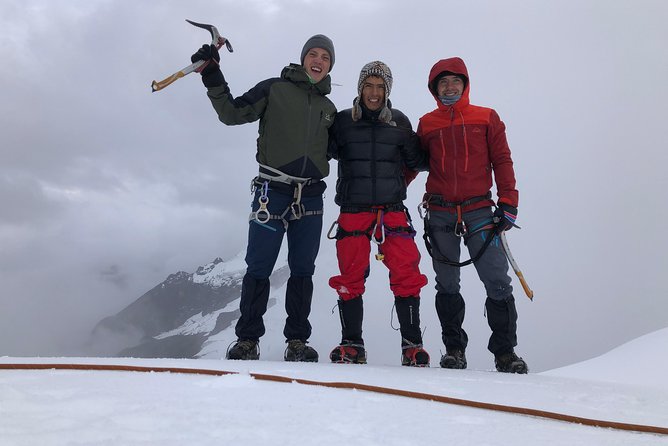
Your morning starts in Cusco at 6:00 a.m. with hotel pickup, followed by a drive toward the highway area and the small town of Tinki. The schedule includes a quick stop—about 30 minutes—to eat something, buy any essentials, and get your bearings before you continue.
Then you head on to Pacchanta village, where you start higher than many people expect. You reach Pacchanta at roughly 4,060 meters, and the trek begins from there. Expect a gradual ramp up, then a longer push on foot to Azulcocha.
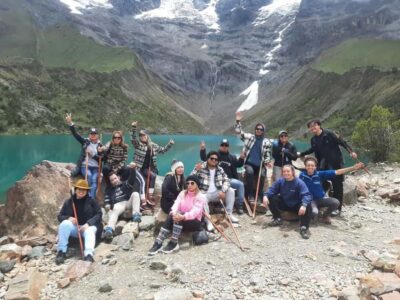
A key moment on Day 1 is lunch at Azulcocha after about 2 hours of hiking. This isn’t just fuel. It’s your first real chance to look at snowcapped peaks around you, take in the glacier terrain you’ll touch later, and check in with how your breathing is handling altitude.
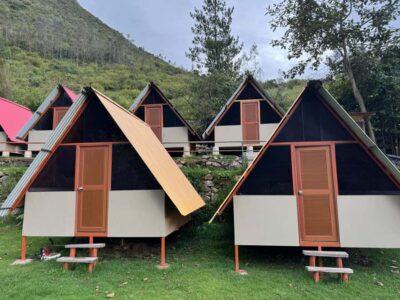
After lunch, the hike continues to your base camp at around 4,680 meters. Tents are already set up when you arrive, so you aren’t spending the evening wrestling sleeping gear while everyone’s cold and tired. Dinner follows, and you settle in for the first night at high altitude.
What Day 1 does well (and what to watch)
Day 1 is built to get you used to the altitude before the real climb on Day 2. You’re not expected to sprint; you’re expected to keep moving steadily and save energy for the early-morning glacier attempt.
The main thing to watch is how you fuel and hydrate during the drive and first trek. Even though the trip includes meals, water isn’t included, so having a plan for hydration matters.
Day 2: the 2:30 a.m. glacier push to the Qampa summit (around 5,520 m)
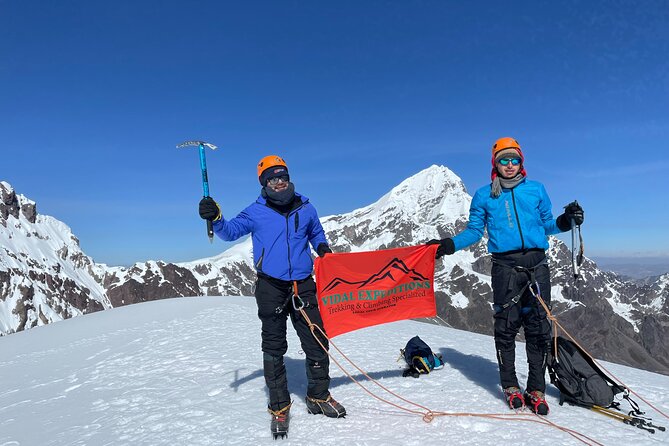
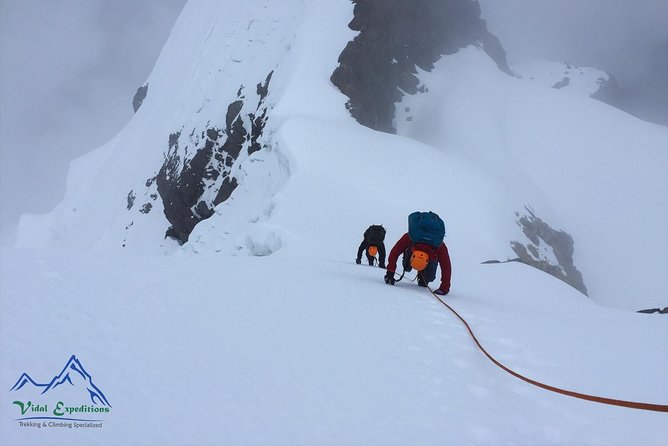
Day 2 begins way earlier than a typical hiking tour—waking up at 2:30 a.m. You’ll get a super breakfast, then start trekking to the moraine area. This is where the route turns into glacier territory.
From there, the plan is simple, but not easy: you climb onto the glacier, and your high mountain guide provides gear and instructions before you start the ascent. The climb takes about two hours to reach the summit of Qampa, and there are steps on the way up.
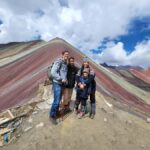
Once you’re at the top (around 5,520 meters), you get the “this was worth the cold” moment—breathtaking views in every direction, including that long visual line toward the broader Cusco mountain chain. After resting on the summit, you descend back down to base camp for lunch.
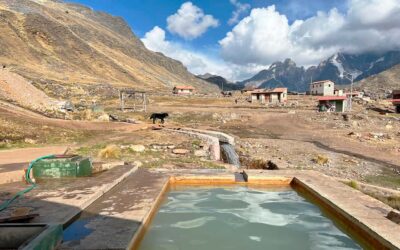
Then it’s hike time back to Pacchanta village. Once you reach Pacchanta, you can soak at the hot springs if you want. After that, you head back to Cusco by bus in the afternoon.
A smart way to think about the summit day
If you’re new to this kind of climb, the summit day can feel intimidating on paper: glacier, altitude, early start. But the structure helps. You get instruction and gear right when the climb begins, and you spend the bulk of your effort in a single focused climbing window rather than scattered all over the day.
Also, the small group size (maximum 6) helps you keep your own rhythm on the steps and during stops.
What the included meals and camp setup actually mean for you
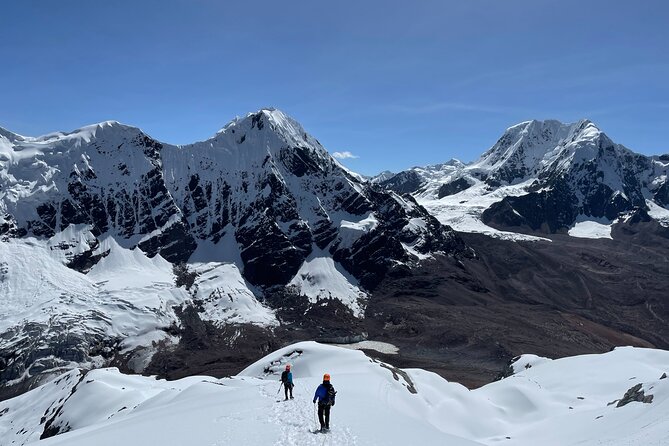
On paper, “meals included” looks like a checkbox. In practice, it changes how relaxed (or stressed) your climb feels.
This tour includes dinner and breakfast, plus lunch on the summit day (and another lunch on Day 1). People doing this climb often remember the food because it keeps you from guessing. You’ll spend less mental energy deciding what to eat, and more energy coping with cold and effort.
Camp setup is another big stress reducer. Tents are set up for you on arrival at base camp, and sleeping bags and tents are described as being handled for you—meaning you can focus on warming up, not setting up from scratch. One smart detail from past groups: extra duffel bags can be carried by horses, so you can pack a bit more than you’d expect for a “simple” climb.
The one item you must plan yourself: water
Water is not included. That’s the main practical thing I’d highlight. Your body needs hydration in altitude conditions, and the climb day is long and cold. If you arrive without a water plan, you’ll feel it.
Tips are also not included, so if your guide and camp team did a great job, budget for that.
Guides and safety: why the human part matters on glacier routes
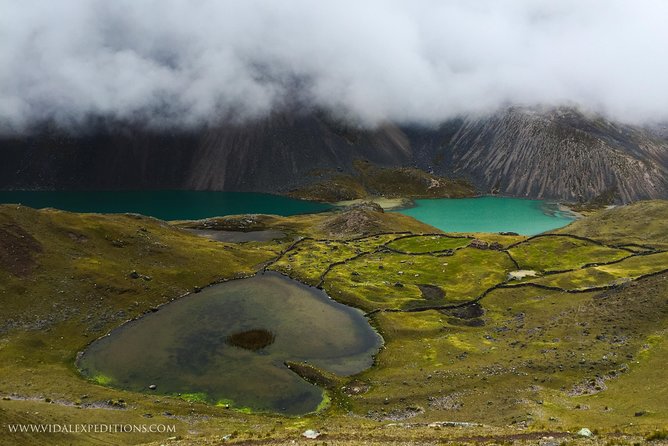
This is a first-step mountaineering experience, and that’s where the guide makes or breaks the day.
Past trips explicitly credit high mountain guides like Flavio, Angel, Chino, Sergio, and Vinerson for leading inexperienced climbers to the summit. That matters because the glacier portion isn’t the moment to experiment with technique or timing. When you follow someone experienced, you climb more efficiently, and you don’t waste energy second-guessing every move.
You’ll likely also feel the difference in how the team handles the pace. The best guides keep you moving but avoid pushing you into a breathless spiral. And because the schedule has you waking early, the guide’s ability to keep everyone calm and organized is a real part of the experience.
Price and value: is $380 for Qampa a good deal?
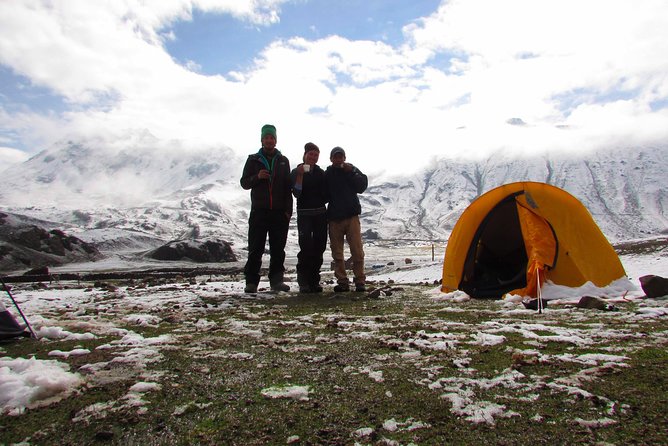
At $380 per person for a two-day, two-night style alpine outing (with hotel pickup and a small group), the value mostly comes down to what’s bundled.
What you’re getting that would normally cost extra on a DIY attempt:
- Pickup in Cusco at 6:00 a.m. and a return bus ride later
- Dinner, breakfast, and lunch, so you’re not buying food while climbing
- Tent setup (and sleeping arrangements handled for you)
- High mountain guide support for the glacier climb, plus gear and instructions
- A capped group size (max 6), which usually means less waiting and less crowding at key points
What you still need to cover:
- Water
- Tips
- Possibly any early breakfast before the day’s included meals, depending on how your morning is organized
So is $380 fair? For most people, yes—because you’re paying for the logistics and the safety system, not just scenery. Without a guided setup, the cost savings disappear fast once you price in guide services, equipment, transport coordination, and the risk of doing glacier travel wrong.
One more detail: this kind of trip can sell out well ahead of time. If you’re traveling in peak season, booking early is smart.
Who should book Qampa, and who should pause a moment
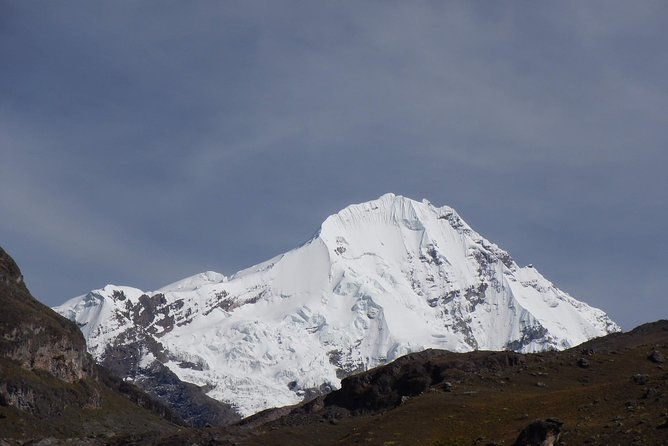
This is a great match if:
- You’re in Cusco and want a high-mountain experience that fits a short window
- You’re reasonably fit and ready for an early start and high altitude
- You’ve done hiking before and want your first taste of glacier terrain
- You like structured days: hike in, sleep high, summit on Day 2, descend, soak, return
You should think twice if:
- You struggle with very early mornings and intense cold
- You’re worried about altitude or have health concerns—this climbs to over 5,500 m
- You don’t want to plan for water and cold-weather effort
Also keep in mind that depending on season, there can be a small rock climbing pass. It’s not described as constant, but it’s part of why a guide-led climb matters.
Should you book this Qampa Climbing 2 Days in Ausangate?
I’d book it if you want a structured, guided way to reach a real high summit without turning your vacation into an equipment project. The combination of guide support, meals, camp setup, and a manageable two-day timeline makes it feel like a “first mountaineering summit” that’s actually designed for newcomers.
I’d hesitate only if you’re very altitude-sensitive or you don’t want to handle the practical items yourself (especially water). If you’re willing to prepare for cold, follow your guide closely, and keep a steady pace, the summit day and the Ausangate-area views are the kind of memory that sticks.
One practical perk: cancellation is free up to 24 hours before the experience starts, so you have a small cushion if plans change.
FAQ
What time is pickup in Cusco?
Pickup is scheduled for 6:00 a.m. from your hotel in Cusco.
How high do you climb on this tour?
The summit of Qampa Mountain is about 5,520 meters.
Do I need mountaineering experience to do this climb?
The mountain is described as climbable without mountaineering experience, but you should have moderate physical fitness for the glacier hike and altitude.
What meals are included, and what should I plan to pay for?
The tour includes dinner, breakfast, and lunches. Water is not included, and tips are not included; depending on the morning setup, your early breakfast may be something you handle yourself.
Is water provided during the trek?
No—water is not included.
How large is the group?
The tour has a maximum of 6 travelers.