REVIEW · URUBAMBA
Machu Picchu: historical and photographic guided tour
Book on GetYourGuide →Operated by Ericson · Bookable on GetYourGuide
Machu Picchu, handled like a photo shoot and a classroom.
I love how this tour mixes postcard photo planning with archaeology and astro-focused context so you’re not just looking at ruins—you’re understanding them. I also like that the guide’s background includes serious training in photography and archaeology, plus years of study of Machu Picchu’s citadel. One heads-up: tickets, bus tickets, and your food/snacks are not included, so you’ll want to budget for those separately.
You’ll get a simple, efficient 3-hour rhythm: pickup, transfer, entry check with your passport and tickets, then the guided walk. The private-group format (up to 10) means you can move at your pace and ask questions without a crowd cutting in. If you’re the type who wants a slow wander with zero structure, this may feel a bit “guided,” but it’s built for getting the most out of limited time.
Photography that’s planned, not random. You’ll be guided to the highest and most photogenic spots.
Archaeology + astro angles. You’ll get historical and scientific-style explanations as you walk.
Private group for $80. Cost is per group (up to 10), not per person.
Pickup included, passports required. You’re met at your hotel or train station and entry is checked.
Guide takes the photos. The experience includes photo moments, not just photo tips.
In This Review
- Your 3 Hours at Machu Picchu: Photo First, Meaning Always
- Getting There From Cusco Area: Pickup and the 30-Minute Bus Ride
- Entering the Citadel: Tickets, Passport, and First Impressions
- The Highest Photo Point: Where Postcards Get Made
- The Guided Walk: Every Corner, With History and New Finds
- Photography Support That’s More Than Tips
- What’s Included vs. What You Still Pay For
- Included
- Not Included
- Sunrise-Style Timing and the 3-Hour Reality Check
- Comfort, Rules, and What to Bring
- Who This Tour Fits Best
- Should You Book This Machu Picchu Photo and Historical Tour?
- FAQ
- How long is the Machu Picchu historical and photographic guided tour?
- Where does pickup happen for this tour?
- Is this tour private or shared?
- What’s included in the price?
- What is not included?
- What language is the live guide?
- Is the tour wheelchair accessible?
- Do I need to bring my passport?
- Are bicycles allowed during the visit?
Your 3 Hours at Machu Picchu: Photo First, Meaning Always
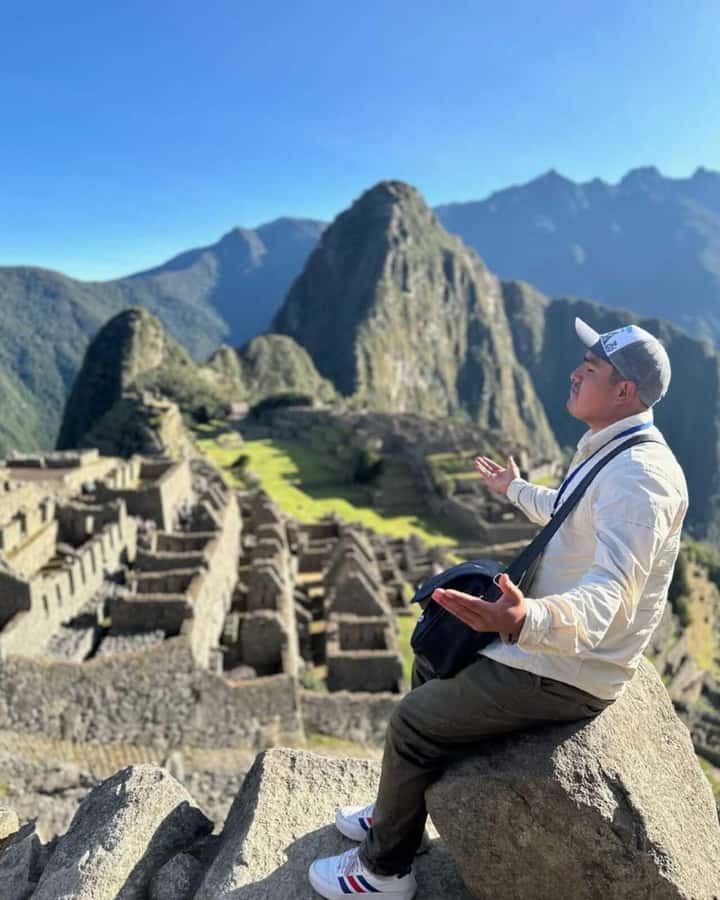
Machu Picchu can feel like sensory overload: stone terraces, steep steps, misty views, and that constant urge to stop and stare. What I like about this tour is that it doesn’t leave you floating. It sets up your time so you can get the pictures you came for, and then it gives you a story to attach to those views.
You start with a push toward the best photo angles, including a run up to the highest point for classic postcard views. Then you switch gears into a guided exploration where you’ll learn historical and archaeological context—and yes, the guide’s training includes astroarchaeology, which adds a thoughtful layer to how you look at the site.
The tour is also designed around questions. In past experiences with guides tied to this service, people highlighted quick help before the tour and a friendly, patient style while walking. That matters at Machu Picchu, where fatigue and altitude can make you want answers faster than you expected.
If you want a visit that gives you both: (1) memorable photos and (2) understanding you can repeat later—this is the right format.
Getting There From Cusco Area: Pickup and the 30-Minute Bus Ride
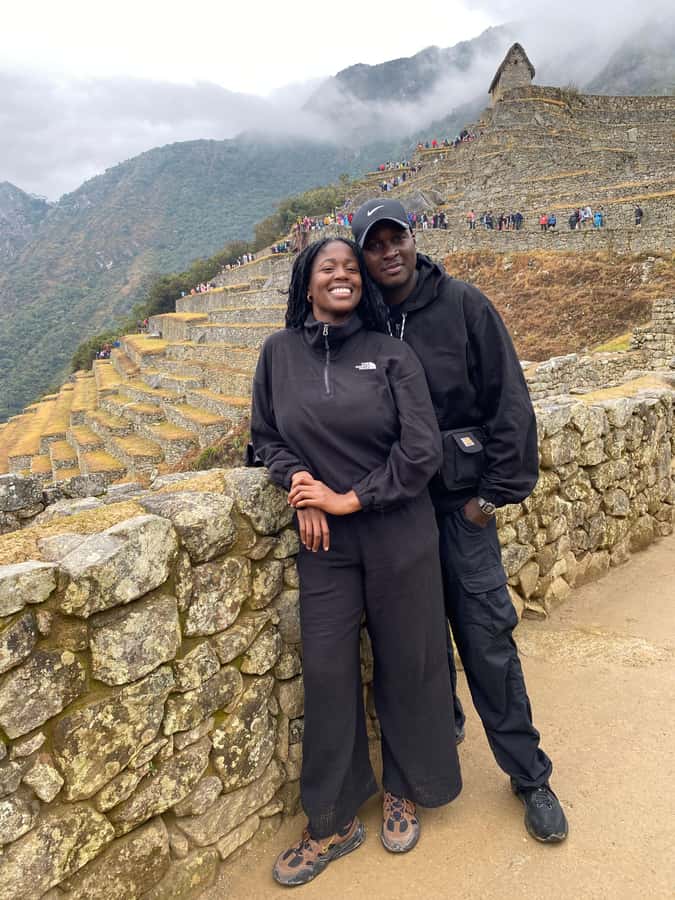
This isn’t one of those “find your own way and meet us at the gate” situations. You get pickup from your hotel or from the train station. The transfer to Machu Picchu is described as about a 30-minute bus ride, which is a big deal when you’re trying to line everything up with your ticket time.
You also have two pickup location options:
- Aguas Calientes
- Machu Picchu station
That flexibility helps if your schedule is built around the train arrival. It also reduces stress the morning of your visit because you’re not managing taxis, timing, and directions all at once.
Keep in mind the cost split: the tour includes the transfer, but the activity info lists bus tickets as not included. In practice, this usually means you should be ready to pay for any bus-related fare that’s required for your specific route. Before you go, double-check what’s covered for your exact pickup point.
You can also read our reviews of more guided tours in Urubamba
Entering the Citadel: Tickets, Passport, and First Impressions
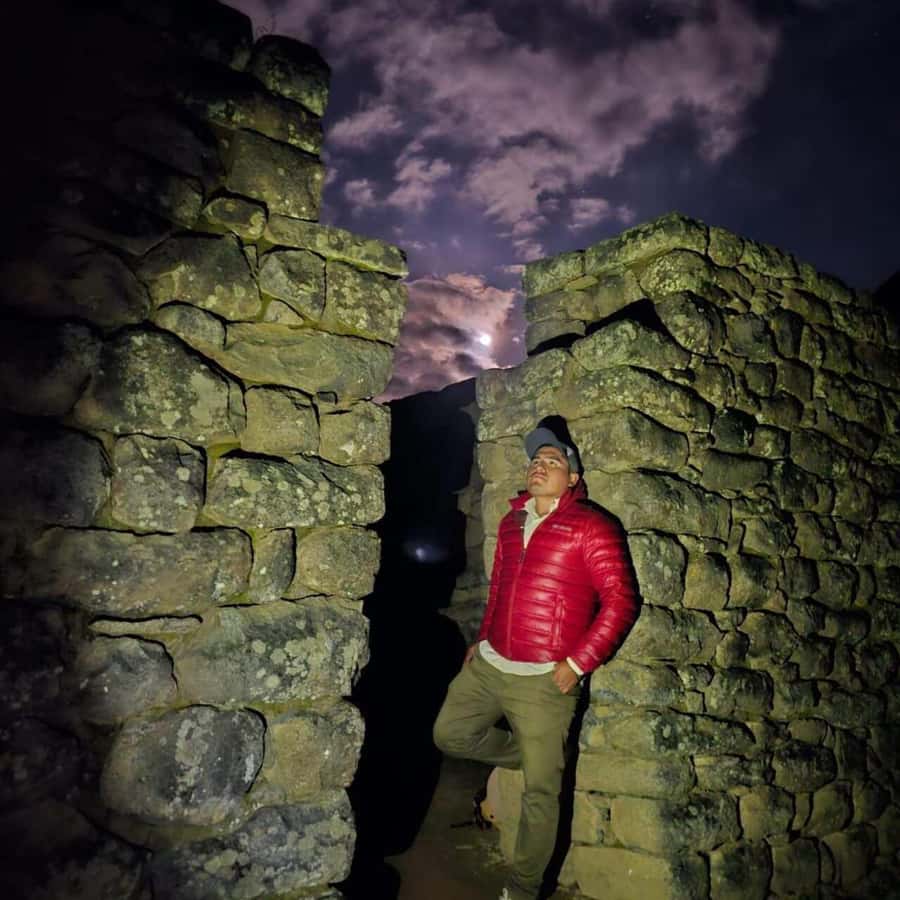
Once you’re at Machu Picchu, the process is straightforward: you show your Machu Picchu tickets and passport, and then you head right into the tour.
That passport check is more than a formality. It’s part of why doing a guided pickup helps: you’re not scrambling at the entry window trying to locate paperwork. You’ll be guided into the flow of the visit so you can start with your first big viewpoint while the light and crowd timing are still working in your favor.
At this stage, the biggest practical tip is simple: keep your passport and ticket info easy to access. If you’re traveling with others, make sure everyone has their own documents ready. It saves time, and it helps your guide keep the pace.
The Highest Photo Point: Where Postcards Get Made
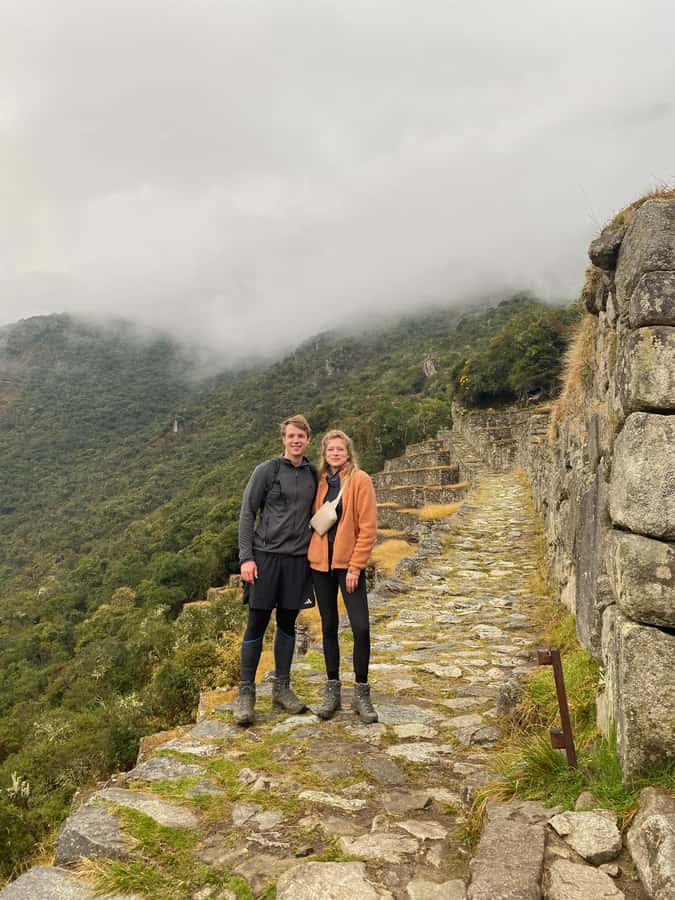
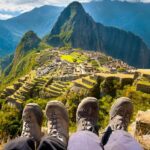
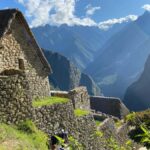
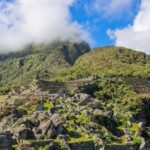
A huge part of the value here is the focus on photo planning. The tour includes a climb to the highest point of Machu Picchu specifically to capture the most beautiful postcard photos.
This matters because Machu Picchu photos aren’t just about having a good camera. They’re about:
- picking the right angle before the view gets blocked
- timing your shots for the way the light hits the stone
- moving to positions that show scale without losing details
The guide takes you to amazing photo spots, not just one viewpoint and done. And the included photo element is practical: you’re not left hoping you’ll “figure it out” with strangers around you. People who booked this service often mention the guide taking phenomenal pictures, which suggests the tour is built to help you walk away with real keepsakes.
If you’re coming from a photography background, you’ll probably enjoy the way this tour treats framing like part of the itinerary. And if you’re a beginner, you’ll still benefit because the guide helps you get where you need to stand.
The Guided Walk: Every Corner, With History and New Finds
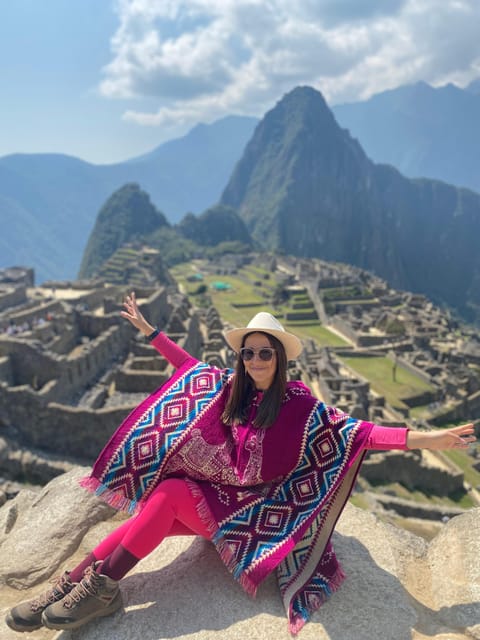
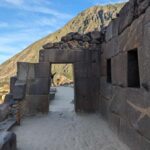
After the main lookout photo time, the tour shifts into exploration. The plan is to explore every single corner of Machu Picchu, with the guide sharing information as you walk.
The tour is described as historical and archaeological, and that’s consistent with the guide training shared in the experience details. There’s also an emphasis on new investigations about Machu Picchu, which is exactly what you want if you’ve already watched documentaries. It helps turn the place from “famous ruins” into “a site that still gets studied.”
What I think makes this section work is the mix of teaching and movement. You’re not standing in one spot for an hour. You’re walking the spaces and getting explanations tied to what you can actually see. That’s the kind of context that sticks because it attaches to physical details—terraces, layouts, and sight lines.
In past bookings, people repeatedly praised how the guides explained construction and Inca culture in a way that felt engaging and patient. That’s a good sign, because it means you’re less likely to get a dry lecture and more likely to get answers you care about.
Photography Support That’s More Than Tips
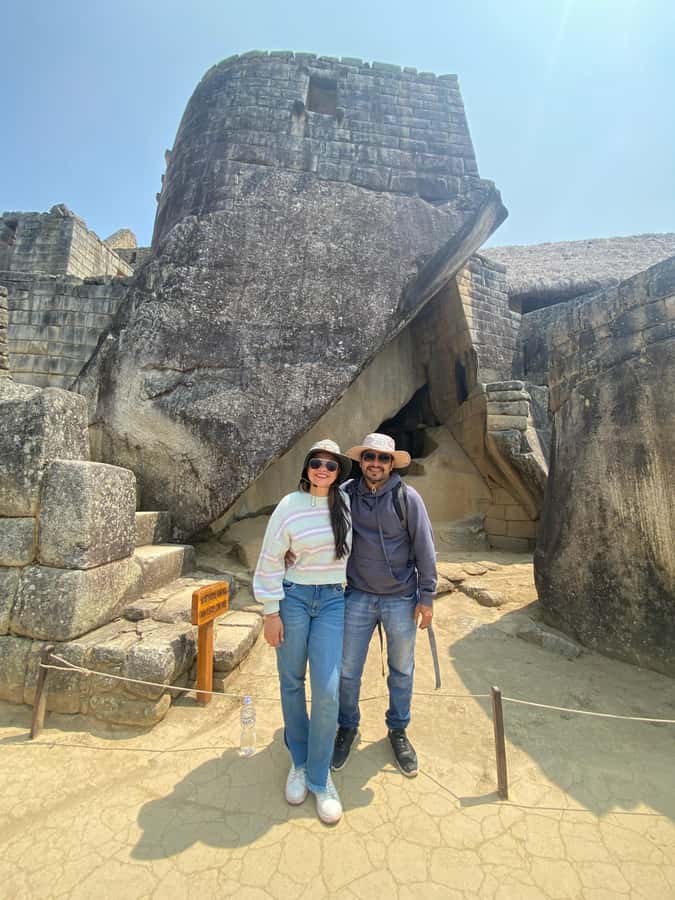
A lot of photo-oriented tours promise advice. This one includes photos in Machu Picchu, plus the guide has training that includes photography courses. That combination tends to change what the experience feels like.
Here’s what that means for your day:
- You’ll spend less time worrying about camera settings and more time composing and capturing.
- You’ll likely get reminders for where to stand and how to frame the ruins with people included.
- You’ll get guided photo timing so you’re not just chasing the first pretty view you see.
People also highlight that guides were patient while they took portraits and candid moments. One review mentioned adjusting during moments when altitude made breathing hard—so the pacing seems to account for how your body reacts on site. At Machu Picchu, being rushed is the enemy of good photos, so this is a practical advantage.
If you’re traveling with friends or a partner, a photo-guided visit is a smart way to avoid the usual problem: everyone gets a few selfies, and nobody looks like they’re having a moment.
What’s Included vs. What You Still Pay For
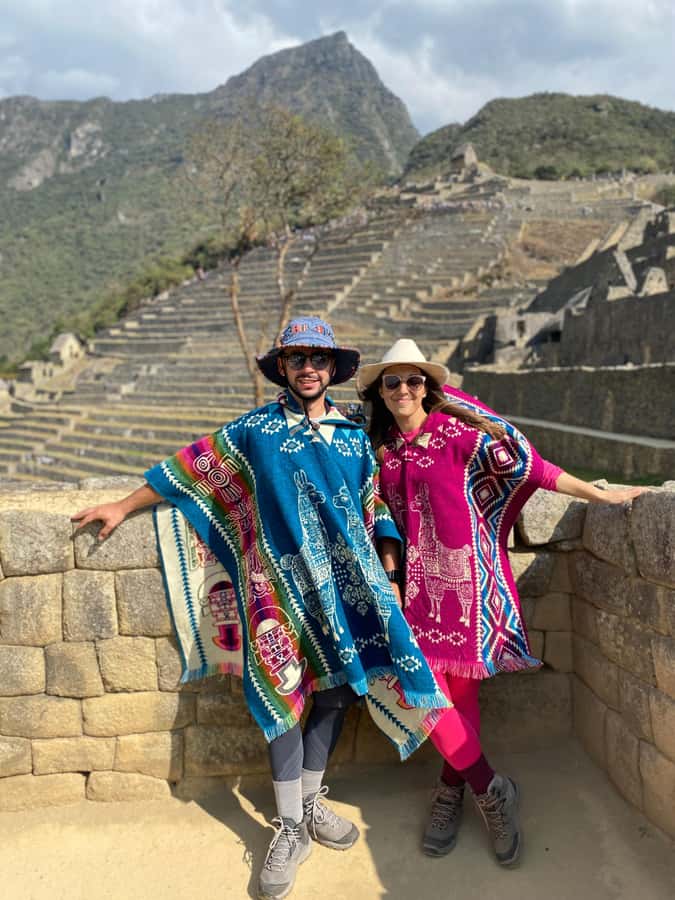
Let’s talk value, because $80 can sound like a deal or a mystery depending on what’s bundled.
Included
You’re told this tour includes:
- Transfer from your hotel or train station to Machu Picchu
- Guided tour in Machu Picchu for 3 hours
- Photos in Machu Picchu
- Scientific information about Machu Picchu
If you’re comparing costs, that’s the key point: you’re not only paying for the guide talk. You’re also paying for the hands-on photo component and the time-optimized route with pickup.
Not Included
You should budget for:
- Machu Picchu tickets
- Bus tickets
- Food
- Water
- snacks
This is totally manageable, but it does mean you need to plan your personal supplies. Water and snacks matter on a walking day, especially if you’re sensitive to altitude. The tour itself won’t cover that, so don’t count on it being provided.
Sunrise-Style Timing and the 3-Hour Reality Check
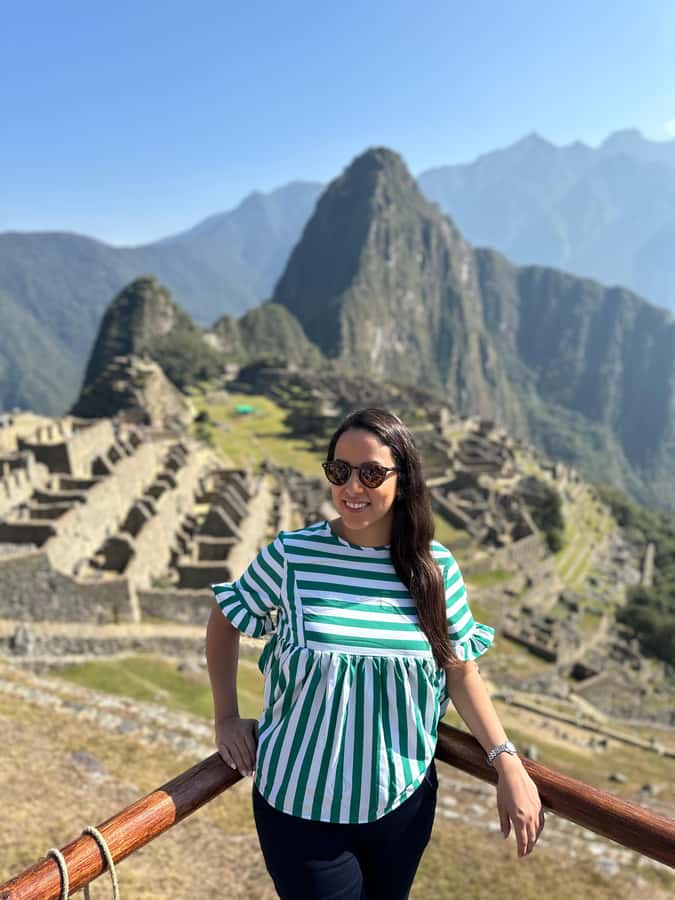
The itinerary includes a sunrise element, and it’s listed as part of the 3-hour experience. If your departure time lines up with early light, you’ll get softer color and a more dramatic look at the terraces.
Even if the light isn’t perfect, early timing usually helps you:
- avoid the most congested moments
- move to key photo points with fewer blockages
- get that “I really earned this photo” feeling
A practical caution: 3 hours in Machu Picchu is enough to see a lot, but it’s not long enough for a wandering-only day. This is a structured tour. So if you want extra time to sit, read every plaque slowly, or hike for hours beyond the standard route, you might feel slightly limited.
Still, for most first-timers, it’s the sweet spot: structured enough to get great results, short enough to avoid burning the entire day.
Comfort, Rules, and What to Bring
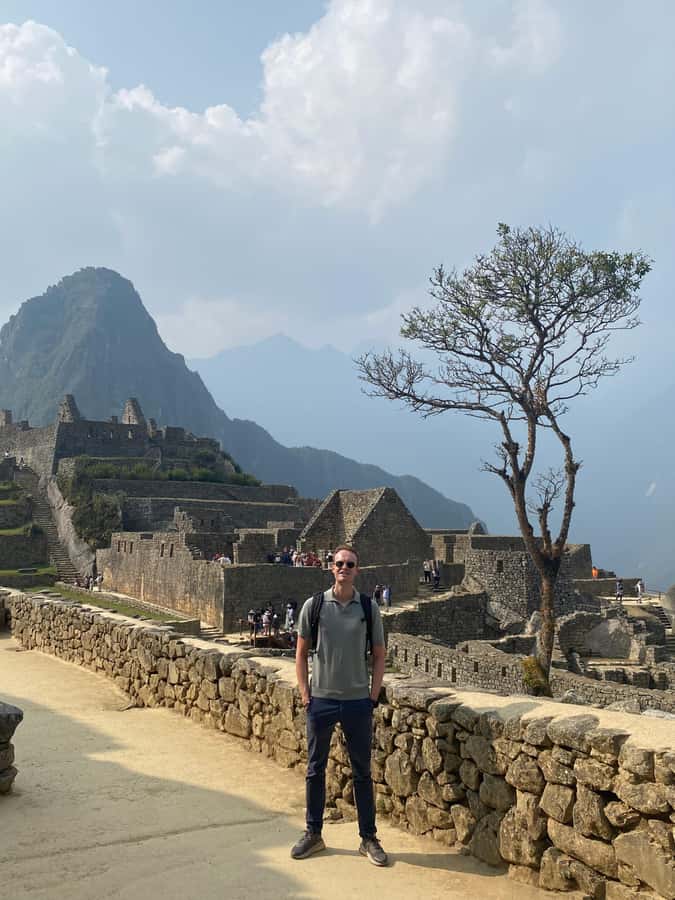
This is an active walking experience, and the info given is simple and strict.
Bring:
- Passport (required for entry)
Not allowed:
- Bikes
- Alcohol and drugs
Also, you should think about the practical “not listed” items that make the day smoother. Since water and snacks aren’t included, I recommend bringing a small amount you can carry comfortably. Comfortable shoes are a no-brainer for stone steps and uneven ground, even if the route is guided.
And since the tour is wheelchair accessible, that’s a strong sign the provider can work with different mobility needs. If you’re traveling with someone who uses a wheelchair, it’s worth confirming how walking segments are handled so expectations match reality.
Who This Tour Fits Best
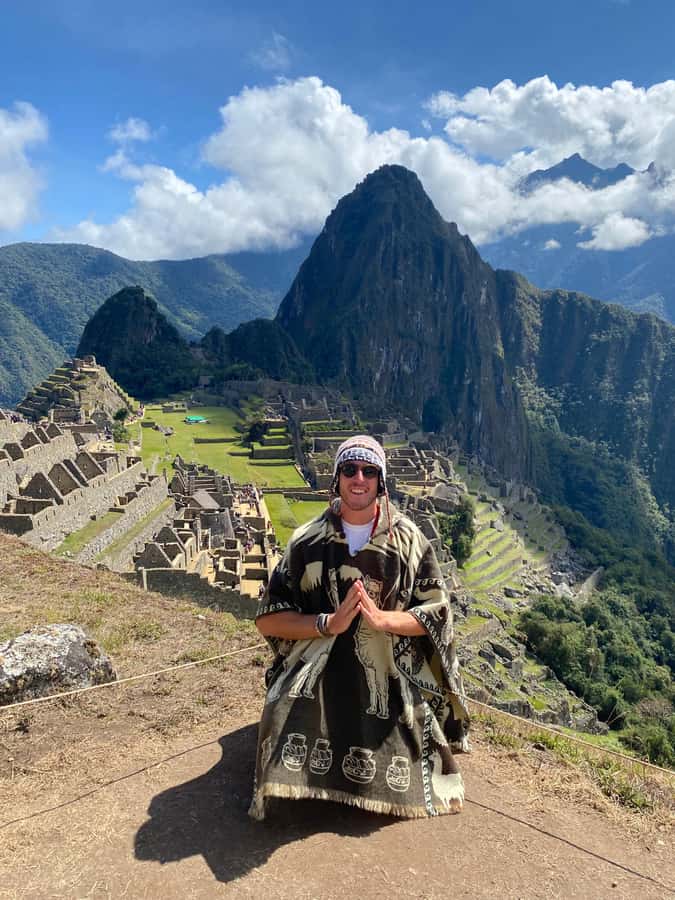
This is a strong choice if you:
- care about getting standout photos without spending the day wrestling with your camera
- want history tied to what you can see, not just a generic speech
- like a guide who brings both cultural passion and practical patience
- prefer a private group format (up to 10) where you can ask questions freely
It may be less ideal if you want an unguided, no-structure photo walk where you can roam without stops. This tour is designed to move you through photo points and explanations within a set window.
And if you’ve already studied Machu Picchu a lot on your own, you may still enjoy it—one of the selling points is that the guide shares “new investigations” and scientific-style information, plus their background includes archaeology and astroarchaeology courses.
Should You Book This Machu Picchu Photo and Historical Tour?
If you want a day that saves you time and boosts your results, I’d book it. The best reason is the combo: photo guidance + archaeology context + pickup/transfer in a single 3-hour private experience.
I’d skip or at least reconsider if you already have your own plan for photo locations and you don’t want a structured walk. Also, if you hate planning around costs, remember that you still need to handle tickets, bus tickets, and your own food/water.
One more smart decision tip: if Machu Picchu is a once-in-a-lifetime stop for you, paying for help with framing and photo timing can be worth more than people expect. This tour is built around making sure you actually leave with pictures you’re proud of—and with explanations you can remember.
FAQ
How long is the Machu Picchu historical and photographic guided tour?
The tour lasts 3 hours.
Where does pickup happen for this tour?
Pickup options include your hotel or either Aguas Calientes or Machu Picchu station.
Is this tour private or shared?
It’s a private group experience.
What’s included in the price?
Included are the transfer from your hotel or train station to Machu Picchu, a 3-hour guided tour, photos in Machu Picchu, and scientific information about Machu Picchu.
What is not included?
Machu Picchu tickets, bus tickets, food, water, and snacks are not included.
What language is the live guide?
The live guide offers English and Portuguese.
Is the tour wheelchair accessible?
Yes, it’s wheelchair accessible.
Do I need to bring my passport?
Yes. You’ll need your passport for entry checks along with your tickets.
Are bicycles allowed during the visit?
No, bikes are not allowed.