REVIEW · LAKE TITICACA & PUNO TOURS
From Cusco: Full-Day Touristic Bus to Puno with Guided Tours
Book on GetYourGuide →Operated by PVTravel · Bookable on GetYourGuide
Cusco to Puno can be long, but it feels like a history lesson with windows. This full-day coach tour strings together the Route of the Sun highlights—Inka-era stops, a dramatic mountain crossing at Raya Pass, and a guided finish at Pukara.
What I like most is how you get both story and sights: Andahuaylillas (with its famous church interior), plus Raqchi’s Inka temple setting, all with guided interpretation in English and Spanish. And I really appreciate the practical touches—on-board hot and cold drinks, modern reclining seats, and even medicated oxygen for the high-altitude sections.
The main drawback to watch for is planning communication: one past booking mentioned they didn’t receive clear advance info and had to contact the provider about pick-up details about a day before. If you don’t hear anything promptly, you should follow up.
In This Review
- Key highlights worth your time
- Cusco to Puno in one day: the Route of the Sun logic
- Andahuaylillas Church: the Sistine Chapel of the Andes, fast and focused
- Raqchi Inka temple: seeing sun worship in stone
- Sicuani lunch break: where the day resets
- Raya Pass (4,335 m): the peak moment with views and souvenir energy
- Pukara Lithic Museum: Inkan and Aymaran culture with artifacts you can actually see
- Getting the most value for $130: what’s actually included
- Who this tour suits best (and who should think twice)
- Price, logistics, and one real-world caution about communication
- Should you book this Cusco to Puno bus tour?
- FAQ
- How long is the Cusco to Puno bus tour?
- What are the main guided stops during the day?
- Is lunch included, and where is it served?
- Will the tour guide speak English and Spanish?
- Are entrance fees included?
- Are hot and cold drinks provided during the trip?
- Is there any support for high altitude?
- What is the time at each stop?
- What do I need to bring?
- What happens after you arrive in Puno?
Key highlights worth your time
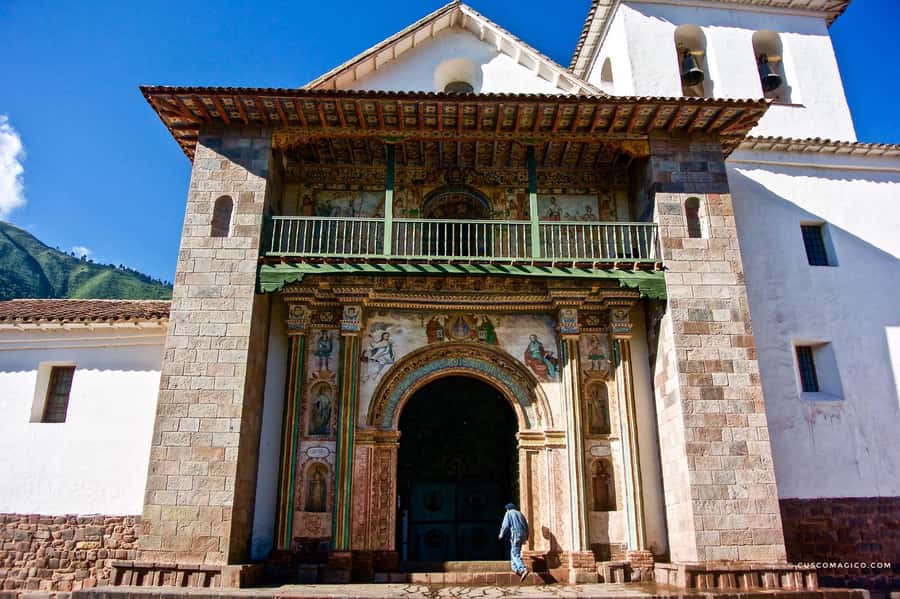
- Andahuaylillas church: a 16th-century stop often nicknamed the Sistine Chapel of the Andes for its murals and gold embellishments
- Raqchi Inka temple: a hands-on feel for sun worship and daily Inka life through the ruins
- Buffet lunch in Sicuani: a real break in a small town during a very full travel day
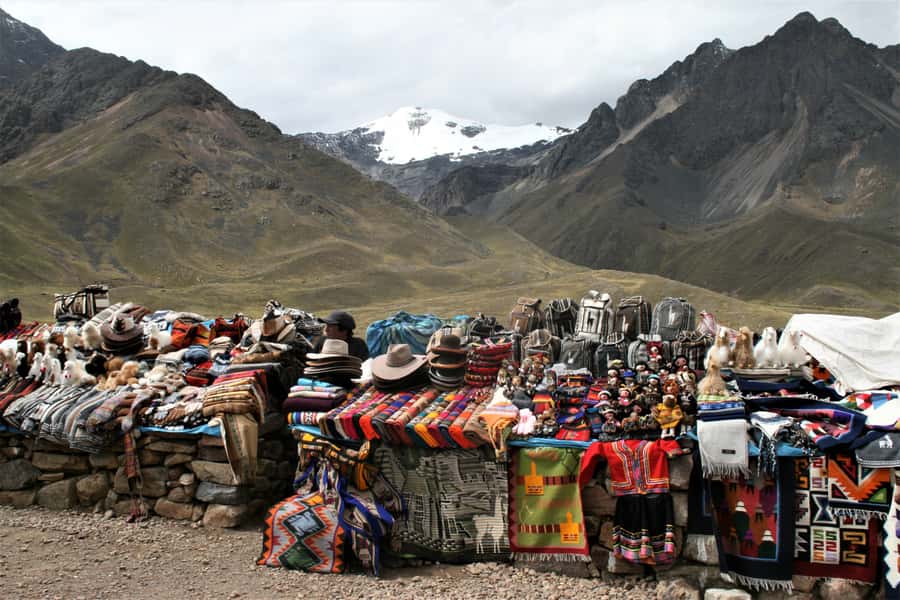
- Raya Pass (4,335 m): panoramic Andes views plus vendors selling traditional souvenirs near the high point
- Pukara Lithic Museum: learn about Inkan and Aymaran culture with rare artifacts and the museum site itself
- Stops timed well: each guided visit runs about 20 to 40 minutes, so you’re not trapped in one place too long
Cusco to Puno in one day: the Route of the Sun logic
You’re doing the classic southern Andes corridor: Cusco Region down toward Puno, crossing the wide altiplano. The tour’s smart because it doesn’t treat the bus ride as dead time. Instead, it uses the long drive to stack meaningful stops along what’s known as the sacred Route of the Sun—a path that’s drawn travelers for generations.
That matters because Cusco-to-Puno is often about choosing your pacing. Some people hate spending a day staring at the road. Here, you’ll be out of the bus multiple times for guided visits, photos, and short stretches to break up the travel.
You’ll also feel how altitude shapes the day. Raya Pass is at 4,335 meters, which is a big jump compared to Cusco’s already-elevated reality. The tour helps you manage that with medicated oxygen onboard and a first aid kit, which is the kind of practical support I’m glad is included when you’re heading that high.
You can also read our reviews of more guided tours in Cusco
Andahuaylillas Church: the Sistine Chapel of the Andes, fast and focused
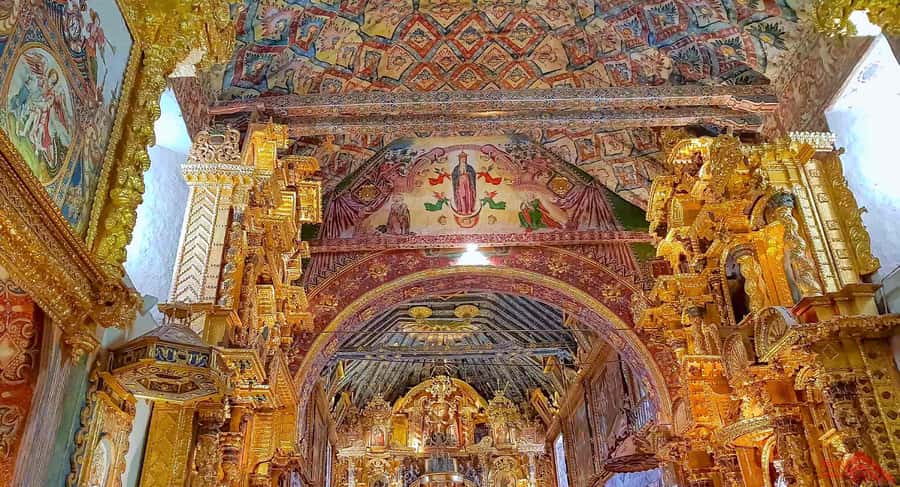
Your first guided stop is St. Peter the Apostle of Andahuaylillas, a 16th-century church known for its extravagant murals and gold embellishments—so much detail that people sometimes call it the Sistine Chapel of the Andes. You only spend about 20 to 40 minutes there, so the guide’s role is key: they help you look efficiently instead of wandering aimlessly.
In practical terms, this is a stop for:
- taking in the interior artwork (up close enough to notice detail)
- hearing the story behind the blending of local and colonial influence
- getting your questions answered without losing the rest of the day
The time window is short, but that’s not a flaw if your goal is value. You’re not paying just for a quick photo outside. You’re paying for the guided walkthrough of why the place looks the way it does—and then you move on before fatigue sets in.
One small consideration: churches are active spaces, and you’ll likely need to be respectful with movement and photo habits. If you’re the type who likes to linger for 60+ minutes, this stop might feel like a sprint. If you like structured sightseeing with a clear schedule, it’s a good fit.
Raqchi Inka temple: seeing sun worship in stone
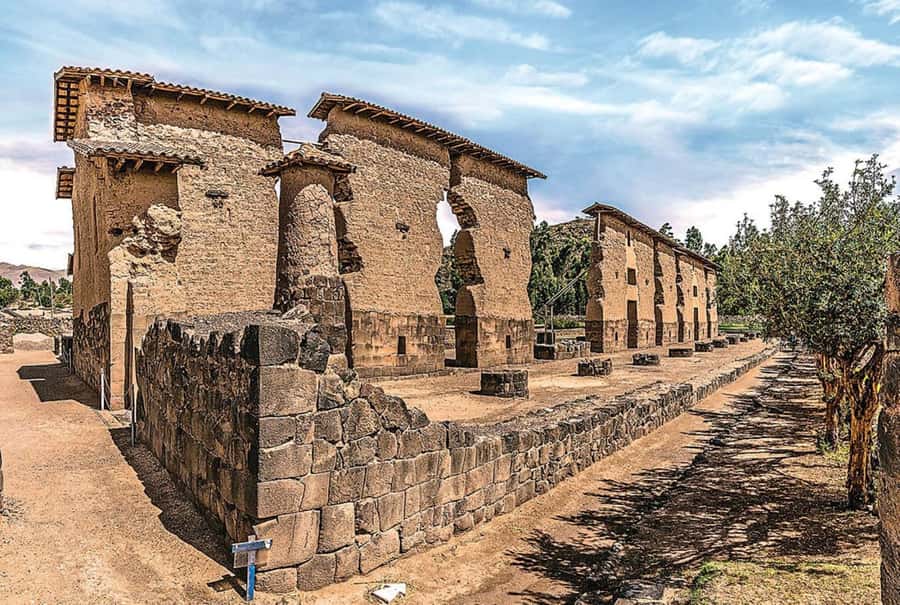
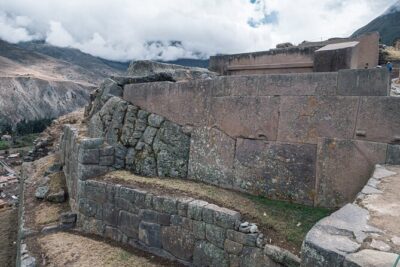
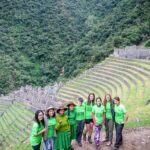
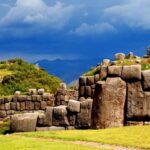
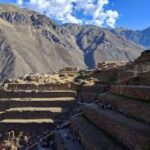
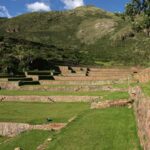
Next up is Raqchi, home to an Inka temple that connects strongly to sun worship. From the ruins, you’ll get a sense of how worship happened in a landscape that mattered as much as the architecture did.
Why this stop is worth your time: Raqchi isn’t just a pile of walls. With guided interpretation, the site becomes easier to understand. You’ll hear how Inka belief systems shaped everyday life, and you’ll be able to connect that to the wider Route of the Sun theme: this wasn’t random travel—people moved through sacred geography.
You’ll have a guided window again (about 20 to 40 minutes). That’s long enough to:
- identify what you’re looking at
- understand the significance of the temple space
- step back for broader views of the grounds
If you’re traveling as a history fan, I think this stop hits the sweet spot. It’s not a museum day where everything is glass cases and labels. It’s outward, built-in place reading—ruins with context.
Sicuani lunch break: where the day resets
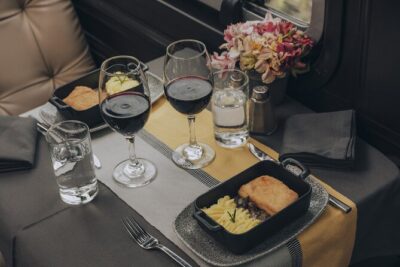
Between ruins and high passes, the tour gives you a buffet lunch in Sicuani, a small town in the middle of the route. I like this kind of break for one reason: your brain can reset. After walking church interiors and Inka stone structures, lunch time is less about food variety and more about getting warmth, routine, and a chance to sit.
A buffet also fits a day like this because schedules move. You don’t have to worry about ordering timing. You get a solid meal stop, and then you keep rolling south.
The tradeoff is that this is not the kind of lunch where you go deep into local cooking for hours. The value is the convenience: you’re fed, you’re not stuck waiting, and you can refuel before heading to the highest point of the day.
Tip for your comfort: if you’re sensitive to altitude, don’t go wild with heavy portions. Eat enough to feel steady, then let the next stop work on your eyes.
Raya Pass (4,335 m): the peak moment with views and souvenir energy
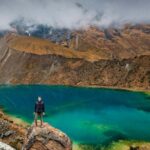
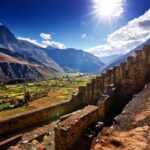
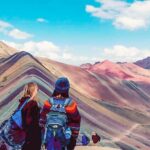
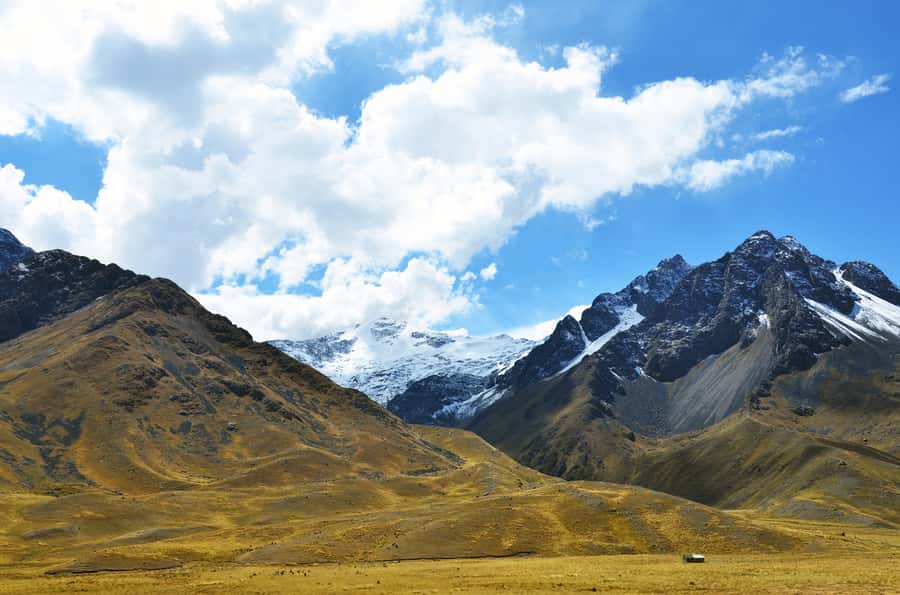
Eventually, the tour climbs to Raya Pass at 4,335 meters. This is the moment that makes the long road feel worth it. From up here, you’ll see wide Andes views—snow-capped mountains, freshwater pools, and the kind of openness that makes your camera roll feel inadequate.
There’s also a practical side. You’ll likely feel the altitude, even if you’ve adjusted some in Cusco. The included medicated oxygen is there for exactly this stretch, and it’s worth using it if you start feeling off.
You’ll also find vendors selling traditional souvenirs near the pass. This is one of those places where you’ll want to keep your expectations realistic: you’re stopping briefly, so it’s not a market crawl. Still, it’s a good chance to pick up something small that actually connects to the route you just crossed.
And yes, it’s crowded at the stops you want most. That’s part of the deal of popular high viewpoints. Go for your photos first, then wander at your own pace if you feel up to it.
You can also read our reviews of more tours and experiences in Cusco

Pukara Lithic Museum: Inkan and Aymaran culture with artifacts you can actually see
The last major guided stop is the Lithic Museum in Pukara, where you learn about both Inkan and Aymaran culture. Here, the tour shifts from ruins and mountain views to objects and interpretation.
What I like about museum-style stops on road-trip days: you get to slow down in a controlled way. Instead of climbing and walking through exposed terrain, you’re looking at artifacts and learning why they matter.
This stop includes:
- viewing rare artifacts
- wandering through the museum archaeological site itself
That archaeological site element is important. If the tour had only a building of displays, it would be easier to forget. But being able to walk through the site helps your brain tie the artifacts to a broader place-based story.
Again, the guided time window is about 20 to 40 minutes. That’s just enough to get oriented and ask questions, then you’ll be on your way. When the day is long, that pacing prevents museum fatigue.
Getting the most value for $130: what’s actually included
At $130 per person for a 10-hour day, value depends on what’s bundled. In this case, the package isn’t just transport. You get:
- pick-up from your Cusco accommodation and drop-off in Puno
- modern bus transport with comfortable reclining seats
- bilingual guide service in English and Spanish
- guided tours at Andahuaylillas, Raqchi, and Pukara
- entrances to the places visited
- buffet lunch in Sicuani
- hot and cold drinks onboard
- medicated oxygen and a first aid kit
That combination is what makes the price make sense. You’re paying for a full travel day that covers driving, guided interpretation, and on-site access. If you tried to DIY this, you’d be juggling multiple entrances, timing, and the risk of getting lost between rural stops.
Also, the on-board amenities aren’t flashy, but they matter over a long day. Hot/cold drinks help. Reclining seats help. Oxygen helps most if you’re sensitive to altitude.
If you’re the type who hates moving from one place to another without someone explaining what you’re seeing, this tour is a strong match. If you prefer totally free time and deep solo exploration at fewer sites, you may find the schedule a bit packed. But for most people doing Cusco-to-Puno, the balance is sensible.
Who this tour suits best (and who should think twice)
This tour makes the most sense if you want:
- a structured day rather than a stressful one
- guided interpretation at key stops, not just photos
- a break for lunch in Sicuani
- a high-altitude crossing handled with included oxygen
It’s also a good option for couples or small friend groups who want to see multiple sites without planning every turn. And if you’re traveling with limited time, this is a realistic way to experience the Route of the Sun corridor in one shot.
Think twice if you:
- want a slower pace with long stays at fewer stops
- dislike fixed itineraries and time limits
- are very sensitive to altitude and need extra medical support beyond what’s included
Price, logistics, and one real-world caution about communication
The tour is priced like a full-service day, and it largely delivers on that promise through guided time, entrances, transport, and lunch. The main caution is communication. One past booking said the provider didn’t send clear updates in advance, and they had to contact the supplier a day before to coordinate the details for pick-up.
You can’t assume that will happen to everyone. But the practical lesson is simple: if your confirmation doesn’t include clear instructions, don’t just wait. Follow up with PVTravel so you know where to be and when. One message can save an anxious morning.
Should you book this Cusco to Puno bus tour?
I’d book it if you want a smart, guided way to link Cusco and Puno with meaningful stops. The best part is the mix: Andahuaylillas, Inka ruins at Raqchi, a real lunch break in Sicuani, a dramatic high point at Raya Pass, and a cultural finish at Pukara Lithic Museum—all wrapped in transport with oxygen support.
Don’t book it if you already know you want long free time at sites or you need a very flexible schedule. In that case, you’ll feel rushed.
If you’re on the fence, here’s my shortcut decision rule: if you’re happy letting a guide drive your route and explain what you’re seeing, this is a strong value. If you’re the kind of traveler who needs control over every minute, you may prefer a more independent plan.
FAQ
How long is the Cusco to Puno bus tour?
It lasts 10 hours.
What are the main guided stops during the day?
The guided tours are at Andahuaylillas, Raqchi, and Pukara (Lithic Museum).
Is lunch included, and where is it served?
Yes. A buffet lunch is included in the town of Sicuani.
Will the tour guide speak English and Spanish?
Yes. The guide service is bilingual in English and Spanish.
Are entrance fees included?
Yes. Entrances to the places visited are included.
Are hot and cold drinks provided during the trip?
Yes. Hot and cold drinks are available on board.
Is there any support for high altitude?
Yes. Medicated oxygen and a first aid kit are included.
What is the time at each stop?
Each visit lasts about 20 to 40 minutes.
What do I need to bring?
You should bring a passport.
What happens after you arrive in Puno?
After reaching Puno, you part ways with the group and are transferred to your accommodation.