REVIEW · MARAS
Maras Moray
Book on GetYourGuide →Operated by Libertrek Peru Travel Agency · Bookable on GetYourGuide
There’s science hiding in plain sight. This half-day tour connects Moray’s circular terraces with Maras salt mines, and you’ll leave with a clear idea of how the Incas tested crops and how salt was made at over 3,000 meters. You also get a focused route that doesn’t eat your whole day in Cusco.
Two stops do the heavy lifting for me: the agricultural logic of Moray and the strange beauty of the salt pools in Maras. The route is paced so you get explanations and then time to look, take photos, and walk a bit.
One watch-out: if it’s your first day in Cusco, the altitude can make everything feel a little fast. In one review, the guide’s pace was great overall, but speaking speed could feel quick if you’re still adjusting, so plan for that.
In This Review
- Key things to know before you go
- Morning pickup and the Cusco-to-Valley rhythm
- Chinchero textiles: natural dyes and old techniques
- Entering Moray: why the circles matter
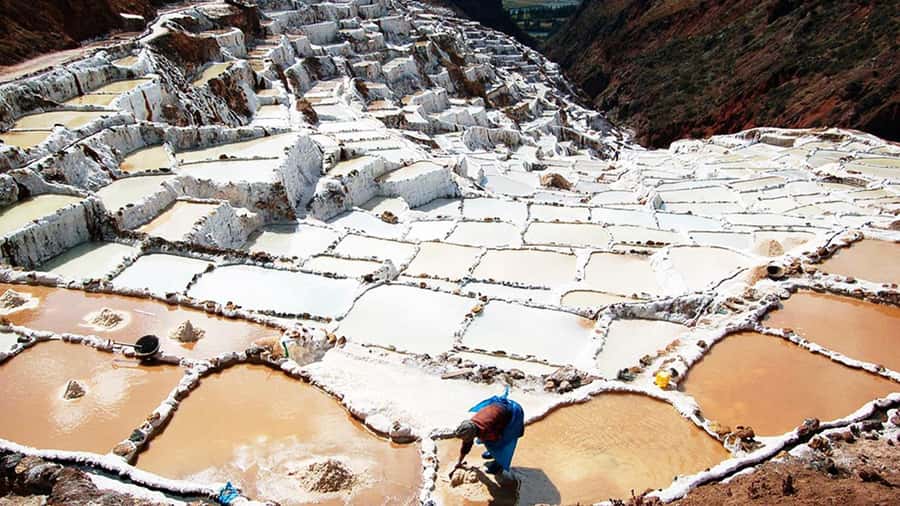
- Maras salt mines: thousands of salt plots at altitude
- Price and value: what you pay and what you should budget
- What to bring (so the day feels easy)
- How the guide experience works (English + Spanish in the real world)
- Who should book this tour
- Should you book Maras Moray?
- FAQ
- What time does the pickup start for the Maras Moray tour?
- How long is the tour?
- Is the tourist ticket and Maras entrance fee included in the price?
- What languages is the guide available in?
- What should I bring?
- Do I need a lot of physical fitness for this tour?
Key things to know before you go
- Moray’s circular terraces are the only Inca structures known for their round design, used for experimentation with crops.
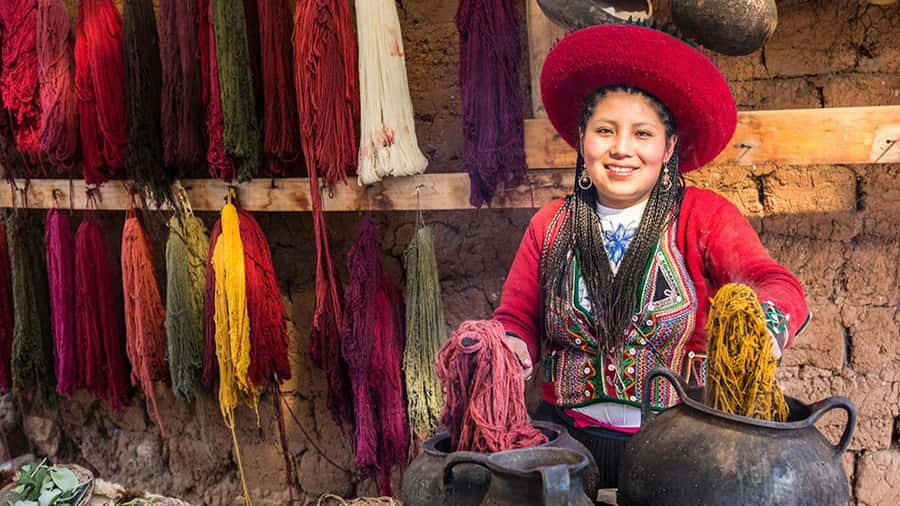
- Chinchero textiles show how dyes come from natural materials (llama and alpaca wool included).
- Maras salt production features thousands of small plots fed by salt-rich water from the mountains.
- You’ll have time at each stop for photos and wandering, not just a quick rush-through.
- The guide can switch between Spanish and English, with English explained for you in a smaller window.
Morning pickup and the Cusco-to-Valley rhythm
This tour runs as a half-day outing, with pickup around 08:30 from your hotel or accommodation. You’ll travel by bus to the first big archaeological stop at Moray, with a scheduled break in the town of Chinchero along the way.
What I like about this format is that it turns a long “day trip” into something you can actually handle when you’re still finding your altitude legs. You’re out for about 6 hours, which is long enough to cover Moray plus Maras, but short enough that you should still feel functional when you get back to Cusco.
The tour isn’t described as physically demanding. Still, you’ll want sports shoes, because you’re going to move around at archaeological areas and among uneven ground near viewpoints and salt terraces.
You can also read our reviews of more tours and experiences in Maras.
Chinchero textiles: natural dyes and old techniques
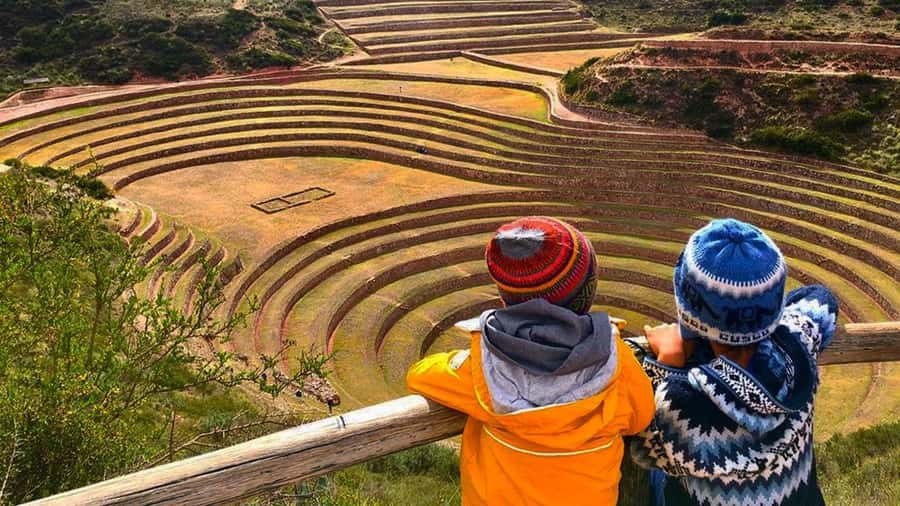
Before you reach Moray, you stop in Chinchero, a town known for artisanal textile production using methods passed down for generations, starting from Inca-era traditions. In the textile center, you can see how wool is prepared and how colors are produced using natural materials.
This stop is more than a shopping break. It helps you connect what you see later in the route: the Incas weren’t only building places like Moray. They also turned local resources into technology—dyeing wool and working alpaca and llama fibers—so clothing and tools were adapted to the environment.
One practical note: the textile stop can be relatively structured. In a recent experience, the first planned free-walk moment didn’t feel fully open-ended, and the main focus leaned toward the alpaca wool process and the goods for sale. So if you’re hoping for an extended wander, don’t rely on it—expect a guided visit with a chance to look and ask questions.
Entering Moray: why the circles matter
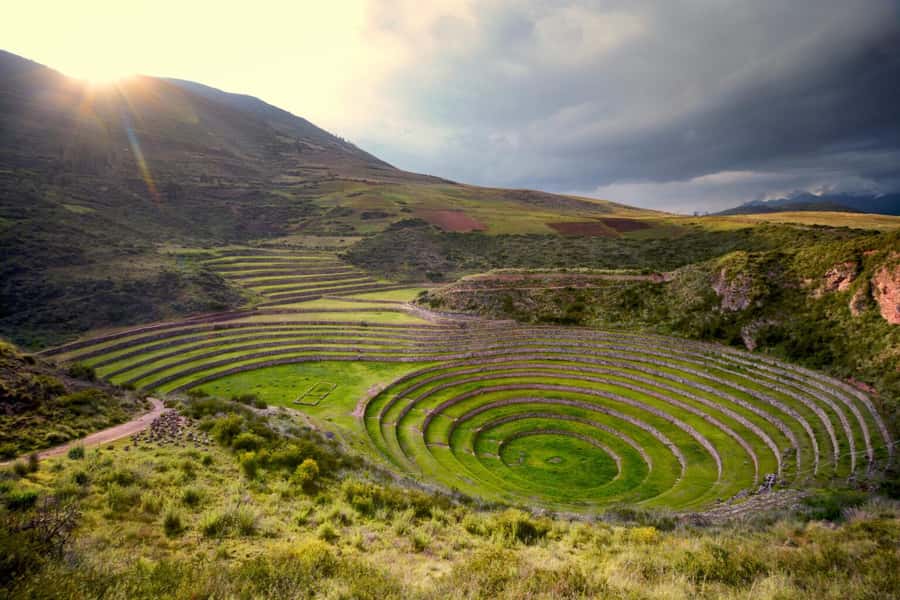
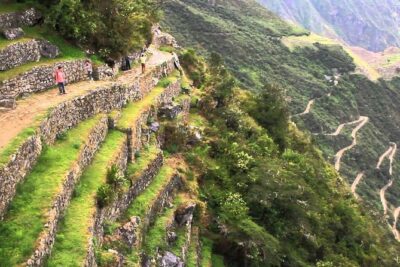
Moray is the headline for many people, and for good reason. This archaeological park features agricultural terraces in a circular shape, and these are described as the only ones in that form among Inca constructions. The design isn’t just visual. It’s tied to the site’s function as an experimental place—built to test and domesticate crops and crop varieties.
Here’s what you’ll learn to watch for while you’re there:
- How terraces can create different micro-conditions within the same area
- Why experimentation mattered for crops like corn, potatoes, olluco, and other varieties
- How the Incas connected agriculture to a spiritual map, including mountains viewed as apus (deities)
Moray’s setting helps the story. Even if you don’t think of yourself as a ruins person, the combination of mountain views and the terrace geometry makes it easier to understand how people might test crops using subtle environmental shifts.
Time is usually managed well. In one review, the guide (Raul) recognized the group was taking lots of photos and gave extra moments to walk around freely while he explained the site to others in Spanish before switching to English for the guests. That kind of pacing makes a big difference at Moray, because the place rewards looking from different angles.
Maras salt mines: thousands of salt plots at altitude
After Moray, the route continues to the salt mines of Maras. This is where the day turns from “Inca experimentation” to “Inca extraction and management,” and the scenery gets oddly dramatic.
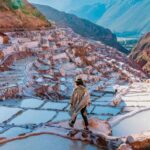
The salt here is tied to water sources with sodium chloride that come from the mountains. Because this water carries salt content and is guided into the production area, it allows salt to be made at more than 3,000 meters above sea level.
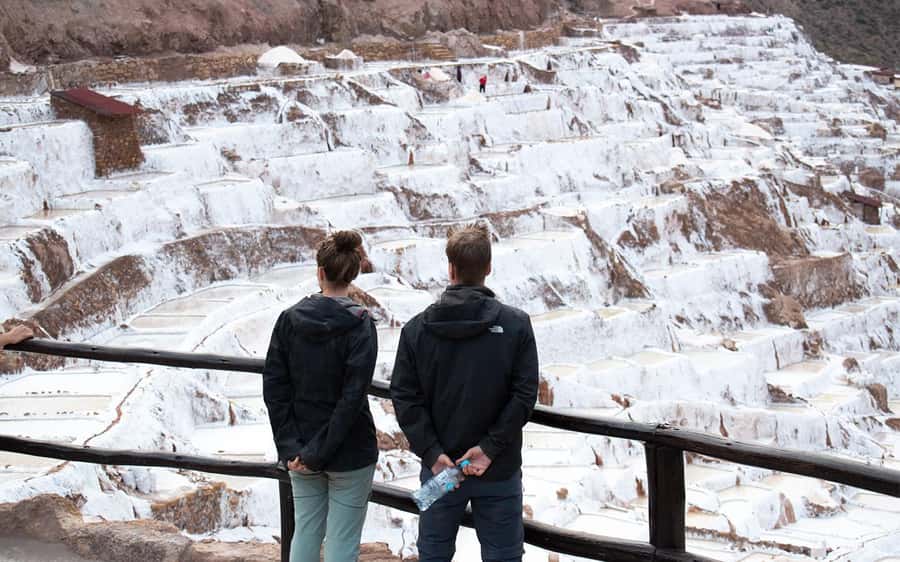
What makes Maras visually unforgettable is the scale and repetition: there are described as around 3,800 salt production lands/plots. From a distance, the mines look like patterns written across the hills. Up close, you start noticing the logic of the small units—each plot is part of a system, not a single “big salt mine.”
Even if you don’t care about geology, it’s worth going with a curious mindset. Ask your guide how the salt-rich water works in practice, and pay attention to how the production area follows the terrain. At Maras, the environment is part of the technology.
Price and value: what you pay and what you should budget
The tour price listed is $18 per person, and that’s a useful number to treat as the “transport + guide” cost, not the total cost of the day. Inclusions cover pickup, tourist transport, and a professional English and Spanish guide.
What’s not included is important to plan for:
- Tourist ticket: $20
- Entrance to Maras: $7
- Feeding
So you should budget extra for entrances. Even with that, the value can be strong because you’re getting a guided route with two major stops plus the textile education in between, all in about 6 hours.
The biggest value isn’t just access. It’s interpretation. Without guidance, it’s easy to see terraces and salt plots but miss the “why.” With an English/Spanish guide (and a guide who can slow down for photos and questions, like Raul did), you tend to leave with a better mental map of what you saw and why it mattered.
What to bring (so the day feels easy)
This tour is designed for most people, but you’ll enjoy it more if you come prepared. Here’s what to bring based on the tour guidance:
- Camera
- Sports shoes
- Cash (for entrances and any purchases)
- Sunscreen
- Passport or ID card
- Personal medication
Because the tour lasts about half a day, you may want to pack a simple snack and water. That’s especially smart if you’re arriving in Cusco and still trying to feel normal at altitude. The better you feel physically, the easier it is to take in the details at Moray and Maras.
Also consider timing with photos. The scenery is photo-friendly at multiple points, so having your camera ready and your plan flexible will help. One review highlighted that the guide provided extra time for wandering, which you’ll get the most out of if you can move at your own pace for a few minutes at a time.
How the guide experience works (English + Spanish in the real world)
This is a live-guide tour in English and Spanish, and you should expect language switching during the stops. In at least one recent experience, the guide explained first to the Spanish-speaking portion of the group and then focused on English explanation when it was time for the English guests to catch up and ask questions.
That structure can actually be good. You’re not always waiting with no information—you get the core story while it’s being told, then you get the English version and chance to clarify details afterward.
A guide like Raul is also the kind of person who adjusts to your group’s behavior. When people were taking lots of photos, he recognized it and gave time to walk around freely while still explaining everything clearly. That’s the kind of practical attention that makes a shorter day trip feel like it has real depth.
Who should book this tour
This works best if you want a compact Cusco day that still covers two major attractions with strong educational value.
You’ll likely enjoy it if you:
- Prefer half-day touring over full-day excursions
- Want guided explanations for both Moray’s agricultural logic and Maras salt extraction
- Like learning through context, not just looking at ruins
- Want a structured route that includes Chinchero textiles in between
You might not love it if:
- You have mobility limitations, because the tour isn’t suitable for people with mobility impairments
- You expect a very long free-walk experience at every stop; some parts are guided and timed
Should you book Maras Moray?
If you’re going to Cusco and you want a route that’s efficient but not superficial, I’d book this. Moray gives you the “how did they think” part—those circular terraces and the idea of experimentation—while Maras answers the “how did they extract” part with salt plots running across the hillside.
Just go in with realistic expectations: entrances cost extra (tourist ticket plus Maras entrance), and it helps to treat this as a guided half-day that still leaves time for photos and walking, but won’t feel like a loose, roaming day.
If it’s your first day in Cusco, give yourself grace. The site details are easier to enjoy when you’re not fighting altitude, so keep the rest of your day calm after the tour.
FAQ
What time does the pickup start for the Maras Moray tour?
Pickup is scheduled for around 08:30 from your hotel or accommodation. The guide will call by your name, and you should wait at the reception about 5 minutes before the scheduled time.
How long is the tour?
The tour lasts about 6 hours.
Is the tourist ticket and Maras entrance fee included in the price?
No. The tour price does not include the tourist ticket (USD 20) or the entrance to Maras (USD 7).
What languages is the guide available in?
The tour includes a live guide who speaks English and Spanish.
What should I bring?
Bring a camera, sports shoes, cash, sunscreen, your passport or ID card, and any personal medication. It also helps to bring a snack and a bottle of water since the tour lasts about half a day.
Do I need a lot of physical fitness for this tour?
No high physical effort is required, but it is not suitable for people with mobility impairments.