REVIEW · AGUAS CALIENTES
Inka Jungle trek to Machu Picchu 3 D/ 2 N
Book on GetYourGuide →Operated by Libertrek Peru Travel Agency · Bookable on GetYourGuide
Machu Picchu comes with a jungle warm-up. This 3-day Inka Jungle route pairs downhill biking from Abra Málaga with rainforest scenery and a guided sunrise visit to Machu Picchu. I like that it feels like active travel, not just sitting on transport.
I’m especially glad you’ll get real variety on Day 1, from the Huamanmarca archaeological center to cycling down toward Santa María. I also like the food approach here: meals built around ingredients from the Peruvian Andes, then you’re surrounded by jungle fruit and plants as the route drops in elevation.
One key consideration: part of the itinerary includes river rafting that depends on water levels, and if conditions aren’t right there’s no refund. Also, this isn’t a good fit if you need a low-impact day (no backpacks, plus the trek involves walking and biking).
In This Review
- Key Highlights You Should Know
- Why This Inka Jungle Trek Is More Than a Transfer to Machu Picchu
- Day 1: Cusco, Abra Málaga, Biking, and Santa María’s Jungle Edge
- Gear and what’s covered
- Santa María to Santa Teresa
- Santa Teresa Night: The Soft Landing Before Day 2
- Day 2: Zipline at Cola de Mono and the Hidroeléctrica Walk Through a Canyon
- Aguas Calientes hot springs option
- Day 3: Sunrise to Machu Picchu, a Focused 2.5-Hour Guided Tour, Then Back to Cusco
- Price and Value: Is $410 Fair for This Mix of Activities?
- Pace, Fitness, and Who This Trek Fits Best
- Weather and the Rafting Reality Check
- What to Pack and What to Avoid
- Altitude Notes That Actually Help
- Should You Book This Inka Jungle Trek to Machu Picchu?
- FAQ
- What is the duration of the Inka Jungle trek?
- Where does the tour start and where does it end?
- What happens on Day 1?
- Is zipline included, and when do you do it?
- Is rafting guaranteed?
- What meals are included?
- Are hot springs included?
- Is Wayna Picchu included?
- How do you get back after Machu Picchu?
- What documents and items are required or not allowed?
Key Highlights You Should Know
- Downhill biking from Abra Málaga with helmets, gloves, and knee pads included
- Huamanmarca archaeology stop plus jungle birds, medicinal plants, and local fruit
- Cola de Mono zipline option on Day 2 (morning)
- Canyon walk to Hidroeléctrica with waterfalls and farm fields along the way
- Sunrise entry to Machu Picchu with a professional guide and focused site stops
- Small group (max 18) with English/Spanish support
Why This Inka Jungle Trek Is More Than a Transfer to Machu Picchu
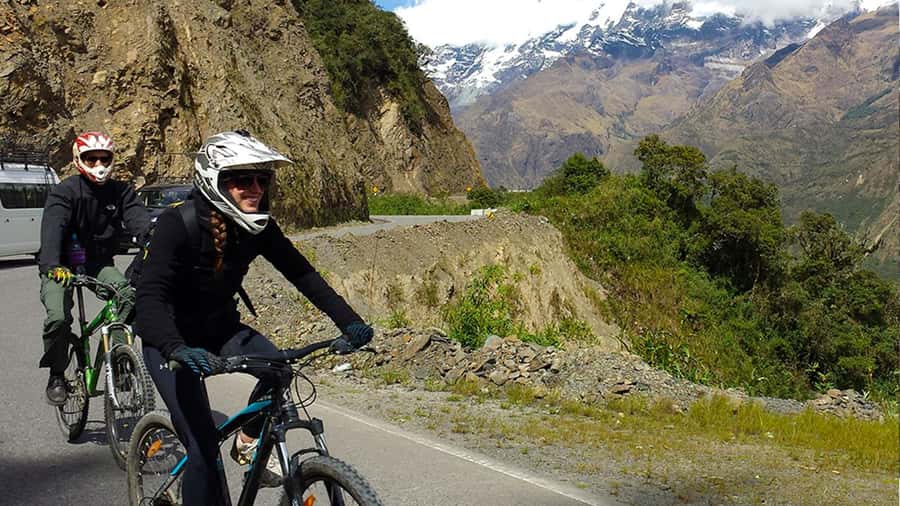
Most trips to Machu Picchu are built around one big moment. This one builds momentum first. You start in the Cusco area, work your way down through changing ecosystems, add adventure sports, then end with a guided Machu Picchu morning.
That order matters. By the time you reach Aguas Calientes and finally Machu Picchu, you’re already in the mood: legs warmed up, eyes used to the dramatic terrain, and the whole experience feels earned. It’s a true “route” trek, not just a ticket plus a transfer.
And because the group is limited to 18, you tend to get a steadier experience. You’ll still move at a real adventure pace, but you’re not stacked into a crowd that feels like a bus in human form.
You can also read our reviews of more hiking tours in Aguas Calientes
Day 1: Cusco, Abra Málaga, Biking, and Santa María’s Jungle Edge
You’ll get picked up at 06:00 from your hotel, then ride about 4 hours toward the Malaga pass area. The adventure starts right after. From there, you descend by bicycle for roughly 3 to 4 hours until you reach Santa María.
I like this day because it has several flavors at once:
- Speed + scenery on the descent, so you feel the terrain instead of just passing it
- Stops that connect the physical route to place, including the archaeological center of Huamanmarca
- A living-world feel as you pass through mountain and jungle zones
This part is also where the smaller details start adding up. On the way, you’ll see jungle birds, medicinal plants, and fruit you wouldn’t expect this high up in the Andes. The route includes examples like mango, pineapple, papaya, avocado, coffee, coca leaves, and more.
One practical tip: the day is structured, but you still need to be ready to ride in warm conditions and then keep going. Bring what you need for comfort (sunscreen and water are not optional), and don’t plan to treat biking like sightseeing.
Gear and what’s covered
Biking equipment is included: bicycle plus arm protectors, knee pads, helmet, and gloves. That’s a big value point, because it reduces the stress of packing gear and makes the day safer. You’re still responsible for bringing your basics, but you won’t be hunting for the right helmet size in Cusco.
Santa María to Santa Teresa
After you finish the cycling portion, the trip continues by car in the afternoon to Santa Teresa, where you’ll spend the night. If you want to soften your legs, you can optionally visit the Cocalmayo hot springs. Entrance isn’t included, so treat it as a pay-at-the-site choice if you have time and energy.
If you’re prone to sore calves, this is the part of the itinerary that makes sense. Santa Teresa is a reset night before the longer Day 2 walk.
Santa Teresa Night: The Soft Landing Before Day 2
Overnight in Santa Teresa is valuable because it breaks the experience into two digestible chunks. Instead of trying to shove all the adventure into one marathon day, you get a night to recover and then continue down toward Aguas Calientes.
The schedule isn’t vague. You’re biking and moving on Day 1, then sleeping in Santa Teresa, then doing more activities and a long trek day on Day 2. That clarity helps you pack your mindset: you’re not always sprinting, but you also aren’t on a lazy itinerary.
If you’re deciding whether to add the hot springs, I’d base it on one thing: how your body responds after biking. The springs are optional, and the trip already includes plenty of walking tomorrow. If you know you’ll appreciate warm water, it can be a smart use of time.
Day 2: Zipline at Cola de Mono and the Hidroeléctrica Walk Through a Canyon
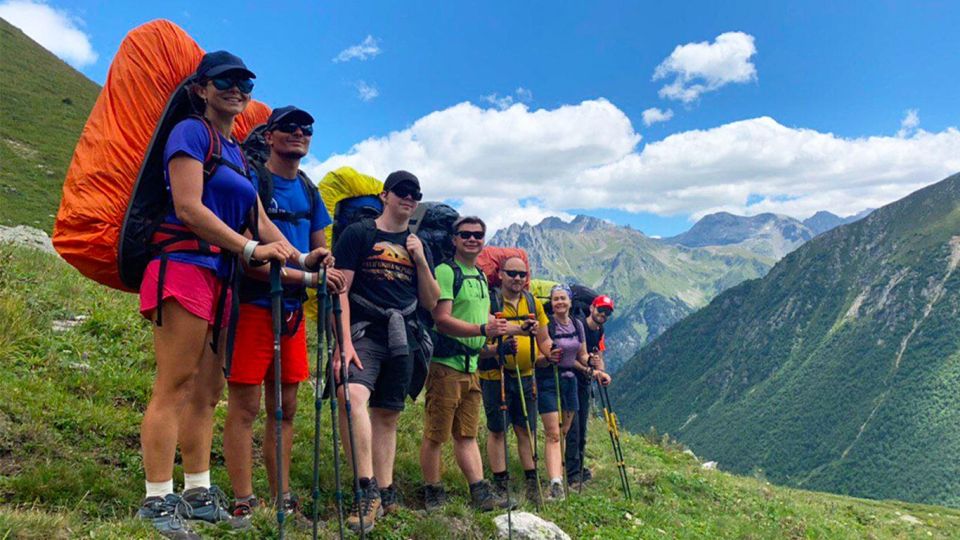
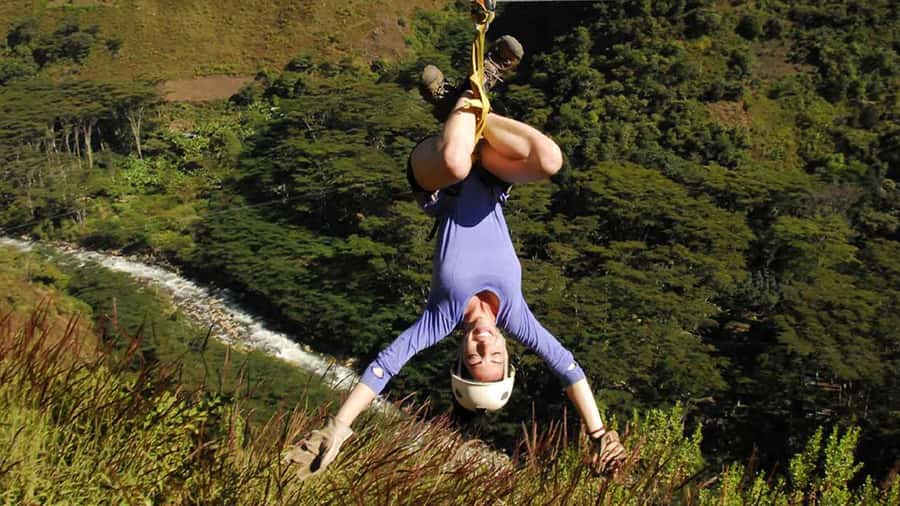
Day 2 starts with choices. You have the option to do the zip line in Cola de Mono in the morning. It’s listed as optional, so you can skip it if you want to conserve energy.
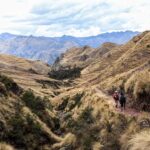
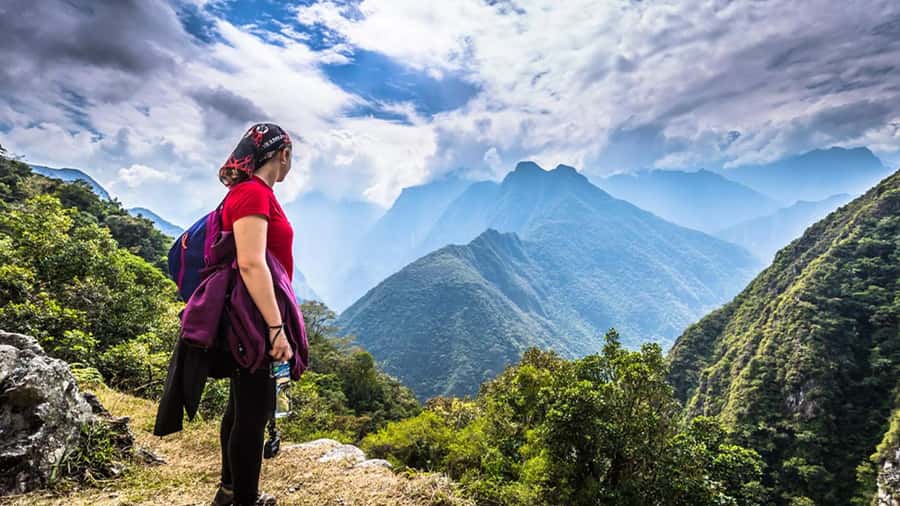
After breakfast, you begin walking to Hidroeléctrica. The route includes a narrow canyon, and the climate there is described as pleasantly comfortable. That’s a big deal because it’s one of the few moments where you’re walking and can actually feel the day’s “breathing room,” not just heat and altitude pushing you.
As you move toward Hidroeléctrica, you’ll see:
- Waterfalls
- Mountains covered with vegetation
- Plantations of banana, mango, avocado, cocoa, orange, and coca leaves
- And eventually the mountain of Machu Picchu in the distance
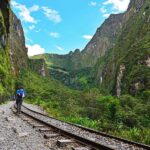
Lunch happens at Hidroeléctrica. Then you switch gears again. You continue along the train tracks for about 3 hours to reach Aguas Calientes.
I like this format because it makes the journey feel like part of the destination. The train tracks route isn’t just transport. It gives you a long, steady “road walk” that builds anticipation for Machu Picchu without turning Day 2 into chaos.
Aguas Calientes hot springs option
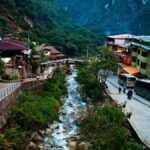
Once you arrive in Aguas Calientes, there’s an opportunity to visit the town’s hot springs. The itinerary doesn’t mark hot springs as included on this day, so assume it’s an optional spend unless your operator confirms otherwise for your specific booking.
You’ll sleep in Aguas Calientes for the second night.
Day 3: Sunrise to Machu Picchu, a Focused 2.5-Hour Guided Tour, Then Back to Cusco
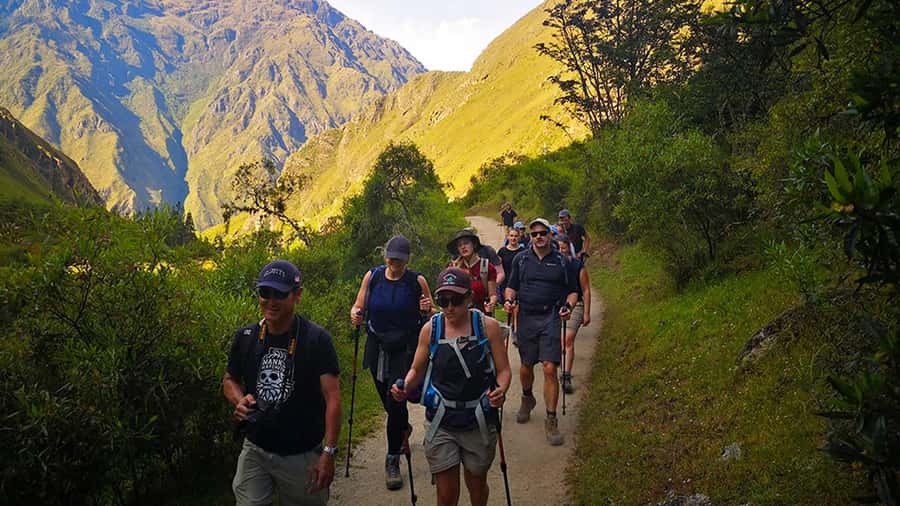
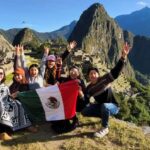
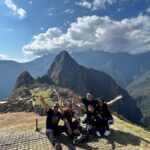
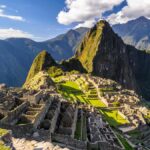
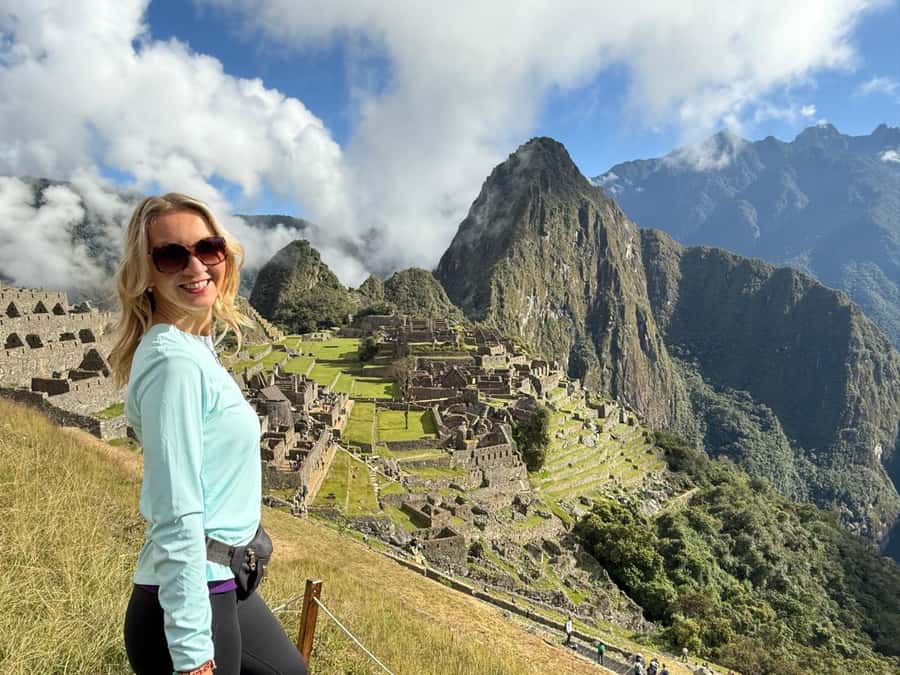
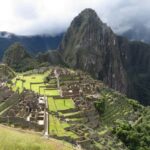
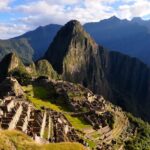
Early morning, you walk to Machu Picchu after breakfast. The big promise here is the sunrise moment. The itinerary specifically notes you’ll see Machu Picchu’s sunrise, and you’ll have a chance to be among the first groups inside.
Why that matters in real life: fewer crowds can make the first light feel calmer. Even if you’re not the “early bird” type, sunrise helps because Machu Picchu is about mood as much as it is about structures.
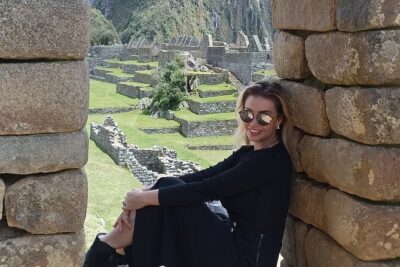
Once you’re inside, you’ll tour with a professional guide for about 2.5 hours. The key site stops include:
- Inti Watana
- Temple of the Condor
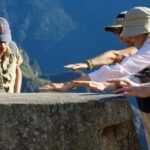
- The sacred rock
- plus other important points identified by your guide
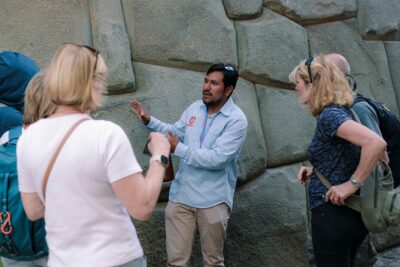
This is where guided time earns its keep. You’re not just wandering among stone terraces. You’re getting context and pacing, and it helps you notice patterns you’d miss on your own.
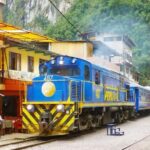
After your Machu Picchu visit, you descend back to Aguas Calientes in time for your return train. The itinerary includes the train from Machu Picchu Pueblo (Aguas Calientes) to Ollantaytambo, with a tourist bus waiting to take you back to Cusco. There’s also mention of an alternative involving walking back to the hydroelectric plant to take the car, depending on the flow of your day.
Either way, the key is that you’re not left stuck figuring it out after a long morning.
Price and Value: Is $410 Fair for This Mix of Activities?
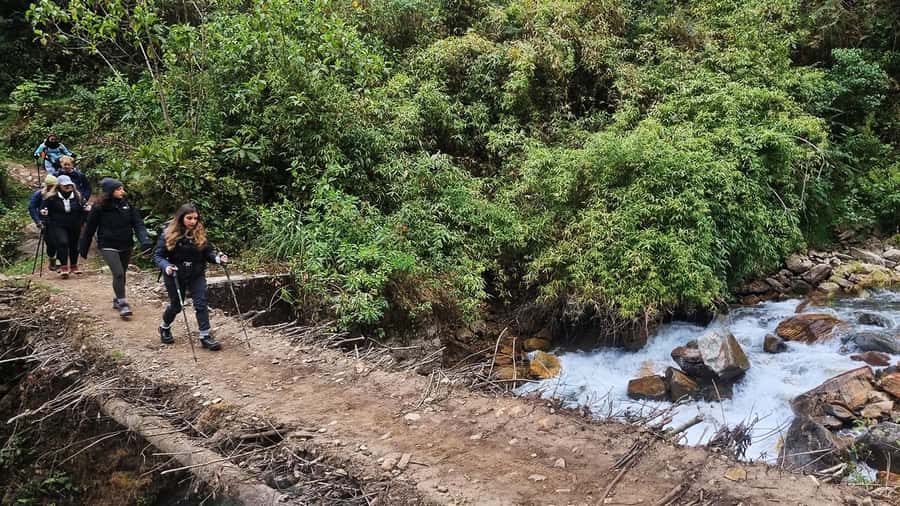
At $410 per person for a 3-day, 2-night adventure package, the value comes from what’s bundled.
Included highlights that affect real costs:
- Machu Picchu entrance
- A guide for the Machu Picchu portion
- Train transfer from Aguas Calientes to Ollantaytambo (or hydroelectric transport to Cusco, depending on your day)
- Bike equipment and the biking portion logistics
- Two breakfasts, two lunches, two dinners
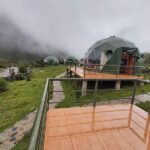
- Two nights accommodation in Inka Jungle hostels
- Biking equipment and a first aid kit
- Zipline and rafting are also listed as included, with the rafting subject to weather
When packages are overpriced, it’s usually because you’re paying for a lot of empty time. Here, most of the day is activity-driven. Even if you skip the zipline option, you still get the canyon walk and the sunrise guided Machu Picchu visit.
One cost you should expect outside the package:
- Wayna Picchu is optional (listed as USD 65)
- Bus Aguas Calientes – Machu Picchu – Aguas Calientes is USD 24
- Hot springs entrance at Santa Teresa is not included
- Breakfast on the first day and lunch in Aguas Calientes are not included
So yes, $410 is reasonable if you actually want the adventure format. If you only care about Machu Picchu and nothing else, you may be better off with a simpler plan. But if you want the whole “route story,” the price starts to make sense quickly.
Pace, Fitness, and Who This Trek Fits Best
This trip is built for active travelers. It’s not a gentle stroll with occasional photos.
The route includes:
- A long downhill bike ride
- A walking day toward Hidroeléctrica, then another multi-hour walk along train tracks
- A sunrise walk to Machu Picchu
The operator also lists it as not suitable for people with back problems, pregnant women, or wheelchair users. That’s important. If you’re in any doubt, treat this as a “filter,” not a suggestion.
The good news is that the group is small and there’s a live English/Spanish guide for the tour. You’re not doing everything alone.
If you want the best fit, you’ll usually be:
- comfortable walking for hours on uneven terrain
- okay riding a bike downhill for a few hours
- interested in mixing adventure sports with cultural stops like Huamanmarca and Machu Picchu
Weather and the Rafting Reality Check
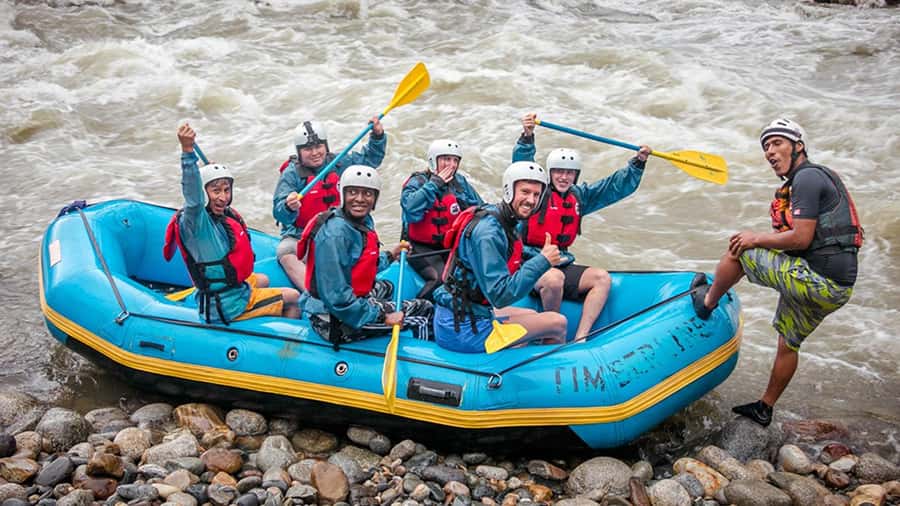
One part of the itinerary is weather-dependent: river rafting on Day 1 is subject to conditions between January 1 and March 31. If the river is high on the day of your activity, rafting won’t take place and there’s no refund.
That can be a dealbreaker if rafting is the main reason you booked. If rafting matters to you, I’d treat it like a bonus, not a guarantee.
You can still expect the rest of Day 1’s structure (pickup, cycling, archaeological stop, and the move to Santa Teresa). Just don’t plan your “perfect Day 1” around water being rideable.
What to Pack and What to Avoid
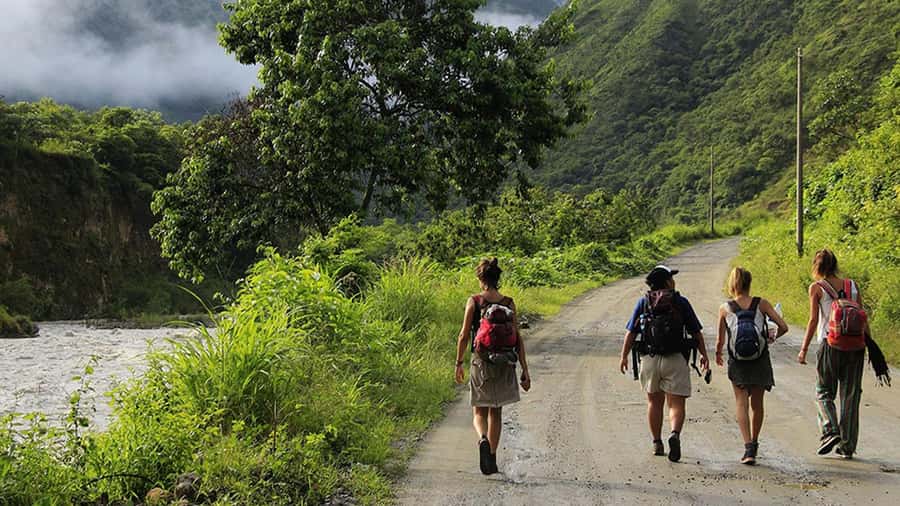
This is where many adventure tours get messy. Here, you get clear do’s and don’ts.
Bring:
- Passport or ID card
- sunglasses
- camera
- snacks
- sunscreen
- water
- cash
- personal medication
Don’t bring:
- backpacks
- alcohol and drugs
- pets
A quick practical thought: if you’re used to carrying a daypack, you’ll want a smaller, packable way to carry essentials that won’t count as a backpack. Ask your provider how they’re defining it for your group.
Also, bring what you need for sun. The days include open-air biking and walking, and the itinerary doesn’t talk about shade coverage.
Altitude Notes That Actually Help
The route drops in elevation, but you still start in the Cusco region and can feel altitude effects depending on your body.
The trip’s guidance is straightforward: drinking coca tea before the excursion can help prevent altitude sickness. That’s a low-cost step that may help you feel better as the days start.
And remember: breakfast on the first day is not included. Plan to eat before pickup if you can, so you’re not starting adventure time on empty.
Should You Book This Inka Jungle Trek to Machu Picchu?
Book it if you want an active, story-driven way to reach Machu Picchu. This itinerary gives you downhill biking, an option for zipline, a canyon-to-tracks walk through working farmland, and then a sunrise guided Machu Picchu experience. It’s built for people who like doing something each day.
Skip or reconsider if your top priority is only Machu Picchu with minimal effort. This is not a couch-to-clouds plan. Also, if weather rafting is a must for you, know it’s seasonal and can be canceled with no refund.
If you’re a solid walker and you’re excited to combine jungle adventure with a focused Machu Picchu morning, this route is a strong value for the price.
FAQ
What is the duration of the Inka Jungle trek?
The trek runs 3 days and includes 2 nights.
Where does the tour start and where does it end?
It starts with pickup in Cusco and ultimately returns you to Cusco after the Machu Picchu visit.
What happens on Day 1?
Day 1 includes pickup at 06:00, a ride toward the Malaga pass area, cycling downhill to Santa María, stops including Huamanmarca, and then travel by car to Santa Teresa for the night. There is also a rafting activity on Day 1 that depends on weather conditions.
Is zipline included, and when do you do it?
Zipline is listed as included, and you have the option to do it on Day 2 in the Cola de Mono area in the morning.
Is rafting guaranteed?
Rafting is subject to weather conditions between January 1st and March 31st. If the river is high on your activity day, rafting will not take place and there is no refund.
What meals are included?
Meals included are 2 breakfasts / 2 lunches / 2 dinners. The itinerary also notes breakfast on the first day and lunch in Aguas Calientes are not included.
Are hot springs included?
Hot springs at Santa Teresa (Cocalmayo) are optional and not included. On Day 2 there is an opportunity to visit hot springs in Aguas Calientes, but entrance is not stated as included.
Is Wayna Picchu included?
No. Wayna Picchu is optional and costs USD 65.
How do you get back after Machu Picchu?
After Machu Picchu, you descend to Aguas Calientes and take the tourist train to Ollantaytambo, then a tourist bus to Cusco. The itinerary also mentions the option to walk back to the hydroelectric plant to take the car.
What documents and items are required or not allowed?
You need a valid passport on the day of travel (you can also use an ID card for entry). You should bring sunscreen, sunglasses, water, snacks, camera, cash, and personal medication. You should not bring backpacks, alcohol or drugs, or pets.