REVIEW · CITY TOURS
Cusco: Private City Tour and Trip to Archeological Sites
Book on GetYourGuide →Operated by LimaTours · Bookable on GetYourGuide
Cusco clicks into place fast. This private, guided 4-hour circuit is a smart first-timer orientation, moving from the Main Square up to the high ruins so you get the full city picture quickly. Two standouts I like right away are Coricancha’s Inca-to-Spanish story at Santo Domingo Convent and the big views from Sacsayhuaman’s ramparts.
If you’re short on time but want more than a photo stop, this is built for you. One thing to keep in mind: to reach several uphill sites, you’ll need the Cusco Tourist Ticket (BTC), which isn’t included in the price.
In This Review
- Key reasons to book this private Cusco introduction
- A 4-hour Cusco loop that makes orientation easy
- Santo Domingo Convent: where Coricancha’s foundations still show through
- Cusco Main Square and the Cathedral: the big monument you can’t ignore
- The uphill switch: getting to Sacsayhuaman and why the views matter
- Qenqo’s temple and amphitheater: rituals you can still picture
- Puka Pukara (Red Fortress): reading a military complex
- Tambomachay may be part of your BTC plan
- The guide and the vibe: private, multilingual, and made for Q&A
- What you’re paying for at $101 per person
- Logistics that affect your comfort (and your photos)
- Who this tour suits best
- Should you book this private Cusco city tour and sites?
- FAQ
- What is the duration of the Cusco private city tour?
- How much does this tour cost?
- Is this tour private, and are the guides multilingual?
- What’s included in the price?
- What isn’t included?
- Do I need the Cusco Tourist Ticket (BTC)?
- Where does pickup happen?
- Is the tour wheelchair accessible?
- What should I bring, and what’s not allowed?
Key reasons to book this private Cusco introduction
- Coricancha under Santo Domingo: Inca foundations are still visible beneath the convent complex
- A real uphill rhythm: the tour walks you from Cusco’s center up to major fortress and ritual areas
- Multiple cultural layers in one day: Inca sun worship, Spanish-era architecture, and archaeological zones together
- Panoramas from Sacsayhuaman: the ramparts are purpose-built for dramatic sightlines
- Qenqo’s ritual setting: a temple-and-amphitheater area tied to agricultural ceremonies
- Puka Pukara for military life: you can still read the layout—squares, bathrooms, aqueducts, walls, towers
A 4-hour Cusco loop that makes orientation easy
Cusco can feel like a lot at first. Streets twist, plazas stack, and the hills seem to hide entire worlds. This private tour helps you get your bearings fast by pairing the city’s central monuments with archaeological sites above the rooftops.
You’re picked up from hotels in the Cusco Historic Center, then driven and guided through a set of highlights that all connect to one theme: how Cusco’s power shifted over centuries without losing its dramatic geography. The result is a route that’s efficient, not rushed, and designed for first-time visitors who want context.
You’ll also have a professional guide available in English, Spanish, or Portuguese. That matters because Cusco’s landmarks aren’t just pretty—they’re full of symbolism, construction choices, and practical design. When a guide explains what you’re seeing, each stop clicks into place instead of staying as isolated ruins.
You can also read our reviews of more city tours in Cusco
Santo Domingo Convent: where Coricancha’s foundations still show through
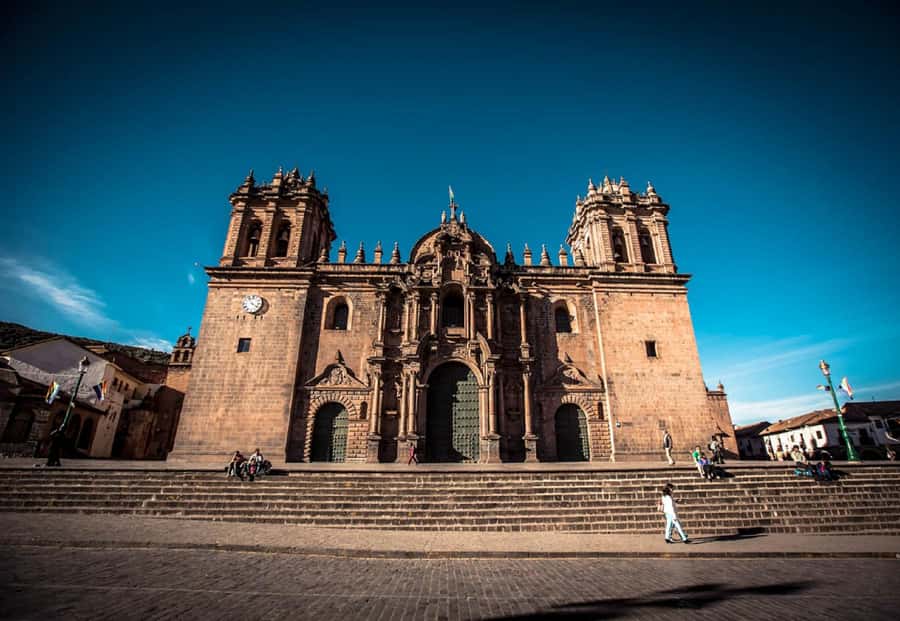
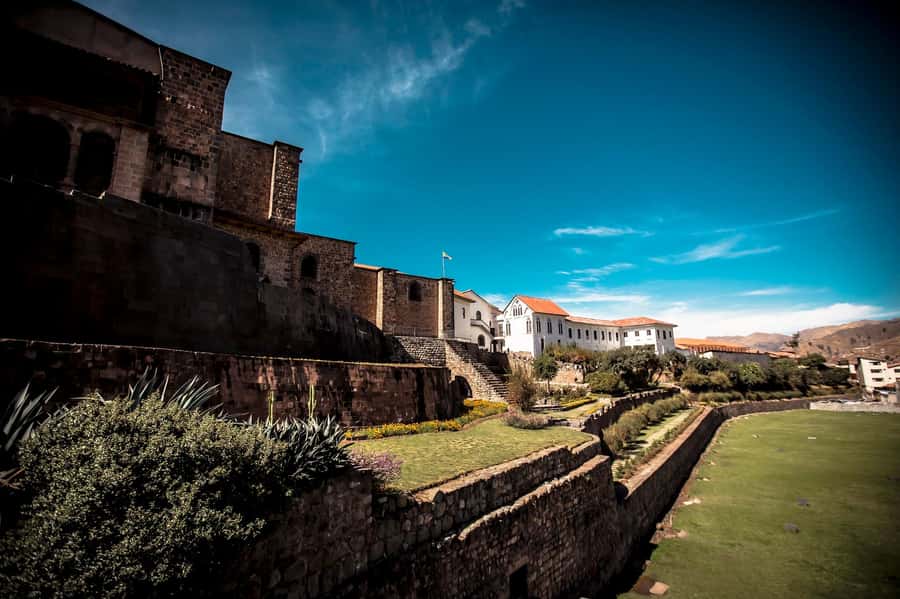
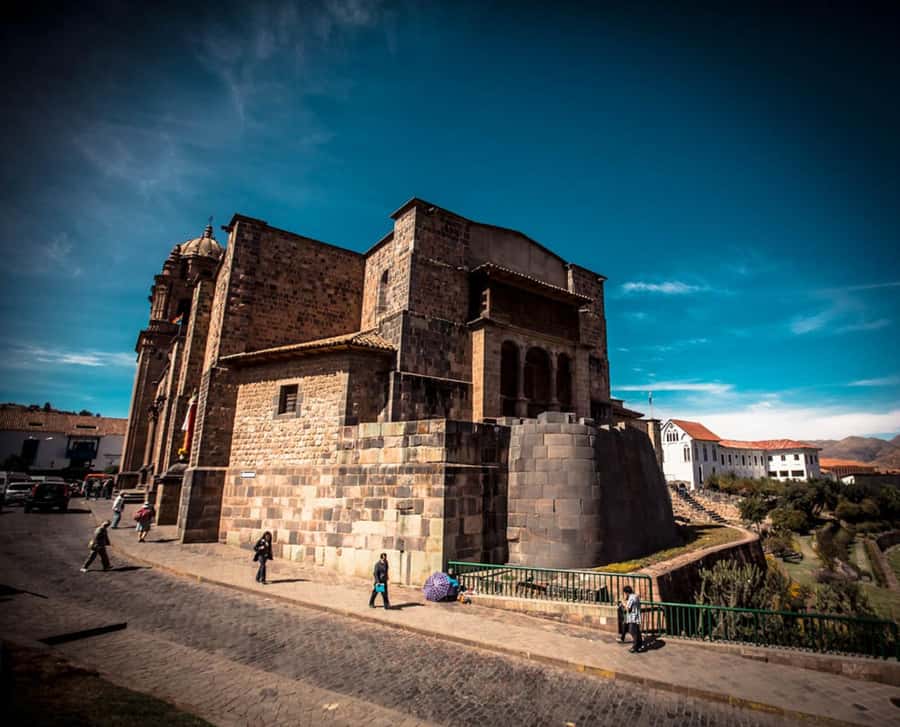
The tour starts with Santo Domingo Convent, a major Renaissance-baroque complex built over the old Inca Coricancha temple complex. This is one of those stops where the building itself becomes the lesson. You’re not only looking at a monument—you’re seeing what happens when one civilization builds on top of another.
Coricancha was one of the most important temples dedicated to worship of the sun. Ancient chronicles describe it as covered in gold leaf and filled with golden representations of nature, and the key detail for your visit is that the foundations remain visible at the base of the convent. In other words, you’re standing in a spot that still carries the Inca layout and sacred weight.
If you like travel that teaches by contrast, this is a perfect opening. Spanish architecture rises above Inca stonework, but you can still recognize the earlier place beneath it. It’s also included: admission to Coricancha is part of the tour, so you won’t waste time hunting tickets right at the start.
Potential drawback: this early segment can be visually dense. If you’re someone who prefers wide-open ruins, you may want to slow down and take in the convent details section by section rather than trying to absorb everything in one glance.
Cusco Main Square and the Cathedral: the big monument you can’t ignore
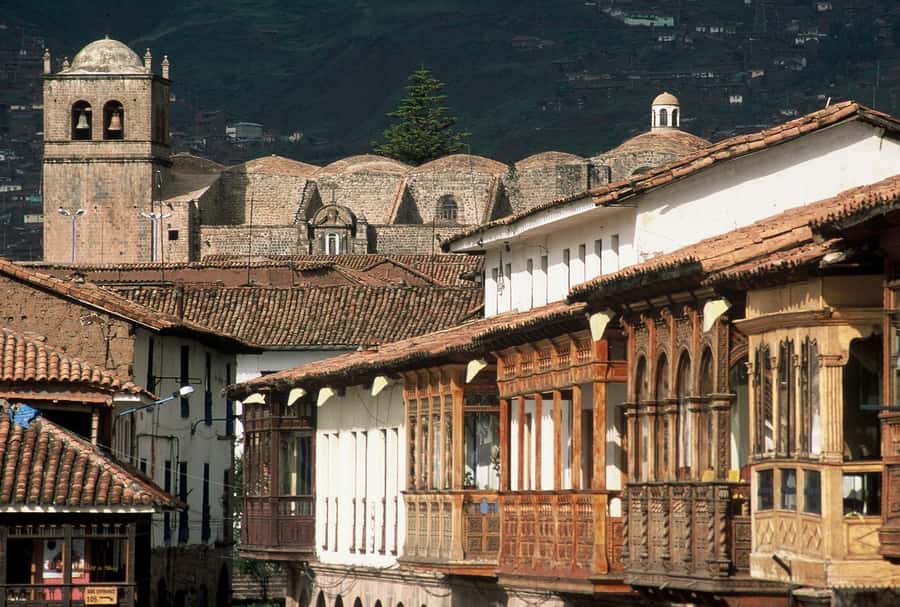
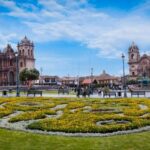
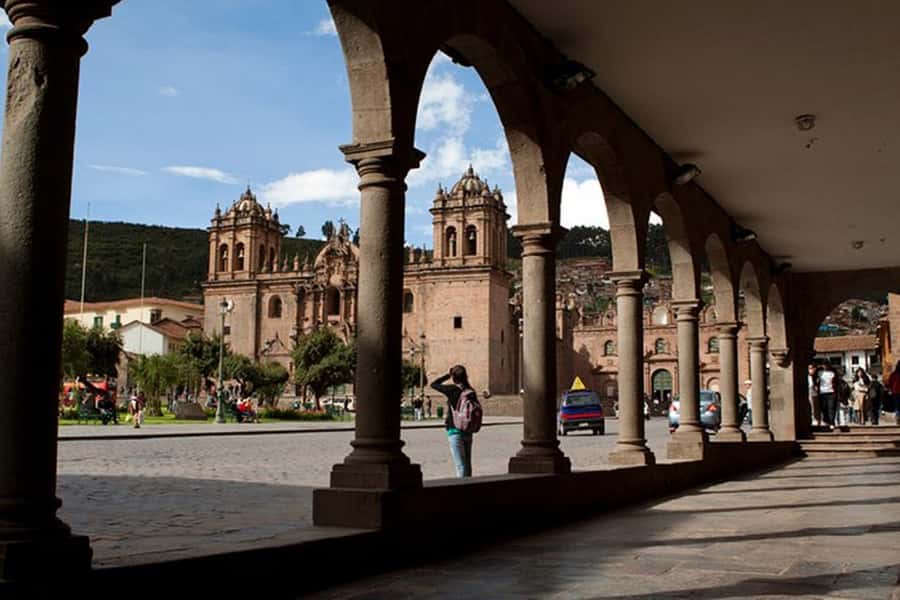
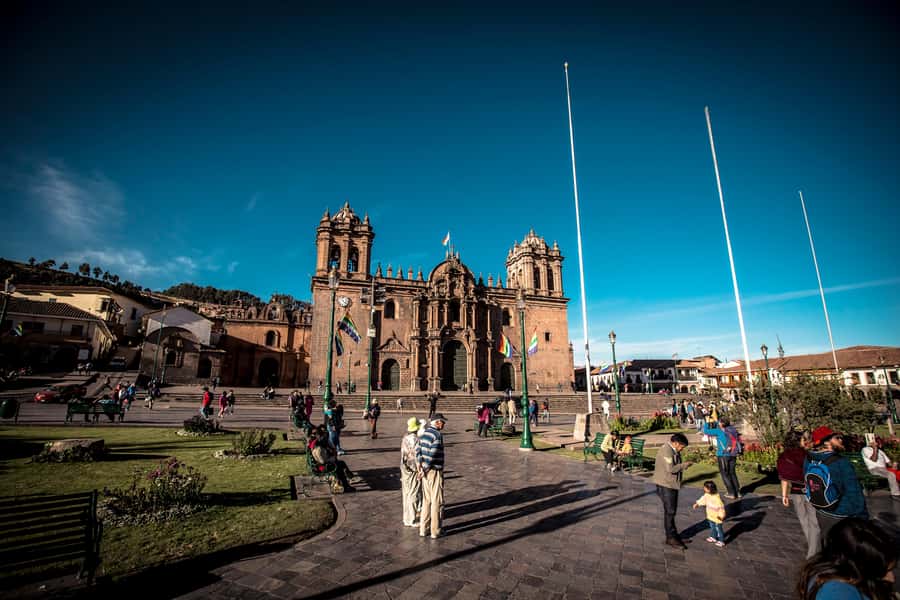
From Coricancha, the route continues to the Cathedral, described as the most imposing monument of the Main Square. Even if you’ve visited other historic cathedrals, Cusco’s is different in mood because it sits in a city that still feels tied to the Andes.
Think of the Cathedral as the Spanish chapter in Cusco’s story—grand, formal, and built to signal authority in the heart of the city. Paired with Coricancha, it gives you an instant before-and-after feeling: sacred Inca space transformed and reinterpreted under colonial rule.
This stop is included as well: admission to the Cusco Cathedral is part of the tour. That’s a small value detail, but it matters. Cusco’s top sites often mean multiple tickets and scheduling issues; bundling admissions reduces friction.
The uphill switch: getting to Sacsayhuaman and why the views matter
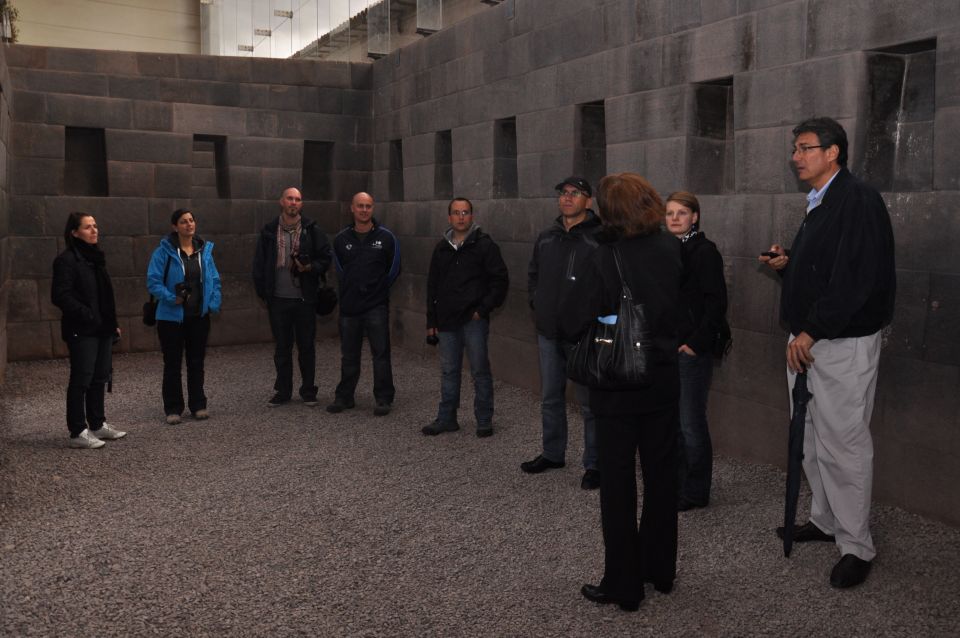
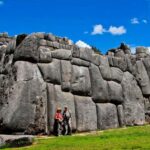
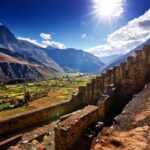
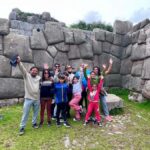
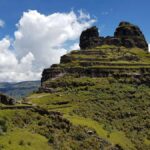
After Cusco’s center, you head uphill to Sacsayhuaman, the mega fortress that dominates the high ridgeline above town. This is where Cusco turns dramatic. The ramparts don’t just look impressive—they’re positioned for commanding sightlines over the city.
When you’re on the hill above Cusco, you finally understand the geography that made the Inca Empire strong here: control the heights, watch the valleys, and use the terrain as defense. Guides usually help connect what you’re seeing to how fortresses like this were meant to function, not just how they look in pictures.
This is also where the tour earns its “first-timer introduction” reputation. By the time you reach Sacsayhuaman, you’ve already learned about Inca sacred space in the city. Now you see Inca power expressed as stone barriers and fortress planning, with views that explain why the location was chosen.
Practical consideration: uphill ruins usually mean more uneven ground. Comfortable shoes are not optional if you want to enjoy the views without worrying about your footing.
Qenqo’s temple and amphitheater: rituals you can still picture
Next is Qenqo, a site with the remains of a temple and amphitheatre area. It’s believed the Incas practiced agricultural rituals there. That detail helps you look differently. You’re not just searching for walls—you’re trying to imagine a sequence: ceremonies, offerings, and the way the space would guide participants.
What makes Qenqo interesting for many people is that it feels more like a performance space than a battlefield or a pure defensive structure. Even without reconstructing everything, you can sense why an amphitheater-like layout would work for communal ritual.
This stop also pairs well with the Sacsayhuaman segment. Together, they show a broader Inca approach: sacred order in one space, strategic power in another. Same culture and construction logic, different purpose.
Ticket reminder (important): to visit Qenqo, you need the Cusco Tourist Ticket (BTC). It’s not included, so plan ahead to avoid losing time with purchases at the last minute.
You can also read our reviews of more private tours in Cusco
Puka Pukara (Red Fortress): reading a military complex
Finally, the tour visits Puka Pukara, meaning Red Fortress in Quechua. This Inca military complex sits on a prominent hill, and the layout is what makes it memorable: dwellings squares, bathrooms, aqueducts, walls, and towers can still be appreciated.
That list is more than archaeology-speak. It means you’re looking at a functioning complex, not just scattered stones. When you can still identify parts like bathrooms and water systems, it helps you understand that military life here required daily infrastructure, not just defense.
If you’re curious about how empires lived under pressure, Puka Pukara adds that “people actually used this place” feeling. It’s also a nice end point because the design elements—water routes, wall lines, and tower positioning—give your brain a structure to work with as the tour wraps up.
Another practical detail: like Qenqo and Sacsayhuaman, visiting Puka Pukara requires the BTC.
Tambomachay may be part of your BTC plan
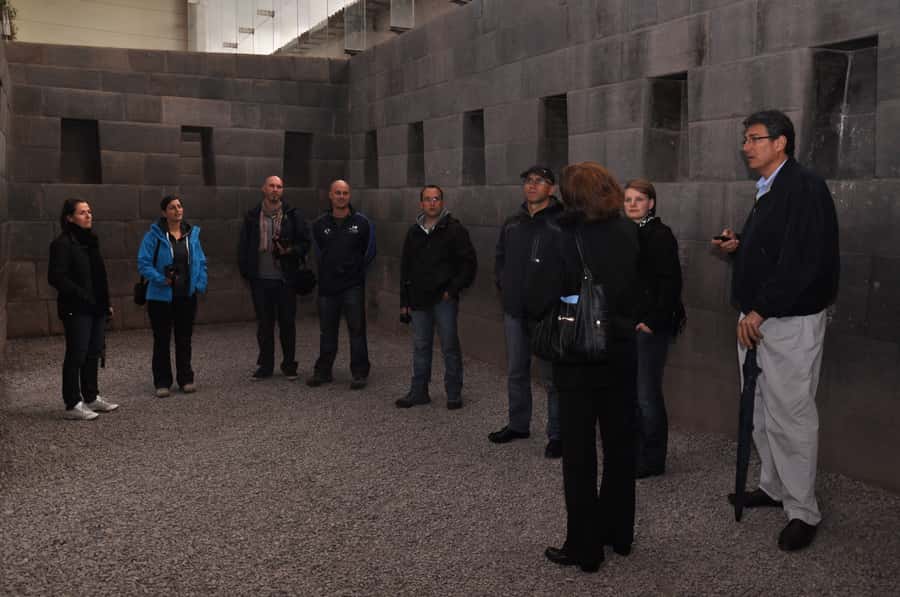
One note for your ticket planning: the operator information states that the Cusco Tourist Ticket (BTC) is important for visiting Sacsayhuaman, Qenqo, Puca Pucara, and Tambomachay. That means your day may include additional stops in the circuit covered by the same ticket.
If Tambomachay is on the route, it’s usually the kind of extra viewpoint and Inca site that makes a short tour feel like a full circuit. The key for you is simple: get your BTC so you’re not blocked by ticket rules when your route moves uphill.
The guide and the vibe: private, multilingual, and made for Q&A
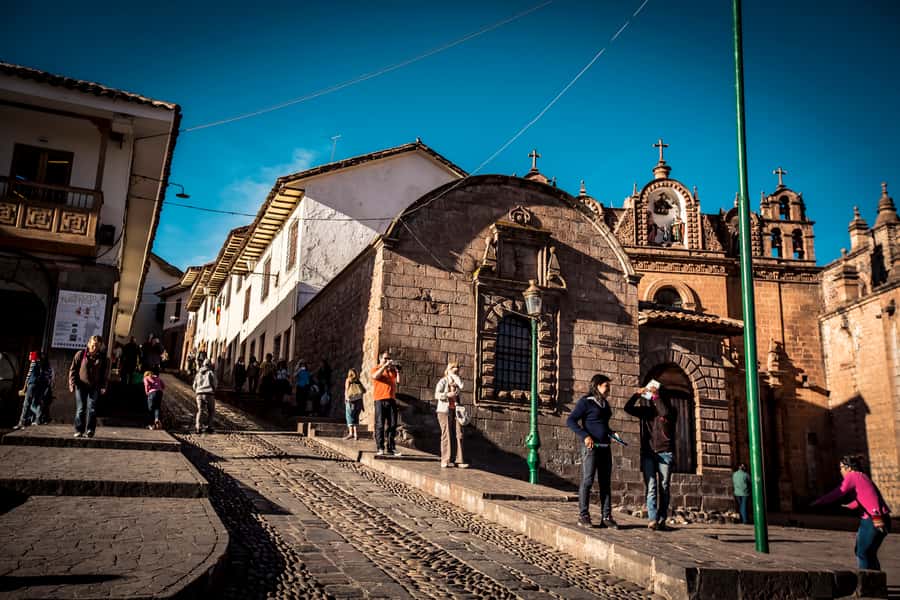
This is a private group experience, and the guide is described as professional and available in English, Spanish, or Portuguese. That combination matters more than people expect. Cusco’s sites can feel intimidating because they’re layered and coded in ways a typical signboard won’t fully explain.
In the experience feedback, the guide is described as punctual and attentive, with information that made the archaeological and historical visits feel richer. Even better: one guide is described as local to Cusco, which tends to translate into explanations that feel grounded in place rather than copied facts.
For you, that means you can ask practical questions while you’re standing in the exact location—why something was built there, what a term like Coricancha or Puka Pukara implies, and how the sites connect.
What you’re paying for at $101 per person
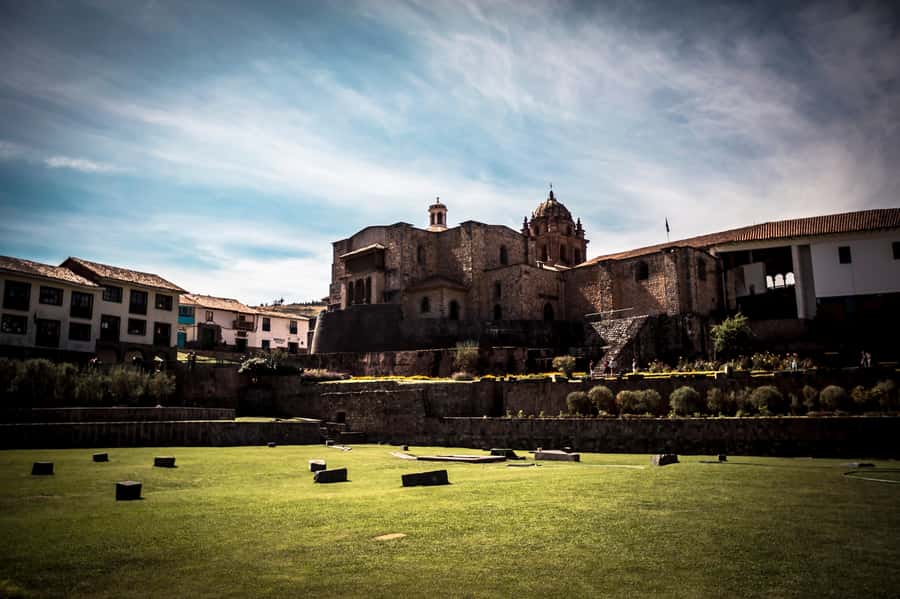
At $101 per person, this tour isn’t the cheapest way to see Cusco, but it’s priced like a curated orientation: private format, hotel pickup and drop-off, a multilingual professional guide, and admission to Coricancha and the Cusco Cathedral.
Here’s why that can be good value for the right traveler:
- You’re paying for time saved and reduced scheduling stress in a city where top sites add up fast
- You get guidance at multiple major stops, not just a driver and a map
- Admissions to key sites included can offset part of your total costs
The main cost you need to account for separately is the Cusco Tourist Ticket (BTC), plus food and drinks. Gratuity is also not included. So your real total depends on your choices for meals and how much you budget for tips.
If you’re traveling solo or as a small group, private touring often feels expensive—until you see how much it smooths out your day. With only 4 hours, that efficiency is the point.
Logistics that affect your comfort (and your photos)
This tour runs about 4 hours. You should aim to be ready at your hotel lobby about 15 minutes before pickup, because timing on the route matters once you start climbing.
A few comfort notes that are worth taking seriously:
- Bring comfortable shoes for uneven ground in archaeological areas
- Wear sunscreen and comfortable clothes, since the hills and sun exposure can be real
- The tour does not allow pets, and it doesn’t allow luggage or large bags
- Unaccompanied minors aren’t allowed
It’s also not suitable for wheelchair users, so plan accordingly if accessibility is a factor.
Who this tour suits best
This is a strong match if:
- You’re in Cusco for the first time and want a clear, guided introduction
- You want both city monuments and major high ruins in a single morning or afternoon
- You like explanations tied to what you’re physically looking at
- You’re traveling with someone who appreciates guided context but still wants good viewpoints
It may be less ideal if you’re the type who prefers to wander slowly on your own, spending long hours at fewer sites. In 4 hours, you’ll see a lot, but you won’t have the luxury of lingering all day in one place.
Should you book this private Cusco city tour and sites?
I’d book it if you want a structured Cusco highlight route with a guide who can translate what you see at Coricancha, the Cathedral, Sacsayhuaman, Qenqo, and Puka Pukara. The included admissions and pickup/drop-off make the day feel easy, and the sequence is well designed for first-time orientation.
I’d think twice if you don’t want to deal with the BTC requirement for multiple uphill stops, or if mobility is a concern for your group. Also, if you’re hoping for a deeply slow, empty-feeling ruin experience, this private format is still time-bound at 4 hours.
If you’re prepared with the ticket and comfy shoes, this tour is one of the most straightforward ways to get Cusco’s layers in a single sitting—Inca sacred space, Spanish power at the square, and fortress-and-ritual sites above the city.
FAQ
What is the duration of the Cusco private city tour?
The tour lasts 4 hours.
How much does this tour cost?
The price is listed as $101 per person.
Is this tour private, and are the guides multilingual?
Yes. It’s a private group tour, and the professional guide is available in English, Spanish, and Portuguese.
What’s included in the price?
Hotel pickup and drop-off, a professional multilingual tour guide, and admission to Coricancha and the Cusco Cathedral are included.
What isn’t included?
The Cusco Tourist Ticket (BTC), food and drink, and personal expenses are not included. Gratuity is also not included.
Do I need the Cusco Tourist Ticket (BTC)?
Yes. The information states you need the BTC to visit Sacsayhuaman, Qenqo, Puca Pucara, and Tambomachay.
Where does pickup happen?
Pickup is from hotels located at the Cusco Historic Center. You should arrive about 15 minutes before the scheduled pickup time.
Is the tour wheelchair accessible?
No. It is not suitable for wheelchair users.
What should I bring, and what’s not allowed?
Bring comfortable shoes, sunscreen, and comfortable clothes. Pets and luggage or large bags are not allowed, and unaccompanied minors aren’t allowed.