REVIEW · AGUAS CALIENTES
Machu Picchu: Chinchero, Maras, Moray & Machu Picchu 2 days
Book on GetYourGuide →Operated by TreXperience · Bookable on GetYourGuide
Machu Picchu comes fast on this plan. This 2-day, 1-night route is built to cover the Upper Urubamba Valley’s headline sites—then get you into Machu Picchu early—without turning the trip into a transportation scavenger hunt. I especially like the small group size (up to 16) and the way the day is paced by a guide who can explain what you’re seeing. One possible drawback: it’s intense. You’ll be on the move all day, and it’s not a fit if you have mobility limits.
I’m also a fan of how the itinerary gives you context before you ever reach the Inca icon. You start with Chinchero’s market and Inca-era story, then shift to Moray’s farming terraces and Maras’ salt—so Machu Picchu feels less like a random stop and more like the end of a connected system. In past groups, guides such as Nathalie, Adolfo, and Efrain were praised for being friendly, energetic, and clear.
The big consideration is logistics around train and timing. The tour uses the Expedition train and includes round-trip bus service, but on the return day you might still have a bit of extra switching between vehicles depending on schedules.
In This Review
- Key Things That Make This 2-Day Machu Picchu Tour Work
- A Two-Day Circuit That Hits Chinchero, Moray, Maras, Ollantaytambo, and Machu Picchu
- Day 1: Cusco Pickup, Chinchero Market, and the Moray Farming Terraces
- Chinchero: Market energy plus an Inca-and-colonial combo
- Moray: The circular terraces that look like a farming lab
- Lunch with mountain views in the Urubamba Valley
- Salineras de Maras: Salt extraction with ancient roots
- Ollantaytambo: Inca stonework, a real town feel, and a strong lead-in to Aguas Calientes
- What Ollantaytambo adds to the story
- Dinner in Ollantaytambo
- Aguas Calientes by train: the transition that sets up Day 2
- Machu Picchu Morning: Guided Highlights, First-Bus Advantage, Then Free Time
- The guided tour: temples, palaces, and plazas
- Free time: what you do with your eyes matters
- Return down and lunch in Aguas Calientes
- Price and Logistics: Is $680 Good Value for This Machu Picchu Plan?
- Included Comforts, What You Bring, and What’s Not Part of the Deal
- You should bring a passport
- Not included: Huayna Picchu or Montaña
- Rules you should expect
- Who This Tour Fits Best (and who should rethink it)
- Should You Book This Machu Picchu 2-Day Tour?
Key Things That Make This 2-Day Machu Picchu Tour Work
- Early Machu Picchu buses help you beat the worst of the crowds for your guided highlights
- Up to 16 people keeps the experience comfortable and makes Q&A realistic
- Two-day coverage links Chinchero, Moray, Maras salt, Ollantaytambo, and Machu Picchu into one story
- Guided time on Machu Picchu (about 3 hours) plus free time to explore on your own
- Aguas Calientes hotel night means you’re not sprinting the same day from Cusco to the citadel
A Two-Day Circuit That Hits Chinchero, Moray, Maras, Ollantaytambo, and Machu Picchu
This tour is designed for people who want the famous Machu Picchu experience but also don’t want to waste a whole day just traveling to it. The heart of the trip is simple: you get a guided sweep through the Upper Urubamba Valley sites on Day 1, then you sleep in Aguas Calientes, and you start early for Machu Picchu on Day 2.
What I like most is the flow. You’re not just checking boxes. You’re moving from daily life and traditions (Chinchero) to Inca land-use engineering (Moray and Maras) and then to a major Inca stronghold (Ollantaytambo) before finishing at Machu Picchu. That sequence helps you understand why these places were built the way they were.
The group size matters too. With max 16 participants, it’s much easier to hear your guide and keep a steady pace. Reviews on this tour also point to a good balance: not dragged-out, not rushed. You should still expect a full schedule, but it tends to feel organized.
You can also read our reviews of more tours and experiences in Aguas Calientes
Day 1: Cusco Pickup, Chinchero Market, and the Moray Farming Terraces
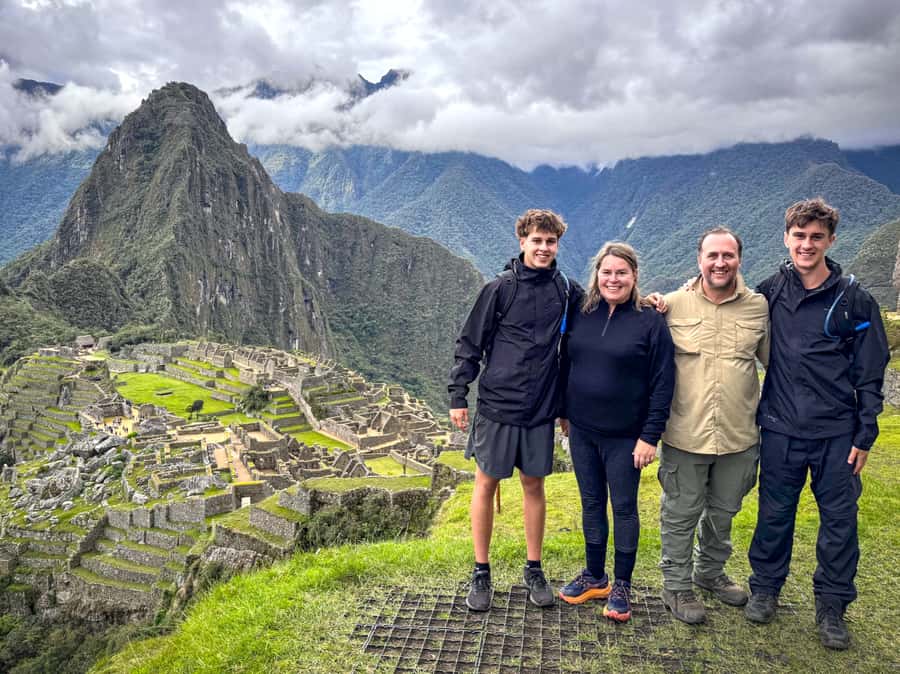
Day 1 starts with a hotel pickup in Cusco at 8:00 AM. You’ll want to be ready—plan to wait in the hotel lobby about 10 minutes before pickup. The driver holds a sign with your last name, so it’s straightforward.
Chinchero: Market energy plus an Inca-and-colonial combo
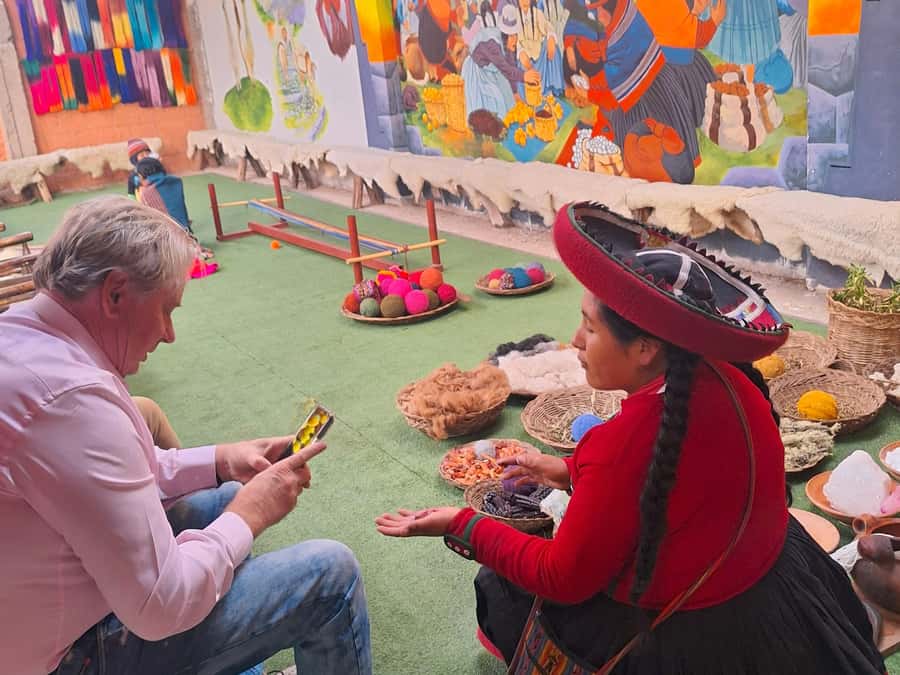
First stop is Chinchero. You’ll visit the archaeological site and the colonial church, and you’ll also have time at the handicraft market. This is a good place to begin because it mixes the modern living culture with the legacy layered on top.
Practical value: Chinchero helps you get oriented to how Inca traditions still show up in everyday rhythms. If you enjoy watching how crafts are made and sold—rather than only posing for photos—this stop usually feels more human than purely archaeological.
A small caution: markets mean people and movement. If you’re looking for a quiet museum vibe, this isn’t that kind of stop.
Moray: The circular terraces that look like a farming lab
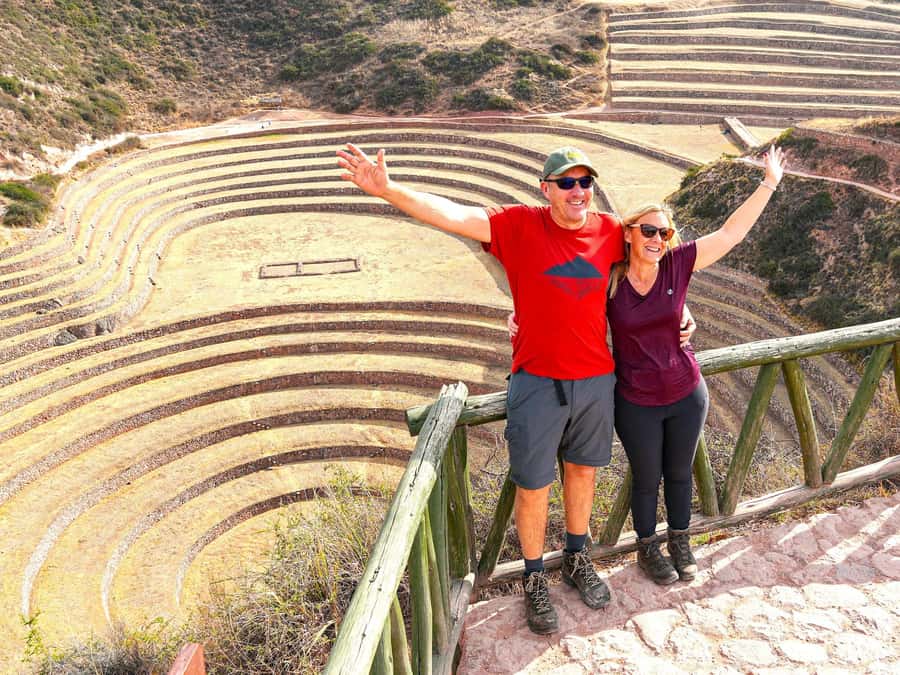
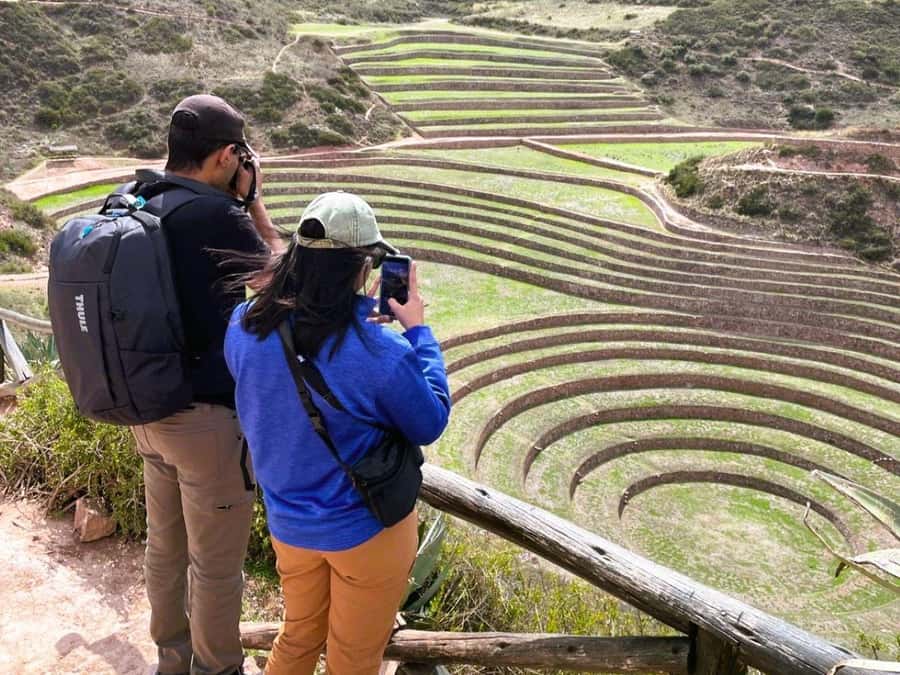
After Chinchero, you drive about an hour to Moray. The main show here is the set of circular farming terraces. They’re visually striking even before your guide explains their purpose, and they’re the kind of site that rewards having someone talk you through what you’re looking at.
Why it’s worth your time: it’s a rare chance to see Inca ingenuity in landscape form. Instead of only seeing a fortress or temple, you get to think about agriculture and experimentation. Moray sets up Maras perfectly later, since both connect to how the Incas managed resources.
Lunch with mountain views in the Urubamba Valley
You stop for lunch at a local restaurant. The itinerary notes views of the mountains, and this is a welcome break from constant walking. You’ll also have buffet lunch in Urubamba as part of the included meals.
Salineras de Maras: Salt extraction with ancient roots
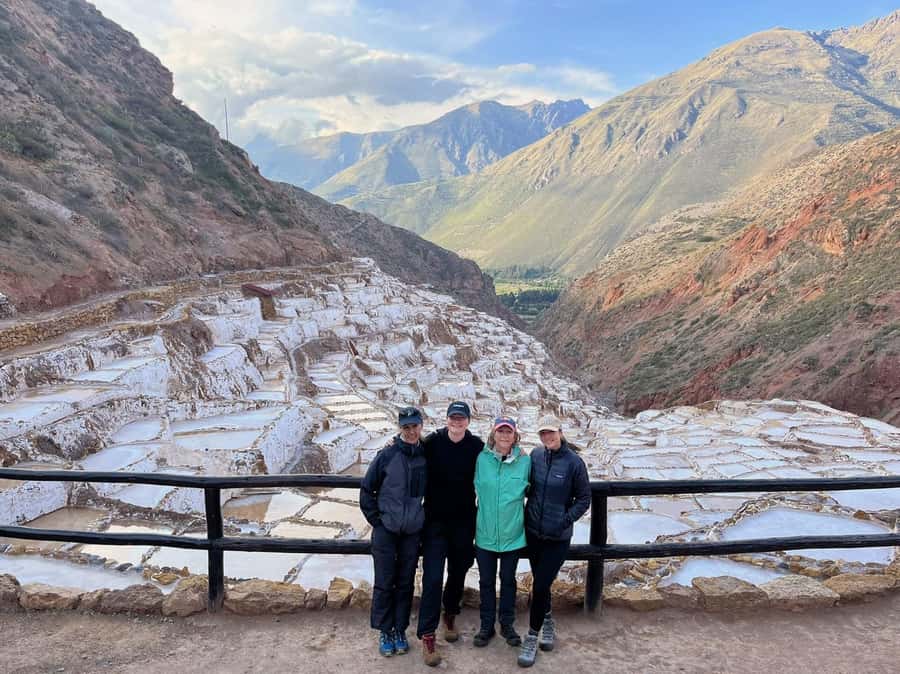
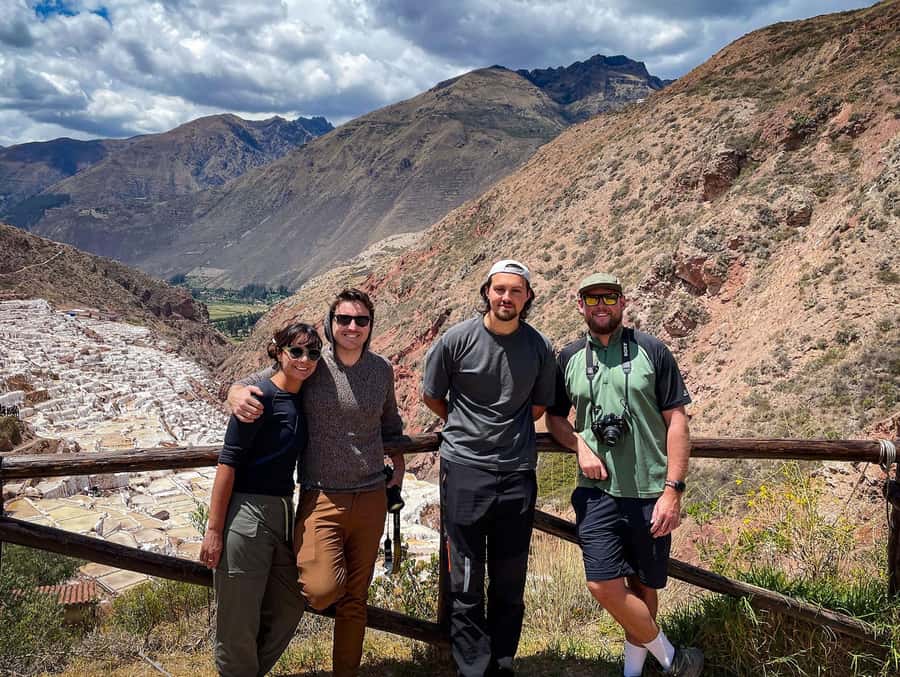
Next comes Salineras (Maras), known for its salt mines. You’ll visit this salt area where locals have extracted salt since Incan times, which makes it feel less like a themed attraction and more like an ongoing tradition.
The look is memorable: lots of small salt pools spread across the hillsides. It’s the kind of place where you’ll want a few minutes to slow down and scan the patterns—because it’s easy to miss the scale if you keep moving.
Ollantaytambo: Inca stonework, a real town feel, and a strong lead-in to Aguas Calientes
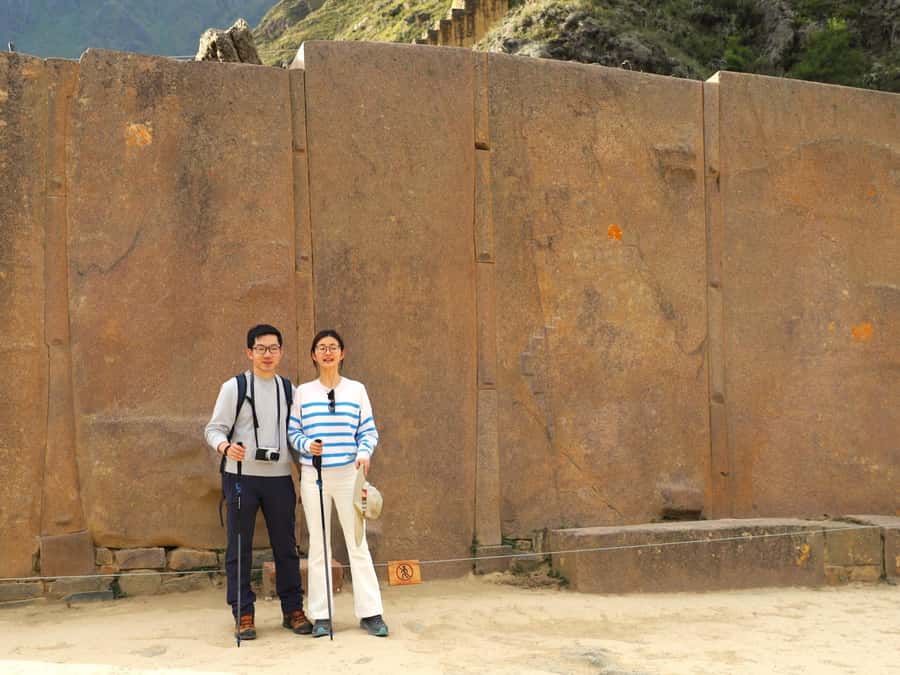
After Salineras, you drive to Ollantaytambo. The itinerary includes time to explore both the town and the Ollantaytambo archaeological site, described as a massive Inca fortress with large stone terraces on a hillside.
What Ollantaytambo adds to the story
If Moray is about experimental agriculture and Maras is about salt production, Ollantaytambo is about control and defense—an Inca base that still shows its structure clearly. You’ll get to see terraces carved into the slope, which makes the site feel like it was designed to work with the terrain rather than fight it.
Dinner in Ollantaytambo
Dinner is included at a local restaurant. This is another practical win: you’re not scrambling to find food right when you’re tired from a long Day 1.
Aguas Calientes by train: the transition that sets up Day 2
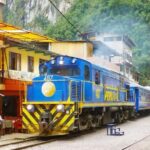
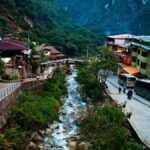
Later, you take the Expedition train to Aguas Calientes and spend the night in a 3-star hotel. This is one of the biggest reasons this tour feels workable. You’re not trying to do everything back-to-back in one day.
Small-group note: if your dates end up being light, the tour can feel more private. One earlier group reported being the only ones booked, so the experience was more tailored. Even without that, the day runs with a clear rhythm.
Machu Picchu Morning: Guided Highlights, First-Bus Advantage, Then Free Time
Day 2 is built around the idea that Machu Picchu feels better when you arrive early. You’ll have breakfast at the hotel, then you head up to the citadel using the first buses.
The guided tour: temples, palaces, and plazas
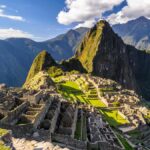
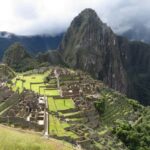
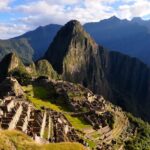
When you arrive, there’s a guided tour through the main areas, including temples, palaces, and plazas. The tour portion is about 3 hours, which is a sweet spot: long enough to learn the basics and connect the layout to what your guide is pointing out, but not so long that you get overloaded.
In guides praised on this route, the common theme was clarity. Names that came up include Nathalie, who was described as passionate with a lot of knowledge, and Adolfo, who shared helpful information at each stop. Even if your guide is different, you can reasonably expect an explanation-focused experience rather than a silent walk-through.
Free time: what you do with your eyes matters
After the guided part, you get free time to explore the citadel. This is where you slow down and pick your priorities. If you like photography, viewpoints, or just soaking in the scale, this block is essential.
Return down and lunch in Aguas Calientes
Then you take the bus down to Aguas Calientes for lunch, and you return to Cusco on the Expedition train. The itinerary says you arrive at your hotel around 7:30 PM.
One timing note based on real-world experience: even with train service included, the return day can involve some vehicle switching depending on schedules. The tour is still designed to manage it, but plan for some extra sitting and connecting.
Price and Logistics: Is $680 Good Value for This Machu Picchu Plan?
At $680 per person for a 2-day, 1-night itinerary, you’re paying for a full package: transportation from Cusco, guided entries across multiple sites, hotel in Aguas Calientes, and the train and buses that make Machu Picchu possible.
Here’s the value angle that matters most: the tour includes the “hard parts” that commonly blow up travel budgets and stress. Entrance tickets for Chinchero, Moray, Salineras, Ollantaytambo, and Machu Picchu are included, and you also get round-trip bus service to Machu Picchu and round-trip Expedition train. That means you’re not piecing together reservations while trying to navigate altitude schedules and timed entries.
Food and lodging also add real weight to the price. You get one night in a 3-star hotel in Aguas Calientes, plus meals on Day 1 (buffet lunch in Urubamba and dinner in Ollantaytambo). If you’ve tried to build this kind of itinerary yourself, you know how quickly costs add up once you include transport and timed access.
What about the catch? The tour is non-refundable, so this is a book-it-when-you’re-sure option. Also, it’s not positioned as a relaxed, slow travel experience. It’s a cover-the-classics plan, and that’s reflected in the price.
Included Comforts, What You Bring, and What’s Not Part of the Deal
This tour includes a lot of the stuff that usually creates friction:
- Hotel pickup in Cusco and door-to-door service
- Transportation covered for the full journey
- Entrance tickets for all listed sites
- Expert tour guidance (English and Spanish)
- Lodging for one night in Aguas Calientes (3-star)
- Round-trip bus service to Machu Picchu
- Round-trip Expedition train
- Taxes and reservation charges included
You should bring a passport
Passport is required. You’ll also want to wear what works for walking and uneven ground, because the itinerary includes archaeological sites and hillside terraces.
Not included: Huayna Picchu or Montaña
If you’re hoping to add an extra hike like Huayna Picchu or Montaña, those are not included.
Rules you should expect
- No drones
- No alcohol and drugs
- Temperature checks happen when boarding the van, train, and checking into hotels
- A mask is mandatory in public places
If any of those rules would be a deal-breaker for you, check your expectations before booking.
Who This Tour Fits Best (and who should rethink it)
This itinerary is a strong match for people who want:
- A guided, high-efficiency route through the Upper Urubamba Valley
- Early entry strategy for Machu Picchu
- A small group experience instead of a giant bus tour
It’s also not a good fit for everyone. It’s marked not suitable for people with mobility impairments, and it’s not suitable for people over 95 years. If you know walking distance or stairs are difficult for you, this tour may feel like too much.
Still, if you’re physically able and you like learning as you go, you’ll likely enjoy how the guide’s explanations tie the sites together—especially the transition from salt and agriculture to Machu Picchu’s ceremonial space.
Should You Book This Machu Picchu 2-Day Tour?
I’d book it if you want a guided Machu Picchu visit with early buses, plus a structured Day 1 that doesn’t skip the most important surrounding stops. The package is strong because it covers the timed-access parts—train, bus, and key entrance tickets—so you spend less time organizing and more time watching.
I’d think twice if you’re hoping for a slow pace, need mobility accommodations, or you’re the type who wants zero surprises on the return day. Also, because it’s non-refundable, make sure your dates are firm before you commit.
If your priority is Machu Picchu with context—Chinchero, Moray, Maras, and Ollantaytambo as the lead-in—this is a practical way to do it in just two days.