REVIEW · CHINCHERO VILLAGE TOURS
Cusco: Moray, Maras Salt Mines, and Chinchero Weavers Tour
Book on GetYourGuide →Operated by Machupicchu Adventour · Bookable on GetYourGuide
One day, three different Inca-era stories. This tour strings together Moray’s irrigation terraces and the Salineras salt mines with a weaving stop in Chinchero, so you see how Andean life turned geography into food, dye, and trade.
I like that the route feels efficient but not rushed: you get real time at each place, plus a guide who explains what you’re actually looking at. One thing to consider is that the tour can feel talk-heavy, and the guide may switch between English and Spanish in the same explanation.
In This Review
- Key Highlights You’ll Care About
- Moray and Maras in Six Hours: What You Really Get
- Chinchero Weavers Workshop: Natural Dyes You Can Actually Understand
- Morning Road Time: Bus Schedules That Affect Your Comfort
- Moray Terraces at 11,318 Feet: The Inca Approach to Experimenting
- Maras Village: Colonial Thin-Stoned Buildings With Andean Everyday Life
- Salineras Salt Mines: 3,000 Pools That Still Produce
- Timings, Transport, and Altitude: Making the Day Feel Easier
- Price and Entrance Fees: Getting True Value From the $14
- Is This the Right Tour for You?
- Should You Book This Cusco Tour?
- FAQ
- How long is the Cusco Moray, Maras, and Chinchero Weavers Tour?
- What does the tour price include?
- Are entrance fees included for Moray and the salt mines?
- How many people are in the group?
- Where is the pickup and where does the tour end?
- What should I bring?
Key Highlights You’ll Care About
- Limited to 12 people, so you’re not fighting for photo angles
- Chinchero weaving workshop, including how artisans use natural plants for color
- Moray terraces at 11,318 feet, with views plus an irrigation-system explanation
- Maras Village, where thin-stoned colonial architecture still shapes the streets
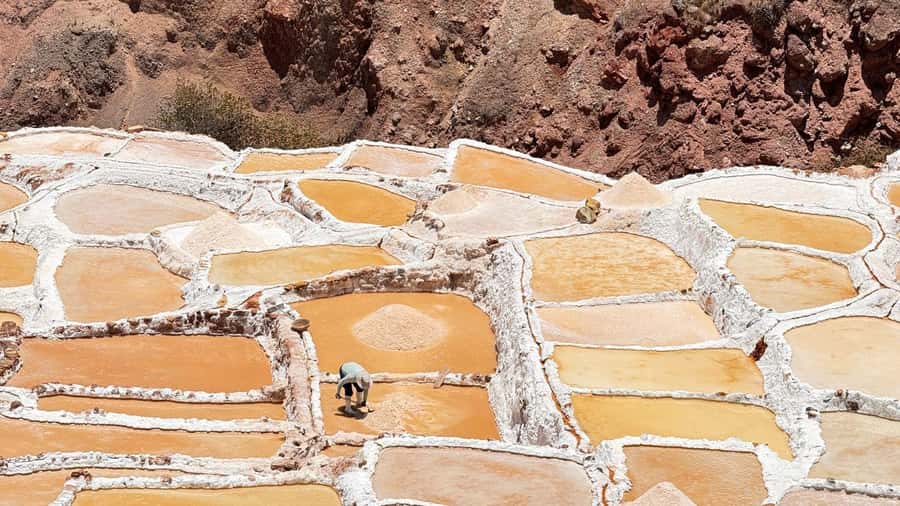
- Salineras salt mines, known for about 3,000 small pools that keep producing today
- Hotel pickup and a central finish at Plaza Regocijo
Moray and Maras in Six Hours: What You Really Get
This half-day-style outing is designed to hit the Sacred Valley’s most “do the work, earn the living” places without making you commit to a full day of travel. You start with Cusco pickup, ride out by coach, and return to a central spot at Plaza Regocijo. The total time on the clock is about 6 hours, which makes it a smart choice if you want depth but still need energy for Cusco evenings.
What makes this itinerary work is that it’s not just about ruins. You’re looking at agriculture (Moray), domestic craft (Chinchero), village architecture (Maras), and a working industry (salt). The result is a day that connects landscape, labor, and community instead of treating each stop as a separate postcard.
You’ll also notice the altitude shifts: Chinchero sits around 3,762 meters, and Moray is about 3,450 meters. You’re already high in Cusco, but this still matters for comfort. Bring the basics seriously (shoes, sunscreen, hat), because the sun and wind in the valley can feel stronger than you expect.
You can also read our reviews of more tours and experiences in Cusco.

Chinchero Weavers Workshop: Natural Dyes You Can Actually Understand
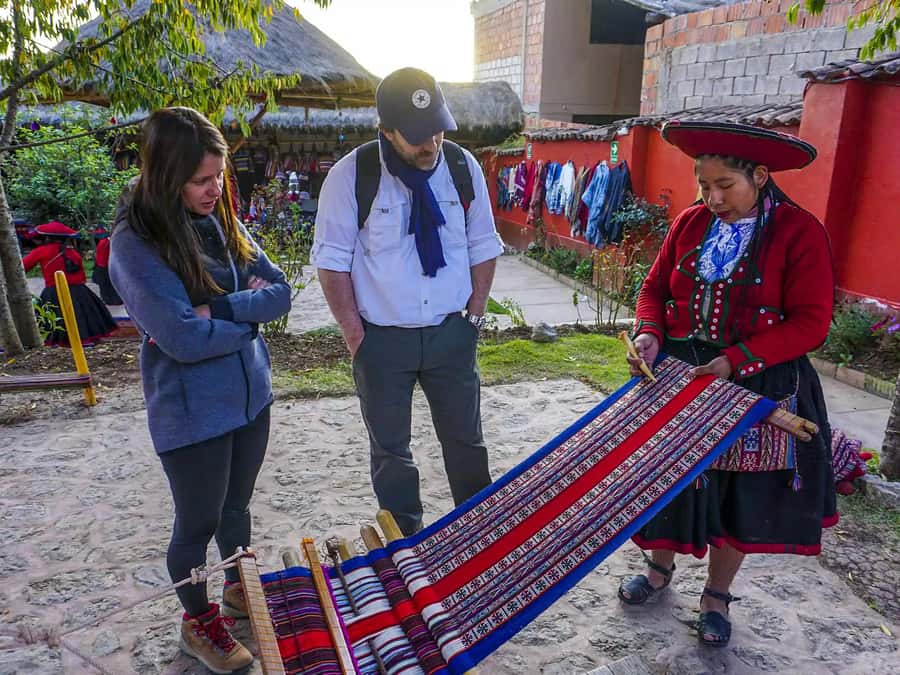
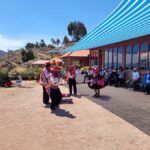
Chinchero is where the day starts to feel personal. You’ll have a break and photo stop first in the Chinchero District, then you’ll visit the weaving workshop and spend time walking around and shopping. The highlight here is seeing how Andean artisans keep the Quechua weaving tradition alive.
What I like most is the dye lesson. The workshop explains how local artisans use natural plants to extract colors for Andean art. Even if you’re not buying anything, you come away with a clear picture of how color is not just decorative. It’s chemistry, patience, and local plant knowledge turned into something you can see and wear.
Time in this area is also practical. You’re not rushed through a demo and pushed out the door. There’s a short walk and shopping window, so you can take your time with patterns and fiber questions.
One consideration: if textiles are the main reason you book, treat shopping as a careful activity. A past guest complained that the workshop shown didn’t match what was expected from marketing photos, and that the shop’s fiber claims were questionable. That doesn’t mean it will happen to you, but it’s a good reminder: ask what fibers are used, check labels if they’re provided, and decide on quality with your own eyes.
Morning Road Time: Bus Schedules That Affect Your Comfort
After Cusco pickup, you’ll ride for about 50 minutes before your Chinchero stop, then another 35 minutes to the next segment. The day continues with coach transfers between Moray and Maras Village and then onward to Salineras, including a longer 80-minute ride back.
This matters because the Sacred Valley road time can be the difference between a relaxed day and a tired one. If you’re sensitive to motion or you get restless in buses, bring a small comfort kit: water, sunglasses, and something for mild nausea if that’s part of your travel style.
Also, plan your photos strategically. The tour includes photo stops at Chinchero, Moray, and Salineras, but the best views often appear when you’re walking to a viewpoint. Comfortable shoes help more than you might think. You’ll be doing multiple short walks, and even if they’re not long hikes, the ground can be uneven.
Moray Terraces at 11,318 Feet: The Inca Approach to Experimenting
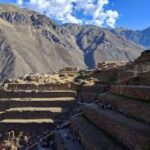
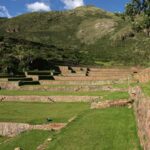
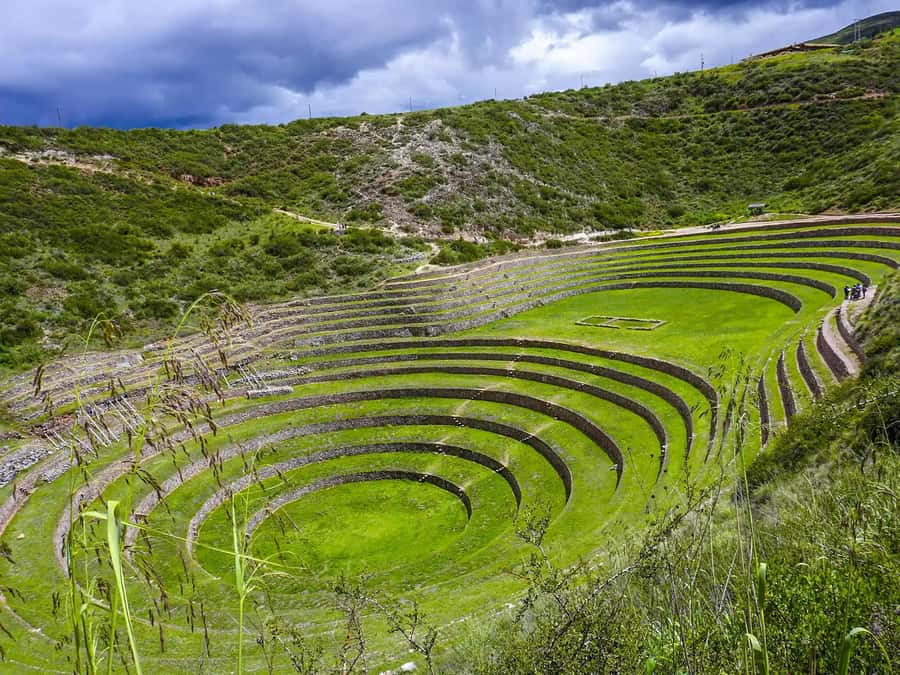
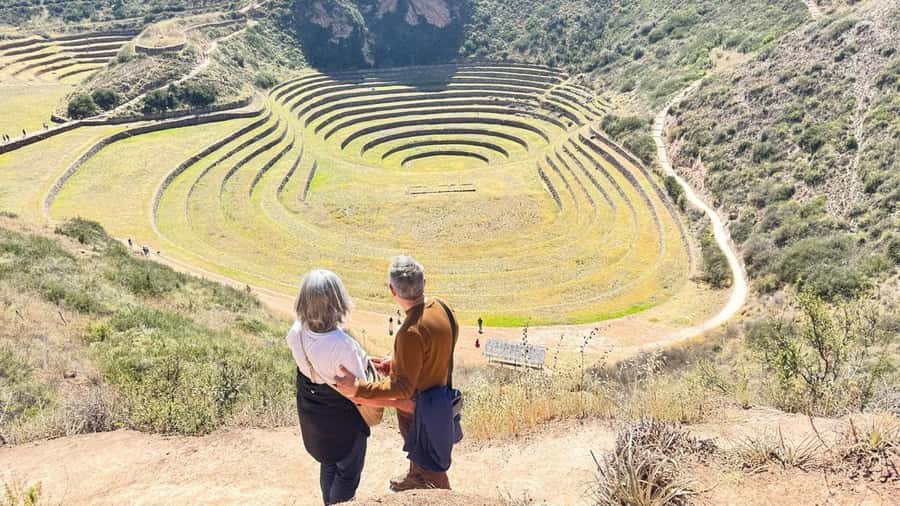
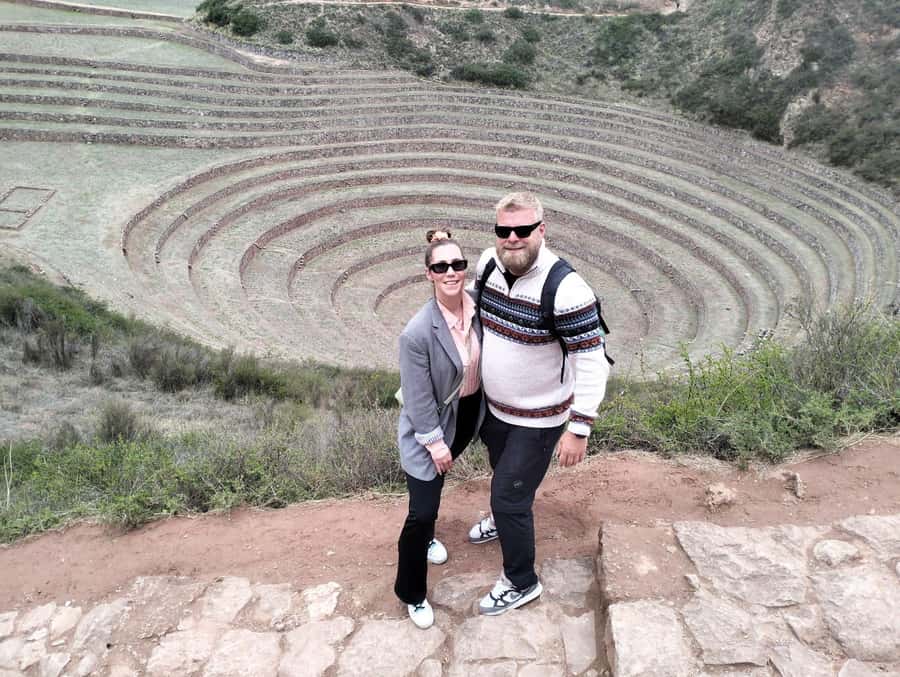
Moray is the stop that often surprises people. It looks like an Instagram-worthy set of terraces, but the real value is understanding the purpose. You’ll arrive at the archaeological complex and get a photo stop, a guided tour, and a scenic-view moment along the way.
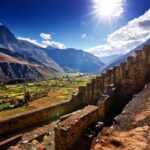
The key detail is altitude and engineering. Moray sits around 11,318 feet. From above, you see circular and tiered terraces built with an irrigation system. The guide explains how the Inca used this design to influence growing conditions. In plain terms: you’re looking at a place where agriculture was treated like careful testing, using water and microclimates to shape what could grow where.
Why this matters for you: it’s one thing to hear that the Inca were brilliant. It’s another to see the terraces and irrigation layout in front of you, and then understand that it was not just for beauty. You’re watching food science in stonework.
Moray’s biggest drawback is also simple: it’s exposed. You’ll want your sun protection and a hat ready. If you’re feeling the altitude, pace yourself during the walk and take a minute before you start snapping photos from the lower terrace edges.
Maras Village: Colonial Thin-Stoned Buildings With Andean Everyday Life
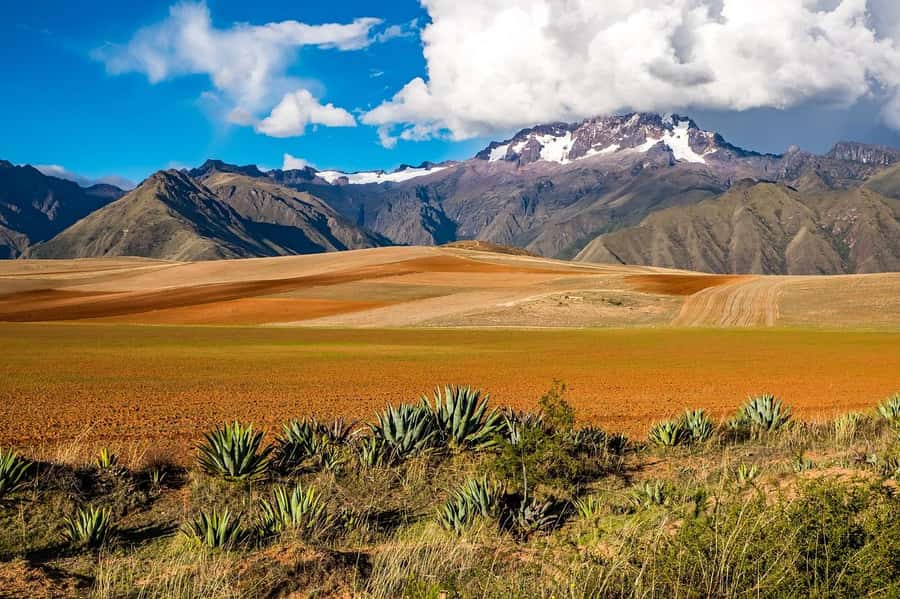
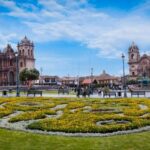
After Moray, the tour moves to Maras Village. Here you’re not focused on one big monument. Instead, you’re seeing how preserved colonial architecture and thin-stoned buildings still shape the village character.
This stop works best if you like small-scale travel. You’ll have a guided visit and sightseeing time, plus some walking. The goal is to notice building materials and the way the village sits in the mountains. Compared with Moray’s engineering focus, Maras Village gives you texture: the day-to-day view of an Andean community, not just an archaeological model.
You also get a change of pace before the salt mines. If the earlier stops feel technical, Maras Village helps you reset your eyes. Look at doors, stone thickness, and how streets thread through the hillside. It makes the region feel lived in, not staged.
As with the other stops, weather matters. If it’s windy or bright, expect quick temperature swings between sun and shade.
Salineras Salt Mines: 3,000 Pools That Still Produce
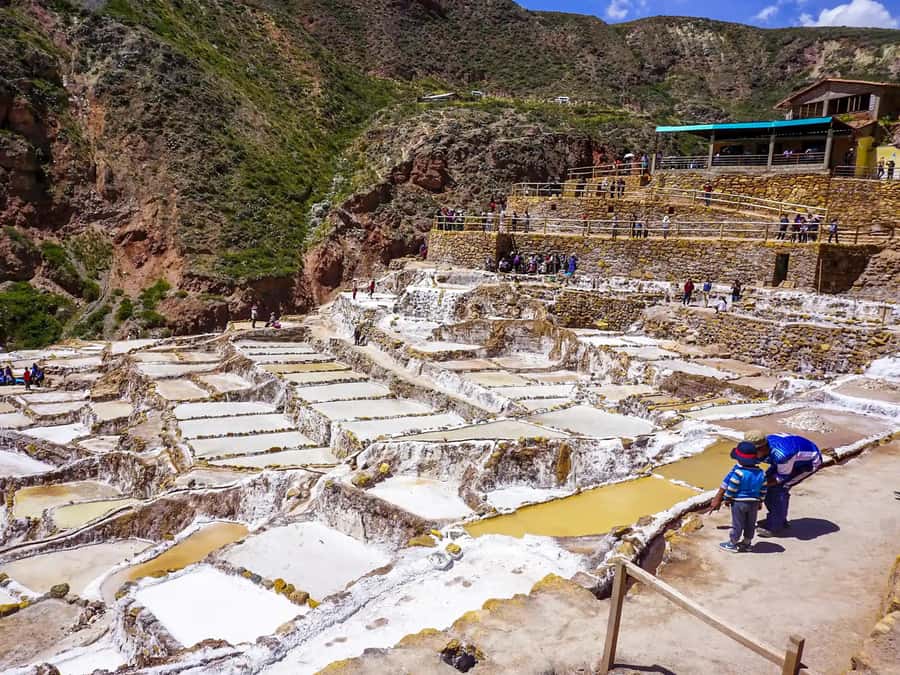
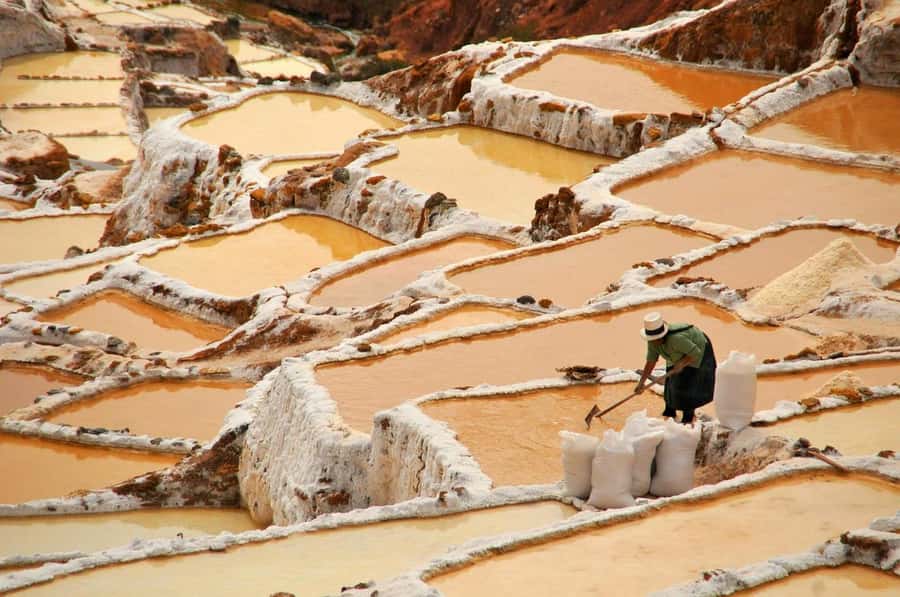
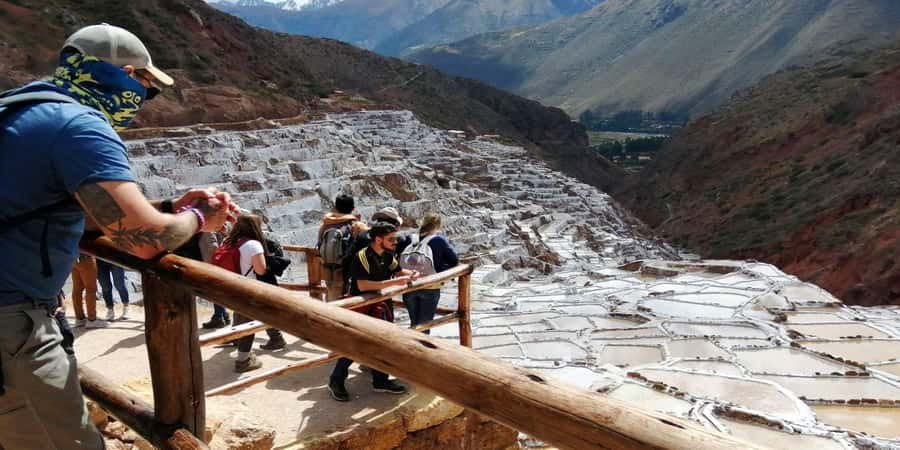
Salineras (Minas de Sal) is the climax for many people because it’s a working site. You’ll go for photo stops, a guided visit, and sightseeing, with time to walk. The famous detail is the number: the mines consist of 3,000 small pools.
You’ll hear that the site dates back to pre-Inca times and that salt production continues today. That continuity is the real story. Most heritage sites are frozen in time. Salineras is not. The pools aren’t just a relic of a civilization; they’re an ongoing process with regional supply chains.
What I like is how the visual pattern helps you grasp scale fast. Those thousands of pools read like a map when you stand above them. You can feel how a landscape can become infrastructure.
Practical tip: entrance is not included. You’ll want cash on hand for site access, because you’ll likely need to pay for the archaeological sites and separately for the salt mines. The listed fees are $19 (70 soles) for archaeological sites and $6 (20 soles) for the salt mines.
If you’re a photographer, arrive ready. The color and light shift across the pools quickly, and the best angles require stepping around viewpoints carefully.
Timings, Transport, and Altitude: Making the Day Feel Easier
This tour is timed like a classic Cusco-region circuit: short stays, frequent transitions, and guided explanations threaded through the stops. The itinerary includes:
- Chinchero time with a district break and photo stop (about 30 minutes)
- Moray arrival time with a guided tour and walking (about 40 minutes)
- Salineras time with guided tour and walking (about 40 minutes)
- Longer coach time between Moray and the salt mines return (about 80 minutes)
That’s a lot of value packed into a half day, but it means you should travel prepared for basics. Bring comfortable shoes because you’ll walk several times. Bring a sun hat and sunscreen because exposed viewpoints are part of the experience. Have a camera (or phone) ready, and bring cash, since entrance fees are not included.
Altitude also affects how you feel during short walks. If you get winded quickly, slow down and take breath breaks before you think you’re behind schedule. The day’s pace is manageable, but it’s not a leisurely stroll.
Finally, about the guide style: one person noted the guide talked nonstop and switched between languages, which can be tiring if you prefer a calmer delivery. On the other hand, the guide’s depth seems to be a major strength on this tour. One review highlighted the guide Víctor for extensive knowledge and empathy. So you’re likely getting both information and care, but it’s still smart to choose headphones and breathing pace that works for you.
Price and Entrance Fees: Getting True Value From the $14
On paper, the price is strikingly low: $14 per person for a 6-hour tour that includes hotel pickup, transportation, and a bilingual guide (English and Spanish). Small group size (up to 12 participants) is included too, which usually raises value because you get more attention and less waiting.
The catch is entrance fees. You’ll pay on top of the tour price:
- Archaeological site entrance: $19 (70 soles)
- Salt mines entrance: $6 (20 soles)
So your real cost is the tour price plus two site fees. If you’re comparing options, don’t get anchored on the $14 headline. But even with entrances, you’re still paying for a guided, structured day that would be hard to replicate cheaply on your own.
Value-wise, what you’re buying is coordination. You’re also buying context. Moray and Salineras make much more sense when someone explains what you’re seeing as you’re standing there, rather than figuring it out from a map after you’ve already moved on.
Also note: you may be offered a private tour option depending on what you select, and the tour provider includes transportation and pickup as part of the package. If you’re traveling with a small group and want less waiting, that can raise value.
One last practical detail: the tour ends at Plaza Regocijo with no hotel drop-off listed. If your evening plans are near the center, that’s convenient. If not, you’ll want a backup plan for getting home.
Is This the Right Tour for You?
This tour is a great match if you want more than one type of Sacred Valley experience in a single go. I’d especially recommend it if:
- You like hands-on culture, like the natural plant dye story at the weaving workshop
- You want engineering and agriculture context at Moray
- You enjoy places where production still happens, like Salineras with its active 3,000 pools
- You prefer a small group with pickup rather than DIY taxis and long waiting
It may not be ideal if:
- You’re sensitive to talk-heavy guiding or frequent language switching
- You’re only interested in textiles and shopping, and you plan to buy a lot. There can be variability in what workshop is shown and how products are presented, so shop carefully.
For most travelers, though, it’s one of the more balanced ways to see the Sacred Valley without spending your whole day on the road.
Should You Book This Cusco Tour?
I’d book this if you want a structured, efficient day that connects craft, agriculture, village life, and salt production. The pricing is strong for what you get, and the combo of Moray + Salineras is hard to beat when time is limited.
If you do book, go in with two expectations that make the day smoother:
1) Entrance fees are extra, so budget for $19 plus $6 total for the sites.
2) Be a careful shopper at the weaving stop. Ask what fibers are used and inspect quality before you commit.
If your dream Cusco day includes learning what the Inca and later communities built into the terrain, this itinerary does that. It’s not just photos. It’s systems: water systems at Moray, color systems at Chinchero, and salt systems at Salineras.
FAQ
How long is the Cusco Moray, Maras, and Chinchero Weavers Tour?
It runs about 6 hours total.
What does the tour price include?
Pickup from your hotel, a bilingual guide (English and Spanish), and transportation are included. If you choose the private option, private tour is also available.
Are entrance fees included for Moray and the salt mines?
No. Entrance to the archaeological sites is listed as $19 or 70 soles, and entrance to the salt mines is listed as $6 or 20 soles.
How many people are in the group?
This is a small group limited to 12 participants.
Where is the pickup and where does the tour end?
Pickup is from your hotel in Cusco, and the tour finishes at Plaza Regocijo (with no hotel drop-off listed).
What should I bring?
Bring your passport, comfortable shoes, a sun hat, camera, sunscreen, and cash.