REVIEW · CUSCO
07 Day Andean Experience Through the Living Culture of the Incas
Book on Viator →Operated by Inkayni Peru Tours · Bookable on Viator
A week in the Andes hits different. You’ll connect Cusco’s Inca-built places to the Sacred Valley sights, then land at Machu Picchu with guided context that makes the stones feel human. It’s a strong mix of archaeology, working traditions, and real-world logistics handled for you.
Two things I really like: the tour includes the big transportation pieces (train or rail option plus round-trip Machu Picchu buses) and all entrance fees, so you’re not constantly recalculating costs. I also like that you get a professional English-speaking guide during the whole trip, which matters a lot when you’re moving through sites like Sacsayhuaman, Moray, and Pisac.
One consideration: the schedule is pretty full, and Day 3 especially runs long (early start at Machu Picchu, then back to Aguas Calientes for lunch that’s not included). Also, if you want Huayna Picchu or Machu Picchu Mountain, those extra entry fees aren’t included.
In This Review
- Key things to know before you go
- Cusco first: acclimatize, then get your bearings
- Sacsayhuaman and Cusco’s ceremonial sites, then Ollantaytambo
- Machu Picchu day: early bus, guided walk, optional extra viewpoints
- Sacred Valley “Inca experiments”: Moray terraces and Maras salt mines
- A free Cusco day: mix history walks with optional add-ons
- Cochawasi animals and the Pisac ruins + market combo
- Last morning in Cusco, then head for your flight
- Price and value: what $1,299 covers and why it matters
- The guides and service: what stands out from real trip experiences
- Should you book this Andes tour?
- FAQ
- What’s included in the tour price?
- How do you get to Machu Picchu?
- Are Huayna Picchu and Machu Picchu Mountain included?
- How much time is spent on Machu Picchu?
- What’s planned for the first day in Cusco?
- Can I do extra activities in Cusco?
- Is the tour private?
- What should I bring?
- What’s the cancellation policy?
Key things to know before you go
- Guided Inca focus at the most important stops, not just photo ops
- All entrances included, which simplifies budgeting for major sites
- Train + bus system to Machu Picchu is handled end to end
- Altitude-aware pacing with a full rest and acclimatization day in Cusco
- Moray and Maras are included, giving you the Andes “science and farming” side of Inca life
- A free-style Cusco day where you can choose extra activities like ATV or Rainbow Mountain
Cusco first: acclimatize, then get your bearings
Your tour starts in Cusco after you arrive at Alejandro Velasco Astete Airport. A guide from Inkayni Peru Tours picks you up and escorts you to your lodging, which sits at about 3,400 meters (11,000 feet). That matters because Cusco’s altitude isn’t subtle. This day is built for rest and acclimatization, so you’re not forced into long, high-effort walking right away.
In the late afternoon you meet your group for a briefing (around 5:00 PM). This is a practical setup that helps you relax: you’ll know what’s next, what to expect from the sites, and how the trip moves day to day. If you’ve never been at altitude before, I’d treat that briefing as your checklist moment, not just a welcome.
If you want to feel great for the week, pack like you mean it: they recommend a waterproof jacket or rain poncho and sunscreen factor 35+. Cusco weather can change fast, and the sun at elevation does not play around.
You can also read our reviews of more tours and experiences in Cusco.
Sacsayhuaman and Cusco’s ceremonial sites, then Ollantaytambo
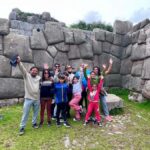
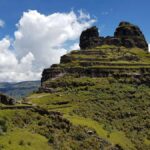
Day 2 leans hard into the Cusco area and the Inca worldview. You start at Sacsayhuaman (3,700 m / 12,140 ft), the fortress perched above the city. It was built in the reign of Inca Pachacutec, and the description highlights the massive stonework—some stones are listed as over 100 tons—fitted together with such precision that the construction remains something of a mystery. Even if you’ve studied Inca history, seeing it in person is different. The scale makes it feel strategic, not decorative.
After that, you visit Qenko, Tambomachay, and Puca Pucara. What I like here is that you’re not just “checking archaeology boxes.” Each site is tied to a specific function: sacred spaces, ceremonial water-related areas, and older defensive or watch points. It gives you a sense that Inca Cusco was a whole system, not a collection of random monuments.
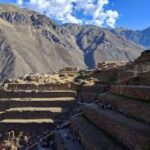
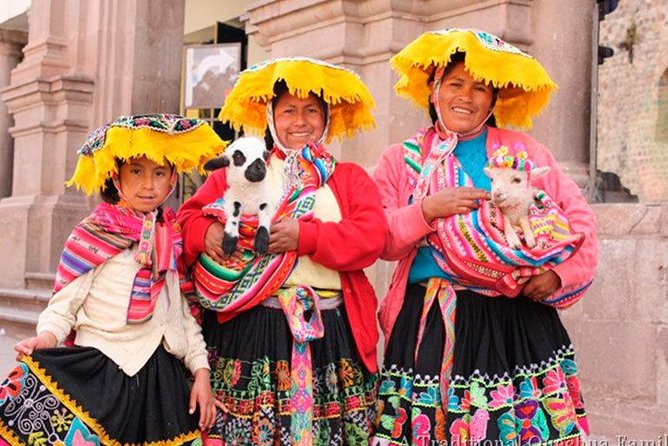
In the afternoon you head to Ollantaytambo (2,792 m / 9,160 ft). The tour focuses on the town itself—its cobblestone streets and an archaeological site there—plus the idea that Inca traditions still show up in daily life. For me, this is one of the best transitions of the trip: you move from fortresses and ritual sites into a place where people live with the ruins around them.
Machu Picchu day: early bus, guided walk, optional extra viewpoints
Day 3 is the centerpiece. You start with breakfast, then board one of the morning buses to Machu Picchu. Because the timing is early, you’re already working with the reality that weather and crowds can shift quickly at this elevation—so it’s smart that the tour builds the day around the morning entry.
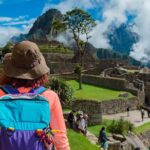
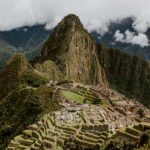
At the citadel, you get an in-depth guided tour covering the temples, ceremonial areas, terraces, and storage structures. This is where your guide earns their keep. Machu Picchu’s design reads like a puzzle until you learn what to look for: where ceremonies likely took place, how terraces supported food production, and how storage built resilience.
You also have a built-in option if you booked the extra entry ticket in advance: you can explore either Huayna Picchu or Machu Picchu Mountain for different, dramatic perspectives. Huayna Picchu is the classic viewpoint route, while Machu Picchu Mountain gives another kind of sweeping view. Either way, you’re paying extra for time and views, so only do it if you’re comfortable with the extra effort.
After the guided tour, the group returns to Aguas Calientes for rest and lunch, and they note lunch is not included. It’s a good moment to slow down, soak in what you just saw, and recharge before whatever evening transfer schedule your day follows.
Sacred Valley “Inca experiments”: Moray terraces and Maras salt mines
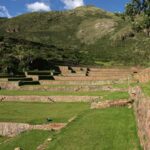
Day 4 keeps the Sacred Valley momentum but adds a different angle on Inca engineering: experimentation and resource extraction. You go from Ollantaytambo back into the highlands and visit Moray, at about 11,482 feet. Moray is famous for its concentric terraces, described here as an agricultural laboratory. The big idea is that the design created microclimates—so crops could be grown at different altitudes. I love this stop because it makes Inca knowledge feel practical, not just ceremonial.
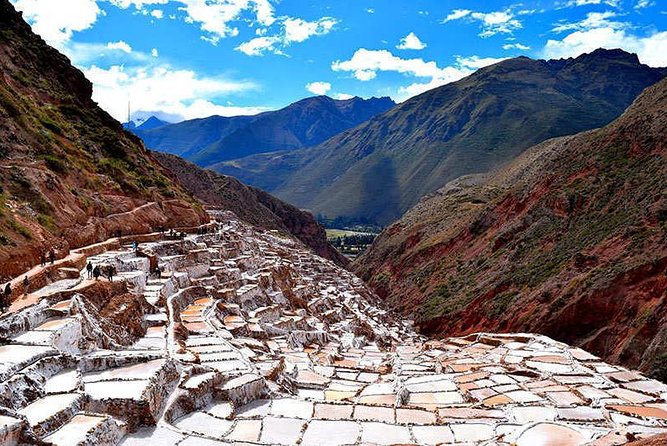
Next you visit the Maras Salt Mines at about 11,090 feet. The description calls out a network of over 3,000 salt pools carved into the mountainside, and it notes these terraces have been harvested since pre-Inca times. That’s a key detail: you see ancient human work still happening today, not just restored ruins. When the salt flats catch the light, the visual effect is intense.
This day also highlights why the tour includes entrance fees. With sites like Moray and Maras, the cost and logistics can add up quickly if you’re trying to build it on your own. Here, you’re mostly buying time, certainty, and a guide to make sense of what you’re looking at.
A free Cusco day: mix history walks with optional add-ons
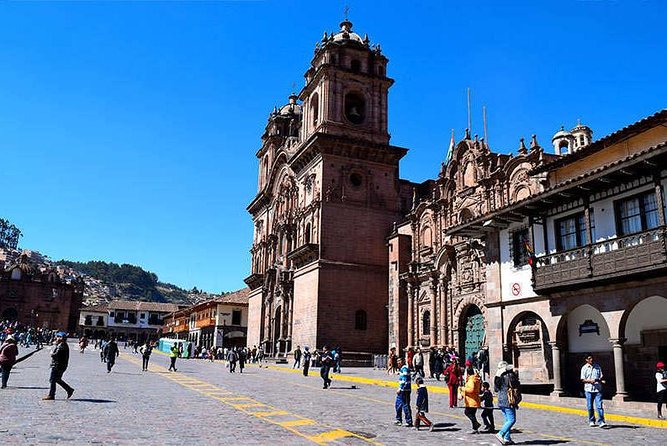
Day 5 is your personal choice day. You’re in Cusco, and it’s set up for you to go at your own pace. That means you can walk the city streets where Inca foundations blend with colonial-era facades, then sit in a plaza and just watch life happen.
I like days like this because Cusco has layers. If you only do guided stops, you can miss the slower rhythm: small churches, market corners, and the tiny streets between the big sights.
The tour also offers add-on-style ideas, depending on what you feel like doing. The examples listed include:
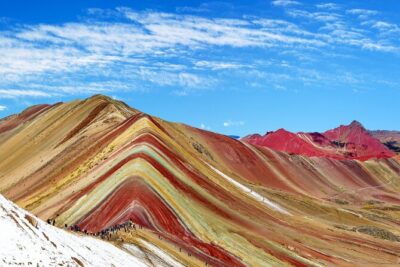
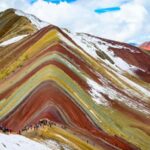
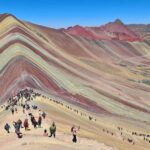
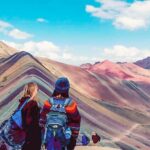
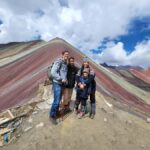
- A Rainbow Mountain Trek to Vinicunca
- A Cusco City Tour
- Horseback riding in the hills near Sacsayhuaman
- Off-road fun via ATV to Apukunaq Tianan, described as a hidden gem near Cusco
Since these are listed as options, you should treat them as extras you arrange with the operator, not automatic inclusions. If you’re trying to save energy for Machu Picchu fatigue or you’re sensitive to altitude, this is also a good day to pick one activity—or just keep it low-key.
Cochawasi animals and the Pisac ruins + market combo
Day 6 is a smart pairing: nature and people, then more Inca architecture. You head to the Cochawasi Animal Sanctuary, where you may see pumas, Andean condors, alpacas, and llamas. Even if you don’t love animal-focused stops, this one helps you slow down and shift from stonework to living Andes.
Then it’s on to Pisac Ruins (2,972 meters / 9,751 feet). The tour description notes the site includes terraces and temples designed to resemble a condor. That’s a vivid detail, and it’s exactly the kind of design element that becomes easier to appreciate with interpretation from a guide.
After the ruins, you head to the Pisac Market, described as colorful and full of textiles, jewelry, ceramics, and more. This is where you get a practical cultural experience: you can interact with artisans, ask questions, and browse at a slower pace than you get at major city attractions. Just keep your expectations realistic: market time is time, so don’t plan a rushed shopping spree if you actually want to talk with people.
Last morning in Cusco, then head for your flight
Day 7 is lighter. You’ll take a quick tour of Cusco’s historical center, and they note an optional free walking tour is available. Then it’s time to wrap up with an airport transfer timed to your flight.
This is a big deal for a trip like this. After a week of buses, trains, and altitude days, having transport planned means you’re not scrambling at the end. It’s also where you’ll appreciate that the tour includes transfers as part of the package.
Price and value: what $1,299 covers and why it matters
At $1,299 per person for about 7 days, the value is less about the headline price and more about what you don’t have to assemble yourself.
Here’s what’s clearly included:
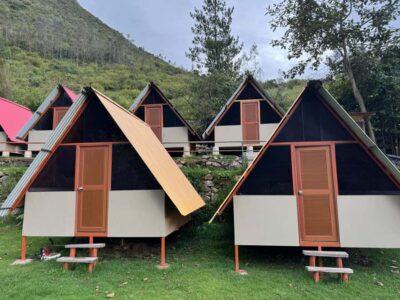
- 6 nights in 3-star hotels (double occupancy)
- All entrance fees
- All transfers
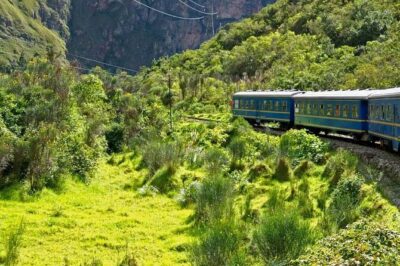
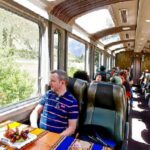
- Voyager (Incarail) or Expedition train to Machu Picchu
- Round-trip buses to Machu Picchu
- Professional English-speaking tour guide during the whole trip
- Breakfast (6)
And what’s not included:
- International and local flights
- Huayna Picchu entrance fee (if you want that extra viewpoint)
- Travel insurance
- Lunch is not included on the Machu Picchu day (they say lunch not included)
This is the kind of package where you’re paying for fewer moving parts. If you’ve ever priced Machu Picchu logistics separately, you know how fast it becomes spreadsheets and stress. The included train or rail option plus the bus system reduces that risk. And entrance fees matter most because Machu Picchu and major Sacred Valley sites can turn into a bigger bill than people expect.
Is it for everyone? If you love total DIY travel, you might find this structured style limiting. But if you want to spend your mental energy on what you’re seeing, rather than on coordinating tickets and transport, this feels like a solid fit.
The guides and service: what stands out from real trip experiences
One of the most praised parts of this experience is the human layer. Multiple guide names show up in standout feedback—Yeny, Jonathan, Percy, Eddy, Saul, Julio, Ronald, Herlin, Grigio, and Ronnie—and the common thread is that guests describe them as attentive, helpful, and genuinely invested in making the days work.
I also like that the tour is set as private for your group (only your group participates). That usually means you’re less likely to feel like cattle and more likely to get small adjustments when timing and comfort matter.
At the same time, it’s smart to stay alert and communicate. One piece of feedback included a concern about a guide’s behavior around women in a group. That’s not something I’d ignore. If you have any safety or comfort concerns, you should raise them quickly with the operator so they can address it.
Should you book this Andes tour?
I think you should book it if:
- You want Machu Picchu plus the key Sacred Valley sites without managing the ticket and transport puzzle
- You like having a guide explain what you’re seeing—especially for Moray and the Sacred Valley sites
- You value included entrance fees and a consistent program for 7 days
- You’re okay with a schedule that’s full and keeps moving
I’d hesitate if:
- You want lots of unscheduled free time beyond the one Cusco day
- You’re expecting lunch to be included (it isn’t on the Machu Picchu day)
- You strongly dislike early starts, because the Machu Picchu day begins early by bus
If you book, do two things that will pay off fast: pack for rain and sun (poncho and SPF 35+), and take Cusco’s first-day rest seriously. Do that, and the week turns into exactly what it’s meant to be: a clear path through Inca engineering, working traditions, and one of the world’s most unforgettable places.
FAQ
What’s included in the tour price?
The package includes 6 nights of lodging in 3-star hotels (double occupation), entrance fees, transfers, train to Machu Picchu (Voyager/Incarail or Expedition), round-trip buses to Machu Picchu, a professional English-speaking guide during the whole trip, and breakfast (6).
How do you get to Machu Picchu?
You take a morning bus to Machu Picchu, and the tour also includes round-trip buses. You’ll also use a train option to reach the Machu Picchu area (Voyager or Expedition).
Are Huayna Picchu and Machu Picchu Mountain included?
Huayna Picchu entrance fee is not included. You may have the option to explore Huayna Picchu or Machu Picchu Mountain if you bought the additional ticket in advance.
How much time is spent on Machu Picchu?
The Machu Picchu day runs about 12 hours, including the guided visit and the return to Aguas Calientes for rest and lunch (lunch not included).
What’s planned for the first day in Cusco?
After pickup and check-in, Day 1 is reserved for rest and acclimatization at about 3,400 meters. You also have a group briefing in the late afternoon.
Can I do extra activities in Cusco?
Yes. The tour lists options you can choose from on your own day in Cusco, including Rainbow Mountain trek, a Cusco city tour, horseback riding near Sacsayhuaman, and ATV to Apukunaq Tianan.
Is the tour private?
Yes. It’s listed as a private tour/activity, and only your group will participate.
What should I bring?
They recommend a waterproof jacket or rain poncho, sunscreen factor 35+, personal medication, and a camera/film. You’ll also need your original passport, and a current university card if you want a student discount.
What’s the cancellation policy?
The experience is non-refundable and can’t be changed for any reason once booked.