REVIEW · MACHU PICCHU TOURS
from cusco machupicchu 2 days
Book on GetYourGuide →Operated by MACHUPICCHU TC · Bookable on GetYourGuide
Machu Picchu starts with a long road. This two-day Cusco trip is built around early departures, a timed entry setup, and the kind of walking that makes the arrival feel earned. I especially like the guided Machu Picchu visit plus the way you’re shepherded through key moments like the checkpoint.
The other big win is the variety in how you get there. You can take the bus to the hydroelectric area and then do a jungle-to-town walk to Machu Picchu town, or you can use the train for a smoother back-and-forth. The main drawback is simple: travel time can be heavy, with the bus sides running about 7 hours each way, plus early mornings.
In This Review
- Key Things I’d Watch For Before You Go
- Picking Your Route From Cusco: Hydrolectric vs Train Return
- Day 1 Schedule: Cusco Early Start, Hydrolectric Lunch, Then Toward Aguas Calientes
- The Jungle Walk to Machu Picchu Town: Worth It, But Plan Your Pace
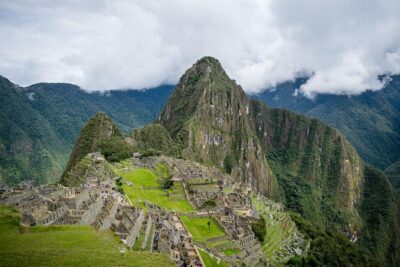
- Day 2 at Machu Picchu: Timed Entry, Checkpoint Moment, and the Guided Flow
- Aguas Calientes Base and Meals: What’s Included, What’s Free, and How to Eat Smart
- Price and Logistics: Does $179 Per Person Feel Like Good Value?
- Your Guide: Reyner’s Info Helps Make Machu Picchu Click
- Who This Tour Suits (and Who Should Skip It)
- Should You Book This Cusco to Machu Picchu 2-Day Tour?
- FAQ
- What time does the bus depart for the hydroelectric route?
- How long is the trip from Cusco to the hydroelectric area?
- Do I need to arrive at Machu Picchu town by a specific time?
- What time do we enter Machu Picchu on Day 2?
- How do I get to Machu Picchu once I reach the area of the checkpoint?
- What time is the train back from Machu Picchu town?
- Is lunch included?
- What languages are the guides?
- What should I bring for the tour?
- Is free cancellation available?
Key Things I’d Watch For Before You Go
- Three route options (bus-and-walk, bus-and-train, or a full-day train plan) so you can match energy level to schedule
- Timed entry at the checkpoint (commonly 9:00 am, depending on availability) so your day has structure
- Guides and coordination that call you by name at Plaza de Manco Capac at 6:00 pm, then route you to your accommodation
- Aguas Calientes base for a night (options 1 and 2) so you’re not rushing back to Cusco the same day
- Weather and footing reality: comfort shoes and insect repellent are not optional, and the walk includes uphill segments
Picking Your Route From Cusco: Hydrolectric vs Train Return
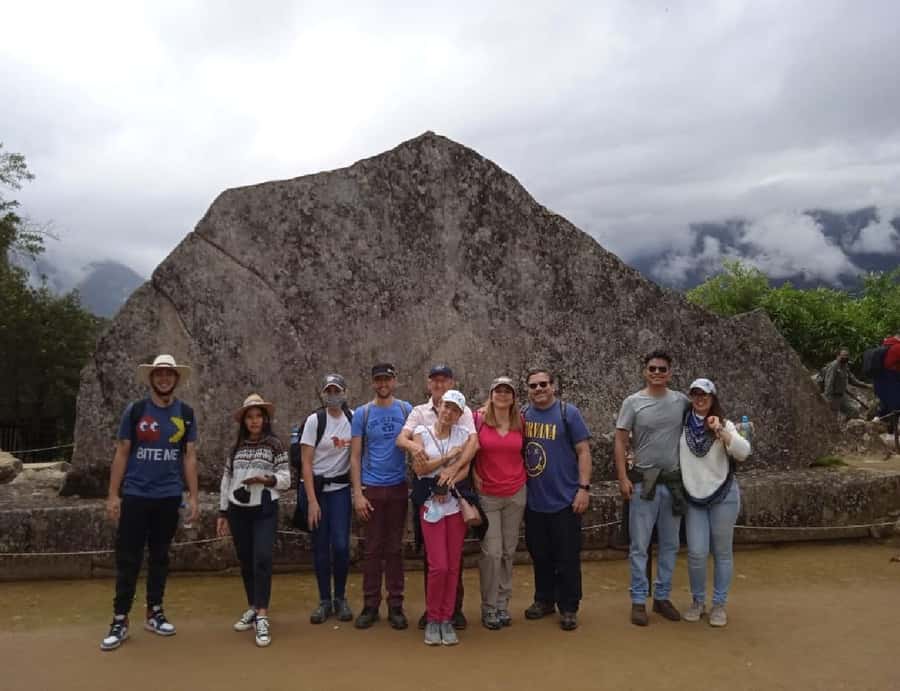
This experience is really three different itineraries wrapped in the same Machu Picchu goal. The best choice depends on what you want to feel most: the effort of the journey, or the comfort of train travel.
Option 1 (bus there, bus back) is the classic endurance route. You leave Cusco early, ride to the hydroelectric area, eat lunch, then walk about 3 hours through the jungle to Machu Picchu town. The next day you visit Machu Picchu with a guided plan, then return by bus with a late arrival back to Cusco (around 11:00 pm).
Option 2 (train return) keeps most of the same Day 1 feel: Cusco to hydroelectric by bus, lunch included, then the 3-hour walk to Machu Picchu town. But on Day 2 you go back by train, not bus. If your knees hate long bus rides, this option is usually the sweet spot.
Option 3 (full-day, mostly train) is the most time-efficient and most structured day. You pick up at 4:00 am, transfer to Ollantaytambo for a 6:00 am train to Machu Picchu town, then either walk about 45 minutes uphill or take an optional Consetur bus (costs 24 USD, listed as optional). After a guided visit (about 2 hours), you return to Aguas Calientes for lunch and then board the 4:30 pm train to Ollantaytambo, finishing with bus back to Cusco at Wanchaq or Av. Sol.
If you’re deciding between options: I’d pick the train return (Option 2) if you want Machu Picchu to feel like the highlight, not the thing squeezed between long rides.
You can also read our reviews of more tours and experiences in Cusco

Day 1 Schedule: Cusco Early Start, Hydrolectric Lunch, Then Toward Aguas Calientes
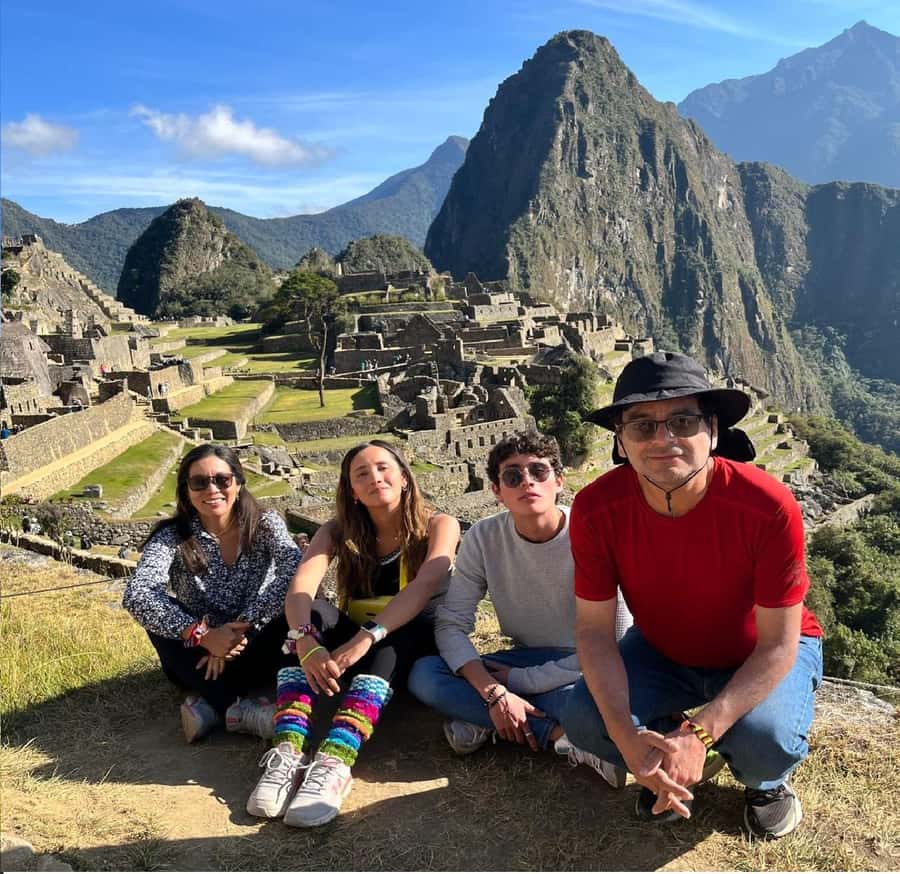
Whichever route you choose, you should expect a day that starts before your body thinks it’s ready.
In the bus-based plan, pickup happens from your hotel or a meeting point, with Plaza de Regocijo Cusco named as the key reference point in the Day 1 description. Departure for the bus-and-hike option is listed at 6:20 am, and the ride to the hydroelectric area is about 7 hours. This is when you get big views and changing terrain as you move away from Cusco’s altitude rhythm.
Once you reach the hydroelectric area, you stop for lunch. In both Option 1 and Option 2, lunch is included here, which matters because you’re otherwise spending the day managing hunger while waiting for your next connection. After lunch, the day shifts from vehicle time to walking time.
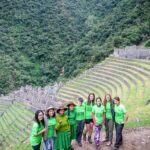
Then comes the walk: about 3 hours through the jungle to Machu Picchu town. You’re aiming to be in town by 6:00 pm at Plaza de Manco Capac. The coordination works like this: the guide calls you by name, then helps move you to your accommodation. At night, there’s also a dinner option included for Option 1, plus instructions for the next day.
Practical tip: pack with your night needs in mind. A late-day arrival plus a dinner meeting means you’ll want your daypack small, comfortable, and easy to find.
The Jungle Walk to Machu Picchu Town: Worth It, But Plan Your Pace
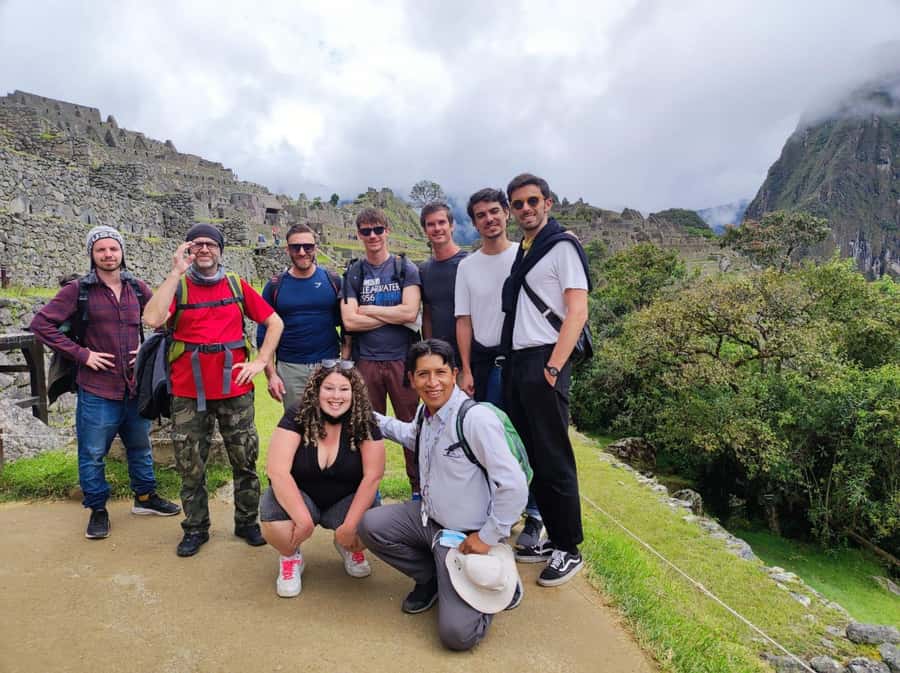
That 3-hour jungle-to-town walk is where this tour feels most different from the classic train-only day.
What you can take from it:
- You trade some comfort for atmosphere and variety.
- You’ll be on your feet long enough that shoes matter.
- You’ll arrive in Machu Picchu town feeling like you traveled, not just transported.
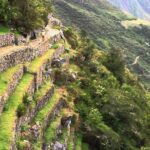
The tour description also hints at why this route exists: it’s designed so you see beautiful terrain and get excited about walking through the jungle. In practice, your mindset shift is everything. If you go in expecting a relaxed stroll, you’ll probably feel worn out. If you go in expecting a real walk with frequent stops and gradual uphill sections, it feels more satisfying.
Who should consider skipping this walk: anyone who knows they struggle with long uphill walking, motion sickness, or vertigo. The tour’s not suitable list includes people with vertigo, people who are afraid of heights, and anyone with low fitness levels or recent surgeries. If that’s you, Option 2 (train return) can still be a good move, but you should also think hard about whether the jungle walk is the right match.
Day 2 at Machu Picchu: Timed Entry, Checkpoint Moment, and the Guided Flow
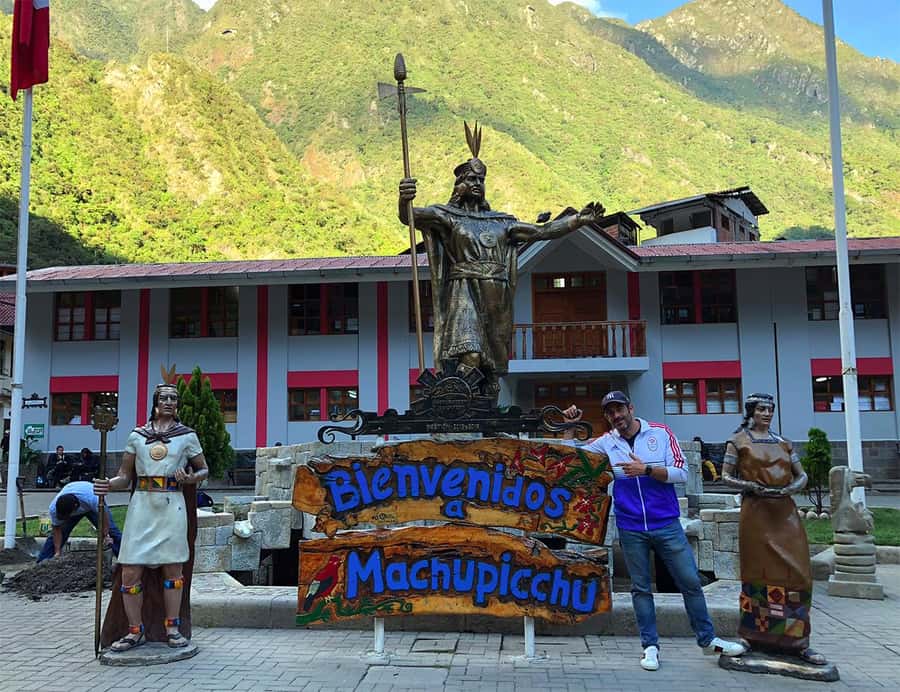
Day 2 is where all the travel time pays off.
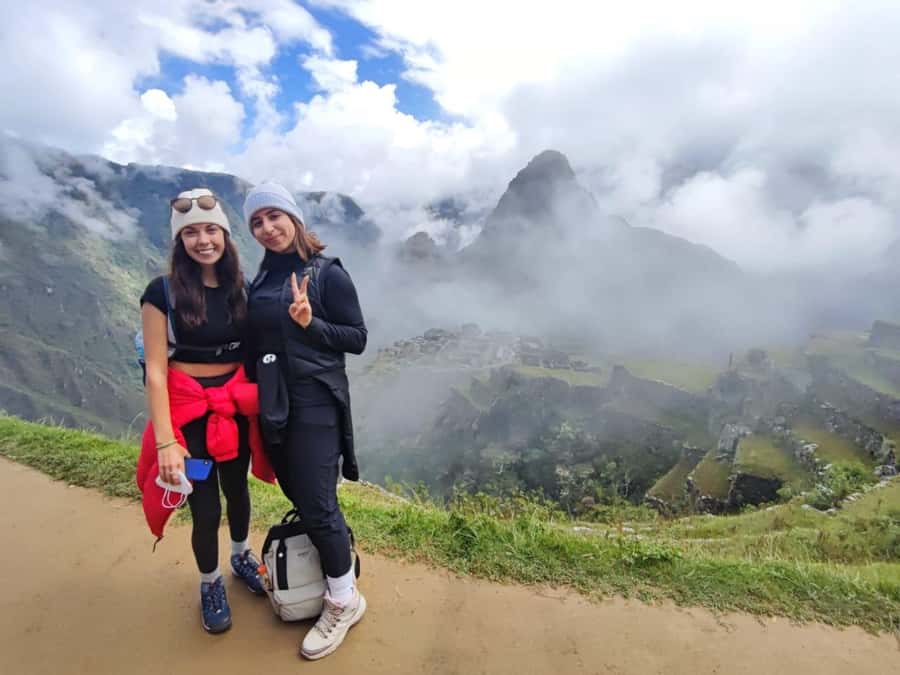
You get up early, and then head to the Machu Picchu checkpoint. There are two ways to get up once you arrive: a 40-minute walk if you want it, or a bus option if you prefer not to spend energy climbing. The checkpoint entry time is listed at 9:00 am, though the text notes it may change depending on availability.
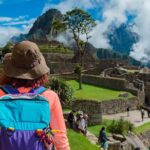
This is also where the guidance matters. Your group goes in with the guide, and you get structured time at Machu Picchu rather than just wandering in confusion. The guide plan is described across the options, with Option 3 calling out a 2-hour guide inside Machu Picchu, and the other options including a guided Machu Picchu visit as well.
You’ll also notice how the tour handles timing: after your Machu Picchu visit, you go down to Aguas Calientes. From there, you wait for the train departure time. That train time is listed as 4:30 pm, depending on availability.
If you want one practical strategy, it’s this: keep your phone charged and ready. You’ll likely be depending on the tour’s coordination and your own ability to follow instructions fast.
Aguas Calientes Base and Meals: What’s Included, What’s Free, and How to Eat Smart
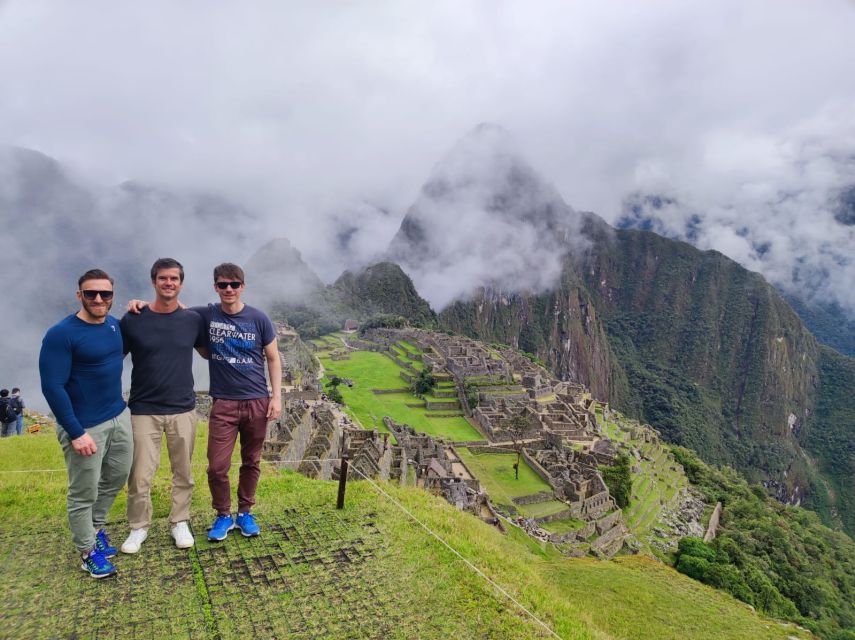
Staying overnight in Aguas Calientes (Option 1 and 2) is a real convenience. It means you’re not doing a full day of Machu Picchu exploration and immediately sprinting back to Cusco the same evening.
Meal coverage is also built to keep you from starving during long transit:
- Lunch is included on Day 1 at the hydroelectric stop for Option 1 and 2.
- There’s a breakfast/snack component listed for Option 1 and 2.
- Dinner is included for Option 1.
- For meals not included, you’ll eat on your own since the tour states it’s better for you to choose what you want since there’s plenty of food where you’ll be.
Why this matters: it lets you adjust to altitude and appetite. Machu Picchu days can feel physically intense, and having the freedom to choose meals can make the day easier.
What I’d do: aim for simple food options you already tolerate well, especially for breakfast. And if you know you’re sensitive to your stomach, don’t test new spicy stuff the day you’re walking at altitude.



Price and Logistics: Does $179 Per Person Feel Like Good Value?
At $179 per person, this tour can look like a deal or like a lot, depending on which option you choose and what you compare it to.
Here’s what you’re paying for:
- Tickets to Machu Picchu (this is the core expense most people care about)
- Guided time at Machu Picchu
- Transport coordination from Cusco (and option-specific return transport)
- For Options 1 and 2: 1 night accommodation in Aguas Calientes
- Meal support on travel days (lunch at hydroelectric for Options 1 and 2, plus breakfast snack; dinner included for Option 1)
Even with the long rides, that package structure is where the value shows up. You’re not just booking a ticket; you’re booking a plan that reduces the stress of matching buses, entry timing, and getting to the checkpoint.
The main logistics reality is time and fatigue. The bus option includes about 7 hours to travel to hydroelectric and another 7 hours on the way back. In contrast, train return options tend to feel more humane on the second day.
Also, this is a coordination-heavy trip. You’ll need to follow instructions like sending a passport photo for ticket and train purchases, and you’ll need to be at pickup points on time. If you’re the type who enjoys structure, you’ll probably like this. If you want total freedom and zero scheduling, you might find it less appealing.
Your Guide: Reyner’s Info Helps Make Machu Picchu Click
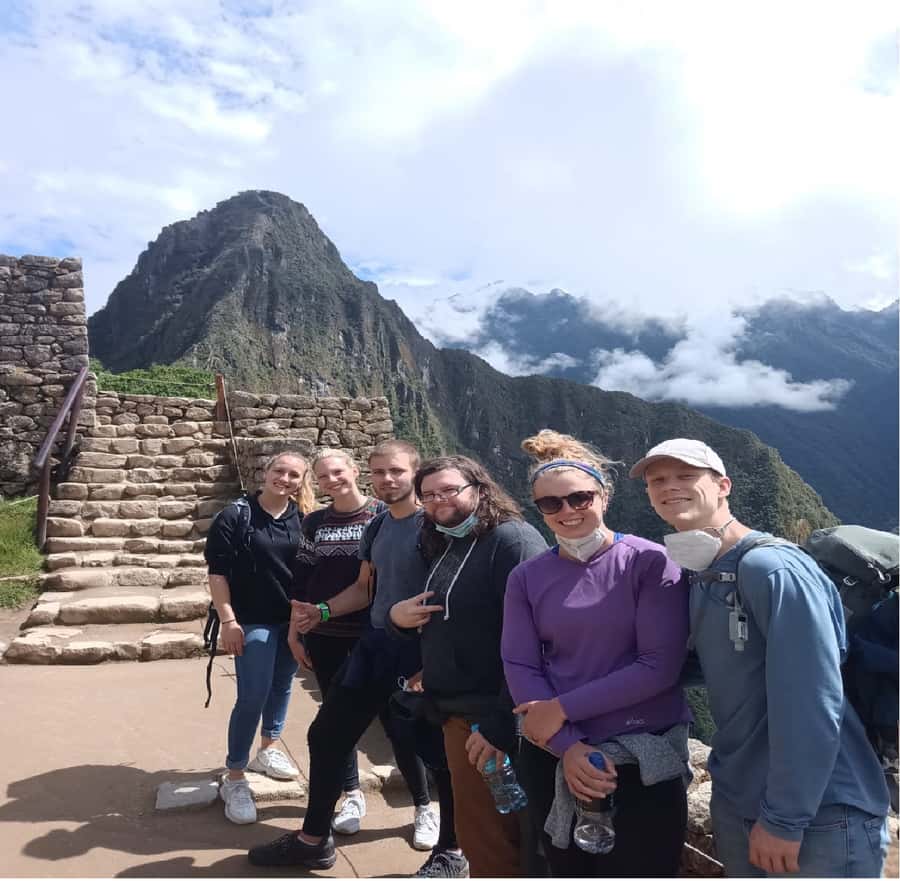
One review specifically calls out the guide Reyner as very informative. That lines up with what you want in a guided Machu Picchu day: you don’t just need someone to lead you to the good spots, you need someone to explain what you’re looking at and how to move through the site efficiently.
In a place like Machu Picchu, the difference between a guided visit and self-exploration is often comprehension. You get context, and the walking becomes more meaningful instead of just photo stops.
If you’re assigned Reyner, that’s a bonus. If you’re assigned someone else, the key is still the same: you’ll want a guide who can keep the group moving and answer quick questions without turning the day into a slow lecture.
Who This Tour Suits (and Who Should Skip It)
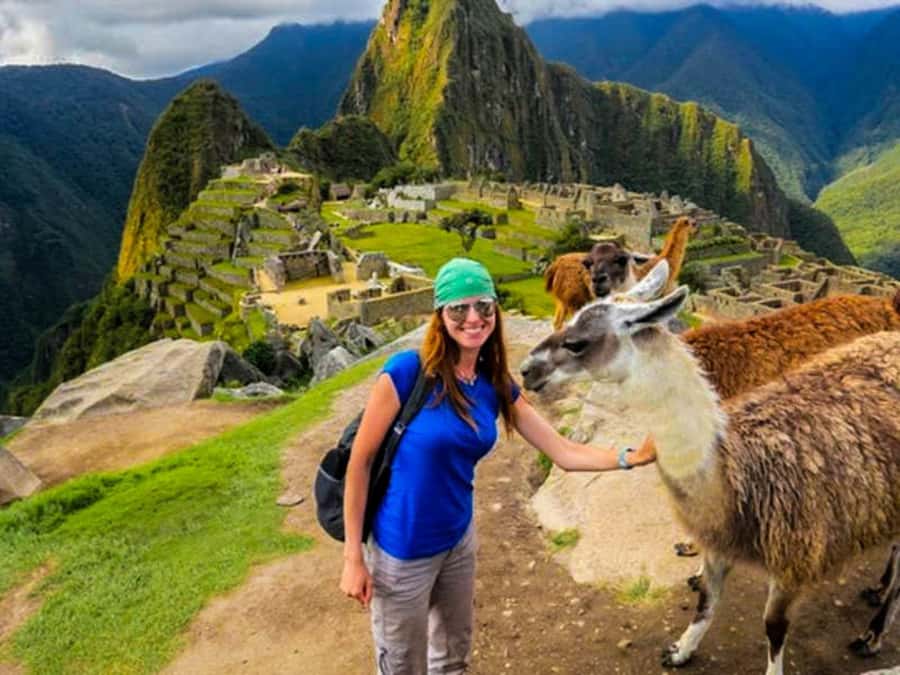
This tour is not for everyone, mainly because the itinerary mixes long travel days, timed entry, and uphill walking options.
It’s likely a good match if you:
- Want a plan that handles Machu Picchu entry and transport connections
- Like guided time at the site
- Can handle a full day with walking (and possibly an extra uphill segment)
It’s a tough match if you fall into the tour’s not-suitable categories, which include:
- Pregnancy
- Back problems
- Mobility impairments and wheelchair users
- Heart problems and high blood pressure
- People afraid of heights or with vertigo
- People with recent surgeries or low fitness levels
- Anyone who can’t handle the restrictions around motion sickness
- Children under 18 and people over 65 are listed as not suitable as well
Also note the practical limits: there’s no allowance for pets, and oversize luggage isn’t allowed. Keep your bags simple and your daypack ready.
Should You Book This Cusco to Machu Picchu 2-Day Tour?
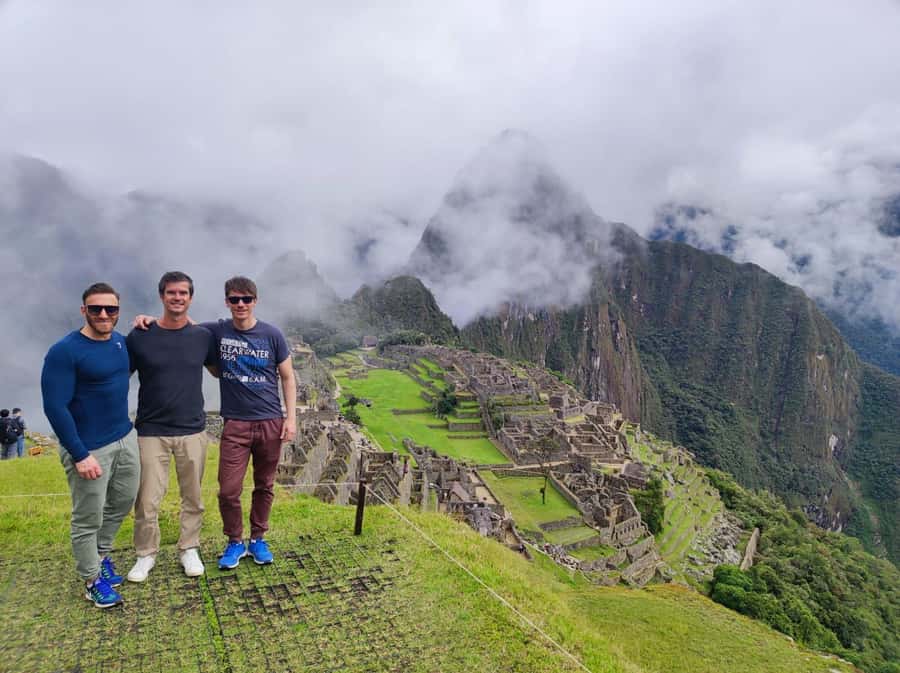
I’d book it if you want Machu Picchu to feel like a well-run mission rather than a puzzle. The guided entry, the structured flow to and from Aguas Calientes, and the fact that tickets are handled for you can remove a lot of stress.
I would hesitate if:
- You dread long transit (Option 1 and the bus-heavy portions mean long hours)
- You know you can’t do uphill walking, heights anxiety, or vertigo
- You want meals fully custom all day with no meal timing
If you’re on the fence, a sensible rule is to choose the option that minimizes the hardest part for your body. If bus time makes you miserable, consider the train return plan. If you’re feeling strong and want the full adventure, the hydroelectric plus jungle walk can be deeply satisfying.
FAQ
What time does the bus depart for the hydroelectric route?
For the bus-and-walk plan, the departure from Cusco is listed at 6:20 am heading to the hydroelectric area.
How long is the trip from Cusco to the hydroelectric area?
The travel time to the hydroelectric area is listed as about 7 hours.
Do I need to arrive at Machu Picchu town by a specific time?
Yes. The schedule specifies arriving at Plaza de Manco Capac at 6:00 pm, where the guide will call you by name and help you to your accommodation.
What time do we enter Machu Picchu on Day 2?
The tour lists Machu Picchu checkpoint entry at 9:00 am, noting it may change depending on availability.
How do I get to Machu Picchu once I reach the area of the checkpoint?
You can walk about 40 minutes uphill if you wish, or take the bus.
What time is the train back from Machu Picchu town?
The train departure is listed at 4:30 pm, depending on train availability.
Is lunch included?
Lunch is included for the hydroelectric stop on Options 1 and 2. Other meals like lunch in Aguas Calientes are not included, and dinner is included only in Option 1.
What languages are the guides?
The live tour guide is listed as available in English and Spanish.
What should I bring for the tour?
Bring a passport or ID card, comfortable shoes, sunscreen, insect repellent, a daypack, and a charged smartphone.
Is free cancellation available?
Yes. Free cancellation is listed up to 24 hours in advance for a full refund.