REVIEW · LAKE TITICACA & PUNO TOURS
From Cusco: Lake Titicaca, Uros and Amantani by sleeper bus
Book on GetYourGuide →Operated by MACHU PICCHU JUNGLE · Bookable on GetYourGuide
Lake Titicaca feels like a movie set. What makes this trip work is the mix of Uros totora culture, a family-style lunch on Amantani, and the fact that you travel overnight so you gain real time on the lake.
I especially like the chance to meet people and learn the practical side of life on the water—how totora reeds are woven and layered to build an island surface. I also like that the boat days are paced with guided time on both islands, plus room to wander and shop for arts and crafts.
One thing to watch: the schedule can feel long and a bit cold. You arrive in Puno around 5:00 a.m., you may wait before the boat starts, and you often have limited time after the island day before the 10:00 p.m. bus back to Cusco.
In This Review
- Key things to know before you go
- Sleeper-bus logistics from Cusco (and why that matters)
- Your early-morning window in Puno: plan for waiting
- Uros Floating Islands: totora reeds, real craft, and quick time
- A realistic expectation on time
- Speedboat time on Lake Titicaca: gorgeous, but it’s still transit
- Amantani Island: the walk up, the temples, and the lunch that makes it human
- A note on what “family home” can feel like
- Markets and souvenirs: how to spend your time without rushing
- The return to Cusco: why the 10 p.m. bus can feel long
- The longer option: adding Amantani night and Taquile
- Price and value: is $90 a smart deal?
- Who this Titicaca tour fits best (and who should think twice)
- Should you book this Lake Titicaca sleeper-bus tour?
- FAQ
- How long is the tour from Cusco to Lake Titicaca?
- What islands are visited?
- What time do you get picked up in Cusco?
- What time do you arrive in Puno?
- Is breakfast included?
- Is lunch included?
- Does the tour include a family dinner?
- What language is the guide?
- What should I bring?
- Is free cancellation available?
Key things to know before you go

- Uros reed-island building: Learn how totora is layered and woven to make the island surface.
- Local lunch on Amantani: A shared family-style meal using local products (included).
- Speedboat views: You get real lake time, not just an island photo stop.
- Market time for souvenirs: You can shop for arts and crafts on the islands.
- Overnight travel tradeoff: Sleeper bus saves days, but you give up comfort of staying in one place.
Sleeper-bus logistics from Cusco (and why that matters)
This is not a slow, scenic train ride. It’s built around one idea: get you to Lake Titicaca with enough daylight for the islands, then send you back before you melt into “vacation mode.” You’ll be picked up in central Cusco (multiple pickup points) roughly between 9:00 p.m. and 9:20 p.m., depending on where you start and group size.
Then you sleep on a night bus with 180-degree reclining seats, arriving in Puno around 5:00 a.m. In plain terms, that’s the value: you’re not spending a whole extra day just getting from A to B. The tradeoff is you’re committing to a packed rhythm. If you hate early mornings or long waiting windows, this kind of tour can test your patience.
You can also read our reviews of more tours and experiences in Cusco.


Your early-morning window in Puno: plan for waiting

When you land in Puno around 5:00 a.m., the day doesn’t instantly begin with a boat. There’s typically a breakfast stop first, and breakfast is not included—so keep that in mind if you’re hungry right away. After that, you’re transferred toward the port for your island day.
Practically, this means you should dress like you’re dealing with morning chill. Even if the sun comes out later, you can feel cold while waiting in the early hours. One review specifically called out the bus and the Puno-area waiting spaces as very cold in June, so I’d take warm layers seriously.
Uros Floating Islands: totora reeds, real craft, and quick time

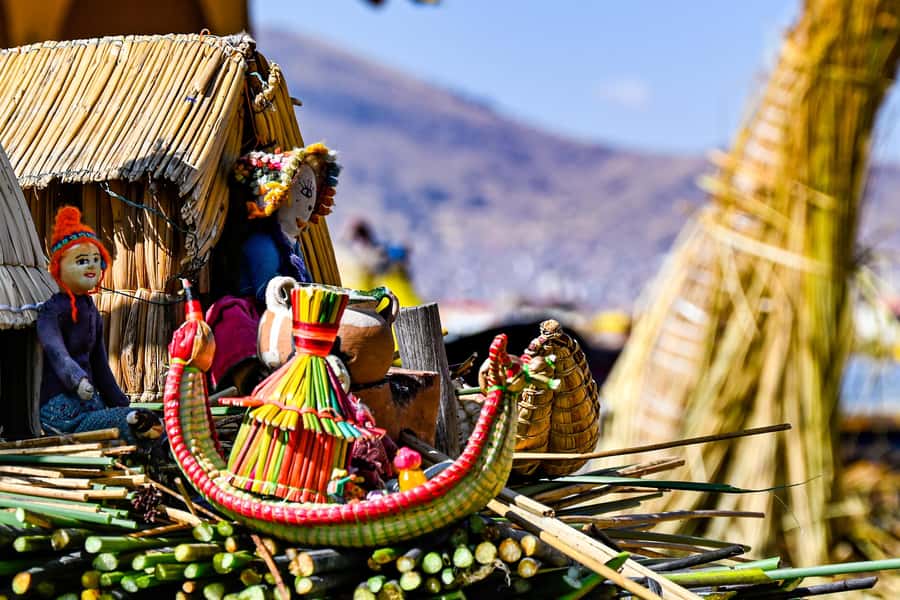
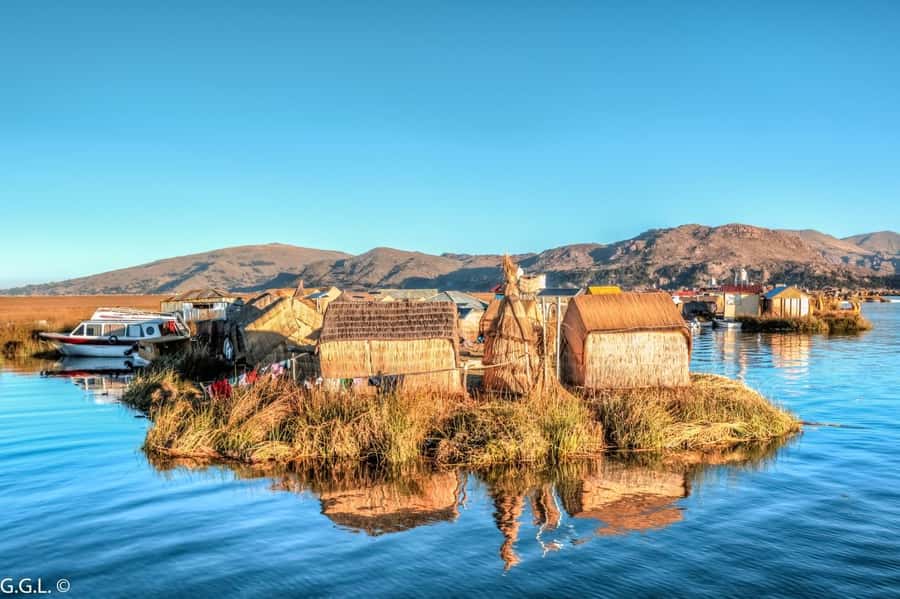
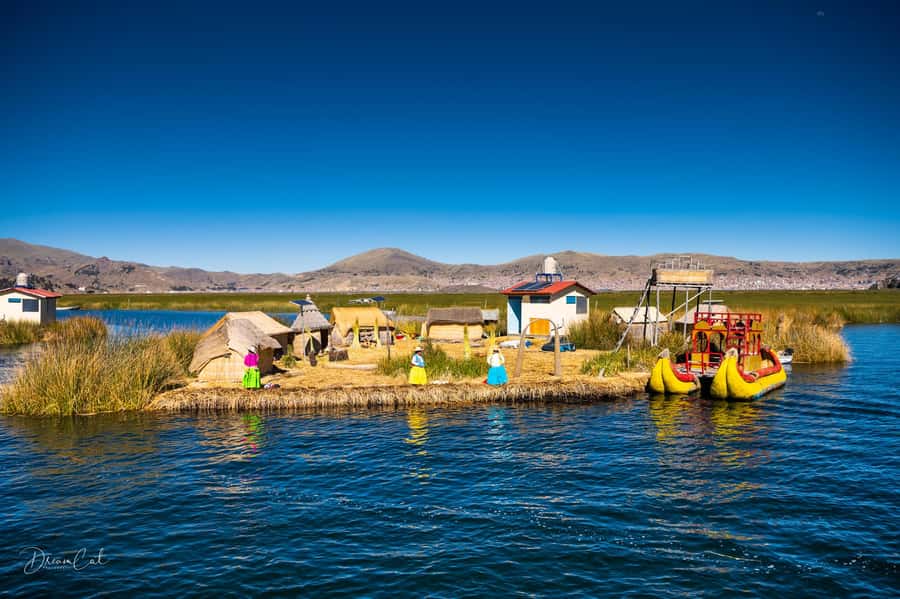
The Uros floating islands are built with totora, a water plant that grows on the lake’s surface. On this trip, you’ll visit the Uros islands by boat, then get a guided look at how the reed beds are maintained—especially how the surface is woven and layered.
This is the part I’d call the cultural anchor of the whole tour. Many lake stops are just scenic. Here, the focus is on work: the practical knowledge of how to keep an island usable, year after year. If you pay attention, you’ll come away understanding why the Uros people built life around this specific plant instead of trying to fight the lake.
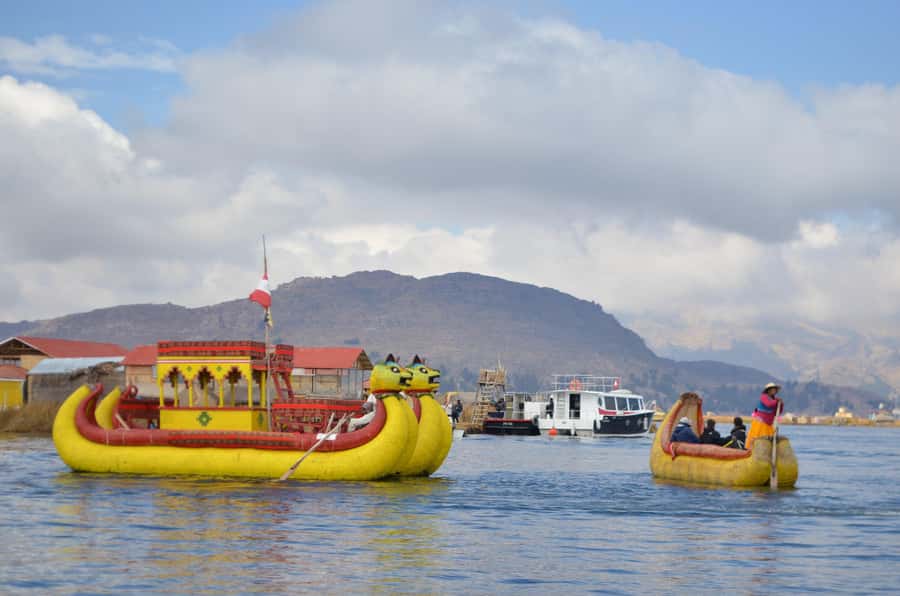
There’s also an optional activity you can choose on the water: a ride on a totora raft, also made from totora reeds. That’s the kind of “small add-on” that can turn a standard visit into a memorable moment—if you like being hands-on.
A realistic expectation on time
The Uros visit is often the highlight, but it can also be shorter than you wish. The structure of the day (speedboat transfers plus another island later) tends to compress your time on each place. If you’re the type who wants to linger for hours, treat Uros as a guided taste, not a deep immersion.
Speedboat time on Lake Titicaca: gorgeous, but it’s still transit

You’re not traveling by car here. You’ll be on a tourist speedboat, with multiple boat legs during the day.
One leg is about 20 minutes, then another transfer is listed at roughly 105 minutes between the island stops. Your return journey to Puno is listed at about 2.5 hours. That’s a lot of water time—and it’s also a lot of sitting.
So bring the survival kit mindset:
- Dress in layers for wind.
- Have water and snacks if you’re the kind of person who gets snacky between included meals (drinks are not listed as included).
- Be ready to take photos quickly when conditions are best.
The payoff is that lake travel here is part of the experience. The speedboat view isn’t just scenery; it’s the sense of scale—how far everything sits across the water. When you move this way, Lake Titicaca doesn’t feel like a postcard. It feels like a working place.




Amantani Island: the walk up, the temples, and the lunch that makes it human
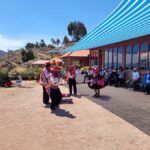
After Uros, the boat heads to Amantani Island. You’ll get a pickup-style transition into land time: a walk up to visit the main square and temples, followed by a typical lunch prepared with local products.
This is one of the most valuable parts of the day because you’re not only watching culture—you’re sharing a meal with it. It’s also where many people feel they connect more deeply than with a simple sightseeing circuit. I like meals on trips like this because they’re hard to fake. If the food is good and the hosts are kind, the whole day feels warmer.
You’ll also have free time afterward on Amantani, plus shopping time and guided walking/hiking elements. If you’re comfortable walking at altitude, Amantani can feel like a slower pace compared to the bustle of moving buses and ports.
A note on what “family home” can feel like
If you choose the longer option that includes sleeping on Amantani (more on that below), you should know comfort levels can be basic. One review described a stay with no shower, no running water, no heat, and an outside bathroom. That doesn’t mean every home is the same, but it does mean you should go in prepared for simple conditions.
If you’re the kind of traveler who needs hot water or modern bathrooms, this part of the experience could feel frustrating.
Markets and souvenirs: how to spend your time without rushing
This tour doesn’t just drop you onto an island and rush you away. There are chances to shop for arts and crafts on both the Uros visit and on Amantani.
On the Uros side, there’s time described for sightseeing and even a market visit plus a workshop-like element. On Amantani, there’s also a stop that includes time for an arts & crafts market visit. That’s great for two reasons:
- You can buy directly where things are made.
- Shopping becomes part of learning rather than a last-minute scramble.
Tip: bring some cash. It’s not listed as required for payment, but cash is included in the “What to bring” list, and island markets usually run on local routines.
The return to Cusco: why the 10 p.m. bus can feel long

Day 1 typically ends with you back in Puno around 5:00 p.m. You then have free time (often listed 5:00 p.m. to 9:00 p.m.) to explore the plaza and streets, find dinner, and then arrange a taxi back to the bus terminal for the 10:00 p.m. departure.
Here’s the honest tradeoff: that evening free time can be short and a bit scattered. One review noted that there’s not much to see during that window if you’re expecting a lively city experience. Another issue is timing—by the time you’re free, it may already be dark, which reduces how much you can really enjoy walking around.
I’d treat the Puno evening as a bonus, not the main event. Your main event is the lake and the islands.
The longer option: adding Amantani night and Taquile
There’s also a 3-night, 2-day version that repeats the island day structure and then adds a full night on Amantani. The second day includes a visit to Taquile Island.
This is the logic: if you want less “all-day transport, all-day port” energy, adding a night on the island helps. You also get a chance to slow down and see island life beyond the guided blocks.
But you should also know what you’re buying. You’re trading comfort and routine for an experience that can be physically demanding and logistically simple. If you’re okay with basic accommodations and you want more island time, the longer option can feel more worthwhile than doing everything as a single whirlwind.
Price and value: is $90 a smart deal?

The listed price is $90 per person, with a 1–2 day duration depending on the option you choose. To judge value, I look at what’s included versus what you’d have to DIY.
This package includes:
- Round-trip night bus Cusco ↔ Puno (for the shorter option)
- Guided visits and entrance fees for Uros and Amantani
- Speedboat transfers between islands and back
- A typical lunch (and for the longer option, more meals tied to the island stay)
- A bilingual guide (English/Spanish)
- Time on markets and guided walking around Amantani
So $90 isn’t just paying for the boat. You’re paying for the schedule being handled: you’re not booking separate transport, arranging port times, and coordinating island entries.
That said, value depends on your tolerance for waiting and long travel days. Some people found the day structure to be less efficient than doing it independently, especially when early morning waiting plus cold spaces plus limited sightseeing time in Puno made the day feel stretched. If you’re a first-timer and you want low-effort planning, this can still feel like a win. If you already enjoy organizing your own transport, you might feel boxed in.
Who this Titicaca tour fits best (and who should think twice)
This works best for you if:
- You want to see Uros and Amantani without wrestling transport plans.
- You like guided context, not just wandering.
- You don’t mind long days and an overnight bus.
- You want a real chance to meet locals and eat with them (lunch is included; longer option includes family meals tied to the Amantani stay).
It might not fit as well if:
- You’re sensitive to cold morning conditions and extended waiting.
- You need modern comfort on an overnight family stay.
- You hate rushed time limits at each stop and would rather linger.
One review also described the experience as semi-guided in the sense that you may need to handle parts of the transport coordination yourself (for example, getting yourself onto the sleeper bus). If you want a fully staff-managed, step-by-step experience from door to door, know this may not be that style.
Should you book this Lake Titicaca sleeper-bus tour?
My take: book it if your top goal is efficient Titicaca access plus Uros and Amantani with local interaction. For many people, the reed-island craft and the family meal are exactly what make Lake Titicaca feel real.
Don’t book it if you’re chasing lots of free time in Puno or lots of comfort on the road. Also, if you’re choosing the version that sleeps on Amantani, mentally prep for simple facilities—because at least one family stay was described as having no shower and basic bathroom setup.
If you’re flexible, dress warmly, and treat waiting time as the price of admission for seeing two islands in a tight window, this is a strong way to experience Lake Titicaca without turning your trip into logistics homework.
FAQ
How long is the tour from Cusco to Lake Titicaca?
The shorter experience is listed as 1–2 days, and the longer version is a 3-night, 2-day itinerary with an extra night on Amantani.
What islands are visited?
The shorter option includes the Uros floating islands and Amantani. The longer option adds Taquile.
What time do you get picked up in Cusco?
Pickup in Cusco is scheduled between 9:00 p.m. and 9:20 p.m. depending on your reservation details.
What time do you arrive in Puno?
Arrival in Puno is scheduled for approximately 5:00 a.m.
Is breakfast included?
For the shorter option, breakfast on the Puno side is mentioned as not included. For the longer option, breakfast with a local family is included on Amantani day 2.
Is lunch included?
Yes. A typical lunch menu is included as part of the island day.
Does the tour include a family dinner?
For the longer Amantani night option, dinner with a local family on Amantani is included on day 1 (for the shorter option, dinner day 1 is not included).
What language is the guide?
The guide is listed as English and Spanish speaking, and the tour includes bilingual guidance.
What should I bring?
Bring a passport or ID card, comfortable shoes, a change of clothes, a daypack, camera, drinks, and cash (plus credit card is listed). Warm clothing is also a smart move for early hours.
Is free cancellation available?
Yes. You can cancel up to 24 hours in advance for a full refund.