REVIEW · SACSAYHUAMAN & INCA RUINS
In Cusco: Saqsaywaman, Qenqo, Pukapukara, Tambomachay.
Book on GetYourGuide →Operated by MACHU PICCHU JUNGLE · Bookable on GetYourGuide
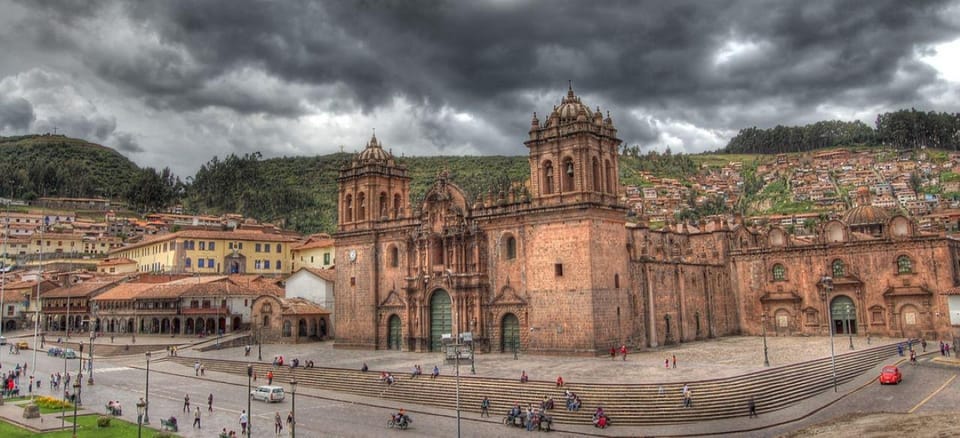
In Cusco, the stones have a point. This guided archaeology circuit strings together Qoricancha (Temple of the Sun) plus the big Inca complexes around town, so you can connect what you see with why the Incas built it. I like that you’re not just dropped at ruins—you get guided context and a real sense of Cusco as the heart of the empire.
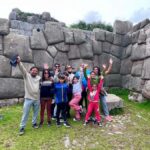
I especially love the stop at Sacsayhuaman, where you get that mind-bending scale from the huge carved blocks. The tour also mixes photo time, short walks, and explanations, which keeps it from feeling like a museum crawl. One more strong plus: you finish with a chance to relax briefly around llamas and alpacas, then shop a bit for local items.
One thing to watch: your schedule matters. Some departures don’t include the Qoricancha visit (the 9:50 am and 1:50 pm groups), and there’s also time built in for shopping that can feel like more than you expect if you’re racing the clock.
In This Review
- Key highlights worth planning for
- How this Cusco archaeology circuit fits your day
- Entering Qoricancha: Cusco’s Temple of the Sun
- Sacsayhuaman: huge stone blocks and the Inti Raymi link
- Qenqo: a fast ritual-rock stop near Cusco
- Puka Pukara: photo time and guided context on the outskirts
- Tambomachay: the famous Inca shower and why it’s memorable
- Plaza Regocijo finish and the llama/alpaca + shopping pause
- Price and value: what you really get for $15
- Practical tips that make the day smoother
- Should you book this Cusco tour?
- FAQ
- Which sites are included on the tour?
- Does the tour always include Qoricancha?
- What time does the tour start and when does it end?
- How long is the tour?
- What tickets do I need to pay for separately?
- Is transportation included?
- Will I have a guide?
- Where do I meet the tour?
- What should I bring?
- Is food included?
Key highlights worth planning for
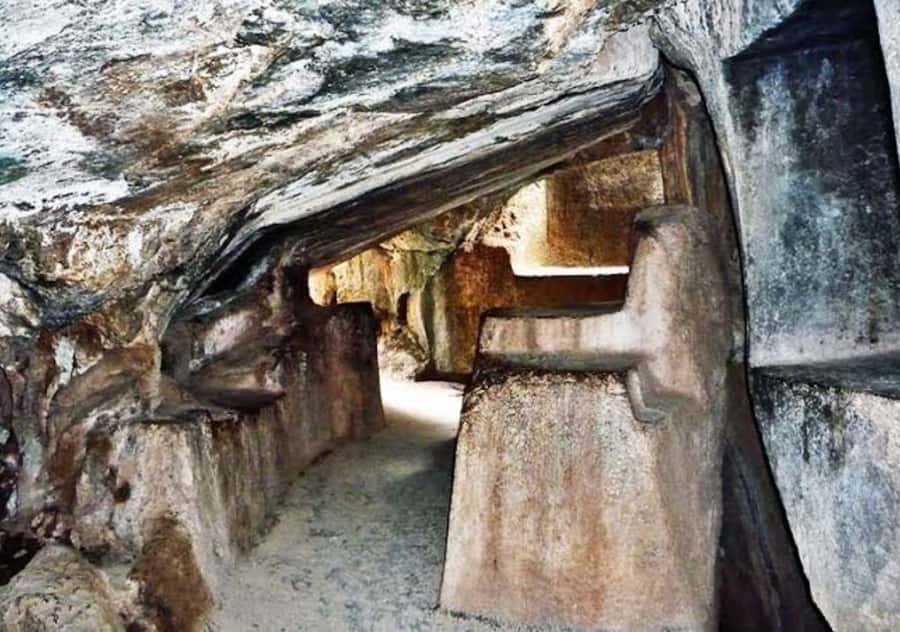
- Qoricancha first: start with the Sun Temple, then read the rest of Cusco ruins with better context
- Sacsayhuaman’s mega-stone effect: big carved blocks plus a link to Inti Raymi
- Four outskirts complexes: Qenqo, Puka Pukara, and Tambomachay as a single rounded route
- Guided + free time mix: short walks and photo stops so you can actually see things
- Llama and alpaca break: a calmer pause plus local shopping before you head back
- Help with tickets: assistance is included, but you’ll still pay for key entrances and the Cusco ticket
How this Cusco archaeology circuit fits your day
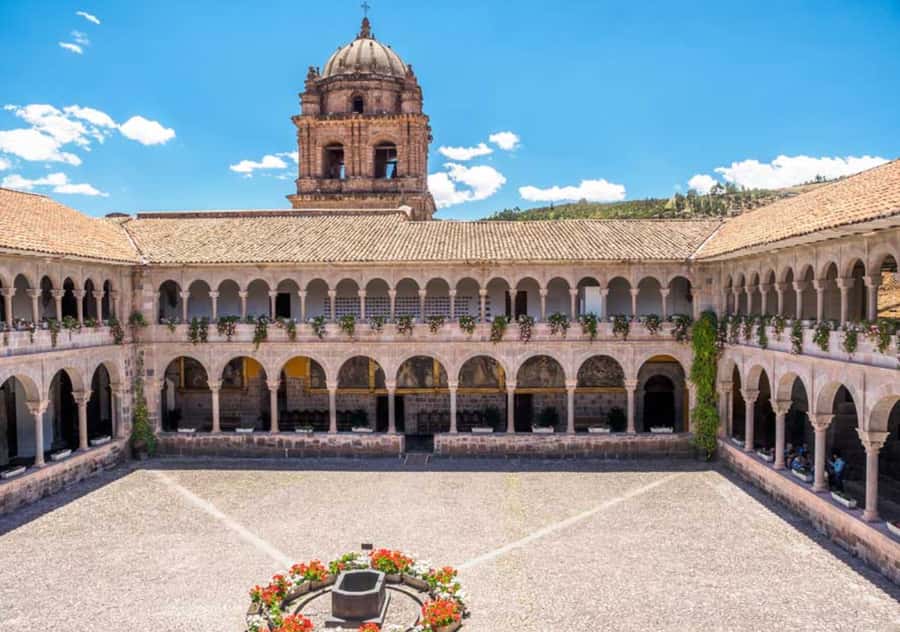
This is a classic Cusco “best of the city” tour, built around archaeology sites on and just outside the city. The overall duration is listed as 330 minutes (about 5.5 hours), but in practice it runs closer to 5 hours with Qoricancha and 4 hours without.
You’ll choose a departure time that matches how long you want to be out:
- Morning with Qoricancha (9:00 am): returns around 1:30 pm to 2:00 pm
- Morning without Qoricancha (10:00 am): returns around 1:30 pm to 2:00 pm
- Afternoon with Qoricancha (1:00 pm): ends around 6:00 pm to 6:30 pm
- Afternoon without Qoricancha (2:00 pm): ends around 6:00 pm to 6:30 pm
That timing detail matters because the tour includes driving between sites plus guided walks. Also note an important schedule wrinkle: the Qoricancha temple is not visited on the 9:50 am and 1:50 pm group, even though some tours are described as starting with it. If Qoricancha is top priority for you, confirm which exact slot you’re booking.
You can also read our reviews of more tours and experiences in Cusco.
Entering Qoricancha: Cusco’s Temple of the Sun
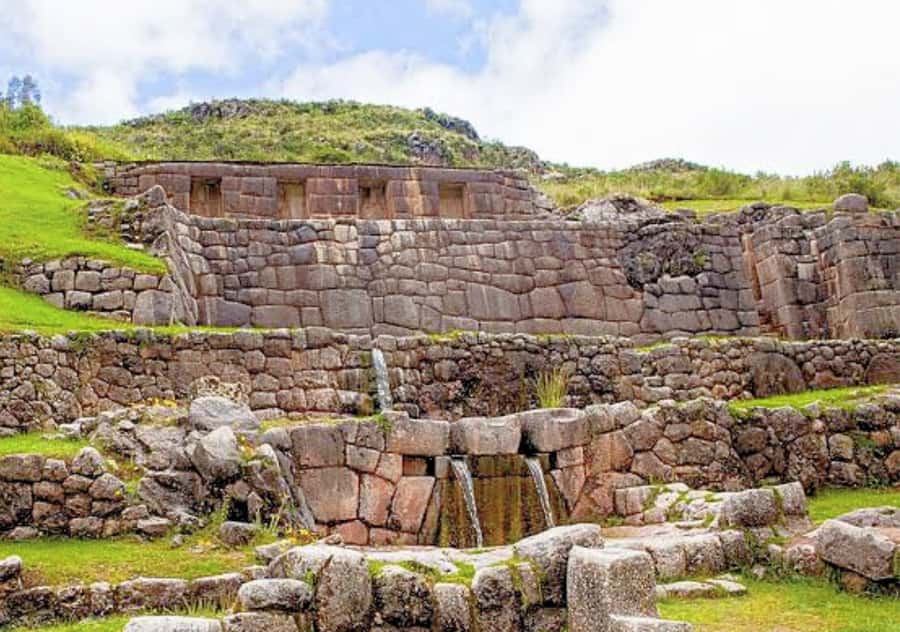
Your first main stop is the Qoricancha complex, meaning the Golden Wall or Temple of the Sun. This was the main place of worship for the Sun God, Inti. It’s a smart starting point because once you grasp what Qoricancha represented, the rest of the ruins feel less random.
Expect a guided visit plus about 40 minutes of free time. That free time is useful because you’ll want a few minutes to look carefully at what’s there and take photos without your guide talking nonstop.
Two practical notes:
- Entrance to Qoricancha is not included. The cost is listed as S/ 20.00 soles per person.
- If you haven’t purchased tickets yet, the tour provides help buying them, but you’re asked to bring cash.
Also, keep your expectations realistic: this is still a city tour with multiple stops. You’ll get guided context, but you won’t have an entire afternoon here like you would on a dedicated Qoricancha-focused visit.
Sacsayhuaman: huge stone blocks and the Inti Raymi link
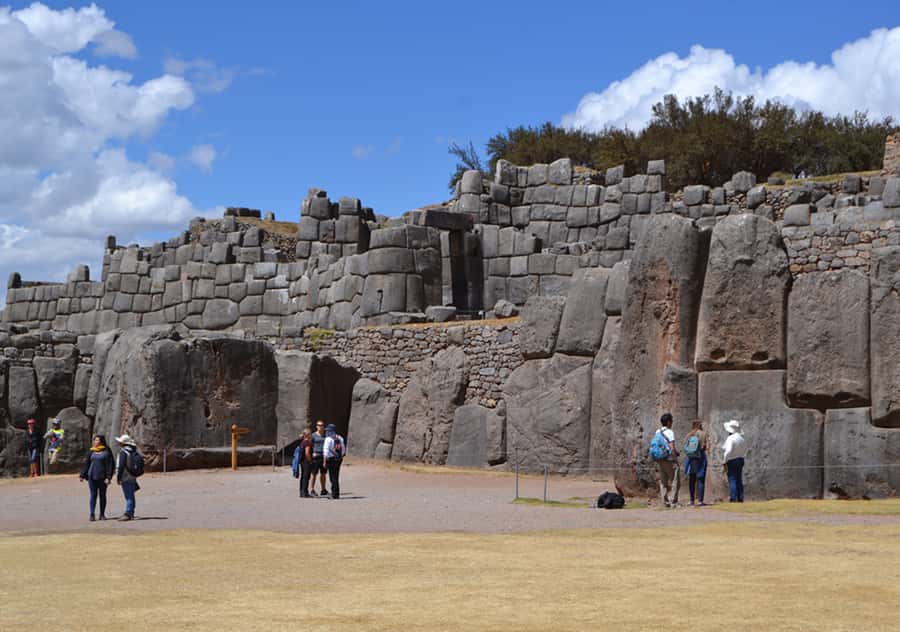
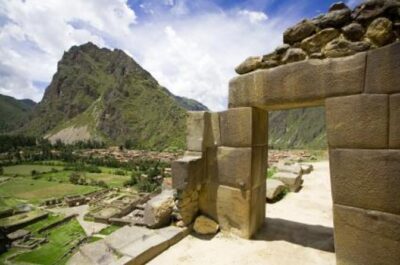
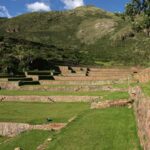
After Qoricancha, you ride a short distance by bus/coach (listed as about 25 minutes) to Sacsayhuaman. This stop is known for the enormous carved stone blocks. If you love “how did they move that” architecture, this is where you’ll feel it.
The tour includes:
- A photo stop
- Guided tour and sightseeing time
- About 40 minutes of walking/free time
What makes Sacsayhuaman more than just impressive rocks is the cultural connection. This complex is famous for hosting the celebration of Inti Raymi, the Festival of the Sun, tied to the winter solstice (as described in the tour info). Even if you’re not visiting during that exact season, the link gives your viewing something to grab onto: you’re not only seeing fortification style stonework—you’re seeing a place with ceremonial importance.
Tip: give yourself a few calm minutes during the walk to look back over the city views if you get them. Even without extra time, that “looking back” moment helps your brain place the ruins in real space.
Qenqo: a fast ritual-rock stop near Cusco
Next up is Qenqo. The itinerary gives a travel hop (about 15 minutes by coach after the Sacsayhuaman segment), then you arrive for a photo stop and guided tour.
This stop includes:
- Photo stop
- Guided visit
- Sightseeing and free time
- About 40 minutes total on site
- A short walk segment
Qenqo can feel more subtle than Sacsayhuaman because you’re not seeing only gigantic blocks. Instead, it’s a place where the Inca relationship to rock and ritual spaces comes through. On a tour like this, the value is that your guide can explain what you’re looking at while you’re still there—rather than you having to puzzle it out later.
If you’re the type who likes to understand details, you’ll get more satisfaction by asking your guide a quick question during the guided part. With limited time, one good clarification can turn a “cool photos” stop into a “now I get it” stop.
Puka Pukara: photo time and guided context on the outskirts
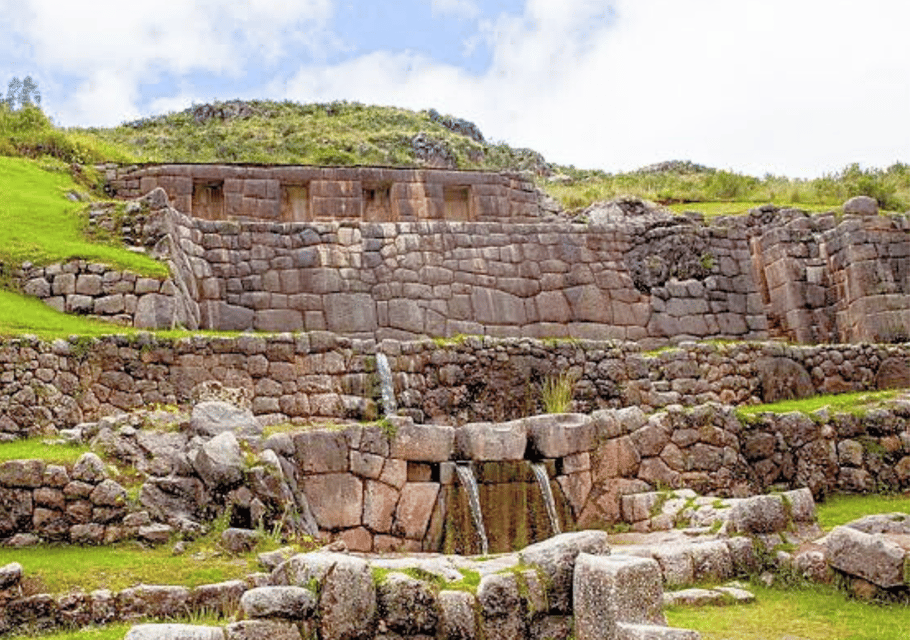
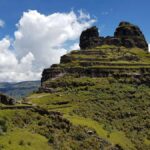
Then you head to Puka Pukara, with a short coach transfer (about 2 minutes listed between stops in the itinerary). This is another archaeological complex where the tour follows a similar rhythm: guided explanation, photo time, and a bit of free roaming.
On site you get:
- Photo stop
- Guided tour
- Free time and sightseeing
- About 35 minutes walking and exploring
This stop plays a useful role in the overall circuit. It breaks up the day between the larger-feeling complexes and the final water-related site (Tambomachay). If you’re trying to fit a lot into one day, that pacing matters. You’re not only collecting ruins; you’re building a sequence.
Just remember: this is still a city tour schedule. If you want to spend a long time with one complex, this itinerary won’t be the place for that. It’s designed for coverage and context in a single pass.
Tambomachay: the famous Inca shower and why it’s memorable
Your final archaeological complex on the tour route is Tambomachay, often described as the famous Inca shower. The itinerary suggests a longer coach transfer here (about 35 minutes) after Puka Pukara, so it’s a later-day finish that gives your legs a break before your last stop.
At Tambomachay, you’ll get:
- Photo stop
- Guided visit
- Free time for sightseeing
- About 40 minutes of walking/free time
What makes Tambomachay stand out is the theme: water. The tour info highlights it as the Inca shower, and that single label is enough to prime you. When you look at the structures, you’ll likely start connecting how water systems and design choices tie into the way the Incas engineered the environment.
Practical tip: wear footwear that works on uneven surfaces. Even though the “walk” times are listed, you’ll still be stepping around in a real archaeological setting, not a paved path with museum rails.
Plaza Regocijo finish and the llama/alpaca + shopping pause
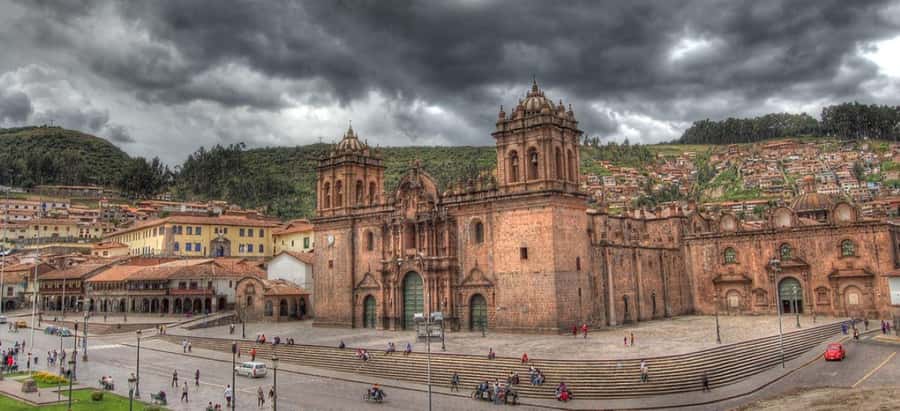
After Tambomachay, you return by coach and finish in Cusco at Plaza Regocijo (listed as the finish point).
Before that final return, the tour includes a special pause for free time with famous Peruvian llamas and alpacas, plus shopping of local products. This is part of the tour’s rhythm, not an optional detour, so plan mentally for it.
Here’s how to make it work for you:
- Use the llama/alpaca time as a reset. Step away from the ruins for a bit.
- If shopping isn’t your thing, keep it quick. Focus on items you can actually carry and use, not just souvenirs.
- If you are pressed for time because of your afternoon plans, watch your clock during the free-shopping window.
This is also where that main review-consideration shows up for many people: if you’re sensitive to time spent buying things, you might want to keep your shopping list short.
Price and value: what you really get for $15
At $15 per person, this tour is priced like a budget-friendly way to see multiple Cusco complexes with transport. But value comes from understanding what’s included versus what you pay separately.
Included:
- Round trip tourist transportation
- Professional guide in English and Spanish
- Permanent assistance
- Guided visits to Qoricancha and the four outskirts sites (as scheduled by your departure)
- Help buying tickets if you haven’t already purchased them (bring cash)
Not included:
- Qoricancha entrance ticket: S/ 20.00 soles per person
- Cusco Tourist Ticket: S/ 70.00 soles per person, or S/ 40.00 for nationals
- Breakfast and lunch are not provided. Morning groups handle breakfast before you leave; afternoon groups handle lunch before you go (and dinner is handled since you return at night).
So is it worth it? If you want a guided, efficient route and you don’t mind splitting time between ruins and the shopping/animal stop, the base price can be a solid deal. If you’re hoping for a slow, deep dive into one site, this price won’t buy that level of attention because the structure is built for coverage.
Practical tips that make the day smoother
Cusco city tours move fast. You can help yourself by packing smart and arriving ready.
Bring:
- Passport or ID card
- Sunglasses, sun hat, and sunscreen
- Water
- Student card (if you qualify for student pricing for tickets)
- Personal medication
Also note what you should not bring:
- Luggage or large bags
- Pets, weapons/sharp objects
- Alcohol/drugs, smoking
- Fireworks/explosives
- Baby carriages
- Littering
One more tip: since the tour says it can help with ticket purchases and asks you to bring cash, don’t show up relying only on card-only habits. Even if you can pay electronically elsewhere in Peru, this specific tour experience is built around cash for ticket help.
Finally, if language matters to you: the guide works in English and Spanish. Depending on the group, the balance can vary. If you prefer one language, mention it at the start so you can hear the explanations you care about.
Should you book this Cusco tour?
Yes, I’d book it if you want one organized day that covers Qoricancha plus the big nearby complexes—Sacsayhuaman, Qenqo, Puka Pukara, and Tambomachay—with transportation and a guide. It’s a good match for first-time Cusco visitors and anyone who wants the “Cusco ruins in context” feeling without planning routes and ticket logistics from scratch.
I’d skip or reconsider if:
- Qoricancha is your must-see, because some group slots don’t visit it
- You dislike tours that include time built into shopping, and you want zero distractions from archaeology
- You’re looking for long, slow time at a single site rather than a multi-stop circuit
If your goal is efficient coverage with enough guided explanation to make the ruins click, this itinerary is a practical way to do it.
FAQ
Which sites are included on the tour?
The tour includes visits to Qoricancha and four archaeological complexes: Sacsayhuaman, Qenqo, Puka Pukara, and Tambomachay.
Does the tour always include Qoricancha?
No. The Qoricancha temple is not visited for the 9:50 am and 1:50 pm groups.
What time does the tour start and when does it end?
Morning groups end around 1:30 pm to 2:00 pm. Afternoon groups end around 6:00 pm to 6:30 pm. Start times are 9:00 am / 10:00 am / 1:00 pm / 2:00 pm, depending on the option you choose.
How long is the tour?
The listed duration is 330 minutes. The schedule also states about 5 hours with Qoricancha and 4 hours without.
What tickets do I need to pay for separately?
You’ll need to pay for the Qoricancha entrance ticket (S/ 20.00 soles per person). You also need a Cusco Tourist Ticket (S/ 70.00 soles per person, or S/ 40.00 for nationals).
Is transportation included?
Yes. The tour includes round trip tourist transportation.
Will I have a guide?
Yes. You’ll have a professional live guide in English and Spanish, plus permanent assistance.
Where do I meet the tour?
Meet at Machu Picchu Jungle Trek, Office 104 (Google Maps: Machu Picchu Jungle Trek, Office 104). On Sundays, pickup is at Plaza de Armas Cusco, next to the Inca fountain.
What should I bring?
Bring passport or ID, sunglasses, sun hat, sunscreen, water, student card (if applicable), and personal medication. The tour also advises bringing cash for tickets.
Is food included?
No. Morning groups need to have breakfast before departing. Lunch and dinner are not included (morning groups return around lunchtime; afternoon groups return at dinner time).