REVIEW · CHINCHERO VILLAGE TOURS
From Cusco: Chinchero Weavers, Moray, Maras Salt Mines Tour
Book on GetYourGuide →Operated by Viaja con Amaru Explorer · Bookable on GetYourGuide
Inca agriculture can feel like a science project in the Andes. I love the Moray stop because those circular terraces clearly show how the Incas tested crops in different microclimates, not just built pretty ruins. I also liked how the day keeps moving to real, working places like the Maras salt ponds, where you can connect geology to daily life.
The main consideration is that part of what you see involves paid entrances, so plan for a bit of cash on top of the low base price.
In This Review
- Key Points Before You Go
- Cusco Pickup to Moray: Why This Tour Starts Early
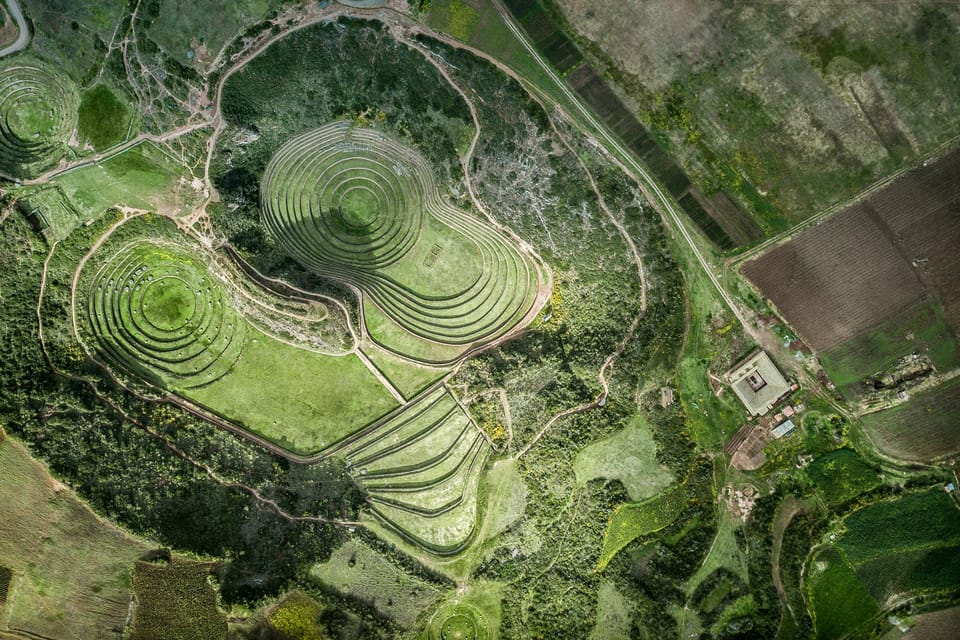
- Moray’s Circular Terraces: The Inca Agricultural Laboratory
- What could feel tricky
- Maras Salt Mines: 3,500 Ponds and the Salt-Work Reality
- Entrance fee note
- Chinchero in the Afternoon: Weaving Process and Local Salt-Pond Views
- Why Chinchero matters for the full story
- Timing and Pace: A Useful 6-Hour Loop
- Price and Value: How $13 Adds Up (With Entrances)
- What the Guide Style Can Change for You
- Practical Tips: What to Bring and What to Skip
- Should You Book This Cusco Moray–Maras–Chinchero Tour?
- FAQ
- What time does the tour start and when do you return to Cusco?
- How long is this tour?
- What is included in the price, and what costs extra?
- How much are the entrance fees for Moray and Maras?
- What languages does the guide speak?
- What should I bring with me?
- Is there free cancellation?
- Is the tour suitable for wheelchair users or people with pre-existing medical conditions?
Key Points Before You Go
- Moray’s circular terraces: an Inca agricultural laboratory with changing climates by level
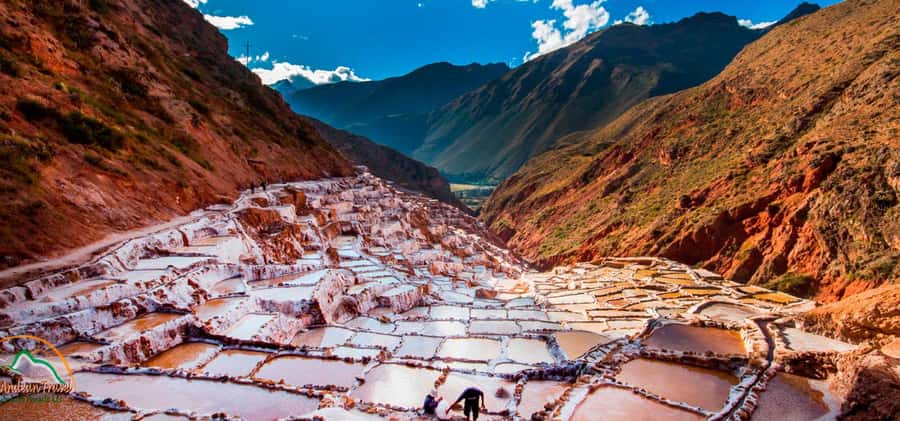
- More than 3,500 Maras salt ponds: salt production tied to claims of medicinal properties
- Chinchero textiles: get context for the weaving process you’ll see up close
- Bilingual guiding (Spanish and English): clear explanations that keep the day understandable
- Efficient route from Cusco: a single morning-to-afternoon flow, returning around 15:00
Cusco Pickup to Moray: Why This Tour Starts Early
This is a classic Cusco-area day trip. You start with hotel pickup from the historic center at 8:00 a.m., then head out toward Moray first, when the light is usually best for seeing the terrace shapes.
What I like about doing Moray early is simple: you get the big idea fast. Moray is the kind of place where understanding comes before you start taking photos. Once you grasp what those terraces are doing, the rest of the day makes more sense.
The tour runs about 6 hours, and you’re back in Cusco around 15:00. Since lunch isn’t included, you’ll want a plan for what you do after you return.
You can also read our reviews of more tours and experiences in Cusco.

Moray’s Circular Terraces: The Inca Agricultural Laboratory
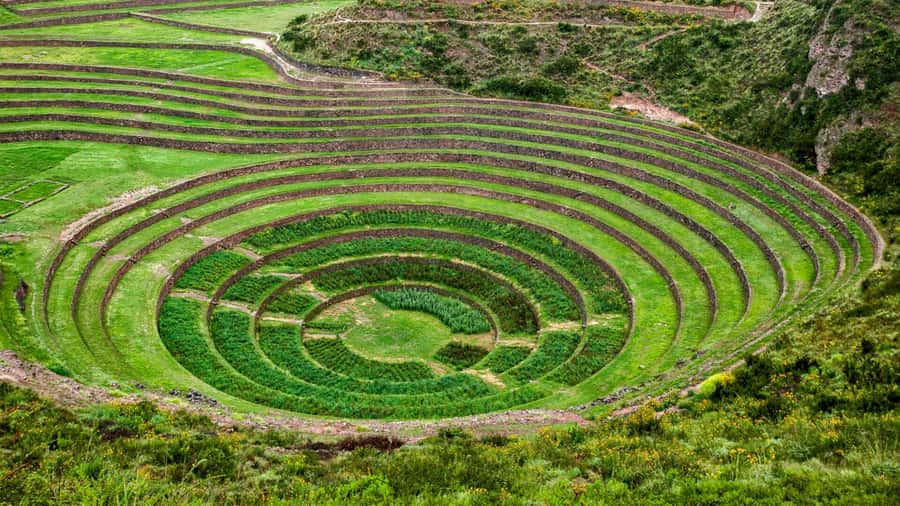
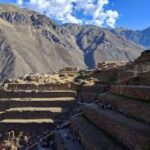
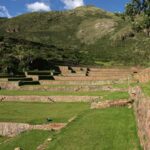
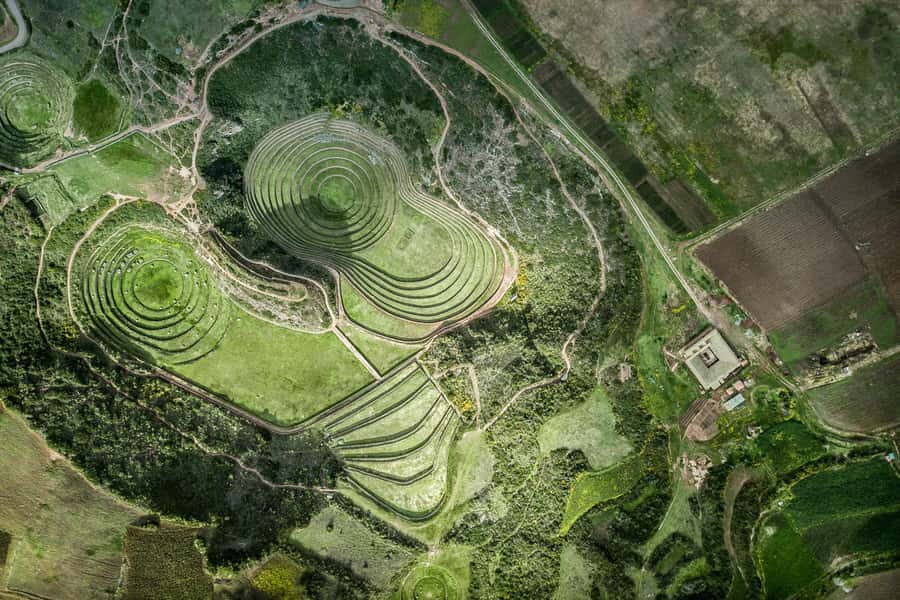
Moray is called an agricultural laboratory for a reason. The terraces are arranged in circles, and the key detail is that each terrace has a different climate. That means the site isn’t just about stonework. It’s about experimentation: growing conditions shaped by height, temperature, and exposure.
When you stand there, you can almost imagine Incas testing crops and timing. It’s a strong reminder that Inca engineering wasn’t only roads and temples. It was also how to coax food out of mountain geography.
If you like learning while you look, Moray is a great anchor stop. A bilingual guide can translate the big concept quickly, so you don’t feel lost staring at terraces that look similar.
What could feel tricky
Moray has a partial tourist entrance fee. The cost is listed separately, so budget ahead instead of assuming everything is rolled into the $13 rate.
Maras Salt Mines: 3,500 Ponds and the Salt-Work Reality
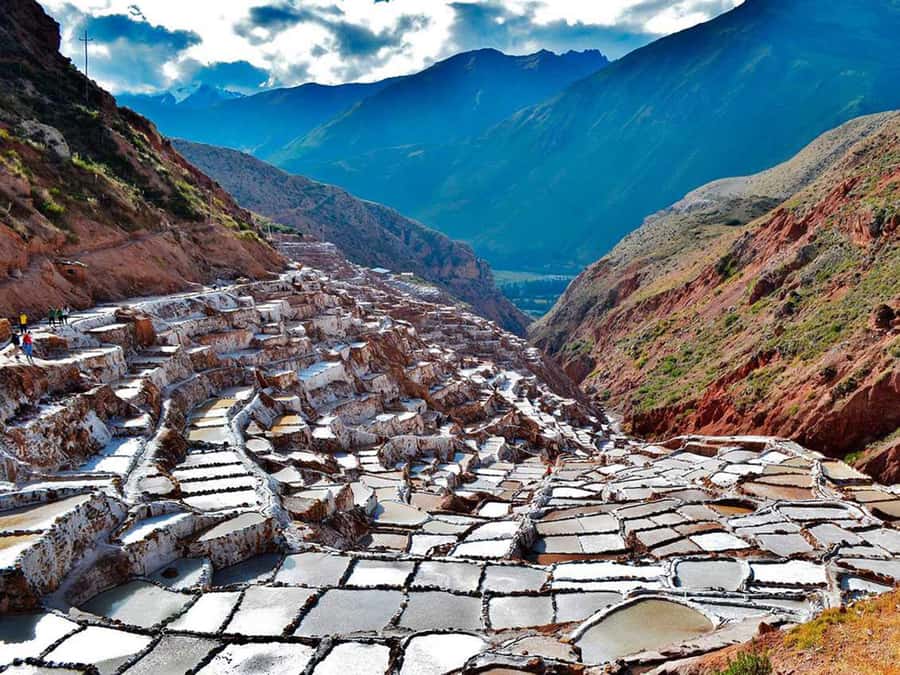
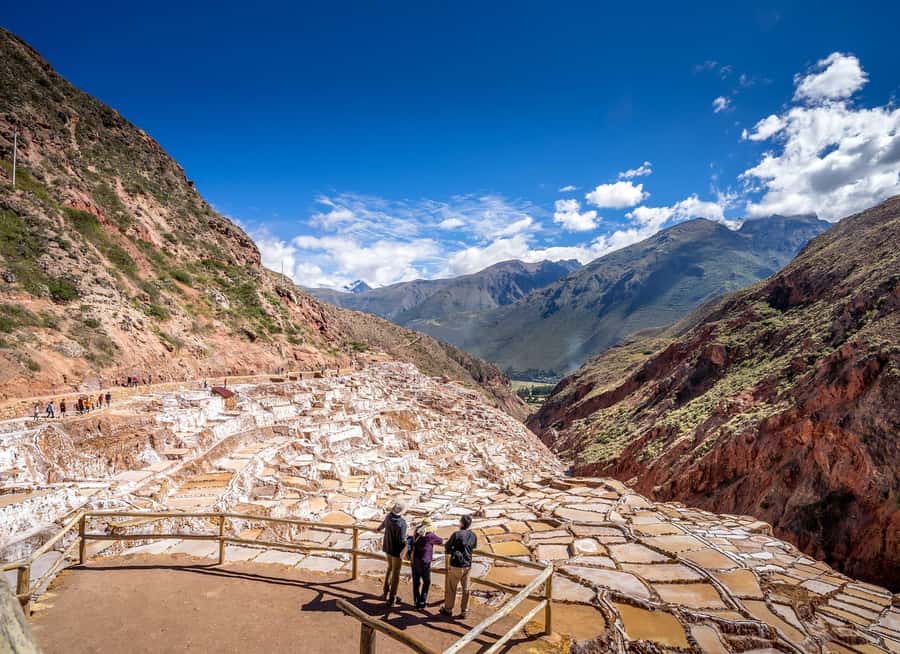
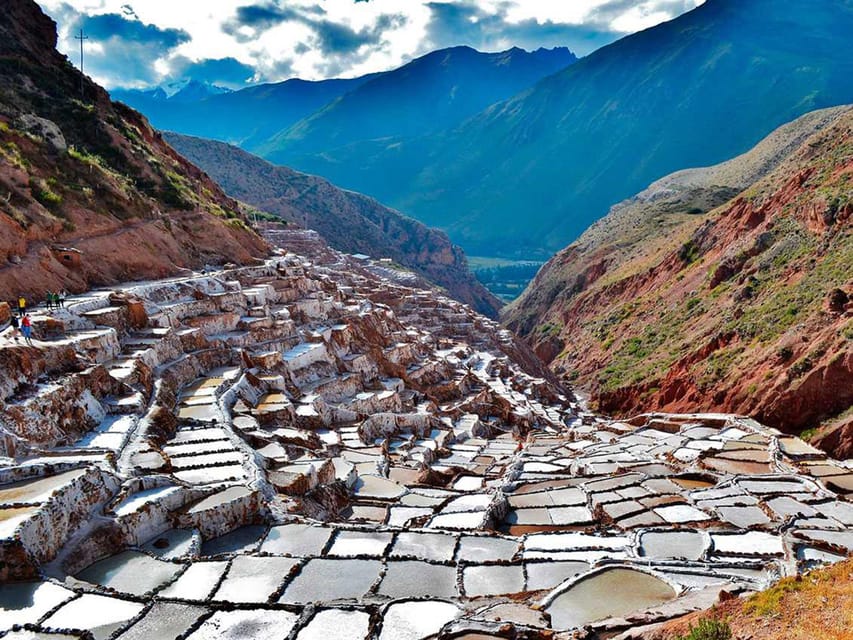
After Moray, you go to the salt mines of Maras. This is where the day shifts from “agricultural lab” to “working landscape” (in the practical sense). You’ll see more than 3,500 salt ponds, stacked and laid out so you can spot the system visually.
The tour information also notes medicinal properties associated with the salt. I’d treat that as the kind of claim people repeat locally: interesting context, but don’t expect the tour to turn it into a medical lecture. The value here is the scale and how the ponds relate to the terrain.
This stop is also a good place to slow down for photos because the geometry is strong. The ponds can look repetitive at a distance, but up close you notice how they’re organized. That organization is part of what makes the salt production legible.
Entrance fee note
The salt mines entrance is separate. The listed price is S/. 15.00 (or about $5.00), so keep that in mind when you total up the day.


Chinchero in the Afternoon: Weaving Process and Local Salt-Pond Views
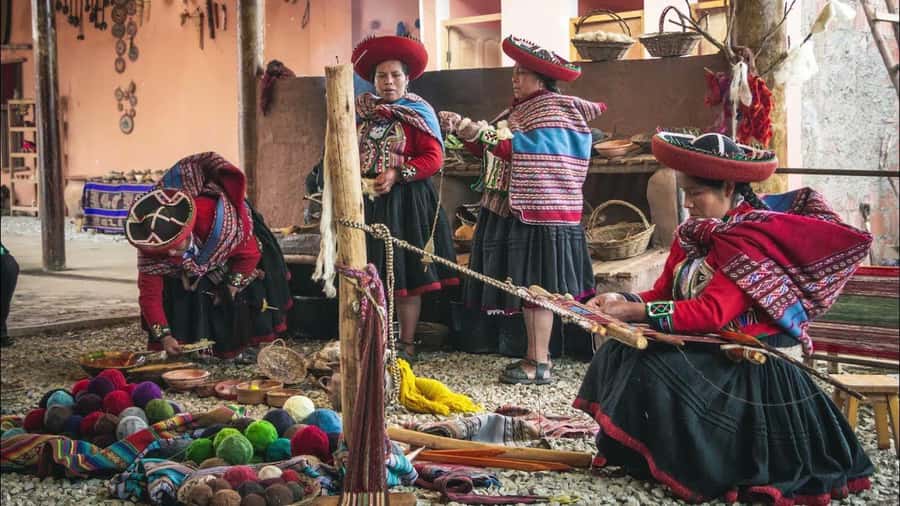
Your final stop is Chinchero, in the Cusco region. The tour highlights focus on textiles, and the flow of the day supports that. After learning about controlled climates at Moray and salt production at Maras, Chinchero is a change of pace: people, craft, and what comes from the land in another form.
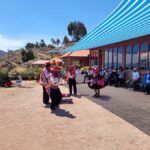
The experience name includes Chinchero weavers, so you’ll want to pay attention to the textile process as you’re shown and explained. Even if you’re not a craft expert, the guide can help you connect materials and methods to what you see.
One more detail from the plan: Chinchero is described as a place where you can observe salt ponds. That may sound unusual coming after Maras, but it’s useful context. It helps you see how salt and daily production can show up in more than one corner of the region, not just as a single famous viewpoint.
Why Chinchero matters for the full story
This day trip isn’t only scenic. The order is the point: you go from how people managed agricultural conditions, to how they extracted mineral salt, to how they produce textiles. That arc gives you a more complete sense of how life around Cusco can be shaped by environment and technique.
Timing and Pace: A Useful 6-Hour Loop
The itinerary is built around a simple rhythm: Moray → Maras → Chinchero → back to Cusco. With pickup at 8:00 and return around 15:00, it’s long enough to feel like a real outing, but not so long that you lose the afternoon to transit.
I also think this kind of structure is ideal for first-time Cusco visitors. You get multiple highlights in one day without needing to coordinate transport between locations on your own.
A strong point from the experience: the guide style is reported as energetic and smart, with lots of information. You’ll also want a guide who can keep your group moving so you have time to enjoy the sights rather than just rushing past them.
Price and Value: How $13 Adds Up (With Entrances)
The headline price is $13 per person, and that’s attractive for what you get. Included in that rate are hotel pickup within the historic center, round-trip transportation, and a professional bilingual guide (Spanish and English).
But here’s the honest part: Moray and Maras entrances are not included.
- Moray entrance: S/. 70.00 (or about $20.00)
- Maras salt mines entrance: S/. 15.00 (or about $5.00)
- Lunch: not included
So your “true” total depends on those adds. Even with them, the day can still be good value because you’re paying for guide time and transport for multiple stops. You’re not just buying entry tickets and hoping you figure it out.
If you’re traveling on a tight budget, the key move is simple: bring cash for the separate fees and plan for lunch on your own when you return to Cusco.
What the Guide Style Can Change for You
This tour lives or dies by the guide. The good news is that the guide format is built for clarity: bilingual Spanish and English, with real explanation rather than just a checklist.
One helpful detail from a past experience is how guides switch languages without losing momentum, plus how they keep the group comfortable with enough time at the sights. I especially like when a guide can explain why something matters while you’re standing in front of it—that’s when Moray’s climate idea really clicks.
There’s also mention of avoiding crowded spaces. I can’t promise every tour will have the same crowd experience, but routing matters. If your guide keeps you out of the most congested moments, you’ll spend more time actually looking and less time stuck near the same photo spot.
Practical Tips: What to Bring and What to Skip
You’ll be outdoors for parts of the day, so bring the essentials listed for the tour:
- Camera
- Sunscreen
- Water
- Cash (for entrances)
A couple of rules are also spelled out: no alcohol and drugs. It’s standard for tours, but it’s worth repeating because salt-and-sight days tend to include long stretches where you don’t want anyone feeling off.
Also, the pickup is from the historic center. If your hotel is outside that zone, you may need to coordinate—so double-check your lodging location with the supplier when you book.
Should You Book This Cusco Moray–Maras–Chinchero Tour?
I’d book it if you want a guided day that connects three themes—agriculture, salt production, and textiles—without extra planning headaches. The route is efficient, the guide format is bilingual, and Moray plus Maras is a powerful combo for anyone who likes understanding how people used their environment.
Skip it (or at least reconsider) if you have mobility limits or health concerns, since the tour isn’t suitable for wheelchair users or people with pre-existing medical conditions. Also remember lunch isn’t included, so you’ll want to be okay handling food after the tour ends.
FAQ
What time does the tour start and when do you return to Cusco?
The tour starts at 8:00 a.m. with pickup from your hotel in Cusco’s historic center. You’ll return at approximately 15:00.
How long is this tour?
The duration is 6 hours.
What is included in the price, and what costs extra?
Included are hotel pickup (within the historic center), round-trip transportation, and a professional bilingual guide. Lunch is not included, and entrances at Moray and the salt mines of Maras are extra.
How much are the entrance fees for Moray and Maras?
Moray has a partial tourist entrance fee of S/. 70.00 (or about $20.00). The salt mines of Maras entrance fee is S/. 15.00 (or about $5.00).
What languages does the guide speak?
The guide speaks Spanish and English.
What should I bring with me?
Bring a camera, sunscreen, water, and cash.
Is there free cancellation?
Yes. You can cancel up to 24 hours in advance for a full refund.
Is the tour suitable for wheelchair users or people with pre-existing medical conditions?
No. It is not suitable for wheelchair users and people with pre-existing medical conditions.