REVIEW · SACSAYHUAMAN & INCA RUINS
From Cusco: City tour 4 ruins + Qoricancha
Book on GetYourGuide →Operated by Chullos Travel Peru · Bookable on GetYourGuide
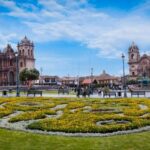
Cusco feels like a history test you can walk. This Cusco city tour packs Qoricancha (Temple of the Sun) and four major archaeological stops into one afternoon, with a guide explaining how Inca beliefs and Spanish influence played out in the same places. It starts in Cusco’s Plaza de Armas, then quickly heads out to the ruins so you’re not wasting your limited first-day time.
I love the way the route mixes different Inca purposes in just a few hours. You’ll see Sacsayhuamán’s stone military might, Qenqo’s ceremonial setting on natural rock, and then end with Tambomachay’s canals tied to water and purification. Another plus is that the tour includes tourist transport and a bilingual guide in English and Spanish, so you’re not stuck piecing things together at every stop.
One caution: the sightseeing entrance tickets (boleto turístico) are not included in the $11 price. That can be the difference between a smooth trip and one where you’re scrambling to buy tickets while trying to keep up with the group.
In This Review
- Key points to know before you go
- Meeting at Plaza de Armas: timing, pickup, and pacing
- Qoricancha: Temple of the Sun and the Inca–Spanish blend
- Sacsayhuamán’s stone power and Qenqo’s ritual rock
- Puca Pucará and Tambomachay: defense and water purification
- Price and ticket strategy: what $11 covers and what it doesn’t
- What to bring for Cusco altitude and uneven ground
- Is this the right tour for you?
- Should you book this Cusco city tour?
- FAQ
- How long is the Cusco city tour?
- How much does the tour cost?
- What sites are included in the tour?
- Where do we meet in Cusco?
- What are the tour time shifts?
- Is the entrance ticket included in the price?
- What’s included besides the guide?
- What languages are offered?
- What should I bring for the tour?
- Is the tour suitable for people with vertigo?
Key points to know before you go
- Qoricancha first: You start at the religious complex tied to the Temple of the Sun, with explanations of the Inca–Spanish mix.
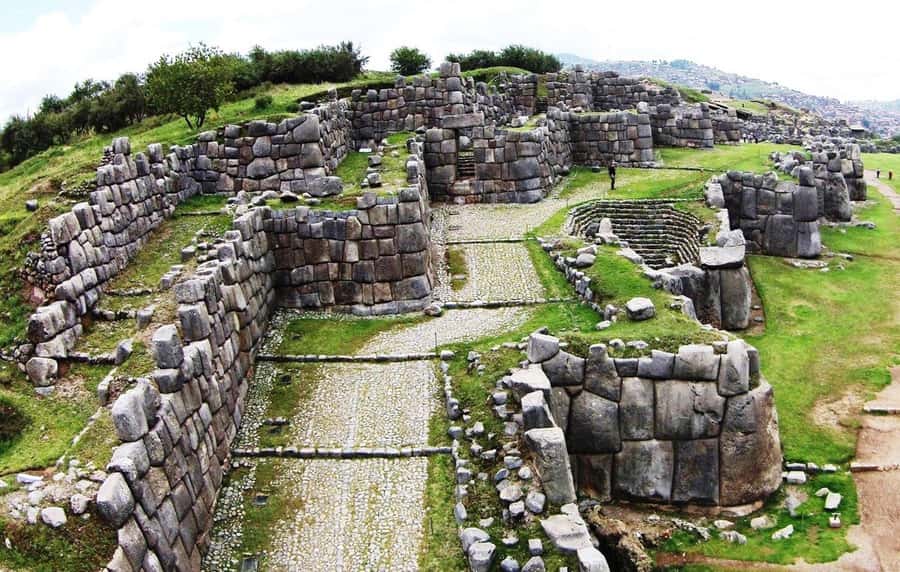
- Sacsayhuamán’s construction: Expect a focus on Inca military architecture and tightly assembled stone walls.
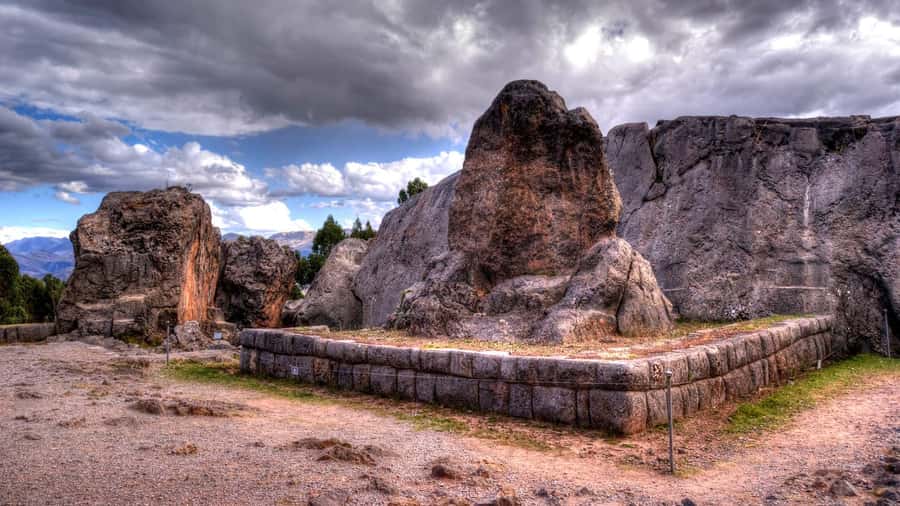
- Qenqo’s ritual rock: The ceremonial center is built into a natural rock formation, so the setting matters as much as the story.
- Puca Pucará as a defensive stop: You’ll learn how walls, terraces, and stairways fit into Cusco’s defensive system.
- Tambomachay and water worship: The final stop centers on purification and water, known for canals and fountains.
Meeting at Plaza de Armas: timing, pickup, and pacing
This tour is built around a clear meeting point: Cusco’s Plaza de Armas. You meet there, then walk about three blocks to begin at Qoricancha, so you’re not spending the first hour commuting. The morning shift runs roughly from 8:40–9:00 a.m. to about 2:30 p.m., and the afternoon shift runs roughly 12:40–1:00 p.m. to about 6:30 p.m.
Pickup is handled through your guide: they’ll write or call you about 15 minutes before pick-up, and you should wait in the hotel lobby for around 10 minutes. That matters because Cusco streets can be confusing, and it’s easy to lose time if you’re out wandering without a meet-up plan. Also note that on Sundays, site hours may vary, so your timing might shift.
Pacing is the real make-or-break. You’re visiting four archaeological sites plus Qoricancha in a 5-hour window, so you should expect short guided stops rather than long, slow wandering. Bring comfortable shoes and plan on some uneven ground and stairs between viewpoints.
One practical move: if you want this tour to be your first day in Cusco, it can help you get your bearings fast. Just remember that altitude still affects how long you can comfortably move between stops, so keep your effort steady.
You can also read our reviews of more city tours in Cusco
Qoricancha: Temple of the Sun and the Inca–Spanish blend
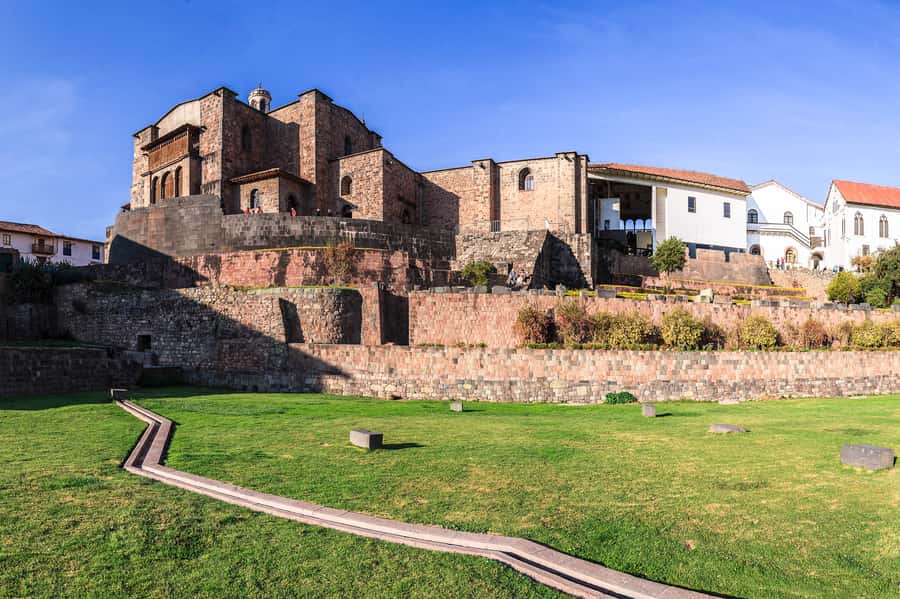
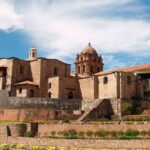
Qoricancha is where the tour really earns its name. You’ll begin with a guided visit to the religious complex, introduced as the Temple of the Sun, and you’ll learn why it was so important in the Inca world. The highlight here isn’t only the ruins itself, but how the guide explains the blend of Inca and Spanish influence.
Starting at Qoricancha first is smart. By the time you’ve seen other sites, your brain starts comparing construction styles and religious purpose; Qoricancha gives you a foundation for that comparison. It also keeps the most iconic stop near the start of your day, when your energy is typically highest.
What to watch for during the guided portion: you’ll get context that helps you read the site as more than a photo stop. The tour’s framing leans toward religious meaning, so ask your guide questions if you want to understand why this place mattered beyond its architecture.
From a comfort standpoint, arrive ready for sun and light. Cusco can be bright, and you’re on a schedule, so sunglasses and sunscreen aren’t optional. If you tend to feel the altitude, drinking coca tea before the tour can help prevent altitude sickness, and it’s an easy thing to do before you meet at Plaza de Armas.
Sacsayhuamán’s stone power and Qenqo’s ritual rock
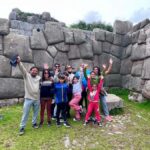
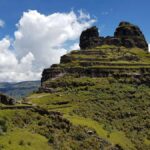
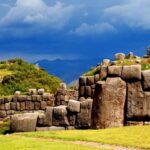
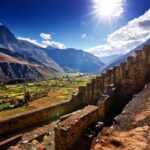
Next comes Sacsayhuamán, one of the most imposing Inca sites around Cusco. The tour focuses on it as an example of Inca military architecture, famous for those massive stone walls that fit together with impressive precision. Even if you’ve seen Inca stone before, this stop hits differently because the scale feels more “strategic” than “decorative.”
If you’re the kind of traveler who likes explanations tied to what you’re looking at, this is where a strong guide really shows. You’ll get help connecting the site’s design to how Cusco was defended and organized. It’s a great stop for understanding why Inca engineering wasn’t only about temples, but also about control and protection.
After Sacsayhuamán, you’ll head to Qenqo, described as an ancient ceremonial center built on a natural rock formation. That natural setting is the point. The guide’s job here is to connect the space to ritual use, so look at how the rock shapes movement and how the site feels built for ceremony rather than everyday life.
A downside to keep in mind: with a tight schedule, you may not get as much time at each angle as you’d like. Still, Qenqo and Sacsayhuamán are two of the strongest stops on this route, so you’re not paying just to check boxes.
If you have any timing concerns, be proactive. Ask your guide where the best photo points are early, then you can use the remaining minutes without stressing the group pace.
Puca Pucará and Tambomachay: defense and water purification
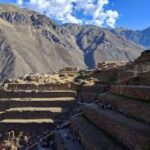
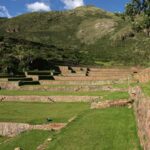
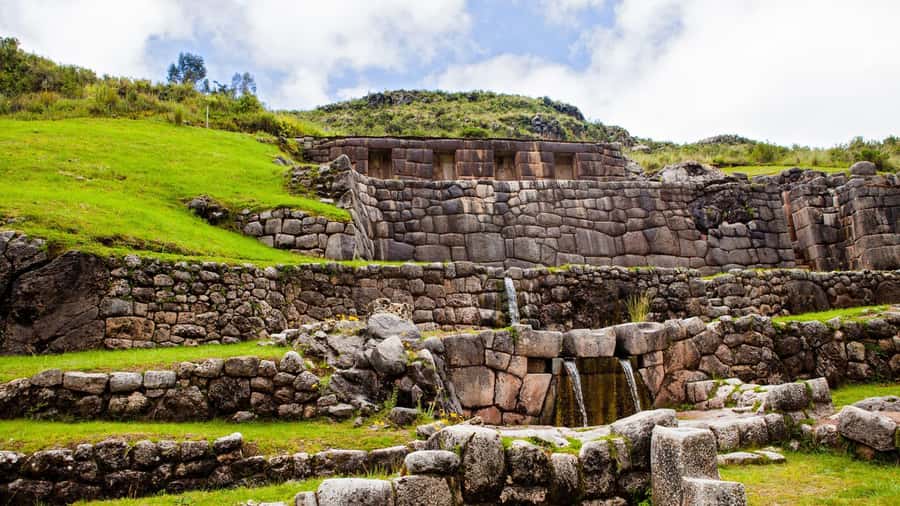
Puca Pucará is the route’s shift toward defense and logistics. You’ll visit a military fortress that was part of Cusco’s defensive system, built with walls, terraces, and stairways. That means the site reads like a set of working platforms designed to manage movement and visibility, not just a carved monument.
This stop is valuable because it completes the “purpose map” you’ve been building. If Sacsayhuamán showed defense at a big, dramatic scale, Puca Pucará helps you see how the surrounding system might have supported that defense.
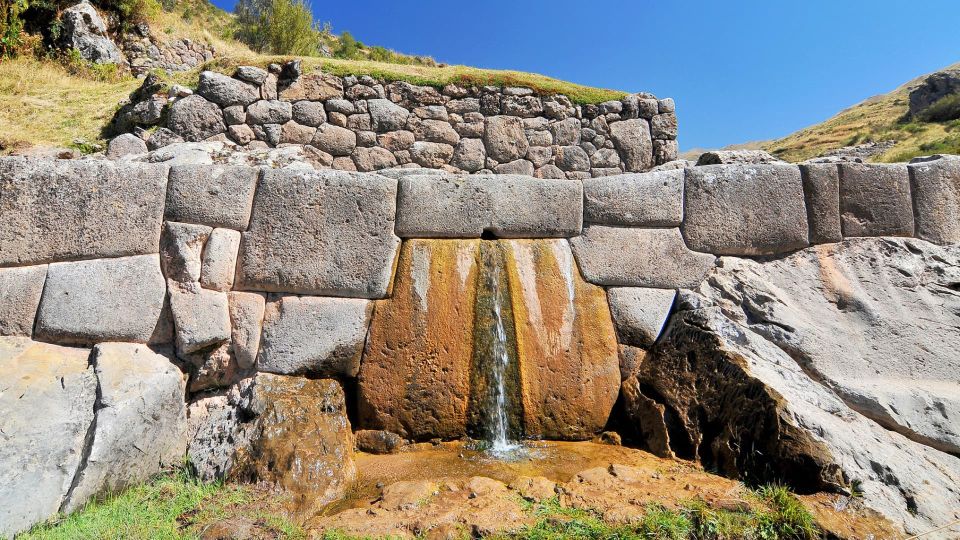
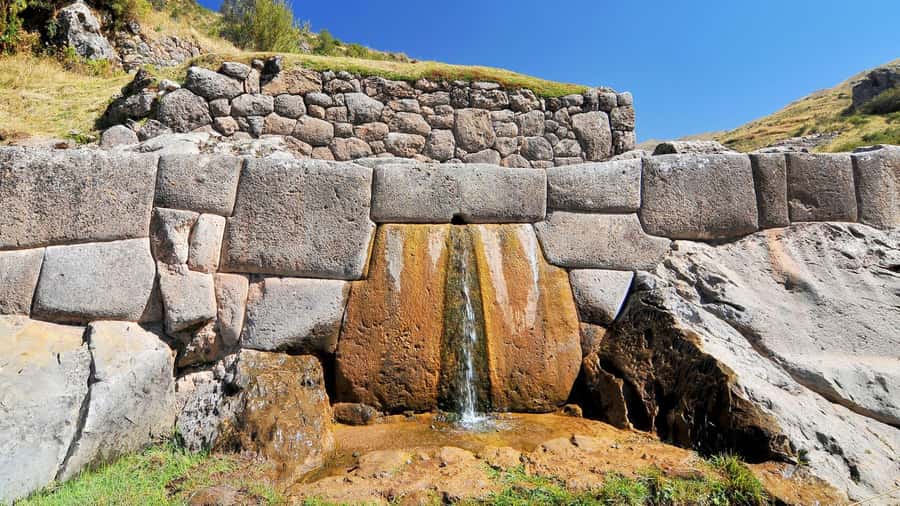
Then the tour ends at Tambomachay, focused on worship of water and purification. You’ll hear about canals and fountains, and the guide ties the setting to the idea of cleansing and ritual water use. It’s a calmer finish than the stone fortresses, which is useful at the end of a packed day.
Tambomachay also makes a good final stop psychologically. After a few hours of forts and ceremonial spaces, water as a theme gives your brain a reset. You might find it easier to absorb the meaning of the site when you’re not also trying to track construction complexity.
One last practical note: bring water and stay mindful of sun. The tour forbids alcohol and drugs, and it also restricts drinks in the vehicle, but that doesn’t mean you should ignore hydration. Plan to drink as needed during breaks and between site sections.
Price and ticket strategy: what $11 covers and what it doesn’t
At $11 per person for a 5-hour Cusco city tour, the price is the kind of value that makes sense for a first visit. You get tourist transport and a bilingual tour guide in English and Spanish, which is the big-ticket convenience factor in Cusco. The trade-off is that entrance tickets are not included.
That means you should budget separately for the boleto turístico (entrances). Since entrances can affect your total cost, your best move is to decide how many sites you’ll visit in your trip. If you plan to see several archaeological areas, it can be worth getting the full ticket rather than paying one-off entrances.
Here’s a useful cost reference from real trip math: one traveler highlighted that the complete tourist ticket was S/ 130, and that students paid S/ 70 for the full option. Even if your exact totals differ, that logic holds: compare your planned list of sites to the available ticket options before you arrive at the counter.
Also remember that timing can matter. If you’re buying tickets on the go, you don’t want to be scrambling last minute while your guide keeps the group moving. If you know you’ll need entrances, plan for it mentally even before the tour starts.
What to bring for Cusco altitude and uneven ground
Cusco can hit you fast. The tour advice is straightforward: comfortable shoes, sunglasses, camera, and sunscreen. A hat is also required, and it’s the sort of small item that makes the difference between enjoying ruins and counting minutes until shade.
For altitude, the guide guidance is practical: drinking coca tea before the tour can help prevent altitude sickness. You don’t need complicated health plans to benefit from that suggestion; just build it into your morning routine if you’re sensitive to altitude.
Because this is an archaeology-and-views kind of day, you’ll also want to dress for changing conditions. You’ll be outside for most of the tour, with bright sun at lower levels and cooler air as you move. The tour info also emphasizes wearing appropriate clothing for the activity.
There are also clear rules. Pets are not allowed. Alcohol and drugs are not allowed, and alcohol is prohibited in the vehicle. Drinks in the vehicle are not allowed either, so don’t count on convenience there.
Lastly, if you have balance issues, take the warning seriously: this tour is not suitable for people with vertigo. The sites include steps and uneven surfaces, and the pacing can move faster than you’d like if you’re already struggling with dizziness.
Is this the right tour for you?
This is a strong choice if you want a fast, guided overview of Cusco’s nearby Inca sites. It’s also a good pick when you prefer structure: you meet at Plaza de Armas, you move in a group, and you learn what you’re looking at with a bilingual guide.
You’ll get the most out of it if you like learning through contrasts. One stop is military architecture, another is ceremonial ritual in a natural rock setting, and another is water purification. That variety helps you see Inca culture as a system, not just a collection of ruins.
It’s especially practical if you’re doing Cusco for the first time. A smart strategy is to schedule this early to acclimate and to understand where key sites sit around the city. After that, you can return later to linger at the places that grab you most.
Who should skip or reconsider: if you have vertigo, this isn’t a good match. If you dislike time-sensitive itineraries, also consider whether you’ll feel rushed at the end. With a tight route, the tour prioritizes coverage over long independent exploration.
A small note on guides: names like Werner and Angélica have come up in positive feedback, and Sam has been mentioned for handling confusion at the Plaza. If your guide is friendly and organized, it can make the difference between feeling informed and feeling swept along.
If you’re traveling during a busy week, give yourself a few extra minutes at the start. Confusion can happen when multiple groups gather at the same plaza, and staying calm helps.
Should you book this Cusco city tour?
Book it if you want good value, included transport, and a bilingual guide to connect Qoricancha with four major Inca sites in one 5-hour block. If you’re choosing a first Cusco outing, it’s a smart way to get oriented around the ruins and start understanding the Inca–Spanish layers you’ll keep seeing.
Don’t book it if entrances are already going to stress your budget or if you need slow, flexible time at each stop. Since entrance tickets are not included, plan for that cost in advance. And if you have vertigo, skip this one for your comfort and safety.
If you do book, the best preparation is simple: wear comfy shoes, protect yourself from sun, and plan your ticket strategy before you meet at Plaza de Armas.
FAQ
How long is the Cusco city tour?
The tour lasts about 5 hours.
How much does the tour cost?
It costs $11 per person.
What sites are included in the tour?
The tour includes Qoricancha, Sacsayhuamán, Qenqo, Puca Pucara, and Tambomachay.
Where do we meet in Cusco?
You meet at Cusco’s Plaza de Armas.
What are the tour time shifts?
There is a morning shift starting between 8:40 a.m. and 9:00 a.m., ending around 2:30 p.m., and an afternoon shift starting between 12:40 p.m. and 1:00 p.m., ending around 6:30 p.m.
Is the entrance ticket included in the price?
No. Entrances (boleto turístico) are not included.
What’s included besides the guide?
Tourist transport is included, along with a bilingual tour guide.
What languages are offered?
The guide speaks Spanish and English.
What should I bring for the tour?
Bring a passport or ID card, comfortable shoes, sunglasses, a camera, and sunscreen. A hat is also required.
Is the tour suitable for people with vertigo?
No, it is not suitable for people with vertigo.