REVIEW · MACHU PICCHU BY TRAIN
Excursion to the Sacred Valley and Machu Picchu by Panoramic Train
Book on Viator →Operated by Illa Kuntur Travel Agency · Bookable on Viator
Two days can feel like a week in the best way. This Cusco to Machu Picchu itinerary strings together Pisac, Urubamba, and Ollantaytambo with a guided citadel visit. I especially like the small-group, door-to-door logistics and the guided structure that keeps you from guessing your way through timing. The main catch to plan around: your Machu Picchu entry ticket is tied to a specific date and time, so changes aren’t simple.
What makes it work is the flow. You start early in Cusco, spend the day in the Sacred Valley, then sleep in Aguas Calientes before your Machu Picchu tour the next day. You’ll also get the scenic train portion back to Ollantaytambo on a Vistadome train, which turns the ride into part of the memory, not just a commute.
If you want a version of Machu Picchu that feels organized but not rushed, this is the kind of trip you look for. A private guide in Machu Picchu is a big deal here, and the logistics team has enough practice to keep the day moving. One last practical consideration: lunch after the Machu Picchu guided tour is not included, so you’ll want to budget for it.
In This Review
- Key highlights that actually matter
- A smooth 2-day route from Cusco to Aguas Calientes
- Pisac in the Sacred Valley: ruins plus the market that feels real
- Urubamba buffet lunch: a practical pause in the middle of the day
- Ollantaytambo and the transition to the train
- Machu Picchu with a private guide: what you’re paying for
- Vistadome return and getting back to Cusco smoothly
- Price and value: what $590 buys you in the real world
- Group size and pacing: small enough to feel handled
- What to know before you go: tickets, dates, and Wayna Picchu
- Who this tour fits best (and who might want another option)
- Quick practical tips to make the most of your two days
- Should you book this Panoramic Train Sacred Valley and Machu Picchu trip?
- FAQ
- How long is the Sacred Valley and Machu Picchu excursion by Panoramic Train?
- What time does the tour start on Day 1?
- Is the Machu Picchu admission ticket included?
- Will I ride the train both ways?
- Where do I stay overnight?
- What meals are included?
- Is Wayna Picchu included?
Key highlights that actually matter
- Pisac + artisan market time so you see ruins and real local craft culture in the same morning
- Buffet lunch in Urubamba included, which saves you from hunting for food between stops
- Private guide at Machu Picchu with a guided tour lasting more than 2 hours
- Trains built into the schedule: round trip via Machu Picchu Panoramic Train, with Vistadome on the return
- Aguas Calientes hotel night included so you’re not fighting timing on the same day
A smooth 2-day route from Cusco to Aguas Calientes
This trip is designed around one simple idea: reduce your stress. You get picked up from your hotel in Cusco (starting around 7:30 am), then the day is handled with transport between sites, guided time where it counts, and transfers timed for your train and bus connections.
You’ll spend Day 1 moving through the Sacred Valley and then end the day in Aguas Calientes, where you stay overnight. On Day 2, you do Machu Picchu with your guide, descend back to Aguas Calientes for lunch on your own, then continue by train back to Ollantaytambo and finish with a transfer back to your Cusco hotel.
That structure matters because Machu Picchu is not forgiving. Entry is limited, tour pacing is real, and the citadel sits at elevation. A schedule that already locks in transport and admission saves you from last-minute scrambling.
You can also read our reviews of more tours and experiences in Cusco.

Pisac in the Sacred Valley: ruins plus the market that feels real
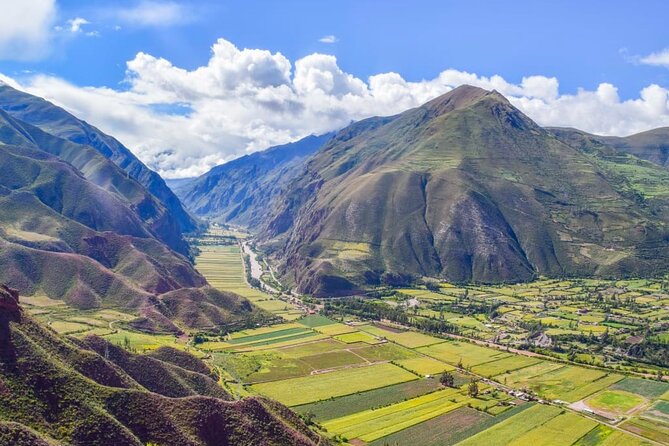
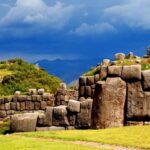
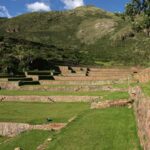
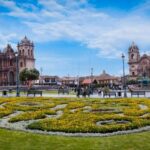
Day 1 starts in Parque Arqueológico Pisac with a guided visit. This is the part of the day where you get context fast: why Pisac matters, what you’re looking at, and how the site fits into the broader Sacred Valley story. The tour also sets you up visually for what comes later at Ollantaytambo and Machu Picchu because you start noticing how the Incas used the terrain.
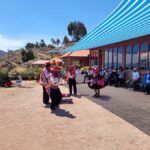
After the ruins, you stop at the Pisac artisan market. This isn’t just a random shop break. It’s one of the few times on the route when you’re likely to slow down and browse textiles and jewelry at a human pace. If you like understanding local craftsmanship, it’s a smart addition to balance the heavy “look at stone” side of the day.
The main trade-off is time. Market stops can eat into your ability to linger at viewpoints, and Pisac is popular. If you’re the type who wants to wander freely and take your time with photos, keep your expectations realistic and use the guided portion to get oriented, then spend your unstructured moments wisely at the market.
Urubamba buffet lunch: a practical pause in the middle of the day
Once you reach Urubamba, the tour includes a buffet lunch. I like this kind of included meal because it removes a common headache: finding food that works for the schedule you’re on. A Sacred Valley day involves multiple transfers, so having lunch “solved” helps you keep energy for the afternoon.
The buffet format also tends to be easier for different appetites and dietary needs than a set menu, though the specific options aren’t listed here. If you’re sensitive about what you eat, it’s still a good idea to stick to what looks fresh and choose familiar items.
After lunch, you head onward toward Ollantaytambo, which sets up the next phase of your trip: the train segment.
Ollantaytambo and the transition to the train
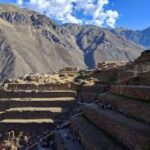
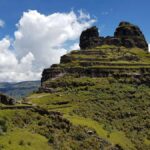
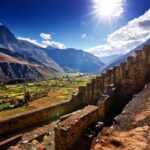
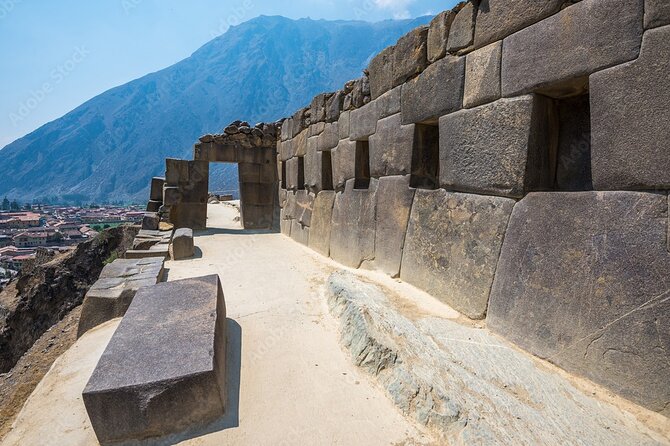
Ollantaytambo is more than a stop on the way. It’s a major link in this travel chain, and it’s where you shift from road transport to rail travel. The itinerary includes time to visit Ollantaytambo before boarding, which helps you get a sense of why this area is so important geographically and historically.
Then you board the train to Aguas Calientes. The ride is listed as 1 hour and 40 minutes, and that timing matters because it helps you end the day without losing the whole evening to transport. You’re also traveling with the plan already in place: the train is part of the package, not something you have to figure out separately.
Here’s what I think this does well for you: it makes your first day feel complete. You see sites, you eat, you transition, and then you land in your overnight base. That’s the difference between a tour that feels like a checklist and one that feels like a journey.
Machu Picchu with a private guide: what you’re paying for
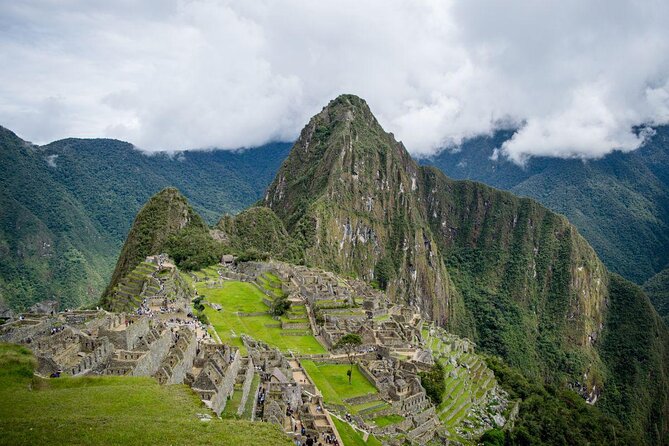
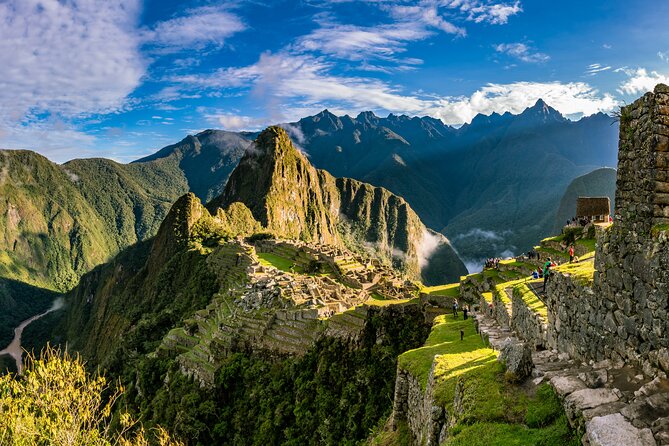
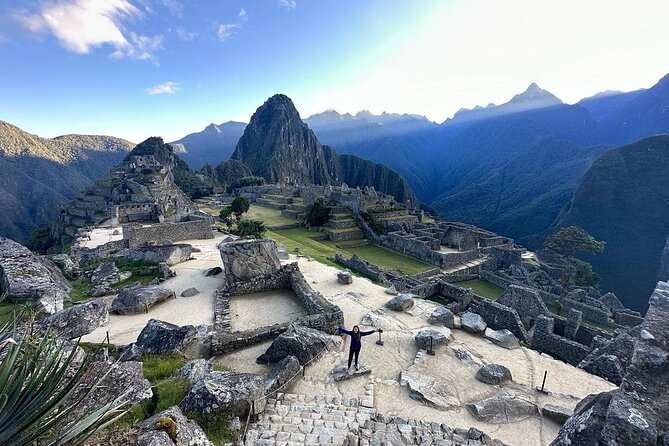
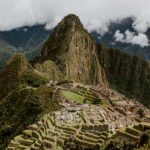
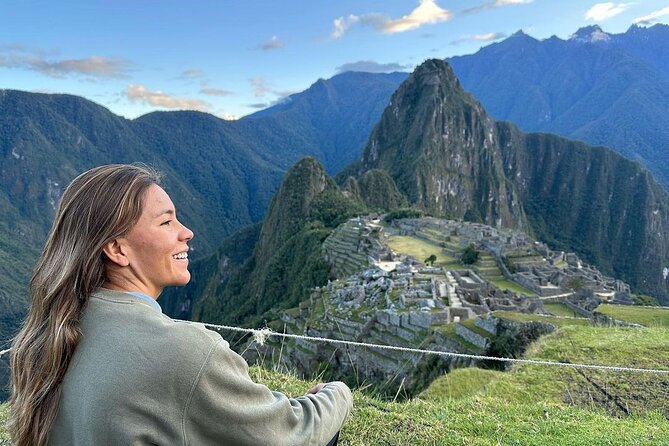
The next morning, you head toward Santuario Histórico de Machu Picchu after breakfast at your hotel. You pass through entrance controls, then start the guided tour with your private guide. The tour lasts more than 2 hours, which is enough time to do more than point at stones.
This is one of the most praised parts of the experience. The guides Rubin and Samuel have been specifically singled out for being among the best, and that lines up with what you’d want at Machu Picchu: clear explanations, a steady route through the areas that matter, and a pace that doesn’t leave you behind.
The biggest value of a private guide here isn’t just facts. It’s clarity. Machu Picchu can feel like a blur if you don’t know what you’re looking at. With a guided route, you can focus your attention where it counts instead of guessing which structures to prioritize.
A practical note: after the guided time at Machu Picchu, you descend by bus to Aguas Calientes. Lunch in Aguas Calientes after the tour is not included, so plan for that meal on your own. If you’re traveling with a tight budget, that’s your one clear “extra” on Day 2.

Vistadome return and getting back to Cusco smoothly
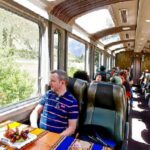
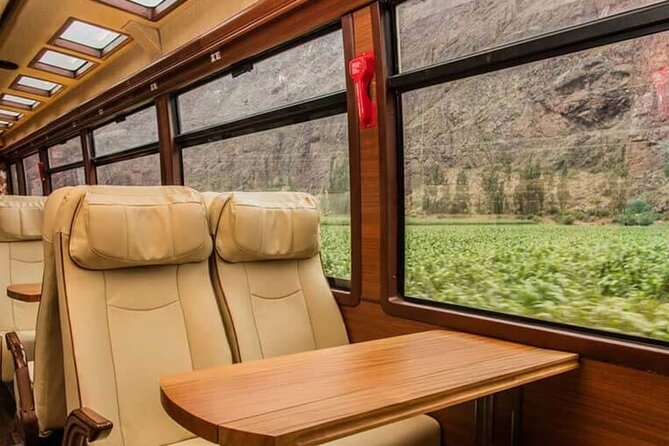
In the afternoon, you take the train back toward Ollantaytambo. The itinerary calls out the return as the Vistadome train, and that’s a real quality-of-life upgrade. Train views are part of the experience here, and since you’re already going from Aguas Calientes to Ollantaytambo, the scenic element can help the day feel less like “back to normal” and more like “I did it.”
Once you arrive at Ollantaytambo station, the tour includes a transfer back to your Cusco hotel on Day 2. I like that part because it closes the loop. You’re not trying to coordinate last-mile transport after a long day of sight-seeing and timing-driven travel.
The result is a trip that ends with less fatigue. You still get the full Machu Picchu day, plus the train ride, but you don’t have to solve logistics at the end when you’re most tired.
Price and value: what $590 buys you in the real world
At $590 per person, the headline cost sounds high until you break down what’s included. This is not just a train ticket. Your package includes:
- Hotel night in Aguas Calientes (a 3-star option, listed as Terraza de la Luna or similar, and also referenced as Inti Punku Machupicchu Hotel or similar)
- Admission tickets to Pisac and Machu Picchu (valid for the printed date, route, and time)
- Guided touring of the Sacred Valley and a private guided tour at Machu Picchu
- Round trip train service (Expedition or Voyager options for the Machu Picchu Panoramic Train, with Vistadome on the return)
- Bus tickets for the route between Aguas Calientes and Machu Picchu
- Pick up and drop off from your Cusco hotel and the transfer from Ollantaytambo back to Cusco
- A buffet lunch in Urubamba and breakfast at your hotel, plus a bottle of water
When you add it up, the value comes from reducing the biggest risks: buying tickets that don’t match your schedule, missing train connections, and losing time figuring out what goes with what. If you’ve ever tried to DIY Machu Picchu logistics, you know how quickly “simple” becomes stressful.
The main financial considerations that are not included are food and drinks outside what’s listed, plus lunch after Machu Picchu. Also, Wayna Picchu is extra (listed as S/. 200 peruvian soles) and needs advance booking.
So for $590, you’re paying for a guided, timed, and transport-linked experience. If that’s your travel style, it’s a solid value.
Group size and pacing: small enough to feel handled
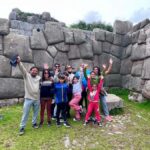
This is set up as a small-group experience, with max 1–10 people, and also stated as having a maximum of 13 travelers. Either way, the group size is small enough that your guide can keep an eye on the flow, especially on a day where timing matters.
Small groups help in two ways. First, you move faster through the practical parts of the day because there aren’t huge crowds to manage. Second, when you get explanations during guided segments, you’re less likely to feel lost or stuck waiting for everyone else.
The pacing is still real: you’re out early, you travel between multiple stops, and you have guided time blocks. This is not a slow “wander and discover” style trip. It’s an efficient, sight-focused schedule with just enough free space to breathe.
What to know before you go: tickets, dates, and Wayna Picchu
Machu Picchu tickets are limited, and your entry is tied to the specific date, route, and time printed on it. The agency managing the advance purchase helps with the main risk—sellouts—but it also means you should treat your dates as firm.
Wayna Picchu is not included. If you want it, the tour notes an additional cost and that you should book it about one month in advance. That’s a big planning hint: if you’re set on doing it, don’t wait until the last minute.
You should also know the tour requires good weather. If it’s canceled due to poor weather, you’re offered either a different date or a full refund.
From a planning standpoint, I suggest you build this trip as a fixed anchor of your Peru time. If you’re juggling multiple travel days with changeable connections, keep some cushion so your Machu Picchu date stays intact.
Who this tour fits best (and who might want another option)
This is a great fit if you want:
- A guided Sacred Valley route without spending hours researching connections
- A private guide at Machu Picchu, where explanations make the visit feel more grounded
- A packaged train-and-transfer plan that gets you back to Cusco without extra hassle
- A small-group format that stays manageable
It’s less ideal if you want maximum free time to roam on your own. The schedule packs in several major moments, and guided sections take priority. If you’re the type who wants long, slow pauses for photography and wandering, you might still enjoy this, but you’ll need to be intentional with your free time moments.
It also makes sense for travelers who prefer someone else to handle the moving parts. The review feedback highlights that the logistics are planned with care, and that’s exactly what you feel when the day runs on time.
Quick practical tips to make the most of your two days
- Start Day 1 ready to go. Pick-up is around 7:30 am, and you’ll be moving from site to site, not resting between stops.
- Budget for lunch on Day 2. Machu Picchu lunch in Aguas Calientes is not included, and you’ll likely want something quick and filling.
- If you’re considering Wayna Picchu, treat it as a separate plan with its own timing needs.
- Bring a plan for photos. You’ll get great views, but the guided pacing means you can’t always stop whenever you want, so aim your attention and ask your guide about timing when possible.
- Use the train ride as part of the experience. The Vistadome return is listed for the afternoon, so plan to relax during the ride and save your energy for Machu Picchu.
Should you book this Panoramic Train Sacred Valley and Machu Picchu trip?
If you want Machu Picchu with organized logistics, strong guiding, and a small-group pace, I’d book it. The value is in the bundle: Sacred Valley sites plus admissions, guides, train travel, an overnight in Aguas Calientes, and transfers back to Cusco.
My recommendation hinges on one thing: can you commit to your Machu Picchu date? If yes, then this is a smart way to protect your time and reduce risk. If you’re the kind of traveler who might want to flex dates last minute, you’ll want to think harder, because the ticket is date/time specific.
Bottom line: this is a well-structured two-day plan built for people who want to spend less time coordinating and more time seeing—and understanding—what they came for.
FAQ
How long is the Sacred Valley and Machu Picchu excursion by Panoramic Train?
The experience runs for about 2 days, with Day 1 in the Sacred Valley and travel to Aguas Calientes, and Day 2 focused on Machu Picchu and the return to Cusco.
What time does the tour start on Day 1?
Pick-up from your hotel in Cusco begins around 7:30 am, then you travel to the Sacred Valley for the first stop.
Is the Machu Picchu admission ticket included?
Yes. The Machu Picchu admission ticket is included and is valid exclusively for the printed date, route, and time shown on the ticket.
Will I ride the train both ways?
Yes. The package includes round trip train service using the Machu Picchu Panoramic Train, with the return to Ollantaytambo listed as the Vistadome train.
Where do I stay overnight?
You stay one night in Aguas Calientes in a 3-star hotel. The included information lists Terraza de la Luna or similar, and the itinerary also mentions Inti Punku Machupicchu Hotel or similar.
What meals are included?
Breakfast is included, and Day 1 includes a buffet lunch in the Sacred Valley. Dinner and food and drinks not listed are not included, and lunch after Machu Picchu on Day 2 is not included.
Is Wayna Picchu included?
No. Wayna Picchu is not included, and it’s listed as an additional cost of S/. 200 peruvian soles, with booking recommended about one month in advance.