REVIEW · NIGHTLIFE & PISCO TOURS
Excursion to the Planetarium of Cusco | New experience
Book on GetYourGuide →Operated by Chullos Travel Cusco · Bookable on GetYourGuide
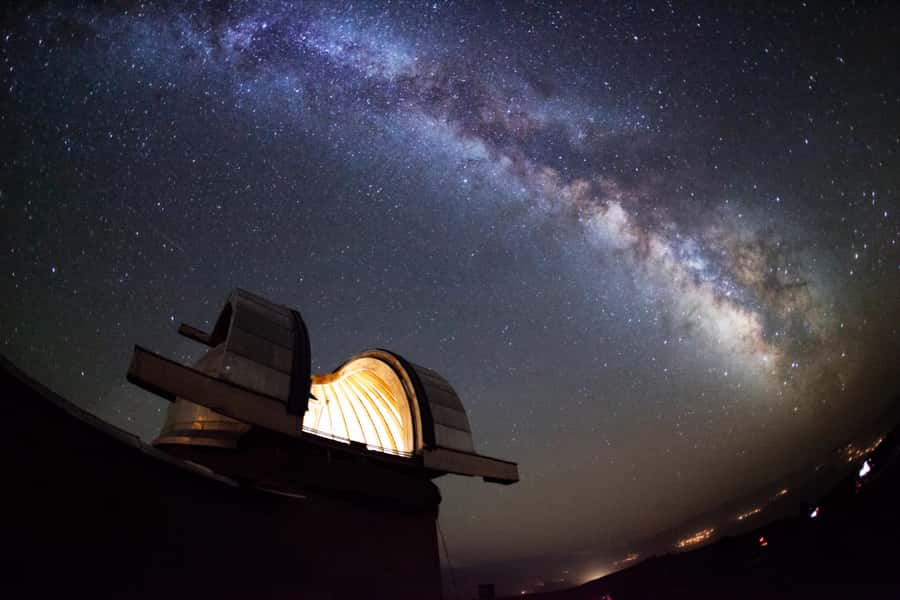
Stargazing in Cusco feels strangely personal. This excursion pairs a virtual dome show with real science and Inca astronomy, then lets you look up close through professional telescopes when conditions allow. It’s a rare kind of night activity that mixes culture, sky lore, and hands-on observing in one smooth evening.
Two things I really like: the planetarium dome projection makes the constellations easy to follow, and the chance to use professional telescopes turns the sky from trivia into something you can actually see. One thing to consider: the telescope time is weather-dependent, and the evening can feel shorter on the ground than the headline 4 hours if you’re counting every minute.
In This Review
- Key things to know before you go
- Cusco’s Planetarium evening: a sky lesson you can feel
- Pickup from Plaza Regocijo and the ride out of town
- The interpretation rooms: where the sky becomes an Inca lesson
- Virtual dome projection: how the constellations get explained fast
- Telescopes under the stars: weather decides the big payoff
- The night walk: quiet time that helps you adjust
- Timing: why “4 hours” can feel different in real life
- Price and value: what $39 really buys in Cusco
- Who should book this Planetarium excursion
- Should you book the Excursion to the Planetarium of Cusco?
- FAQ
- What time does pickup happen for the Planetarium of Cusco excursion?
- How long is the tour, and when do you return to Cusco?
- Is the telescope viewing guaranteed?
- What’s included in the price?
- Are meals included?
- What languages will the guide speak?
Key things to know before you go
- Small group (up to 10): better attention during the sky viewing.
- Inca astronomy, not just star names: you’ll connect the constellations to how people read the sky.
- Virtual sky projection on the dome: great if you’re not a star expert.
- Telescopes are weather-dependent: your main payoff depends on clear skies.
- Night walk time: a calmer way to enjoy the sky around the observatory.
Cusco’s Planetarium evening: a sky lesson you can feel
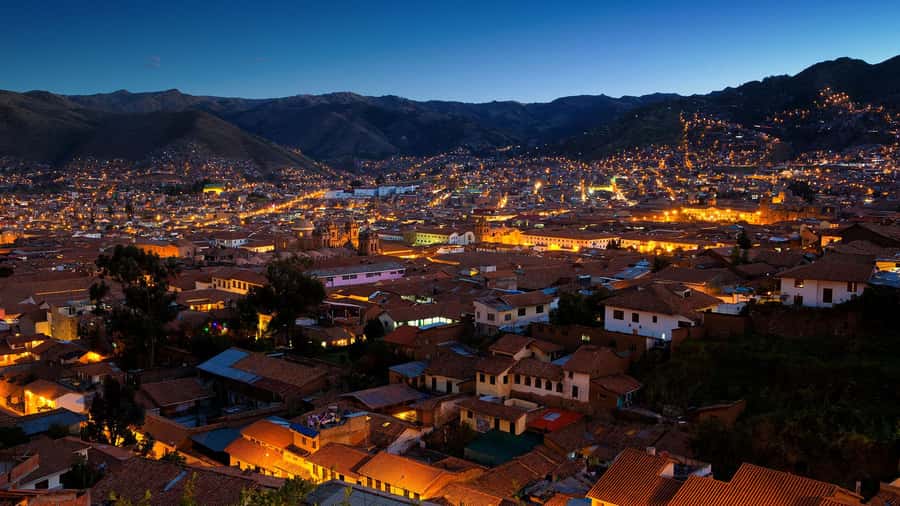
Cusco at night has a special hush to it, and this tour uses that mood on purpose. You’re not just ticking off a planetarium ticket. You’re learning the sky like a story—then checking the details with real-looking (and real-feeling) equipment.
The Planetarium of Cusco is known for being unusual, and that matters here. Instead of a generic show, you get a guided sequence: first an in-room talk, then a dome projection where you learn the Inca constellations, and finally a telescope session where you can actually confirm what you just saw on the dome.
If you like astronomy but also care about why constellations mattered culturally, this is a strong match. If you only want quick sky “spotting,” you may find you want more hands-on time than the schedule allows. Still, it’s a solid night option for a first-timer in Cusco.
You can also read our reviews of more tours and experiences in Cusco.

Pickup from Plaza Regocijo and the ride out of town
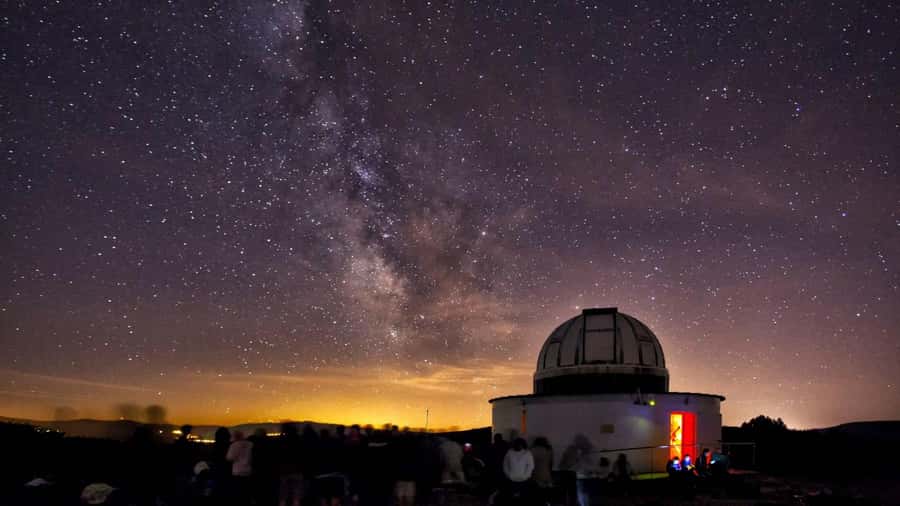
The evening starts with pickup from Plaza Regocijo between 5:30 and 6:00 PM. Then you’ll take a shuttle to the Planetarium area, which is less than 20 minutes from Cusco.
That short transfer is a practical win. You avoid a long out-of-town commute that can drain energy before the sky show. Also, it keeps you from losing the best part of the evening to travel. If you’re thinking about comfort and timing in Cusco—where evenings can get cool fast—short rides are your friend.
One small caution from real-world logistics: even though pickup is listed as included, I recommend confirming your exact pickup location and timing the day before. Pickup details can be sensitive in Cusco with different neighborhoods and meeting points, and you don’t want to miss the shuttle.
The interpretation rooms: where the sky becomes an Inca lesson
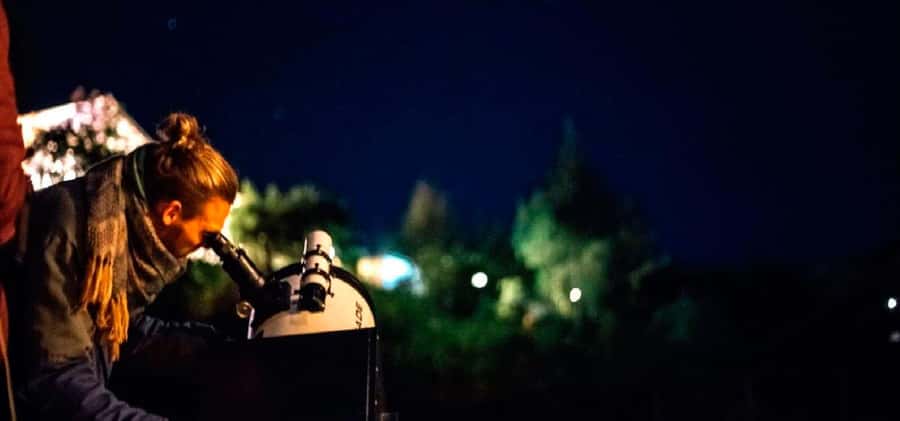
When you arrive, you’ll get a talk in the interpretation rooms. This is where the tour sets up the bigger idea: this isn’t only about what’s up in the sky, but how the sky was read and used.
Expect a guided explanation focused on Inca astronomy. That means you’re more likely to remember the experience afterward, because you’re learning a framework—how constellations function as meaning, not just shapes.
This part is especially useful if you’re traveling with people who normally find stargazing boring. A good talk can turn a cloudy question mark into a clear map: what you’re about to see, why it matters, and how the stories link together.
Virtual dome projection: how the constellations get explained fast
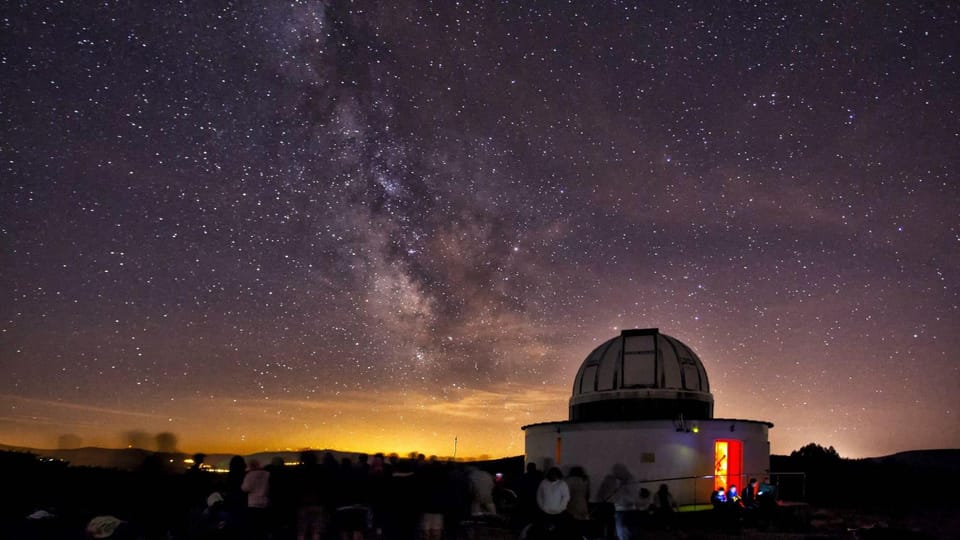
After the interpretation talk, it’s onto the planetarium dome for a virtual sky projection. This is the moment that usually makes or breaks the experience for first-timers, and here it’s set up as the learning engine.
The projection walks you through the Inca constellations and helps you connect what you learned in the rooms to what you should look for in the actual sky. If you’re used to astronomy being dry, the dome format keeps it human: you’re following along in real time with a guide.
Another practical benefit: you don’t need to know constellations ahead of time. The point is guided recognition. Even if you’re the type who gets lost on night streets, the dome show helps you build a mental picture before you step outside.
Telescopes under the stars: weather decides the big payoff
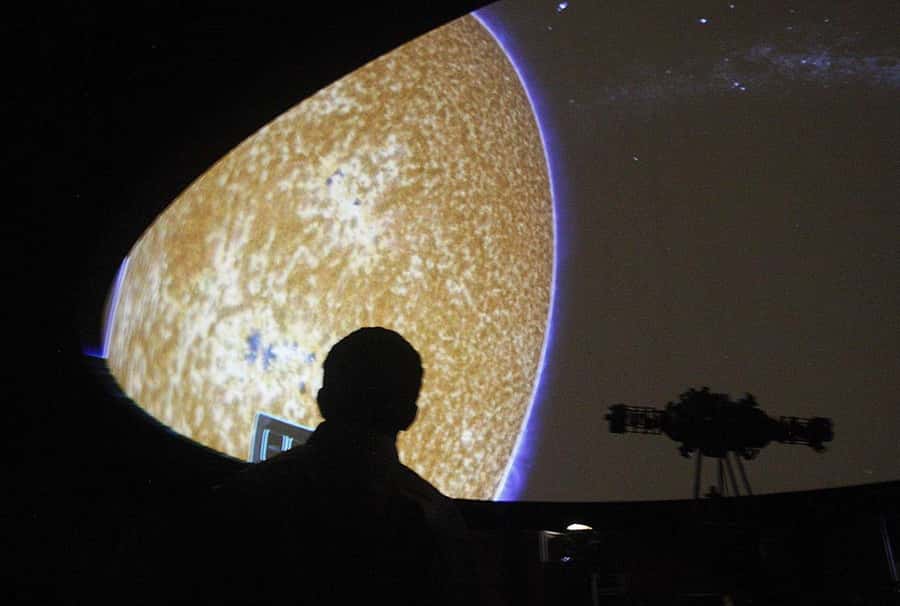
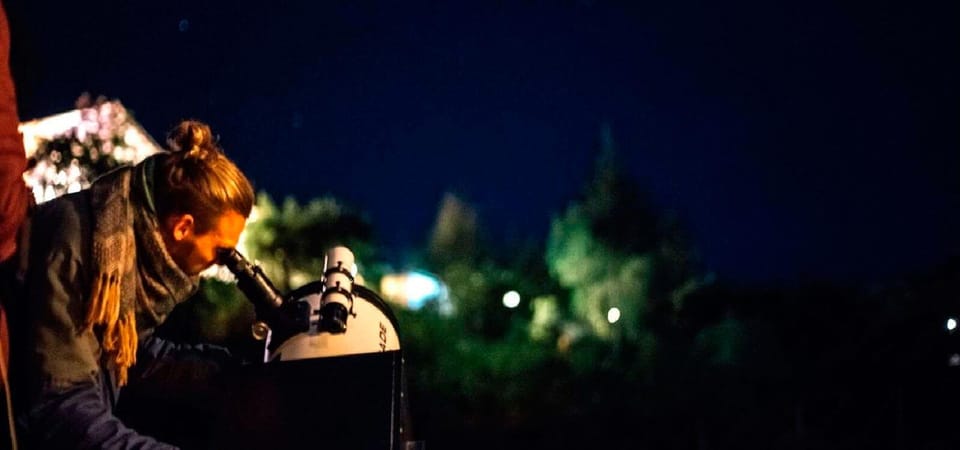
Then comes the signature moment: you’ll use the professional telescopes at the Cusco Planetarium to admire what’s in the sky. This final activity is explicitly subject to weather conditions—so clear skies really matter.
Here’s how to think about it: the dome show can still be great on a less-than-perfect night, but the telescope session depends on conditions. If the sky is clouded, your view may be limited, and that can make the tour feel shorter than you expected.
Also, this is where the tour shifts from learning to experiencing. You’re not just hearing about constellations—you’re looking through equipment that makes distant objects feel immediate. One helpful tip: plan to stay flexible emotionally. If the weather is moody, the dome part becomes the main event, and you’ll want to enjoy it on its own terms.

The night walk: quiet time that helps you adjust
One highlight is a night walk. That matters more than it sounds. A short walk gives your eyes a chance to adjust, helps you slow down, and keeps the atmosphere calm.
In a town like Cusco—where you’re surrounded by daytime energy—this feels like a reset. Instead of rushing from place to place, you’re taking your time with the observatory surroundings, then turning your attention back up.
If you’re sensitive to cold, bring what you can for comfort. Some star-gazing setups include blankets for outdoor viewing, and that can make the night far more pleasant. Even so, I’d still dress in layers for a Cusco evening.
Timing: why “4 hours” can feel different in real life
The tour is listed as 4 hours, with pickup between 5:30 and 6:00 PM and return to Cusco’s Plaza de Armas around 8:00 PM.
In theory, that makes for a clean evening window. In practice, the telescope step can shift depending on conditions and how long the dome projection and interpretation talk take. Also, transportation time counts toward your “4 hours” total.
So here’s my practical advice: don’t treat it like a long nature hike where you’ll slowly accumulate extra viewing time. Treat it like a guided program with a clear sequence. If you show up ready to learn and accept weather limits, you’ll feel satisfied. If you’re only focused on long telescope viewing, manage expectations.
Price and value: what $39 really buys in Cusco
At $39 per person, you’re paying for a bundled experience: hotel pickup, tourist transportation, a bilingual guide (English and Spanish), entrance to the Planetarium of Cusco, and guided programming (talk + dome show + telescope session, weather permitting).
Value-wise, what you’re buying isn’t just access to a building. It’s structured interpretation. You’re paying for someone to connect Inca constellations to meaning, then guide you toward what to look for when you’re outside.
Is it cheap? No. Is it fair for Cusco? For a small-group night activity with professional telescopes and a guided sky lesson, it’s reasonable. The best-case scenario is clear skies plus a strong dome and telescope sequence. The weaker-case scenario is clouds or reduced telescope viewing, where the dome lesson becomes the main value.
If you’re deciding between this and another evening activity, ask yourself which you’ll enjoy more: a guided explanation that teaches you how to read the sky—or a show that’s entertaining but not very instructional.
Who should book this Planetarium excursion
This is a smart pick if you:
- Want a calm, different kind of Cusco night
- Like astronomy but don’t want to figure out constellations alone
- Care about how the sky connects to Inca astronomy
- Prefer a small group (limited to 10), so the guide can keep attention focused
I’d think twice if:
- You’re coming only for telescope viewing and you’re traveling on a night when weather worries you
- You want long, unstructured time outdoors without a guided program
- You’re hoping for a full multi-hour stargazing session that ignores clouds
Should you book the Excursion to the Planetarium of Cusco?
If you want an evening that teaches you something real and then lets you look up with help, I’d book it. The dome projection makes constellations approachable, and the telescope session gives you that satisfying moment when learning becomes seeing. The small group size also helps, especially if you have questions.
Just go in with the right mindset: weather controls the final payoff, and the tour is a guided sequence rather than an open-ended night under the stars. If you treat it like an astronomy class with a practical viewing finale, you’ll likely leave with a clearer memory of the sky—and not just a ticket stub.
FAQ
What time does pickup happen for the Planetarium of Cusco excursion?
Pickup is from Plaza Regocijo between 5:30 and 6:00 PM.
How long is the tour, and when do you return to Cusco?
The duration is listed as 4 hours, and you return to Cusco’s Plaza de Armas at approximately 8:00 PM.
Is the telescope viewing guaranteed?
No. Telescope time is subject to weather conditions.
What’s included in the price?
Pickup from your hotel, tourist transportation, a guide who speaks English and Spanish, and entrance to the Planetarium of Cusco.
Are meals included?
No, meals are not included.
What languages will the guide speak?
The live guide speaks English and Spanish.