REVIEW · 1-DAY TOURS
1 day excursion to Qeswachaka bridge and the 4 lagoons
Book on GetYourGuide →Operated by Journey Peru SAC · Bookable on GetYourGuide
Four lagoons. One Inca bridge. A long day. You’ll start at 4:00 a.m. for the drive south of Cusco, then spend time at the Qeswachaka bridge, the last suspension bridge of Inca origin. I love how the day mixes big cultural heritage with close-up nature time, and I also like the birdlife focus at Pomacanchi Lagoon. One thing to consider: it’s a long, early ride, and depending on the date, the bridge itself may be closed for maintenance so you might only get viewing time, not crossing.
I also like the way the tour keeps feeding you with real basics: breakfast in Cusipata and lunch after the lagoon visits, plus a bilingual guide who explains what you’re seeing. If you prefer English-only narration, note that some parts may run more Spanish than you expect—so choose this trip if you’re okay with either languages or with just soaking up the views and photo stops.
In This Review
- Key things to know before you go
- The early 4:00 a.m. start makes this day work
- Qeswachaka bridge: Inca suspension engineering, plus a reality check
- Cusipata breakfast and lunch: simple, included, and practical
- Pomacanchi Lagoon: the biggest lagoon and the birdwatching payoff
- Acopia Lagoon and Asnacocha: different scenes in a short distance
- Pampamarca Lagoon: your final nature stop before the ride home
- The road, the timing, and why the van size matters
- Guides and group vibe: explanations matter more than you’d think
- Price and value: $50 for a full-day plan with meals
- Should you book this Qeswachaka and Four Lagoons day trip?
- FAQ
- What time is hotel pickup?
- How long is the tour?
- What’s included in the price?
- What isn’t included?
- What language will the guide speak?
- Where do we stop for breakfast and lunch?
- Do I need to bring identification?
- What should I pack for the day?
- Is alcohol allowed on the tour?
- Who isn’t this tour suitable for?
Key things to know before you go
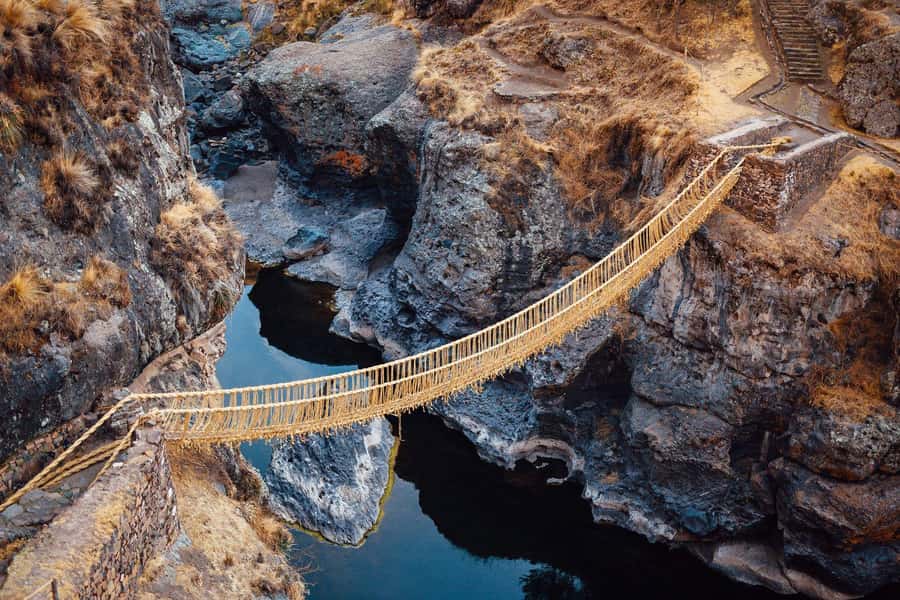
- Qeswachaka bridge photo time twice: you’ll stop once en route and again near the end, so you get more than one chance for angles and timing.
- Pomacanchi Lagoon is the bird stop: the largest lagoon is where you’re most likely to spot lots of birds and keep your camera busy.
- Four lagoons with different “personalities”: Pomacanchi (big birdlife), Acopia, Asnacocha (mineral-rich), and Pampamarca (scenic nature time).
- Breakfast and lunch are included: your day isn’t just drive + viewpoints; you’re fed in Cusipata.
- Comfort depends on your size: the van can feel tight for taller riders, and the road is a workout.
- Bridge access can vary by season: plan for viewing first, crossing second.
The early 4:00 a.m. start makes this day work
This is a one-day excursion that runs on “get out early or you’ll miss the good light.” Pickup is from your hotel near the historical center of Cusco at 4:00 a.m., and you’ll return around 18:00. That means you’ll spend a big chunk of the day in transit, but it also means you reach the lagoons and bridge without feeling rushed at the last minute.
The drive south matters more than you might think. Cusco is high, the roads are winding, and the whole area is remote. If you go in expecting a relaxed afternoon, you’ll be disappointed. If you go in expecting a full-day combo of culture and nature, you’ll be in the right mindset.
Also: this trip is not a casual stroll. It’s a long day with early timing, and it’s not suitable for wheelchair users or for people with heart problems or pregnancy concerns—so be honest with yourself about how you handle altitude, movement, and long sitting.
You can also read our reviews of more tours and experiences in Cusco
Qeswachaka bridge: Inca suspension engineering, plus a reality check
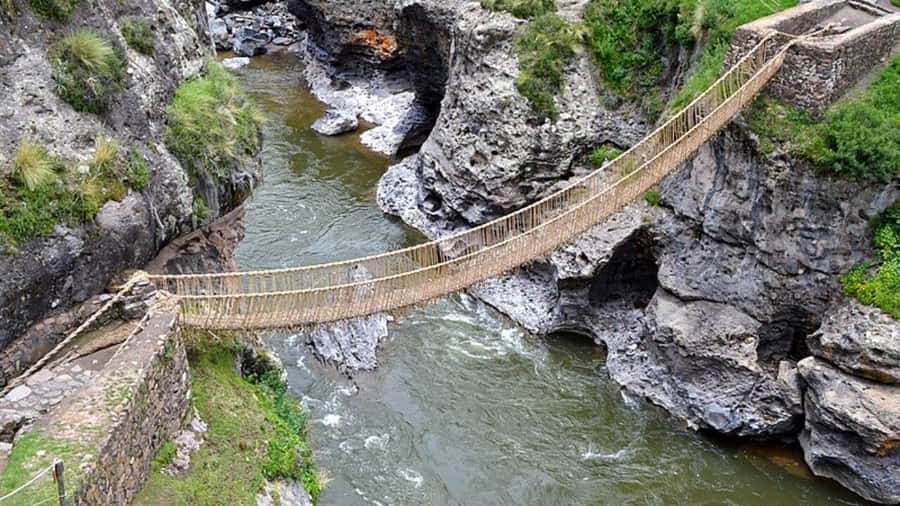
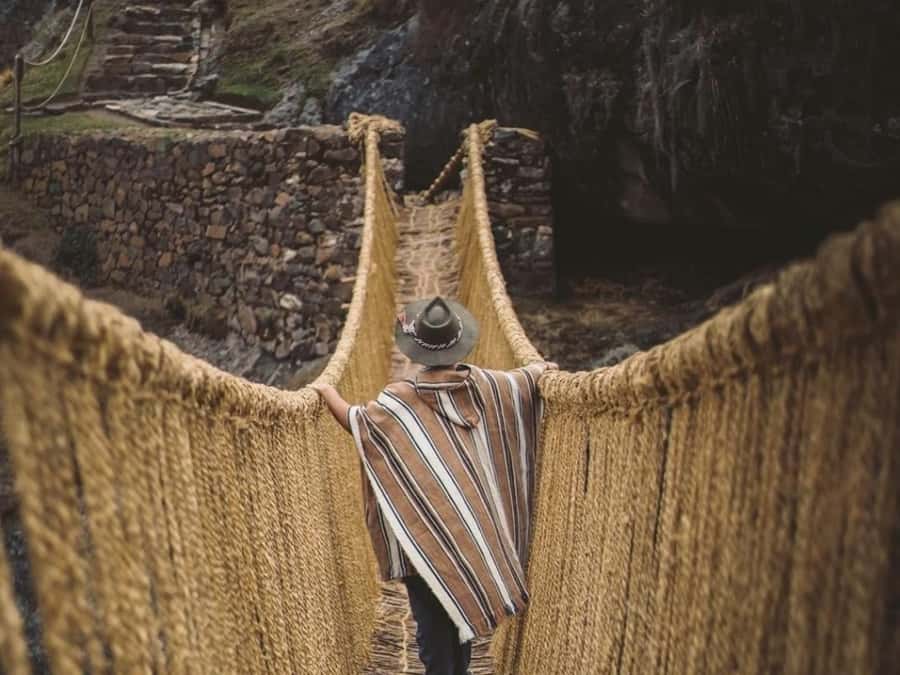
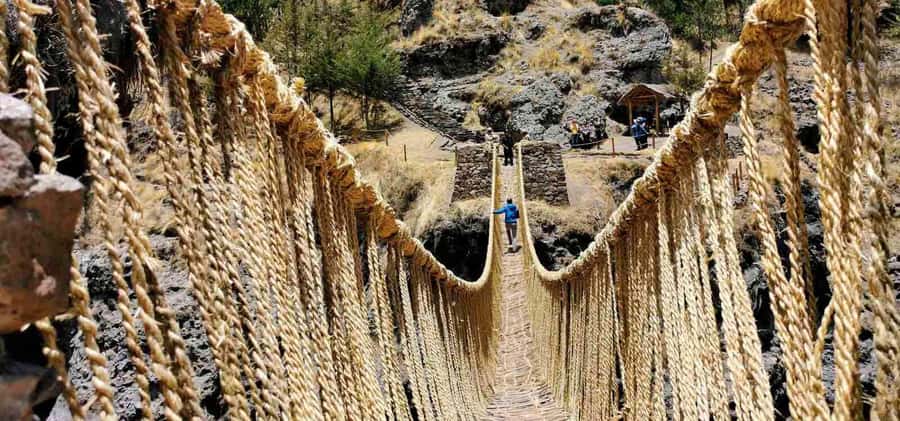
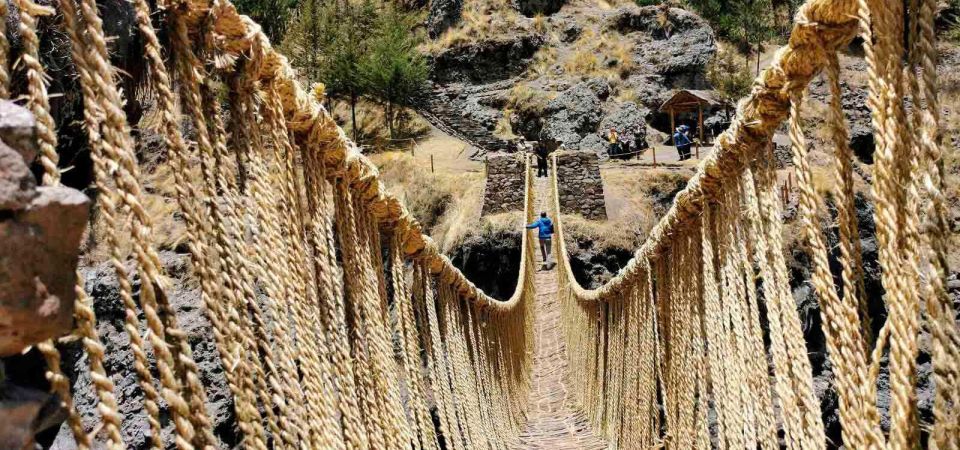
The main cultural draw is the Queswachaka bridge, described as the last suspension bridge of Inca origin. You’ll stop in Quehue to observe it and take photos, and your guide will give you a brief explanation so you’re not just looking at something pretty—you’re learning what you’re seeing.
What I find most valuable here is the “pause and learn” style: you don’t just roll past. You get time for pictures, plus context. In past experiences on this route, guides such as Roland have provided lots of detail not only about the bridge but also about what’s around it—plants, small stops along the way, and the broader story of the route and Inca-era connections.
Now for the reality check. One rider noted that when the bridge was cut off for maintenance, they couldn’t actually walk across. The guide was still able to explain details, and they even met the bridge’s builder, but the key takeaway for you is simple: treat bridge crossing as a bonus, not a guarantee. If your travel window lines up with maintenance, you may still get impressive views but no crossing.
If your photos matter, bring your sunglasses and camera, and be ready for cold mornings that turn into stronger sun later. The bridge timing plus clear skies can make a huge difference.
Cusipata breakfast and lunch: simple, included, and practical
This tour works because it handles the human basics well. You’ll have breakfast in the village of Cusipata before heading onward to the lagoon area. After the guided visits, you return to Cusipata for lunch.
Here’s why that matters for your experience: you’re out all day—so having food handled saves you from hunting for options in remote towns or spending your energy bargaining for something when you really want to focus on scenery. One review also praised the meal as very good, which is a nice sign for value on a day trip like this.
If you’re the type who gets cranky when hunger hits, you’ll appreciate the included meals. If you have dietary needs beyond what’s listed, you’ll want to ask in advance, since the tour details only confirm breakfast and lunch are included, not what’s inside them.
Pomacanchi Lagoon: the biggest lagoon and the birdwatching payoff
The lagoon lineup is one of the best parts of the day because it breaks the scenery into distinct stops. The first major one is Pomacanchi Lagoon, noted as the largest of the four. This is where you can slow down and pay attention.
In particular, it’s the bird spot. Your guide’s commentary and your own scanning time should help you notice the variety of birds around the water. Even if you’re not a hardcore birder, this is the kind of nature stop that rewards curiosity—look for movement on the edges, keep your eyes up as well as down, and don’t just shoot wide photos. Tight shots can be very rewarding if you’re patient for a minute.
One practical note: lagoons can feel windy, even when the sun is strong. Sunglasses and water are real essentials here. You’ll also want a hat because the day starts early and grows brighter as you go.
Acopia Lagoon and Asnacocha: different scenes in a short distance
After Pomacanchi, the itinerary continues to Acopia Lagoon, described as only a few kilometers away. That short “jump” is useful: it keeps your day moving without making each stop feel rushed.
Acopia is less described in the details than Pomacanchi, so your best strategy is to treat it as a scene change. Think of it as part of a sequence—angle, water tone, and surrounding terrain can look noticeably different from one lagoon to the next. Let your camera rest sometimes and just watch. Those small changes add up.
Then you reach Asnacocha Lagoon, specifically noted as rich in mineral resources. That label suggests you should pay attention to color and texture—often mineral-rich waters show different shades, and you may notice variations in how the shoreline looks compared with other stops. If you like photography, this is one of the places to slow down and get a mix of wider compositions and close detail shots.
Pampamarca Lagoon: your final nature stop before the ride home
The last lagoon on the list is Pampamarca Lagoon, where you’ll enjoy a beautiful natural environment before heading back toward Quehue for the second bridge viewing time.
This is a good stop for regrouping. By now, you’ll have done at least one major bird-focused lagoon and one mineral-rich stop, and you’ll be ready for something more purely scenic—space to breathe, time to take in the surroundings, and room to reset before the drive back.
As with the other lagoons, think comfort and timing. Pack water, stay sun-safe, and don’t assume it will feel the same as Cusco at the moment. The sun can be strong outside, while mornings can still feel sharp.
Also, one rider specifically mentioned a boat ride as a highlight and urged others to do it. The formal itinerary details don’t spell it out, so treat it as an option that may be available on your day. If you’re given the chance, it’s worth it because it changes your perspective from shore-level views to a more complete look at water and surroundings.
The road, the timing, and why the van size matters
The tour is built for distance and remoteness, which means the drive is a major part of the experience. One review called the ride a bit hard, pointing to roads, turns, and elevation stress. That’s not a small detail. The “how you feel” factor is often what makes or breaks a day like this.
The van comfort issue can be real. One rider who is 5’11” said they felt crunched. If you’re on the taller side or just hate tight seating, plan accordingly. Bring a bit of motion-comfort gear if you like (a scarf or layer for temperature changes) and consider stretching during stops so your body doesn’t get stiff.
If you’re sensitive to altitude, take it seriously. The tour involves early departure and long time outside your comfort zone. This is exactly the kind of day trip that can be harder than it looks on paper.
Guides and group vibe: explanations matter more than you’d think
A day trip like this can turn either educational or forgettable depending on the guide. Here, that’s one of the strongest parts of the experience.
In prior experiences on this route, guides like Roland/Ronald were praised for good explanations at the bridge and various stops along the way—covering not only the bridge but also plants, Inca-related context, and additional viewpoints. Another rider also highlighted how the guide helped maintain group dynamics and made sure solo travelers got enough photos.
That photo-help detail is underrated. It’s one thing to have time to take pictures. It’s another thing to have someone who notices you’re alone and offers to help frame shots. On a trip packed with photo moments, that kind of attention makes a real difference.
If you’re choosing between language preferences, remember that the narration is offered in English and Spanish, but some days may lean more Spanish. If you care deeply about hearing everything word-for-word in English, you should be ready for gaps and use your guide’s explanations as the main anchor while reading the visuals yourself.
Price and value: $50 for a full-day plan with meals
At $50 per person (for a one-day tour), what you’re really buying is structure plus time efficiency.
You get:
- Hotel pickup near the historic center
- Transportation
- A bilingual guide
- Breakfast
- Lunch
Entrance fees are not included, and the tour notes do not specify amounts. That means your real total can be slightly more depending on what you’re asked to pay on the day. Still, the fact that meals and guiding are included is what makes the price feel reasonable for a remote area day trip.
The best value test is simple: if you tried to DIY this yourself, you’d spend more time figuring out schedules and transport than you’d save in cash. For a day that’s all early departure, multi-stop geography, and learning stops, a guided plan often pays off.
Should you book this Qeswachaka and Four Lagoons day trip?
I’d book this tour if you want a one-day hit of Inca-era bridge heritage plus a structured route through four lagoons, and you like having meals handled for you. It’s especially a good fit if you enjoy nature pauses with an added layer of explanation at cultural stops.
I’d think twice if you’re easily uncomfortable in tight vehicles, dislike long drives, or need predictable access to crossing the bridge. Since bridge access can depend on maintenance timing, go with the mindset that you’re there to see it and learn about it—crossing (if it happens) is a bonus.
Also, consider your comfort with altitude and early mornings. This isn’t an afternoon stroll. It’s a full day built around getting to remote places while the world is still quiet.
If you book, pack smart: sun hat, sunscreen, sunglasses, water, and your ID. Then bring patience for the roads and a camera ready for both wide lagoon views and detail shots around mineral-rich water.
FAQ
What time is hotel pickup?
Pickup is at 4:00 a.m. from hotels near the historical center of Cusco.
How long is the tour?
The tour is 1 day, with an approximate return to Cusco at 18:00.
What’s included in the price?
It includes pickup from your hotel, transportation, a bilingual guide (English and Spanish), breakfast, and lunch.
What isn’t included?
Foods not mentioned and any entrance fees are not included.
What language will the guide speak?
The guide is bilingual, offering English and Spanish.
Where do we stop for breakfast and lunch?
Breakfast and lunch are both in the village of Cusipata.
Do I need to bring identification?
Yes. You should bring a passport or an ID card.
What should I pack for the day?
Bring sunglasses, a sun hat, a camera, sunscreen, and water.
Is alcohol allowed on the tour?
No. Alcohol and drugs are not allowed.
Who isn’t this tour suitable for?
It isn’t suitable for pregnant women, people with heart problems, or wheelchair users.