REVIEW · SACRED VALLEY TOURS
Cusco Tourist Ticket and Sacred Valley Site Pass
Book on GetYourGuide →Operated by Peru Andes Top · Bookable on GetYourGuide
Cusco is a place where ruins and museums blend together fast. The Cusco Tourist Ticket is interesting because it turns a confusing patchwork of entrances into one simple pass, and the tickets are delivered to your hotel so you can start right away. I like that you can pick a 1-day, 2-day, or 10-day option based on how much time you actually have, plus you get access to standout sites like Sacsayhuaman and the Qorikancha Site Museum. One drawback: this is an admission ticket, not a guided tour, so you’ll want to handle planning yourself.
What makes this pass really practical is how it bundles sites with different vibes. Circuit I focuses on the Sacsayhuaman area and neighboring attractions, Circuit II concentrates on the Sacred Valley core, and Circuit III expands the reach to more Cusco museums and a longer list of archaeology stops. That means you can match your pace without paying for more days than you’ll use.
The biggest thing to consider is choosing the right circuit. If you pick the 1-day option but still want Pisac, Ollantaytambo, Moray, and Chinchero, you’ll be disappointed by what isn’t included. And since tours aren’t included, you’ll need to plan how you’ll move between sites during your valid days.
In This Review
- Key things to know before you buy
- What the Cusco Tourist Ticket actually gets you
- Circuit I: One day focused on Sacsayhuaman Archaeological Park
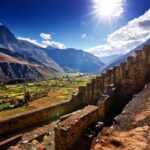
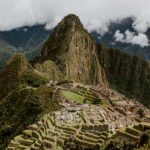
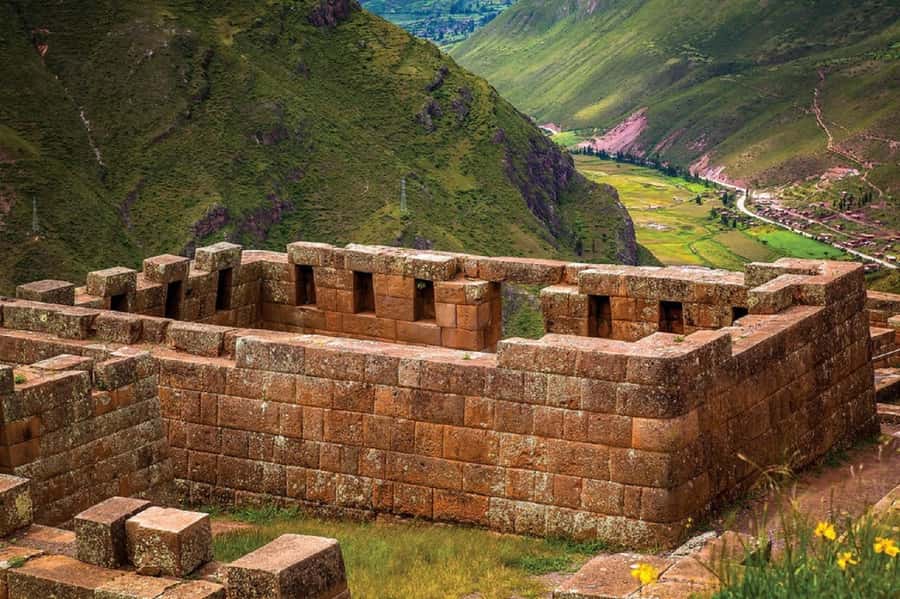
- Circuit II: Two days covering the Sacred Valley core (Pisac to Moray)
- Circuit III: Ten days of Cusco archaeology and museum stops
- Why these particular sites work together
- Price and value: is $30 worth it?
- Ticket delivery: a small detail that saves real time
- How to use your ticket smoothly (self-guided mindset)
- Who should book this Cusco pass (and who should skip it)
- Should you book the Cusco Tourist Ticket and Sacred Valley Site Pass?
- FAQ
- How much does the Cusco Tourist Ticket cost?
- How long is the ticket valid?
- What is included in Circuit I (1-day pass)?
- What is included in Circuit II (2-day pass)?
- What is included in Circuit III (10-day pass)?
- Where will my ticket be delivered?
- Do I get a guided tour with the ticket?
- Is there free cancellation?
Key things to know before you buy
- Hotel delivery first: your ticket is delivered to your accommodation in the historic center (or to Plaza de Armas if you’re outside it).
- Three distinct circuits: 1-day (Sacsayhuaman area), 2-day (Sacred Valley core), 10-day (Cusco + Sacred Valley highlights).
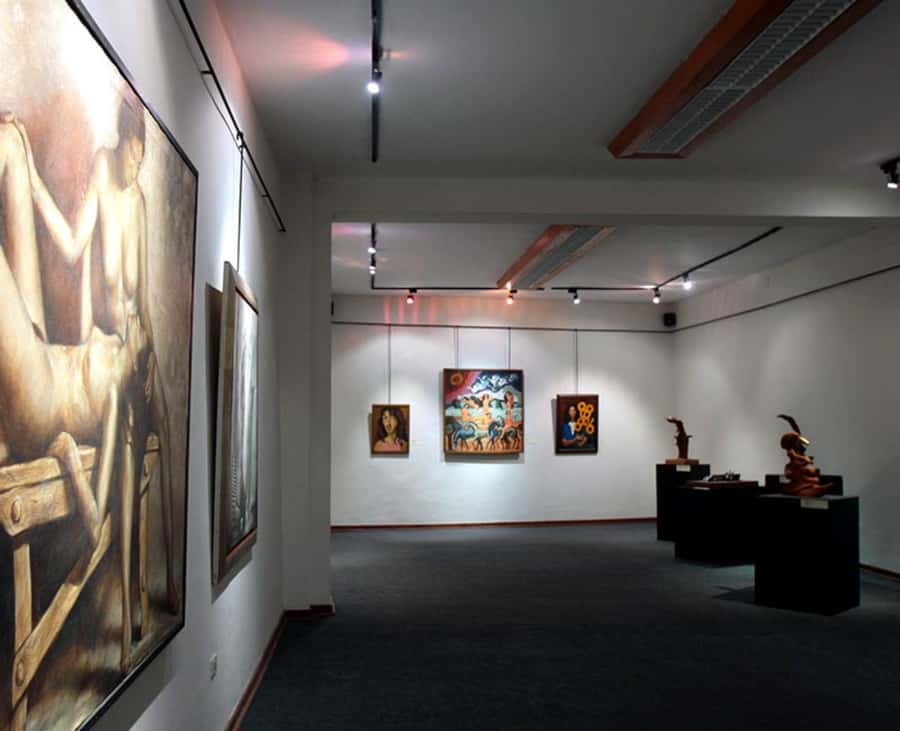
- Major museums included in the long option: Museum of Contemporary Art, Qorikancha Site Museum, Regional Historical Museum, and Popular Art Museum.
- Inca architecture + views: Sacsayhuaman gives you panoramic payoff, while Qenqo and Tambomachay add variety.
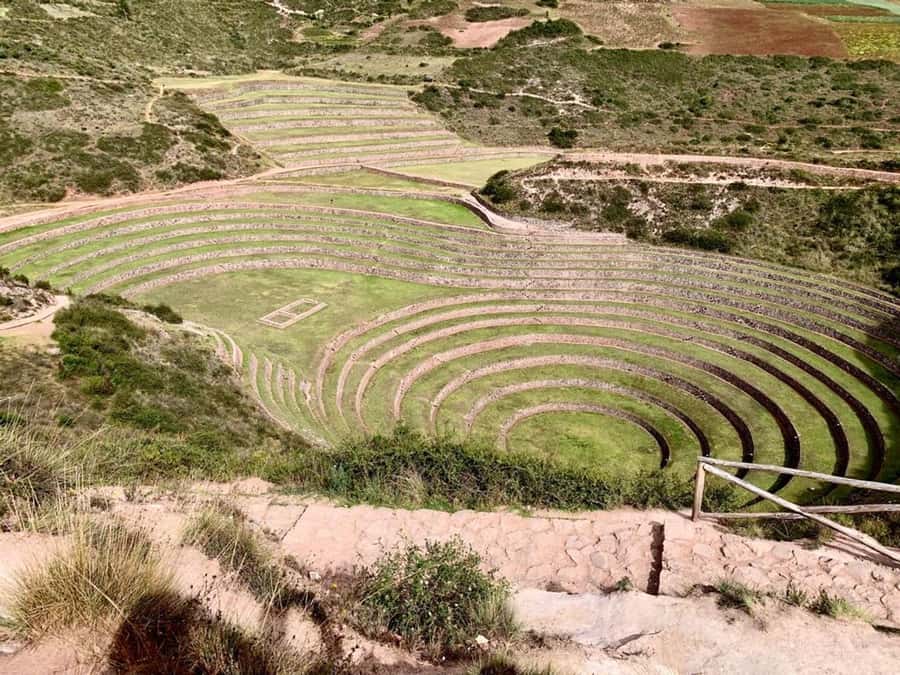
- Sacred Valley engineering at Moray: terraced ruins tied to an agricultural-lab theory.
- Admission only: tours are not included, so you’re buying access, not guided interpretation.
What the Cusco Tourist Ticket actually gets you
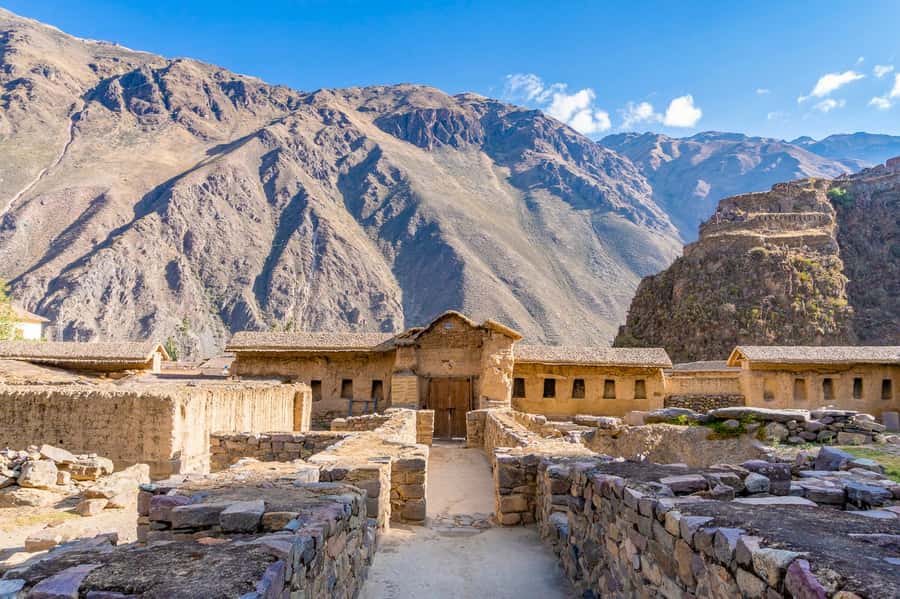
Think of the Cusco Tourist Ticket as an entrance key. You’re not booking a guided itinerary with a staff-led walk; you’re purchasing admission coverage for specific archaeological parks and museum sites in Cusco and the Sacred Valley region.
You’ll choose between three circuits, and each circuit comes with a separate ticket and a specific validity window. That’s why it’s so important to match the circuit to the time you have—because the ticket itself controls how many sites you can enter.
The price is stated as $30 per person, and value depends heavily on which circuit you select. If you only have a day, you’ll be paying mostly for the four sites inside the Sacsayhuaman Archaeological Park. If you choose the 10-day circuit, your ticket covers a much larger spread across Cusco’s museums and major Sacred Valley archaeology.
You can also read our reviews of more tours and experiences in Cusco
Circuit I: One day focused on Sacsayhuaman Archaeological Park
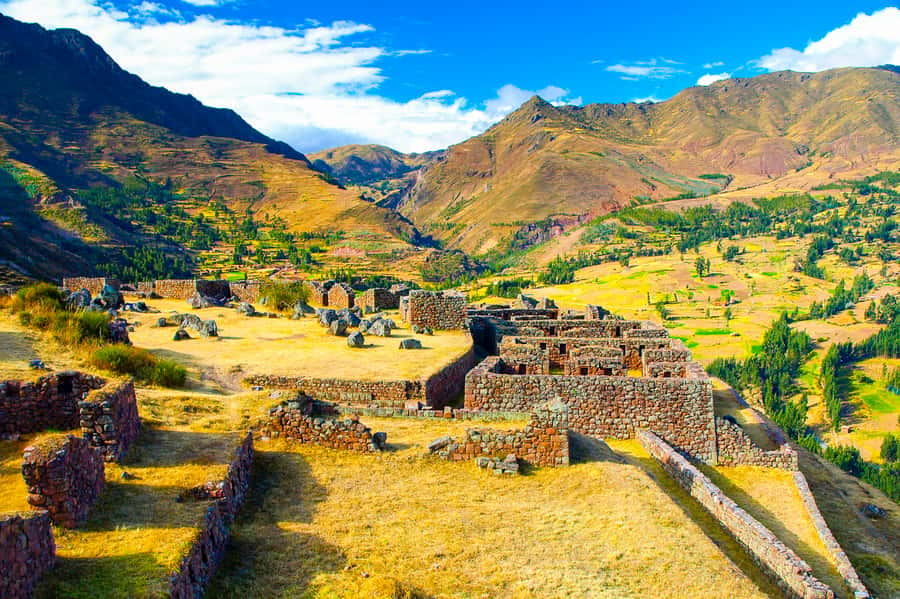
If your schedule is tight, Circuit I is the cleanest choice. It’s a 1-day pass, valid for one day of use, and it includes entrance to the following attractions inside the Sacsayhuaman Archaeological Park:
- Sacsayhuaman
- Qenqo
- Tambomachay
- Puca Pucara
This is a smart option if you want the classic Cusco ruins vibe without committing to a longer Sacred Valley plan. Sacsayhuaman is the headline here. You’re going for the big-panorama feeling, plus that unmistakable Inca stonework style.
Qenqo, Tambomachay, and Puca Pucara help you avoid the “one site and done” problem. Even without a tour guide, moving between these four stops within one compact area makes your day feel full rather than stretched. The drawback is obvious: you won’t cover Sacred Valley highlights like Pisac, Ollantaytambo, Chinchero, or Moray under this circuit.
Circuit II: Two days covering the Sacred Valley core (Pisac to Moray)
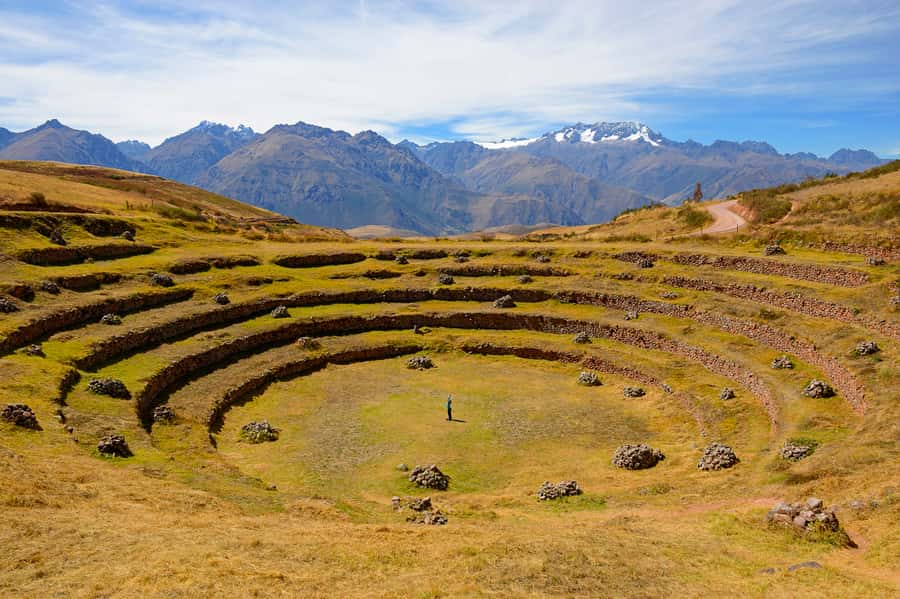
Circuit II is built for a very typical first-timer flow: you cover key Sacred Valley sites over 2 days, using a single pass that includes entrance to:
- Pisqaq
- Ollantaytambo
- Chinchero
- Moray
This combination is great because it mixes different kinds of “wow.” You get major Inca-era sites (Pisqaq and Ollantaytambo), a site that’s closely associated with Chinchero, and then you finish with Moray, known for its terraced ruins and often described as an agricultural laboratory.
Here’s what you’re really buying with this 2-day circuit: coherence. Instead of spreading your Sacred Valley time across too many locations, this pass covers four that people keep coming back to because they represent different sides of Inca design and land use.
The consideration: two days can still feel fast when you’re planning self-guided. Since tours are not included, you’ll want to decide in advance how you’ll pace your day and whether you prefer a longer stop at one site or a quicker loop across all four.
Circuit III: Ten days of Cusco archaeology and museum stops
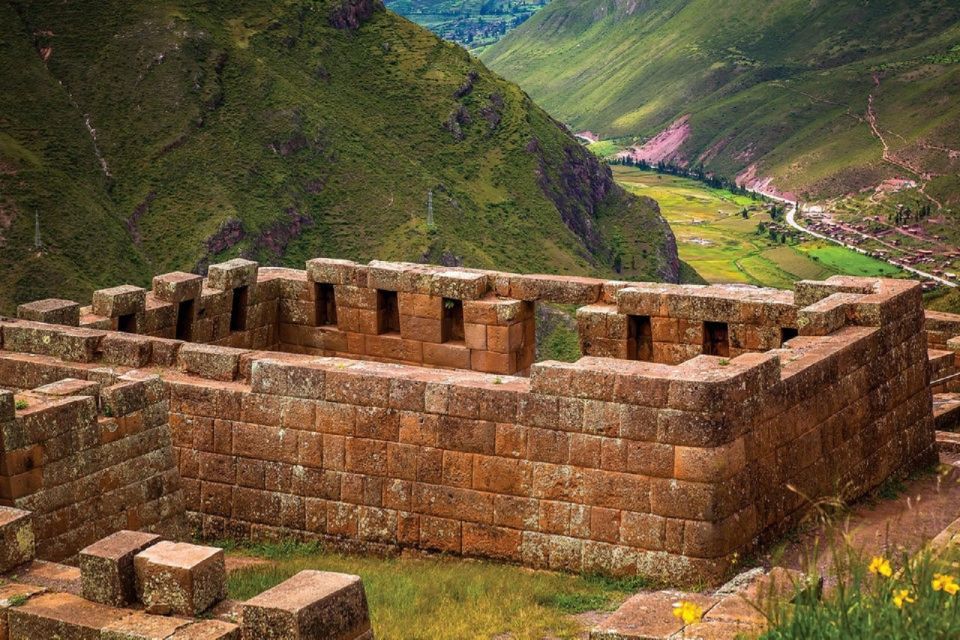
If you have time—or if you simply want fewer decisions—Circuit III is the most flexible choice. It’s a 10-day pass, and it includes entrance to a longer list of 16 major archaeological sites and museums across Cusco and the Sacred Valley region:
Archaeological Parks and sites
- Sacsayhuaman
- Qenqo
- Tambomachay
- Puca Pucara
- Pisac
- Ollantaytambo
- Chinchero
- Moray
- Tipon
- Piquillacta
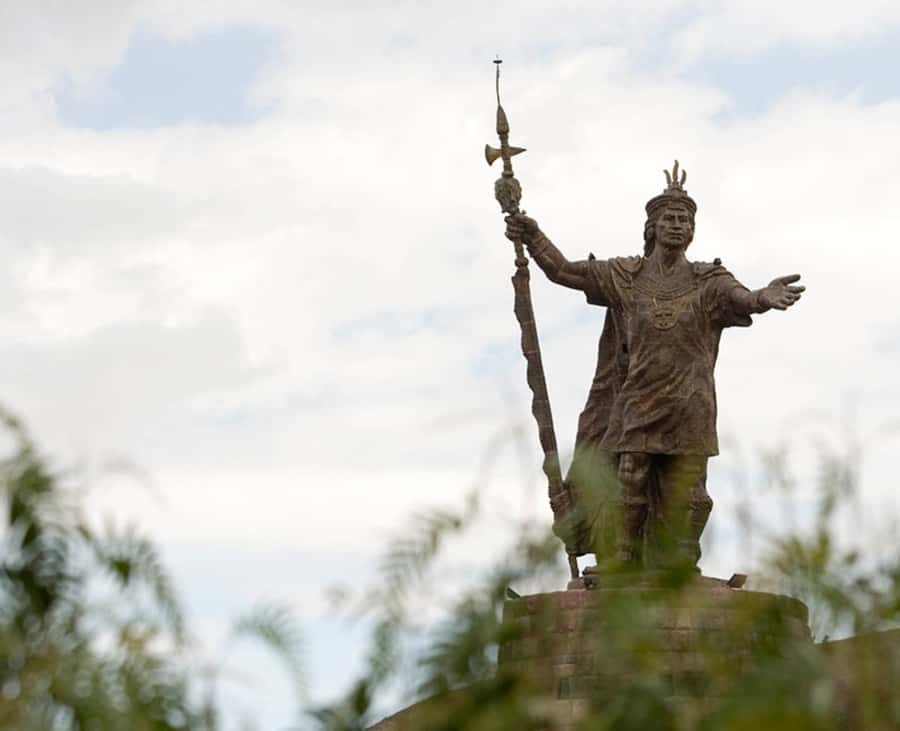
- Pachacutec Inca Monument
Museums and cultural sites
- Qosqo Native Art Center
- Museum of Contemporary Art
- Qorikancha Site Museum
- Regional Historical Museum
- Popular Art Museum
That list tells you what Circuit III is really good at. It isn’t just stacking ruins. It gives you a chance to balance stones-in-the-dust moments with indoor context—especially with the museum options.
Qorikancha Site Museum is particularly valuable as a bridge between Inca-era place and modern presentation. The Museum of Contemporary Art, Qosqo Native Art Center, and the Popular Art Museum also make the ticket feel less like a checklist and more like a fuller sense of how Cusco’s culture keeps evolving.
The only drawback I see for Circuit III is the same one with any long pass: you need to plan enough days to actually use it. If your trip is shorter in practice than it looks on paper, you might not get full value.
Why these particular sites work together
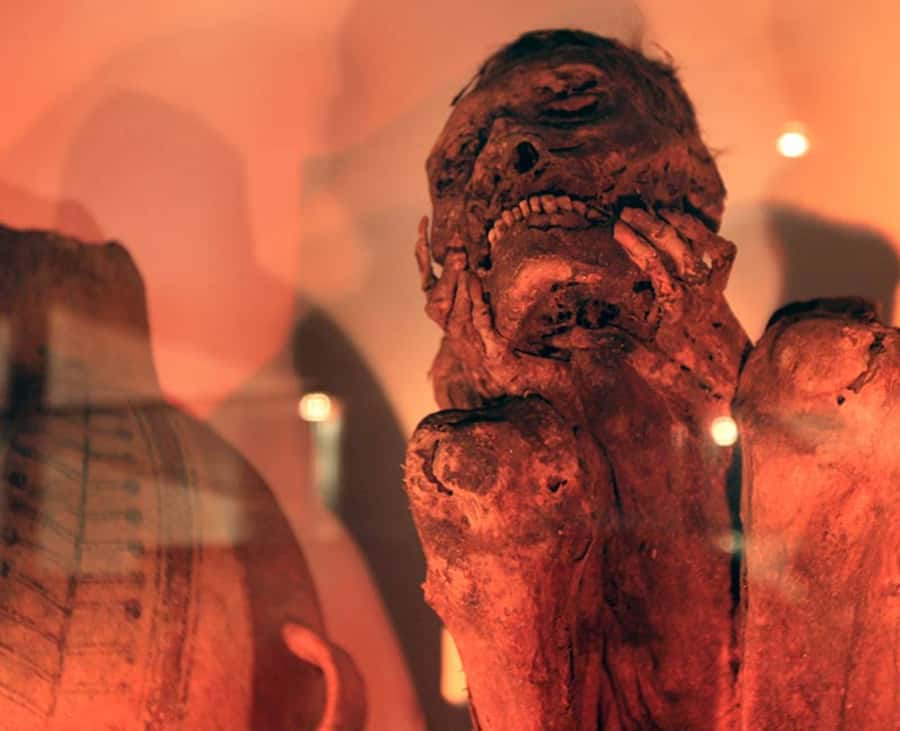
Even without a guided script, the sites included in this pass “talk” to each other. You’ll see repeated themes: Inca engineering, planned water systems, strategic locations, and the way the empire treated land as both agriculture and architecture.
- Sacsayhuaman plus Qenqo and Tambomachay give you a strong sense of ritual and infrastructure. You’re not just seeing a ruin; you’re seeing how a landscape was designed to function.
- Pisac and Ollantaytambo pair well because they feel like major nodes—places the Inca economy and movement depended on.
- Chinchero and Moray add contrast. Moray’s terraced layout, often discussed as an agricultural laboratory, shifts the focus from monumental stone to experiments with growing conditions.
- Tipon and Piquillacta broaden the story beyond the most famous names, so your Cusco trip doesn’t become “only the headline sites.”
- Museums round it out. Qorikancha Site Museum and the Regional Historical Museum help connect what you saw outdoors to what’s being explained indoors.
If you’re the kind of visitor who likes to understand how everything fits, this circuit design is a real advantage.
Price and value: is $30 worth it?
$30 per person isn’t a huge number, but value depends on how many entrances you use.
- With Circuit I, you’re paying for four sites inside the Sacsayhuaman Archaeological Park over one day.
- With Circuit II, you’re paying for four Sacred Valley entrances over two days, which is a strong deal if you plan to hit all those highlights.
- With Circuit III, you’re paying for access to a long list: Sacsayhuaman and the surrounding area again, plus Sacred Valley sites like Pisac, Ollantaytambo, Chinchero, and Moray, and then additional places like Tipon, Piquillacta, and Pachacutec Inca Monument, along with multiple museums.
In other words: the longer circuit is where the dollar stretches the most. If you’re confident you’ll have the time, Circuit III is the best value. If you’re unsure, Circuit I or II gives you a tighter, lower-commitment experience.
Ticket delivery: a small detail that saves real time
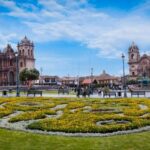
This pass earns points for a very practical reason: your ticket is delivered to you. It’s sent to your hotel if you’re staying within the historic center. If your accommodation is outside the historic center, your ticket is delivered to the Plaza de Armas.
In a city like Cusco, arriving and immediately sorting out paperwork can steal energy from the first day. Having the ticket waiting for you means you can get your bearings fast and start checking off sites without a detour.
Meeting point details can vary depending on the option you book, but delivery to your lodging usually makes the day-of logistics simpler than many multi-stop arrangements.
How to use your ticket smoothly (self-guided mindset)
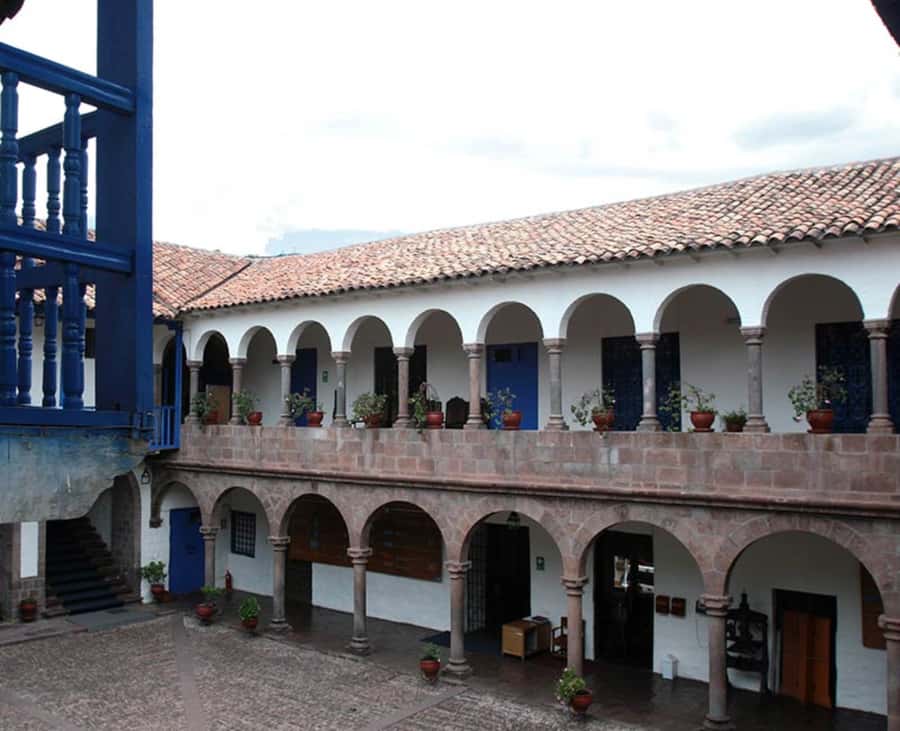
Because this is admission-only, you’re in charge of the flow. The good news is the circuit logic is straightforward: pick the pass, use it during its valid days, and enter the included archaeological parks and museums.
A few practical ways to make it easier:
- Plan around clusters: Circuit I and the included Sacsayhuaman-area stops are naturally clustered. Circuit II is designed as a Sacred Valley core loop. Circuit III is your “spread out and pick days” option.
- Decide your pacing style: do you prefer one or two longer stops, or a fuller day of multiple entrances? The ticket structure supports either, as long as you keep within your validity window.
- Double-check what you intend to see before you choose a circuit: the ticket differences are real, not minor.
You don’t need a complicated strategy—just match your time to the circuit and keep your expectations aligned with admission-only access.
Who should book this Cusco pass (and who should skip it)
This is a good fit if:
- you want flexibility and self-guided independence in Cusco and the Sacred Valley
- you like the idea of building your own days around a core set of major stops
- you want museum variety alongside archaeological parks, especially if you choose Circuit III
- you value hassle-free ticket delivery so your trip starts smoothly
This might be less ideal if:
- you expected a guided experience with a planned route and interpretation
- you’re likely to underuse the circuit you buy (especially Circuit III)
- you want support that isn’t described here beyond admission access
Should you book the Cusco Tourist Ticket and Sacred Valley Site Pass?
Yes, if you’re the type of traveler who likes control and hates wasting time at ticket counters. The biggest strength is that the ticket covers exactly the places that anchor a Cusco and Sacred Valley trip—plus the museums in the 10-day option—and it arrives at your accommodation so you can start quickly.
If you’re short on time, don’t overbuy: choose Circuit I or II and stay focused. If you have more days and you want both ruins and indoor context, Circuit III is the best value choice for the bigger sweep of Cusco and Sacred Valley sites.
FAQ
How much does the Cusco Tourist Ticket cost?
The price is listed as $30 per person.
How long is the ticket valid?
You can choose among options that are valid for 1 day, 2 days, or 10 days.
What is included in Circuit I (1-day pass)?
Circuit I includes admission to Sacsayhuaman, Qenqo, Tambomachay, and Puca Pucara, all inside the Sacsayhuaman Archaeological Park.
What is included in Circuit II (2-day pass)?
Circuit II includes admission to Pisac, Ollantaytambo, Chinchero, and Moray for use over 2 days.
What is included in Circuit III (10-day pass)?
Circuit III includes admission to the Sacsayhuaman area sites plus Sacred Valley sites like Pisac, Ollantaytambo, Chinchero, and Moray, along with additional sites such as Tipon, Piquillacta, and the Pachacutec Inca Monument, plus multiple museums including the Museum of Contemporary Art, Qorikancha Site Museum, Regional Historical Museum, and Popular Art Museum.
Where will my ticket be delivered?
Your ticket is delivered to your hotel if you’re within the historic center. If your accommodation is outside the historic center, it’s delivered to Plaza de Armas.
Do I get a guided tour with the ticket?
No. Tours are not included; this is admission ticket access.
Is there free cancellation?
Yes. You can cancel up to 24 hours in advance for a full refund.