REVIEW · MARAS & MORAY SALT MINE TOURS
Cusco: Maras and Moray Tour ending in Ollantaytambo
Book on GetYourGuide →Operated by PVTravel · Bookable on GetYourGuide
Three Inca landscapes in one tight morning. This Cusco Sacred Valley tour strings together Moray, Maras, and Ollantaytambo in a schedule that’s simple, scenic, and efficient.
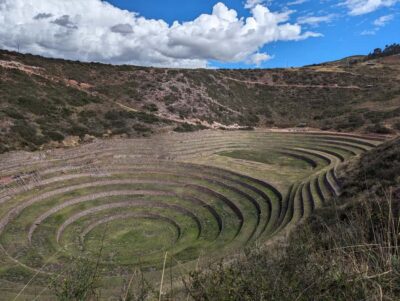
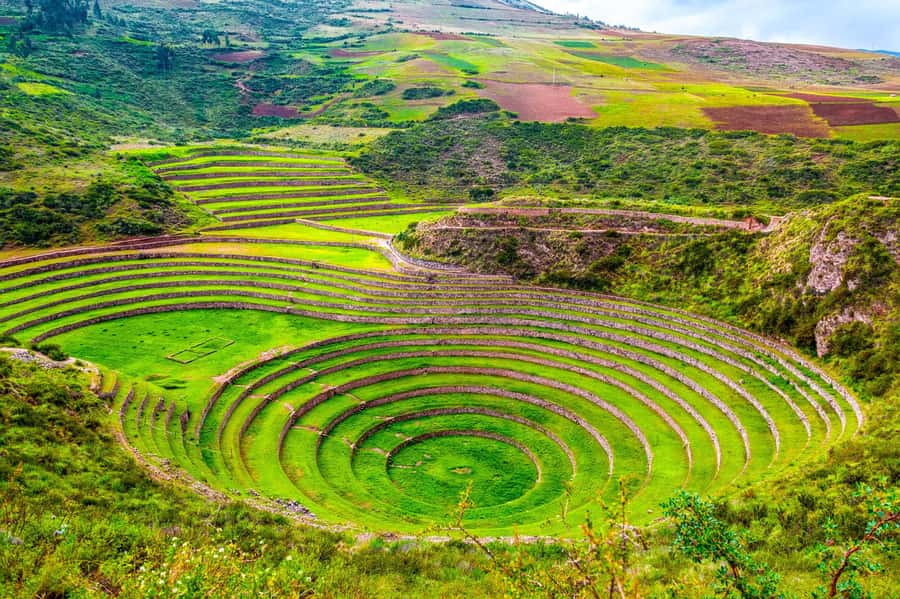
I especially love Moray’s circular terraces in the sinkholes—those rings make you look twice, because it feels more like a puzzle than a farm. And I like the Maras salt ponds because you get real scale: thousands of little pools stepping down the hillside.
One thing to consider: the day runs on a clock. With a small group and a set route, you may feel the stops move fast, so if you want long picture breaks, plan to ask for extra time right away.
In This Review
- Key moments worth planning around
- A 6-hour Sacred Valley sweep with a 3pm finish
- Moray Terraces: circular “agricultural labs” in sinkholes
- Maras Salt Mines: thousands of pools still at work
- Urubamba lunch: a buffered break between two major sites
- Ollantaytambo ruins: Inca construction with Wiracocha vibes
- Price and value: what your $49 really covers
- Logistics that can make or break your day
- What to bring, and what to skip
- Who this tour suits best
- Should you book the Cusco Maras and Moray tour ending in Ollantaytambo?
- FAQ
- What time does pickup happen in Cusco?
- What is the tour route and order of stops?
- How long is the tour, and when do we end?
- Where are you dropped off in Ollantaytambo?
- Is lunch included?
- What tickets or entrances are not included?
Key moments worth planning around
- Moray’s circular terraces: sinkhole setting + agricultural design that still sparks questions
- Maras salt ponds (Salineras): see how the salt mine looks in thousands of stepped pools
- Urubamba buffet lunch: a built-in reset before the drive to Ollantaytambo
- Ollantaytambo ruins: rock formations tied to the Inca god Wiracocha theme
- Arrive by 3pm: drop-off timing matters if you have a train
A 6-hour Sacred Valley sweep with a 3pm finish
This tour is built for people who want a lot of Sacred Valley highlights without adding extra transfers and extra cost for complicated planning. You’re picked up in Cusco around 6:30am, then you move from site to site with transport and a bilingual guide (Spanish and English).
The big rhythm is: Moray first, then Maras, then lunch in Urubamba, and finally Ollantaytambo. You finish around 3pm with drop-off at Plaza de Armas (main square) in Ollantaytambo—perfect if your train is after that.
For me, the best part of a tight itinerary like this is that it keeps the day active. You’re not sitting in a minivan all morning. You’re out seeing places that are visually distinct from each other.
You can also read our reviews of more tours and experiences in Cusco.
Moray Terraces: circular “agricultural labs” in sinkholes
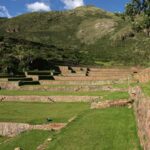
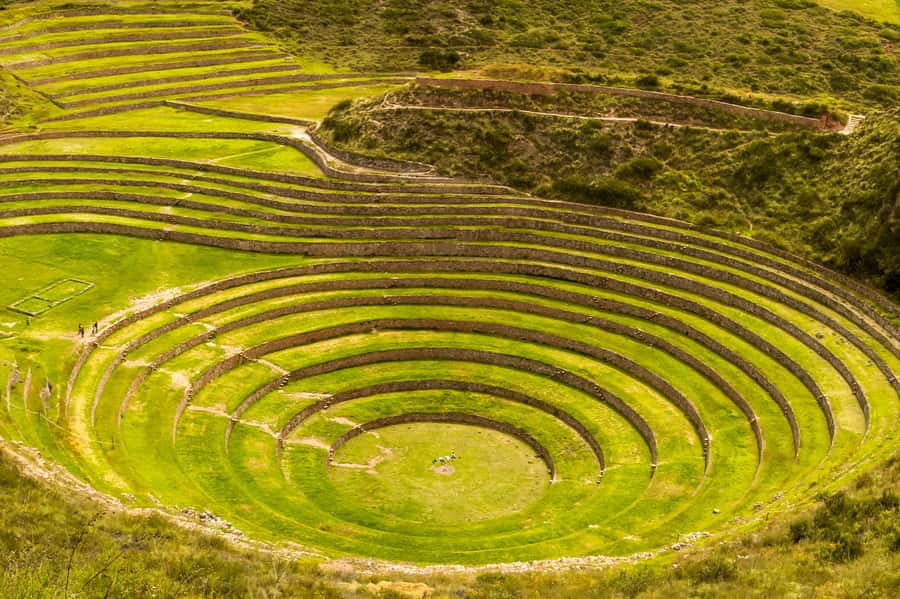
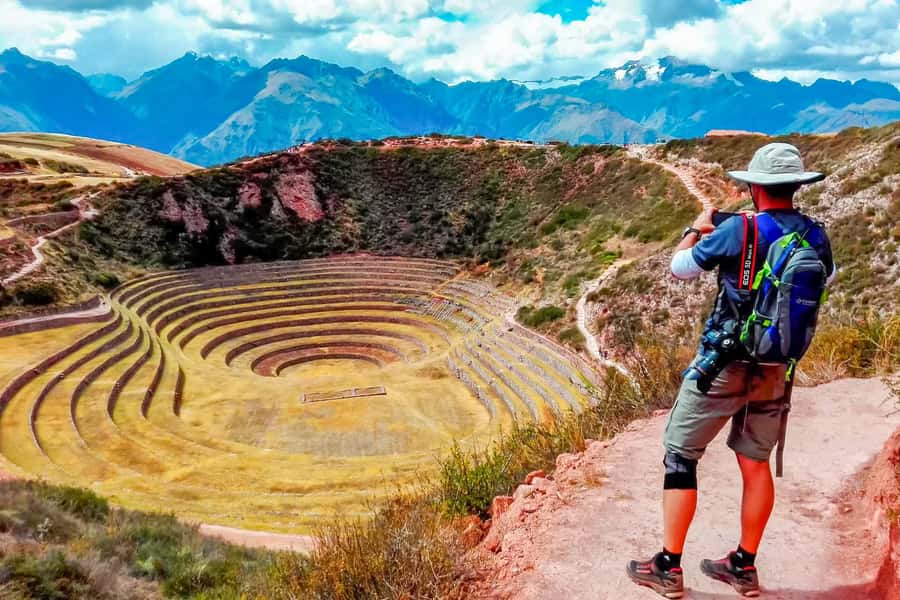
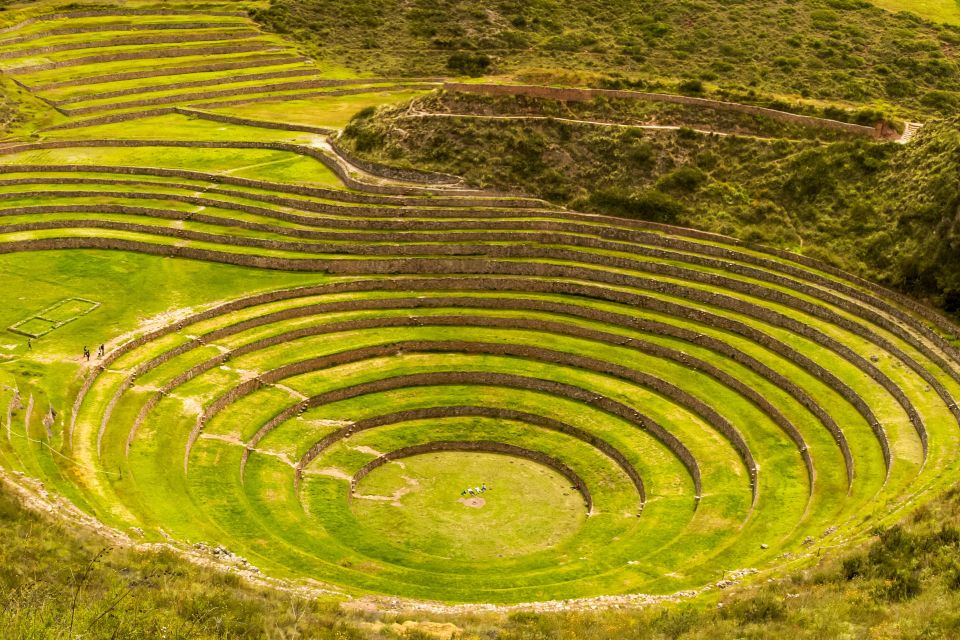
Moray is about 50 km northwest of Cusco, and the first thing you notice is the terrain. The site sits in natural sinkholes on a limestone plateau, and the terraces form repeating circles, stacked down like an architectural diagram.
The terraces are the star: Inca builders created agricultural platforms there, using the sinkhole structure to shape growing conditions. The tour framing emphasizes that the site may have had a cosmological meaning, but its exact purpose beyond farming is still unclear. For you, that uncertainty is actually part of the fun. You stand in front of the rings and do your own mental “how did they think about this?” math.
Practical tip: wear shoes you trust. This isn’t about long hikes, but you’ll want traction on uneven ground while you stop for photos.
What can feel tricky: because you have multiple major stops that day, you might not get a long, slow wander at Moray. If you want to ask questions, do it early—once the group moves on, it’s harder to catch up with the guide.
Maras Salt Mines: thousands of pools still at work
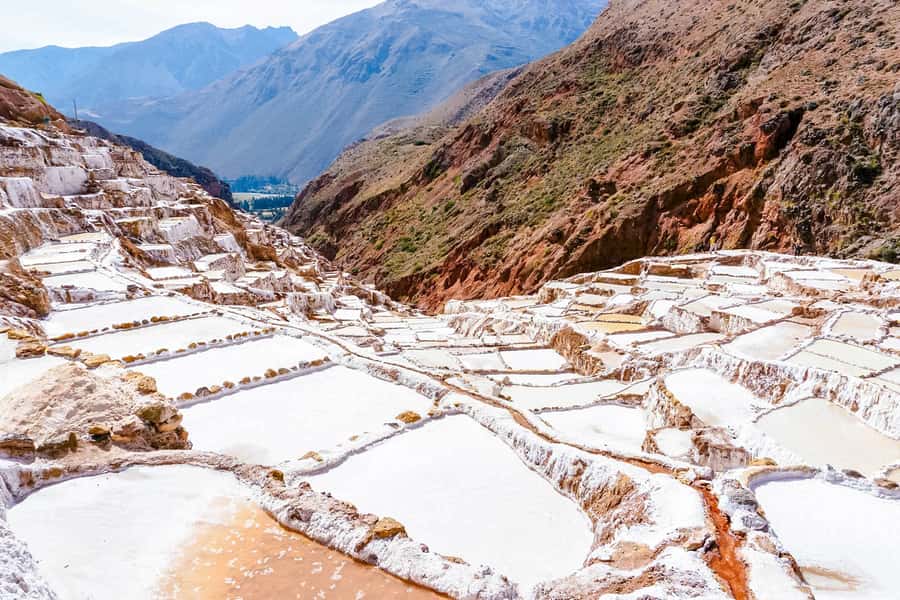
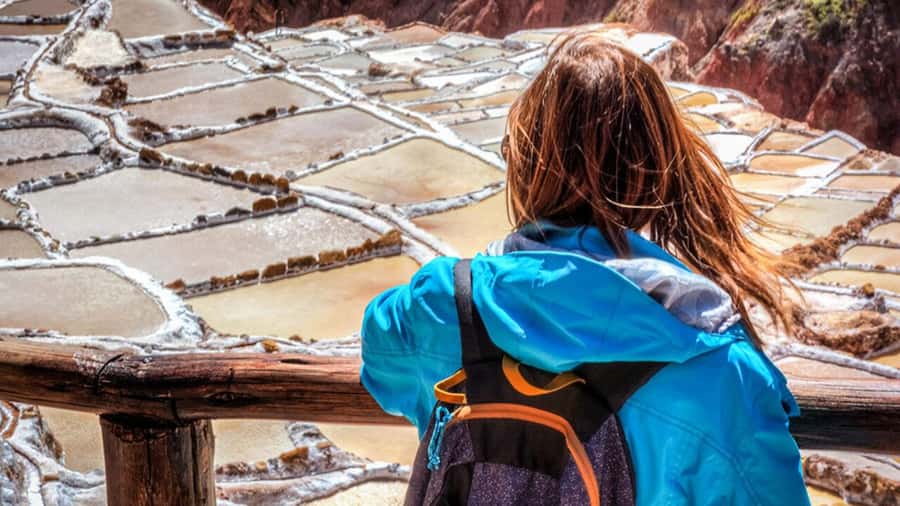
After Moray, you head to Maras, a colonial-era town in the Sacred Valley area that’s known for the nearby salt evaporation ponds. The salt pools are up-slope, less than a kilometer west of town, so you’re not crossing the entire valley—this is a relatively direct “look and learn” stop.
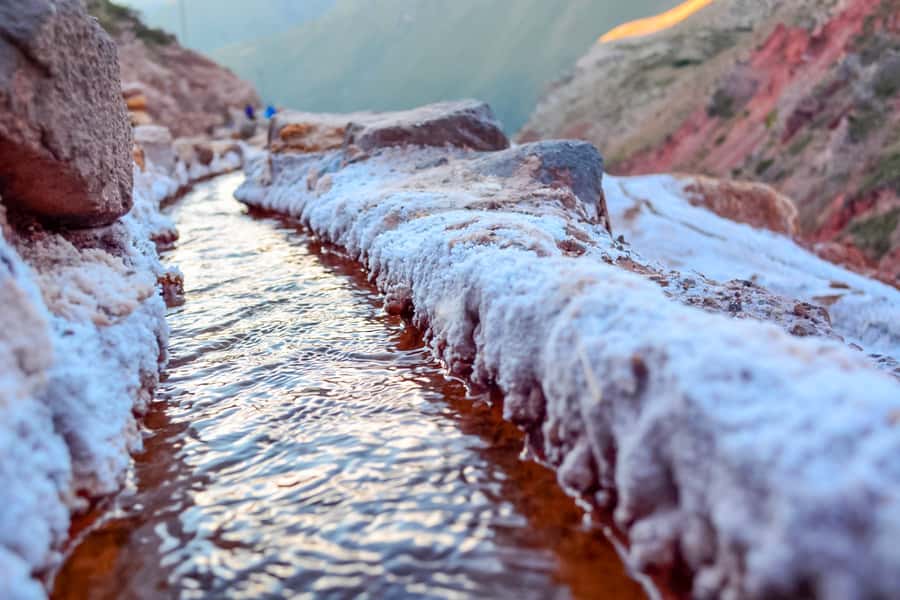
This is where scale hits. You’re there to see more than 3,000 salt pools. Even if you’ve seen photos before, it’s the pattern in real life that gets you: tiny rectangles of salt water shifting through the steps of the hillside.
The tour also gives you useful context. The ponds have been used since Inca times, then later during Colonial time, and they continue to this day. That continuity matters. You’re not just visiting ruins that stopped centuries ago. You’re watching an old industry shape the view.
A money note to keep you from surprises: entrance to the salt mines is not included in the tour price. One helpful hint is that you should budget for the salt mine access fee on top of the standard touristic ticket (S/70.00 per person).
Urubamba lunch: a buffered break between two major sites
Lunch is in Urubamba, and it’s described as a buffet lunch. This matters more than people think. When you’re juggling multiple sites in one day, food stops you from turning sightseeing into a low-grade endurance test.
So even if you’re not a huge buffet person, treat this as a reset: eat, drink water if you have it, and take 20 minutes to recover before the drive toward Ollantaytambo.
Also, your itinerary includes meals via that lunch, but the tour notes say meals aren’t fully included beyond what’s listed. In practice, that means you should still be ready for any snacks or extra drinks you want outside the buffet.
Ollantaytambo ruins: Inca construction with Wiracocha vibes
The final stop is Ollantaytambo, reached after driving along the Urubamba River. This drive is one of those quiet transitions: you go from salt and terraces to a town that feels more like a hinge between regions.
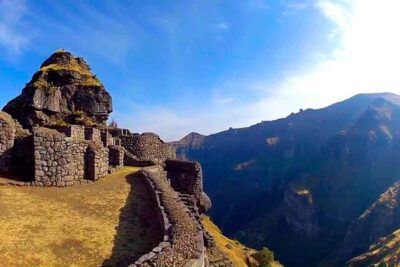
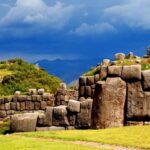
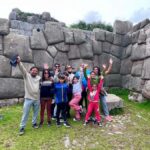
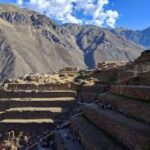
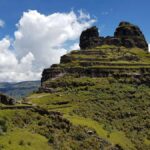
The ruins in Ollantaytambo are an important Incan construction area, built during the Inca’s heydays. What you’re looking at on this stop is not just walls and steps. The tour highlights a special detail: rock formations that represent the Inca god Wiracocha.
If you like symbols, this is a satisfying finish. It gives you something to interpret while you’re walking, rather than only scanning for structure and scale. You can look for the shapes the tour points toward, and then decide what you see.
Practical note: your tour ends around 3pm, and you’ll be dropped at Ollantaytambo main square (Plaza de Armas). That means you’ll want your train timing set with a buffer. The guidance is clear: your train must be after 3pm so the visits occur normally.

Price and value: what your $49 really covers
The tour price is $49 per person for a 6-hour day. For that, you get a lot of the expensive “friction” handled for you: hotel pickup in Cusco (around 6:30am), transport, a bilingual guide, and a buffet lunch in Urubamba, plus drop-off at Plaza de Armas.
Where the value question gets real is what’s not included:
- Touristic ticket: S/70.00 per person
- Salt mine entrance
- Any meals beyond the buffet lunch
So yes, the base price is affordable, but you should treat the total cost as base price plus ticket fees. If you hate math on vacation, plan for that extra cash as part of the day’s cost.
For me, this still feels like solid value because you’re paying for guided access to three heavy hitters in the Sacred Valley. You’re not just getting a ride to one place; you’re getting a routed circuit where each stop has its own visual reason to exist.
Logistics that can make or break your day
This tour is small group: limited to 15 participants. That’s a big deal for Cusco-region tours. Smaller groups often mean less waiting and easier photo stops. Just don’t assume it means unlimited time everywhere.
Two logistics points you should treat seriously:
- Start early: pickup is around 6:30am. If you’re staying farther out or you misread the pickup instructions, you’ll lose time fast.
- Ending time controls your train: you finish around 3pm at Plaza de Armas. If your train is close, you risk a stressful scramble.
One more practical heads-up comes from past issues people reported: pickup can be late or confusing, and at least once, the guide didn’t provide much direction or seemed rushed with photo time. I can’t promise your guide will run that way, but you should protect yourself:
- be ready and waiting a bit early at pickup
- carry your own plan for what you want to photograph
- ask questions early while the group is still gathered
If a moment of confusion happens, stay calm. The route itself makes sense once you’re moving.
What to bring, and what to skip
Bring comfortable shoes and sunscreen. That’s the whole official list, but it’s a good one. You’ll be walking on uneven outdoor ground at Moray and Maras, then standing around at ruins later in the day.
Skip large baggage. The tour notes say no luggage or large bags. If you can travel light, you’ll move through pickup and the sites with less hassle.
Also, pets aren’t allowed, and the tour isn’t suitable for wheelchair users.
Who this tour suits best
This works best if you want a classic Sacred Valley highlight day with clear structure and minimal planning. It’s ideal for:
- first-timers in the Cusco area who want the big names: Moray, Maras, and Ollantaytambo
- people who prefer guided interpretation over self-driving
- travelers with a train leaving after 3pm from Ollantaytambo
If you want a slow, wandering day where you spend extra time at one site and photo everything from every angle, this schedule might feel tight. In that case, you might be happier with a longer, less compressed version.
Should you book the Cusco Maras and Moray tour ending in Ollantaytambo?
I’d book it if you’re excited by the combination: Moray’s circular terraces, Maras’ thousands of salt pools, and then a meaningful finish at Ollantaytambo with the Wiracocha-themed rock formations. It’s a good “see it all” day, and the drop-off at Plaza de Armas is a smart match for trains after 3pm.
I would think twice if your priority is leisurely pacing and lots of free time for photos. Since the day is time-driven, you’ll want to be quick on your feet and proactive with questions.
If you book, do yourself a favor: budget for the S/70 touristic ticket and the salt mine entrance, and keep your train schedule flexible enough that 3pm end time can actually happen without stress.
FAQ
What time does pickup happen in Cusco?
Pickup is around 6:30am from your accommodation in Cusco. You should confirm your pick-up details when booking.
What is the tour route and order of stops?
The order is Moray first, then Maras (salt evaporation ponds), lunch in Urubamba, and finally Ollantaytambo ruins.
How long is the tour, and when do we end?
The duration is 6 hours, and the tour ends around 3pm.
Where are you dropped off in Ollantaytambo?
You are dropped off at the main square in Ollantaytambo, Plaza de Armas.
Is lunch included?
Yes. There is a buffet lunch in Urubamba included in the tour.
What tickets or entrances are not included?
The touristic ticket is not included (S/70.00 per person), and entrance to the salt mines is also not included.