REVIEW · PISAC & OLLANTAYTAMBO TOURS
Cusco: Pisac, Sacsayhuaman, Q’enqo, and Tambomachay Tour
Book on GetYourGuide →Operated by XPLORA AMERICA · Bookable on GetYourGuide
Cusco hits you from every angle. In just 6 hours, you’ll combine Pisac’s market with major Inca sites around Cusco—plus terrace views that make the whole Sacred Valley feel real.
I especially love the guided storytelling at each stop. The best moments for me are when your guide connects what you’re seeing to Inca life, then also explains what changed during the Spanish conquest.
One consideration: site entrance tickets aren’t included, so you’ll need to budget extra when you arrive.
In This Review
- Key highlights at a glance
- Why this 6-hour Cusco route makes sense
- Pisac town and market: where the Sacred Valley feels alive
- Touring the Pisac archaeological park like a guided story
- Taray Viewpoint: terrace views that explain the Incas’ engineering
- Sacsayhuamán: the ceremonial fort of stone monuments
- Q’enqo: ritual space and the theme of sacrifice
- Tambomachay: the temple dedicated to the God of Water
- Puka-Pukará: the panoramic stop with an Inca road feel
- Price and tickets: what $77 really buys you
- Logistics that affect your comfort (more than you’d think)
- Guides: the difference between a good tour and a great one
- Should you book this Cusco tour?
- FAQ
- FAQ
- What is the duration of the Cusco: Pisac, Sacsayhuaman, Q’enqo, and Tambomachay tour?
- How much does the tour cost?
- Does the tour include hotel pickup and drop-off?
- What’s included in the price?
- Are archaeological site entrance tickets included?
- What languages are the guides?
- What stops are included in the itinerary?
- What should I bring for the tour?
- Is smoking allowed during the tour?
- Is this tour suitable for wheelchair users or people with back problems?
Key highlights at a glance
- Pisac market time with artisan stalls, walking streets, and a guided start to the day
- Pisac archaeological park explained clearly, site by site
- Taray viewpoint for terrace views back over the Sacred Valley
- Sacsayhuamán, Q’enqo, and Tambomachay as three different types of sacred places
- Puka-Pukará panoramic stop for an Inca road-guard-post feel
Why this 6-hour Cusco route makes sense
This tour is built for people who want the big names without losing a full day. You get two concentrations of Cusco area highlights: first Pisac in the Sacred Valley, then the famous ruins near town. That flow matters because it keeps the day from feeling like nonstop bus time and a quick photo sprint.
The other thing I like is the mix. This isn’t just “look at stones.” You’ll be walking through market life, then switching gears to ceremonial sites—Sacsayhuamán’s stone fort vibes, Q’enqo’s ritual setting, and Tambomachay’s water worship theme. It’s varied, so the day stays interesting even if you’re not a hardcore archaeology person.
You can also read our reviews of more tours and experiences in Cusco.

Pisac town and market: where the Sacred Valley feels alive
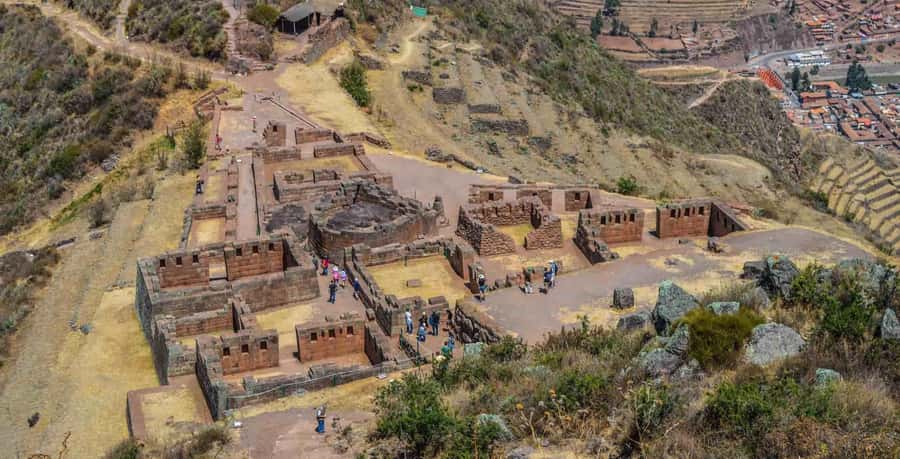
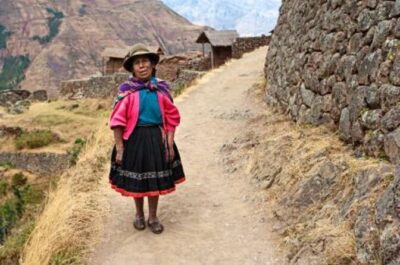
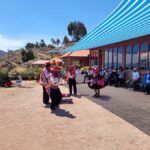
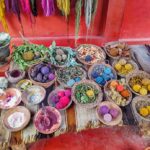
Starting in Pisac is smart. It gives you an immediate sense of place before you hit ruins and viewpoints. You’ll walk along picturesque streets, and you can browse artisan stalls at a human pace—not the rushed kind that leaves you with a blur.
Then comes the market. This is the part where you’ll see locals doing everyday things—buying, trading, bargaining, chatting. It’s not just scenery. It helps you understand what the Incas were protecting and shaping in the first place: a high-altitude farming system and a network of communities connected by roads.
Practical tip: wear shoes you trust. Pisac’s streets and market areas involve uneven ground and lots of small stops. You’ll want comfort more than fashion here.
Touring the Pisac archaeological park like a guided story
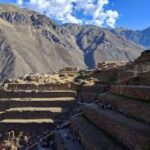
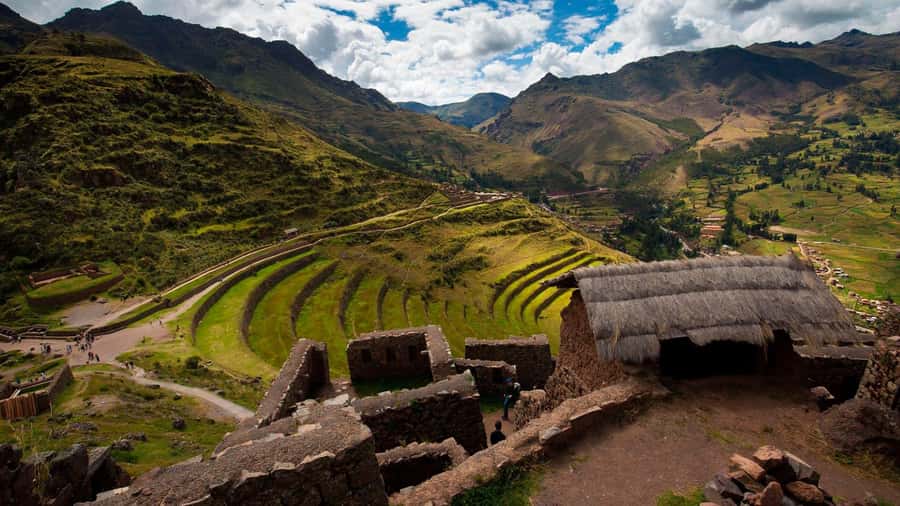
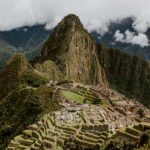
After exploring town, your guide takes you into the Pisac archaeological park. The value of a guided visit is that you’re not only looking at terraces and stonework—you’re learning what the layout meant and how to read the site.
You’ll move through it with a clear sense of purpose: where you’re standing, how parts relate, and why the site mattered. And because your guide is also explaining broader Inca history and the Spanish conquest, the ruins stop being isolated facts and start fitting into one larger timeline.
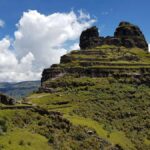
One more reason this works: the park is visually powerful. Even if you don’t catch every detail, the terraces and stone alignments give you something concrete to latch onto. It’s the kind of place where the guide turns what looks like scattered stone into a coherent map.
Taray Viewpoint: terrace views that explain the Incas’ engineering
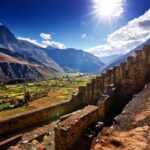
On the way back toward Cusco, there’s a stop at Taray Viewpoint. This is where the Sacred Valley’s famous terrace system becomes more than a phrase in a guidebook.
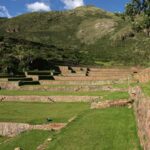
From a viewpoint, you can finally see scale: terraces stacked across the slopes, shaped for agriculture, and designed to manage water. The terraces are a reminder that the Inca story wasn’t only temples and ritual. It was also food systems, labor, and planning.
If you’re the kind of person who loves taking photos, this stop is a good one. If you’re not, it still earns its place because it gives context for everything you’ll see next—especially the way the Inca sites near Cusco feel tied to water, movement, and ritual.
Sacsayhuamán: the ceremonial fort of stone monuments
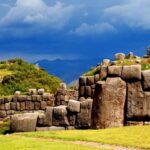
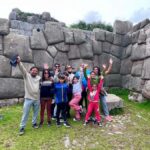
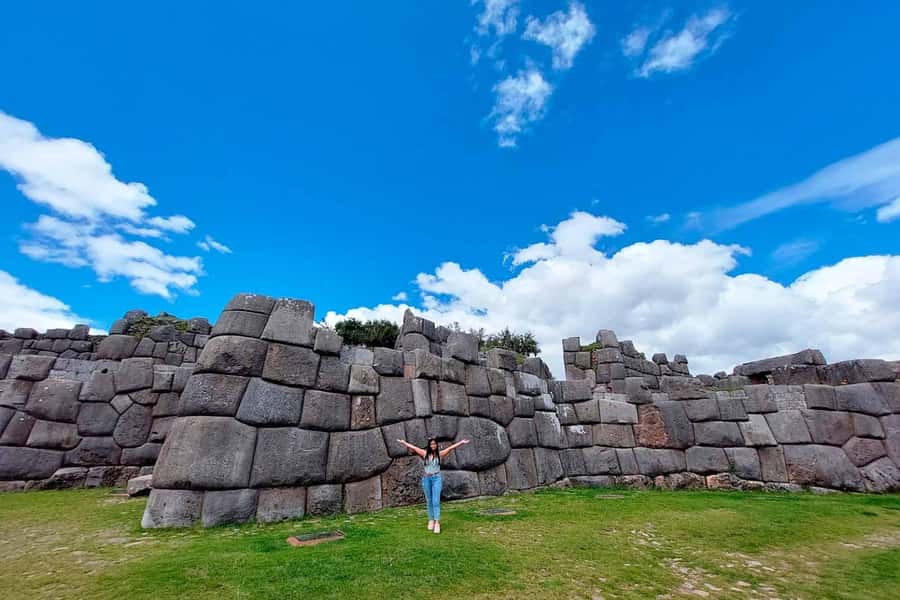
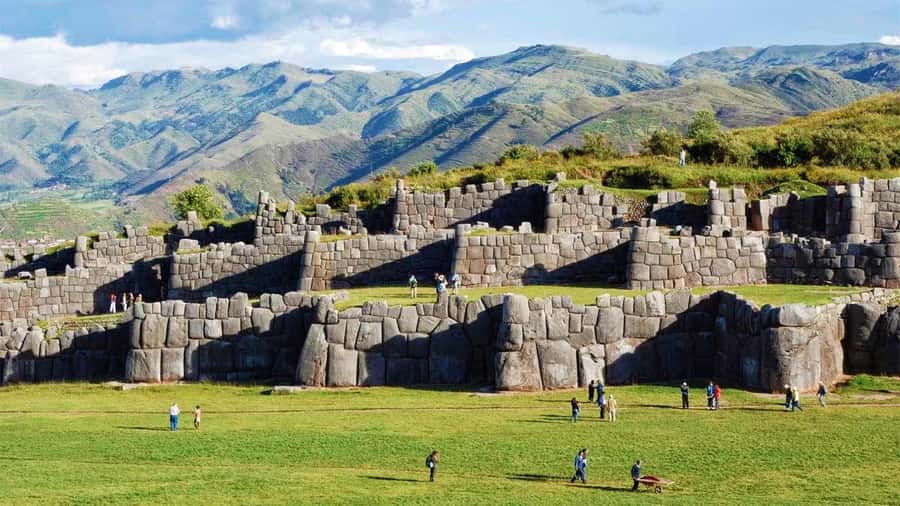
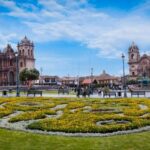
Back near Cusco, your first major ruin stop is Sacsayhuamán. This site feels different right away. The stonework and monumental scale create a ceremonial-fort atmosphere rather than a “temple you wander through” vibe.
Your guide will help you understand how to see the place: not just as impressive walls, but as part of a broader Inca setting—stone architecture used for public meaning and important events. You’ll also hear the Spanish conquest in the background of the story, which matters because it helps explain why the region’s ruins survive while daily life changed.
Practical note: expect walking on uneven surfaces. Bring sturdy footwear and keep an eye on footing. Cusco area ruins are not built for flip-flops.
Q’enqo: ritual space and the theme of sacrifice
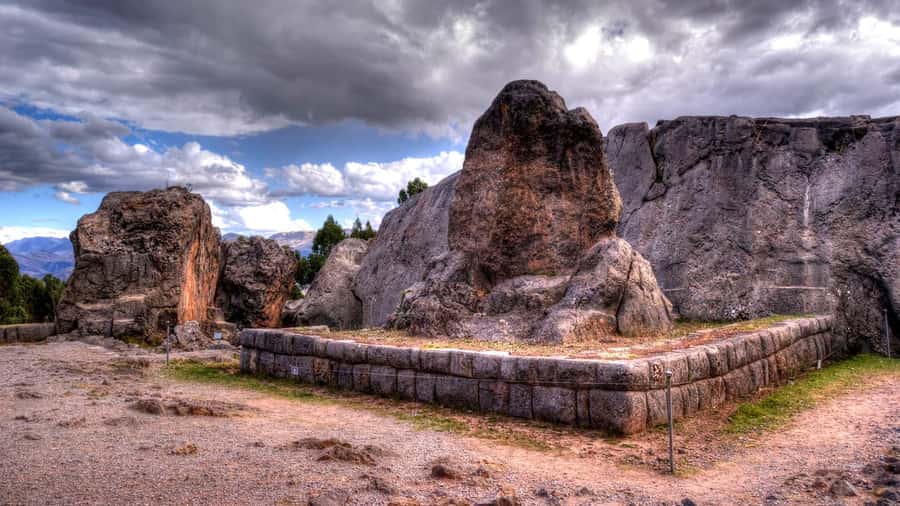
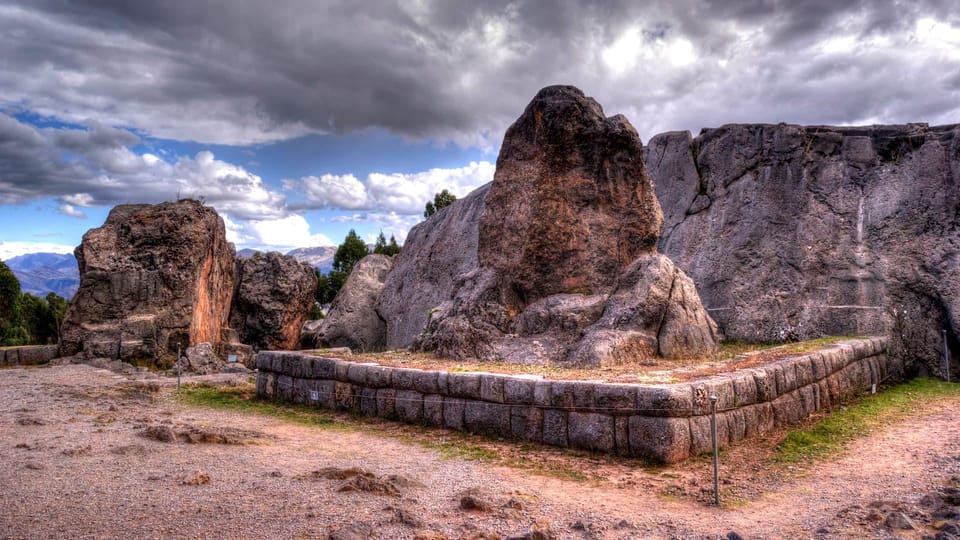
Next is Q’enqo, a ritual site where sacrifices once took place. This is where the tour shifts tone. Sacsayhuamán is massive and ceremonial; Q’enqo is more intimate and tied to specific religious function.
The guide’s job here is crucial. If you try to figure it out alone, it’s easy to treat the stones like random carvings. With a guide, you’ll understand the intended purpose and why the setting mattered.
It’s also a good stop for questions. If something feels unclear—how a particular part fits into ritual—this is where a strong guide can connect dots for you in a way that feels logical rather than like reciting facts.
Tambomachay: the temple dedicated to the God of Water
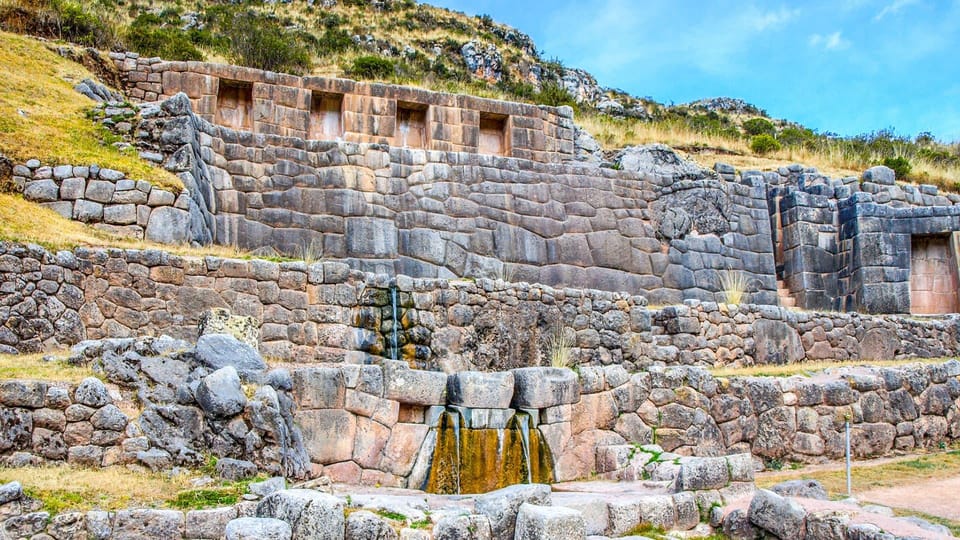
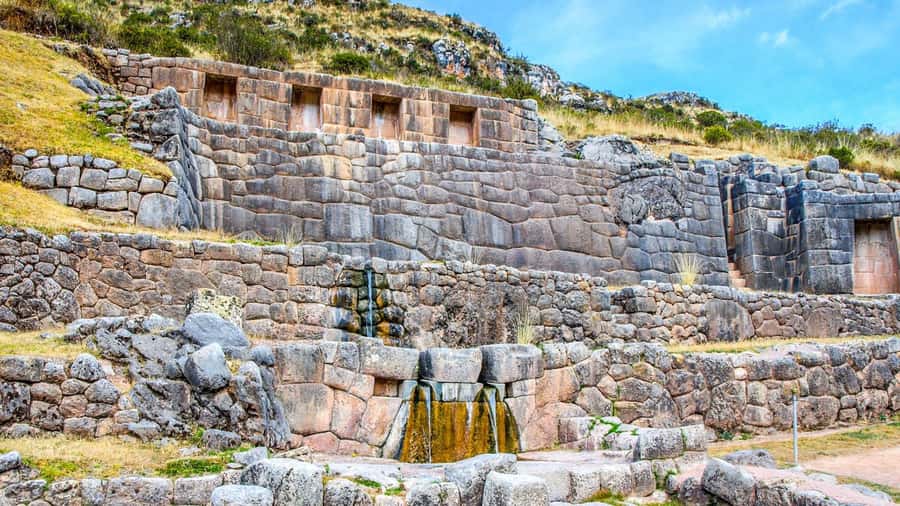
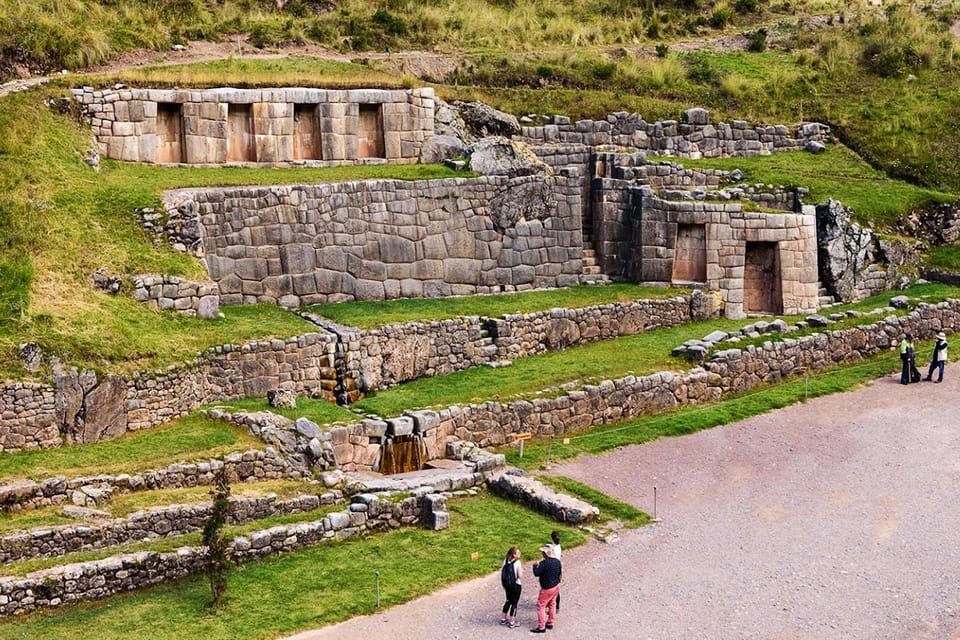
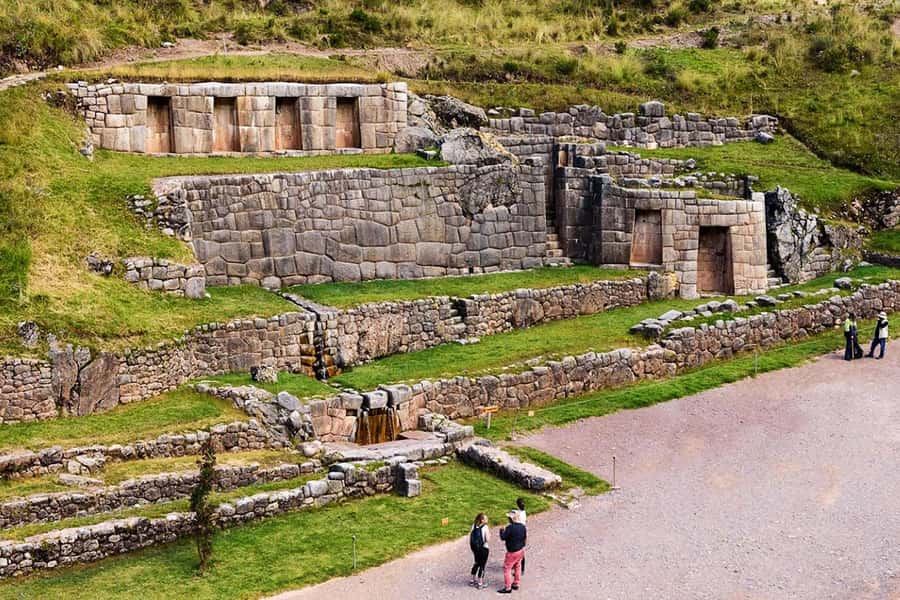
Then you’ll head to Tambomachay, dedicated to worship connected to the God of Water. This stop ties the whole day together. Earlier you saw terraces and water-handling engineering at Taray. Now you’re seeing a sacred expression of water itself.
You’ll move through the site with the guide explaining how the function fits the Inca worldview. Water wasn’t just practical. In many Andean traditions it’s tied to life, agriculture, and ceremony. Tambomachay gives you that link—so the day stops feeling like disconnected stops and starts feeling like a theme tour.
Puka-Pukará: the panoramic stop with an Inca road feel
The final highlight is a panoramic view of Puka-Pukará, an ancient tambo or guard post along the Inca roads. It’s a different style of stop: less about one temple space and more about position in the network.
Why this matters: guard posts and way-stations remind you that the Inca world was connected. Roads weren’t only for travel—they were part of administration, communication, and control across long distances.
This is also a great last stop because panoramas reset your brain. After multiple ruins, you get a wider view and a chance to take photos without worrying you’ll miss another key detail.
Price and tickets: what $77 really buys you
The tour price is listed at $77 per person for a 6-hour experience with hotel pickup/drop-off, transport by car or minibus, and an English-speaking guide.
Here’s the part you need to plan for: archaeological site entrance tickets are not included. For foreigners, the total is S/70 (about US$18.70) per person. For Peruvians it’s S/40 (about US$10.70) per person.
So your realistic planning number is closer to:
- US$77 + about US$18.70 in entrance fees = roughly US$95.70 total, per person (before any local currency fluctuations)
That’s not a cheap day, but it’s also not overpriced for what you’re getting: multiple major sites + Pisac market + viewpoints in a short window. The main value is the guide time—your guide is doing the heavy lifting of explaining the meaning of each stop.
Logistics that affect your comfort (more than you’d think)
You’ll do a fair amount of walking and you’ll be outdoors. Bring comfortable shoes, and also pack essentials: water, sunscreen, and a hat. Weather can shift, so bring something light you can layer.
The tour isn’t suitable for everyone. It’s not recommended for people with back problems or for wheelchair users. Even without steep terrain, ruins mean uneven ground and stop-and-start movement.
One small detail with big impact: hotel pickup only works smoothly if your lodging is within Cusco’s historic center. If it’s outside, you’ll get a designated meeting point arranged in advance. If you’re staying just beyond the center, double-check this early so you’re not standing around waiting with a sore neck.
Guides: the difference between a good tour and a great one
This is where the reviews get loud in the best way: guides here can genuinely change how you experience the sites.
I’d pay attention to two guide examples you might run into:
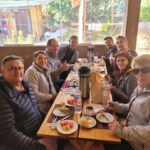
- Juan Carlos: one tour description highlights him as trained in archaeology, with clear, precise explanations and an evidence-based approach. The big win is that he could answer questions that other tours didn’t cover, and he brought the group to an excellent restaurant near Pisac. If you like understanding the why behind what you see, this is the kind of guide you hope for.
- Jessica: another highlight centers on a driver-guide who was praised for being kind and making up for a hiccup that was out of her control. There was also a complaint about the vehicle not fitting four adults comfortably and some confusion about group size. The lesson: confirm your party size and details before you go, so you don’t get a vehicle that feels cramped.
Bottom line: you’re paying for more than transportation. A strong guide makes the stories stick—Inca functions, ceremonial meaning, and how the Spanish conquest altered the region. If you show up ready to ask questions, you’ll get more from the stones.
Should you book this Cusco tour?
If you want a smart first taste of the Sacred Valley and the major Cusco ruins in one efficient day, I think this is a solid booking choice. The blend of Pisac market life plus multiple high-profile sites gives you variety without forcing you into a long, exhausting schedule.
I’d skip or switch plans if you:
- hate walking on uneven surfaces
- need wheelchair access
- have strict budget constraints once you add the S/70 entrance fees for foreigners
And if you book, go in with a simple mindset: ask one question per stop. Even a short exchange with a good guide can turn a photo stop into real understanding.
FAQ
FAQ
What is the duration of the Cusco: Pisac, Sacsayhuaman, Q’enqo, and Tambomachay tour?
The tour lasts 6 hours.
How much does the tour cost?
The price is $77 per person.
Does the tour include hotel pickup and drop-off?
Yes. Pickup and drop-off from your hotel in Cusco (within the historic center) are included, or a meeting point is coordinated if your hotel is farther away.
What’s included in the price?
Included are hotel pickup and drop-off, transport by car or minibus, and an English-speaking guide.
Are archaeological site entrance tickets included?
No. Admission tickets are not included. The cost listed is S/70 per person for foreigners and S/40 per person for Peruvians.
What languages are the guides?
The guide offers Spanish and English.
What stops are included in the itinerary?
The tour includes Pisac (town and market), the Pisac archaeological park, Taray Viewpoint, Sacsayhuamán, Q’enqo, Tambomachay, and a panoramic view of Puka-Pukará.
What should I bring for the tour?
Bring comfortable shoes, a hat, a camera, sunscreen, and water.
Is smoking allowed during the tour?
No, smoking is not allowed.
Is this tour suitable for wheelchair users or people with back problems?
No. It is not suitable for people with back problems or wheelchair users.