REVIEW · LAKE TITICACA & PUNO TOURS
From Cusco: Lake Titicaca – Full-Day Tour
Book on GetYourGuide →Operated by TRIP TOUR · Bookable on GetYourGuide
Sleeping on a bus can still be worth it. This Lake Titicaca day-and-night loop pairs a smooth overnight ride with two very different island experiences: the Uros reed-built islands and Taquile’s terraced island life. The speedboat legs also deliver some of the most dramatic, wide-open views on the water around Puno.
I especially like the way the day is paced. You’re not stuck in a single place all day—you get up close with Uros culture, then you slide across the lake by speedboat, and later you reach Taquile for markets and lunch with a local family. One consideration: the trip relies on tight meeting points and pickup timing, and a few small communication problems can create stress if your contact info and WhatsApp details aren’t set up right.
In This Review
- Key things that make this Lake Titicaca loop work
- Cusco-to-Puno Overnight: The 9:00 PM Rhythm and 160-Degree Seats
- Uros Artificial Islands of Totora: Meeting a Reed-Built Way of Life
- Speedboat Across Lake Titicaca: Big Views in Short Time
- Taquile Island Markets, Terraced Fields, and Lunch With a Local Family
- Puno Historic Center Free Time Before the 9:00 PM Return
- Price and Value: Is $150 Worth This 36-Hour Package?
- Logistics That Matter: Pickup Timing, WhatsApp, and Clear Meeting Points
- Should You Book This Cusco to Lake Titicaca Tour?
- FAQ
- What time is pickup in Cusco?
- How long is the tour?
- What happens after you arrive in Puno?
- Do you visit both Uros and Taquile?
- What meals are included?
- Is there a guide, and what languages do they speak?
- What documents do I need to bring?
Key things that make this Lake Titicaca loop work
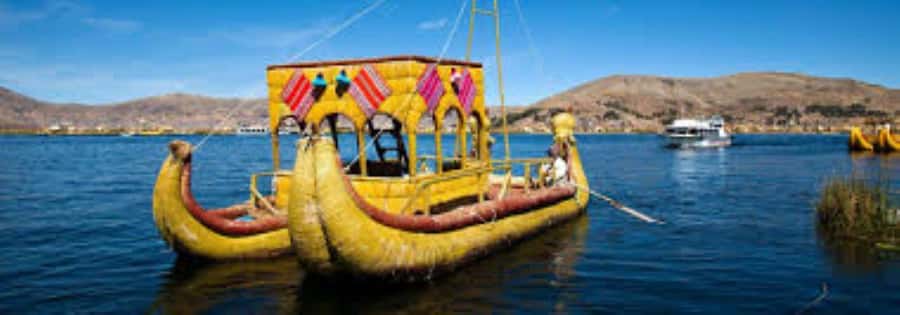
- Uros Island built with totora: a living reed ecosystem, not just a photo stop
- Speedboat views across the lake: rugged plateaus and mountain silhouettes you’ll notice immediately
- Taquile markets + artisanal souvenirs: colorful produce and handmade items on the island
- Lunch with a local family on Taquile: you eat regional flavors where the islanders live
- A full overnight format (36 hours): you trade time on a bus for more lake time
Cusco-to-Puno Overnight: The 9:00 PM Rhythm and 160-Degree Seats
The tour starts with a pickup from your accommodation in Cusco’s historic center at 9:00 PM. Then you settle into a tourist sleeper bus with seats that recline up to 160 degrees, which matters because you’re spending most of the trip on long road segments. This is the kind of schedule where you’ll feel better if you treat it like transit, not sightseeing.
You’ll arrive in Puno early the next morning. The plan includes a continental breakfast, and you may have a chance to shower before heading to the port. That little window can change the entire mood of the day—no one wants to go from overnight bus to speedboat feeling grim.
One practical point: this is a “whole-day experience” that’s stitched together with transit. If you’re the type who hates uncertainty, you’ll want to double-check where you’re supposed to meet the group at the bus and at the port. The tour includes a pickup from the Puno terminal to the port, which helps, but your best insurance is being ready with your phone working and your contact number entered correctly (more on that later).
You can also read our reviews of more tours and experiences in Cusco

Uros Artificial Islands of Totora: Meeting a Reed-Built Way of Life
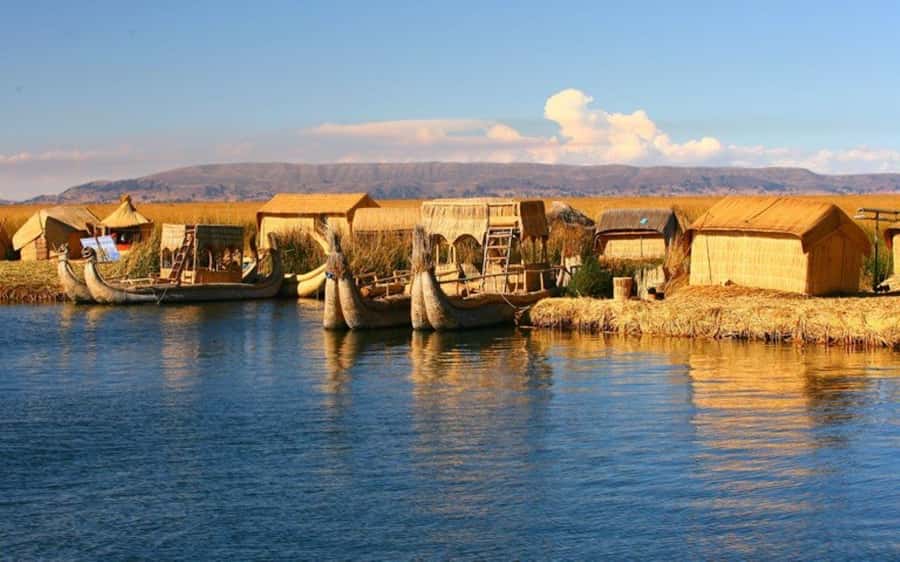
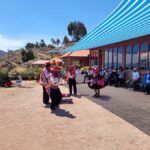
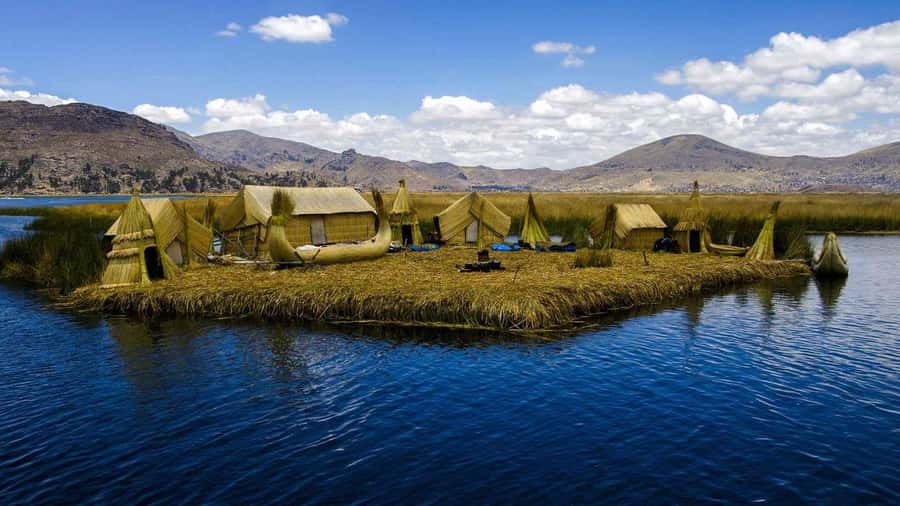
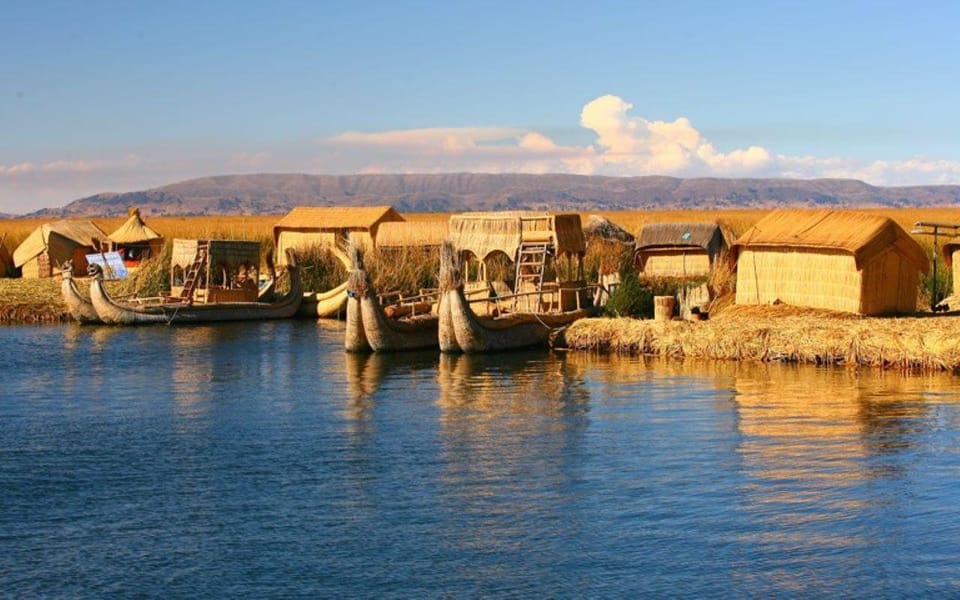
The Uros part is why most people sign up. You transfer by speedboat to Uros Island, an artificial island built with totora reeds by the Uros people. Instead of just looking at structures, you’ll get greeted by a local Uros family and hear about their traditions, customs, and way of life.
What I like about this stop is the structure of the experience. You’re not thrown into a rushed walk-through—you’re met by people who live this reality, and the tour sets a context for why the island exists and how it works. The reed-built nature also gives you a visual anchor: it’s easy to understand the effort it takes to maintain an island that’s literally made from the lake’s own plant material.
To make the visit more enjoyable, come in with the right mindset. Ask questions that focus on daily routines, not just photos. If you’re buying small souvenirs from Uros, treat it like supporting a household rather than collecting a trinket. That respectful approach usually helps you get better conversation and better memories.
A quick caution that’s not about the culture—it’s about your comfort. Speedboat and lake wind can be cool, and your time on the island may involve standing and walking on uneven surfaces. Bring a light layer, and don’t plan to dress in a way that you’ll worry about.
Speedboat Across Lake Titicaca: Big Views in Short Time
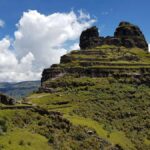
This is a speedboat day, and you’ll feel it. After the Uros stop, you’ll transfer by speedboat to Taquile Island, and along the way you’ll get dramatic views of rugged mountain ranges and high plateaus that form a strong backdrop for the lake’s sparkle.
I love how this part of the tour creates variety without adding hours. You’re moving fast enough to keep energy up, but not so fast that you feel like you’re just being herded. If you’re visiting for the first time, this water time is a fast way to understand how wide and open Lake Titicaca feels.
If you get motion-sensitive, plan ahead. The tour doesn’t mention anything about boat stability or seasickness products, so your best move is to bring what you normally use. Also bring a way to keep your phone and camera protected from splashes, wind, and occasional spray.
The lake views are one of the easiest parts to remember later because they frame both island cultures. You’re seeing the physical setting that shapes life on the water and on the islands—ridgelines, altitude, and the stark beauty of the high plateau.
Taquile Island Markets, Terraced Fields, and Lunch With a Local Family
Taquile is the contrast. You’ll admire rolling hills and terraced fields, with sheer cliffs that drop down toward the shores of Lake Titicaca. It’s a different kind of scenic: more human-scaled agriculture, more structure, and a sense of island life built on careful cultivation.
Then comes one of the most practical, enjoyable parts: the traditional market time. You’ll have a chance to photograph colorful produce and purchase artisanal souvenirs. This matters because you’re not shopping on a timed detour. You’ll be there while daily market activity is happening, which makes it feel real and gives you something tangible to bring home besides photos.
After the market, you’ll sit down for lunch with a local family on Taquile. The tour describes it as lunch with regional flavors, and that’s the key idea: you’re eating where islanders live, not at a generic roadside stop. For me, that’s often the difference between a day that feels like sightseeing and a day that feels like a genuine experience.
A small tip: treat lunch as part of the cultural pacing. Don’t rush through it just to “use the afternoon.” If your schedule feels packed, lunch will be the best chance to slow down, ask a few questions, and reset your energy before your free time later in Puno.
Puno Historic Center Free Time Before the 9:00 PM Return
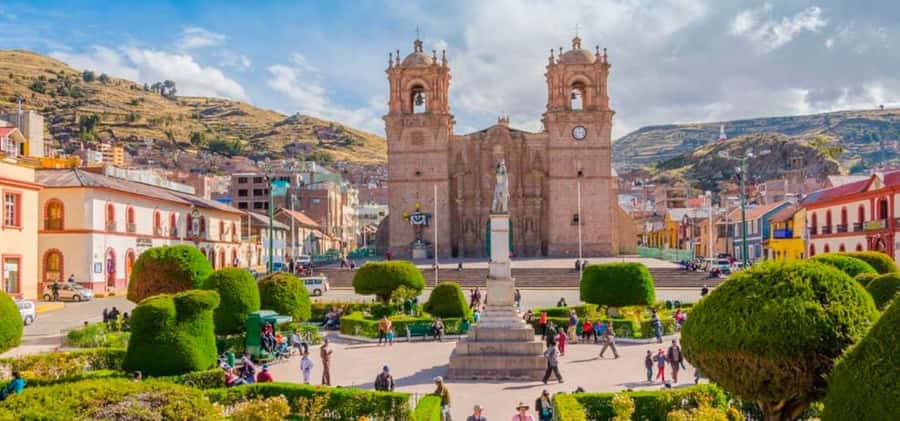
After Taquile, you get an afternoon free slot to explore Puno’s historic center. The tour doesn’t promise a guided walk with named landmarks, so your goal is simpler: get a feel for the city on your own terms.
This free time is valuable because the overall structure of the trip is fast and scheduled. Having a window where you can choose your own pace helps you absorb the day instead of just checking boxes. If you like browsing small shops, people-watching in public areas, or grabbing a casual drink and snack (not included), this is where you’ll spend that flexibility.
Then at 9:00 PM, you board the sleeper bus again and travel all night back to Cusco, arriving early in the morning. This return segment is the tradeoff for all the lake time you pack in. The upside is you’re not losing a full day to travel; the downside is you’ll want to keep your expectations realistic about sleep and recovery.


Price and Value: Is $150 Worth This 36-Hour Package?
At $150 per person for a roughly 36-hour experience, you’re paying for a bundle of things that are hard to replicate cheaply if you plan them separately: Cusco pickup, the sleeper bus, port transfers, speedboat rides, an English/Spanish speaking guide, entry/on-island time for both Uros and Taquile, continental breakfast, and lunch with a local family.
The value hinges on the meal and transport components. Breakfast plus lunch reduces your out-of-pocket spending, and the speedboat segments are usually the most “expensive-feeling” part when you try to stitch together lake islands independently. When a tour like this includes those pieces, the $150 starts looking more like paying for logistics than paying for sightseeing alone.
The flip side is what’s not included: drinks and dinner. That means you should budget a bit extra if you want a comfortable meal day. If you’re traveling on a tight budget, plan to treat breakfast and lunch as your main food anchor, and keep drinks and any dinner expectations modest.
If you want a lake itinerary that feels structured but still gives you time on islands and markets, this price is in the realm of fair. If you hate overnight buses, this might feel expensive because you’re paying for long transit rather than a relaxing trip.
Logistics That Matter: Pickup Timing, WhatsApp, and Clear Meeting Points
Here’s the part you should take seriously. The tour includes multiple handoffs: pickup in Cusco, port transfer in Puno, speedboat rides, and then the return bus. When everything runs smoothly, it’s seamless. When it doesn’t, you feel it fast.
Some past experiences have included issues like missed hotel pickup, unclear meeting instructions, or delays in pickup times. In one case, the driver didn’t speak English and dropped people at the entrance to the bus station rather than having a representative waiting to guide next steps. The common thread wasn’t the lake sites—it was communication and who is holding the process together.
So do this before you go:
- Make sure you put your contact number with the correct country code and that WhatsApp is ready to receive messages.
- Save any message details and keep an eye on timing changes close to departure.
- If you’re doing a last-minute booking, check availability with the supplier by email before you lock it in.
If you’re the type who wants zero surprises, the best strategy is not to gamble. Confirm pickup and meeting points, and keep your phone charged for the 9:00 PM start and again for the 9:00 PM return.
Should You Book This Cusco to Lake Titicaca Tour?
Book it if you want an efficient, high-impact Uros + Taquile combo and you’re okay with an overnight bus rhythm. The strongest reasons to choose it are the Uros totora island visit with a local family greeting, the speedboat time on the lake with dramatic views, the Taquile market with artisanal souvenir shopping, and lunch with a local family.
Skip it (or at least think twice) if you absolutely need rock-solid pickup reliability and perfectly smooth English guidance at every handoff. Even when the island experiences are excellent, logistics can make a difference in how stressful your day feels.
If you go in prepared—phone ready on WhatsApp, basic documents on hand, and a mindset that you’re doing a long but rewarding route—you’ll likely walk away remembering the lake views and the human moments more than the bus hours.
FAQ
What time is pickup in Cusco?
Pickup from your hotel in Cusco’s historic center is at 9:00 PM.
How long is the tour?
The total duration is listed as 36 hours.
What happens after you arrive in Puno?
You arrive early in the morning, have a continental breakfast, and you may have the chance to shower before heading to the port.
Do you visit both Uros and Taquile?
Yes. You go to the Island of Uros and then to Taquile Island.
What meals are included?
The tour includes continental breakfast and lunch with a local family on Taquile. Dinner and drinks are not included.
Is there a guide, and what languages do they speak?
Yes. There is a live tour guide who speaks English and Spanish.
What documents do I need to bring?
Bring your passport or ID card, and the tour also notes bringing cash.