REVIEW · CUSCO
SOUTH VALLEY CUSCO
Book on GetYourGuide →Operated by Top Inka Travel · Bookable on GetYourGuide
Cusco’s South Valley shows the Andes can be engineered. I love the way Tipón turns simple water into elegant terraces and irrigation canals, and I also like Pikillacta, a pre-Inca Wari city that feels planned and powerful even before the Incas. One heads-up: Andahuaylillas church entry isn’t included, and some site stops can feel a bit brisk if you want to linger.
At a price around $20 per person for a guided, full-day loop, you’re paying for transportation plus expert interpretation in English and Spanish—a smart deal if you prefer structure. The only real consideration is that it’s not wheelchair friendly and you’ll be doing several transfers, so comfort footwear matters.
In This Review
- Key Points I’d Prioritize
- Tipón’s canals and terraces: water logic you can follow
- Pikillacta: the pre-Inca Wari city that still feels intentional
- Andahuaylillas: stepping into the Sistine Chapel nickname
- The flow of the day: timing, transfers, and where you land
- What $20 buys you: value, guide quality, and the costs that aren’t included
- Who this tour fits best (and who should skip it)
- Booking advice: how to get the most from the day
- Should you book South Valley Cusco?
- FAQ
- How long is the South Valley Cusco tour?
- Where does pickup happen?
- What sites are included in the tour?
- Are meals included?
- Is the Andahuaylillas church entrance fee included?
- What language is the guide?
- What should I bring?
- Is the tour suitable for wheelchair users?
- Are alcohol or drugs allowed?
- What’s the typical end point and time?
Key Points I’d Prioritize
- Tipón’s irrigation + terraces: Inca hydraulic engineering you can visually trace.
- Pikillacta’s Wari layout: Pre-Inca city planning that’s surprisingly readable on site.
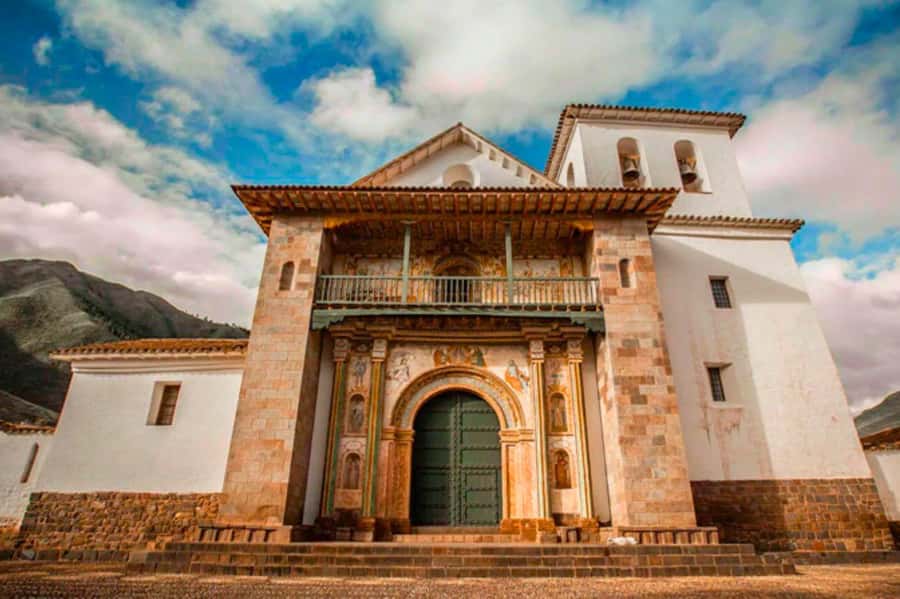
- Andahuaylillas and its famed paintings: The Sistine Chapel nickname makes sense once you see the interior.
- A guided pace with set time blocks: Great for busy days, but not for slow wandering.
- Central pickup options in Cusco: Easy start from the Plaza de Armas area, depending on your booking.
Tipón’s canals and terraces: water logic you can follow
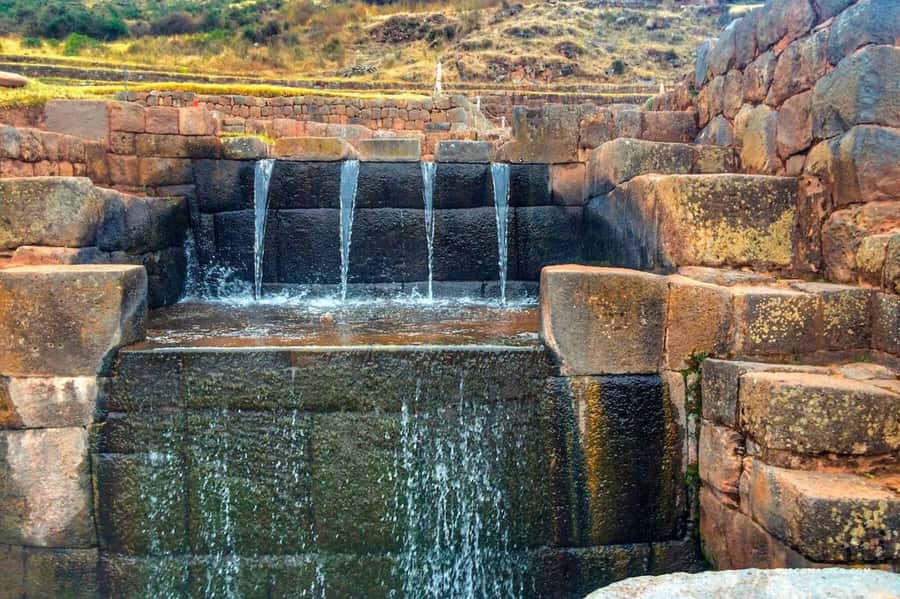
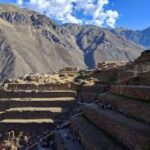
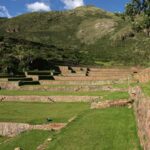
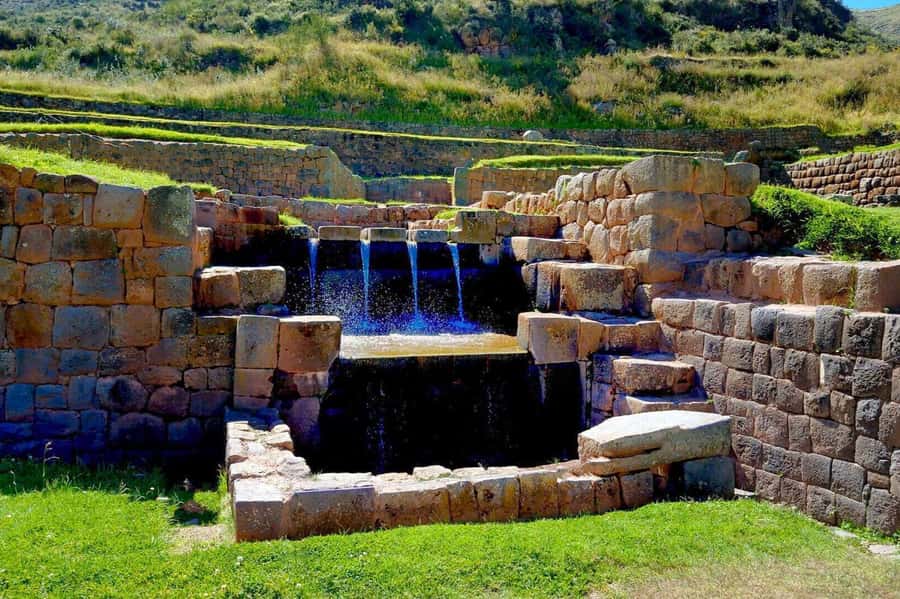
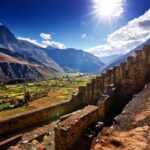
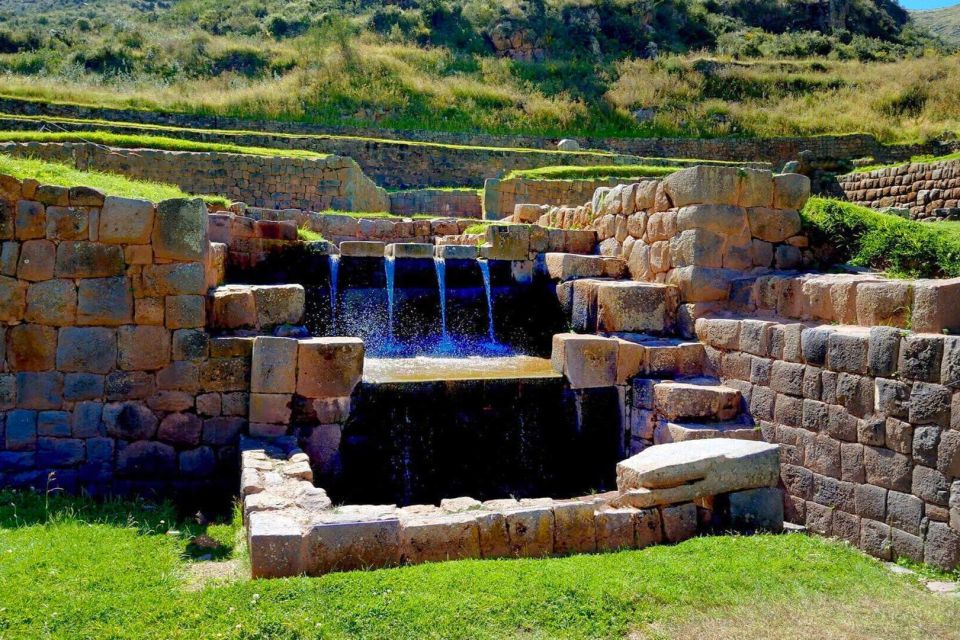
Tipón is one of those places where you stop thinking of ruins as “old stones” and start seeing them as a working system. The site is famous for its agricultural terraces and especially its irrigation canals, and that’s exactly what you’ll focus on during the guided visit.
You’ll likely start with the basics: where the water comes from, how it’s channeled, and why the terraces matter for growing crops at altitude. What makes Tipón special is that the engineering isn’t hidden. You can often trace the logic of water movement through the landscape—channels, slopes, and stepped levels all doing their job. When your guide points out the system, the place clicks into place fast.
There’s also a practical benefit for you: Tipón gives you a clear “topic” for the day. Once you understand how the Incas managed water here, the rest of the South Valley tour feels like one connected story rather than three disconnected stops.
Time note: the guided visit is about 50 minutes, so plan for a quick but guided “scan” rather than an hour-long photo session. If you’re the type who loves to stare at details, bring patience and still grab a few wide shots—then use your questions.
You can also read our reviews of more tours and experiences in Cusco.
Pikillacta: the pre-Inca Wari city that still feels intentional
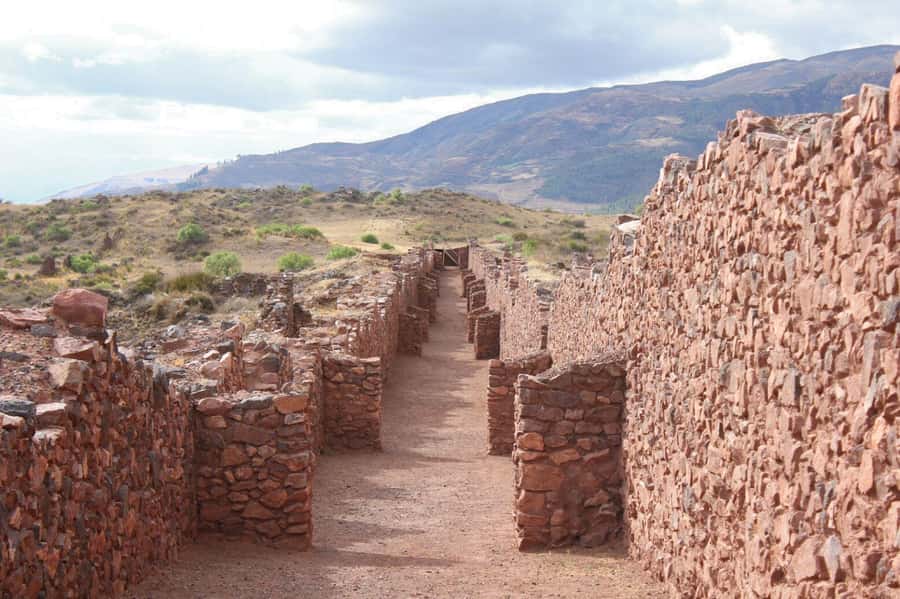
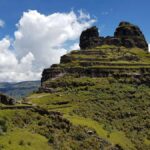
After the drive through the South Valley, Pikillacta brings you into the pre-Inca Wari world. This site is often less crowded than the big headline attractions, and that can make it easier to think clearly about what you’re seeing.
Pikillacta stands out because it feels structured. Instead of only seeing individual stones or walls, you start noticing how sections relate to one another and how the city’s layout gives it rhythm. Even with a shorter stop, a good guide helps you connect the dots between the city’s form and how it likely functioned.
If you’re curious about chronology—how cultures built on or replaced earlier systems—Pikillacta is a strong stop. It gives you a before-and-after feeling: you’re stepping into a world that predates the Incas you’ll later associate with terrace farming and hydraulic systems.
Possible drawback: at around 50 minutes, Pikillacta can feel like a fast walk. If you want to really test your understanding—pausing at corners, comparing wall lines, reading the space slowly—you may wish for more time. On the bright side, it’s still long enough to get the main ideas without exhausting you before the last stop.
Andahuaylillas: stepping into the Sistine Chapel nickname
Then comes the dramatic pivot to colonial-era Peru: Andahuaylillas and its church, often called the Sistine Chapel of Andahuaylillas. You’re visiting what’s described as the oldest colonial temple in South America, and the nickname isn’t just marketing. The point is the interior artwork—decorative, intense, and very much made to impress.
This is the stop where you’ll feel the contrast with Tipón and Pikillacta. Instead of water engineering and pre-Inca urban planning, you get a religious space designed to shape emotion. Andahuaylillas is less about geography and more about perception: light, color, and visual storytelling.
Important for your budget: entrance to the church itself costs 18 soles, and it’s not included in the tour price. That’s not unusual for tours, but it matters for the “what am I really paying?” question. If you want to avoid surprises, bring cash in advance.
Time note: the guided visit here is about 45 minutes. That’s usually enough to see the artwork clearly and get the meaning from your guide, but not enough for a slow sit-and-stare. If you like churches, arrive mentally ready to move with the group—your best photos will be the ones you take early in the visit.
The flow of the day: timing, transfers, and where you land
This is a 7-hour tour built for efficient sequencing: Cusco to the South Valley, three major cultural stops, then back into the Cusco core area. The itinerary is designed around travel times, so you’re not stuck waiting for long stretches at each site.
You’ll start with pickup from central Cusco locations around the Plaza de Armas. If your booking includes pickup, you wait in your hotel lobby. If not, the meeting point is the Mermaid Fountain in the Plaza de Armas. That’s a helpful detail: you can get oriented fast and avoid wandering around the square.
Once you’re on the road, expect:
- About 1 hour to reach Tipón
- ~50 minutes guided at Tipón
- Short drive (around 30 minutes) to Pikillacta
- ~50 minutes guided at Pikillacta
- ~45 minutes guided at Andahuaylillas after the next drive
- You return and finish around 16:00, ending at Plaza Kusipata
The practical takeaway: this tour is ideal if your Cusco trip has limited time and you want three high-value stops without planning taxis, tickets, or routes yourself.
One extra thing you might notice—depending on the day and guide—is brief side stops on the way. Some groups have reported quick add-ons like a short talk about Machu Picchu and even a bakery stop in Oropesa. They’re usually short, but if you’re picky about sticking to strictly archaeological time, keep your expectations flexible.
What $20 buys you: value, guide quality, and the costs that aren’t included
For around $20 per person, the tour is essentially selling you four things:
- Transportation in a coach/bus for the full loop
- Professional guide speaking English and Spanish
- Guided interpretation at the sites (so you know what you’re looking at)
- Central pickup convenience in Cusco
That’s good value in Cusco, where independent transport between sites can add up quickly once you factor in taxi time and hassle.
Now for the costs you should account for:
- Tickets are not fully included (only partial/general tickets are not included as stated)
- Andahuaylillas church entrance is 18 soles
- Meals aren’t included
There’s also a lunch behavior you should know. Your guide will ask whether the majority wants lunch. If most people agree, there’s a one-hour stop for food. Some groups handle this well by timing it so you’re not starving, but it depends on group decisions.
If you want to avoid the “I didn’t eat and now I’m stuck waiting” feeling, bring a snack. Even a small sandwich or something simple can save you. One review noted the guide didn’t really stop in a way that made it easy to buy food, so your best strategy is self-reliance.
Also, guide quality matters. One reported experience praised a guide named Bernabe for being friendly and kind. That’s not a guarantee for every day, but it’s a good sign: you’re likely in capable hands.
Who this tour fits best (and who should skip it)
This South Valley loop is best for you if:
- You want a guided day and don’t want to coordinate transport between sites
- You like a mix of pre-Inca + Inca + colonial themes
- You’re visiting Cusco with limited time and want to see the cultural texture beyond the biggest attractions
- You prefer a structured schedule that ends back in the city around late afternoon
It may not be for you if:
- You need wheelchair access (it’s listed as not suitable for wheelchair users)
- You hate short stops and want unhurried wandering at each site
- You’re strict about meals being included (they’re not; you may get a lunch stop if the group agrees)
If you’re traveling solo, this can still work well. The group format means you’re not driving between far-apart sites on your own, and the guide ties everything together.
Booking advice: how to get the most from the day
A few practical moves will make this tour feel smoother:
- Bring cash for the 18 soles church entry and any extras
- Wear comfortable shoes for transfers and walking at the archaeological sites
- Pack something small to eat in case the lunch stop doesn’t work for your schedule
- If you care about photos, set your expectation: this is a guided visit with time limits, so grab key angles early
Also, you’ll get the most out of Tipón when you ask questions about the irrigation system. For Pikillacta, ask about layout and what the city design likely meant. For Andahuaylillas, ask what the painted themes are trying to communicate. That’s how you turn a good tour into a memorable one.
Should you book South Valley Cusco?
I’d book it if you want a solid cultural sampler with real interpretive stops at Tipón, Pikillacta, and Andahuaylillas—done efficiently in one day. The value is strongest when you factor in guided commentary plus transportation, not just the site list. Just budget for what’s not included: church entry in Andahuaylillas (18 soles) and plan for meals on your own unless the group lunch stop happens.
Skip or reconsider if you’re a slow-paced ruins-and-photos person who needs extra time at each site, or if accessibility is a must-have. If that sounds like you, look for a longer, less tightly scheduled alternative.
If your goal is to see how different eras shaped Peru’s South Valley—water systems, city planning, and colonial art—this tour is a sensible, cost-friendly way to do it.
FAQ
How long is the South Valley Cusco tour?
It lasts about 7 hours.
Where does pickup happen?
Pickup is available in central locations around the Plaza de Armas. If pickup is included, wait in your hotel lobby. If not, meet at the Mermaid Fountain in Plaza de Armas.
What sites are included in the tour?
You’ll visit Tipón, Pikillacta, and Andahuaylillas (with guided time at each).
Are meals included?
No. Meals aren’t included, and the guide may ask the group if they want a lunch stop.
Is the Andahuaylillas church entrance fee included?
No. Entrance to the church is 18 soles and is not included.
What language is the guide?
The tour offers a live guide in English and Spanish.
What should I bring?
Bring a passport or ID card, comfortable clothes, and cash.
Is the tour suitable for wheelchair users?
No, it’s listed as not suitable for wheelchair users.
Are alcohol or drugs allowed?
No, alcohol and drugs are not allowed.
What’s the typical end point and time?
The tour culminates at Plaza Kusipata around 16:00.