REVIEW · CITY TOURS
Cusco: City and Nearby Ruins 5-Hour Guided Tour
Book on GetYourGuide →Operated by Peru & U · Bookable on GetYourGuide
Inca stones hit hard in five hours. This Cusco City and Nearby Ruins tour packs major Inca landmarks into one smooth afternoon, starting at your downtown hotel and quickly shifting from ceremonial space to cyclopean fortifications. I especially love the Coricancha Sun Temple and the sheer wall-size drama at Sacsayhuamán.
The main drawback to plan for is that the day can feel tight if you get pulled into a textile or alpaca stop, which can eat up time and push the last sites toward dusk. That’s a small-group tour, but the schedule still doesn’t stretch.
In This Review
- Key highlights that make this tour worth your time
- Early-afternoon pickup and a route that moves
- Coricancha Sun Temple: ceremonial Cusco before the big ruins
- Plaza de Armas and the Cathedral built over Inca buildings
- Sacsayhuamán’s huge stone walls and the 180-ton reality check
- Qenqo (Zigzag): carved stone, hidden passages, and likely ritual use
- Tambomachay and Puka Pukara: baths and a lookout point
- Price and value: what you’re really paying for at $22
- Guides, language, and the small-group feel
- The mid-tour textile stop: plan for possible shopping time
- Should you book the Cusco City and Nearby Ruins 5-hour tour?
- FAQ
- What sites are included on this Cusco 5-hour guided tour?
- How long is the tour?
- Is pickup included, and where does it start?
- Does the tour include entrance fees?
- What languages is the guide available in?
- Is this tour private or small group?
- Are pets allowed on the tour?
- Is the Cathedral of Cusco included?
- Can I change or get a refund after confirming tickets?
Key highlights that make this tour worth your time
- Coricancha Sun Temple: A ceremonial Inca construction that sets the tone for everything you see next.
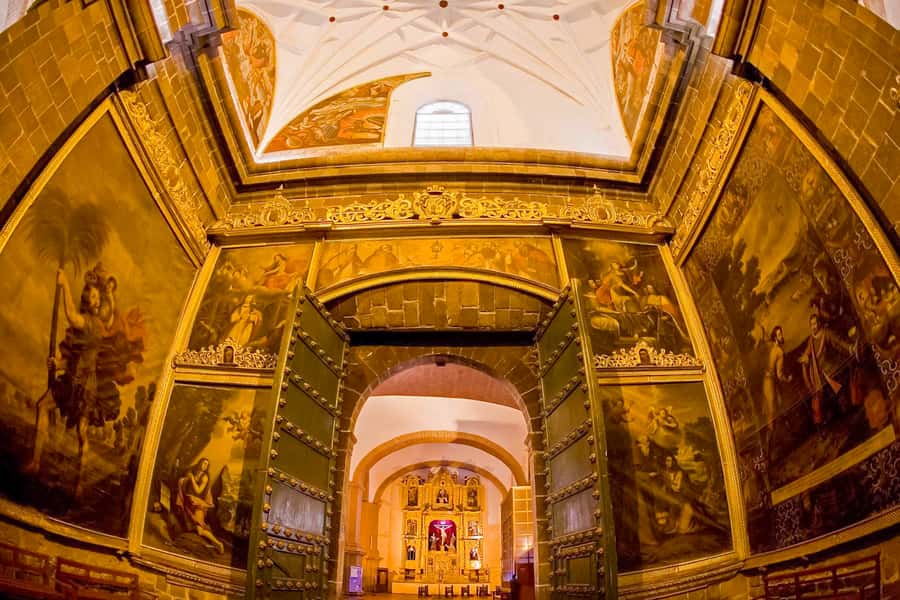
- Plaza de Armas + Cathedral interior: A guide-led look at how the cathedral sits on top of Inca buildings.
- Sacsayhuamán’s massive rock fitting: Huge stones described as up to 180 tons, fitted with extreme precision.
- Qenqo (Zigzag): Subterranean passages and carved stone work in a site with an unusual feel.
- Tambomachay and Puka Pukara: Baths plus a military lookout point to round out the Inca story.
- Small-group format: Private or small groups, with transportation between the farther stops.
Early-afternoon pickup and a route that moves
This is a practical half-day in Cusco: an early-afternoon pickup from your accommodation in downtown Cusco, then out to the northern outskirts for the big Inca hits. The timing matters here. Cusco’s lighting changes fast, and the sites you reach later can be affected if the group spends too long at any mid-route stop.
One reason I like this format is that you’re not stuck doing a choose-your-own-adventure. Your guide keeps the flow moving and you get transportation to the sites that are harder to connect on foot. In at least some runs of this tour, it works like a mix of walking and short bus hops, which helps you keep your energy for the real highlights.
Group size is also a factor in comfort. This is a small-group tour, and the provider notes private or small groups are available. That usually means fewer delays and more time for questions at the stops, which is how you get real meaning from stones you might otherwise just photograph.
You can also read our reviews of more guided tours in Cusco
Coricancha Sun Temple: ceremonial Cusco before the big ruins
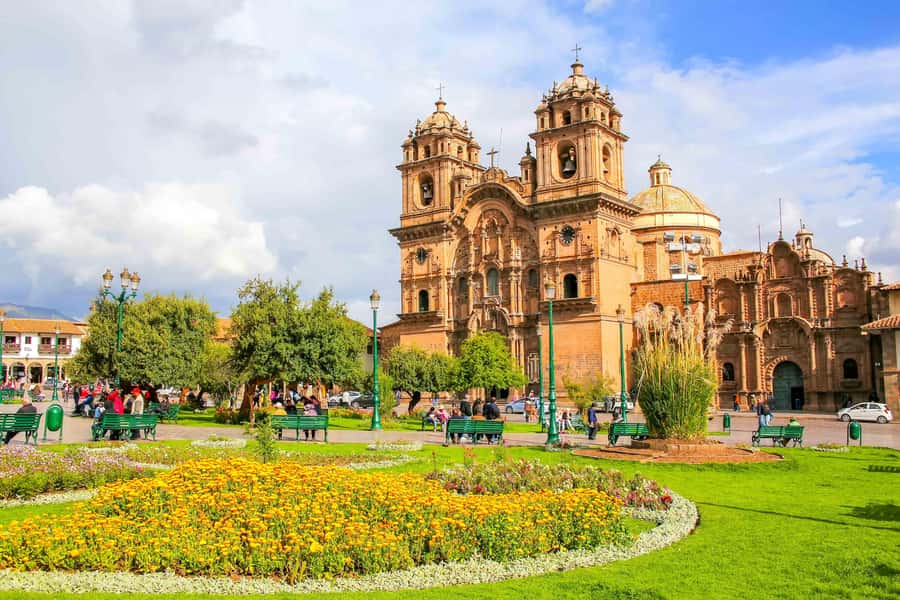
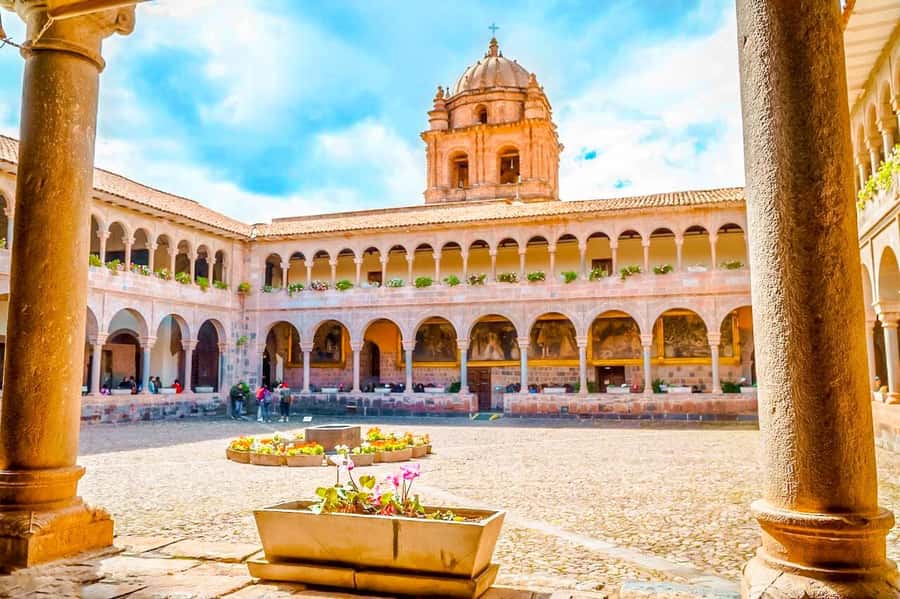
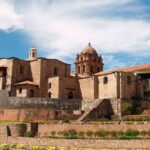
Your tour starts with the Coricancha Sun Temple, one of the most important ceremonial constructions associated with the Incas. Even before you leave central Cusco, this stop helps you understand that Cusco wasn’t only a political capital. It was also a religious and ceremonial center.
What makes Coricancha a great early stop is how it reframes your brain. Later, you’ll see massive engineering at Sacsayhuamán and more mysterious interior spaces at Qenqo. Coricancha gives you a context: stonework used for ritual and public meaning, not just defensive power.
Your guide’s job here is key. You’ll get explanations about what you’re looking at as you walk the area and move into the site’s ceremonial theme. If you tend to rush through landmarks, this is the moment where slowing down pays off, because you’ll start picking up patterns the rest of the tour reinforces.
Plaza de Armas and the Cathedral built over Inca buildings
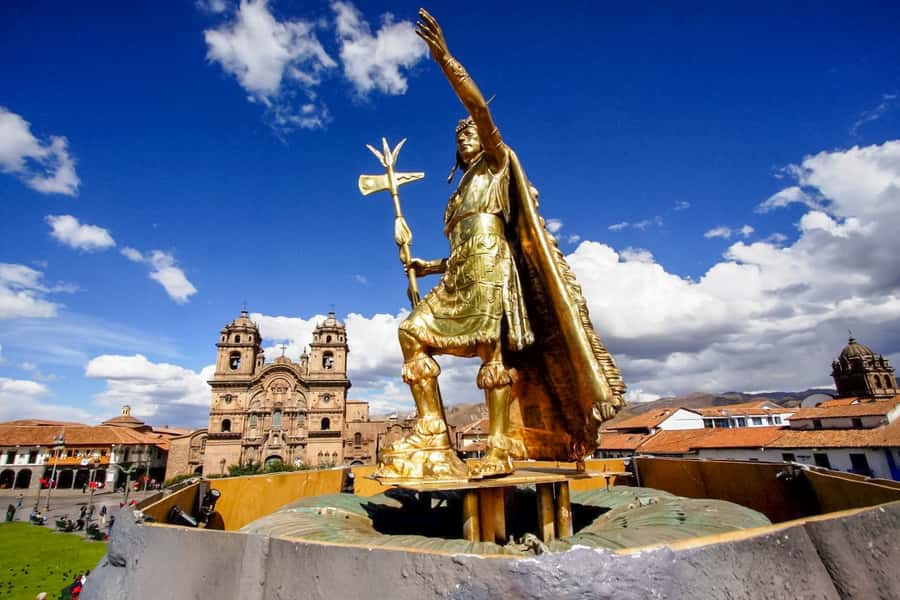
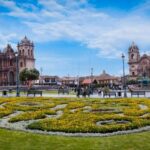
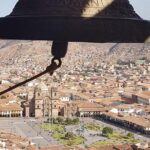
After Coricancha, the itinerary brings you into Cusco’s main square, Plaza de Armas. You then admire the Cathedral as your guide explains how it was built on top of Inca buildings. That single detail is a big part of why this stop is more than just a quick photo.
Cusco’s center can feel like a layered museum, and this is one of the clearest examples you’ll get in a short tour. You’re seeing the way later architecture took advantage of earlier Inca foundations. It also helps you understand why Inca Cusco still shows through even when the visible surfaces are colonial.
A practical note: the tour description warns that a visit to the Cathedral of Cusco is not included on the morning tour. This particular tour runs early afternoon, and it includes the Cathedral interiors as part of the experience plan. If you’re comparing departure times, double-check which slot you booked so you’re not disappointed about that specific interior visit.
Sacsayhuamán’s huge stone walls and the 180-ton reality check
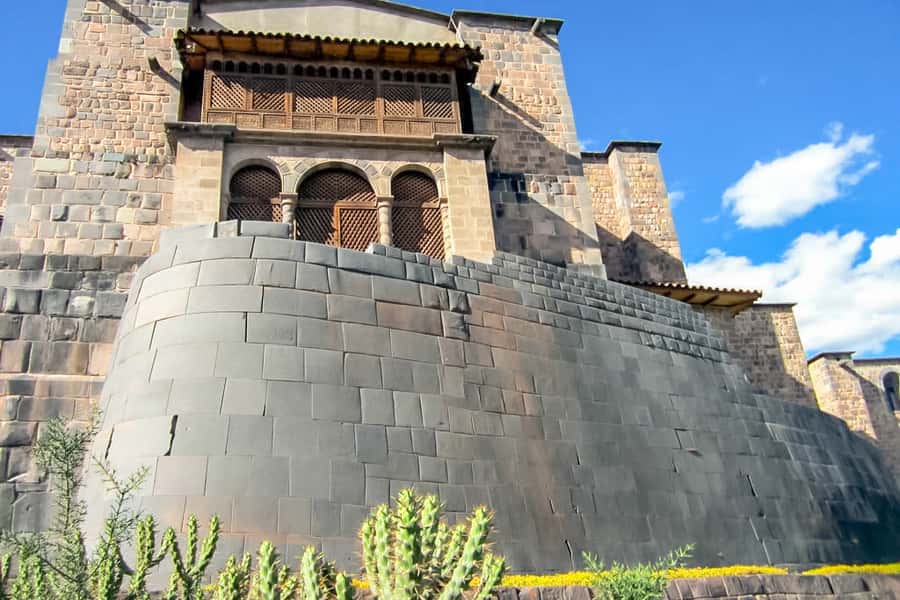
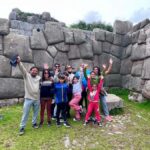
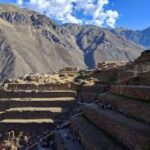
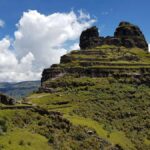
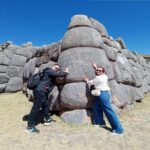
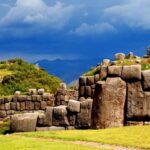
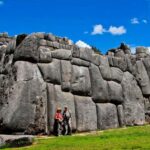
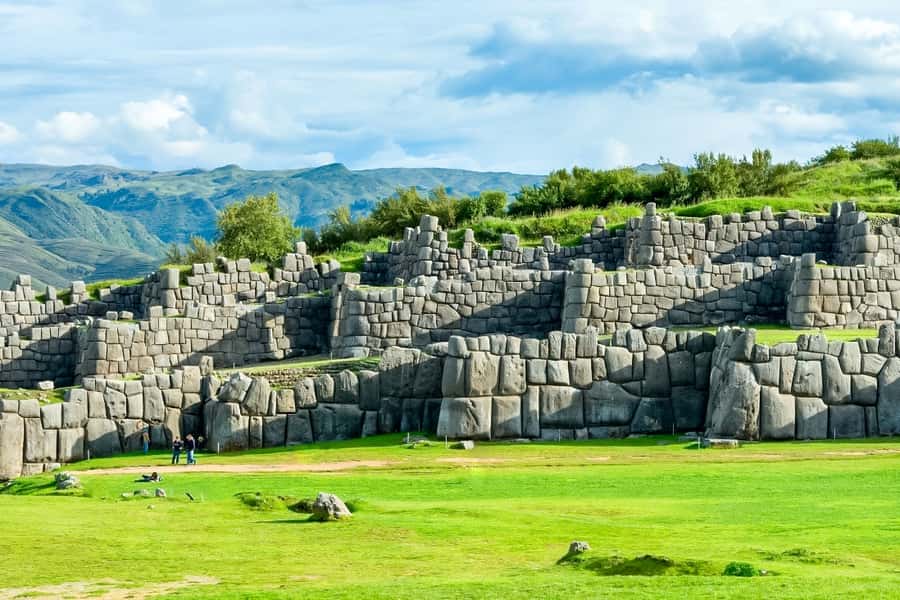
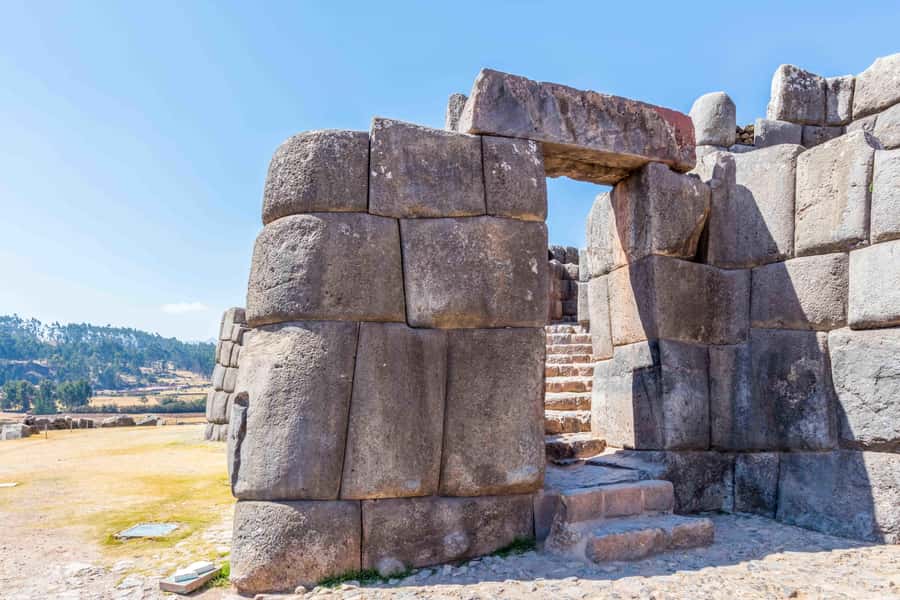
Next up is Sacsayhuamán, on the northern outskirts of Cusco. This is where the tour earns its reputation fast. You’ll pass through openings in the huge Inca walls, and the scale is the whole point.
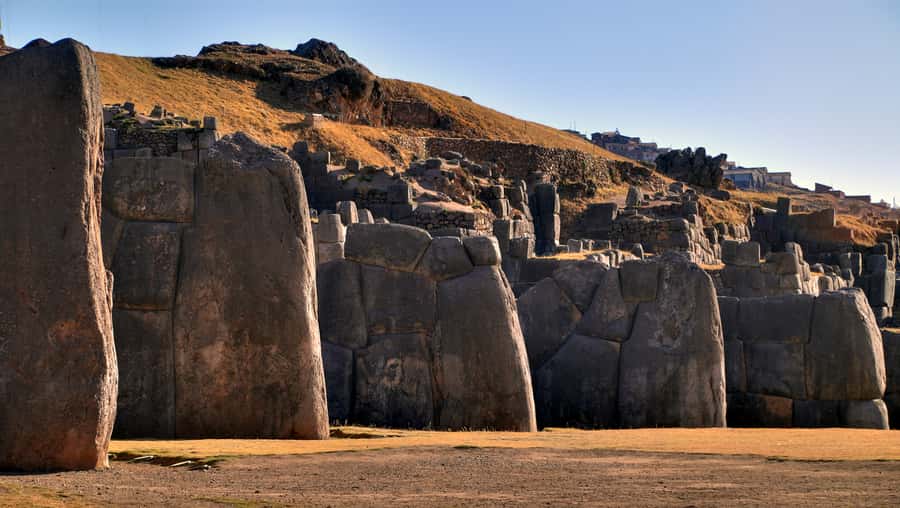
Here’s what you’ll hear from your guide: the walls were built with massive rocks described as weighing up to 180 tons, fitted with absolute perfection. That phrasing matters because it pushes you to look beyond the surface. You’re not just admiring big stones. You’re trying to understand how the fitting and placement were achieved well enough that the stones could sit with such tight, careful contact.
Even if you’ve seen Inca masonry photos before, this stop works better in person because your body reads scale differently. Doorway-sized gaps through giant walls make the engineering feel immediate. It’s also a good moment to ask questions. If your guide talks about purpose—defense, ceremony, symbolism—try to connect those ideas to what you’re actually seeing at eye level.
Qenqo (Zigzag): carved stone, hidden passages, and likely ritual use
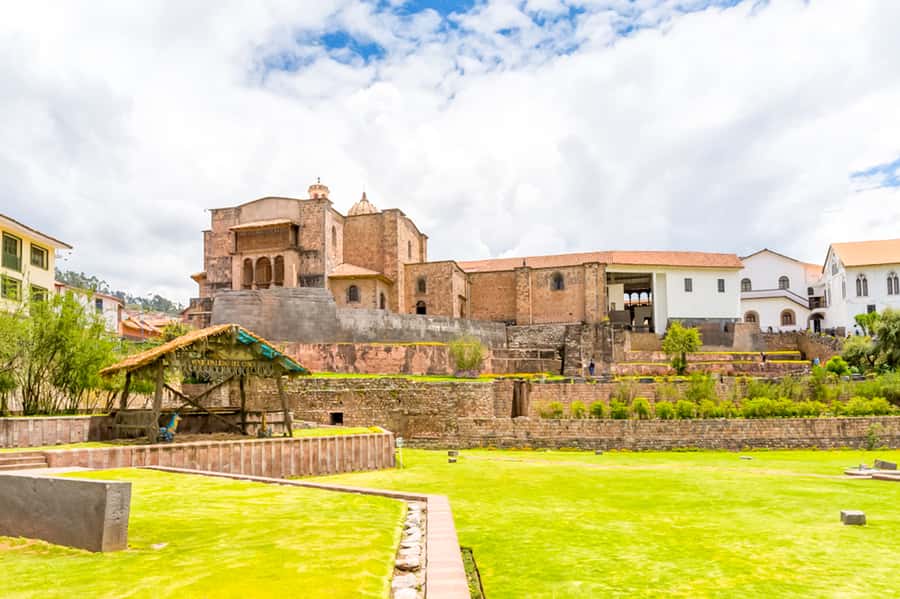
After Sacsayhuamán, you’ll head to Qenqo, which translates in the route description as zigzag. This stop is unusual, and that’s exactly why it’s valuable in a short tour.
Qenqo has subterranean passages hidden in its perfectly carved stone interior. The site’s layout feels more enclosed and more secret than many other Inca landmarks. Your guide will likely point out the carved stone details and explain that it’s believed the Incas probably used the area for mummification.
Even if you’re not a “ruins detective,” this is the kind of site that rewards curiosity. The experience works well because Qenqo gives you variety from big walls: instead of massive blocks and open views, you get internal stonework and a hint of what went on beneath the surface.
If you’re prone to getting tired at high altitude, pace yourself here. Sit or pause when you can, and focus on a few key elements your guide highlights rather than trying to see everything at once.
You can also read our reviews of more city tours in Cusco
Tambomachay and Puka Pukara: baths and a lookout point
To round out the Inca arc, the itinerary includes Tambomachay and Puka Pukara.
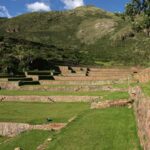
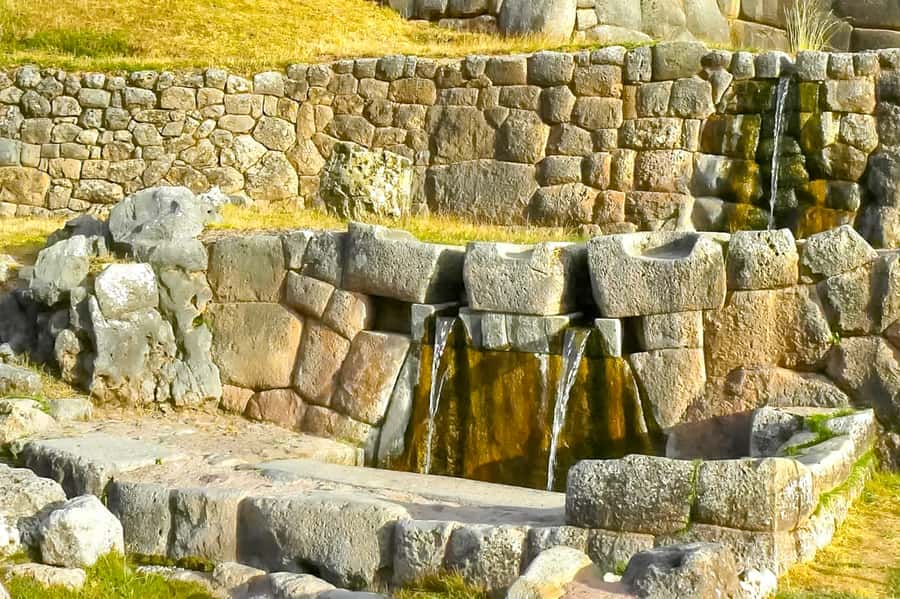
Tambomachay is described as the Inca baths, and that label is helpful because it frames what to look for. Even when you’re not reading every carved element, a “baths” concept gives your brain a target: places shaped for water and use.
Puka Pukara is introduced as a military lookout point. That shift—from ritual and internal stone mysteries to water use and then to a view-based lookout—gives the tour a sense of structure. You’re moving through different functions of Inca life: ceremonial centers, water-related spaces, and positions meant for watching.
This is also where timing matters again. If the group loses time earlier (for example, in a shop stop), you may find yourself experiencing these final two locations as the light fades. It’s not a dealbreaker, but it can affect how much you enjoy the carved and architectural details.
Price and value: what you’re really paying for at $22
At $22 per person for a five-hour guided tour, the value is mostly about organization. You get a professional guide plus transportation, and you’re covering several major sites without having to plan the logistics yourself.
Entrance fees are not included. That’s normal on these tours, but it’s worth planning for. Ask your guide or confirm at the start which tickets you’ll need, because you’ll likely buy them on-site during the day. One review specifically noted that buying entrance tickets on the spot is straightforward during the tour, and that can simplify your decision-making because you’re not hunting for ticket lines before you even begin.
What makes this pricing feel fair is that you’re paying for more than movement. You’re paying for context: what the Incas were doing, why each place looks the way it does, and how the sites connect across the route. In other words, the $22 is buying time you would otherwise spend researching, route-comparing, and figuring out transport.
If you’re traveling with limited time in Cusco, this is the kind of short tour that can be a smart trade. You’re not trying to “do Cusco” in one shot. You’re getting a concentrated, coherent set of Inca experiences.
Guides, language, and the small-group feel
The tour description says your live guide works in Spanish and English. In practice, that can vary by guide and by the day’s group mix. One review flagged a case where the tour was in Spanish when English was expected. Another guide was praised as highly fluent and able to explain in detail.
I’ve found the best way to protect yourself is simple: when you start, check what language your guide will use most comfortably for your group, then ask a question early. If you want English explanations, be direct at the beginning so you don’t have to fight for translation later.
Guide quality is also where you can really feel the difference. One named guide that came up in feedback was Peto, praised as extremely engaged with Cusco and Inca culture. That kind of enthusiasm isn’t just nice. It turns the walls and carved stone into stories you can actually remember after you leave.
The mid-tour textile stop: plan for possible shopping time
One thing you should account for is a textile or baby alpaca shop stop that showed up as a downside in feedback. In that case, people reported about 45 minutes of shopping time between the second and third stops, which pushed the last sites into poorer light.
This matters because it affects the whole day. You don’t lose just time. You lose quality: fewer moments to take in details at Sacsayhuamán, Qenqo, Tambomachay, and Puka Pukara without rushing.
Here’s how I’d handle it if you book:
- If shopping isn’t your thing, treat it as a break, not a requirement.
- Decide what you’re willing to trade for convenience: a faster return to the sites vs. browsing time.
- If you’re photo-focused, ask the guide how long the stop will be so you can pace yourself for the later landmarks.
If you do want to buy textiles, this can be useful. But still keep your expectations grounded: a shop stop is part of the schedule in at least some runs, and it can change the mood of the later ruins.
Should you book the Cusco City and Nearby Ruins 5-hour tour?
If you want a focused afternoon in Cusco that hits Coricancha, Sacsayhuamán, and Qenqo without complex planning, I think this tour is a solid option. The route is coherent: ceremonial space, city center layers, massive engineering, interior stone mysteries, then baths and a lookout.
Book it if:
- You have limited time and want a guided version of Cusco’s most memorable Inca stops.
- You like history explained at each site, not just quick walking tours.
- You’re comfortable with a schedule that’s designed to fit multiple locations in five hours.
Skip or be cautious if:
- You hate shopping stops that can eat into daylight and ruin your photo time.
- You’re sensitive to language mix and need guaranteed English at every step.
- You can’t be flexible about a tightly paced afternoon.
If you go in with the right expectations, you’ll leave with a stronger sense of how Inca Cusco was built for ceremony, function, and power, all within a very manageable chunk of time.
FAQ
What sites are included on this Cusco 5-hour guided tour?
You’ll visit Coricancha Sun Temple, the Plaza de Armas area (with Cathedral interior views), Sacsayhuamán, Qenqo (zigzag), Tambomachay (Inca baths), and Puka Pukara.
How long is the tour?
The tour lasts 5 hours.
Is pickup included, and where does it start?
Yes. Pickup is from your accommodation in downtown Cusco.
Does the tour include entrance fees?
No. Entrance fees are not included.
What languages is the guide available in?
The live tour guide works in Spanish and English.
Is this tour private or small group?
It can be private or small groups, depending on what you choose.
Are pets allowed on the tour?
No, pets are not allowed.
Is the Cathedral of Cusco included?
The tour description notes that the Cathedral visit is not included on the morning tour. This early-afternoon itinerary includes Cathedral interiors as part of the day.
Can I change or get a refund after confirming tickets?
The information provided says tickets cannot be modified, exchanged, or refunded once confirmed, and the activity is non-refundable.