REVIEW · URUBAMBA
Sacred Valley Tour 1 Day
Book on GetYourGuide →Operated by 69 ExplorerPeru · Bookable on GetYourGuide
One day hits the Sacred Valley highlights fast. This Sacred Valley day trip from Cusco packs textiles, salt, and major Inca sites into an 11-hour loop, with Pisac and Ollantaytambo as the big finish. When you’re with guide Auqui, the explanations feel practical and easy to follow, not just facts on a wall.
I love the mix of daily Andean life and major archaeology: Chinchero’s weaving culture gives context, then Maras and Moray show how the Incas used the land. I also like that you get a real break in Urubamba with an included buffet lunch, so you can keep your energy for the afternoon walking and viewpoints.
The main thing to plan for is logistics and altitude: site entrance fees are not included (you’ll need the Boleto Turístico), and it’s a moderate day with some walking high up (up to about 3,700m).
In This Review
- Key Highlights That Make This Day Trip Worth It
- How This 1-Day Sacred Valley Tour Runs from Cusco
- Chinchero: Terraces and Textile Craft You Can Actually See
- Maras Salt Mines: Shimmering Pans with a Strong Photo Payoff
- Moray Terraces: Inca Agricultural Experiments in Circular Form
- Urubamba Lunch: A Buffet That Keeps the Day Comfortable
- Ollantaytambo Fortress Town: Strategic Power and Terraces
- Pisac Market and Ruins: The Day’s Favorite Pairing
- Price and Value: What $39 Really Buys You
- What to Bring (and Why It Helps on This Specific Route)
- Who This Tour Fits Best (and Who Should Skip It)
- Should You Book This Sacred Valley Day Trip from Cusco?
- FAQ
- How long is the Sacred Valley tour?
- How much does it cost?
- What are the main stops on the itinerary?
- Is lunch included?
- Are entrance fees to the sites included?
- What languages are offered?
- Where do I meet the guide?
- What is the cancellation and payment policy?
- Is this tour suitable for claustrophobia or epilepsy?
Key Highlights That Make This Day Trip Worth It
- Pisac and Ollantaytambo give you the strongest payoff for views and ruins in one day
- Chinchero textiles connect what you see to living traditions, not just stone
- Maras Salt Mines let you see sunlit salt pans that date back to Incan-era use
- Moray terraces show clever Inca agricultural design in circular form
- Lunch in Urubamba keeps the pace realistic, with a buffet included
- Audio guide + bilingual guide helps you follow along in English or Spanish
How This 1-Day Sacred Valley Tour Runs from Cusco
This is a classic “big sites in one shot” day trip. You start from Cusco in the morning and ride about 95 km round trip, hitting multiple stops without needing to figure out buses or timing. It’s designed as a group experience with comfortable, round-trip transportation, plus scheduled comfort stops along the way.
Altitude matters here, even if you’re not doing hardcore hiking. The tour reaches roughly 3,700m at Chinchero and drops to around 2,792m at Urubamba. That’s why the tour is listed as moderate: some walking at elevation, plus stairs and uneven ground at archaeological sites.
The guide is bilingual (English and Spanish), and there’s also an audio guide included in the same languages. If you’re the type who likes to read the story while you look at the stones, bring your headphones and keep the explanations going while you walk.
Your meeting point clue is simple: look for the guide wearing a Red 69 Explorer jacket. If you’re easy to spot and you get there a little early, the whole day starts smoother.
You can also read our reviews of more tours and experiences in Urubamba
Chinchero: Terraces and Textile Craft You Can Actually See
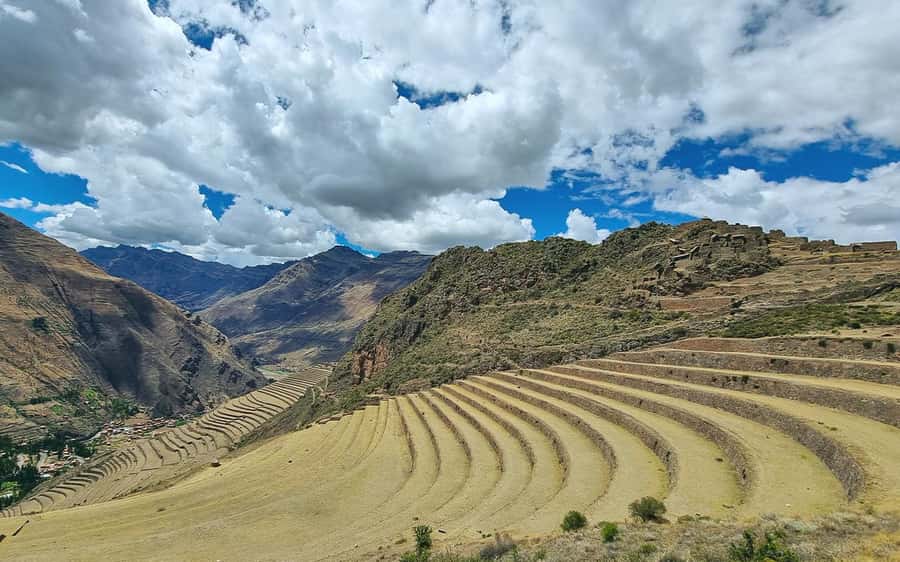
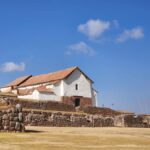
Chinchero is often the first wow. It’s known for intricate textile art and terraces, and the point of the stop is more than photos. You’ll meet the craft in action, watching weavers and seeing the traditional techniques behind the finished products.
Why I like this stop for a one-day itinerary: it gives you a human scale for what you’ll see later. When you get to Inca architecture, you start noticing patterns in how people built, worked, and adapted. Chinchero helps you connect the dots before the big ruins.
Practical tip: plan for cool mornings at higher altitude. Even if the sun comes out, the air up near Chinchero can feel sharp. Bring a layer you don’t mind wearing all day, and expect some stairs/uneven paths.
Maras Salt Mines: Shimmering Pans with a Strong Photo Payoff
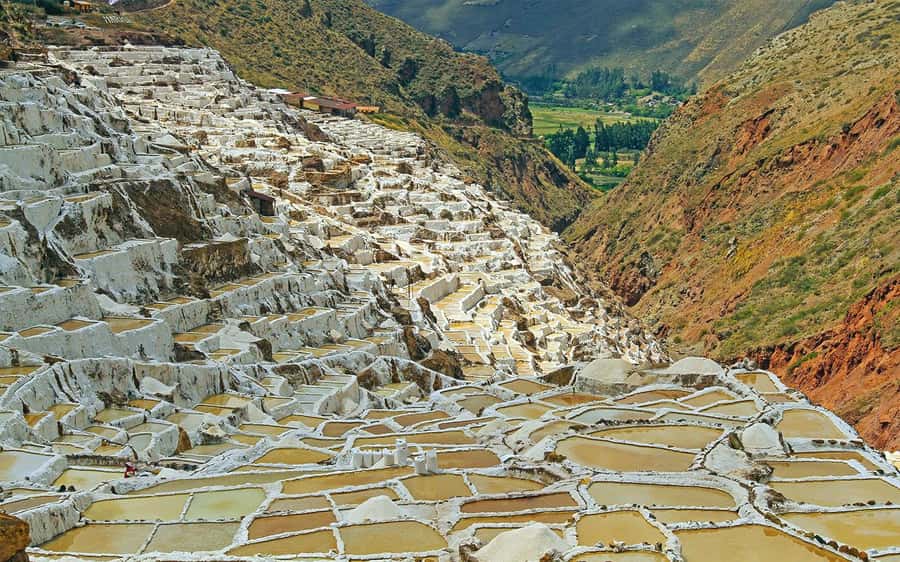
Maras Salt Mines are the kind of place where your brain goes quiet. The area is made of patchwork salt pans still used since Incan times, so you’re not just looking at a “ruin,” you’re watching a working landscape. The sunlight hits the pools, and the contrast against the mountains makes it a natural photo stop.
If you like photography, this is one of the stops where you can actually shape your shots. Go early in your allotted time if you can, and take a few minutes just to watch how the light changes across the pans.
What to bring makes sense for this stop. You’ll want goggles (listed in the tour packing suggestions) and insect repellent. Salt areas and nearby paths can be uneven, so sturdy shoes help more than sandals.
Also, pace yourself. Even though this isn’t a long hike, you’re still at higher elevation, and walking on uneven ground is tiring when your breathing is already working harder.
Moray Terraces: Inca Agricultural Experiments in Circular Form
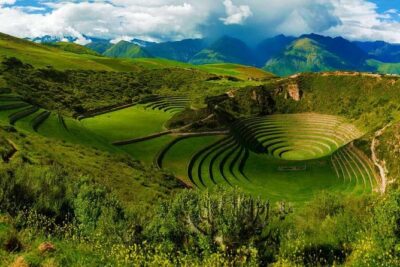
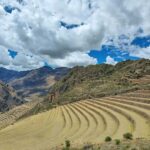
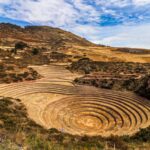
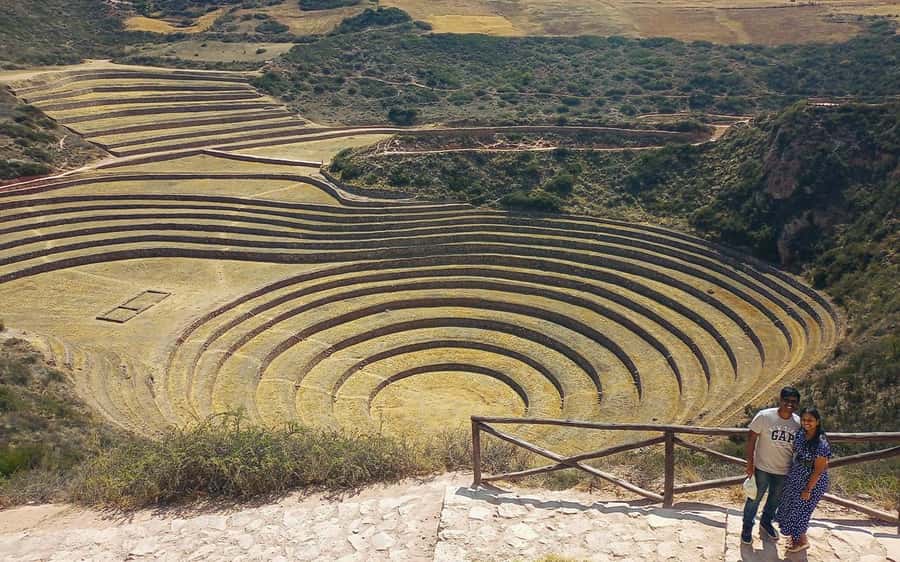
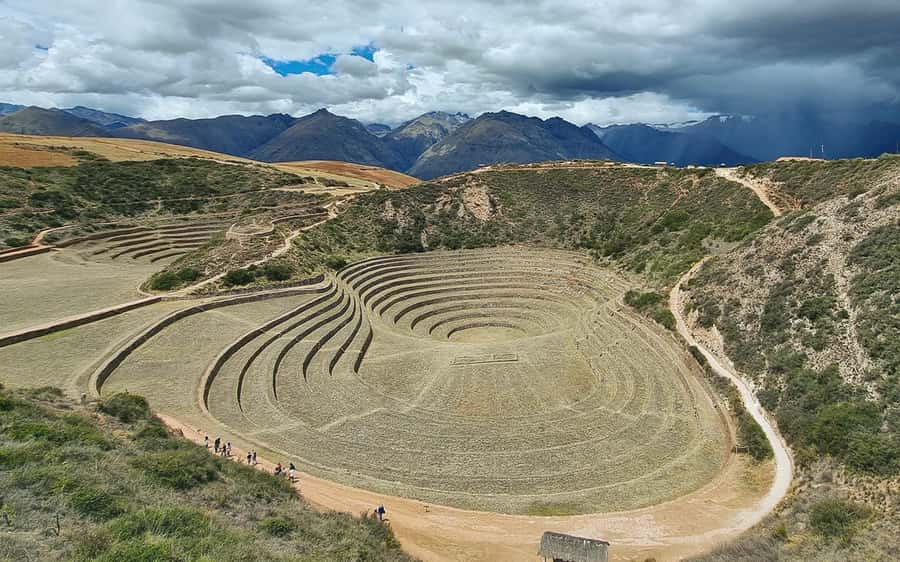
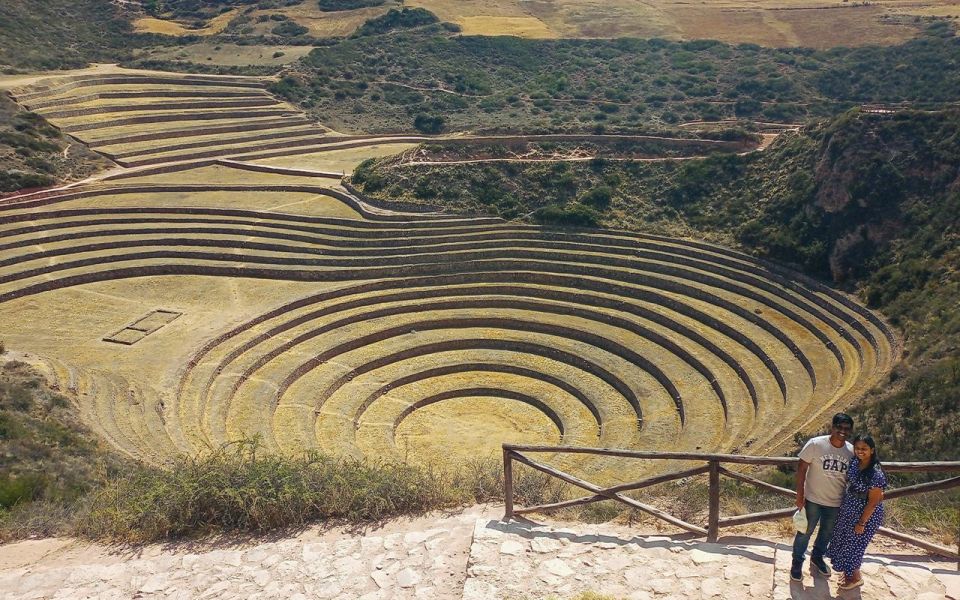
Moray is the “wait, how did they think of that?” stop. The terraces are circular, and they’re believed to be an Inca agricultural experiment—an ingenious design that tested how growing conditions changed with placement and microclimates.
I like Moray because it’s not just about beauty. It helps you understand that Inca engineering wasn’t only about temples and fortresses. It was also about managing land and farming. When you look at the circular layout, it feels like a built-in tool for learning what the environment can do.
Expect guided time on site, and expect some walking around viewpoints. If you’re sensitive to altitude, take your breaks seriously here. Slow breathing, steady pace, and drinking water go a long way.
Urubamba Lunch: A Buffet That Keeps the Day Comfortable
Urubamba is where the tour resets. You get a buffet lunch included, with local Peruvian options plus international dishes. That mix matters on a day like this because you might want something familiar after hours of travel and high-elevation air.
This is also a good moment to manage your energy. Don’t go too heavy on the plate. Eat enough to fuel the rest of the day, then take a breather before you head into Ollantaytambo and Pisac.
Altitude here is lower than the highest point of the day (around 2,792m), so many people find it a bit easier to breathe. Use the lunch break to slow down mentally too. You’ve got the best views coming up next.
Ollantaytambo Fortress Town: Strategic Power and Terraces
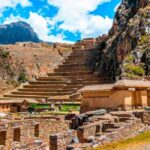
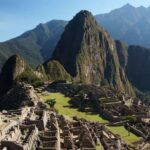
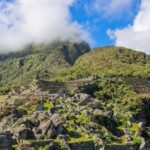
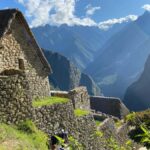
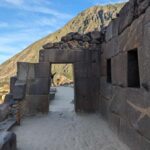
Ollantaytambo is one of the big Inca sites on this route, and the tour includes a guided visit of the fortress and town area. The fortress feels solid and intentional—like someone planned exactly where to place power.
You’ll be able to climb terraces and get spectacular views. In a one-day itinerary, it’s a strong use of time because you’re not only seeing buildings—you’re also getting a sense of why this location mattered strategically.
A small note on comfort: terrace climbing can mean uneven steps. If you have knee issues, or if high altitude makes you slower, take it one step at a time and lean on the guide’s pacing. This is one of the places where wearing comfortable shoes is worth the weight in your daypack.
Pisac Market and Ruins: The Day’s Favorite Pairing
If there’s one combo that tends to stick in people’s minds, it’s Pisac ruins and the Pisac market. The ruins give you the archaeological side, and the colorful market gives you the living side—handcrafted items and the energy of local trade.
This is also one of the most satisfying stops because it gives you choice. You can spend time on the ruins with the guide, then shift into a slower stroll through the market. For shopping, you’ll want cash on hand for smaller purchases since the day includes snacks/souvenirs opportunities along the way.
One practical thing: don’t rush Pisac. It’s easy to spend too fast and miss the atmosphere. Even if your schedule is packed, take five minutes just to watch how the market flows. That’s where the Sacred Valley stops feeling like a checklist.
Price and Value: What $39 Really Buys You
At $39 per person, the value comes from the core ingredients: a professional bilingual guide, round-trip transportation from Cusco, and an included buffet lunch. You’re also covered for the guided portions of Maras, Moray, Ollantaytambo, and Pisac, plus comfort stops and all transportation fees.
The key “budget reality” is this: site entrance fees are not included. You’ll need the Boleto Turístico to get into the archaeological sites. So your real total depends on that ticket plus any snacks, drinks, or souvenirs you pick up during the day.
In my view, this price works best if you’re comparing against the hassle of planning: you avoid coordinating separate transport, timing, and guide help. If you already have your own system for getting around and don’t care about interpretation, you might spend less DIY. But for most first-timers, the guide + transport value is the point.
What to Bring (and Why It Helps on This Specific Route)
The tour packing list is built around a high-altitude, walking-heavy day, with time in sun and near rough terrain. You’ll want to be ready for dust, stairs, and weather shifts.
Bring:
- Passport or ID card (required by the activity info)
- Headphones (so you can use the audio guide)
- Daypack and a change of clothes (useful if you get sweaty from walking)
- Camera and credit card (you may want it for additional purchases, though cash can be easier for small items)
- Insect repellent
- Goggles (especially helpful for the salt mine area)
- Clothes you don’t mind getting dirty
- A first aid kit (good for any day trip)
You’ll also see guidance to bring food and drinks. Even with lunch included, I recommend carrying a water bottle and something small for comfort in case timing feels tight for you.
If you’re prone to travel headaches, pack your basics for altitude days too: stay hydrated, move slowly, and keep warm when clouds roll in.
Who This Tour Fits Best (and Who Should Skip It)
This is a smart pick if you want a fast, structured Sacred Valley intro with the main sites connected in one route. It’s also good for people who like learning on the go, since you’ll have a bilingual guide and an audio guide.
You should consider another option if:
- You have claustrophobia (the tour includes cave-like or tight-feeling experiences in general travel terms, and the activity specifically lists this as not suitable)
- You have epilepsy (also listed as not suitable)
- You’re a non-swimmer (listed as not suitable, even though the tour is mostly ruins and salt pans, the activity rules flag it for safety reasons)
If you want a relaxed day with very little walking, this probably won’t be it. It’s labeled moderate, and that matches what the itinerary demands: terraces, stairs, ruins, and a market stroll.
Should You Book This Sacred Valley Day Trip from Cusco?
Book it if you want a one-day plan that covers the big hits: Chinchero textiles, Maras Salt Mines, Moray terraces, Ollantaytambo fortress, and Pisac ruins and market, all tied together with bilingual guidance and included lunch. The price is low enough that the Boleto Turístico and your own snacks can still fit comfortably in your budget.
Skip it (or choose a different format) if you hate altitude walking, if you’re sensitive to stairs, or if you fall into the activity’s not-suitable categories. Also skip it if you want a slower, deeper archaeology pace with more downtime built in.
For many people, this is exactly the right first day in Cusco region: you get context, you see major Inca sites, and you leave with enough visual material to start planning the next leg.
FAQ
How long is the Sacred Valley tour?
The tour runs about 11 hours. The difficulty notes also describe it as roughly 10 hours, so plan for a full day.
How much does it cost?
It’s $39 per person.
What are the main stops on the itinerary?
You’ll visit Chinchero, Maras Salt Mines, Moray terraces, Urubamba for lunch, Ollantaytambo, and Pisac market and ruins.
Is lunch included?
Yes. A buffet lunch in Urubamba is included.
Are entrance fees to the sites included?
No. Site entrance fees are not included, and you’ll need the Boleto Turístico.
What languages are offered?
The professional bilingual guide is available in English and Spanish. An audio guide is also included in English and Spanish.
Where do I meet the guide?
The guide will be wearing a Red 69 Explorer jacket at the designated meeting point in Cusco.
What is the cancellation and payment policy?
Free cancellation is available up to 24 hours in advance for a full refund. There’s also a reserve now & pay later option.
Is this tour suitable for claustrophobia or epilepsy?
No. People with claustrophobia and people with epilepsy are listed as not suitable for this activity. Non-swimmers are also listed as not suitable.