REVIEW · SACSAYHUAMAN & INCA RUINS
Cusco: Archaeological Park Morning Tour
Book on GetYourGuide →Operated by MPTC GETS · Bookable on GetYourGuide
Inca engineering starts before breakfast. This morning tour strings together some of Cusco’s most dramatic Inca ruins—from Sacsayhuaman’s massive stonework to Qenqo’s underground passages. I especially like the way the stops connect to real-world life: sun worship, water use, and surveillance from the hills.
Two things I also like a lot: you get a professional live guide in Spanish or English, and the route stays tight at about 6 hours with a return to Cusco’s center by early afternoon. One thing to consider up front is cost add-ons—the key site tickets aren’t included—plus you’ll want comfortable shoes for uneven Inca stone.
In This Review
- Key highlights worth knowing before you go
- How the 8:45 AM route moves around Cusco
- Coricancha: starting at Cusco’s sacred center
- Sacsayhuaman: reading scale, sun worship, and city defenses
- Qenqo: the labyrinth of sacrifice
- Photo stop at Bosque de Eucaliptos de K’enko
- Puca Pucara: terraces built for watching
- Tambomachay: aqueducts, waterfalls, and water gutters
- Price and the real cost: $13 plus entry tickets
- What’s included (and what you should bring)
- Language and guide style: Spanish and English
- A couple of real-world considerations to plan around
- Who this Cusco morning tour is best for
- Should you book this Cusco Archaeological Park Morning Tour?
- FAQ
- What time does the tour start?
- How long is the Cusco morning tour?
- Where do I get picked up?
- What’s included in the price?
- Are admission tickets included?
- What languages is the guide?
- What should I bring?
- Is the tour suitable for everyone?
- Are pets allowed?
Key highlights worth knowing before you go
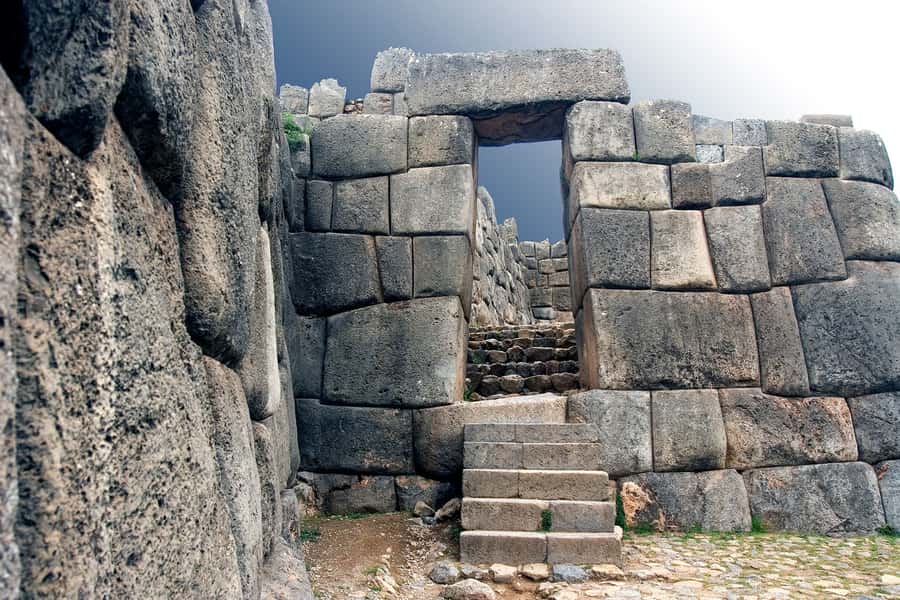
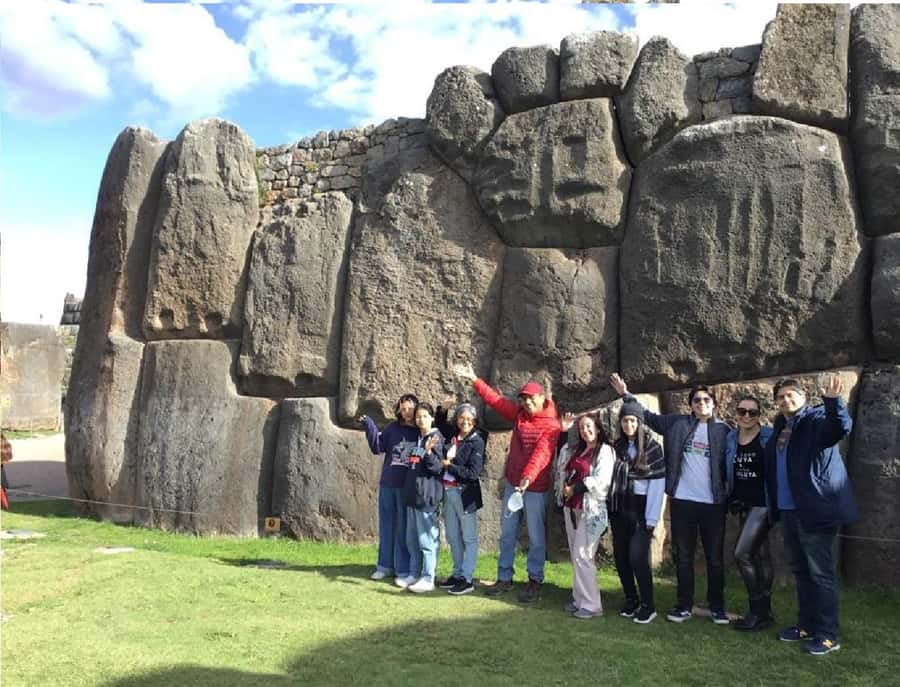
- Sacsayhuaman’s huge blocks: the scale hits you fast, and your guide can help you read what you’re seeing.
- Qenqo’s underground galleries: a cool, labyrinth-style stop tied to sacrifice rituals to the Sun God.
- Puca Pucara’s terraces and walls: it’s built like a watch post, not just a pretty viewpoint.
- Tambomachay’s aqueducts and water gutters: you’ll see how the Incas handled water like serious engineers.
- A morning schedule that gives your afternoon back: you’re usually back around 2:00 to 2:30 PM.
How the 8:45 AM route moves around Cusco
You start at 8:45 AM, with hotel pickup arranged by the tour. The pickup is designed for convenience: many hotels are near the main square, and if yours is farther out you’ll be given an exact address for the rendezvous point.
The day runs about 6 hours total. You’ll ride a bus/coach between stops (one stretch is listed as about 20 minutes), then spend most of your time walking through archaeological areas. The overall pacing matters here. Cusco altitude can make slow feel fast, so getting going early helps you move while your energy is higher—and it also means you’re back in town by early afternoon.
You can also read our reviews of more tours and experiences in Cusco

Coricancha: starting at Cusco’s sacred center
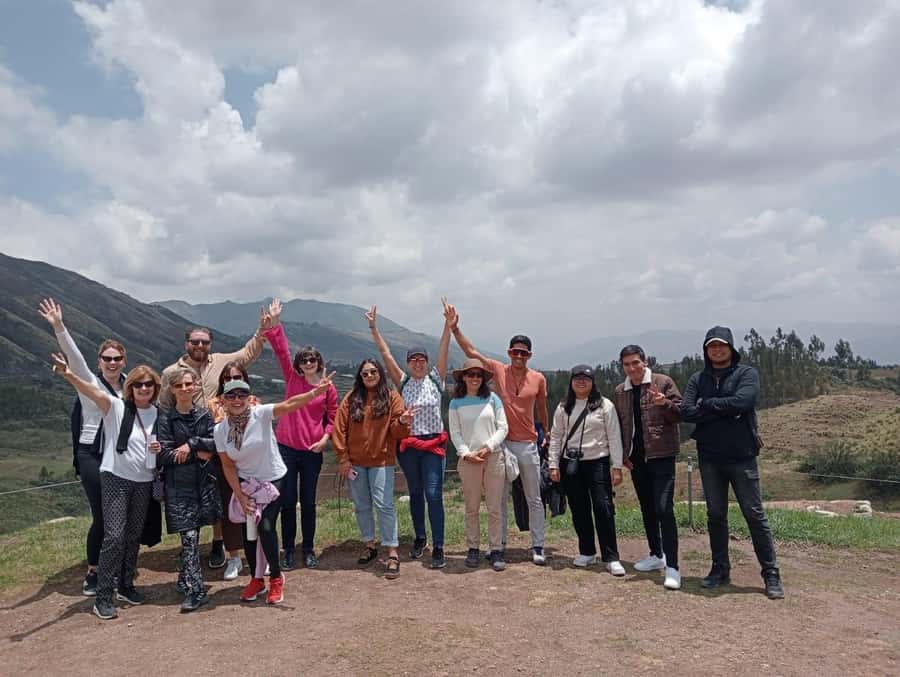
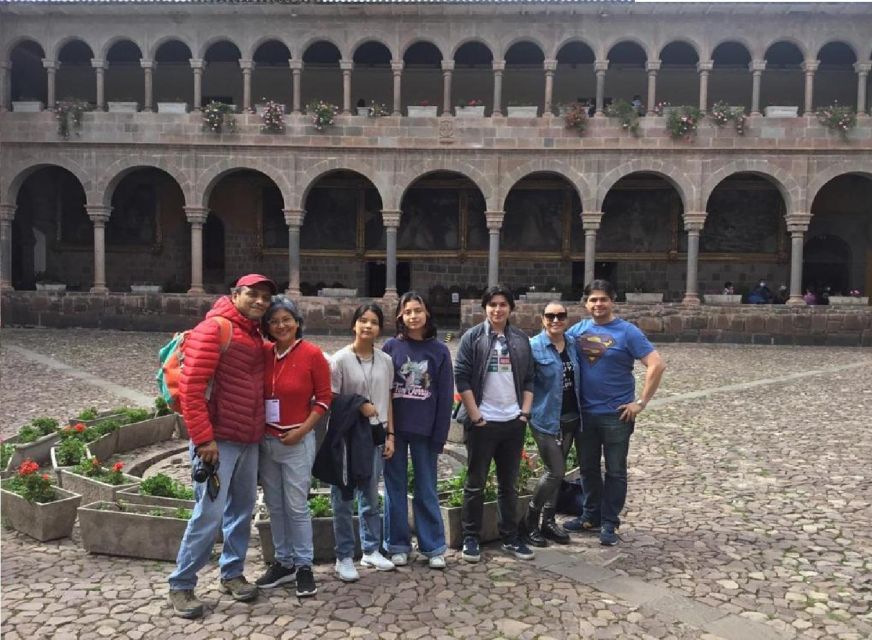
One part of this route includes Coricancha for about 45 minutes with a guided tour. Coricancha is often treated like the spiritual “hub” of Cusco’s Inca world, and it’s a strong opener because it sets context for what comes next.
What you’ll like here is the way it frames the rest of the morning: after learning what mattered spiritually, the later stops stop feeling like random piles of stone. They become part of a bigger system—especially where sun worship and water show up again and again.
Practical note: Coricancha is listed as having its own ticket cost (you’ll see it in the “price” section below). If you’re trying to budget tightly, count it in.
Sacsayhuaman: reading scale, sun worship, and city defenses
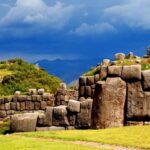
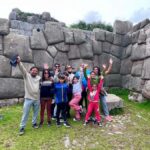
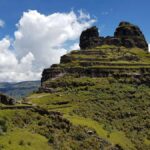
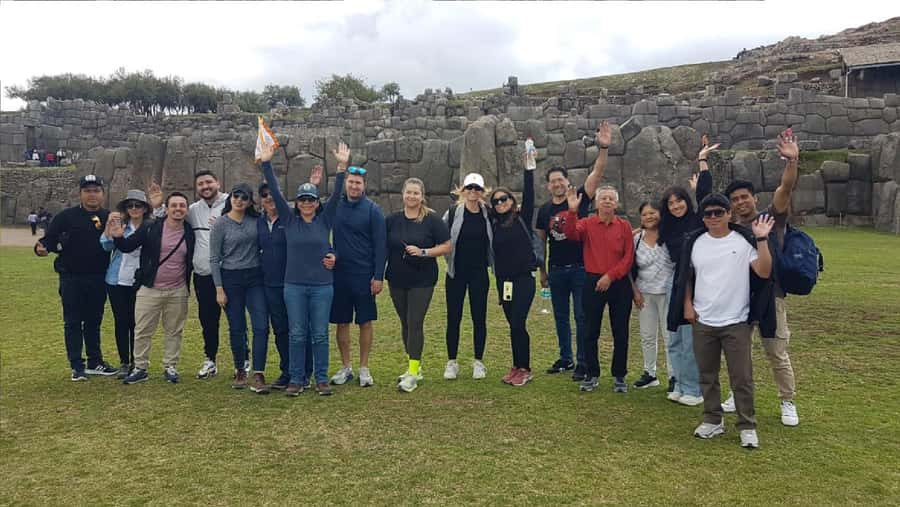
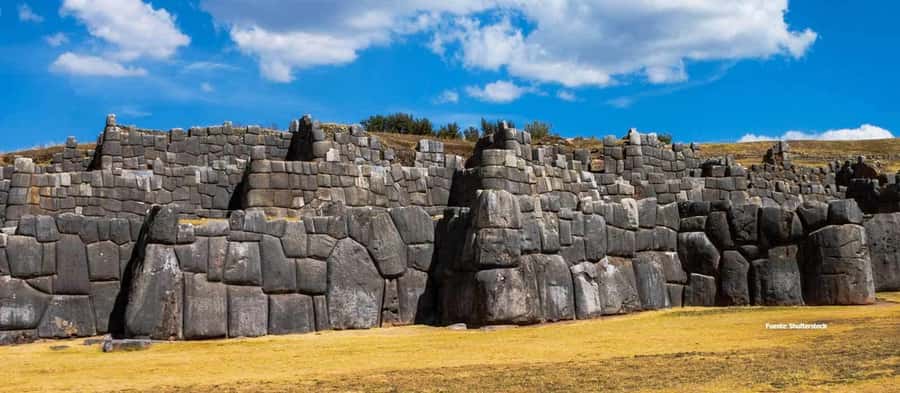
Next up is Saksaywaman (also spelled Sacsayhuaman), with about 45 minutes. This is the stop where your brain goes, wait, how did they move that.
You’ll spend time among towers and temples tied to reverence for the sun god, and you’ll also get a sense of how this place worked alongside Cusco itself. Even if you don’t catch every detail, the location gives clues: built high, designed to be seen, and packed with heavy stone.
A big value of a guided visit here is that it turns “cool rocks” into something you can explain to yourself later. You’re not just looking; you’re learning what each part meant to the people who built it.
Qenqo: the labyrinth of sacrifice
After Sacsayhuaman, you’ll head to Qenqo (Q’enco) for another guided segment, also around 45 minutes. Qenqo is where the tour gets extra interesting.
The key feature is the underground character of the site. You’ll see underground galleries that form a labyrinth, and the story ties those spaces to sacrifices to the Sun God. It’s a different mood than the open-air views. The architecture feels intentional and enclosed, which makes the spiritual angle feel more grounded.
If you like places that have a clear “purpose,” Qenqo is a win. It’s not just a lookout or a random ruin. It’s described here as a ritual space, and that gives you something specific to look for as you move through the complex.
Photo stop at Bosque de Eucaliptos de K’enko
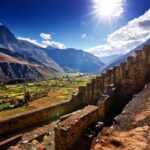
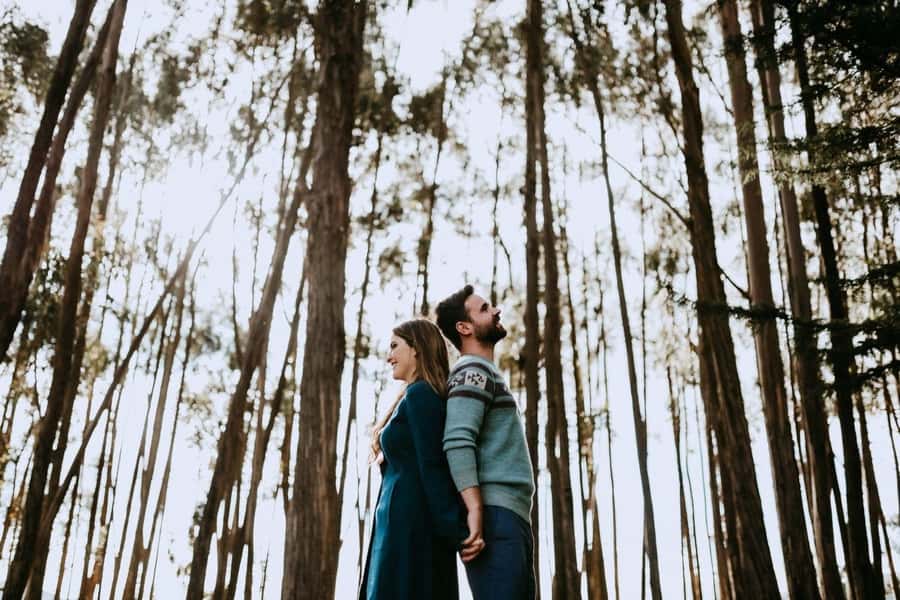
Between the main archaeological visits, there’s a photo stop at the Bosque de Eucaliptos de K’enko (listed at about 35 minutes). This is less about ticketed sights and more about breathing, photos, and resetting your legs.
It’s also a chance to grab a few wider landscape shots without feeling like you’re rushing. The guide keeps it moving, but you’re given time to step out and enjoy the scenery.

Puca Pucara: terraces built for watching
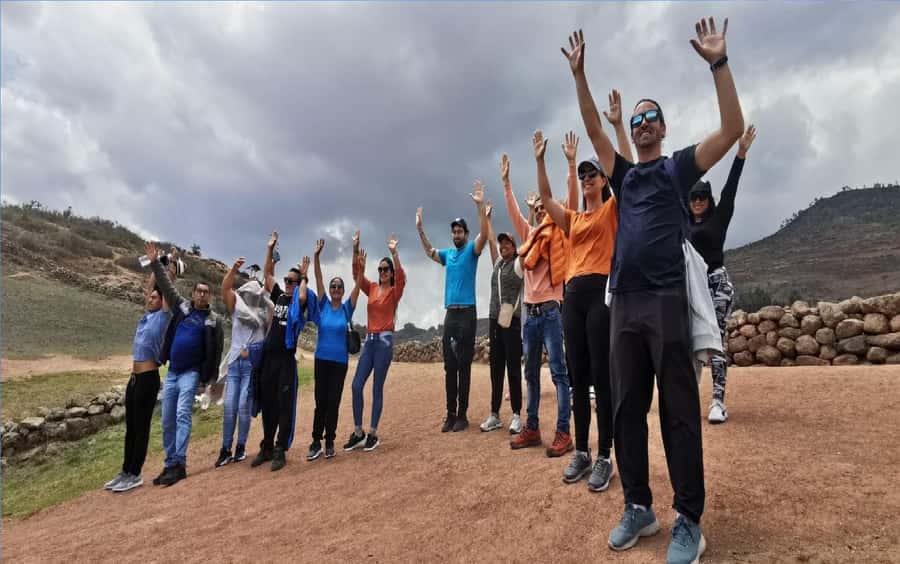
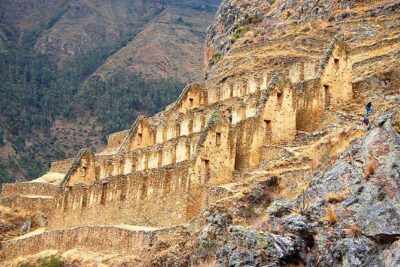
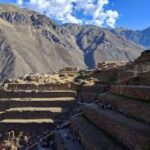
Next comes Puca Pucara, described as an Inca surveillance center made of terraces, staircases, and large walls. This is a great stop if you enjoy the “how did they think” side of archaeology.
The idea of surveillance makes Puca Pucara feel more purposeful. You’re not just seeing a structure; you’re imagining a network of people watching movements across the region.
You’ll likely get views from the terraces and walls, and you can connect them to the site’s function. That’s the best way to enjoy this stop: treat it like a command post, not a museum display.
Tambomachay: aqueducts, waterfalls, and water gutters
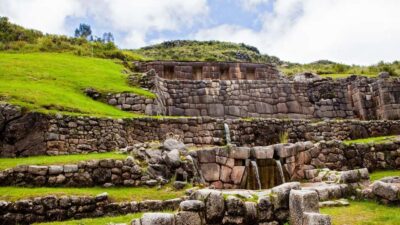
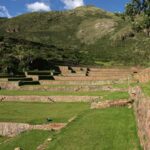
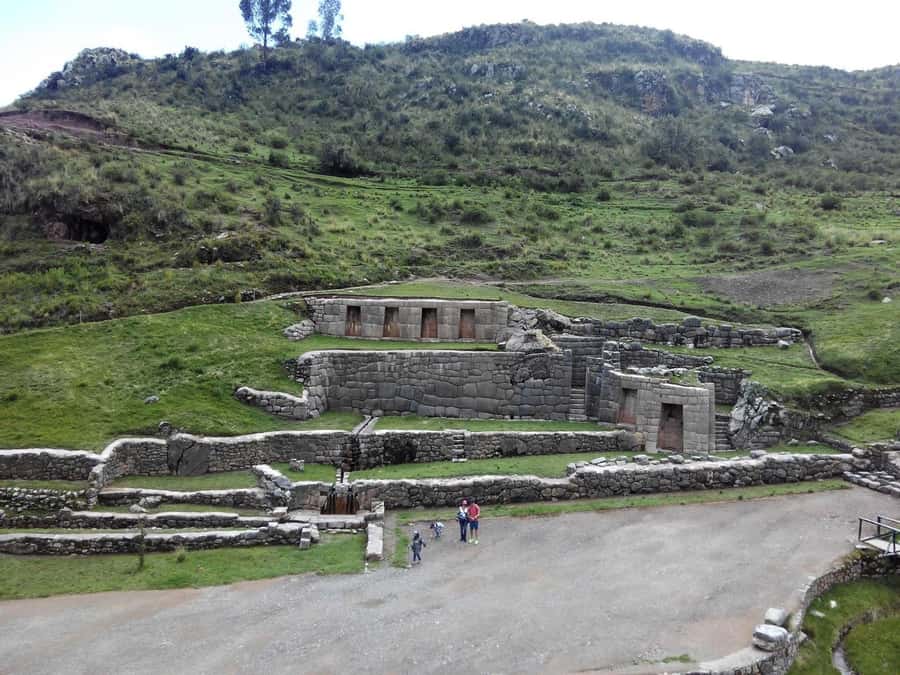
Your last stop is Tambomachay (Tambomchay is also used in the tour description). It’s presented as a resting place with aqueducts, waterfalls, and several water gutters—so yes, water is a major character on this part of the route.
This is where the tour pays off if you care about technology, not just monuments. The Incas are famous for stonework, but water management is just as impressive. You’ll walk through an area designed to handle and distribute water, and the structures help you see how practical engineering was connected to daily life and ritual spaces.
If you’ve ever wondered how irrigation and fountains fit into an empire’s worldview, Tambomachay is one of those stops that makes the question feel worth asking.
Price and the real cost: $13 plus entry tickets
The headline price is listed as $13 per person for the 6-hour experience, and you do get meaningful value in what’s included: hotel pickup, round trip transportation, and a professional guide.
But here’s the part that can catch people off guard: entry tickets are not included. The data shows:
- Tourist ticket: 70 soles
- Coricancha ticket: 15 soles
That means your true “all-in” day cost is more than the advertised tour price. Still, the trade-off is that you’re paying for an organized morning with guidance and transport, instead of piecing together routes yourself while you’re figuring out Cusco’s altitude and logistics.
My advice: if you’re budget-minded, plan for the tickets first, then treat the $13 as the value for the guide + transport + time efficiency.
What’s included (and what you should bring)
Included:
- Cusco hotel pickup
- Round trip transportation
- Professional guide
What to bring:
- Passport or ID card
- Comfortable shoes
- Water
This tour works best when your feet are happy. Cusco’s archaeological areas have uneven stone and slopes. Good traction matters more than fancy gear. And since it’s a morning route that returns by early afternoon, you don’t need a huge daypack—but water is still smart.
Language and guide style: Spanish and English
The tour runs with a live guide in Spanish and English. That’s a big deal for value, because it means you’re not stuck guessing at meanings or timeline details.
One review mentions a guide named Willians being specifically praised, which lines up with what you want from a day like this: clear explanations at each stop, so you leave with more than photos.
A couple of real-world considerations to plan around
Two practical watch-outs come up in the feedback you provided.
1) Side stops and sales energy
One booking notes there was a sales pitch at a llama farm. Your guide can still be great, but if you dislike being pulled into shopping moments, keep your expectations clear and be firm about what you want to skip.
2) Drop-off location confusion
Another report says the group was left far from their hotel, and they had trouble navigating back using the provided address—time was lost, and the experience ended with frustration. To protect yourself, ask for the exact return drop-off point before you start so you know where your post-tour “home base” will be.
Neither of these issues should ruin the experience if you’re flexible, but they’re worth knowing so your day stays smooth.
Who this Cusco morning tour is best for
This tour fits you well if:
- You want a high-value morning that still gets you back to Cusco early.
- You like the Inca story told through function: sun worship, ritual spaces, surveillance, and water engineering.
- You appreciate bilingual guiding so the ruins make sense, not just look impressive.
It may not fit if:
- You’re relying on minimal walking, because the stops are archaeological and uneven.
- You’re pregnant. The tour description says it’s not suitable for pregnant women.
Should you book this Cusco Archaeological Park Morning Tour?
I’d book it if you want a tidy, guided circuit that hits the big themes of Inca life—sun rituals at Qenqo, defensive/ceremonial architecture at Sacsayhuaman, surveillance logic at Puca Pucara, and water management at Tambomachay—all in about a half day.
I’d think twice if you’re trying to keep the day cost ultra-low, because the required entry tickets (including Coricancha) add up. And I’d come prepared with one mindset: treat it like a structured history walk with transport, not like an unlimited explore-at-your-own-pace tour.
If you want your afternoon free, your guide in the language you can handle, and you don’t mind some walking on ancient stone, this is a solid Cusco morning plan.
FAQ
What time does the tour start?
The tour starts at 8:45 AM with hotel pickup.
How long is the Cusco morning tour?
It lasts about 6 hours.
Where do I get picked up?
Pickup is from hotels near the main square of Cusco. If your hotel is far, you’ll be given an exact pickup address.
What’s included in the price?
Included are hotel pickup, round trip transportation, and a professional guide.
Are admission tickets included?
No. You’ll need to pay separately for the tourist ticket (70 soles), and Coricancha has an additional ticket (15 soles).
What languages is the guide?
The live guide works in Spanish and English.
What should I bring?
Bring passport or ID, comfortable shoes, and water.
Is the tour suitable for everyone?
It is not suitable for pregnant women.
Are pets allowed?
Pets are not allowed.