REVIEW · SALKANTAY
From Cusco: 5-Night Trip with Salkantay Trek & Machu Picchu
Book on GetYourGuide →Operated by Alpaca Expeditions · Bookable on GetYourGuide
Salkantay hikes end at Machu Picchu. This 5-night trek from Cusco Region pairs high-Andes passes and Humantay Lagoon photo time with the payoff of visiting Machu Picchu in a small group. It’s built for people who want the Andes to feel wide open, not crammed.
What I really like is the balance of hard hiking and comfort upgrades. You sleep in glass cabins at the start, then later in a Hobbit house with an outdoor jacuzzi, plus gourmet meals along the way.
One consideration: this route is physically demanding and it’s not for everyone. It’s not suitable for pregnant women, people with back problems, heart problems, or pre-existing medical conditions, and you’ll need to handle cold, high-altitude days with trekking gear you supply yourself.
In This Review
- Key points
- Price and what $650 actually buys
- Where you sleep: glass cabins, camps, a Hobbit house, and a real hotel
- Day 1: Soraypampa to Humantay Lagoon, then the Salkantay Pass
- Day 2: Wayracmachay to Chaullay and into the Hobbit house at Ccollpapampa Loreta
- Day 3: La Playa Sahuayaku, Lucmabamba coffee farm, and camp at Llactapata
- Day 4: Llactapata lookout, Mandor waterfalls, and reaching Aguas Calientes
- Day 5: Machu Picchu citadel day and return train to Cusco
- Logistics that matter: oxygen tank, porters, and keeping your pack sane
- What to bring: the real kit that keeps you comfortable
- Who should book this Salkantay trek from Cusco
- Should you book it? My call
- FAQ
- How long is the trip?
- What’s the price?
- Is pickup from my hotel included?
- What accommodations are included?
- Are meals included?
- Is the train ticket included for the return?
- Is the Machu Picchu bus ticket included?
- Is Huayna Picchu included?
Key points
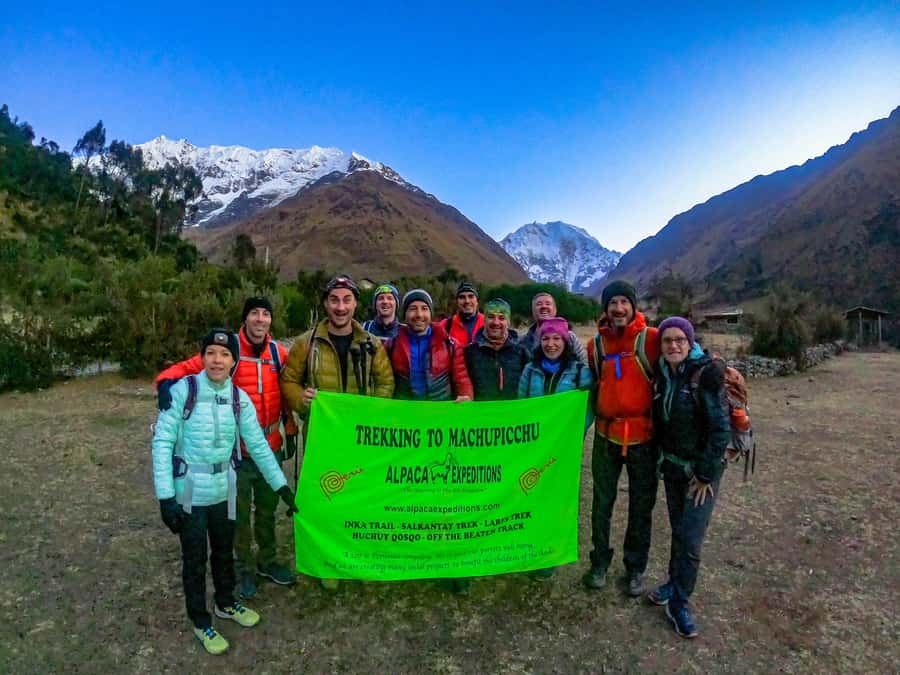
- Small group up to 16 participants for a more manageable pace and a calmer trail day
- Humantay Lagoon + Salkantay Pass in the first two big stretches, perfect for serious scenery lovers
- Sleep variety that keeps it interesting: glass cabins, campsites, a Hobbit house with outdoor jacuzzi, and a hotel
- Porters and chefs included, plus a personal porter for up to 7kg per person
- Llactapata camp near Machu Picchu so the final area feels earned, not rushed
- Return logistics included: Expedition train ticket class and a round-trip Machu Picchu bus ticket
Price and what $650 actually buys
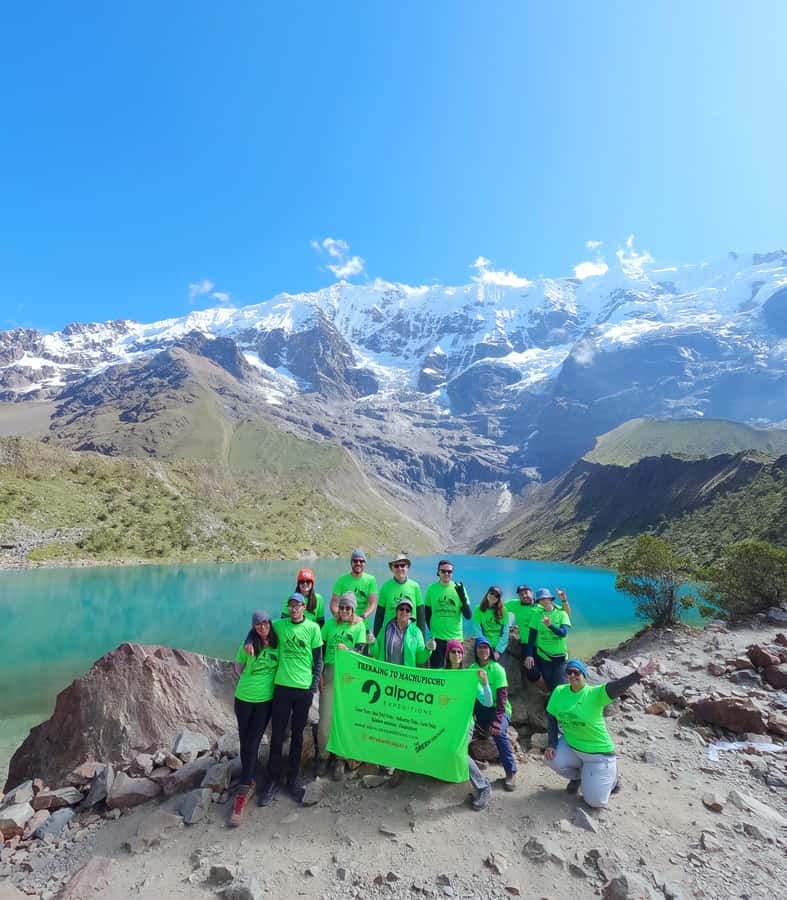
At $650 per person, this trek can feel like a bargain if you look at what’s included, and like a deal-breaker if you’re expecting a fully self-guided backpacking trip. You’re paying for a lot of moving parts to be handled for you: a guide, transportation, entry fees, professional chefs and porters, and multiple nights of lodging in different styles.
Your package also covers meals (breakfast x5, lunch x4, dinner x4), water, and trail support items like a first aid kit and even an oxygen tank. The return to Cusco isn’t guesswork either: your back-trip train ticket is included (Expedition class), plus the round-trip bus ticket to Machu Picchu. On top of that, there’s a personal porter for up to 7kg per person, which can make the difference between enjoying the altitude and feeling beat up by your pack.
What’s not included matters too. You’ll need to bring items like a day pack and headlamps, and you should plan on carrying trekking essentials because sleeping bag, air mattress, and trekking poles are not included. Also, Huayna Picchu Mountain Pass costs extra (75 USD per person) and must be booked in advance.
Where you sleep: glass cabins, camps, a Hobbit house, and a real hotel
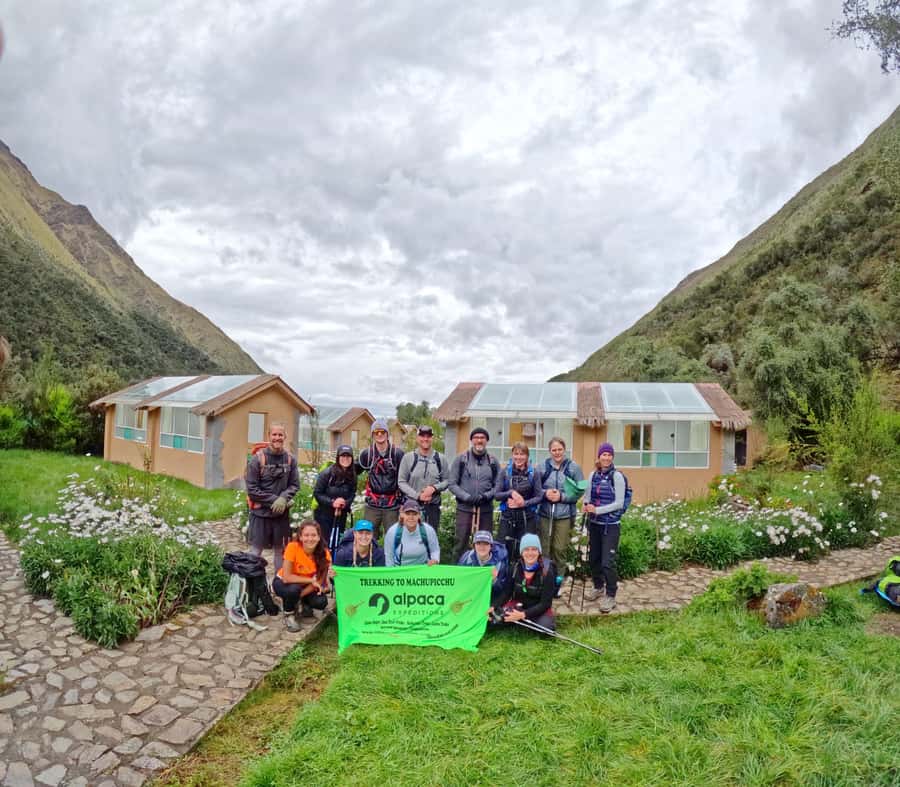
This trek spreads comfort across the journey instead of saving it all for the end. In the afternoon of day 1, you transfer to the Salkantay Glass Cabañas (at 3 pm). That matters because it gives you a cushioned start day, before the hiking ramps up.
As the days progress, you shift into nights at campsites (1 night at Glass Cabañas, 2 nights camping). Camps are part of the adventure here: you’ll be outside, at altitude, with the real feel of the Andes around you. The key benefit is that you’re not traveling long distances between experiences. You’re hiking, then sleeping, then hiking again.
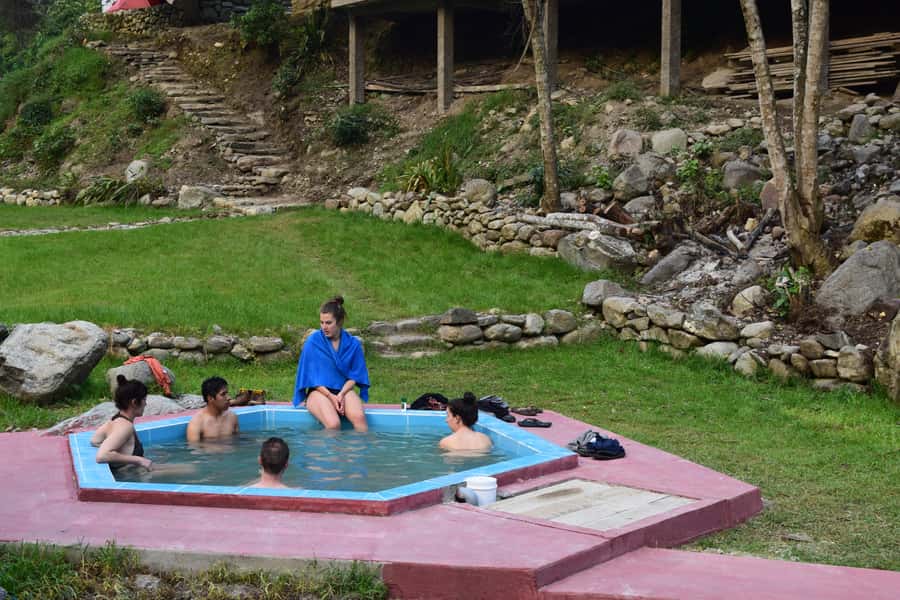
Then comes the standout change of pace: a night at the Hobbit house at Ccollpapampa Loreta, with an outdoor jacuzzi. Even if you’ve never wanted a jacuzzi at altitude before, it’s a big deal after long hiking days. It’s one of those practical luxuries that helps you recover, and it also breaks up the monotony of the same accommodation every night.
Your final night is at a hotel, after you reach Aguas Calientes (Machu Picchu town area). That hotel night matters because it gives you a more restful setup before Machu Picchu day.
Day 1: Soraypampa to Humantay Lagoon, then the Salkantay Pass
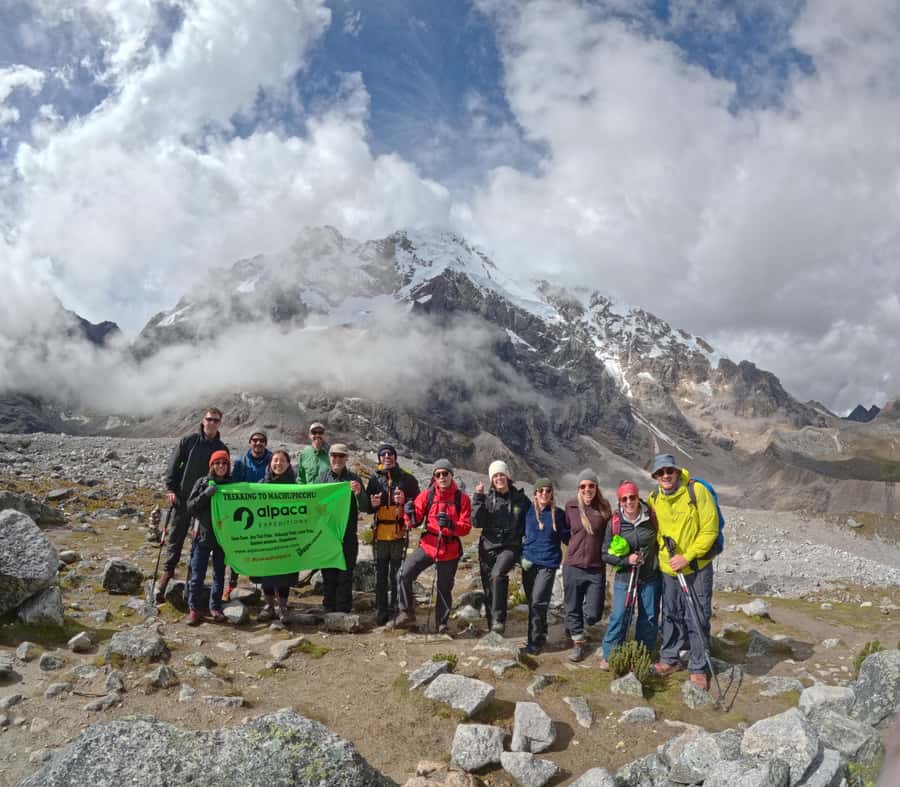
Your route starts with that 3 pm transfer to the Salkantay Glass Cabañas, then the real hiking day begins. Day 1 runs from Soraypampa campsite to Humantay Lagoon, over the Salkantay Pass, and onward to Wayracpunko.
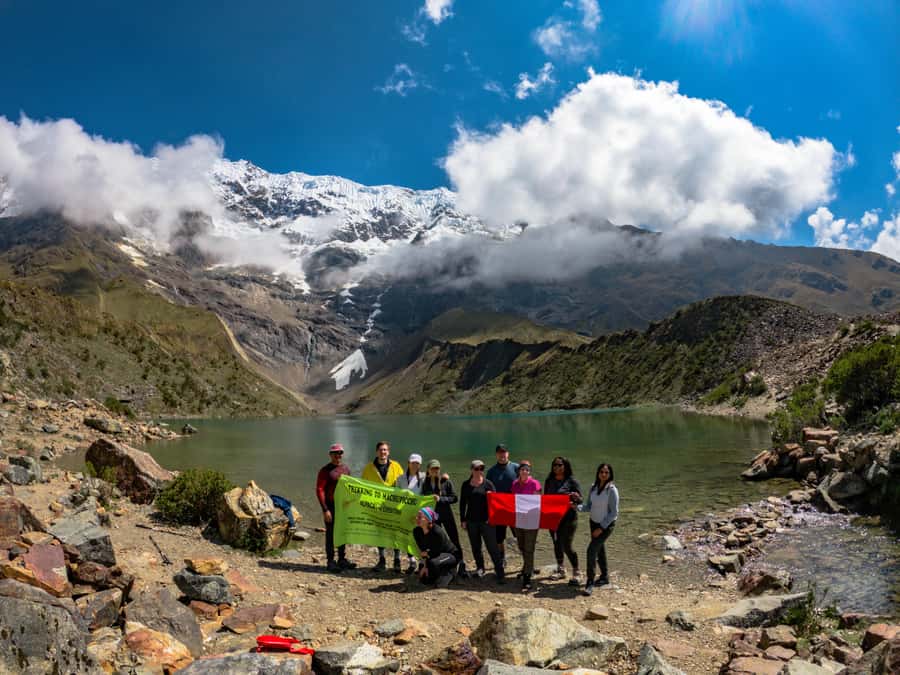
Humantay Lagoon is the early anchor of the trip. This is the part that most people remember when they think about those dramatic high-mountain photos. Even if you’re not a photographer, it’s a mental reset: open sky, striking water color, and that feeling of being far above the busy world.
Then you climb toward the Salkantay Pass. This is where your body will feel altitude. I’d treat this as the day where steady effort beats hero mode. Your guide and the group pace help here, and the small group size (limited to 16) makes it easier to keep together without constant delays.
Wayracpunko is your landing point for the day. It’s also a reminder of why treks like this feel different than day hikes: you’re moving through changing terrain and ecosystems, and you’re doing it under one consistent plan.
Day 2: Wayracmachay to Chaullay and into the Hobbit house at Ccollpapampa Loreta
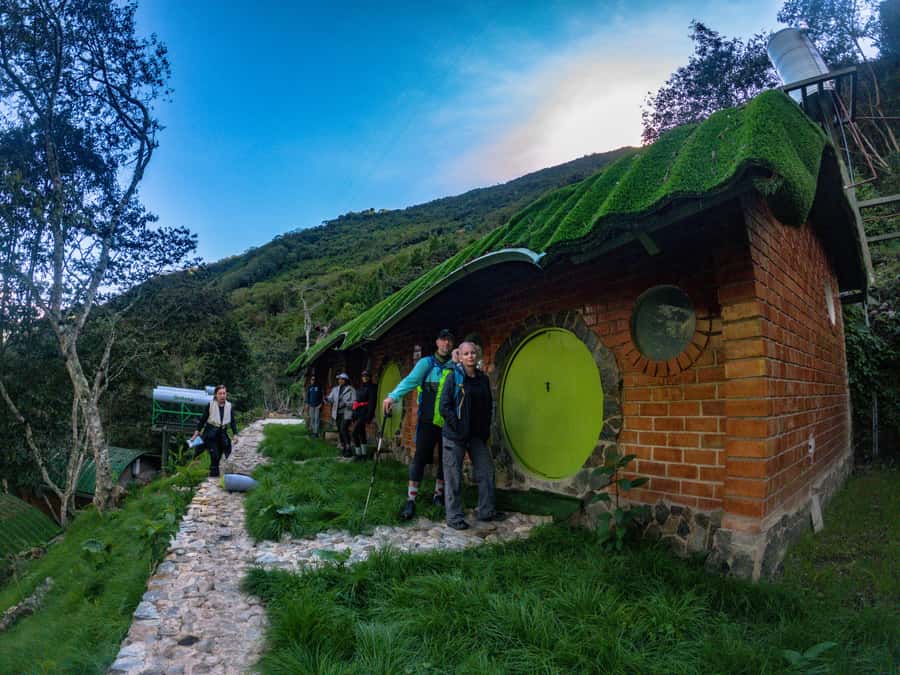
Day 2 takes you from Wayracmachay to Chaullay, then onward to Ccollpapampa Loreta, where you sleep in the Hobbit house with outdoor jacuzzi.
I like this day for the way it keeps momentum without adding the biggest altitude spike immediately after day 1. You still hike, but the route design gives you time to adapt to what day 1 started. The change in stops also helps. You’re not just walking from point A to B and counting down the minutes until the next camp.
Chaullay is one of those trail names that sounds simple on a map but, in practice, signals changing conditions. You’ll notice it as you go: different slopes, different weather habits, and different ground under your feet.
Then you arrive at the Hobbit house stop, and it hits differently after a day on foot. The outdoor jacuzzi is the kind of recovery tool that can make your legs feel human again. It’s also a psychological win: you’re not only enduring the Andes, you’re being rewarded with a memorable place to rest.
Day 3: La Playa Sahuayaku, Lucmabamba coffee farm, and camp at Llactapata
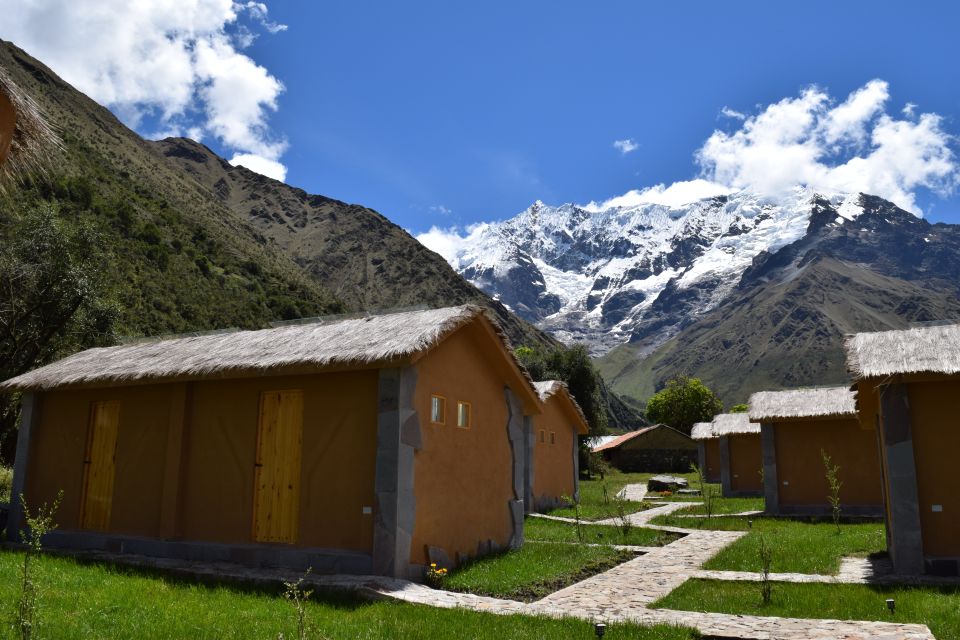
Day 3 starts at Loreta, then passes La Playa Sahuayaku, then includes a visit to the Lucmabamba coffee farm, before you end at Llactapata, camping in front of Machu Picchu.
This is a day people tend to love because it breaks the trekking routine. The coffee farm stop adds context to the region beyond altitude and trail views. It’s also a chance to slow down, talk with people who work the land, and remember that this is a living area, not just scenery for postcards.
After that, you’re heading toward Llactapata camp. Ending your trek day at Llactapata is a smart choice because it builds anticipation for Machu Picchu without making it feel like a single big blur at the end. Camping here means Machu Picchu isn’t a last-minute idea. It’s the next chapter you can already feel.
The drawback on a day like this is that you’ll want to pace yourself during the coffee farm stop too. Don’t turn it into a long detour that leaves you tired for the final stretch. Treat it like a reset, not a vacation from hiking.
Day 4: Llactapata lookout, Mandor waterfalls, and reaching Aguas Calientes
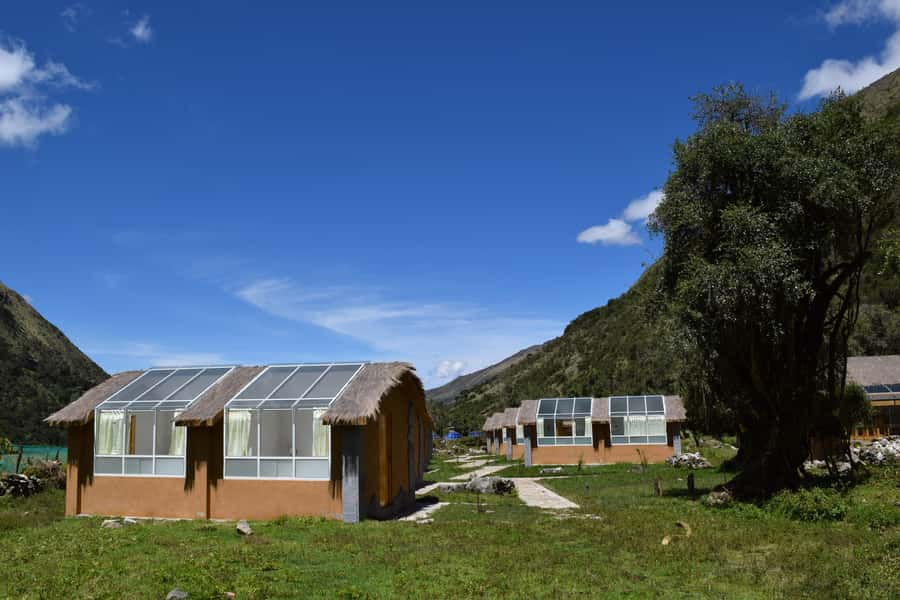
Day 4 begins with the Llactapata lookout, then continues to Mandor waterfalls, and ends at Aguas Calientes.
The lookout is your bridge between trek-land and Machu Picchu zone. If you’ve been waiting for that big moment, this stop is the build-up that makes it more satisfying. You’re seeing the shapes and sense of place before you’re walking the official Machu Picchu pathways.
Then you move on to Mandor waterfalls. Waterfalls can be noisy, misty, and cooler than you expect. I’d plan for damp conditions where your clothes take longer to dry, especially if you get rain gear out and then forget it until it’s too late.
Finally, you arrive at Aguas Calientes, which is the Machu Picchu town area. This is where the trail transitions to the classic Machu Picchu routine: dinner, sleep, and a plan for the citadel day ahead. You’ll appreciate having a hotel night here because your energy matters on day 5.
Day 5: Machu Picchu citadel day and return train to Cusco
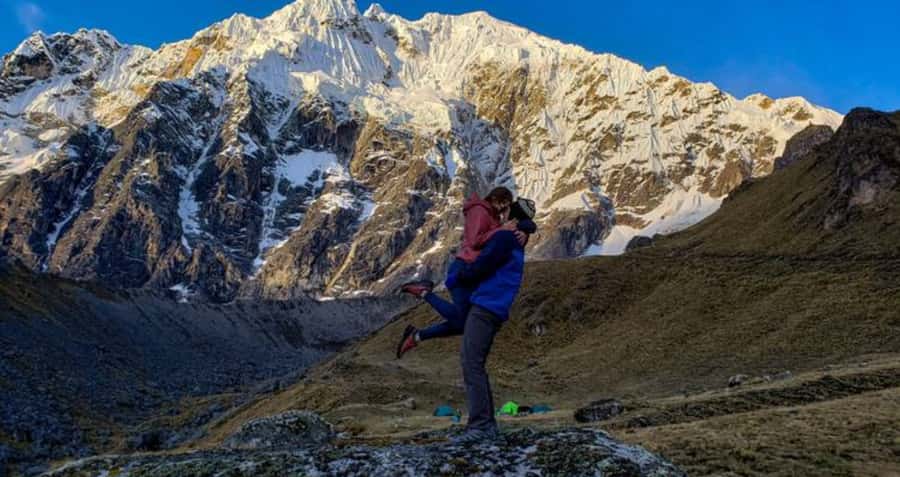
Day 5 is the big one: Machu Picchu, then return to Cusco.
You’re also set up with practical transportation. The package includes a round-trip bus ticket to Machu Picchu, and it includes your return train ticket (Expedition class). That’s valuable because you don’t want to spend your last hours worrying about schedules, lines, or which station you’re supposed to be at.
The itinerary is designed so you’re not just arriving and hoping for the best. You’ve already hiked toward this moment through passes, lagoons, camps, and lookouts. When you reach Machu Picchu, you’re doing it with context, not as a random day trip.
If you want extra sights, Huayna Picchu is not included. It costs 75 USD per person and needs advance booking. If it’s on your must-do list, plan early before you go.
Logistics that matter: oxygen tank, porters, and keeping your pack sane
Altitude and fatigue are the two things most likely to test you on this trek. You’ll be going over Salkantay Pass, and the route moves through multiple ecosystems, so your body feels the change. The tour includes an oxygen tank and a first aid kit, which is a comforting safety net. It doesn’t remove the need for pacing, hydration, and smart effort, but it helps you feel supported.
Then there’s the pack load. The tour includes a personal porter up to 7kg per person, plus professional porters for the operation. This is not just convenience. Less weight often means you’ll hike better, and you’ll enjoy the scenery more because you’re not constantly fighting your gear.
I’d still be realistic. Trekking shoes are on your packing list for a reason. Bring rain gear and long-sleeved layers because mountain weather shifts fast. Sunscreen and sunglasses are also musts for the high sun and reflective ground.
What to bring: the real kit that keeps you comfortable
The tour provides a lot, but you’re responsible for key gear. Here’s what stands out from the included and not-included list.
Bring:
- Passport
- Hiking shoes
- Sun hat and sunglasses
- Sunscreen, rain gear
- Long-sleeved shirt and thermal clothing
- Insect repellent
- T-shirt and outdoor clothing layers
- Towel
- Outdoor trekking clothing you can move in
Plan on supplying yourself:
- Day pack
- Headlamp (not included)
- Trekking poles (not included)
- Sleeping bag and air mattress (not included)
My practical advice: pack for cold mornings and warmer afternoons, and keep rain protection reachable. If you have to dig through your bag every time clouds roll in, you lose time and patience.
Who should book this Salkantay trek from Cusco
This trek fits best if you want a big Andes experience with a plan and support. The small group helps you feel the trail without the chaotic vibe that comes with larger bus-style tours. The mix of accommodations also appeals if you’re tired of either roughing it every night or doing short hikes with no payoff.
You’ll also like it if Machu Picchu is your goal, but you want it earned. Camping at Llactapata and doing a lookout on Llactapata means you build toward the citadel rather than arriving cold.
It’s not the right choice if you’re dealing with medical constraints. The tour states it’s not suitable for pregnant women, people with back problems, heart problems, or pre-existing medical conditions. If any of those apply, take it seriously and ask a clinician first.
Should you book it? My call
If you want the Salkantay trek experience with structure, comfort upgrades, and transportation handled, I think this is a strong choice. The value is strongest when you compare what’s included: meals, lodging in multiple styles, a personal porter up to 7kg, guide support, entry fees, and the return train and bus logistics. At $650, you’re paying for reduced friction and real preparation.
Book this if:
- You want Humantay Lagoon and the Salkantay Pass highlights
- You prefer a small group and guided route planning
- You’d enjoy memorable lodging like glass cabins and a Hobbit house with outdoor jacuzzi
Skip it if:
- You can’t meet the physical demands or have conditions the tour says it can’t accommodate
- You don’t want to handle trekking gear that isn’t included, like headlamps and sleeping bag
FAQ
How long is the trip?
It’s a 5-day trip with 5 days and 5 nights.
What’s the price?
The price is $650 per person.
Is pickup from my hotel included?
Yes. Pickup is included from your hotel, and the guide comes to pick you up for the hike.
What accommodations are included?
You get 1 night at the Glass Cabañas, 2 nights camping, 1 night at a Hobbit house, and 1 night at a hotel.
Are meals included?
Yes. Lunch is included 4 times, breakfast 5 times, and dinner 4 times, plus water.
Is the train ticket included for the return?
Yes. The return train ticket is included in Expedition class.
Is the Machu Picchu bus ticket included?
Yes. A round-trip bus ticket to Machu Picchu is included.
Is Huayna Picchu included?
No. Huayna Picchu costs 75 USD per person and must be booked in advance.