REVIEW · URUBAMBA
From Cusco: Sacred Valley & Moray, Salt Mines with Lunch
Book on GetYourGuide →Operated by Apu Ausangate Trek EIRL · Bookable on GetYourGuide
A long day, but you get a full hit of the Sacred Valley. I especially like the way this tour stacks textiles and Incan agriculture with the famous Maras salt ponds, all with a guide who explains the whys, not just the what. The one thing to watch is the pace: it’s packed, so if you want slow wandering, you may feel rushed.
You also get a practical, road-tested route: a hotel pickup, bilingual guidance (English/Spanish), and transport that keeps you from juggling buses. Plus, the buffet lunch in Urubamba is part of the plan, so you’re not stuck hunting for food mid-tour. The main drawback is that you’ll need to budget for site tickets and drinks on top of the tour price.
In This Review
- Key things to know before you go
- Sacred Valley in one day: how this tour actually feels
- Pickup and transfers from Cusco: convenience with a time cost
- Chinchero: textiles, heritage, and a quick taste of daily life
- Moray terraces: the engineering of farming on hard ground
- Maras salt mines: 5,000 salt ponds and preservation know-how
- Urubamba lunch: a real break in a long day
- Ollantaytambo: megaliths, defense, and climbing over 200 steps
- Pisac: workshop time plus market browsing for crafts
- Price and tickets: getting value without surprise costs
- Who this Sacred Valley day suits best
- What to bring so you stay comfortable the whole day
- Should you book this Sacred Valley & Moray with Salt Mines tour?
- FAQ
- How long is this tour?
- What’s included in the price?
- Do I need tickets for the sites?
- Is lunch included?
- What languages is the guide available in?
- How big is the group?
- What should I bring or avoid?
Key things to know before you go
- Tight 12-hour schedule: big sights in one day
- Small group (up to 15): easier questions and a calmer experience
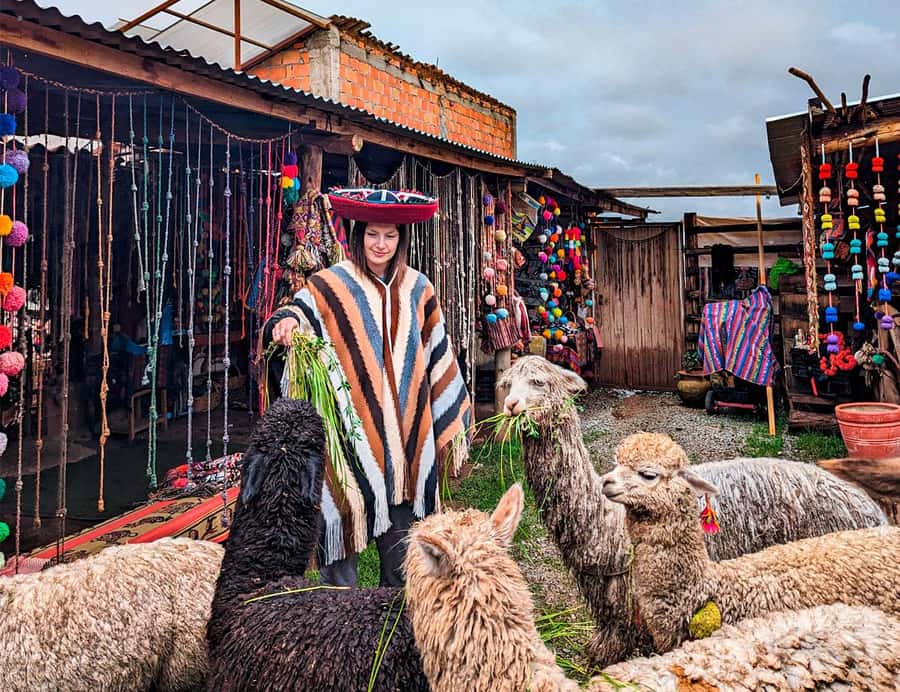
- Textiles at Chinchero: woven with traditional Incan techniques
- Moray terraces + Maras salt ponds: agriculture experiments meets salt production
- Urubamba buffet lunch included: food slot built into the itinerary
- Ollantaytambo steps and Pisac crafts: more than just look-and-go stops
Sacred Valley in one day: how this tour actually feels
This is a classic “see the highlights” day, designed to move efficiently between Cusco Region’s most visited cultural and natural spots. You’re looking at a full circle of the Sacred Valley arc: start with textile tradition, then jump to the engineering of Incan farming at Moray, followed by the salt story at Maras. After lunch, you shift into two heavyweight towns: Ollantaytambo and Pisac.
I like that the stops aren’t random. They build on each other. You start learning how people made their lives work at altitude—through weaving, farming terraces, and salt preservation—and then you finish with fortified and market-based towns where that knowledge showed up in everyday life.
One practical note: the tour is long—about 12 hours. Even with stops and transfers that keep you comfortable, you’ll be on the move for most of the day. Bring what you need to stay sharp in bright Andean sun: water, sunscreen, sunglasses, and a hat.
You can also read our reviews of more tours and experiences in Urubamba
Pickup and transfers from Cusco: convenience with a time cost
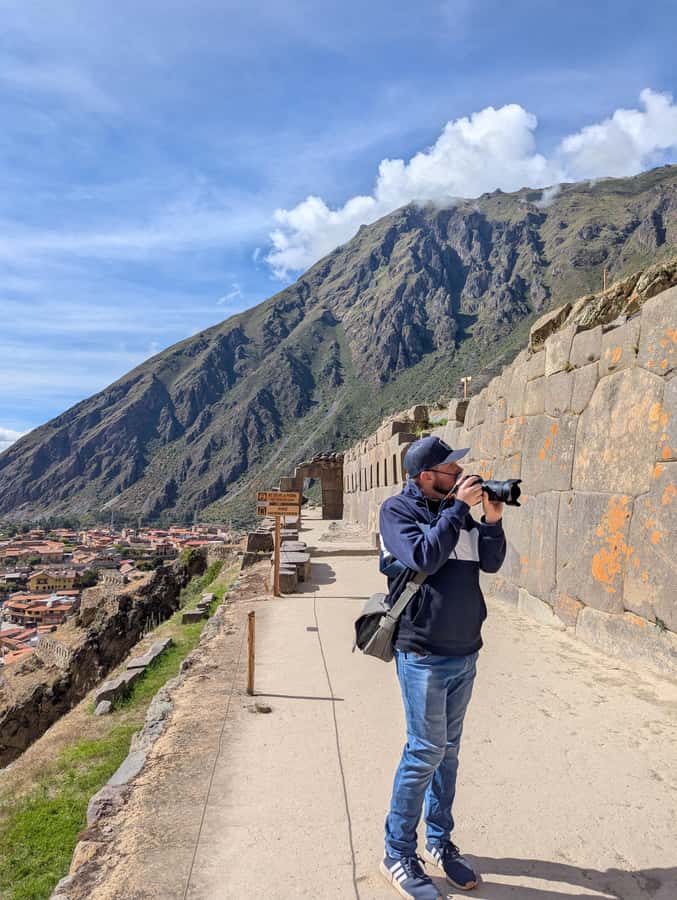
The day begins with pickup from your hotel in Cusco, with the guide meeting you at the reception so you’re not chasing. From there, you’ll head to the first stop in the Sacred Valley area by van, with drive times adding up to about half an hour here and there.
This is where the tour earns its value. Rather than figuring out connections on your own, you get door-to-door transport across multiple towns in a single package. The tradeoff is you’re married to the schedule: you’ll move from site to site whether you’re ready for the next place or not.
If you’re the type who likes long photo pauses, aim to treat this as a “structured day” and plan your extra photos at the photo stops. If you’re more interested in learning and crisp sightseeing, this format should feel satisfying.
Chinchero: textiles, heritage, and a quick taste of daily life
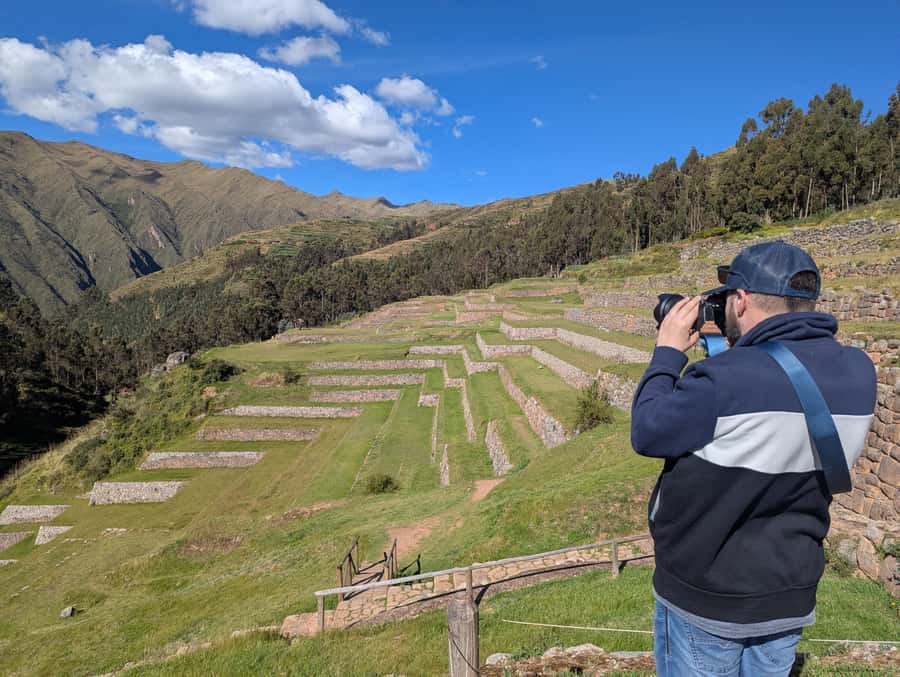
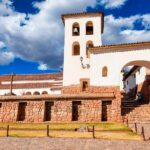
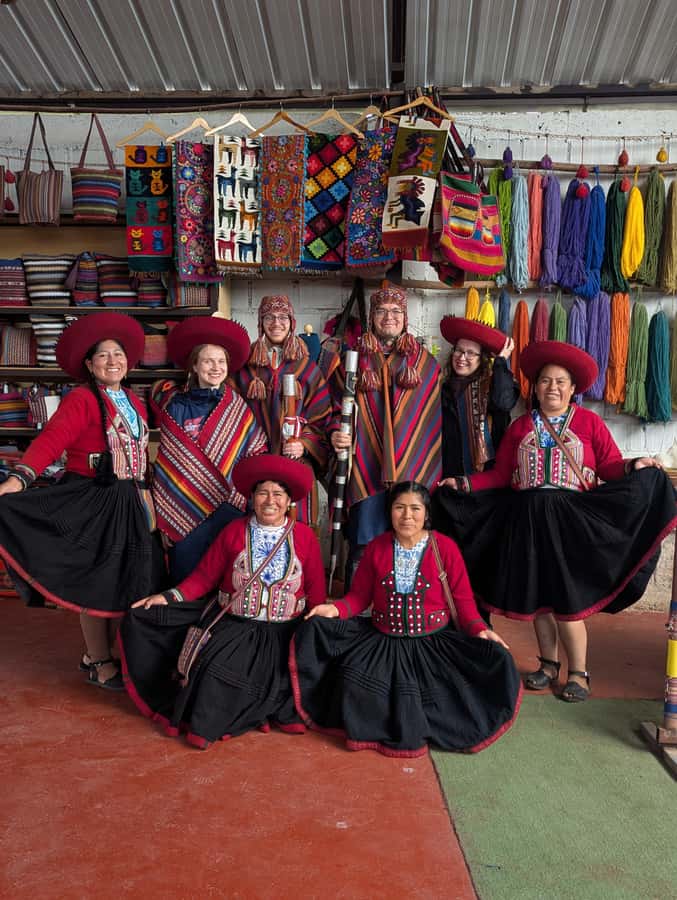
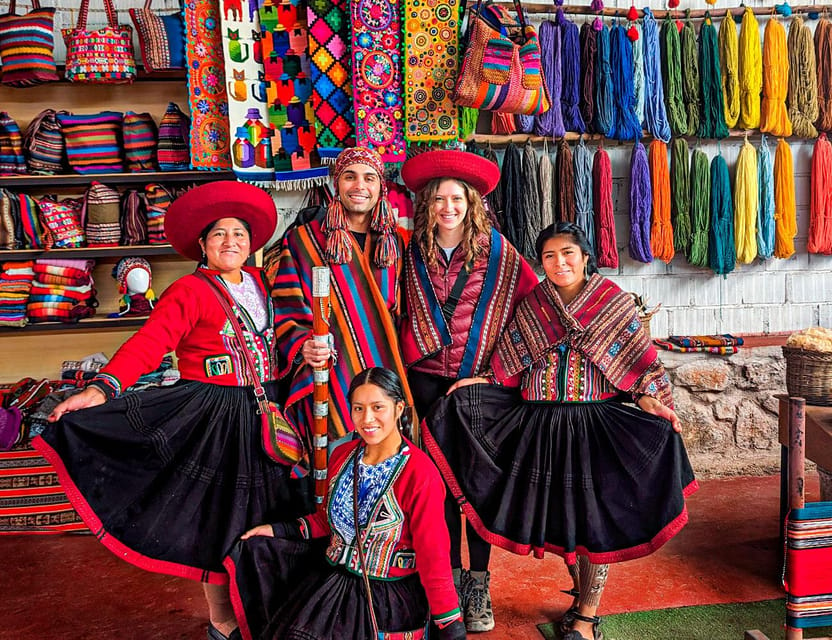
Your first real cultural stop is Chinchero, a smaller district known for a long tradition of weaving. You’ll have time for a guided tour plus a chance to shop, and there’s even a photo stop built in.
This stop matters because it’s not just a souvenir stop dressed up as culture. The weaving here connects to traditional Incan techniques—so you’re seeing the craft as a living skill rather than a museum exhibit. And since you’ll have guided explanation, you can understand why certain threads, patterns, or methods matter in a way that’s hard to catch if you show up on your own.
Shopping time is included, which is great if you want to compare products and ask questions. Just keep your expectations grounded: the Sacred Valley is a craft region, so prices can vary a lot depending on quality and what’s actually handmade.
Possible drawback: you only have a set chunk of time here (roughly the mid-hour range). If you fall in love with weaving demonstrations, you might want more.
Moray terraces: the engineering of farming on hard ground
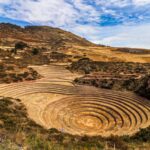
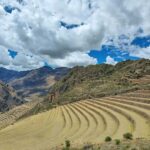
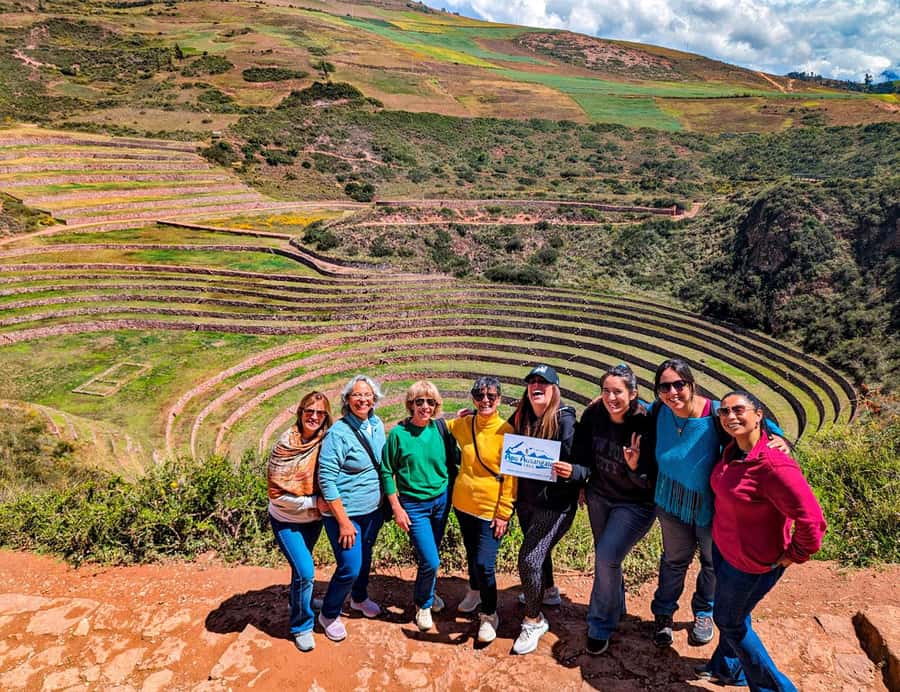
Next comes Moray, famous for its circular agricultural terraces. Your time includes a photo stop plus a guided visit.
Moray is one of those places where the shape alone makes your brain work. The terraces are built along hillside terrain in a way that helped agriculture thrive in less-than-ideal conditions. In other words, it’s not just pretty stone steps. It’s an approach to growing crops where nature doesn’t cooperate.
Why you’ll care: understanding Moray gives you context for how the Incas treated the landscape like a system. Instead of fighting the environment blindly, they used design—terraces and location—to create usable conditions. Once you see that logic, the rest of the day makes more sense, including the “preservation” theme that comes at Maras.
Small practical tip: Moray can be bright and dry. A hat and sunglasses aren’t optional if you want comfortable photos and less eye strain.
Maras salt mines: 5,000 salt ponds and preservation know-how
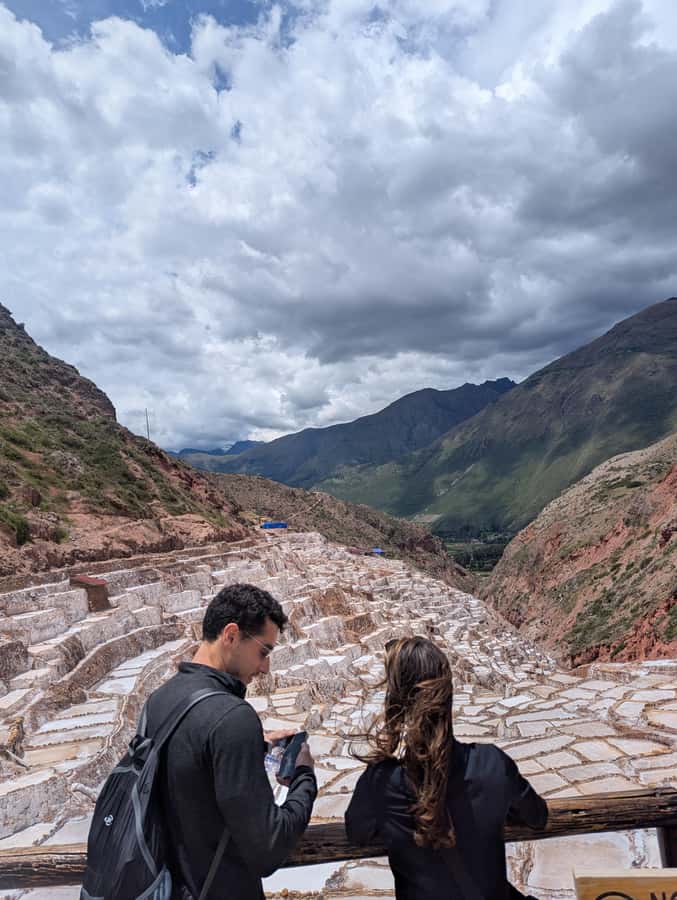
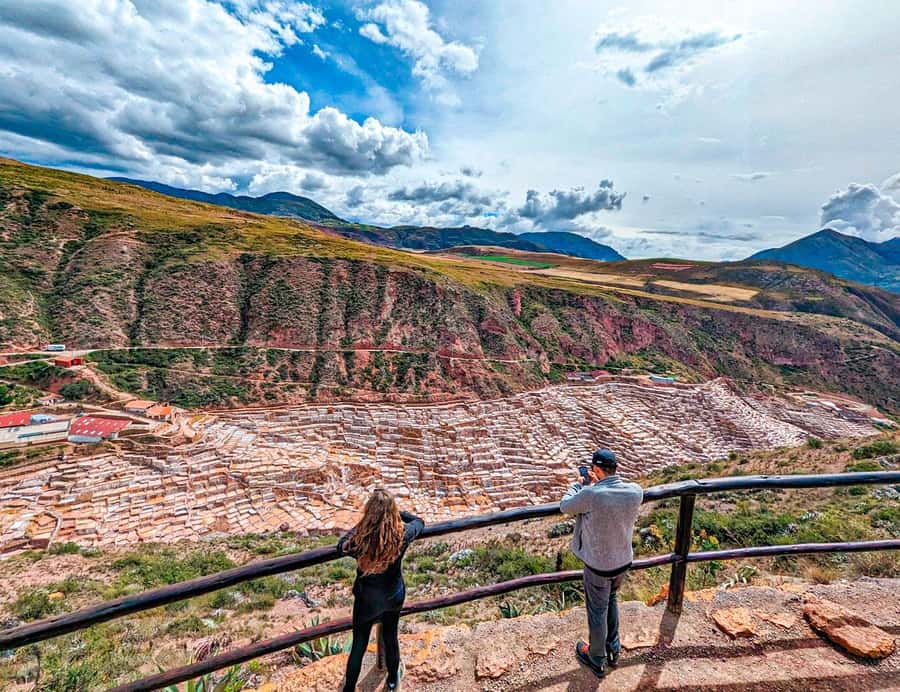
Right next to Moray is Maras, where you’ll visit the salt mines and see the salt ponds—over 5,000 of them—used for long-term food preservation by ancestors.
This stop is one of the most memorable because it feels both industrial and ancient at the same time. The ponds stretch out visually in a way that’s hard to recreate with imagination, and the guided context helps you connect salt to survival: salt isn’t just seasoning here. It’s a preservation tool that matters when weather and supply chains are unpredictable.
Your visit includes a photo stop and guided tour, plus a bit of shopping time in Maras. That’s useful because salt-related items and local crafts often show up nearby, and you’ll be in the right mood to browse.
Budget note: the salt mine entrance is not included in the base price. You’ll need to buy it on site, along with the broader “partial tourist ticket” at the first site.
Urubamba lunch: a real break in a long day
After the morning circuit, you drive to Urubamba, the capital of the Sacred Valley area. Lunch is a buffet and is included.
I like this lunch setup because it’s not an awkward scramble. You get a predictable meal window (about an hour), so you’re less likely to waste time and energy figuring out food options mid-route. And a buffet is practical here because you can choose what works for you—especially if you’re tired after the sun and stairs.
What to expect: drinks are not included, so if you want something like juice or soda, have a plan for payment. You’ll also benefit from pacing your meal. Don’t go too heavy right before another round of sightseeing.
Ollantaytambo: megaliths, defense, and climbing over 200 steps
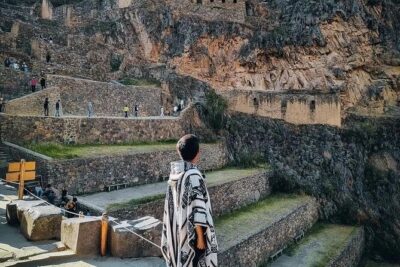
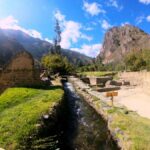
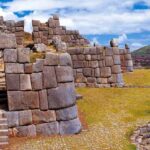
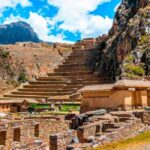
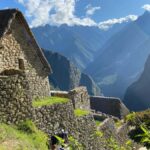
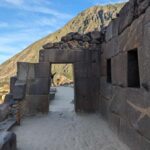
After lunch, the tour continues to Ollantaytambo, one of the Sacred Valley’s most important towns. Here, you’ll enjoy a guided tour and climb over 200 steps to reach the top of an ancient terraced fortress.
This is a big one. Ollantaytambo isn’t just ruins to look at from the ground. The climb and the terracing give you scale and structure. At the top, you’re essentially getting a view of why this location mattered: it was a defensive spot in Incan times.
Even if you don’t call yourself a ruins person, you’ll likely appreciate how the town’s layout and the fortress relate to each other. It makes the story feel more physical—stone, height, sightlines, and a purpose.
Possible consideration: the steps are real. If you have knee issues or you’re not comfortable with sustained stairs at altitude, this is the segment to think about carefully.
Pisac: workshop time plus market browsing for crafts
The final major cultural stop is Pisac. You’ll have time for a workshop segment and then a guided tour.
Pisac is where the day shifts from archaeology to daily life and local buying. You’ll be able to discover the local market selling souvenirs and local crafts. If you like textiles and handmade items, this is a fitting last stop: you can compare what you saw earlier in Chinchero with what’s being sold in Pisac.
The included guided time helps you shop smarter. Instead of wandering with no context, you’ll likely be able to ask questions and understand what you’re looking at. And because the tour includes both a workshop and guided tour, you’ll get more than just a shopping walk.
Price and tickets: getting value without surprise costs
At $32 per person, this tour is priced like a budget-friendly day trip. Where the value really comes from is coverage: hotel pickup, bilingual guide, transport across multiple towns, and lunch are all included.
But there are costs you should plan for:
- A partial tourist ticket for about 70 Nuevos Soles (purchased at the first site)
- Salt mine entrance about 20 Nuevos Soles (purchased on site)
- Drinks (not included)
So the honest budget is: the tour price covers the service and main logistics, while the major site admissions are extra. If you budget for tickets and water/drinks ahead of time, this can still come out as strong value compared with paying for transport and guides one stop at a time.
Also, the small group size (limited to 15 participants) matters at this price. It tends to make the experience smoother and keeps the guide from spending all the time herding people through queues.
Who this Sacred Valley day suits best
This tour is a good fit if you want a structured day with a clear learning arc:
- You’re new to the Sacred Valley and want the main anchors in one shot
- You like culture with explanation—textiles, farming, and how people used salt
- You appreciate convenience: pickup, transport, and lunch handled
It may not be ideal if you:
- Want a slow, independent day with long wandering time in each town
- Have limited mobility and don’t feel comfortable with a climb of over 200 steps at Ollantaytambo
- Prefer to skip markets and shopping segments
What to bring so you stay comfortable the whole day
The basics matter more than you think on this route:
- Sunglasses and sun hat
- Sunscreen
- Water
- Camera (and extra phone storage)
- Cash for tickets and anything not included
Also remember: no drones. And skip alcohol or drugs during the day.
Should you book this Sacred Valley & Moray with Salt Mines tour?
I’d book it if your goal is to pack in the key Sacred Valley stories without planning a thing yourself. The combination of Chinchero textiles, Moray terraces, and Maras salt preservation gives you a connected theme, not just a checklist. Add lunch in Urubamba and end with Ollantaytambo and Pisac, and you get a full-day sweep that still includes guided context.
I’d think twice if you hate tight schedules or you’re worried about stairs. In that case, you might prefer a slower itinerary focused on fewer towns.
If you can handle a long day and you budget for the on-site tickets, this tour is a strong value way to get a real sense of how the Sacred Valley worked—through craft, agriculture, and preservation.
FAQ
How long is this tour?
It lasts about 12 hours.
What’s included in the price?
Pickup from your hotel, a bilingual guide, transportation between the stops, a buffet lunch in Urubamba, and drop-off at Plaza Regocijos.
Do I need tickets for the sites?
Yes. You’ll need a partial tourist ticket (about 70 Nuevos Soles) purchased at the first site, and you’ll also need to pay an entrance ticket for the salt mine (about 20 Nuevos Soles) on site.
Is lunch included?
Yes. You’ll have a buffet lunch in Urubamba.
What languages is the guide available in?
The tour guide is available in English and Spanish.
How big is the group?
It’s a small group limited to 15 participants.
What should I bring or avoid?
Bring sunglasses, a sun hat, a camera, sunscreen, water, and cash. Drones are not allowed, and alcohol and drugs are not allowed.