REVIEW · URUBAMBA
Salkantay Trek 4Days/3Nights Domes
Book on GetYourGuide →Operated by Exploor Trip E.R.L · Bookable on GetYourGuide
Salkantay to Machu Picchu is a big swing. I like how this trek puts you next to the Salkantay glacier and still builds in acclimatization with Soraypampa and Humantay Lagoon. I also like that Machu Picchu includes a guided visit timed for soft morning light. One consideration: at least one verified booking reported guide and handoff problems and extra costs around Machu Picchu, so you’ll want to confirm details before you commit.
This is also the kind of trip where logistics matter as much as the hiking. The itinerary includes dome camping (with a real dining setup), pack animals, and transport to get you from trail to train without you doing route math at 4 a.m. Still, this is a physical trek with real altitude, so you should be ready for long days, steep climbs, and cold nights even with shared gear and huts.
In This Review
- The Salkantay Trek Domes 4D/3N: What’s Actually Good Here
- Key Points You Should Know Before You Go
- Day 1: Cusco to Soraypampa (and Humantay Lagoon’s 4,200m wow)
- Day 2: Salkantay Pass Day at 6,264m (the hardest day, on purpose)
- Day 3: Chaullay to La Playa, then hydroelectric and Aguas Calientes
- Day 4: Machu Picchu first light, guided tour, and optional Huayna Picchu
- Price and Logistics: Does $450 Per Person Feel Fair?
- Who This Trek Suits Best (and Who Should Rethink It)
- What’s Included vs. What You’ll Need to Plan
- Should You Book the Salkantay Trek Domes 4D/3N?
- FAQ
- FAQ
- What time is hotel pickup in Cusco?
- How many people are in the domes?
- What language is the tour guide?
- Is Machu Picchu entrance included?
- Do I need a sleeping bag?
- Is drinking water included?
- What optional activities are available on Day 4?
The Salkantay Trek Domes 4D/3N: What’s Actually Good Here
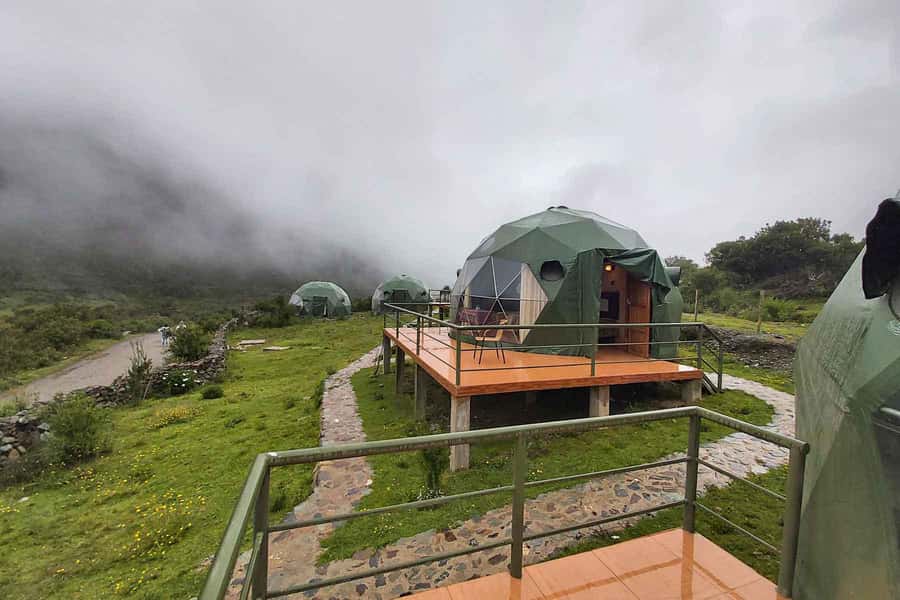
I’m drawn to two things in this plan: organized trail support and a clear path to Machu Picchu. You’re not just “walking and hoping.” You’re meeting a support team early, meals are built into the days, and the trek culminates in Aguas Calientes with an efficient route toward Cusco.
Key Points You Should Know Before You Go
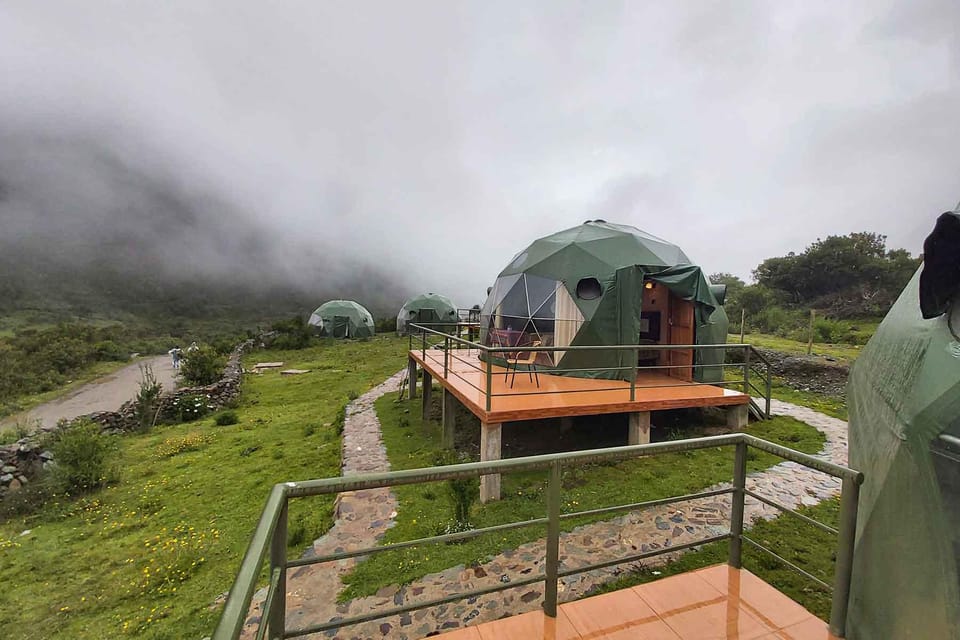
- Dome camping setup: shared domes plus a dining tent with kitchen operations.
- High-altitude acclimatization days: Soraypampa and a Humantay Lagoon hike at altitude.
- The Salkantay Pass test: a tough uphill push with a high point at 6,264 m.
- Santa Teresa valley switch: day 3 shifts to a lush route and then brings you to Aguas Calientes.
- Machu Picchu first-entry timing: early arrival so you can see the site in calmer morning light.
You can also read our reviews of more hiking tours in Urubamba
Day 1: Cusco to Soraypampa (and Humantay Lagoon’s 4,200m wow)
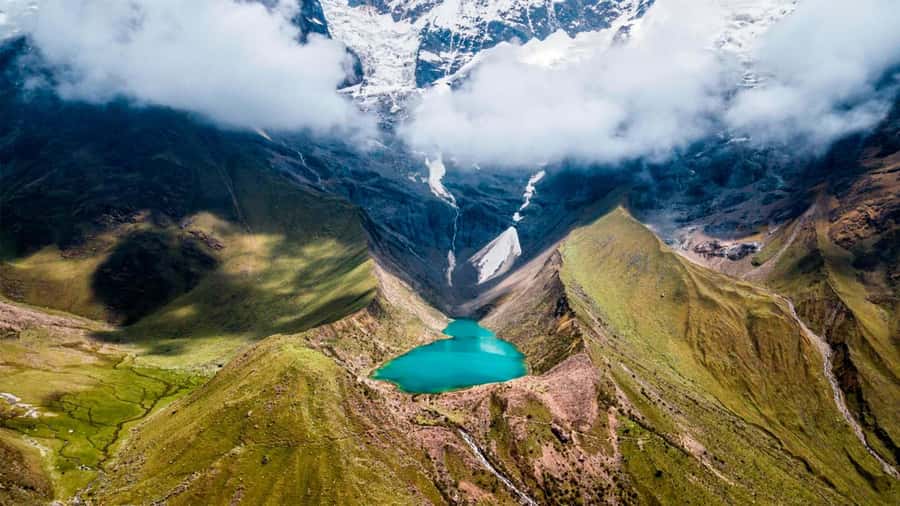
Your day starts early—hotel pickup in Cusco around 4:45 to 5:30 a.m.—followed by a bus ride to Mollepata (about two hours). You stop in Mollepata for breakfast (not included) and final preparations. Then you continue toward Cahllacancha, where the support team takes over with pack animals for tents, food, and kitchen gear.
Around 9:30 a.m. the trek begins. You walk toward Soraypampa at about 3,900 m. The plan targets a constant pace and expects about a four-hour walk to reach camp. This part isn’t the biggest physical challenge, but it’s where the altitude starts to feel real—your lungs work harder, and your legs get used to walking on a higher, thinner atmosphere.
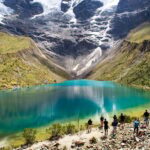
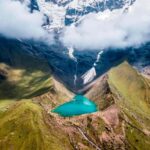
After lunch at Soraypampa, you get Humantay Lagoon, reached via a roughly three-hour round trip from camp, climbing to around 4,200 m. This is the moment many people remember from the whole trek: a glacial lake setting with serious mountain presence. The good news is the hike is short enough to be doable, and it’s paced from camp rather than starting from sea of effort.
That night is dinner in the evenings with hot, prepared food. You sleep in the dome setup, and the trekking model here matters: you’re not carrying camp systems. Pack animals handle tents and kitchen tools from days 1 to 4, and you’re allowed up to 5 kg of personal equipment carried on pack animals days 1 to 3. That’s a big value move if you hate lugging everything on your back.
What to watch for on Day 1: you’ll likely feel the morning chill and the altitude mix. Bring layers you can actually hike in, and consider a cap/hat for sun once you climb out of shade.
Day 2: Salkantay Pass Day at 6,264m (the hardest day, on purpose)
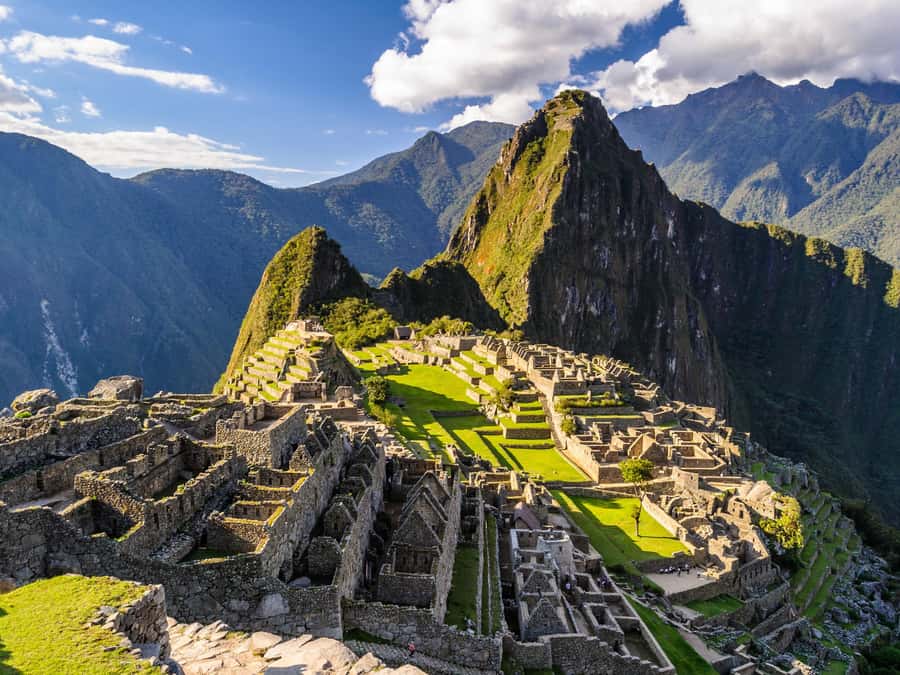
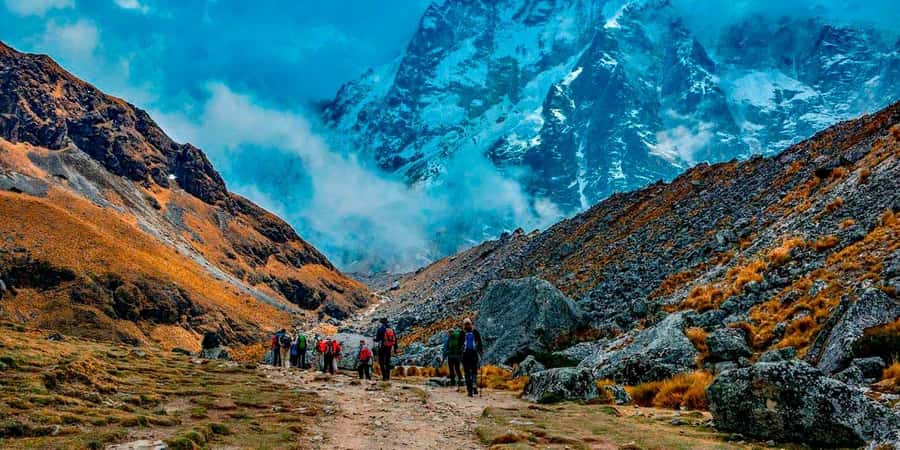
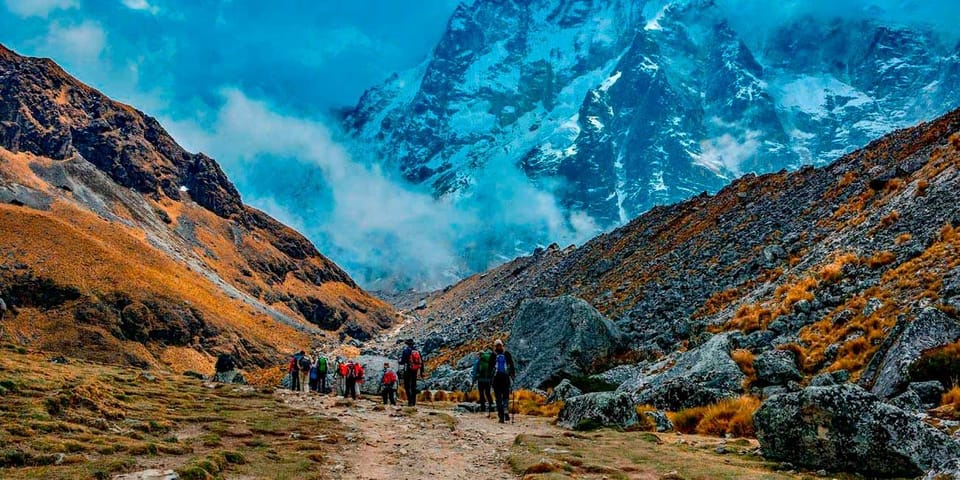
Day 2 is the classic Salkantay payoff—and also the hardest day. You’re woken up with coca tea, then eat breakfast around 5:00 a.m. and start the steep grind. The itinerary describes a climb of about 6 km uphill through rocky mountain terrain until you reach the highest point at 6,264 meters.
This is the day when pace strategy matters most. If you sprint early, you’ll pay for it. If you climb steadily, you’ll have enough breath left to enjoy the views when you crest the pass.
After the high point, you descend for around two hours. Then, around 1:00 p.m., you eat lunch in Huayracmachay. The afternoon turns into a descent toward Chaullay—about three hours down to a camp at roughly 2,900 m.
You spend the night in indigenous huts at Chaullay, with dinner around 6:00 p.m. The hut lodging is part of what makes this trek feel different from simple tent camping: it’s another layer of cultural setting while still keeping the trek structured. You’ll also want to treat this as a recovery night. Your body has earned sleep.
What to watch for on Day 2: cold and altitude fatigue. Even if the trek includes meals and support, you’re still walking at high elevation for major hours. Good hiking shoes and a steady rhythm are more important than speed.
Day 3: Chaullay to La Playa, then hydroelectric and Aguas Calientes
This is the “route changes” day. You start walking at about 6:00 a.m. toward the small town of La Playa through the Santa Teresa valley. The plan calls for about a six-hour walk. Here, you get a new sense of Peru’s vertical variety as the trail shifts into lush greenery compared to the earlier high, rocky sections.
You pass Colpapampa, described as the eyebrow of the cloud forest. Even if you don’t track every micro-ecology term, what matters is that the temperature and feel of the hike usually changes. That can be a relief after the pass day.
After lunch at La Playa, transport takes you about 1.5 hours to the hydroelectric plant area. Then the trek turns into walking along the train tracks—about 10 km for roughly three hours—ending at Aguas Calientes, where you stay in a hotel.
This is a smart final-day structure. It’s long, but it’s more predictable. And arriving in Aguas Calientes puts you in the right place for the Machu Picchu morning timing on Day 4.
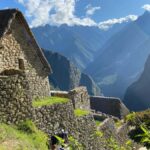
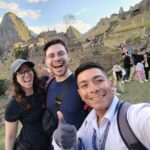
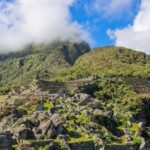
Day 4: Machu Picchu first light, guided tour, and optional Huayna Picchu
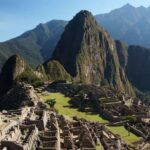
Day 4 is the payoff day. You wake early after sleeping in Aguas Calientes, aiming to arrive among the first to enter Machu Picchu and catch the site in softer morning light.
Entrance availability runs from 06:00 a.m. to 3:00 p.m. Your plan includes an optional bus to Machu Picchu, then a two-hour guided tour. That guide time is valuable here—Machu Picchu is easy to wander around, harder to understand without context. A guided overview helps you notice what you’d otherwise walk right past.
After the guided tour, you can add an extra climb: either Huayna Picchu or Machu Picchu Mountain. Tickets are required in advance, and the itinerary notes each mountain is about three hours total for ascent and descent. If you skip the climb, you still get time in the main circuit.
Then you return to Aguas Calientes and take the train at either 4:22 p.m. or 6:20 p.m. (depending on availability) to Ollantaytambo. From there, a group minivan takes you back to Plaza San Francisco in Cusco.
Important practical note: this plan lists Machu Picchu entrance as included. Yet one verified booking reported they had to arrange and pay for the Machu Picchu entry themselves, plus they paid for an additional guide. That doesn’t automatically mean it will happen to you, but it does mean you should confirm your final voucher details for Machu Picchu entrance and guide coverage before departure.
Price and Logistics: Does $450 Per Person Feel Fair?
At $450 per person for 4 days/3 nights, this trek can be good value—if the execution matches the promise. Here’s the basic logic:
- You get a real itinerary with multiple elevation days, not just a single long hike.
- Dome camping plus a dining setup means less time stuck with camp chores.
- Pack animals carry tents, food, and kitchen gear (days 1–4), which can make the trek feel far more manageable.
- The Machu Picchu day includes entry and a guided two-hour tour, plus train transport back to Ollantaytambo and the minivan to Cusco.
But value depends on smooth handoffs. The most serious issue from the negative verified report wasn’t the trail—it was the management: a mix of different booking durations, guide separation, and then chaos around returning to Cusco. They also described extra payments for Machu Picchu entry and a Machu Picchu guide, despite inclusion on the price listing.
So I’d judge the deal like this: the trip looks priced like a structured, supported service. If you do basic confirmation—what you’re actually included for Machu Picchu, who your guide is on your specific 4-day group, and what your return timing looks like—you’re much more likely to get your money’s worth.
My advice: treat this as a high-stakes logistics trek because Day 4 timing is unforgiving. Confirm everything in writing before you go.
Who This Trek Suits Best (and Who Should Rethink It)
This fits best if you:
- Want a classic Salkantay route that transitions cleanly into Machu Picchu via Aguas Calientes.
- Prefer guided structure, meals, and camp support instead of fully self-supported trekking.
- Like the idea of dome camping for comfort and warmth compared to solo tent duty.
You might rethink this if:
- You’re extremely sensitive to schedule disruptions. A late or confused return can be a dealbreaker because you’ll be tired and altitude-affected.
- You’re relying on exactly included Machu Picchu services without double-checking your confirmation.
What’s Included vs. What You’ll Need to Plan
Included items include a pre-departure briefing, hotel pickup and transfer to Mollepata, dome lodging (domes with shared cabins), mats, dining tent with tables and chairs, and a kitchen team. You also get a professional official English-speaking tour guide (and two guides for groups over 10). There’s a night accommodation in Aguas Calientes Hostel, plus food with vegetarian or special menus available at no extra cost.
You also get first aid kit, biodegradable soaps and dishwashing detergents, entrance to Machu Picchu, and the train ticket from Aguas Calientes to Ollantaytambo (service type by request). There’s also 24-hour customer service with an emergency number during your visit.
Not included: breakfast on Day 1, entrances to Lake Salkantay and Humantay (meaning any lagoon entry fee is not covered), drinking water (you can buy or bring filters), and specific transport details like Playa Sahuayaco to Hidroelectrica. Lunch on the last day after the Machu Picchu guided tour is also not included. Canes aren’t included. Sleeping bag is not included—there’s an option to rent sleeping bags with -10ºC comfort noted, priced at $20 USD for the entire trip.
My practical take: the “not included” list is normal for a trekking package, but the “Machu Picchu entrance” inclusion is something you should confirm carefully. The one negative report you provided shows why.
Should You Book the Salkantay Trek Domes 4D/3N?
If you want a guided, supported Salkantay route that ends with an early-entry Machu Picchu experience, this itinerary checks a lot of boxes. The structure—Soraypampa and Humantay to acclimatize, the Salkantay Pass day as the big test, then a transfer into Aguas Calientes—makes sense for most fit travelers.
That said, the overall rating is low, and one verified booking described real problems with guide coverage and extra payments for Machu Picchu. I’d still consider the trek, but only if you do two quick checks:
- Confirm in writing that Machupicchu entrance is included for your exact dates and that no extra payment will be required at the gate.
- Confirm who your guide is for the whole 4-day group and what happens if groups with different durations mix.
If those checks come back clean, you can feel confident booking. If not, it’s safer to choose a service with stronger coordination—especially for Day 4.
FAQ
FAQ
What time is hotel pickup in Cusco?
Pickup in Cusco is scheduled between 4:45 and 5:30 a.m. to start the transfer toward Mollepata.
How many people are in the domes?
The domes are set up for 4 people in each, with cabins for 2 people.
What language is the tour guide?
The tour guide is listed as Spanish for the live tour component.
Is Machu Picchu entrance included?
The tour lists entrance to Machu Picchu as included. Still, because of a reported mismatch in one verified booking, it’s smart to confirm your exact Machu Picchu details before you depart.
Do I need a sleeping bag?
Sleeping bags are not included. The option listed is a -10ºC comfort sleeping bag rental for $20 USD for the entire trip.
Is drinking water included?
Drinking water is not included. You can purchase it during the trip or bring filters.
What optional activities are available on Day 4?
After your guided Machu Picchu tour, you can choose to climb either Huayna Picchu or Machu Picchu Mountain. Tickets are required in advance, and each climb takes about three hours total for ascent and descent.