REVIEW · URUBAMBA
Excursion to sacred valley from Cusco with buffet lunch
Book on GetYourGuide →Operated by Chullos Travel Peru · Bookable on GetYourGuide
Sacred Valley, packed into one long day. I like the small group size (up to 15) because the guide can actually keep the group together, and I like the guided archaeological focus at Pisac and Ollantaytambo rather than only dropping you at the entrance. The trade-off is a full day from early pickup to about 6 p.m., plus real-world driving conditions that can mean bumpy roads and traffic.
For me, the best practical part is the rhythm: a guided archaeological morning, then a buffet meal in Urubamba, then more Inca-era sites through the afternoon. You’ll also have a bilingual guide (English and Spanish), and there’s a useful heads-up to drink coca tea before you go to help prevent altitude sickness. One thing to consider up front: the touring style can be more “highlights + free time” than deep, hands-on interpretation at every stop.
Also, be realistic about what you’re signing up for: this isn’t a slow wander. It ends back in Cusco around 6:00 p.m., and it’s not listed as suitable for pregnant women, so plan accordingly.
In This Review
- Key points that matter before you go
- Cusco pickup to Sacred Valley: how the day actually runs
- Pisac: where guided ruins beat a quick photo stop
- Practical tip for Pisac
- Urubamba buffet lunch: fueling the second half of the day
- Ollantaytambo and the Temple of the Sun: the stop that anchors the whole tour
- Don’t miss the town feel
- Chinchero: textiles plus a second archaeological layer
- Price and value: what $26 covers and what doesn’t
- Guide style and how to get more from this kind of tour
- What to pack and what to watch out for
- Best fit: who this Sacred Valley day trip suits
- Should you book this tour?
- FAQ
- What time does hotel pickup happen?
- How long is the tour?
- Is the buffet lunch included?
- Which places does the tour visit?
- Does the tour include entrance tickets?
- What language is the guide?
- What is the group size?
- Where does the tour start and end?
- What should I bring?
- Is the tour suitable for everyone?
- Is coca tea recommended for altitude?
Key points that matter before you go
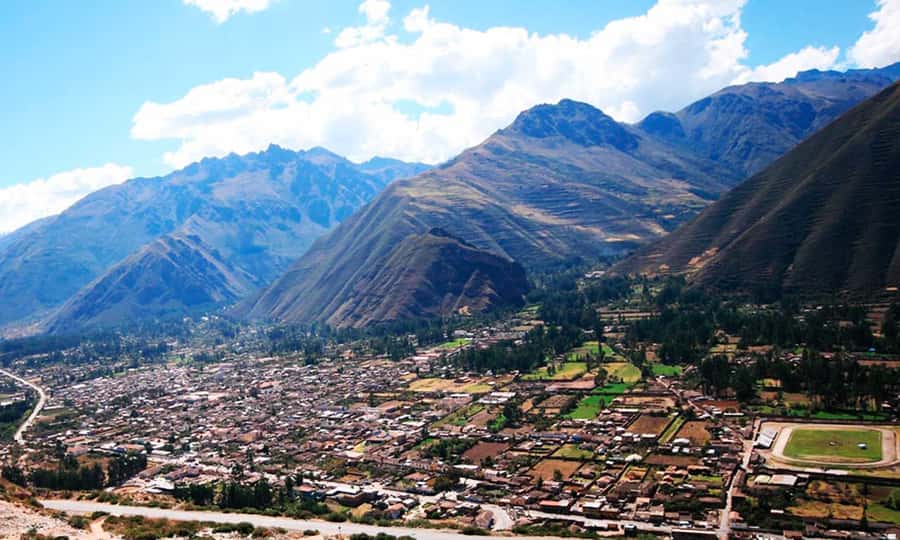
- Up to 15 people means you’re less likely to feel like a number in a giant bus group.
- Pisac + Ollantaytambo are the core archaeology stops, with guided emphasis on the key parts of each site.
- Buffet lunch in Urubamba keeps the day moving and gives you a predictable meal break.
- Chinchero includes both ruins and textiles, so you get culture beyond stone.
- There may be optional shopping-style stops that can cut into sight time, depending on the day and guide.
Cusco pickup to Sacred Valley: how the day actually runs
This tour is built as a single sweeping circuit. Pickup is in the historical center of Cusco, typically between 7:00 a.m. and 8:00 a.m., with the provider asking you to wait in the hotel lobby and to expect a call or message about 15 minutes before. The day is about 10 hours, ending with return to Cusco around 6:00 p.m.
That timing matters more than it sounds. You’ll be starting before you’re fully awake, and you’ll want comfortable walking shoes because you’ll move through multiple sites in one stretch. If you’re coming off a tough first day at altitude, the early start plus the long drive can feel like a lot—so plan a lighter evening back in Cusco.
Transport is included, and the route is along the Sacred Valley corridor, where traffic and road quality can vary. One booking described the roads as extremely bumpy with heavy traffic, and that matches what you should expect when you’re traveling between towns up and down the valley. If your body doesn’t love long car rides, pack accordingly: water, layers, and something that helps you stay comfortable.
You can also read our reviews of more tours and experiences in Urubamba
Pisac: where guided ruins beat a quick photo stop
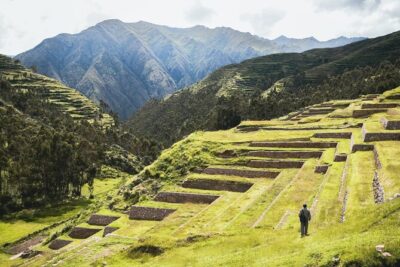
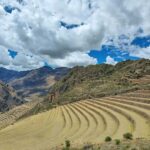
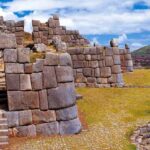
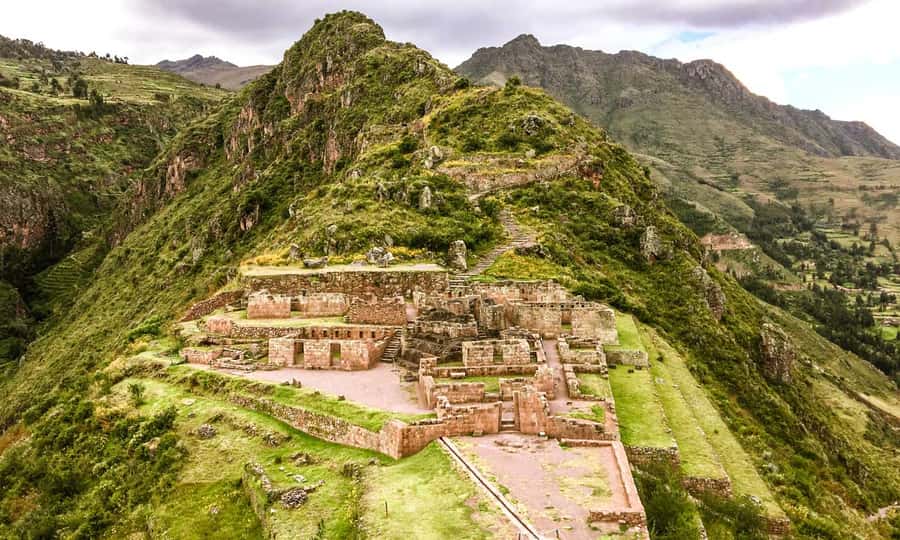
Pisac is the first big archaeological center on the schedule. After pickup, you’ll head there for a guided tour, and the experience is framed around the way Inca builders used the landscape. The site includes groupings of archaeological remains such as platforms, aqueducts, roads with associated walls and gates, channeled waterways, cemeteries, and bridges.
What you’ll likely love about Pisac is the sense that this place was engineered for daily life. Aqueducts and water channels are the kind of details that make you go from seeing ruins to understanding how people lived there. Even if you only get a short explanation per segment, the variety of features gives you plenty to look at while you’re moving.
The only drawback is interpretation time. One past booking said the guide gave short descriptions at each sight and then told the group to explore without much additional guidance. If you prefer museum-style explanations—or you want the “why” behind every terrace—Pisac may feel a bit self-directed once the initial overview is done.
Practical tip for Pisac
Wear shoes with grip and plan for uneven ground. Bring sunglasses and sunscreen too; mornings in the valley can still hit hard, and you’ll be out in open areas while you look for aqueduct channels and terrace lines.
Urubamba buffet lunch: fueling the second half of the day
After Pisac, the tour goes to the province of Urubamba for a buffet lunch. This is one of those “you’ll be grateful for it later” parts of the itinerary, because a packed day needs predictable food at the right time.
From the feedback you have here, the lunch seems to be a strong point. One booking specifically called the buffet lunch very tasty, and another said the day had good food and the schedule was well filled. That matters because Sacred Valley day trips can end up with rushed, not-great meals. This one at least gives you a proper break.
Still, expect a basic buffet setup rather than fine dining. You’ll want to eat efficiently, hydrate, and then be ready to move again once the group is back on the road. If you tend to get motion sick, take your time and avoid rushing your food—then settle in for the next drive.
Ollantaytambo and the Temple of the Sun: the stop that anchors the whole tour
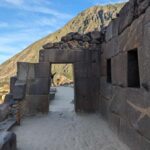
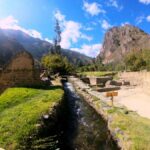
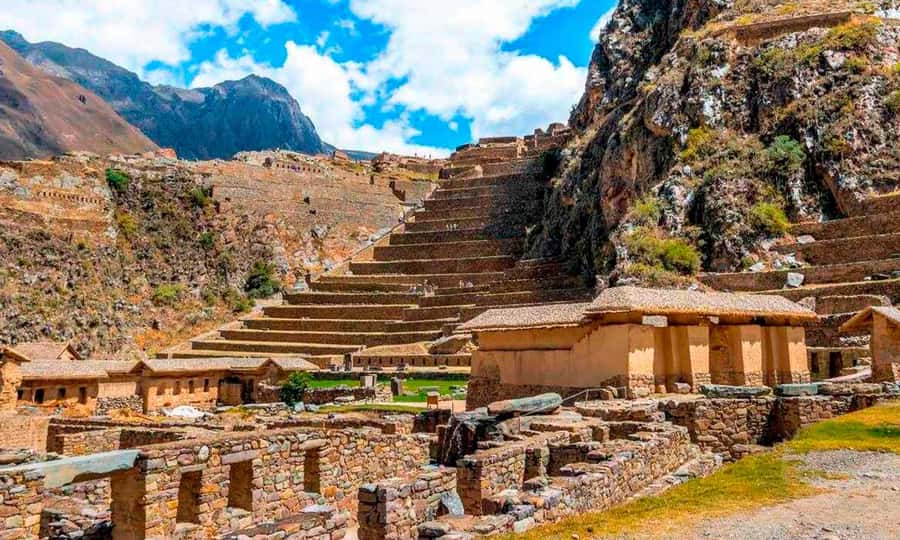
Ollantaytambo is the second major archaeological center, and it’s where the day usually tightens into focus. After lunch, you continue through the Sacred Valley towns toward Ollantaytambo and then visit the archaeological complex.
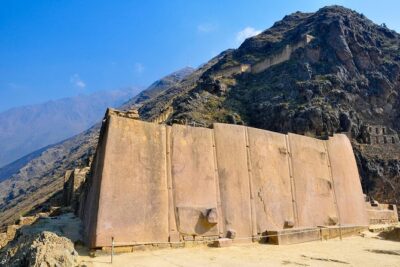
The tour emphasizes some of the most important areas, including the Temple of the Sun. In Inca times, it’s described as part of a wider complex tied to multiple roles: administrative, military, social, and economic functions. It’s also framed as a control point of passage through different ecological levels—basically a strategic place for managing movement and resources across the valley’s changing altitudes.
This is one reason I think Ollantaytambo works well on a day trip. Compared with sites where you can get lost in terrace after terrace, this stop has a clear “systems” story: movement, control, authority, and how the Inca organized life across zones. Even if explanations are brief, the sheer scale and layout push you to ask better questions.
That said, the style can vary. One review complained that after short descriptions, the group was left to explore without deeper guidance. If that’s your concern, you can still make it better for yourself: take a few minutes to look at how spaces connect, then ask your guide one targeted question before going off on your own.
You can also read our reviews of more tours and experiences in Urubamba
Don’t miss the town feel
The itinerary doesn’t only cover ruins. You also visit the town of Ollantaytambo, which can help you re-orient after hours of archaeological looking. This is where the day stops feeling like a checklist and starts feeling like a place people still move through.
Chinchero: textiles plus a second archaeological layer
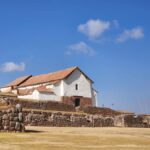
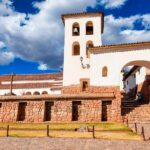
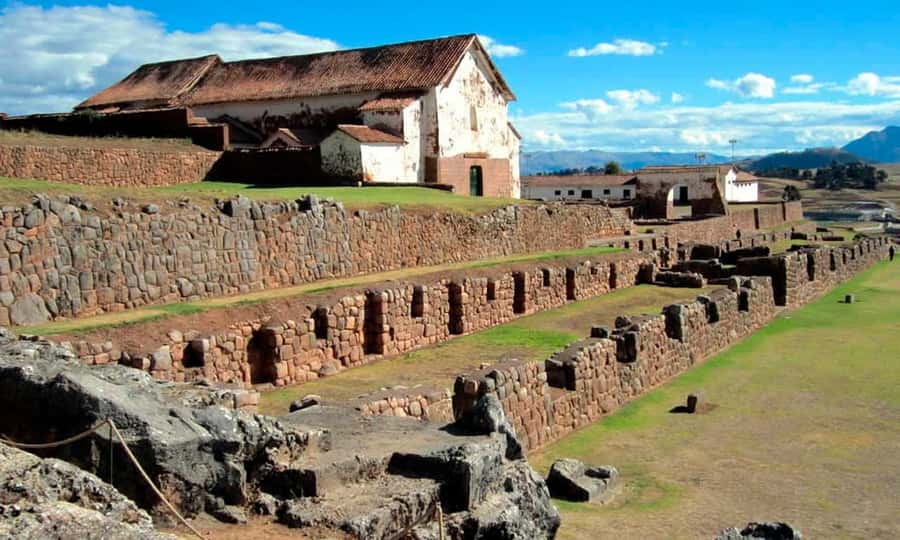
The day ends with a stop in Chinchero, which adds variety after Pisac and Ollantaytambo. You’ll visit the town along with the archaeological part and also textile interpretation centers.
This is valuable because not everyone wants to spend all day only looking at stone. Chinchero’s textile focus gives you another way to understand Andean culture: patterns, weaving traditions, and how textiles can carry meaning beyond decoration. If you’ve ever wondered why weaving matters so much in the Andes, this kind of stop is the easiest place to start—without needing background knowledge first.
As for the archaeological portion, you’ll still get that Inca-era context, but the pacing here can feel a little different depending on how the guide sequences the textile interpretation. If your priority is ruins alone, you might spend less time in the textile areas and more time scanning the archaeological parts before moving on.
Price and value: what $26 covers and what doesn’t
The listed price is $26 per person for a 10-hour tour with hotel pickup (within the historical center), tourist transport, a buffet lunch, and a bilingual guide. That’s a fair baseline value for a guided Sacred Valley day because you’re paying for time and logistics: the early start, the drive, and the guiding.
But there’s a major cost item not included: the tourist ticket (Boleto turistico). The guide notes a price of 130 soles for foreign tourists and 70 soles for national tourists. If you’re budgeting, treat that as a required add-on rather than an optional extra. Carry cash (the tour specifically suggests bringing cash), and make sure your ID or passport is ready, since you also need passport or ID card.
So does this tour “pay off”? It can, especially if you like the idea of hitting Pisac + Ollantaytambo + Chinchero in one day with a guide and a solid meal. If your main goal is deep, uninterrupted interpretation at every stop, then the overall value will depend heavily on the day’s guiding style and how much time is spent at non-sight stops. One booking noted multiple sales stops (a silver store, a roadside market, and an alpaca store). If that kind of stop bothers you, it can lower the value even when the sites are good.
Guide style and how to get more from this kind of tour
This tour is set up for efficiency, and that usually means your guide’s approach matters. You’re told you’ll get guided tours, but at least one booking reported that explanations were short and then the group was encouraged to explore on its own. Another booking praised the guide and learning about the Inca, calling the day well filled.
Translation for your planning: don’t assume every visit will feel equally guided. Instead, treat the guide’s first overview as your map. Listen closely at the start of each site, then use your questions to shape what you look for afterward. Ask things like what role the water channels played, or what the Temple of the Sun controlled in terms of movement and authority.
Also, because the provider offers English and Spanish, you should pay attention to language matching. One review said the booking requested English but had only one English speaker in the group; the guide’s English was fine, but the situation felt off. If language precision matters a lot to you, confirm that your departure is truly set for your preferred language before you lock it in.
Finally, remember this rule: wear comfortable shoes and go into each site with a “look for one or two features” mindset. That makes even brief guidance more useful.
What to pack and what to watch out for
The tour asks you to bring:
- Passport or ID card
- Comfortable shoes
- Sunglasses
- Hat
- Sunscreen
- Water
- Cash
Not allowed: alcohol and drugs. And it’s listed as not suitable for pregnant women.
One extra altitude note is included: drinking coca tea before the tour can help prevent altitude sickness. That doesn’t replace good common sense (take it easy and stay hydrated), but it’s a clear, practical suggestion and worth following.
Given the day is long and involves drives, bring layers. Even if Cusco itself is cool, valley temperatures and time of day shifts can still make you want a light jacket once you’re moving.
Best fit: who this Sacred Valley day trip suits
This works best if you want:
- A single-day overview of Pisac, Ollantaytambo, and Chinchero
- A small group experience rather than a giant bus
- A guided start at major archaeological points
- A reliable meal stop with the Urubamba buffet lunch
It’s less ideal if you:
- Want slow, deep interpretation for every terrace and wall
- Hate any shopping-style stops, especially if you’re traveling strictly for ruins
- Get stressed by early starts and long driving days
Also, keep in mind that reviews are mixed on pacing and guiding depth. You might love the itinerary structure and meal, and still wish for more time at the actual sites.
Should you book this tour?
Book it if you’re aiming for a guided Sacred Valley circuit with hotel pickup, buffer lunch, and a schedule that hits the main archaeology anchors. The small-group cap at 15 is a real plus, and the Temple of the Sun at Ollantaytambo plus the dual focus on ruins and textiles in Chinchero give you good variety for one day.
Skip it or choose a different option if your priority is maximum explanation and minimum detours. The notes about multiple sales stops and rushed moments are enough of a risk that it’s worth thinking hard—especially if you’re someone who wants to understand every detail, not just check off the big names.
If you do book, go in prepared: confirm your language preference, budget for the Boleto turistico in soles, and use your guide’s first overview to decide what you’ll look for during free-explore time. That’s the best way to make a long day feel focused instead of chaotic.
FAQ
What time does hotel pickup happen?
Pickup is in the historical center of Cusco, approximately between 7:00 a.m. and 8:00 a.m. You’ll be asked to wait in the hotel lobby, and you should expect the guide to write or call about 15 minutes before pickup.
How long is the tour?
The total duration is about 10 hours.
Is the buffet lunch included?
Yes. A buffet lunch is included after the Pisac stop, in the Urubamba area.
Which places does the tour visit?
You’ll visit the archaeological center of Pisac, the town and archaeological areas of Ollantaytambo (including the Temple of the Sun), and Chinchero (including the archaeological part and textile interpretation centers).
Does the tour include entrance tickets?
No. Entrances are not included, and you’ll need the tourist ticket (Boleto turistico). The prices listed are 130 soles for foreign tourists and 70 soles for national tourists.
What language is the guide?
The guide is bilingual and the live tour guide is available in English and Spanish.
What is the group size?
It’s a small group limited to 15 participants.
Where does the tour start and end?
It starts with pickup from your hotel lobby in the historical center of Cusco and returns to Cusco around 6:00 p.m. approximately.
What should I bring?
Bring your passport or ID card, comfortable shoes, sunglasses, a hat, sunscreen, water, and cash.
Is the tour suitable for everyone?
It’s not suitable for pregnant women. Alcohol and drugs are not allowed.
Is coca tea recommended for altitude?
Yes. The tour advises that drinking coca tea before the tour can help prevent altitude sickness.