REVIEW · CHINCHERO VILLAGE TOURS
Private Tour Sacred Valley, Chinchero, Maras Moray, Ollantaytambo
Book on Viator →Operated by MachuPicchu Journey · Bookable on Viator
A full Sacred Valley day can feel like a lot, but this private route stays organized. You get a dedicated guide (Wally’s name comes up a lot), hotel pickup, and a smooth sequence of stops starting at 6:30 a.m., then ending back in Cusco around 7:00 p.m. The best part for me is how the day links engineering and daily life: Moray terraces plus the Maras salt mines make the valley feel real, not just scenic. One possible drawback to plan for: lunch can get crowded, and some people have said the buffet experience wasn’t great at the restaurant used.
I also like that this isn’t a hit-and-run tour. You spend real time at each site—Chinchero (about 1 hour 30 minutes), Moray (about 1 hour), Urubamba lunch (about 1 hour), Ollantaytambo (about 1 hour), then Pisac (about 50 minutes). That pacing matters because Sacred Valley sites are spread out, and you’ll want a guide to help you see what’s important instead of just pointing at stones.
Finally, it’s good value if you want one-day coverage without renting a car or planning bus connections. You do need to budget for entrances (the tour notes entrances of about 90 soles), even though some stops are listed as free—so bring cash just in case the site costs add up.
In This Review
- Quick hits before you go
- Starting at 6:30 a.m. from Cusco: why the timing works
- Chinchero first: archaeological time (and a textile learning angle)
- Moray terraces plus Salineras: the engineering lesson you’ll remember
- Urubamba lunch stop: Andean buffet included, but plan for the line
- Ollantaytambo: ruins plus the real-world train connection
- Pisac to finish: terraces and a cemetery you can pace
- Price and value around $89: what’s included and what you should budget
- What you’ll like most, based on how the day plays out
- Who this private Sacred Valley tour suits best
- Should you book this private Sacred Valley route?
- FAQ
- What stops are included on this Sacred Valley private tour?
- What time does hotel pickup start in Cusco?
- About how long is the tour?
- Is this a private tour or shared group?
- Is lunch included?
- Are entrance tickets included in the price?
- How long do you spend at each stop?
- Is hotel pickup and round-trip transfer included?
- Who runs the tour?
- Is free cancellation available?
- How far in advance is this tour typically booked?
Quick hits before you go
- Hotel pickup at 06:30 a.m. keeps the day efficient and reduces hassle
- Private transportation + dedicated guide means no waiting around for other groups
- Moray terraces and Salineras salt pans are paired in one stop for a strong theme
- Urubamba Andean buffet lunch is included, but timing can be tight
- Ollantaytambo includes the train-town vibe since it’s near the route to Aguas Calientes
- Pisac wraps the day with terraces and what’s described as a well-preserved Andean cemetery
Starting at 6:30 a.m. from Cusco: why the timing works
This tour is built for an early start. Pickup is at 06:30 a.m., and you’re back in Cusco around 7:00 p.m. That long day in itself isn’t unusual in the Sacred Valley, but the schedule is tight in a good way: it gives you time to see five major stops without losing the whole day to “getting there.”
Private transfers matter here. You’re not juggling multiple stops for different groups, and you’ll typically get a straightforward plan for each leg of the drive. For a one-day Sacred Valley route, that reduces stress more than you’d think—especially if you’re still adjusting to altitude and want fewer decisions.
You can also read our reviews of more private tours in Cusco
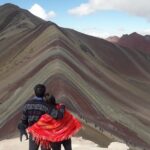
Chinchero first: archaeological time (and a textile learning angle)
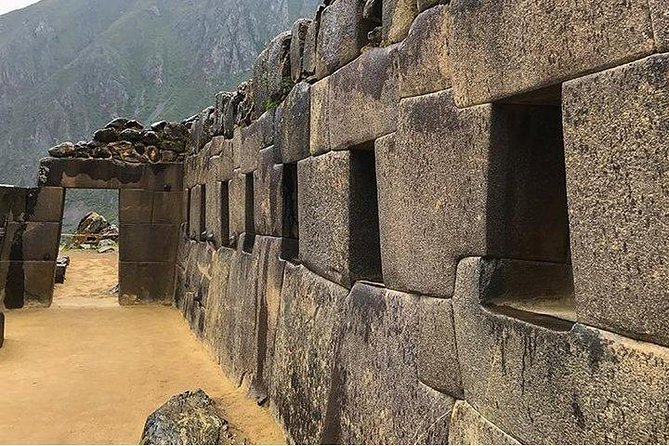
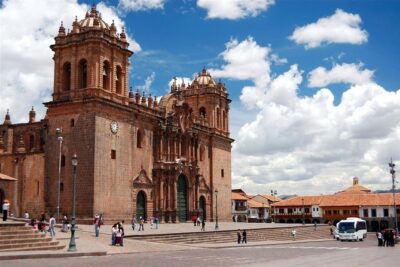
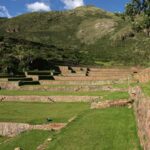
The day begins at Chinchero, with about 1 hour 30 minutes spent at the archaeological part. Chinchero is the kind of place where a guide helps you connect what you see with what people did here—patterns, structures, and the way the site fits into valley life.
A detail that comes up in past experiences is a textile-focused introduction at the start of the day. If you get a brief wool-cleaning and dyeing lesson while you’re in the Chinchero area, it can add context fast. You’ll be more likely to notice why local textiles look the way they do, and it gives you something practical to think about while you move between sites.
One small practical note: Chinchero being first means you’re usually fresher. Use that advantage. If you’re planning photos, this is a good place to set your camera settings and your walking pace early, before the day gets long.
Moray terraces plus Salineras: the engineering lesson you’ll remember
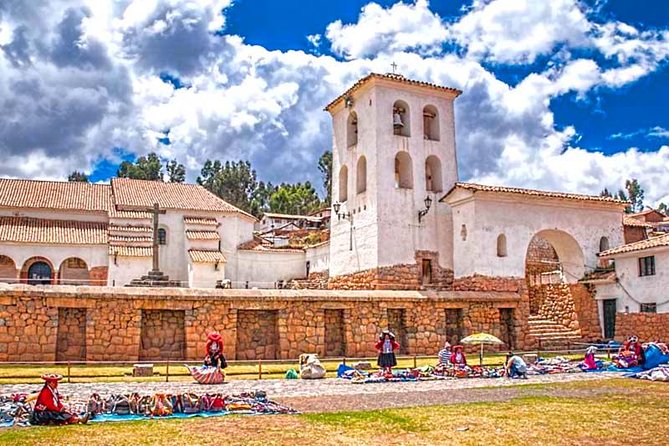
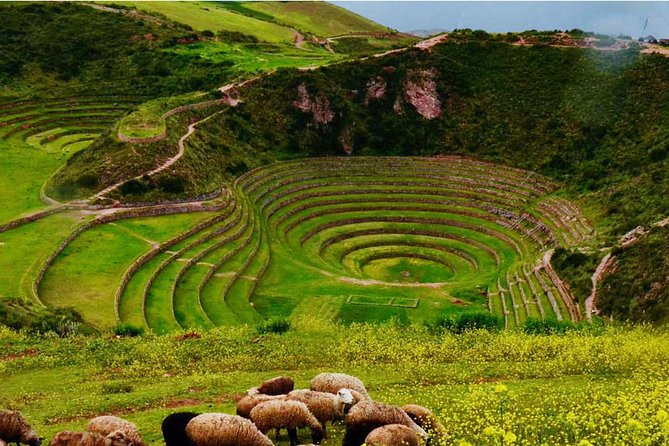
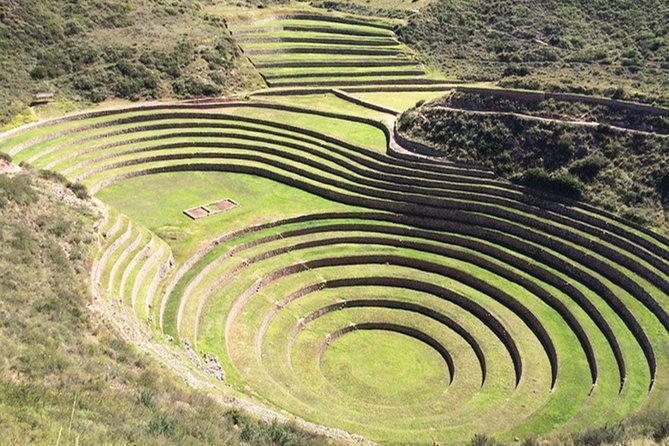
After Chinchero, the tour heads to the “agricultural laboratory” of Moray for about 1 hour. Moray’s terraces are famous because they look like an outdoor farming experiment. The idea you’ll want to carry in your head is that the Incas were experimenting with agricultural conditions—using the terraces like a natural system—rather than just building terraces for decoration.
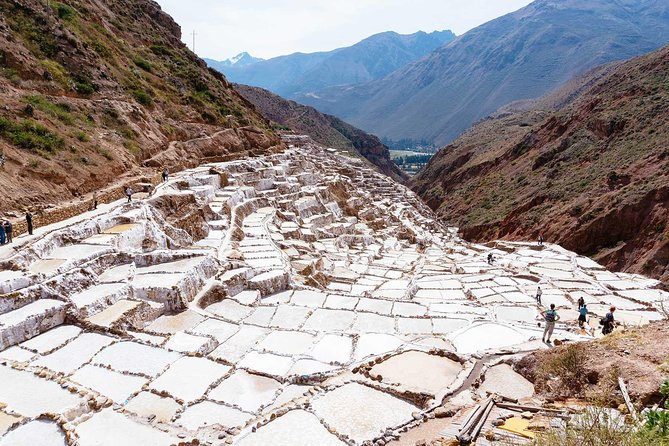
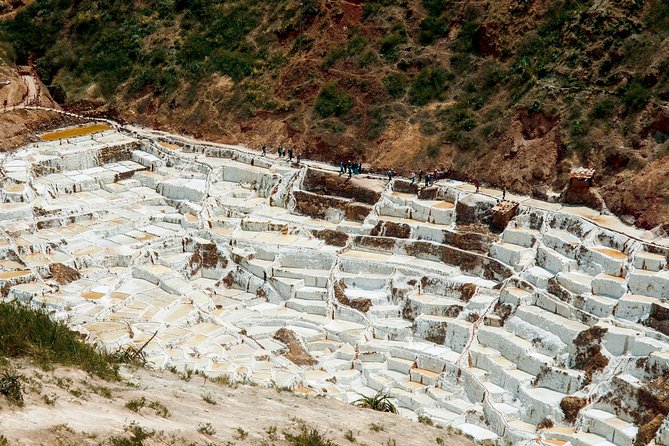
Then you add the Salineras salt pans. The tour notes that the salt has been exploited since the Incas period. That’s the connection point: terraces for growing, salt for preserving and trading. When you see these side-by-side on one day, the Sacred Valley stops feeling like a list of ruins and starts feeling like a working region.
What to watch for here is walking and light. Salt areas can have uneven footing, and you’ll be out in open spaces. Wear shoes that can handle irregular ground and plan for sun. If it’s a bright morning, you’ll likely want sunglasses and water.
Urubamba lunch stop: Andean buffet included, but plan for the line
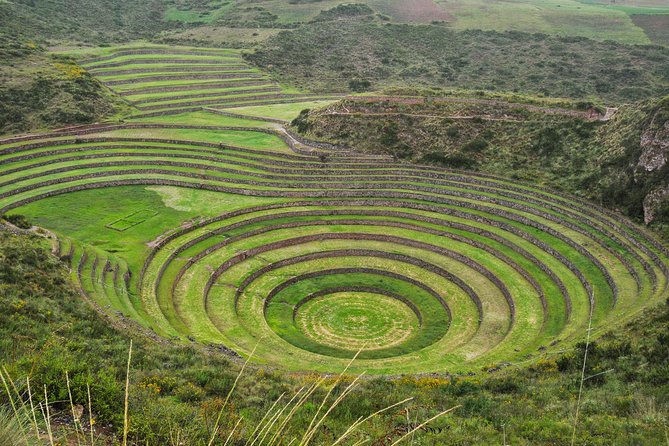
Next comes Urubamba, with about 1 hour for lunch. You’ll get an Andean buffet lunch included in the tour price.
Here’s the honest balance from the experience feedback: one positive account calls the lunch buffet superb, while another points to a long line—about 30 minutes—plus concerns about crowding and cleanliness, saying the food wasn’t good enough for the price paid. That doesn’t mean every lunch is bad, but it does mean you should go in expecting a popular lunch setup that can feel busy.
My practical advice: treat lunch as part of the schedule, not the highlight. If you’re sensitive to meal chaos, consider bringing a small snack for the wait period (as long as the operator allows it). And if you get seated late, don’t panic—your guide will keep you moving so you still have time at the next archaeological stop.
Ollantaytambo: ruins plus the real-world train connection
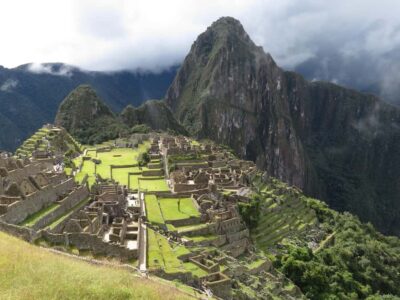
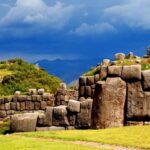
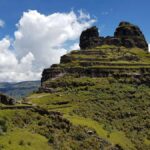
Then you’ll head to Ollantaytambo for about 1 hour. You’ll visit the archaeological site, and the stop also places you near the area where people catch trains to Aguas Calientes.
That train-town detail matters because it changes the vibe. Ollantaytambo isn’t just a ruin stop—it’s a functioning town tied to Machu Picchu logistics. Even within the limited time of the tour, you can feel how the Sacred Valley funnels people toward the next leg.
A good move is to focus your time on the most interesting structures the guide highlights rather than trying to see everything. In one hour, you’ll get more from a guided walk with your attention placed on specific parts of the site (stairs, walls, and the layout) than from rushing and snapping photos everywhere.

Pisac to finish: terraces and a cemetery you can pace
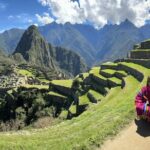
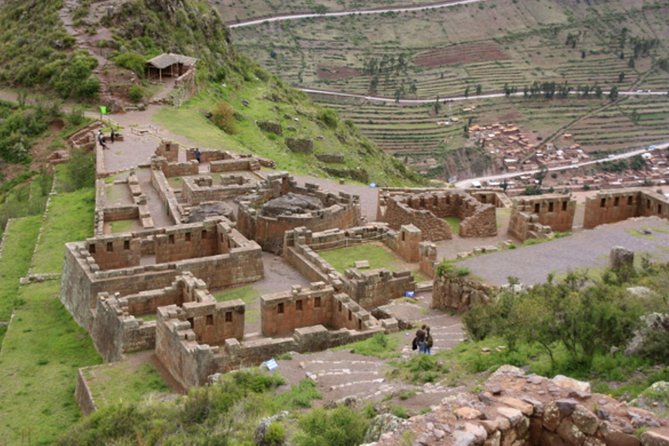
Your last major visit is Pisac, with about 50 minutes. This stop is described as an archaeological center with many Andean terraces, plus what’s called the most preserved Andean cemetery of the Andean culture.
That cemetery detail is the reason I think Pisac can feel heavier than the other stops. It’s still an important cultural site, not just a view. You’ll likely want to walk slowly here and listen as your guide explains what you’re seeing, especially since “cemetery” implies a different kind of meaning and respect than terrace photography.
Because time is shorter at Pisac, it helps to arrive with a plan. If you’re the type who likes to linger, this is where you might feel the clock. Still, 50 minutes is often enough for a meaningful walk with a guide if you don’t try to cover every corner like you’re speed-running.
The day ends with a return to Cusco around 7:00 p.m.
Price and value around $89: what’s included and what you should budget
At $89.10 per person for about one day, this tour’s value mostly comes from the package: private transportation, a tour guide, and lunch. For many people, that combination beats piecing together buses and separate guides across multiple Sacred Valley stops.
But you should be clear about costs. The tour notes that entrances are 90 soles and also that admission is listed as free for multiple stops. Treat it like this: even if some admissions are covered or listed as free at particular sites, you still need to budget for entrance expenses. Bring cash so you’re not stuck at the gate.
Also factor in the private nature. “Only your group” means you’re not sharing the guide’s attention with strangers, and you can generally keep the pace the way your group needs. That’s a real advantage in a day that starts at 6:30 a.m. and runs long.
What you’ll like most, based on how the day plays out
The most praised elements are pretty consistent: the guide experience, the comfort of the ride, and the payoff of the salt mines area.
One guide named Wally is singled out for being super informative, and that’s exactly what you want on a Sacred Valley day. Without that context, Moray and the salt pans can blur into “places I saw.” With good explanations, they become a clear theme: agricultural engineering and salt production, linked to how the Incas managed resources.
People also emphasize that pickup and drop-off were on time. That matters because Sacred Valley planning can fall apart when timing slips. When the schedule holds, you get the full set of stops rather than cutting the last site to make up time.
Who this private Sacred Valley tour suits best
This tour is a strong fit if you:
- Want to see Chinchero, Moray, Salineras, Ollantaytambo, and Pisac in one day without planning
- Prefer a private guide who can explain what you’re looking at
- Like structured pacing with set time blocks (instead of wandering)
It might be less ideal if you:
- Are picky about lunch and hate long lines, since the Urubamba buffet experience can vary
- Want a very relaxed day with lots of free time at each site
Should you book this private Sacred Valley route?
If your goal is maximum Sacred Valley coverage with minimal logistics, I’d say it’s worth booking. The combo of Moray terraces + Salineras salt pans is the kind of pairing that turns “ruins” into a clear story, and the private guide is the difference between passively looking and really understanding.
Just go in prepared for a long day (6:30 a.m. to about 7:00 p.m.) and plan for entrance spending around 90 soles, plus the possibility of a busy lunch stop. If that fits your style, you’ll likely come away feeling like you got the Sacred Valley in a tight, well-paced loop.
FAQ
What stops are included on this Sacred Valley private tour?
You’ll visit Chinchero, Moray (agricultural terraces), the Salineras salt area, Urubamba for lunch, Ollantaytambo, and Pisac.
What time does hotel pickup start in Cusco?
Pickup starts at 06:30 a.m.
About how long is the tour?
It’s listed as about 1 day, with a return to Cusco around 7:00 p.m.
Is this a private tour or shared group?
It’s a private tour/activity, so only your group participates.
Is lunch included?
Yes. Lunch is included as an Andean buffet in Urubamba.
Are entrance tickets included in the price?
No. The tour notes entrances of 90 soles are not included.
How long do you spend at each stop?
Chinchero is about 1 hour 30 minutes, Moray about 1 hour, Urubamba lunch about 1 hour, Ollantaytambo about 1 hour, and Pisac about 50 minutes.
Is hotel pickup and round-trip transfer included?
Yes. Round-trip transfers and hotel pickup are included for convenience.
Who runs the tour?
The experience provider is listed as MachuPicchu Journey.
Is free cancellation available?
Yes. You can cancel for a full refund up to 24 hours before the start time.
How far in advance is this tour typically booked?
On average, it’s booked 108 days in advance.