REVIEW · AGUAS CALIENTES
From Cusco: Machu Picchu 2 days
Book on GetYourGuide →Operated by MPTC GETS · Bookable on GetYourGuide
Waking up before dawn is part of the deal. What makes this trip interesting is that you get a guided Machu Picchu visit and a route that favors real time in the Andes and the jungle side, not just a photo stop and a sprint. I also like that you travel through places like Ollantaytambo and Sacred Valley towns, so the day has context. One possible drawback: communication and circuit details can feel messy, and that can matter a lot once you’re at the entrance.
You’ll be picked up from your Cusco hotel early (between 4:00 and 5:00 a.m.) and you’ll ride train and bus segments that keep things moving. Depending on which option you choose, you may add a Cusco highlights day and a Sacred Valley day before Machu Picchu, or go straight there and come back the same night. Read your option carefully, because some add-ons and fees are not included—and the wrong timing can turn your trip into a long day with extra stops.
In This Review
- Key Things I’d Focus On Before Booking
- Machu Picchu, But With More Andes in the Background
- Timing and Travel Flow: The Real Schedule You’ll Live With
- How the Cusco Side Adds Meaning: City Stops Before the Ruins
- Sacred Valley Day: Towns, Textiles, and the Things You Can Actually Picture
- Machu Picchu Day: What the Guide Really Gives You
- Alternative Route and Jungle Atmosphere: When the Trip Feels Like Peru, Not Just Ruins
- Hot Springs and Machu Picchu Town: A Useful Buffer on the 2-Day Option
- Price and Logistics: Does $360 Feel Like a Deal?
- Communication and Circuit Clarity: The Part That Can Make or Break Your Day
- Who This Tour Fits Best (and Who Should Skip It)
- What to Bring for a Smooth Day
- Should You Book This Machu Picchu From Cusco Tour?
- FAQ
- How long is the Machu Picchu experience?
- What time is hotel pickup in Cusco?
- Are the Machu Picchu entrance tickets included?
- Do I get a guide at Machu Picchu?
- Is the tour’s food included?
- Are there extra bus or ticket costs?
- Do I need a hotel in Aguas Calientes?
- What languages is the host or greeter?
- What should I bring and avoid?
- Is this tour suitable for everyone?
Key Things I’d Focus On Before Booking
- Confirm your Machu Picchu circuit and entry timing so you aren’t stuck with a less-viewy route
- Pick the option that matches your stamina: the 1-day plan is intense, the multi-day plan is more spread out
- Plan for separate costs like meals, the Consettur bus fee, and optional Sacred Valley add-on tickets
- Expect early pickup and late return. It’s not a casual weekend trip
- Use the guide time well. The guided portion is where you get the meaning, not just the scenery
- Travel light. Large bags are not allowed, which changes what you’ll want to pack
Machu Picchu, But With More Andes in the Background
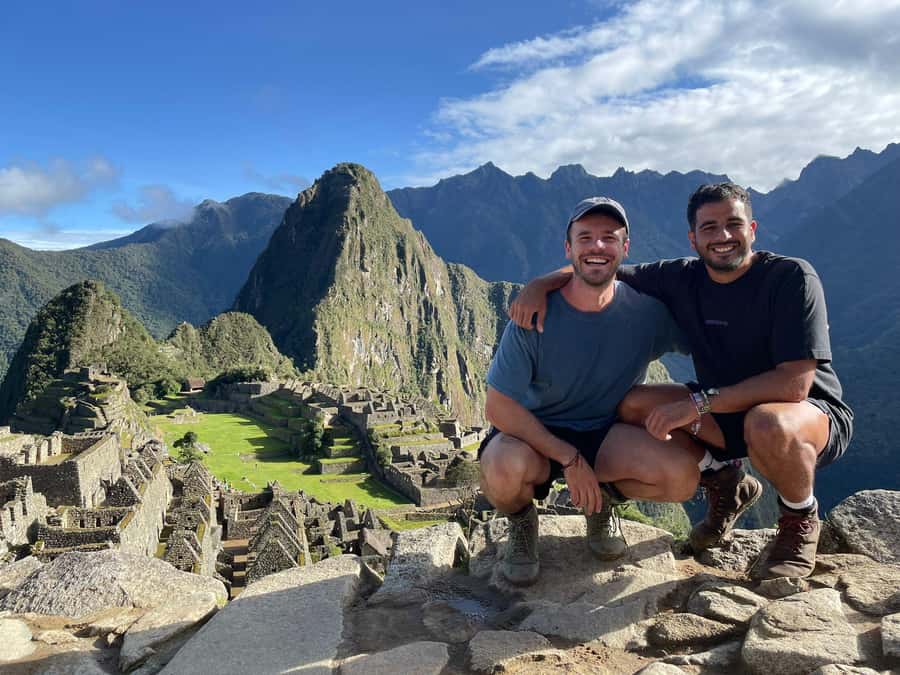
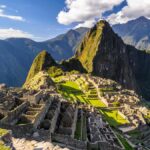
Most Machu Picchu trips feel like a straight line from Cusco to ruins. This one breaks that rhythm. You’re moving through the Sacred Valley area and along the train route, which means you get a stronger sense of how the region connects—towns, in-between valleys, and the approach into the Machu Picchu zone.
I like that the experience is framed with guidance. A professional guide gives you the Inka context that makes the site click fast, especially if you’ve never studied the basics of Inka city design, water, and how people moved through the terraces.
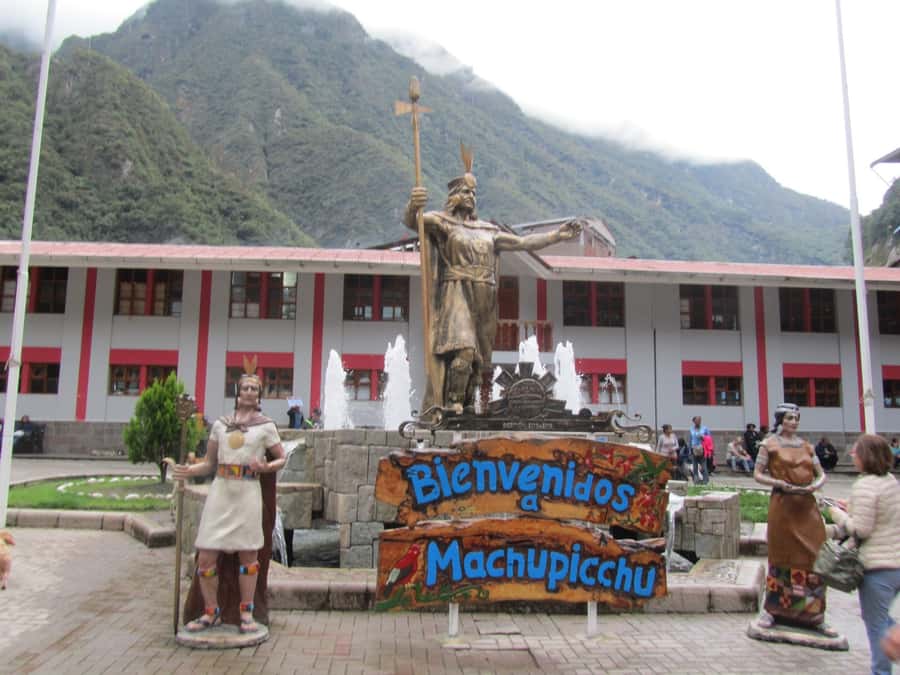
You can also read our reviews of more tours and experiences in Aguas Calientes
Timing and Travel Flow: The Real Schedule You’ll Live With
The biggest thing to understand is the pacing. Pickup is usually between 4:00 a.m. and 5:00 a.m., depending on your train departure. That means you’ll likely be out the door in the dark, with a packed day ahead.
On the Machu Picchu side, entry is typically in the late morning window (for the day trips, it’s described as between 10 a.m. and 11 a.m.). Then your guided time starts, followed by lunch and afternoon free time. If you’re doing the 1-day or the 3-day plan, you’ll be returning to Cusco late at night—around 10 p.m. is mentioned—so plan to treat that evening as recovery time, not sightseeing.
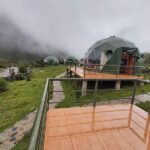
If you’re choosing the 2-day option, you’ll arrive at Machu Picchu Town and be transferred to your hotel. That gives you a bit more breathing room because you’re not trying to cram everything into one sunrise-to-night schedule.
How the Cusco Side Adds Meaning: City Stops Before the Ruins
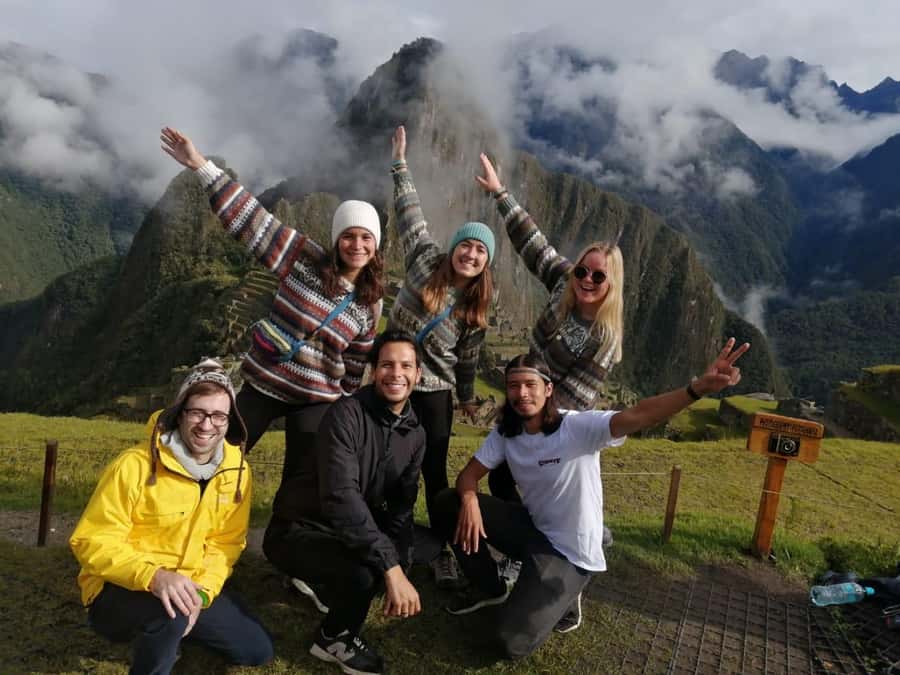
If you pick the 3-day option, day one is a Cusco city highlights route. Your pickup is around 8:45 a.m., then the plan takes in Koricancha, Sacsayhuaman, Qenqo, Pucapucara, Tambomachay, an eucalyptus forest stop, and the Cusco Cristo Blanco viewpoint.
Here’s why that matters. Machu Picchu can feel like a standalone postcard if you jump there too quickly. These stops help you see how the Inka worldview shows up in Cusco itself—sacred spaces, ceremonial sites, and the way stonework and water management show up repeatedly.
One practical note: those early city stops often come with stairs and uneven ground. If you usually get sore feet quickly, wear shoes you trust and keep your daypack light.
Sacred Valley Day: Towns, Textiles, and the Things You Can Actually Picture
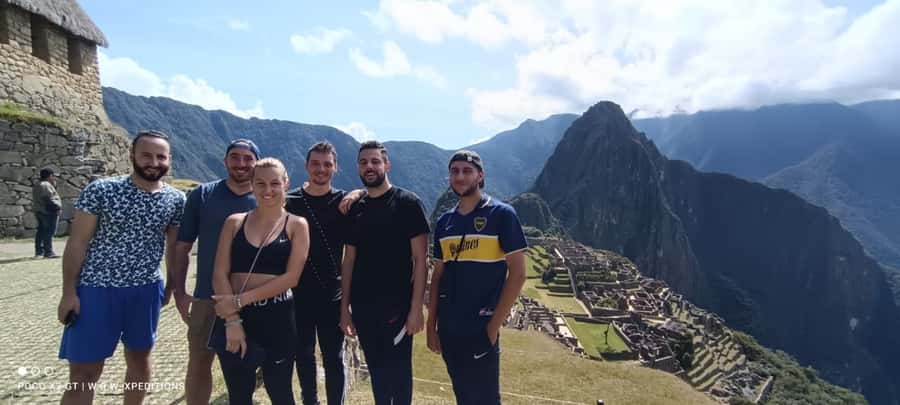
In the 3-day plan, day two focuses on the Sacred Valley, with pickup around 6:30 a.m. The route includes Chincheros and an Inca textile mill, plus Moray and salt mines (salt mines are listed as an extra cost), then Ollantaytambo, lunch in Urubamba, and Pisaq before heading back to Cusco.
This is where the trip can feel especially worthwhile for people who like details. The textile mill connects the dots between Inka culture and the patterns you may notice later in markets. Moray and the salt mines are a reminder that Inka ingenuity wasn’t only about temples. It was also about food systems, materials, and how to make a high-altitude landscape work.
If you hate “everything costs extra” moments, read the fee list carefully. Sacred Valley and city tour entrance tickets are listed as not included, and the salt mines have a separate charge. You’ll likely want cash on hand for those add-ons, and you’ll want to decide in advance which stops you actually care about.
Machu Picchu Day: What the Guide Really Gives You
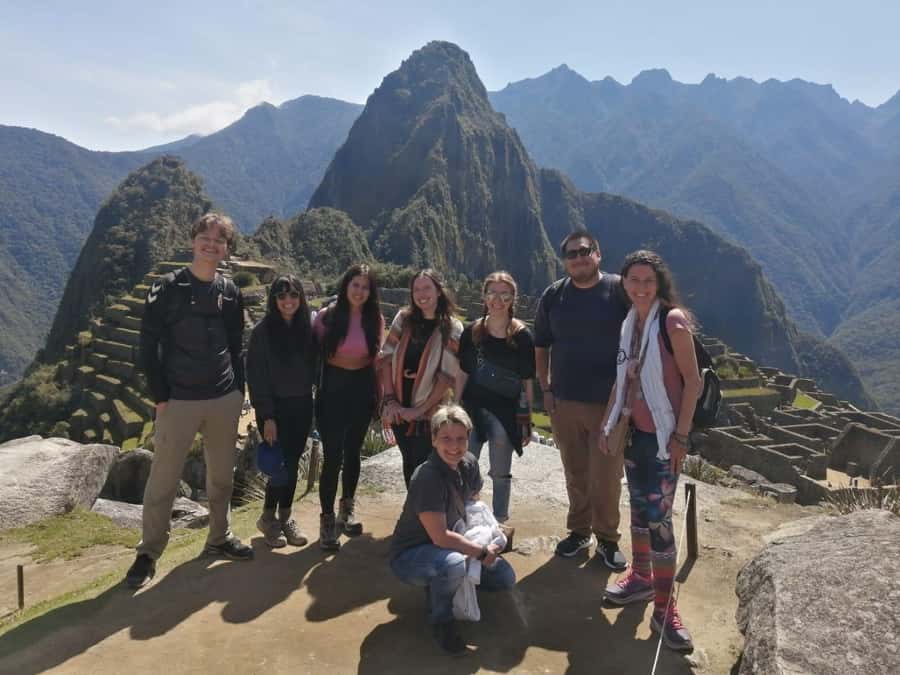
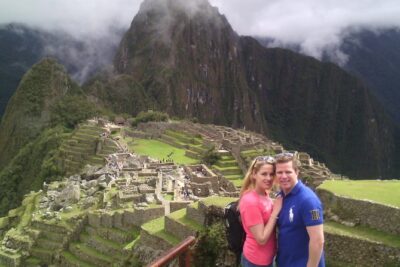
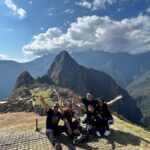
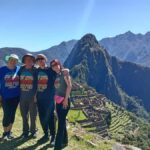
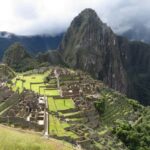
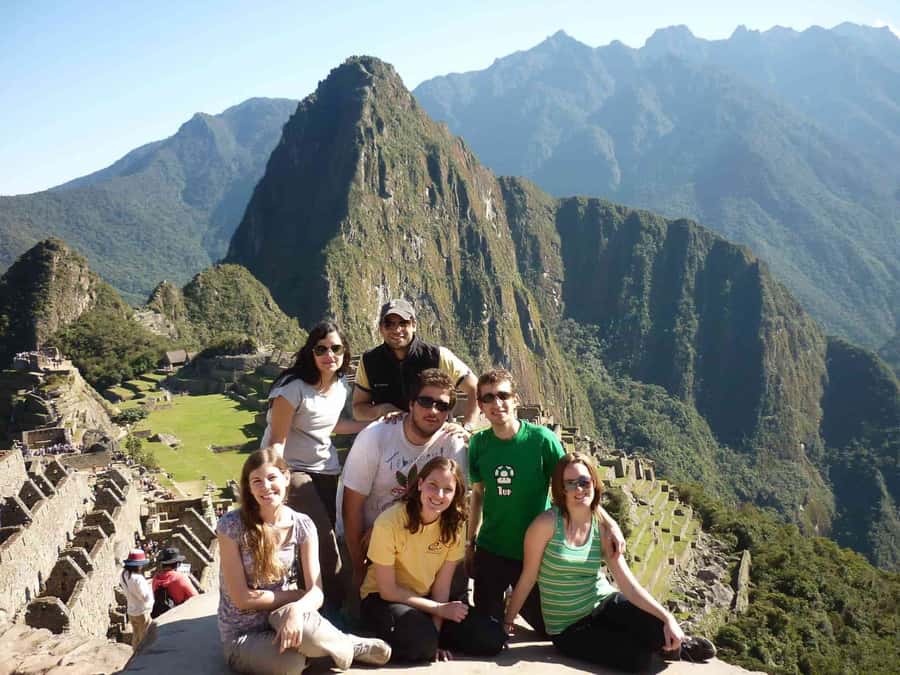
Every option includes an entrance ticket to Machu Picchu and a professional guide for the visit. This is the core value driver. One guided circuit can turn the site from impressive to memorable—because you’re not just looking, you’re understanding what you’re seeing and why it was built.
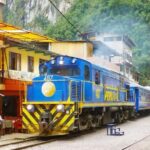
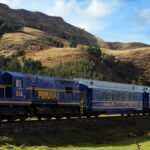
The tour also uses a group setup for entry (you join the group at the transport exit and then bus up to the site). That helps with logistics during a busy travel day, and at least one traveler specifically noted that the train-based return is safer and more predictable than some solo alternatives.
That said, there’s one detail you should treat seriously: Machu Picchu has different circuit routes. Some people complained about receiving a less favorable circuit with limited views, and others said clarity on the correct circuit wasn’t strong until close to departure. Your best move is simple:
- Ask what circuit you’re assigned
- Confirm the entry time window and expectations the day before
- If anything sounds vague, request it in writing or via a message you can screenshot
Alternative Route and Jungle Atmosphere: When the Trip Feels Like Peru, Not Just Ruins
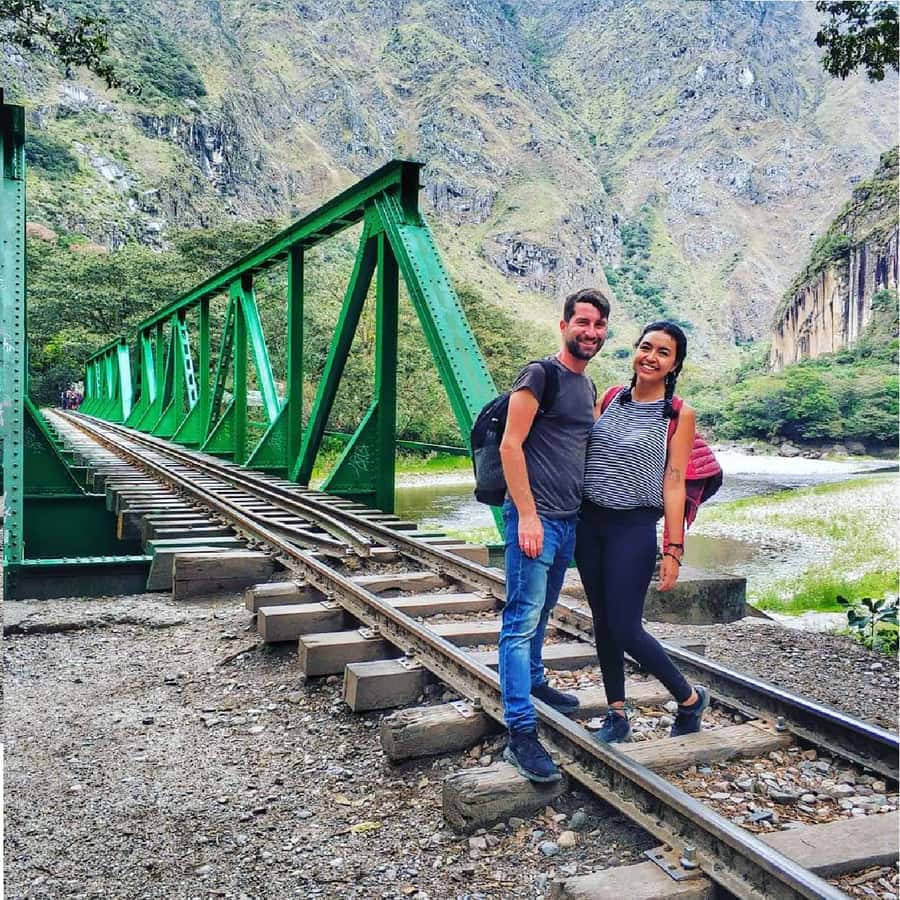
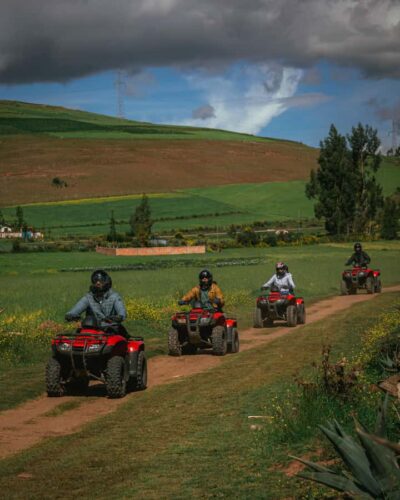
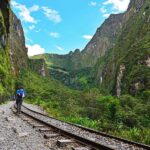
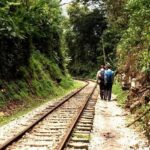
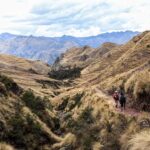
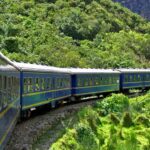
The highlights mention an alternative route that lets you enjoy the jungle atmosphere, along with nature hikes and walks. Even when the exact hike list isn’t spelled out in detail here, the theme is consistent: this isn’t only about standing at Machu Picchu.
You’ll likely feel this in two ways. First, the route changes your sense of time on the way—less “transfer, transfer, ruins” and more “travel through a living environment.” Second, you get more opportunities for short nature breaks and photo moments rather than only sitting on vehicles.
If you’re the type who gets bored on long drives, this is the part you’ll appreciate. If you’re traveling with insect allergies, the trip is listed as not suitable, so don’t gamble on this hoping it’ll be mild.
Hot Springs and Machu Picchu Town: A Useful Buffer on the 2-Day Option
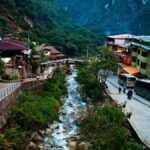
For the 2-day plan, day one includes arriving at Machu Picchu Town, hotel transfer, then going out for lunch and hot springs in the afternoon. That’s a smart structure because it gives you a decompress period after the early morning travel.
Hot springs are also one of those experiences where you should think ahead on costs and timing. Meals aren’t included, and the hot springs component isn’t listed as included. So even if the afternoon is built into the plan, you may still pay separately for what you choose to do there.
Price and Logistics: Does $360 Feel Like a Deal?
At $360 per person, you’re paying for a lot of the heavy lifting: entrance ticket to Machu Picchu, professional guiding, early hotel pickup, transport between Cusco and the train area, and train tickets as part of the routing.
Where the value gets tricky is in the extras. Meals are not included. The Consettur bus fee (listed as 24 USD) is not included. If you choose the Sacred Valley and city touring option style, those local tour tickets are listed as not included too—plus salt mines have a separate charge. And the hotel in Aguas Calientes is listed as not included (shown as 35 USD).
So I’d frame the deal like this:
- You’re likely paying a premium for convenience and guide time around Machu Picchu itself
- You might spend additional money on the “before” and “after” parts, especially if you take the multi-day add-ons
If you want the lowest total cost, you can sometimes DIY this. But if you value fewer moving parts at Machu Picchu and a guided explanation of what you’re seeing, then the price can make sense.
Communication and Circuit Clarity: The Part That Can Make or Break Your Day
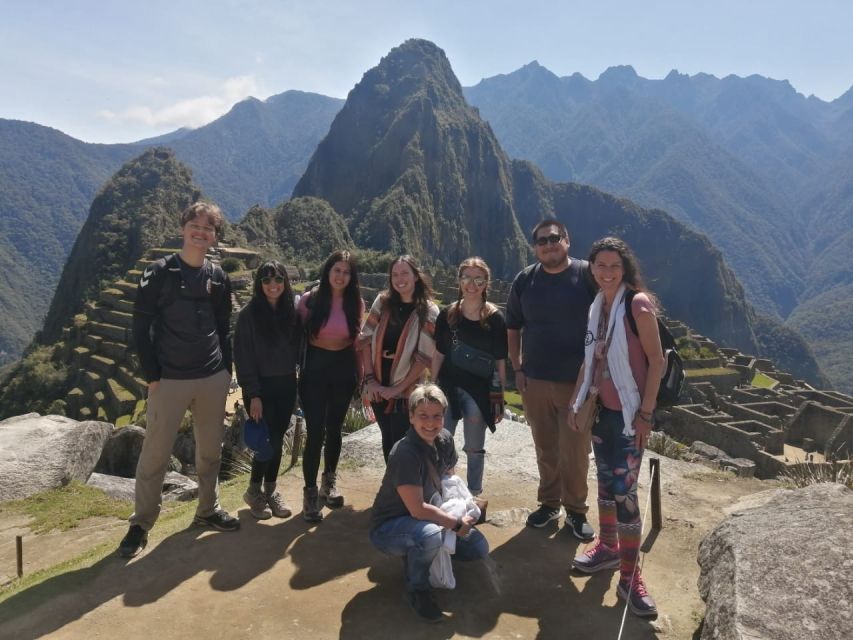
A pattern that’s worth respecting: some people reported unclear communication and being asked for more money along the way. Others mentioned chaotic ticket purchase steps and that they had to stay alert for directions because not everything was clearly explained ahead of time.
You can protect yourself without assuming disaster:
- Wait for the provider contact the day before and screenshot the details
- Confirm the circuit and entry time window
- Ask what’s included vs not included for your exact option
- Carry cash for listed extras like bus fees and optional ticket charges
Also note the tour is listed as non-refundable, so you want to feel confident before locking it in.
Who This Tour Fits Best (and Who Should Skip It)
This trip is not suitable for a long list of health and mobility situations. It’s listed as not suitable for pregnant women, people with back problems, wheelchair users, children under 18, and people with respiratory issues, epilepsy, or kidney problems. It’s also flagged for people over 60 and for those with altitude sickness and high blood pressure or low fitness.
Even if you think you’re fine, treat altitude seriously in Cusco. If you’re still adjusting, consider a gentler plan.
If you love structured days, early starts don’t scare you, and you want a guided explanation at Machu Picchu, this tour can fit great. If you hate group logistics or you’re sensitive to long travel days, the 1-day and 3-day options can feel intense because you’ll be out for most of the day, then returning very late.
What to Bring for a Smooth Day
The essentials are simple and they matter on a long travel schedule:
- Passport
- Comfortable shoes
- Rain gear
- A daypack
- Snacks (useful because meals aren’t included)
- A reusable water bottle
- Cash
You’ll also want to remember what’s not allowed: luggage or large bags aren’t permitted. That restriction changes how you pack. Keep it lean and practical.
Should You Book This Machu Picchu From Cusco Tour?
Yes, I’d consider booking it if you want guided Machu Picchu plus transport that reduces decision fatigue. The guide element is the part most likely to turn the visit into something you remember. I’d also like the train-based routing for people who want a more predictable return than cobbling together multiple segments on their own.
But I wouldn’t book blindly. Confirm your circuit, confirm your entry timing, and check the list of extras you’ll pay separately (bus fee, meals, and optional Sacred Valley/city tickets). If you need ultra-clear communication and zero surprises, this is the one area you should pressure-test early.
If you want a plan that feels structured and you’re okay with early starts and a late night return, this can be a solid value. If you’re hoping for a relaxed trip with perfectly smooth logistics, keep your expectations grounded and verify the details before you go.
FAQ
How long is the Machu Picchu experience?
The duration is listed as 1 to 3 days, depending on which option you choose.
What time is hotel pickup in Cusco?
Pickup is included, and you’re picked up from your hotel lobby between 4:00 a.m. and 5:00 a.m., depending on the train departure time.
Are the Machu Picchu entrance tickets included?
Yes. Entrance ticket to Machu Picchu is included in all options.
Do I get a guide at Machu Picchu?
Yes. A professional guide is included in all options.
Is the tour’s food included?
No. Meals are not included.
Are there extra bus or ticket costs?
Yes. The Consettur bus fee is not included (listed as 24 USD). Also, city tour and Sacred Valley tickets are not included, along with the salt mines ticket.
Do I need a hotel in Aguas Calientes?
The hotel in Aguas Calientes is listed as not included (listed as 35 USD).
What languages is the host or greeter?
The host or greeter provides English and Spanish.
What should I bring and avoid?
Bring your passport, comfortable shoes, rain gear, snacks, a daypack, cash, and a reusable water bottle. Large bags are not allowed.
Is this tour suitable for everyone?
No. It’s listed as not suitable for wheelchair users, pregnant women, people with altitude sickness, back problems, and several other medical conditions, as well as people over 60 and children under 18.