REVIEW · CUSCO
From Cusco: 7 Lagoons Tour
Book on GetYourGuide →Operated by Viajeros a Peru · Bookable on GetYourGuide
Seven lakes in one high-altitude day.
The 7 lagoons of Ausangate trip from Cusco feels like a long walk through raw Andean beauty shaped by snow-fed water, then you wind down with Pacchanta hot springs once your legs catch up to the altitude. It’s a simple, well-paced day that still feels like a real adventure because you’re walking in the middle of the Andes.
What I like most is the mix of effort and payoff: a 10 km hike through multiple lagoons (you start with about a 1.5-hour walk to the first one), then a warm soak to reset. I also like that the day isn’t just hiking. You get breakfast and lunch in the area and travel with a bilingual guide in English and Spanish.
One thing to consider is that this is altitude + walking, and the practical side can vary. Expect limited bathroom comfort on a long day, and if you’re sensitive to altitude, stay honest with your guide early.
In This Review
- Key things to know before you go
- Cusco to Pacchanta: the breakfast start you’ll thank yourself for
- The 7 lagoons of Ausangate: what the 10 km day really feels like
- Lagoon stops: views, animals, and the real rule—watch your footing
- A practical note on toilets
- Pacchanta hot springs: the best kind of sore-leg payment
- Lunch and breakfast in the community: why included meals are more valuable than you think
- Price and value: what $35 covers and where small extras appear
- Logistics you should plan for: timing, pace, and pickup reliability
- Who this tour suits (and who should choose differently)
- Tips to make the day easier at high altitude
- Should you book the Cusco 7 Lagoons Tour?
- FAQ
- What’s included in the 7 lagoons tour from Cusco?
- How long is the tour?
- Do I need to pay an entry ticket for the lagoons?
- Are the Pacchanta hot springs included?
- What languages are the guides?
- Can I change my plans if I book?
Key things to know before you go
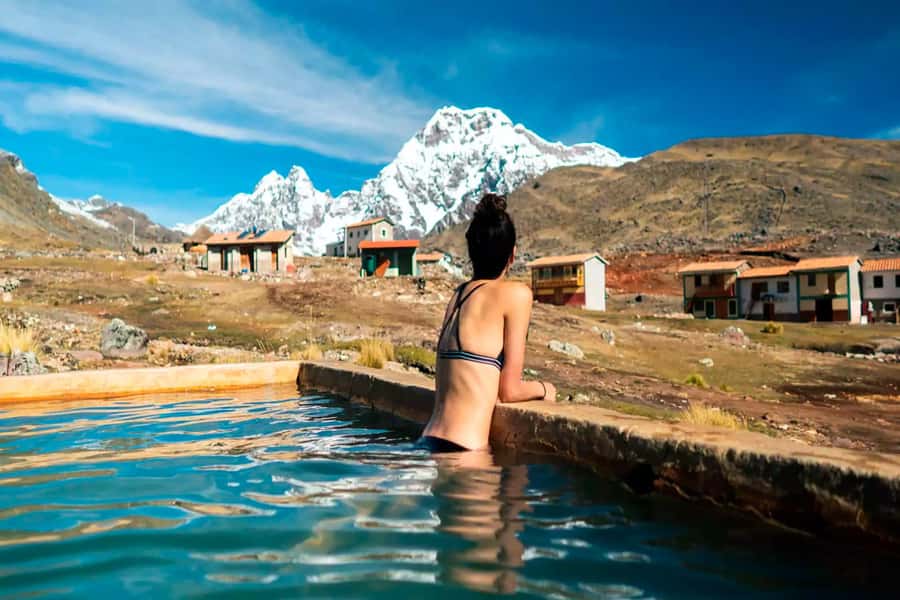
- Ausangate-fed lagoons: You’re walking among snowy-mountain scenery and snowmelt lagoons, not just ticking off a photo stop.
- Roughly a 10 km route: The hike is real, with several segments after the first lagoon about 1.5 hours in.
- Pacchanta hot springs after the hike: Warm water is the built-in reward when your body needs a break.
- Community meals: Breakfast and lunch are included, which matters when you’re moving at altitude.
- Guides pay attention to altitude: You’ll often feel a calm focus on how the group is coping.
- Cash for small entry fees: There’s a lagoon-area entry fee and the hot springs are optional.
Cusco to Pacchanta: the breakfast start you’ll thank yourself for
The day begins with pickup from your hotel in Cusco, so you’re not spending your morning figuring out transport. You’re asked to be ready in the lobby about 10 minutes before the scheduled pickup time. Then the drive heads out toward the community of Pacchanta.
In Pacchanta, you start with breakfast. It’s not a fancy brunch. It’s fuel. And at altitude, fuel matters because the hike is long enough that you’ll want steady energy rather than a quick snack and regret.
This is also where you can set yourself up for the “high Andes reality.” You’ll be leaving behind the thinner air of Cusco and stepping into a day where breathing and pacing are part of the plan. If you’re prone to feeling lightheaded, cold, or headachy, this is the moment to tell your guide right away so they can watch how you’re doing.
You can also read our reviews of more tours and experiences in Cusco.
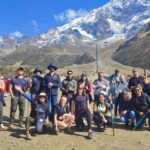
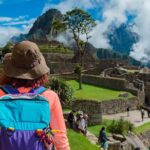
The 7 lagoons of Ausangate: what the 10 km day really feels like
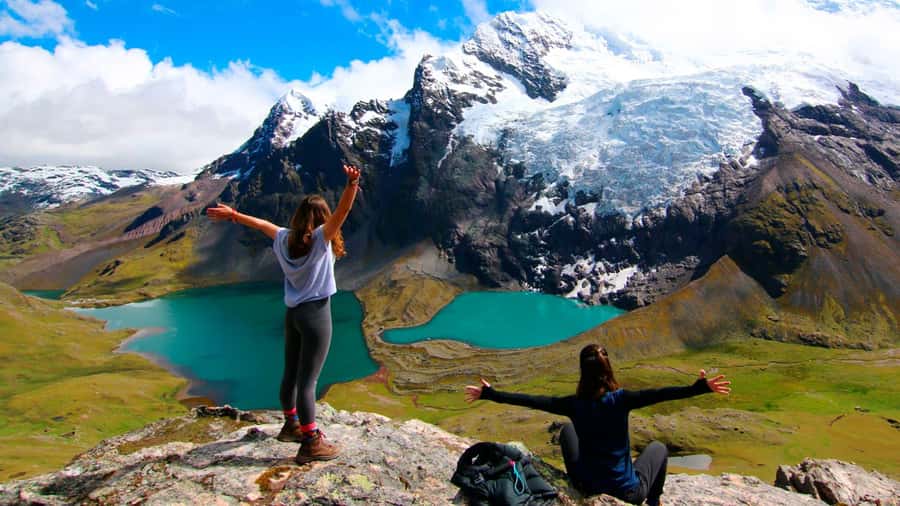
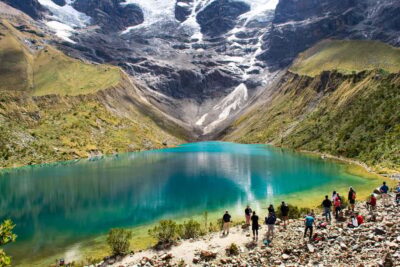
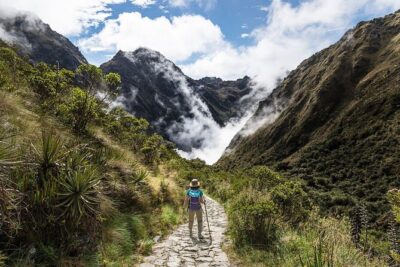
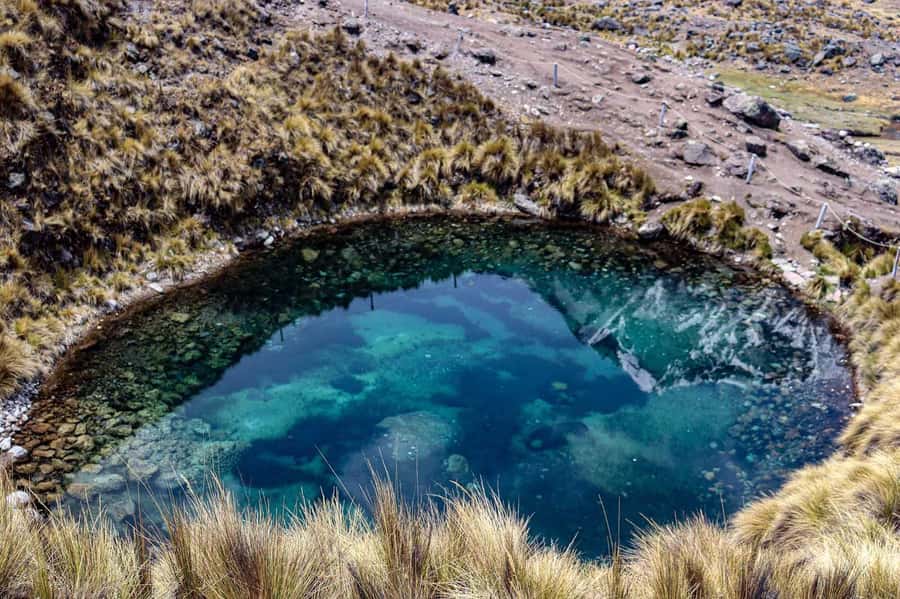
The highlight is the hike to the seven Ausangate lagoons. After breakfast you head into the Andes interior, and the route is arranged so you reach multiple lagoons over the walk—not just one big viewing point.
Here’s the practical shape of the day:
- You start walking and reach the first lagoon about 1.5 hours in.
- Then you keep moving through the route to visit the other lagoons.
- Overall it’s around a 10 km trek, with enough time on foot to make this an active day.
Intensity is part of the deal. One of the most common impressions is that it can feel intense because of the altitude, even when the scenery is calm and the path isn’t described as technical. The “dense but manageable” feeling usually comes from how your body handles thin air more than from steep climbing alone.
If you want an “easy mode,” ask about options at the beginning of the route. There’s an option to take horses at the start that can help if you’re trying to save your legs for the lagoon views. You don’t need it to enjoy the day, but it can be a smart compromise if your fitness is uneven.
Lagoon stops: views, animals, and the real rule—watch your footing
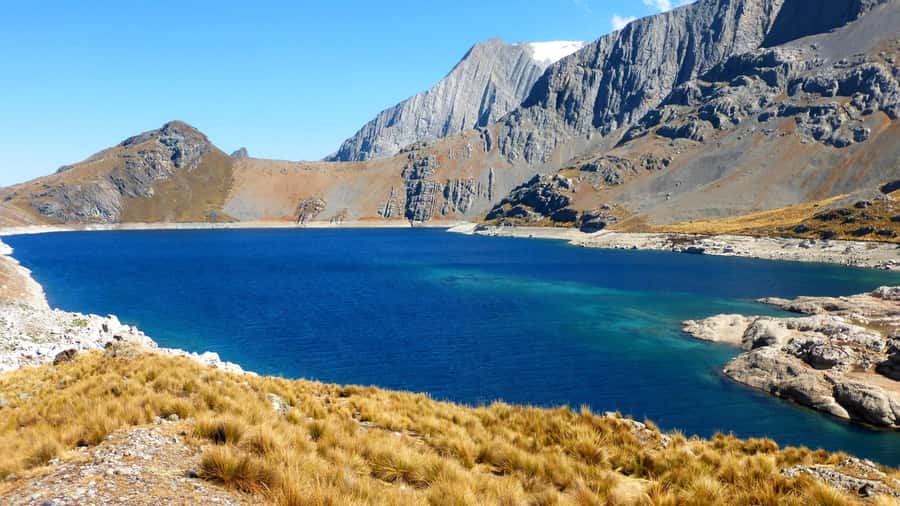
Each lagoon visit is basically a short pause in the middle of a longer walk. What makes it worth it is the setting: lagoons tucked in the high Andes zone, with surrounding fauna and vegetation that you notice more when you’re not rushing.
A few things I’d treat as non-negotiable:
- Go slow early. Your first hour sets the tone for the rest of the hike.
- Keep your attention on the ground. The tour explicitly asks you to be cautious with these beautiful natural spaces. That’s good advice. Mountain trails are often unforgiving if you get careless.
- Take your time at each lagoon. You’re there for the moment, not just the photo.
If you’ve ever had a mild altitude wobble—headache, nausea, feeling unusually tired—tell your guide. This trip’s guides are used to monitoring the group and helping adjust pacing. Names like Guillermo and Frank come up for a reason: the best versions of this day come with guides who are relaxed but attentive, especially when altitude symptoms show up.
A practical note on toilets
This kind of hike day can come with compromises. One experience mentioned that the bathroom situation needs improvement. Don’t assume you’ll have easy access whenever you need it. Plan ahead: use facilities before you start walking and bring what you might need for comfort.
Pacchanta hot springs: the best kind of sore-leg payment
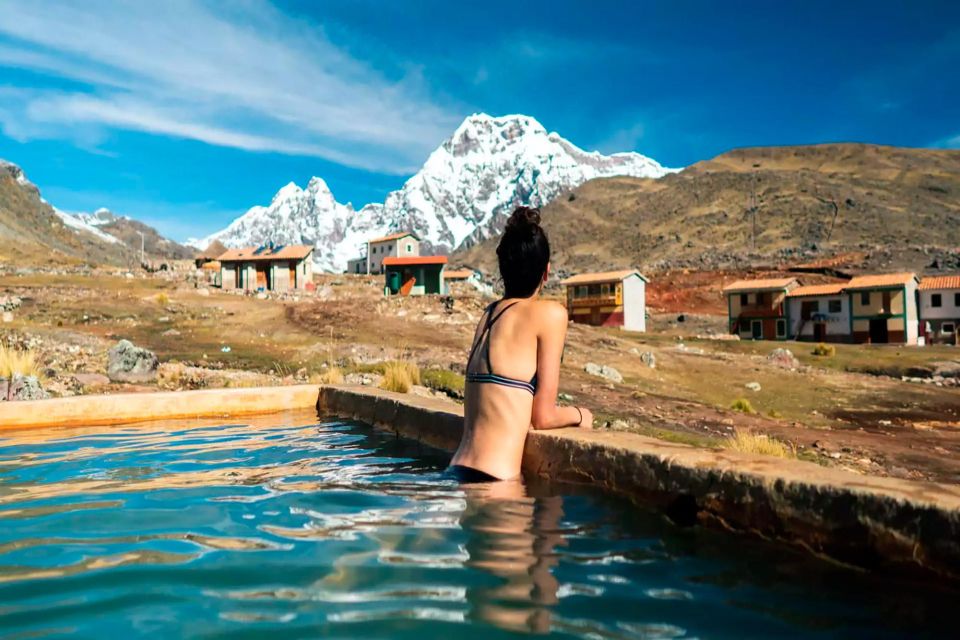
After the walking portion, you head back to Pacchanta for hot springs. The timing is built into the day: hike, return, soak, then lunch.
The hot springs are optional. There’s an extra 5 soles ticket if you want to enter the pools. If you skip it, you still get the included lunch, but you’ll miss the most popular recovery step.
This is one of the reasons the tour feels “complete.” Long hikes at altitude don’t always feel like a vacation while you’re doing them. Hot water can change the emotional ending of the day. Even if you’re not a spa person, you’ll probably appreciate warm soaking after hours on your feet.


Lunch and breakfast in the community: why included meals are more valuable than you think
You’ll start the day with breakfast in Pacchanta and finish with lunch back there. That’s included, so you’re not hunting for food halfway through the Andes.
Why it matters:
- You’re less likely to burn time searching.
- You avoid the common altitude mistake of eating too little.
- A real meal helps you actually enjoy the last third of the tour instead of rushing through it while your energy drops.
The community meals are also part of what makes this feel grounded. It’s not just moving between viewpoints. You get a slice of daily life in the area, and your schedule is organized around the community rather than purely around sightseeing.
Price and value: what $35 covers and where small extras appear
At $35 per person, this is priced like an active day tour that keeps costs sensible.
Included:
- Transport
- Breakfast
- Bilingual guide (English and Spanish)
- Lunch
Not included:
- Entry ticket of 10 soles
- Optional Pacchanta hot springs entry of 5 soles
So you’re not paying a bunch of add-ons for the basics. The main extras are small and predictable: the lagoon-area entry and, if you choose it, the hot springs fee. What you can do to make this smoother is simple: carry cash in small bills for the 10 soles entry and the 5 soles hot springs option.
Also, value isn’t just cost. It’s what’s included for a full day. You’re getting a guide, meals, and transport, which is a big deal in and around Cusco when you’d otherwise spend time organizing logistics yourself.
Logistics you should plan for: timing, pace, and pickup reliability
The tour runs for 1 day and returns to Cusco around 7:00 pm. That gives you a full-day experience without eating up your entire time in the region.
Pickup is from your hotel in Cusco, and you should be ready in the lobby 10 minutes before pickup. This is where I’d be a little proactive: if you’re staying in a hostel, know your exact address and have someone who can answer if the driver calls.
One concern that came up is pickup/service reliability when groups were waiting and had confusion about the bus/space situation. That’s not something you can control, but you can reduce stress by double-checking pickup timing and having a backup way to reach the operator if your morning starts to feel off. If you’re the type who hates uncertainty, build a little buffer into the day.
Who this tour suits (and who should choose differently)
This is a great fit if you:
- Want a real hike with a clear payoff at multiple lagoon stops
- Prefer a guided day where pacing is supported at altitude
- Like quieter experiences compared to the most crowded routes in Peru
- Want a warm ending with hot springs
You might think twice if you:
- Have significant altitude limitations and can’t adjust pacing
- Hate long walking days with limited bathroom comfort
- Need very smooth, never-changing logistics from pickup to return
If you’re somewhere in the middle, the pacing and the option to get help at the beginning with horses can make the tour more workable.
Tips to make the day easier at high altitude
You don’t need fancy gear, but smart choices matter more here than on lowland hikes.
- Dress in layers. Mountain conditions change fast.
- Go slow early. The first lagoon stop is about 1.5 hours in, and starting too fast punishes you later.
- Tell your guide about symptoms. If you feel altitude effects, speak up early so they can help with pacing and attention.
- Bring cash for the 10 soles entry and the optional 5 soles hot springs.
- Watch your footing. The tour’s own caution about natural terrain is worth respecting.
- Bring small essentials for comfort because restroom comfort isn’t guaranteed.
Should you book the Cusco 7 Lagoons Tour?
Book it if you want a day that mixes effort and reward: Ausangate lagoons, a guided trek of about 10 km, and the practical bonus of Pacchanta hot springs after. The fact that breakfast and lunch are included makes it feel like a complete day rather than a rushed set of viewpoints.
Skip or rethink it if you’re fragile with altitude or you expect a perfectly frictionless, low-effort experience. This is a hiking day in real mountains. It can be intense, but it’s also the kind of intense that pays off when the lagoons open up and the warm soak comes after.
If you do book, do one thing: prepare for early morning energy, keep your cash ready for small fees, and plan to move carefully on the trail. That’s the difference between a good day and a great one.
FAQ
What’s included in the 7 lagoons tour from Cusco?
Transport, breakfast, a bilingual guide (English and Spanish), and lunch are included.
How long is the tour?
The duration is 1 day, with return to Cusco around 7:00 pm.
Do I need to pay an entry ticket for the lagoons?
Yes. There is an entry ticket of 10 soles that is not included.
Are the Pacchanta hot springs included?
Hot springs entry is optional. If you want to enter, it costs 5 soles and is not included.
What languages are the guides?
The tour has live tour guides in English and Spanish.
Can I change my plans if I book?
Yes. There’s free cancellation up to 24 hours in advance for a full refund, and there is also a reserve now & pay later option.