REVIEW · MACHU PICCHU BY TRAIN
From Cusco: 2-Day Sacred Valley and Machupicchu by Train
Book on GetYourGuide →Operated by FLY CUSCO PERU Travel Agency · Bookable on GetYourGuide
Two days keeps Machu Picchu from feeling like chaos. You’ll pair Sacred Valley ruins and market time with a train ride to Aguas Calientes, then a guided visit at Machu Picchu. I love the two-day pacing and small group size (up to 10), because it gives you time to ask questions instead of rushing. One heads-up: the textile and souvenir stops can run a bit salesy, so go in with a plan for what you will and won’t buy.
You’ll also get door-to-door pickup and drop-off in Cusco, one night at Inti Punku Machupicchu Hotel & Suites, and a choice between normal and Vistadome 360° trains for the scenic ride to Machu Picchu.
In This Review
- Key highlights to know before you go
- Booking a train-and-guide package: what you really get for $499
- Day 1 from Cusco: the Sacred Valley route that sets the stage
- Awana Kancha: textiles and animals up close
- Taray viewpoint: a classic Sacred Valley photo moment
- Pisac Archaeological Park: agriculture and engineering, not just ruins
- Pisac market: pottery, jewelry, and textiles
- Urubamba buffet lunch: your built-in rest break
- Ollantaytambo Archaeological Park: the road to Machu Picchu
- Train to Aguas Calientes: why this overnight matters
- Machu Picchu Day 2: morning flow and what your guide focuses on
- Lunch and timing
- Train choice: Vistadome 360° vs normal (and when the upgrade is worth it)
- Tickets and extras you should budget for (Pisac, Ollantaytambo, Wayna Picchu)
- Pisac and Ollantaytambo park tickets: not included
- Wayna Picchu: optional, extra, and needs lead time
- Meals beyond what’s included
- The small-group size and guide setup: what it feels like in real life
- Who should book this 2-day train tour from Cusco?
- Should you book this tour?
- FAQ
- What is included in the tour price?
- What train options are available?
- Do I need to buy Machu Picchu tickets separately?
- Are entrance tickets for Pisac and Ollantaytambo included?
- Is lunch included?
- Is Wayna Picchu included?
- How large is the group and what languages are offered?
Key highlights to know before you go
- Up to 10 people means fewer strangers and more time for guide questions.
- Sacred Valley Day 1 + Machu Picchu Day 2 keeps the experience from feeling like a checklist sprint.
- Guided Machu Picchu visit includes your site entry, so you can focus on the ruins, not admin.
- Vistadome 360° vs normal train is optional, and you might not need to pay extra for the upgrade.
- One night in Aguas Calientes gives you breathing room before the morning bus to Machu Picchu.
- Pisac and Ollantaytambo park entry isn’t included, so budget a bit extra for those two sites.
Booking a train-and-guide package: what you really get for $499
At $499 per person, this is the kind of Machu Picchu trip that’s trying to do the hard part for you. You’re not just buying a train ticket and hoping for the best. The package bundles the main moving pieces: door-to-door transfers in Cusco, an English/Spanish-speaking guided Sacred Valley day, round-trip train tickets (Ollantaytambo ⇄ Aguas Calientes), and your bus ride down to Machu Picchu and back.
It also includes the items that usually eat time and energy when you plan on your own: your Machupicchu entrance ticket, guided time on site, and one night at a 3-star hotel (Inti Punku Machupicchu Hotel & Suites or a similar property). Add in breakfast and a bottle of water, and the “day logistics” problem largely disappears.
The price isn’t just about convenience though. There’s real value in having someone organize:
- the order of sites on Day 1,
- the timing for getting to the train station,
- and the morning flow for Machu Picchu so you’re not scrambling with schedules.
One more practical note: this tour requires passport details (full name, passport ID, date of birth, nationality) after reservation. If your passport info isn’t ready, you’ll want to handle it quickly so the Machu Picchu-related parts don’t get delayed.
You can also read our reviews of more tours and experiences in Cusco

Day 1 from Cusco: the Sacred Valley route that sets the stage
Day 1 starts with a hotel pickup in Cusco after breakfast, typically around 7:45 AM. Your group travels toward the Sacred Valley passing major Inca-era landmarks around Cusco like Sacsayhuamán, Qenqo, and PucaPucara, with no stops during that stretch. The idea is straightforward: get you into the valley area while the day is still young.
Then you hit three big “anchors” that help you understand what you’re seeing later at Machu Picchu.
Awana Kancha: textiles and animals up close
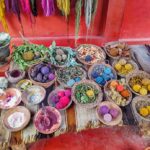
First stop is Awana Kancha, about a half-hour. This is a textile-focused stop where you learn about the weaving process and see animals like llamas, alpacas, and vicuñas (plus photo opportunities). It’s a nice way to slow down early and get a cultural thread running through the day.
Do keep your expectations realistic. Even when the weaving explanation is genuinely interesting, you may feel the sales angle at the end of the visit (sweaters, textiles, and related products). If shopping isn’t your thing, treat this as a look-and-learn stop and enjoy the animals and the demonstrations without feeling pressured.
Taray viewpoint: a classic Sacred Valley photo moment
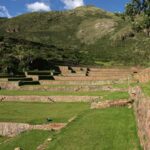
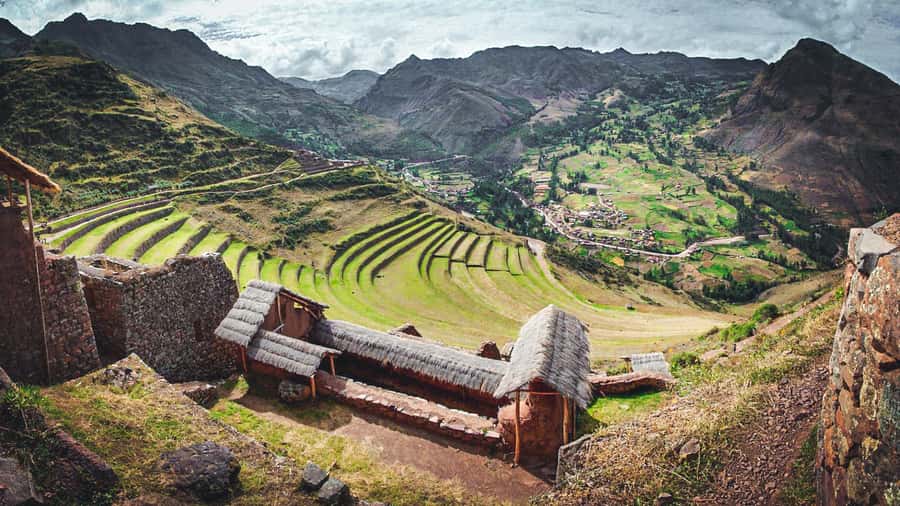
Next comes the Taray viewpoint, your time for the classic Sacred Valley photos—terraces along the Urubamba River, plus that layered mountain backdrop. This is one of those stops that’s short, but it matters. It gives you context: you see how farming, elevation, and water management shaped where people built.
Pisac Archaeological Park: agriculture and engineering, not just ruins
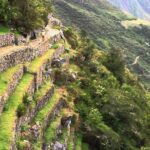
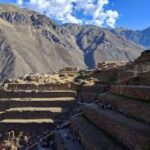
Then you drive up to Pisac Archaeological Park. This is a guided visit where you’re not just walking around stones. You learn what you’re looking at—temples, residences, altars, and channels—and how the Incas used agriculture techniques tied to the environment.
The views here are strong, but the real payoff is understanding the layout. When a guide explains systems like irrigation channels and terracing logic, it changes your experience. Suddenly the site stops being “pretty rocks” and starts reading like a working landscape.
One big practical point: Pisac park entrance is not included in the main price. It’s listed separately, so you should plan to pay onsite (or have the operator help coordinate payment).
Pisac market: pottery, jewelry, and textiles
After the ruins, you visit the Pisac Market in town. This is the part where locals sell everyday items: pottery, jewelry, and textiles. It’s also one of your best chances to pick up small souvenirs that feel connected to real local craft rather than a generic tourist stall.
If you’re sensitive to sales pressure, pace yourself here. Spend time browsing, but set boundaries for spending. The best strategy is simple: decide what you’re willing to buy before you reach the busiest stalls.
Urubamba buffet lunch: your built-in rest break
Lunch happens in Urubamba around 1:00 PM at a buffet restaurant, with vegetarian options available. This matters because Day 1 already includes several transitions: viewpoints, higher ruins, then market time and travel again. A proper meal keeps everyone comfortable before the final stop.
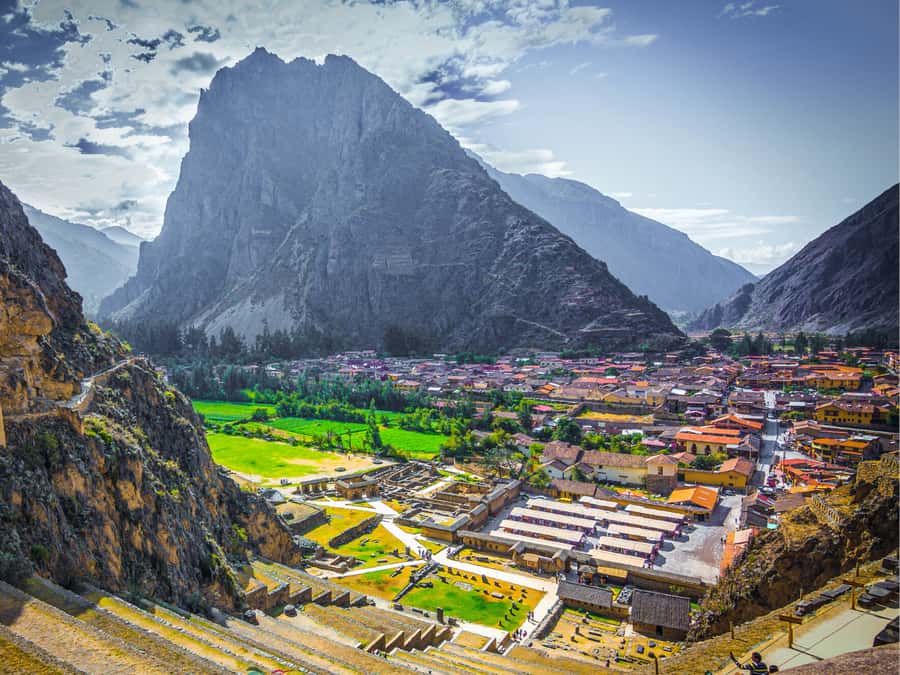
Ollantaytambo Archaeological Park: the road to Machu Picchu
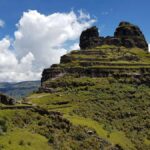
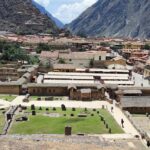
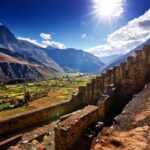
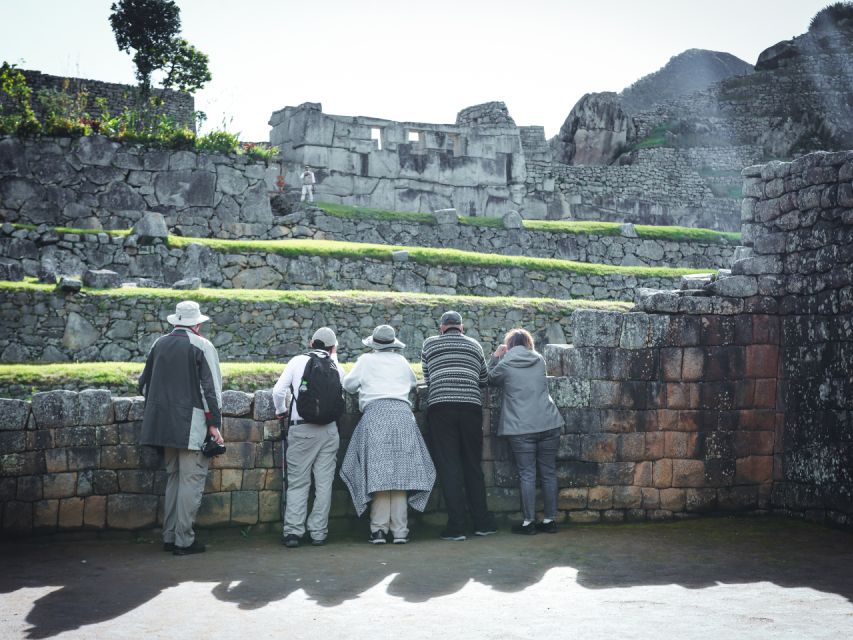
By the afternoon you reach Ollantaytambo Archaeological Park. This site gets special attention because it served as a protected entrance to the road toward Machu Picchu, and it also carried weight during Spanish invasion events. Even if you know little about the Spanish period, you’ll get the framing from your guide.
Again, budget the entry fee: Ollantaytambo park entrance is not included either.
Train to Aguas Calientes: why this overnight matters
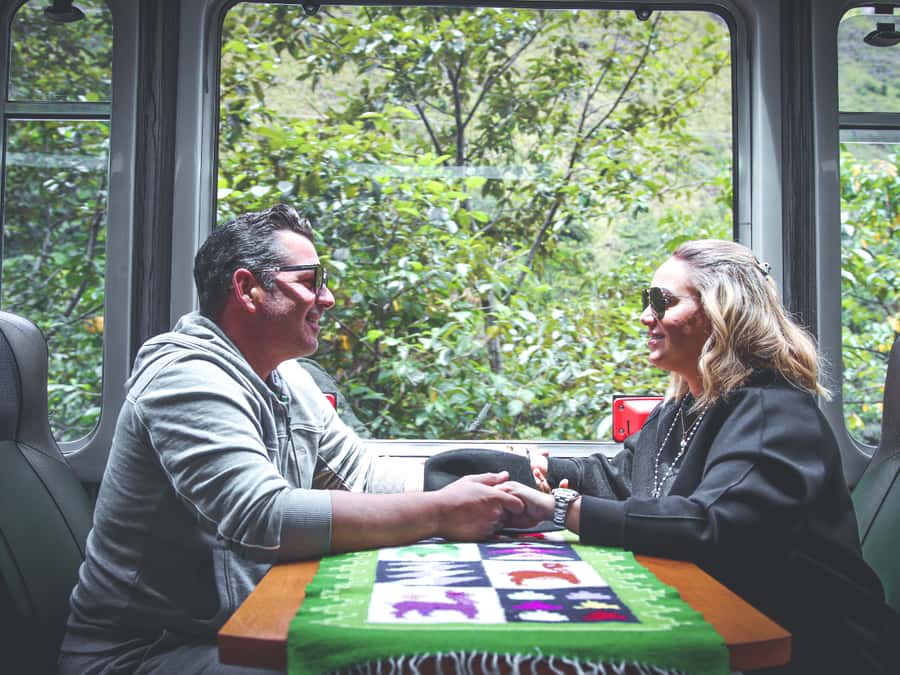
Once Ollantaytambo wraps up, it’s time to board your train. You’ll travel about 1 hour 45 minutes from Ollantaytambo to Aguas Calientes. The operator also lets you choose between two train options when you book:
- a normal train, or
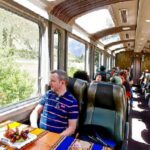
- a Vistadome 360° panoramic train.
You arrive around 6:10 PM, then you’re picked up at the train station and taken to your hotel for check-in. After that, you’re free for the evening. This is one of the smartest parts of the whole plan: you’re sleeping in Aguas Calientes so you’re not trying to do Machu Picchu and the long Cusco return all in one day.
Machu Picchu Day 2: morning flow and what your guide focuses on
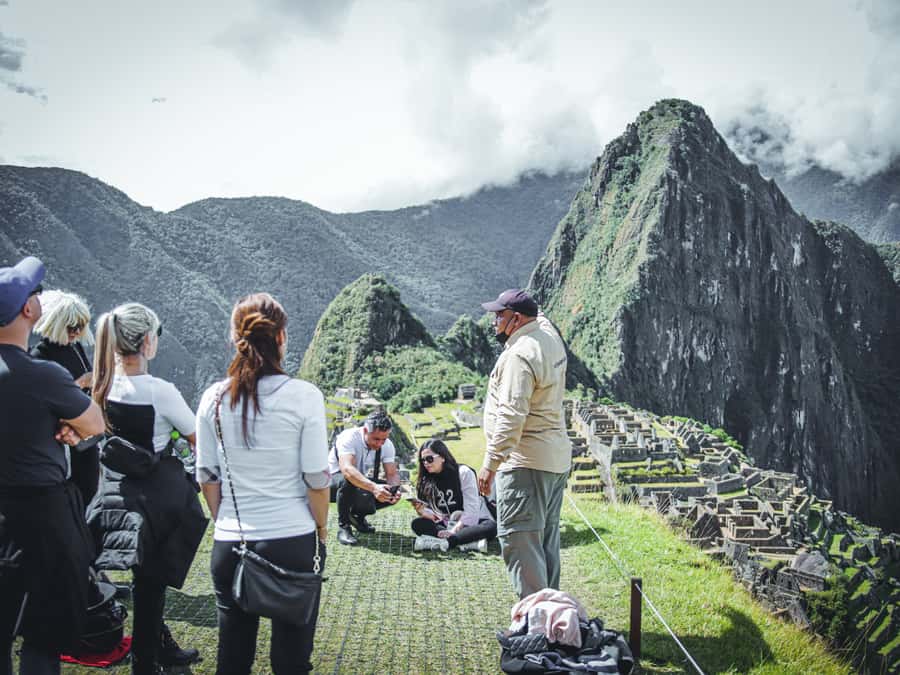
Day 2 starts with breakfast and then moving with your guide to the bus station in Aguas Calientes. The bus takes you up to the main gate of the Historic Sanctuary of Machu Picchu.
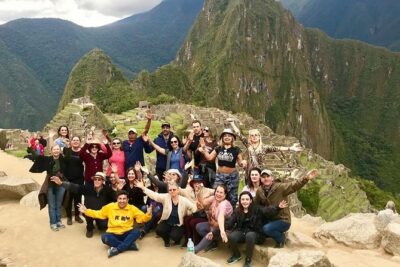
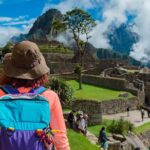
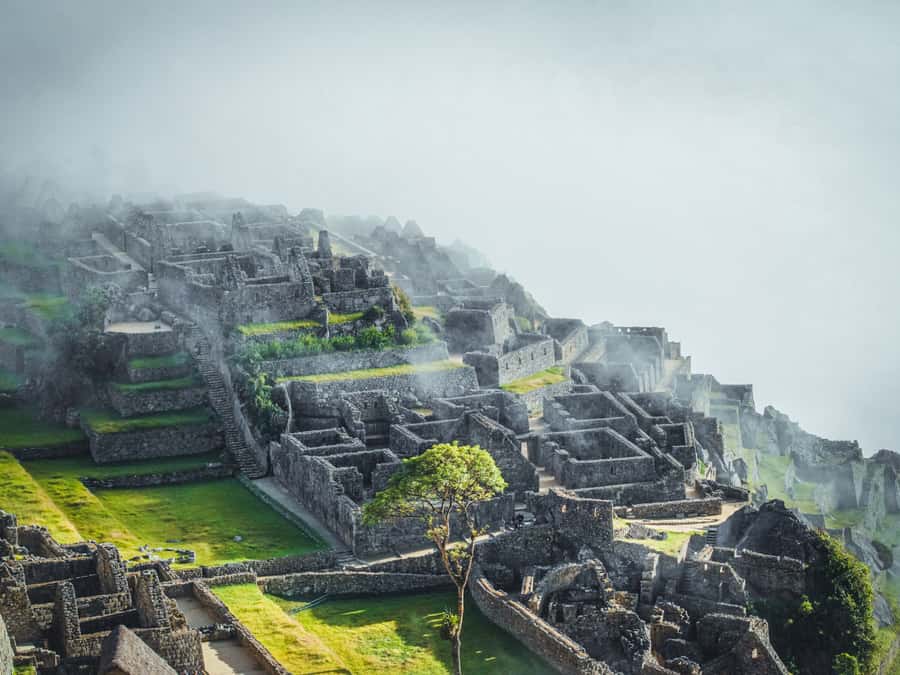
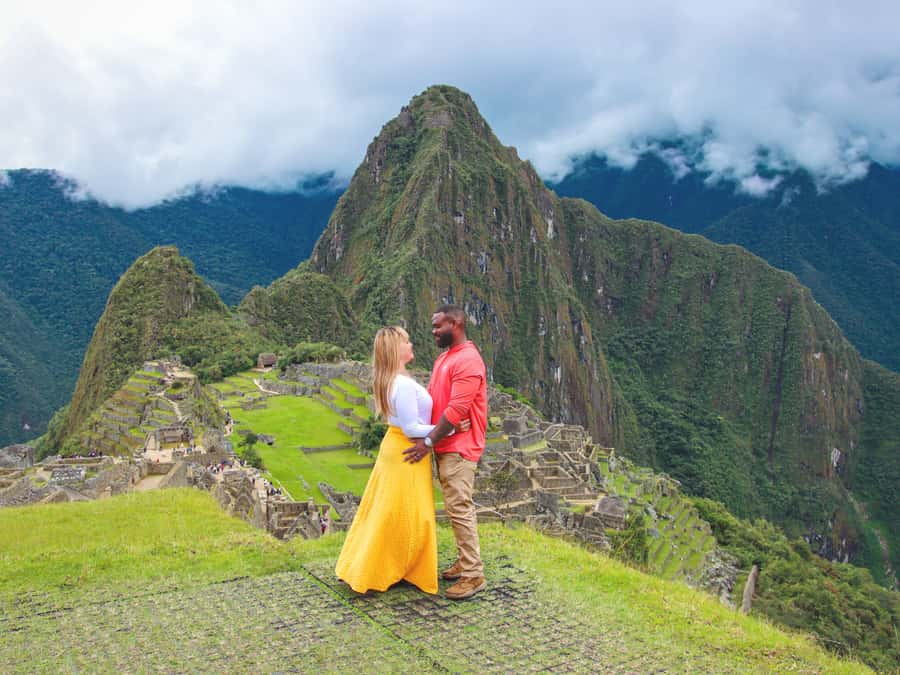
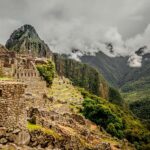
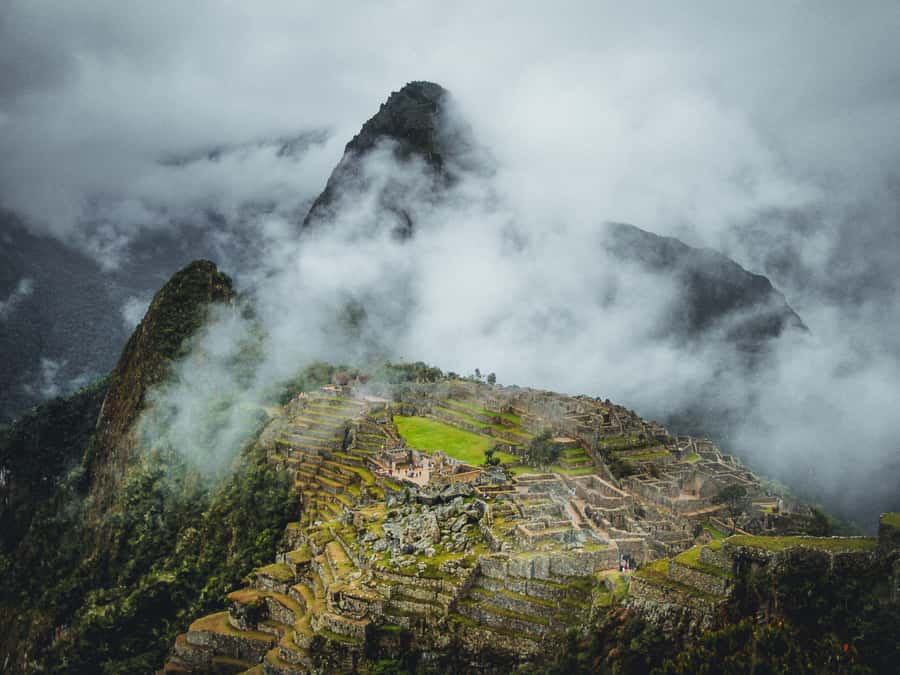
At Machu Picchu, you’ll begin with the classic photo opportunity—taken from the higher part—and then continue to the lower part. This “upper then lower” approach helps you get orientation fast. It also prevents the common problem where people rush to the lower ruins first and later realize they missed key angles.
Your guide explains history and site layout, and that’s what makes the walk feel purposeful instead of random. In past experiences with guides on this format, people have called out the kind of storytelling that turns the sightlines, terraces, and building clusters into something you can understand quickly. Names that come up often in this context include Justino for Sacred Valley day narration and Judy for the Machu Picchu portion.
Lunch and timing
After the visit, the bus returns you to Aguas Calientes. You’ll have time for lunch there, but lunch isn’t included on Day 2.
Then you head back by train, and a transfer brings you to Cusco. The estimated arrival back in Cusco is around 6:30 PM.
Train choice: Vistadome 360° vs normal (and when the upgrade is worth it)
This is a question worth asking before you pay extra.
Vistadome 360° promises a more panoramic experience, which can sound like a no-brainer if you like window views. But you should also know that the core route is the same, and the “big difference” may not be as dramatic as you expect.
A practical tip: if your budget is tight, you’ll likely be fine with the normal train. One recurring piece of advice is that the upgrade for larger-window-style trains doesn’t always justify the extra cost, because the ride is still essentially the same track with similar scenery.
If you’re the type who really wants every photo opportunity you can get and you don’t mind paying for it, Vistadome can still be a pleasant upgrade. Just don’t feel like normal means you’ll be stuck with dull views.
Tickets and extras you should budget for (Pisac, Ollantaytambo, Wayna Picchu)
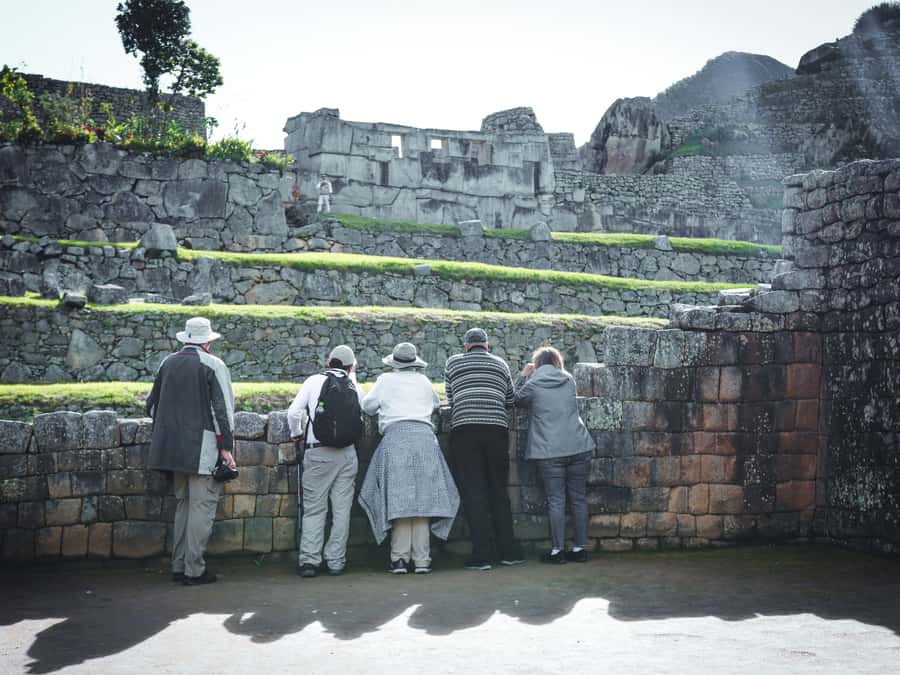
The Machu Picchu entrance ticket is included. That’s the big one.
But three other costs come up often:
Pisac and Ollantaytambo park tickets: not included
You’ll be visiting both sites on Day 1, but entrance tickets for Pisac and Ollantaytambo are an extra $20 (as listed). Plan for this early so it’s not a surprise halfway through the day.
Wayna Picchu: optional, extra, and needs lead time
Want the classic Wayna Picchu add-on? You can request a ticket for Wayna Picchu for US$30. The catch is timing: it must be requested a few months in advance and depends on availability. So if you think you’ll want it, don’t wait.
Meals beyond what’s included
- Day 1 lunch is included (buffet with vegetarian options).
- Breakfast is included.
- Day 2 lunch isn’t included.
- Dinner and other meals aren’t included either.
This is where people often overspend without planning. If you’re watching your costs, set aside cash or plan a simple meal strategy in Aguas Calientes.
The small-group size and guide setup: what it feels like in real life
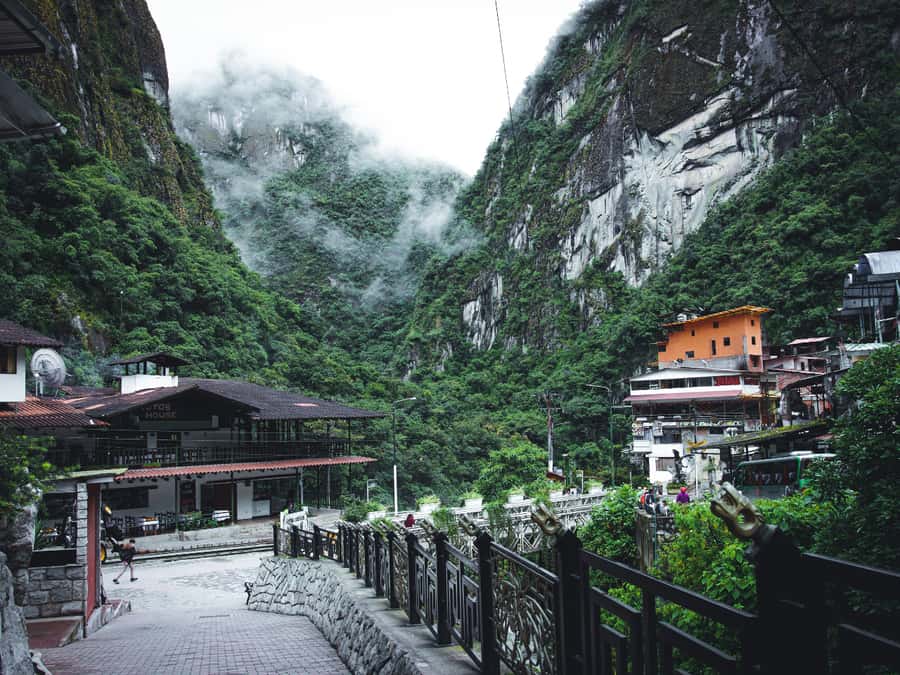
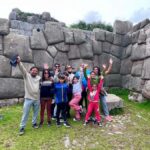
This tour is limited to 10 participants, which is a big deal for two reasons.
First, it makes transfers easier. You get a smoother flow from stop to stop, and it’s less chaotic when everyone arrives at a viewpoint at slightly different speeds.
Second, it helps with guide interaction. When the group isn’t huge, you can ask practical questions—about what you’re seeing, how the site was used, and what to look for next. That kind of back-and-forth turns “guided” into useful.
Your guides are bilingual (English and Spanish), with Portuguese also listed as available. Based on the guide names that have come up in this tour format, the Sacred Valley narration often gets handled by someone like Justino, while Machu Picchu day narration can be led by someone like Judy.
Who should book this 2-day train tour from Cusco?
I’d put this on your shortlist if:
- You want guided Sacred Valley context before Machu Picchu.
- You prefer not to handle trains, bus transfers, and entry tickets by yourself.
- You like the idea of sleeping in Aguas Calientes so Day 2 feels less rushed.
- You value an organized plan with time for photos at viewpoints and key ruins.
This may not be the best fit if:
- You hate shopping stops and want zero sales pressure. The textile and market segments can feel sales-forward, even when the demonstrations are real.
- You’re the type who wants total freedom to roam at Machu Picchu without a guided sequence.
Should you book this tour?
Yes, if you want a structured, value-focused way to do Sacred Valley plus Machu Picchu without turning the trip into logistics work. The mix of hotel + Machu Picchu entry + round-trip train + guided visits usually beats cobbling everything together late, especially when timing matters.
Book it now if:
- you’d rather spend your energy enjoying the ruins than figuring out schedules,
- you like small groups,
- and you’re comfortable paying extra for convenience while budgeting the two extra park fees (Pisac and Ollantaytambo) and possibly Wayna Picchu if you want it.
Skip or rethink it if shopping detours would seriously drain your day. In that case, you can still enjoy the day, but go in mentally prepared and keep your spending limits.
FAQ
What is included in the tour price?
The package includes door-to-door hotel pickup and drop-off in Cusco, one night in a 3-star hotel in Aguas Calientes (Inti Punku Machupicchu Hotel & Suites or similar), a guided visit of the Sacred Valley, round-trip train tickets Ollantaytambo–Aguas Calientes–Ollantaytambo, bus tickets Aguas Calientes–Machu Picchu–Aguas Calientes, Machu Picchu entrance, a guided Machu Picchu visit, breakfast, and a bottle of water.
What train options are available?
When booking, you can choose between a normal train and a Vistadome 360° panoramic train for the route between Ollantaytambo and Aguas Calientes.
Do I need to buy Machu Picchu tickets separately?
No. Entrance to the Historic Sanctuary of Machu Picchu is included.
Are entrance tickets for Pisac and Ollantaytambo included?
No. Entrance ticket costs for Pisac and Ollantaytambo are listed as not included (US$20).
Is lunch included?
Lunch on Day 1 (Urubamba buffet) is included. Lunch on Day 2 is not included.
Is Wayna Picchu included?
Wayna Picchu is not included. You can request it for US$30, and the ticket must be requested a few months in advance if available.
How large is the group and what languages are offered?
The group is limited to 10 participants. The guide services include English and Spanish, with Portuguese also listed as available.