REVIEW · LAKE TITICACA & PUNO TOURS
Excursion Cusco – Puno – Titicaca Observatory Train
Book on GetYourGuide →Operated by America Explorer Peru · Bookable on GetYourGuide
You’ll climb into the Andes, then glide back down. This Cusco–Puno Titicaca Observatory Train turns a long ride into a full-day experience, built around the views, onboard service, and a signature stop at high altitude. Expect Andes passes, morning pickup, and the chance to watch the countryside shift as the day moves toward Lake Titicaca.
I especially like the open-air observatory car with an outdoor balcony, so you can actually see what you came for without craning around windows. I also like the food setup: a 3-course gourmet lunch, plus afternoon tea, and onboard hospitality that makes the day feel planned rather than improvised.
One thing to think about: the route hits Abra La Raya at 4,300 meters, so it can be colder and you may feel altitude effects. If you’re sensitive to heights, go slow during the stop and dress in layers.
In This Review
- Key moments on the Titicaca Observatory Train
- The Cusco–Puno route: why the Andes ride feels like more than transit
- Hotel pickup and the 10-hour schedule (from 6:30 am onward)
- The observatory car: how to use the open-air balcony for real views
- Abra La Raya village at 4,300 meters: the high point stop you’ll remember
- Food and drinks on board: 3-course lunch plus afternoon tea
- Cultural show, live music, and the onboard rhythm
- Price and value: what $445 includes (and what doesn’t)
- Who should choose this train (and who might not love it)
- Should you book this Cusco–Puno Titicaca Observatory Train?
- FAQ
- How long is the Excursion Cusco–Puno–Titicaca Observatory Train?
- Where does the train operate?
- What time is pickup from my hotel?
- Is hotel pickup included?
- What meals and drinks are included?
- Is there a stop during the route?
- How much luggage can I bring?
- Is wheelchair accessibility available?
- Can I cancel for a full refund?
Key moments on the Titicaca Observatory Train
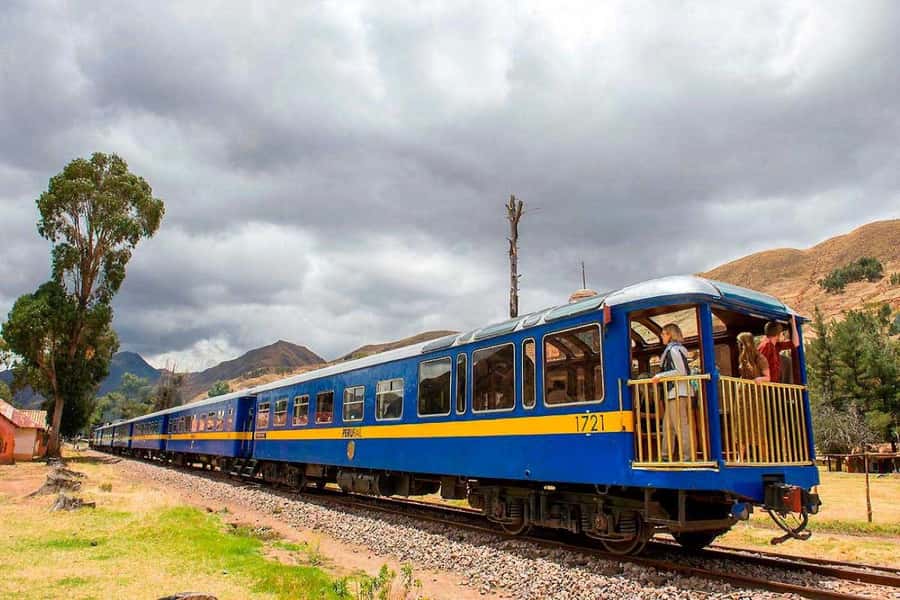
- Open-air observatory balcony for unobstructed mountain views
- Abra La Raya stop (4,300 m) with a village visit at the highest point
- 3-course gourmet lunch plus afternoon tea served on board
- Cultural show and live music, plus a pisco sour demonstration
- Hotel pickup (Cusco or Puno) and room for hold luggage (up to 23 kg)
The Cusco–Puno route: why the Andes ride feels like more than transit
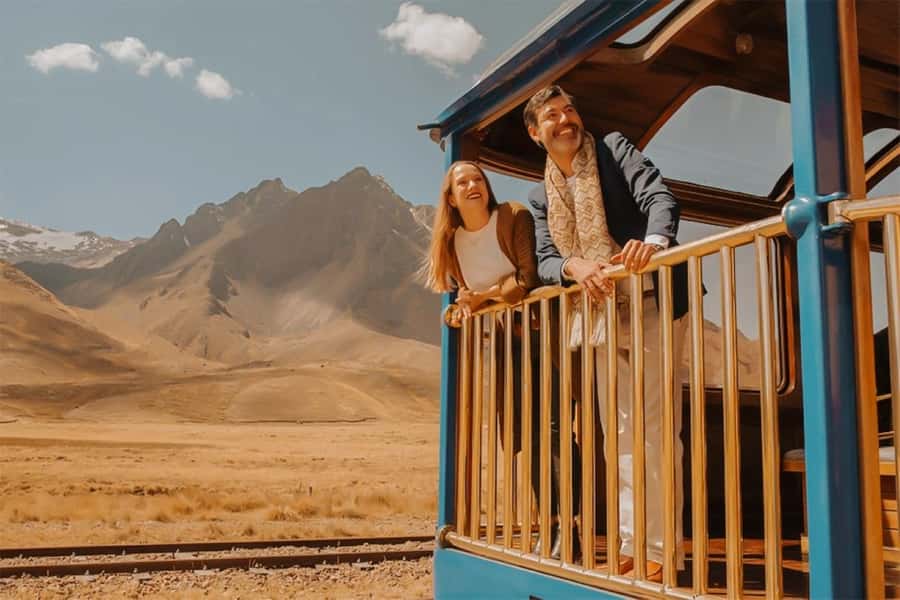
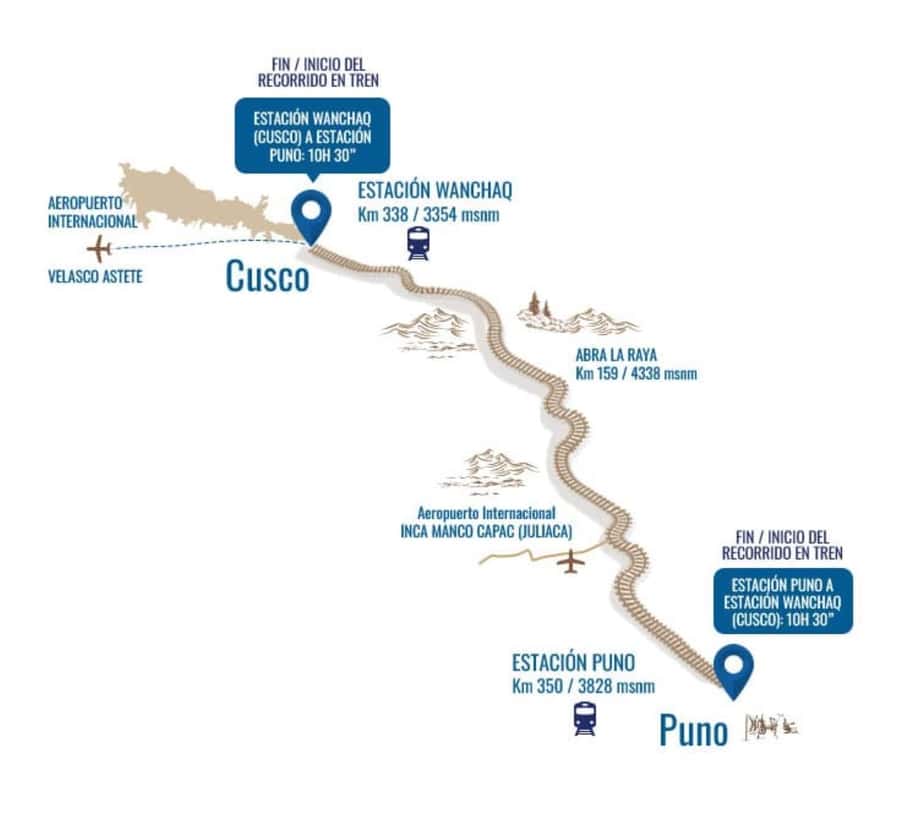
Cusco and Puno are separated by altitude, geography, and a whole lot of scenery. This train ride puts that in front of you instead of burying it behind car-window fatigue. You’re traveling from Cusco (Inca country, and the gateway for Machu Picchu) to Puno, the city next to Lake Titicaca. The whole point is that the day isn’t only about arriving—it’s about the climb and the crossing in between.
What I like here is the way the experience matches the route. The Andes aren’t just scenery to pass through; they become part of your schedule. You’ve got a formal morning start, an important high-point stop, and onboard programming timed for a full 10-hour day. That structure matters if you’re trying to do a lot of sightseeing while also keeping the day comfortable.
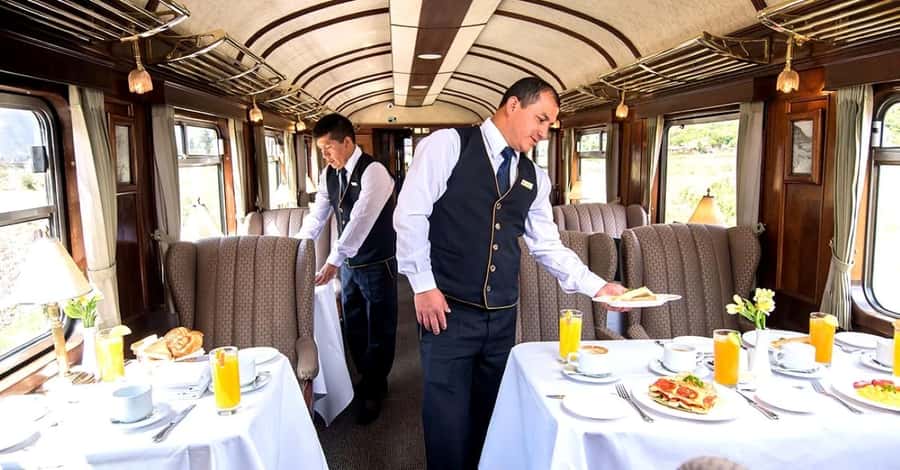
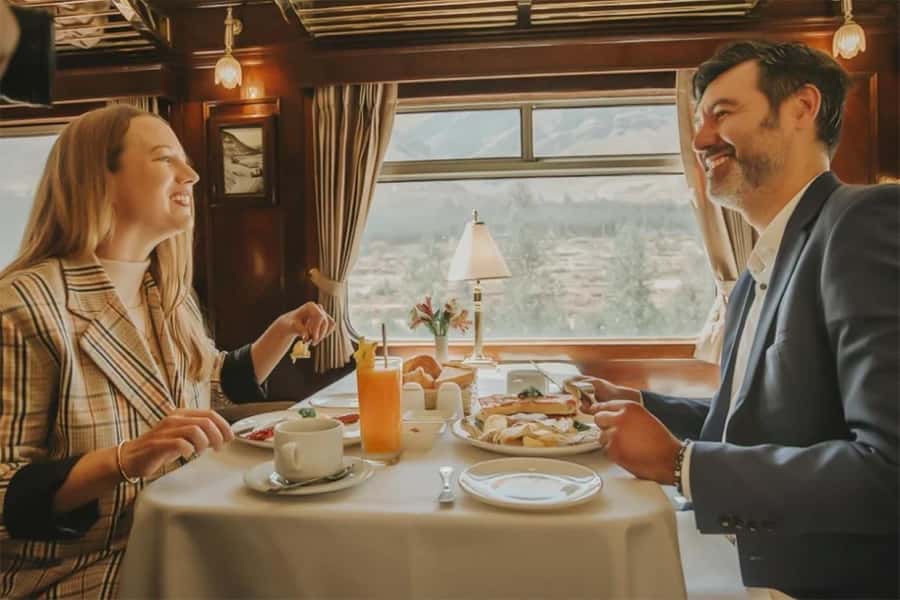
And yes, the ride is designed to feel like a luxury journey. You’ll have access to multiple onboard areas—restaurant car, bar car, and the observatory car—so you’re not stuck in one seat for the entire trip. It’s a practical way to handle a long day at altitude without feeling trapped.
You can also read our reviews of more tours and experiences in Cusco.
Hotel pickup and the 10-hour schedule (from 6:30 am onward)
The trip is set up for an early start. You’ll be picked up from your hotel in Cusco or Puno and taken to the train station at 6:30 am. Then the train runs for about 10 hours total, moving you between the two highland cities and across to the Titicaca area.
On long journeys, the best tours remove decision fatigue: you don’t have to wonder when lunch happens, where to go on board, or what to do during downtime. This one gives you a clear flow. You start the day with a hot welcome drink, then settle in with free movement around the train. As the route progresses, you’ll have the gourmet lunch and afternoon tea, plus cultural entertainment and live music.
A detail I’d plan around: you need to be at the station 30 minutes before departure. That’s not negotiable if you don’t want to stress. Also, have your ID or passport ready—your materials need to match what you bring for the day.
If you’re choosing between going Cusco to Puno or Puno to Cusco, pick based on what you want to anchor the trip. Either direction works, but the feeling of the day can change. Morning light and early altitude air can make the first hours feel especially sharp and memorable.
The observatory car: how to use the open-air balcony for real views
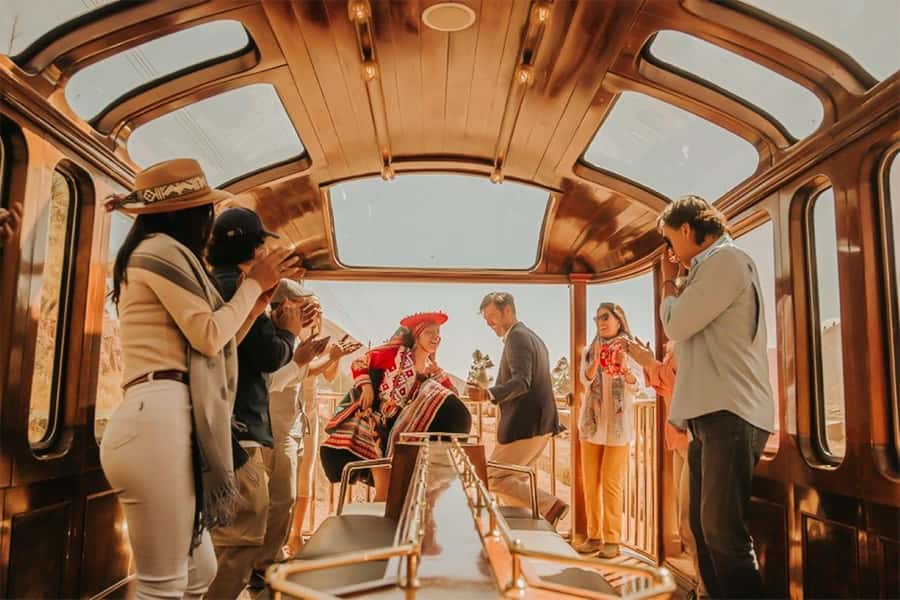
The highlight for many people is the observatory car with an open-air balcony. This matters more than it sounds. Window views are fine, but they can be washed out by glare, reflections, and glass distance. An outdoor balcony gets you closer to the air and angle of the mountains.
Here’s how I’d use it. Don’t treat it as one quick look. Step out, watch for 2–3 minutes, then check what the terrain is doing next. Mountain routes tend to change in phases—valleys open up, slopes steepen, and clouds can shift quickly. If you move with the scenery, the ride feels alive instead of repetitive.
Also, since you have free movement on the train, you’re not stuck spending the entire day outside. You can alternate: short balcony breaks for photos and sweeping views, then back to the restaurant car for the meal and warmth. That rhythm is especially helpful around cold or higher-elevation segments.
One more practical point: bring a camera you’re comfortable using in cool air. The day includes multiple scenic moments, and you’ll want to be ready to shoot without fighting with layers or zippers.
Abra La Raya village at 4,300 meters: the high point stop you’ll remember
The route’s signature pause is at Abra La Raya, the highest point of the journey, at 4,300 meters. You’ll make a tourist stop at the Abra La Raya village. This is where the ride stops being purely scenic and becomes experiential.
At this altitude, think of two challenges: cold and breathing. Even if you don’t feel anything dramatic, it can be harder to walk quickly, and you may feel a bit “slower” for a while. Dress for warmth and move at a pace that feels natural. If you’re sensitive to altitude, don’t force big photo walks right away. Give yourself a few minutes to adjust.
The stop also adds context to what you’re seeing from the train. From your seat, you can appreciate elevation. On the ground at the high point, you understand how extreme the terrain is and why this route is such a defining cross-Andes moment.
What I like is that the stop is built into the schedule instead of being a rushed add-on. It gives you time to step out, take in the height, and look around before the train pulls you onward.
Food and drinks on board: 3-course lunch plus afternoon tea
Good food matters on a day like this. A scenic rail day can still turn into a long slog if meals are basic or chaotic. Here, the onboard dining is clearly part of the value.
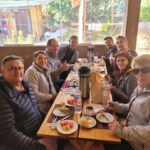
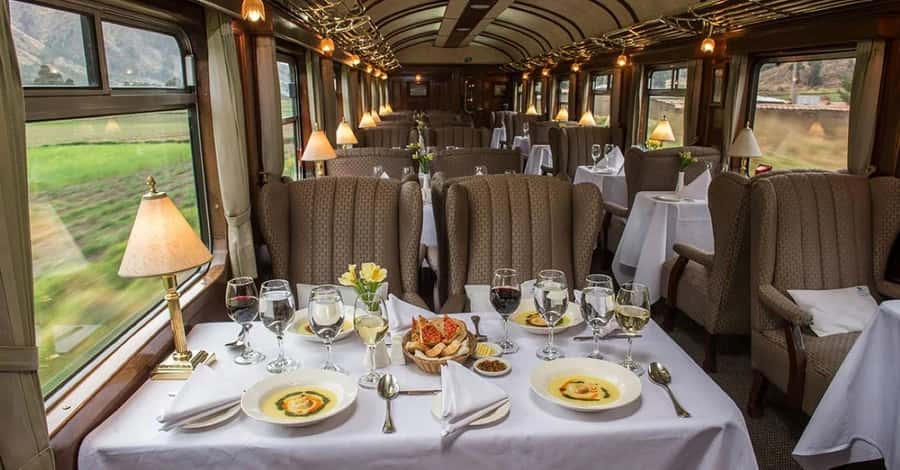
You get a 3-course gourmet lunch, served in the restaurant car with a refined atmosphere. That’s a big upgrade from the typical “something to snack on while you keep traveling” experience. It also helps that the schedule isn’t only sightseeing; you have anchored mealtimes.
Then there’s afternoon tea later in the trip. That’s a small detail that can make a long day feel manageable, especially when you’re dealing with altitude and temperature swings. Hot drinks and tea are also a practical reset for your body between view sessions.
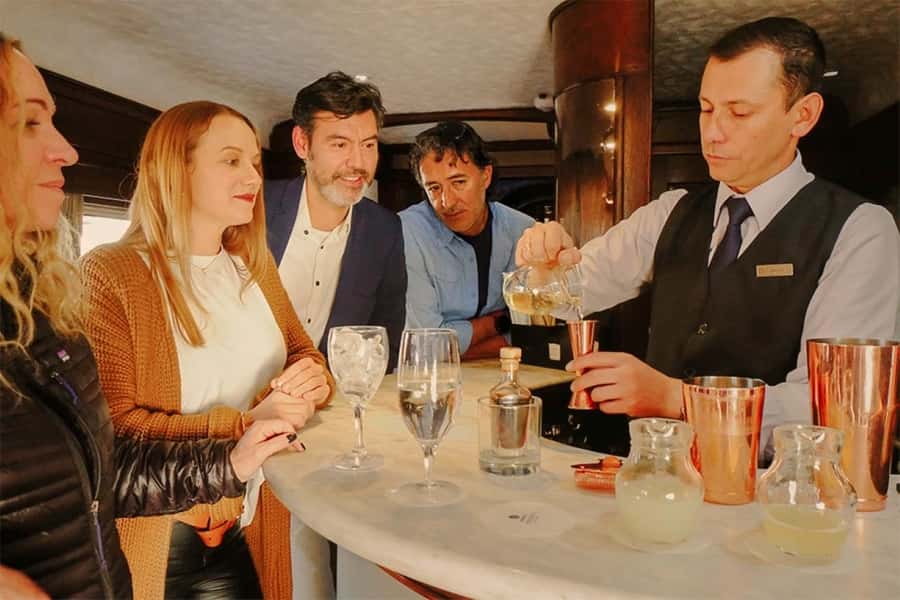
You’ll also find a bar car for beverage services and a pisco sour demonstration, which is a well-known Peruvian cocktail ritual. Even if you’re not a big alcohol person, demonstrations are often more about the culture and the process than just drinking. Follow the staff cues and treat it as part of the onboard show.
One practical tip: eat when it’s offered, especially the lunch. With a full day schedule, it’s easy to forget timing if you’re constantly watching the views.

Cultural show, live music, and the onboard rhythm
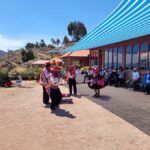
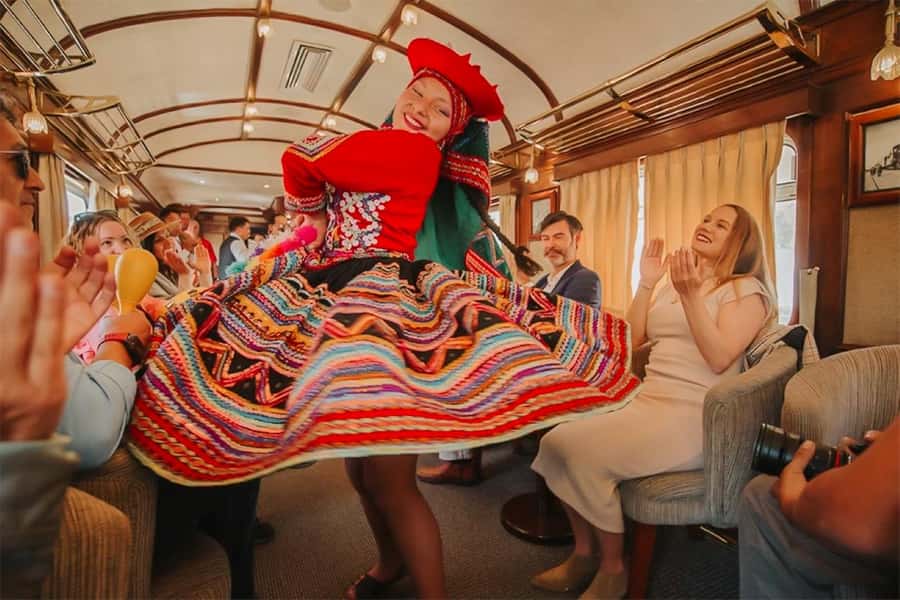
A train ride becomes memorable when it has a pulse. This one doesn’t rely only on mountains and silence. You’ll have a cultural show and live music, with local melodies and dances described as filling the air with tradition.
This is where the journey connects more directly to Peru beyond scenery. The show gives you a sense of cultural rhythm while you’re traveling through highland territory. It’s not just entertainment as background. It’s timed into a day where you’re already seeing how highland communities live and move through different elevations.
The live music also helps with energy. If you’ve arrived already tired from Cusco or Puno logistics, the sound and performance can wake you up without turning the day into a frantic tour sprint.
If you care about taking photos, plan a moment to set your phone or camera ready before the performance begins. Low indoor light can change your settings quickly, and you don’t want to miss the key moments because you were still fiddling.
Price and value: what $445 includes (and what doesn’t)
At $445 per person for a 10-hour luxury train day, the price is best understood as a bundle. You’re not paying only for seats. You’re paying for train transport between Cusco and Puno (in either direction) plus a lot of onboard service.
What you get includes:
- Train ticket Cusco–Puno (or Puno–Cusco)
- Hotel pickup in Cusco or Puno to the station at 6:30 am
- Hot welcome drink
- Observatory car access with an open-air balcony
- Restaurant car and bar car service areas
- 3-course gourmet lunch and afternoon tea
- Cultural show and live music
- Pisco sour demonstration
- Tourist stop at Abra La Raya village
- Free movement on the train
- Luggage storage in the hold (up to 23 kg)
What you don’t get: airfare and travel. That means your costs for getting to Peru and reaching Cusco or Puno are separate. But for the day of the train itself, it’s an unusually complete package.
So is it worth it? If you value comfort, good food, and guided entertainment while still getting big views, this is strong value. If you’re a bare-bones type who only cares about transportation and you’re comfortable doing DIY travel between cities, you might find cheaper alternatives. But you’d be giving up a big chunk of what makes this ride feel like a full experience rather than just getting from A to B.
Who should choose this train (and who might not love it)
This experience fits best if you want a high-comfort day that mixes scenery with scheduled onboard culture. It’s also a good choice if you’d rather avoid extra planning once you’re already in Peru.
You’ll likely like it if:
- You enjoy rail travel and want an observatory experience rather than window viewing
- You want food included at a higher level than basic snacks
- You’d like a day with live music and a cultural show built in
- You want hotel pickup and a single organized plan for the crossing
You might pause before booking if:
- You’re very sensitive to altitude or you know high elevations make you feel unwell
- You prefer totally flexible sightseeing without an included program
One nice practical detail: you get storage for hold luggage up to 23 kg, and personal items should stay within 8 kg. That’s useful if you’re carrying winter layers or small day gear for Cusco or Puno.
Also note the rules: no pets, and smoking is not allowed indoors or in the vehicle. If you’re coming with any special items, keep the day simple and follow staff instructions.
Should you book this Cusco–Puno Titicaca Observatory Train?
I’d book it if you want one day that combines Andes crossing, a standout altitude stop at Abra La Raya, and real onboard comfort—plus the kind of food and entertainment that keeps a long journey from dragging. The biggest wins are the open-air observatory car, the 3-course gourmet lunch and afternoon tea, and the live cultural programming that makes the ride feel like an event.
If altitude is a concern, take the Abra La Raya stop seriously. Dress warm, take it slow at the high point, and consider travel insurance that covers altitude-related issues. If that’s handled, this is a strong way to connect Cusco and Puno while keeping your day organized and enjoyable.
FAQ
How long is the Excursion Cusco–Puno–Titicaca Observatory Train?
The duration is 10 hours.
Where does the train operate?
It runs between Cusco and Puno, with the route crossing the Andes toward the Lake Titicaca area.
What time is pickup from my hotel?
Pickup from your hotel to the train station is at 6:30 am.
Is hotel pickup included?
Yes. Pickup from your hotel in Cusco or Puno is included.
What meals and drinks are included?
You’ll have hot welcome drink, a 3-course gourmet lunch, and afternoon tea. There is also a bar car for beverage services, and there is a pisco sour demonstration.
Is there a stop during the route?
Yes. There is a tourist stop at Abra La Raya village at the highest point of the route, 4,300 meters.
How much luggage can I bring?
Hold storage is available for luggage up to 23 kg. Personal items must not exceed 8 kg / 17.64 lb.
Is wheelchair accessibility available?
Yes, the activity is listed as wheelchair accessible.
Can I cancel for a full refund?
Yes. You can cancel up to 24 hours in advance for a full refund.