REVIEW · MARAS & MORAY SALT MINE TOURS
Cusco: Sacred Valley Day Trip with Maras & Moray Salt Mines
Book on GetYourGuide →Operated by explorer southamerica · Bookable on GetYourGuide
A long day, but it hits the big Inca beats. This Cusco Sacred Valley day trip strings together salt, farming experiments, and major archaeological stops, all with hotel pickup and a guide to connect the dots fast. You’ll see why the area around the Urubamba River was called sacred by the Incas: it was a key food supplier for their empire.
What I like most is the mix of sights and the way the guide makes them make sense. The Andean buffet lunch in Urubamba is a real break (and not an afterthought), and Moray’s agricultural setup gives you a clear look at how Inca science worked with climate. I also love that the day balances eye-candy views with stops that explain how the Inca Empire organized daily life.
One thing to consider: entrance fees for Maras and Moray are not included, so your final cost will depend on tickets at each site. Also, it’s a packed schedule with early pickup, and it’s not suitable for wheelchair users or people with visual impairments.
In This Review
- Key highlights worth waking up for
- The 6:00–7:00 AM pickup: how the early start pays off
- Chinchero first: a quick cultural warm-up in the Sacred Valley
- Moray: the Inca agricultural laboratory that actually explains the area
- Maras salt mines: thousands of wells, serious age, and a salty view
- Urubamba lunch break: included buffet that keeps you moving
- Ollantaytambo: Temple of the Sun and the feeling of Inca planning
- Pisac after the heat: major complexes in the late-day rhythm
- Cost and value: what you actually pay for a $35 day
- Practical tips so the day feels smooth
- Who this Sacred Valley tour fits best
- Should you book the Cusco Sacred Valley Day Trip with Maras & Moray?
- FAQ
- What’s included in the Sacred Valley day trip price?
- What time does the tour pick you up in Cusco?
- What time will I be back in Cusco?
- Is the lunch included, and is it buffet style?
- Are the Maras and Moray entrance tickets included?
- What languages are the guides available in?
- What should I bring for the tour?
- Is this tour suitable for wheelchair users?
Key highlights worth waking up for
- Maras salt mines: thousands of salt wells carved into the mountain slopes, with history reaching back over 3,000 years
- Moray’s agricultural laboratory: a hands-on way to understand Inca crop experimentation through different conditions
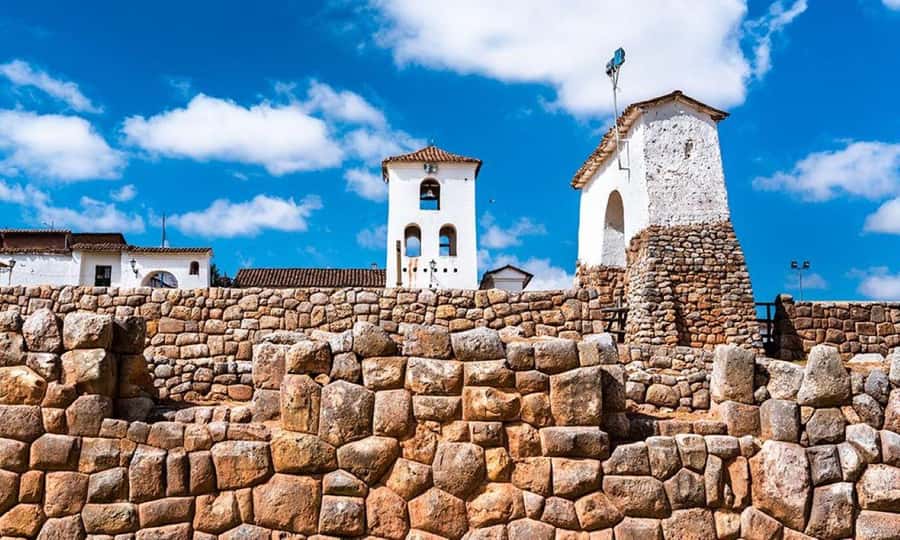
- Chinchero guided stop: a short, focused introduction to Inca culture before you move into bigger sites
- Urubamba Andean buffet lunch: included and timed as a true reset in the middle of the day
- Ollantaytambo + Pisac: major archaeological complexes in one outing, so you don’t spend your whole trip in transit
The 6:00–7:00 AM pickup: how the early start pays off
This tour starts early from your hotel, typically around 6:00–7:00 AM, with drop-off back near Plaza de Armas around 6:30–7:00 PM. That means you’ll be up while Cusco is still waking up, but it also means you’re moving through the Sacred Valley before the day gets too hot and the crowds feel heavier.
Why that matters: Maras and Moray are outdoors, and the salt wells at Maras are at an angle on the mountain slopes. The light and visibility tend to be better earlier in the day, and you’re less likely to feel rushed when you finally reach the big “wow” moment. It’s also a long day in total, so starting early helps you fit in all the sites without turning it into a half-day scramble.
You’ll want to plan for a full schedule: pickup, multiple archaeological centers, and a lunch break in Urubamba before heading back toward Cusco.
You can also read our reviews of more tours and experiences in Cusco
Chinchero first: a quick cultural warm-up in the Sacred Valley
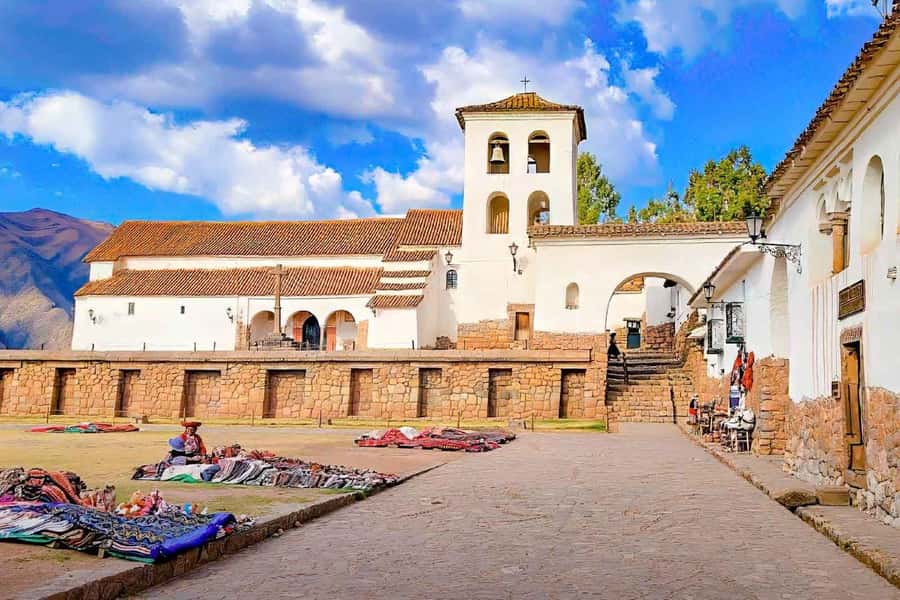
Your route begins with a transfer to Chinchero, where you’ll get a brief guided tour. This stop works like a primer. Instead of jumping straight to dramatic ruins or salt, Chinchero helps frame what you’re about to see across the Sacred Valley—especially how Inca culture connected to everyday life.
Then you move on toward Moray, where the tour’s theme shifts from cultural context to Inca engineering and agricultural thinking. Even if your Spanish is basic, the guide handles the storytelling in English and Spanish, which helps you stay oriented as you hop between sites.
A practical tip: keep your camera reachable. The Sacred Valley views show up between stops, and you’ll often want quick photos without digging for your lens bag.
Moray: the Inca agricultural laboratory that actually explains the area
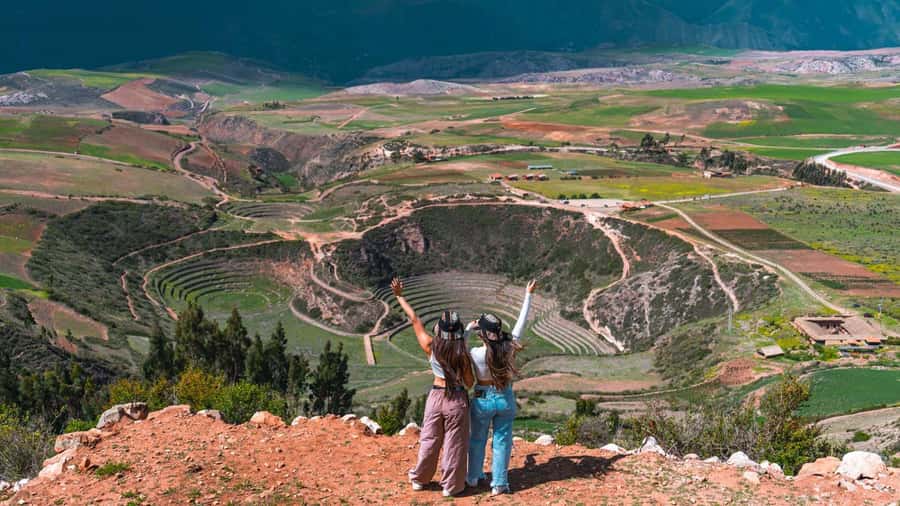
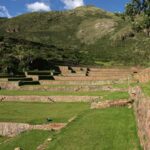
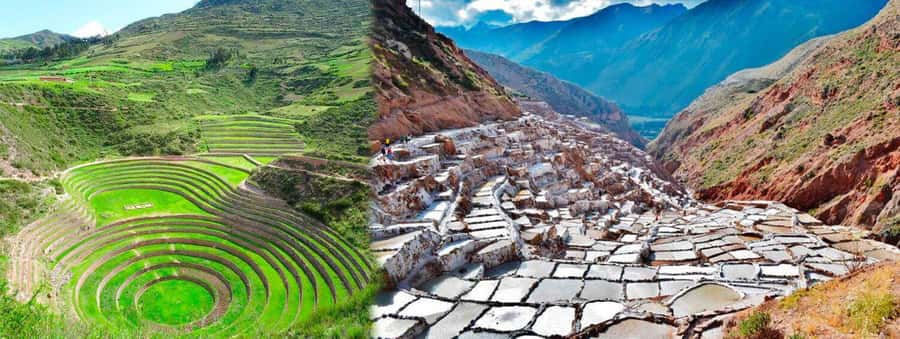
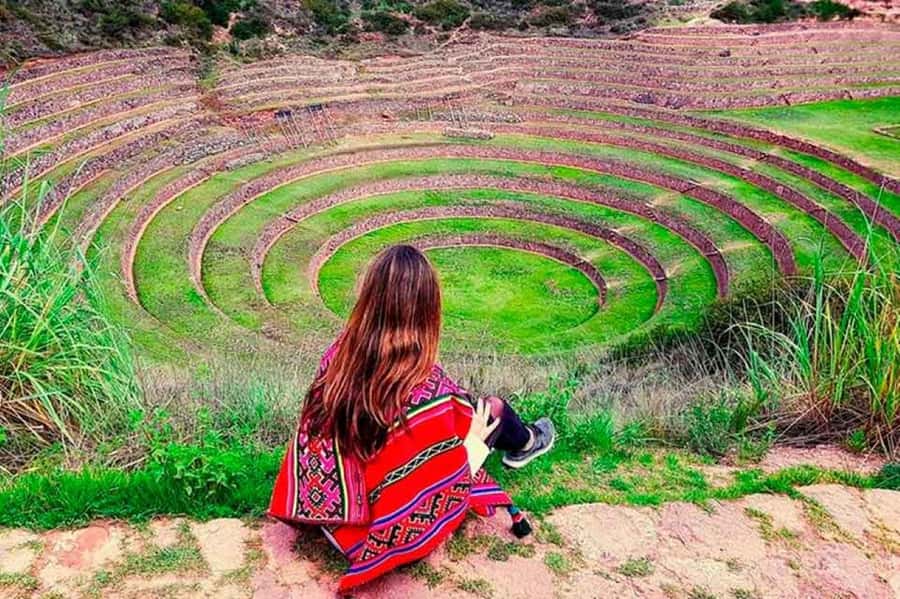
Moray is often the stop people remember because it’s not just ruins—it’s an experiment. It’s considered the agricultural laboratory of the Incas, and the core idea is straightforward: different conditions in the same area allowed different agricultural testing.
Here’s what that means for you on the ground. When you look at the circular terraces, you’re not only seeing stonework. You’re seeing a system designed to test crops and growing conditions. The tour guide’s job is to connect those terraces to the logic of Inca planning, not just give you a postcard description.
Moray is also where the day becomes more than sightseeing. The Sacred Valley was tied to resources for the Inca Empire, and Moray shows how they treated farming as serious knowledge—not guesswork. It’s one of those stops where the guide’s explanations can turn the site from pretty into meaningful.
Small budget note: the Moray entrance is not included. You’ll need the partial tourist ticket (listed as S/ 70 or 20 USD). If you’re trying to keep costs predictable, bring cash.
Maras salt mines: thousands of wells, serious age, and a salty view
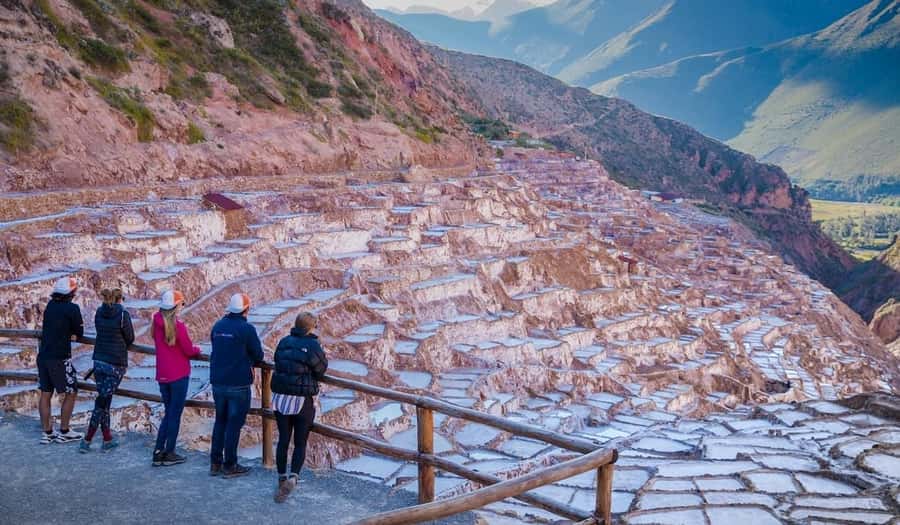
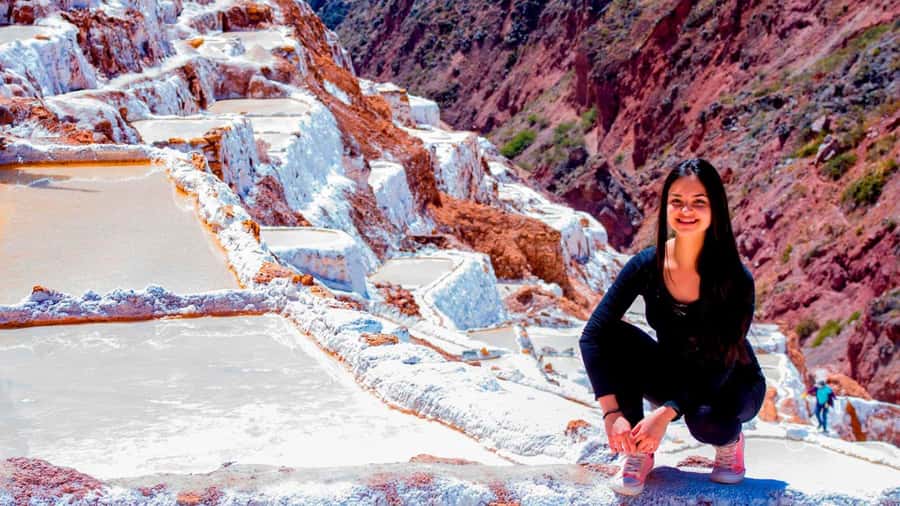
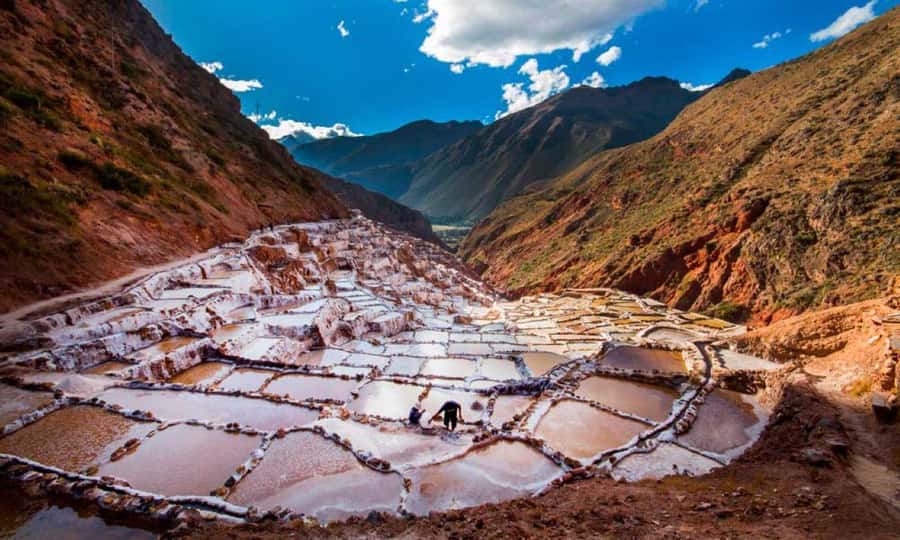
Next comes the salt wells of Maras, located on the slopes of the mountains. This is the headline moment for many people, and it’s easy to see why. You’re looking at thousands of salt wells that have been operating for over 3,000 years.
What makes Maras special is the scale and the setting. The wells aren’t all lined up neatly like a museum display. They climb the mountain, and that makes the view feel real and working—like you’re witnessing an industry that has been doing its thing long enough to outlast empires.
This is also where you’ll feel the “Sacred Valley works” theme. The area around the Urubamba River (historically known as Vilcanota) helped supply key needs for the Inca Empire. Salt mattered. It preserved food and supported daily survival and storage. Seeing the wells after hearing that context makes the stop click.
Entrance is separate: Maras entrance is not included (listed as S/ 15 or 5 USD). If you want the smoothest day, plan to pay this on arrival rather than realizing late that it isn’t covered.
Urubamba lunch break: included buffet that keeps you moving
After the Maras viewpoint, you’ll take a break in Urubamba for an Andean buffet lunch, which is included in the price. This is a big deal on a day trip like this, because long travel days often end with underwhelming meals or quick bites that don’t refill your energy.
This one is different because it’s built into the schedule as a real pause. You’ll have time to reset before the afternoon archaeological run. It also helps with pacing. The afternoon includes major sites at Ollantaytambo and Pisac, and you’ll want your energy steady.
Bring a power bank if you can. Your phone will probably work overtime on photos, maps, and translations.

Ollantaytambo: Temple of the Sun and the feeling of Inca planning
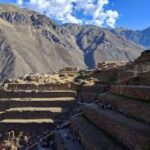
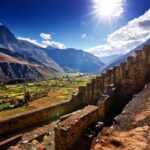
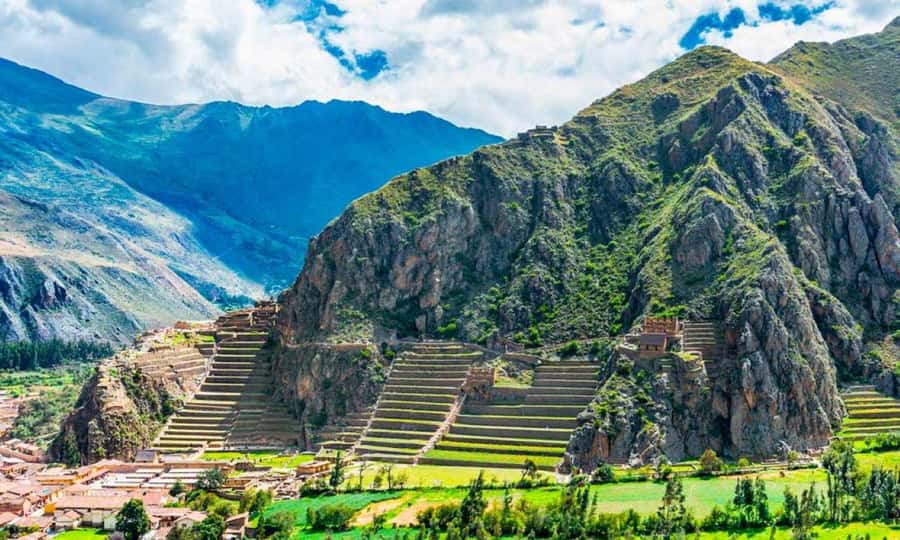
In the afternoon, you head to Ollantaytambo, another key archaeological center. The tour focuses on the most important complexes, including the Temple of the Sun.
This is one of those places where stonework starts to show you how the Inca built with purpose. You’re not just looking at random rocks. You’re seeing how the site organizes space around ritual and power, and the guide’s job is to connect these structures to what the Incas valued.
What I like about including Ollantaytambo on a day like this is that it balances the natural wonder stops with a heavier historical site. After Moray and Maras, you get to shift from farming and salt to ceremonial and political architecture.
You’ll also appreciate this stop if you like the idea of “reading” a site. Even if you don’t catch every detail, the guide’s explanations help you see patterns: terraces, placements, and the logic of how people moved through the complex.
Pisac after the heat: major complexes in the late-day rhythm
Your final archaeological stop is Pisac. You’ll visit important complexes here too, wrapping up the Inca site portion before returning to Cusco.
Pisac works well as a closer because it gives you more variety after Ollantaytambo. The Sacred Valley day trip isn’t trying to be one long line of similar ruins. It’s stacking different styles and different areas so you get a broader sense of how the Inca left their mark across the region.
Timing matters. Late-day visits often come with softer light and fewer new surprises. That can be a good thing on a long day—less “new wow” pressure, more time to slow down, take photos, and let the information land.
Cost and value: what you actually pay for a $35 day
The listed price is $35 per person for a 1-day outing. On paper, that sounds like a lot of sites for one day, and the value comes from what’s included: hotel pickup, a professional guide, buffet lunch, and drop-off near Plaza de Armas.
Then there’s the reality check: Maras and Moray entrances are not included. That means you should budget extra for tickets—Maras S/ 15 (5 USD) and Moray S/ 70 (20 USD) are listed as the amounts to plan for. If you’re doing quick math, you’ll end up paying a bit more than the base $35 once you add those site fees.
Is it still good value? For many people, yes, because the alternative is trying to stitch together transport, timing, and guided interpretation across multiple remote sites. This tour handles the route, the guide, and the lunch, so you spend your mental energy on enjoying the stops, not coordinating them.
Also, you’ll be paying for a day that’s basically a guided tour of the Sacred Valley’s core themes: resources (salt and farming), power (major centers), and Inca culture across multiple sites. For a first visit to the region, that’s a strong use of time.
Practical tips so the day feels smooth
A few things you’ll be glad you did before you leave Cusco:
- Bring cash for entrances at Maras and Moray. Both are specifically listed as not included.
- Bring your passport, a camera, a power bank, and be ready with a payment method or cash for extra expenses.
- Don’t expect wheelchair-friendly routes. It’s listed as not suitable for wheelchair users, and it’s also not suitable for visually impaired people.
- Follow the basic vehicle rules: no smoking, and no alcohol and drugs. Also, no drones.
- Provide a WhatsApp number with the correct country code so the provider can communicate with you during the process.
And because the day starts early, pack like you’re doing a hike: water (even if lunch is included), sun protection, and layers. The Sacred Valley can feel surprisingly changeable through a full day.
Who this Sacred Valley tour fits best
This tour is a strong match if you want a guided overview of the Sacred Valley in a single day. You’ll likely enjoy it most if you:
- Want Inca culture plus archaeological sites without spending days organizing logistics
- Like seeing how the Inca used geography for real life—food supply, farming experiments, and salt
- Prefer a professional guide who explains what you’re looking at as you go
It may not be the best fit if you need very slow pacing, lots of accessibility support, or very short days. It’s built as a full itinerary.
Should you book the Cusco Sacred Valley Day Trip with Maras & Moray?
I’d book it if you want one day that covers the Sacred Valley’s must-sees with a guide and an included meal. The price-to-coverage ratio is solid, especially because hotel pickup and drop-off near Plaza de Armas take away the hardest parts of planning. Moray and Maras give you the “Inca science and resources” angle, while Ollantaytambo and Pisac add the big archaeological architecture you came for.
I’d think twice if you’re trying to keep costs dead-flat, because you’ll still need separate entrances for Maras and Moray. Also, if access needs are part of your planning, this one is not listed as suitable for wheelchair users or visually impaired people.
If your goal is a well-run, guided Sacred Valley day that’s packed but understandable, this is the kind of itinerary that makes your Cusco visit feel complete.
FAQ
What’s included in the Sacred Valley day trip price?
The tour includes hotel pickup (near or within the Historic Center), a professional guide, an included buffet lunch, and drop-off near Plaza de Armas in Cusco.
What time does the tour pick you up in Cusco?
Pickup is scheduled between 6:00 and 7:00 AM.
What time will I be back in Cusco?
You should be dropped off near Plaza de Armas around 6:30–7:00 PM.
Is the lunch included, and is it buffet style?
Yes. The tour includes an Andean buffet lunch in Urubamba.
Are the Maras and Moray entrance tickets included?
No. Maras entrance is not included (S/ 15 or 5 USD), and Moray entrance is not included (partial tourist ticket listed as S/ 70 or 20 USD).
What languages are the guides available in?
The live tour guide is available in Spanish and English.
What should I bring for the tour?
Bring your passport, camera, cash, and a power bank.
Is this tour suitable for wheelchair users?
No. The activity is listed as not suitable for wheelchair users (and it’s also not suitable for visually impaired people).