REVIEW · CHINCHERO DISTRICT
From Cusco: Chinchero, Moray, Maras, Ollantaytambo, Pisaq
Book on GetYourGuide →Operated by Midway Peru Adventures · Bookable on GetYourGuide
Circular terraces and salt mines in one day.
This tour is a fast, well-planned way to see the Sacred Valley highlights without figuring out transport or timing. I especially like the Chinchero stop, where you learn how textiles start as alpaca fiber and end up as wearable art.
My other favorite part is the contrast: the high, engineered feel of Ollantaytambo followed by the strange, otherworldly look of Maras Salt Mines. The main drawback to plan for is that the schedule is tight—many sights get a guided walk, but not long free time.
In This Review
- Key things I’d circle on your map
- Sacred Valley in a Single 12-Hour Loop From Cusco
- Chinchero Textiles and the Inca Enclosure of Tupac Yupanqui
- Moray’s Circular Terraces: An Inca Agriculture Lab
- Maras Salt Mines: 4,000+ Pits Still in Use
- Urubamba Lunch That Actually Feels Like a Break
- Ollantaytambo Fortress Walk-Through
- Pisac Agricultural Terraces and the Inca Cemetery
- Price and Logistics: Is $45 Worth It?
- Who This Tour Suits Best (and Who Should Skip It)
- Should You Book This Sacred Valley Day Tour?
- FAQ
- What sites are included in this Cusco Sacred Valley tour?
- How long is the tour and where does it start and end?
- Is lunch included, and is there a vegetarian option?
- Are entrance tickets included in the $45 price?
- What languages are available for the guide?
- Does the tour allow drones?
Key things I’d circle on your map
- Chinchero textiles that actually show the process from alpaca fiber to finished products.
- Moray’s circular terraces explained as an experimental agricultural setting.
- Maras Salt Mines with 4,000+ pits and the sense that tradition is still living work.
- Ollantaytambo fortress enclosures you can walk inside, not just look at from afar.
- Pisac agricultural terraces plus the Inca cemetery for a fuller picture than one single landmark.
- A bilingual guide and small-group transport (up to 18 people), which helps the day feel organized.
Sacred Valley in a Single 12-Hour Loop From Cusco
This is a long day, but it’s set up for efficiency. You get picked up from your hotel or Airbnb in Cusco’s historic center, then you ride out as a group toward the Sacred Valley sites before returning to the city near Plaza Regocijo.
The pace is the big trade-off. You’ll see five major archaeological areas, plus Chinchero’s textile center, but the time at each place is limited to guided visits and short breaks. If you prefer wandering slowly with zero schedule pressure, you might find it a bit rushed.
The upside: you don’t spend your day negotiating buses. The coach has a maximum capacity of 18, and you travel with a guide who keeps the story straight and the group moving. One small practical detail that matters: you can end up on winding mountain roads, so it helps that the driver is used to those curves.
You can also read our reviews of more tours and experiences in Chinchero District.
Chinchero Textiles and the Inca Enclosure of Tupac Yupanqui
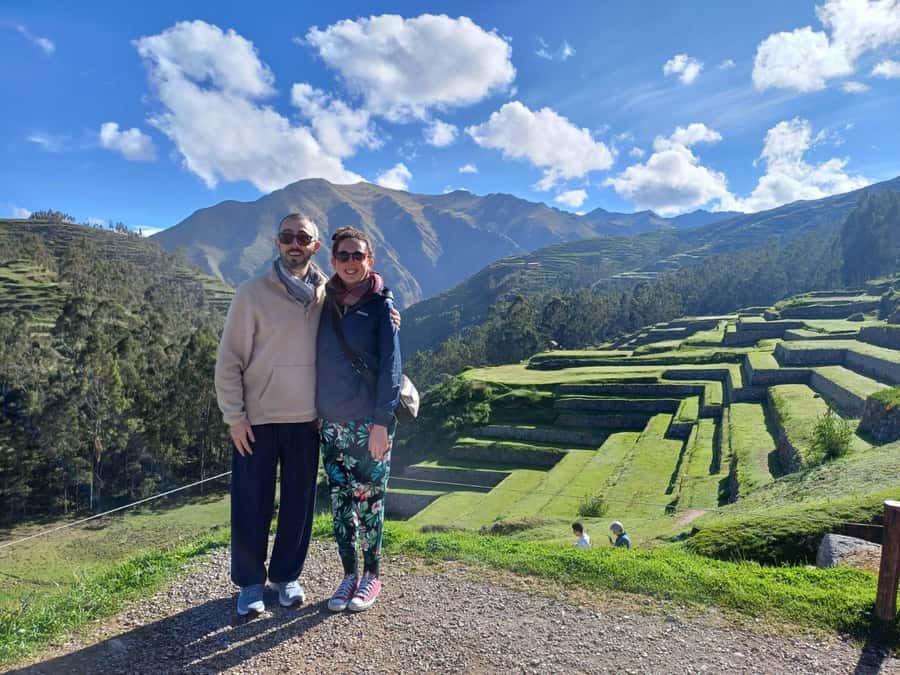
Chinchero is often the first real wow moment of the day. After pickup, you travel for about an hour, then you start with the textile center.
This stop is built around how alpaca-based textiles are made. You don’t just get a quick sales pitch—you learn the process, see the materials, and understand why certain techniques matter. If you’re the type who likes to buy something with a story, this is where you can connect the craftsmanship to the culture behind it. (And yes, there’s typically time to browse the shop after the demonstration.)
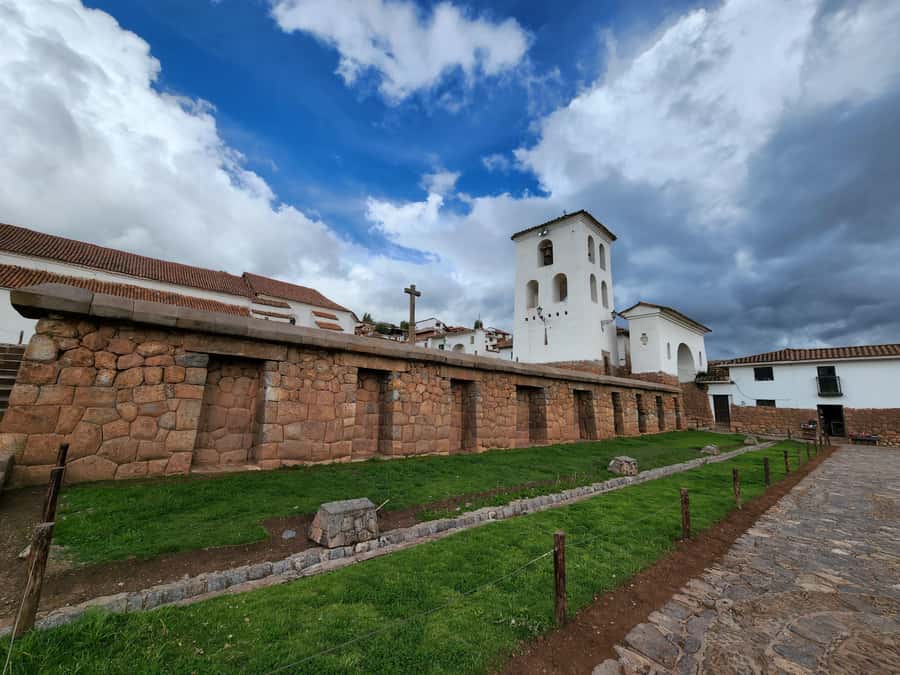
Next comes the archaeological side of Chinchero. You get a guided look at the Inca enclosure connected to Tupac Yupanqui. It’s a nice pairing: textiles first, then the site that shows how Inca power and sacred space expressed themselves in architecture.
A practical consideration: this portion is scheduled for about an hour of guided time, so wear comfortable shoes and try to keep your phone battery charged early—Chinchero is a place where you’ll want to take photos.
Moray’s Circular Terraces: An Inca Agriculture Lab
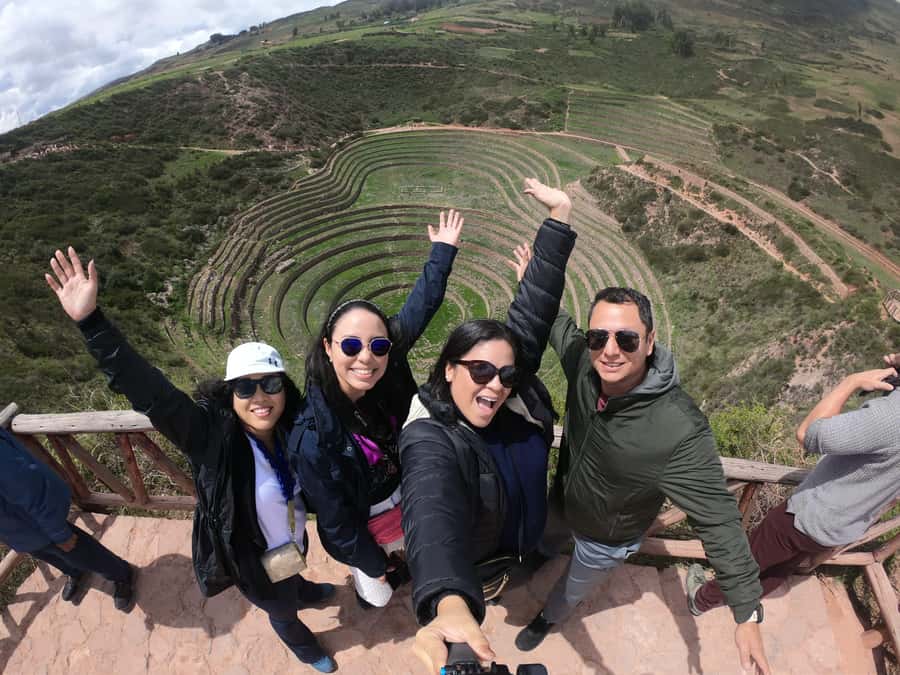
Then the day shifts into the unusual. Moray is where you see the circular terraces, and the guide explains why they’re considered an experimental agricultural laboratory.
From a visitor’s perspective, Moray feels like an engineering puzzle. The geometry draws your eye, but what makes it memorable is the explanation tying the terraces to agricultural testing. You get just enough time (about 30 minutes of guided viewing) to understand what you’re looking at without feeling like you’re stuck there.
The drawback is also built into the format. Since Moray is a short stop, you won’t have the leisure time for sketching, long photo sessions, or reading every sign. If you’re the kind of person who wants to linger, keep your expectations realistic: this is a learning-through-walking kind of visit.
Tip: bring a light layer. Even if Cusco is sunny, terrace areas can feel cooler and breezy.
Maras Salt Mines: 4,000+ Pits Still in Use
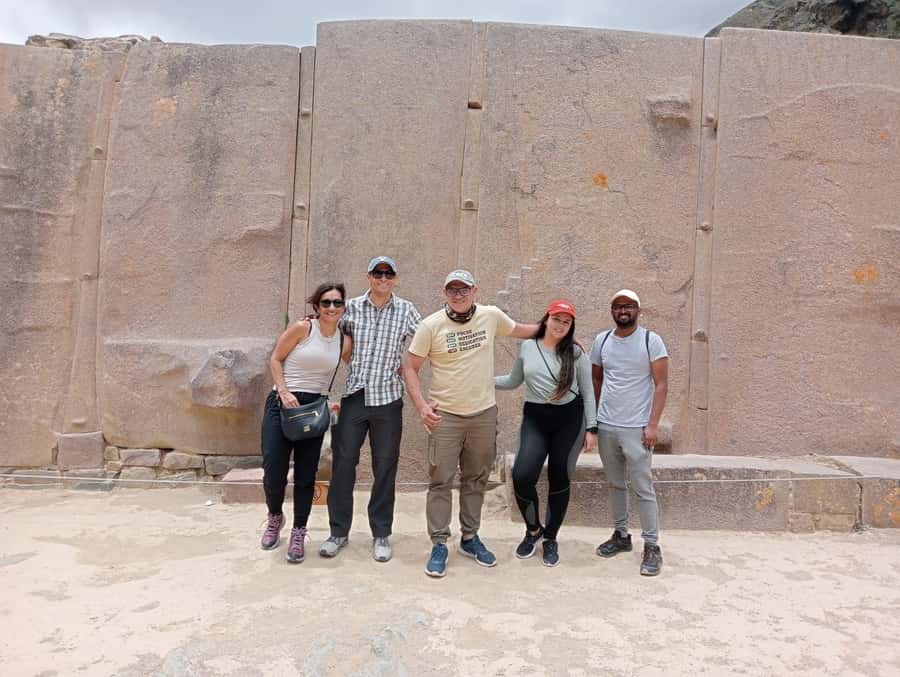
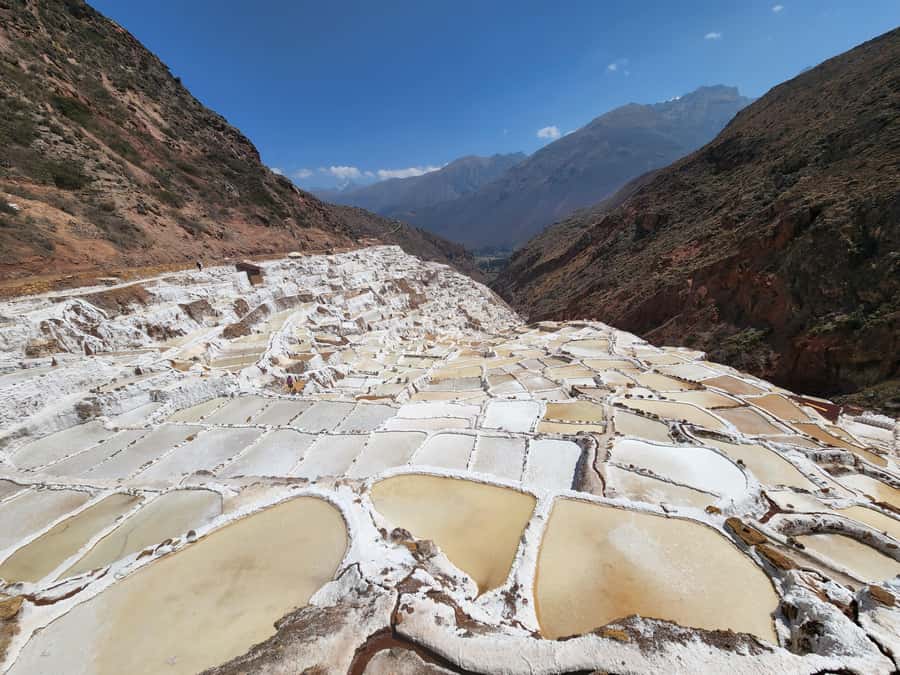
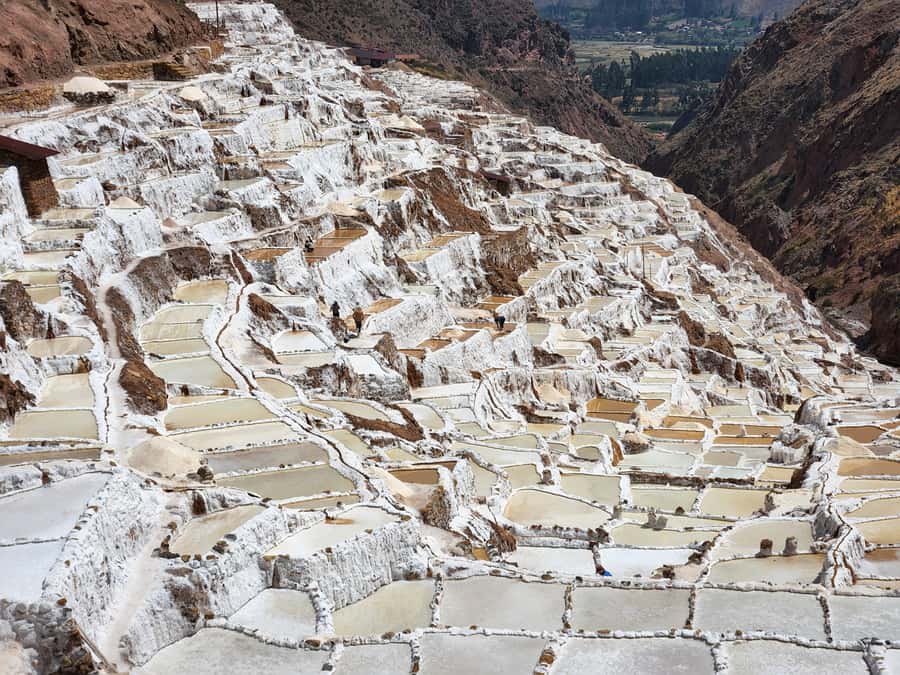
Maras is where the scenery takes on a surreal quality. You visit the Maras Salt Mines, an area with more than 4,000 salt extraction pits. The guide explains how the Incas extracted salt there, and today the local population continues with the same tradition.
What I like about this stop is the mix of past and present. You’re not only looking at ruins; you’re watching a living practice. The pits create a grid-like view down the slope, which makes it easier to take in the scale even during a guided visit.
This stop lasts about 40 minutes. That timing works well because you get enough time to understand the process and walk around without it turning into a long slog. The only consideration: you may want to bring water and snacks if you’re prone to getting hungry, since drinks and snacks are not included on the tour.
Important money note: the Maras salt mines entrance ticket is not included in the $45 price. You’ll need to budget for that ticket separately.
Urubamba Lunch That Actually Feels Like a Break
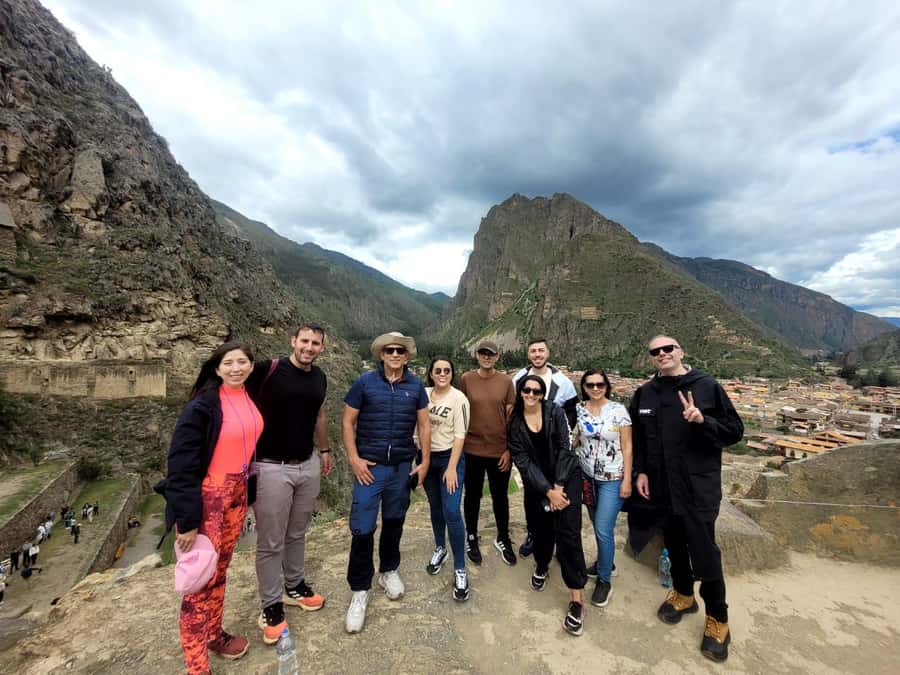
Between ruins, you get a real lunch pause in Urubamba. The tour includes a buffet lunch with an Andean menu, and there’s a vegetarian option.
This part is scheduled for about 40 minutes, so it’s long enough to reset before the afternoon push. I like that the lunch is included, because it keeps you from hunting for food while managing your energy levels.
A balanced view: buffet meals can vary, and the tour setting means you’ll be eating with the group. Still, this is one of the moments that makes the long day manageable.
If you’re sensitive to travel timing, consider eating a little slower than you normally would. You’ll likely be happy you did once the next guided walks start.
Ollantaytambo Fortress Walk-Through
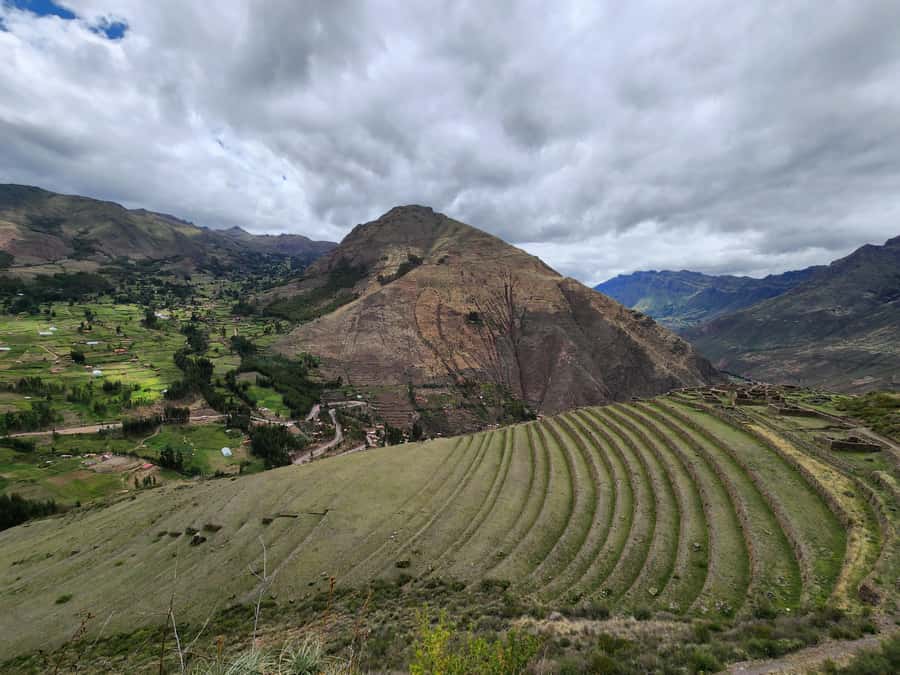
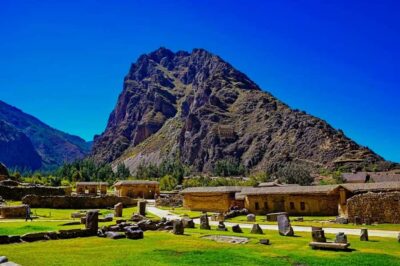
After lunch, the tone changes again with Ollantaytambo. The fortress here is famous for its imposing Inca constructions, and your guided visit is about 40 minutes, including time walking inside major enclosures.
This is a site that feels built for control. You’ll learn that Ollantaytambo was a great fortress built to defend the entrance to Machu Picchu, and once you’re inside, the scale makes that idea easier to grasp.
What I appreciate: you’re not limited to distant viewpoints. You get to walk through the main spaces, so you can better connect architecture to the story you’re being told. It’s also a strong photo stop without feeling like it’s only about photos.
One planning note from the day’s rhythm: if you’ve been taking pictures all morning, you’ll want to conserve a bit of time for Ollantaytambo. It’s the kind of place where stopping at the right angle matters.
Pisac Agricultural Terraces and the Inca Cemetery
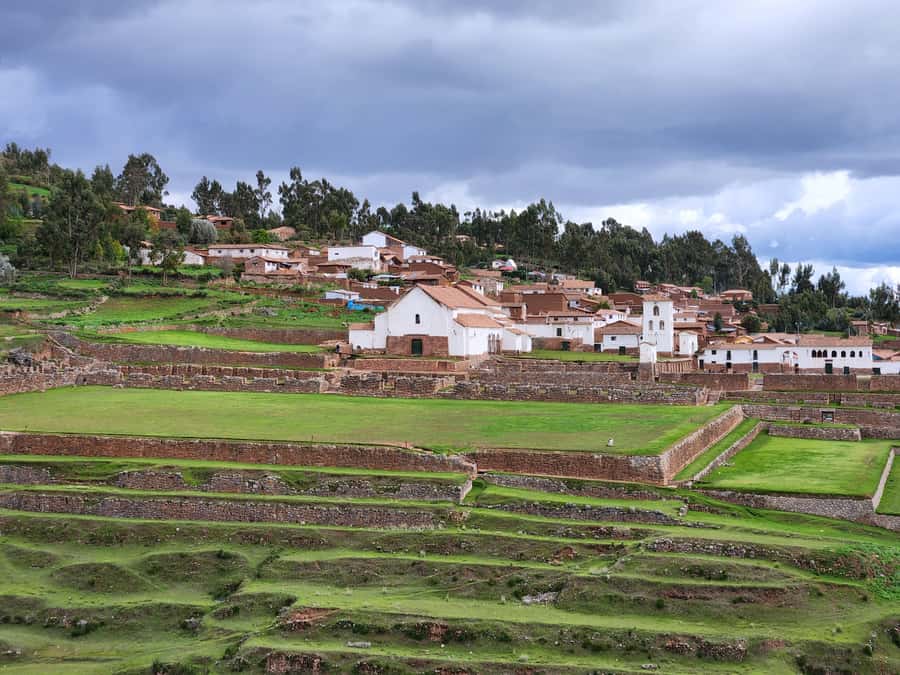
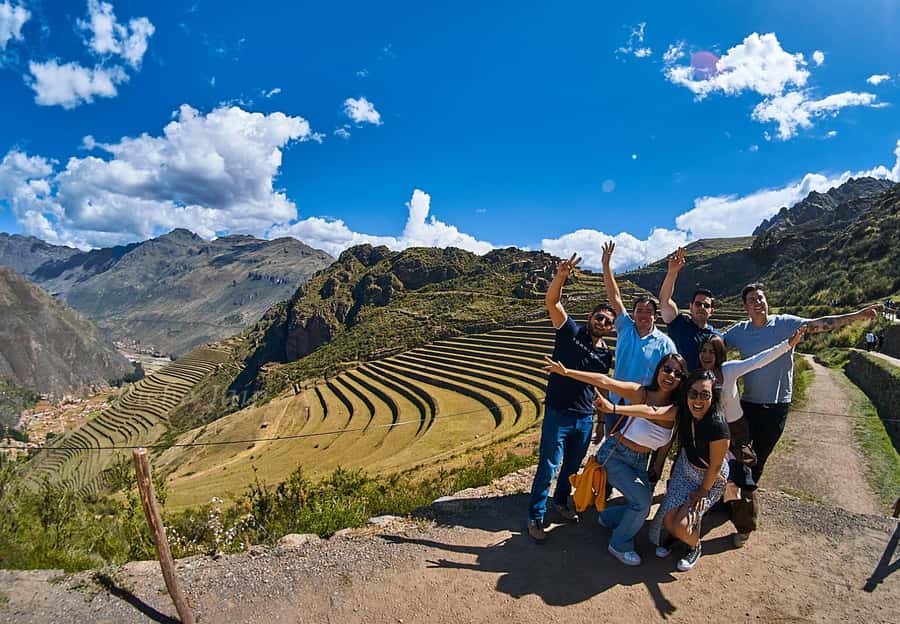
The day ends with Pisac, and it’s a solid finish. You visit Pisac for about 40 minutes, with guided coverage of agricultural terraces, the Inca cemetery, and different enclosures tied to Inca royalty.
Pisac can feel more spread out than some other sites, but the guided structure helps you connect the pieces. The agricultural terraces offer a visible link to how land was used, while the cemetery and royal enclosures add a more ceremonial, human side to the landscape.
This stop is less about one single jaw-drop object and more about getting a wider picture of what Pisac was used for. If you want one last look at Inca spatial planning before heading back to Cusco, this is the place.
Once the tour wraps, you’re dropped off back in Cusco near Plaza Regocijo, which is handy if you plan to step out for dinner without crossing the entire city.
Price and Logistics: Is $45 Worth It?
At $45 per person for a 12-hour day, the value is mainly in what’s included: hotel pickup, coach transport, a professional bilingual guide (English or Spanish), and lunch. You’re also traveling in a small group (up to 18 people), which usually makes it easier to manage questions and keep the tour flowing.
The cost you should plan for on top of that:
- Tourist Ticket: 70 soles (not included)
- Maras Salt Mines entrance ticket: 20 soles (not included)
- Drinks and snacks: not included
That separate ticket reality is the one part I always want people to budget for early. If you only look at the $45 figure, you can get surprised at the counter.
Also think about what you’re buying with the tight schedule. You’re paying for coverage of multiple sites in one day. If you’d rather go deeper in only one location, you might find a private or single-site tour fits better. But for first-timers wanting a structured introduction, this format makes sense.
Who This Tour Suits Best (and Who Should Skip It)
This tour makes the most sense if you:
- Want an organized day with pickup, transport, and a guide handling the explanations
- Like seeing multiple Sacred Valley sites without spending hours planning
- Appreciate practical stops like Chinchero’s textile demonstration, then pairing it with archaeology
It may not be ideal if you:
- Hate schedules and want long, unhurried wandering at each site
- Prefer free time over guided walks
One more important note: the tour is not suitable for people over 95 years. If that applies, you’ll want to choose a gentler option.
Finally, a heads-up on the rules: drones are not allowed.
Should You Book This Sacred Valley Day Tour?
I’d book it if you’re short on time in Cusco and want your Sacred Valley day to feel structured, informative, and efficient. The combination of Chinchero textiles, Moray’s terraces, Maras Salt Mines, Ollantaytambo’s fortress feel, and Pisac’s terraces and cemetery gives you a full spread of what makes this region worth visiting.
I’d think twice if you’re the kind of person who needs lots of downtime. Because the visits are guided and timeboxed, you won’t get the slow, contemplative version of each site.
If you do book, come prepared for a long day: comfortable shoes, layers, and a phone battery you can trust. Also budget for the extra tickets on site so your day stays stress-free.
FAQ
What sites are included in this Cusco Sacred Valley tour?
You’ll visit Chinchero (textile center and archaeological area), Moray (circular terraces), the Maras Salt Mines, Ollantaytambo (fortress and enclosures), and Pisac (agricultural terraces, Inca cemetery, and enclosures).
How long is the tour and where does it start and end?
The tour lasts 12 hours. It starts with hotel pickup in Cusco’s historic center and ends with drop-off in Cusco near Plaza Regocijo.
Is lunch included, and is there a vegetarian option?
Yes. The tour includes a buffet lunch in Urubamba and it includes a vegetarian option.
Are entrance tickets included in the $45 price?
No. The Tourist Ticket (70 soles) and the Maras Salt Mines entrance ticket (20 soles) are not included. Drinks and snacks are also not included.
What languages are available for the guide?
The guide is available in English or Spanish.
Does the tour allow drones?
No, drones are not allowed.