REVIEW · CUSCO
Cusco: Uros Taquile Island from Cusco
Book on GetYourGuide →Operated by Chullos Tours · Bookable on GetYourGuide
A night bus to the floating reeds sounds odd, then it’s brilliant. This Cusco-to-Puno day trip connects two big Peruvian routes and puts you face-to-face with daily life on Uros and Taquile. I especially liked the guided look at how reeds shape homes and boats on Uros, and the simple, local lunch on Taquile made by people who actually live there. The main drawback to plan around is logistics: you’re on an all-night bus, and the reviews flag occasional pickup timing glitches near Cusco terminals.
If you want Lake Titicaca in a single shot, this is a practical way to do it. You get a guided boat tour, a Taquile town walk, and enough downtime in Puno to reset before heading back. Just remember this isn’t a slow, romantic day on the water; it’s a structured transfer day that starts late, runs early, and ends even earlier the next morning.
In This Review
- Key points at a glance
- What this tour really is: Cusco to Puno, with Lake Titicaca in-between
- The overnight Cusco → Puno ride: why it’s worth it, and what to expect
- Uros floating reed islands: what you’ll learn, and how to make it easier
- Mosquitos are part of the deal
- Bring a camera, but also manage your time
- Taquile Island: the town walk, the fabric stories, and the lunch
- Lunch on Taquile is the cultural payoff
- A fair reality check
- Back to Puno by late afternoon: how to use your free time
- Puno → Cusco again: the second overnight transfer
- Price and value: is $150 a fair deal for Cusco + Lake Titicaca + Taquile?
- Practical tips that make the difference on Lake Titicaca
- Who should book this tour (and who should skip it)
- Should you book Cusco: Uros Taquile Island from Cusco?
- FAQ
- What is the duration of the tour?
- Where does the tour take place?
- What is the typical pickup time in Cusco?
- What time does the tour start in Puno?
- What meals are included?
- Do I need my passport for this tour?
- What languages is the guide in?
- What should I bring?
- Is luggage allowed?
- Is this tour suitable for everyone?
Key points at a glance
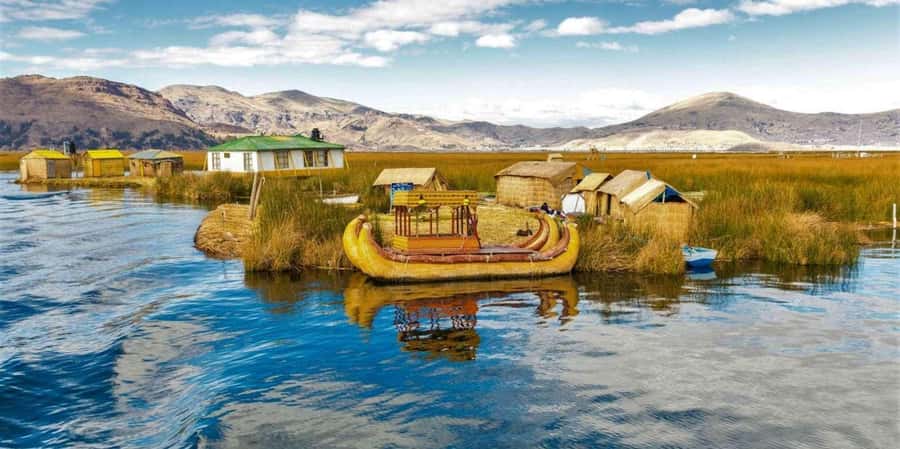
- Reed-based living on Uros: you’ll see how locals use totora reeds for homes, boats/rafts, fuel, and even food
- Taquile with a real town walk: about a 1-hour walk to reach the town and observe customs
- Local lunch on Taquile: a typical meal in a community setting, plus fabric-focused explanations
- Overnight bed-bus routing: Cusco → Puno the whole night, then Puno → Cusco after an afternoon break
- Mosquito reality check: the floating-island area can mean lots of them, so pack repellent
What this tour really is: Cusco to Puno, with Lake Titicaca in-between

This experience is basically a bridge between Cusco and Puno. The tour does not treat the islands like a separate side quest; it uses them as the reason you’re crossing Lake Titicaca in a tight schedule. That matters, because you’ll feel the rhythm of an efficient route more than a relaxed sightseeing day.
You start with a late hotel pickup from Cusco to the land terminal at 9:15 pm. Then comes the all-night ride—your bed bus goes from Cusco to Puno and arrives around 5:00–5:30 am (timing is approximate). Once you’re in Puno, you’re not stuck waiting all day. Breakfast happens first, and the island tour kicks off around 7:00 am.
When the tour ends, you’re back in Puno by about 5:00 pm, with a free afternoon, and then you head back to Cusco that night. So yes, it’s two transport days folded into one. For the right traveler, that’s a win: you stop spending time transferring between cities and instead spend that time learning, eating, and looking at how people live on the lake.
You can also read our reviews of more tours and experiences in Cusco.


The overnight Cusco → Puno ride: why it’s worth it, and what to expect

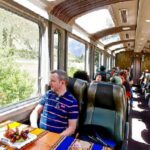
The all-night bus is the engine of the day. The schedule is clear: pickup at 9:15 pm in Cusco, bus all night, arrival in Puno around 5:00 am, then guided touring starts once you’ve had breakfast.
Why do this instead of taking the islands on another day? Timing. Lake Titicaca is easier to fit in when you’re already traveling from one city to the other. If you try to separate everything into stand-alone tours, you often end up paying extra for extra nights or adding more local transportation stress.
Still, there are tradeoffs you should respect. You’re sleeping upright, on a schedule that starts late and finishes early the next day. If you’re the type who needs a full, comfortable sleep to enjoy the morning, this may feel rushed. Bring warm clothing and dress like you expect chilly bus air, because you’ll be waiting outdoors at terminals and then standing around for boat departures.
Also, keep an eye on your meeting points. One review flagged a late taxi pickup from the hotel to the terminal in Cusco and then a surprise charge despite it being included. You can’t control a driver, but you can control your margin: if your pickup time is 9:15 pm, get ready early and confirm the exact pickup address with the provider or your local contact before you leave your room.
Uros floating reed islands: what you’ll learn, and how to make it easier
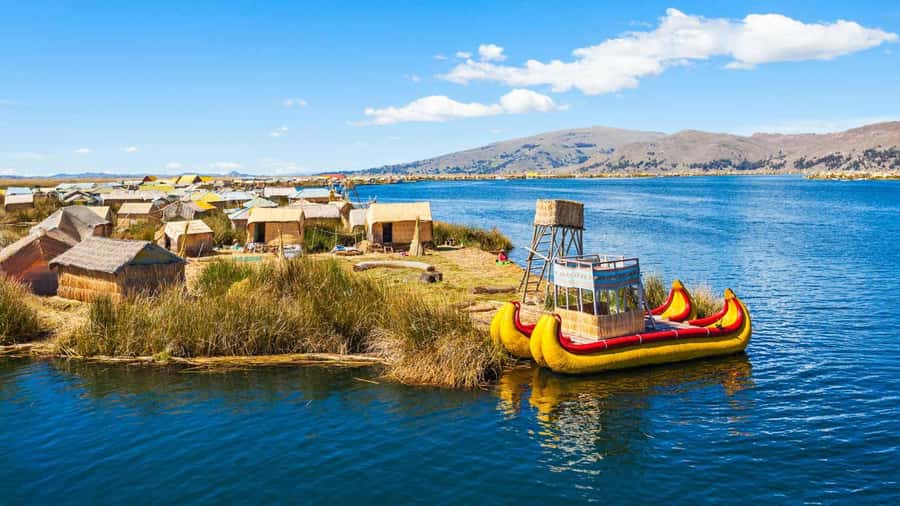
Uros is the part of the trip that often feels most unusual at first glance. These are islands built from reeds—specifically, the tour describes reeds used by the inhabitants not just for show, but as an everyday material. You’ll get a guided visit where locals explain practical uses of totora reed life.
Here’s what makes this stop genuinely interesting: it’s not a performance of history. The tour format is built around how the reed ecosystem becomes infrastructure. You’re told the reeds are used for:
- homes
- boats/rafts
- fuel
- and even as food for humans
That list matters because it explains why Uros exists the way it does. When you hear those uses back-to-back, you start to understand the logic of the place. The reeds aren’t just scenery; they’re a system.
Mosquitos are part of the deal
One of the most direct pieces of feedback from reviews is about mosquitoes at the floating islands. That’s a real, practical caution. Plan to protect your skin and clothes. At minimum, bring insect repellent and consider long sleeves you’ll be comfortable in. If you normally skip repellent because you’re only outdoors for an hour, don’t do that here.
Bring a camera, but also manage your time
You’ll be seeing reed structures up close, and you’ll likely want photos. The tour includes a guided visit, which usually means you’ll have a clear pace and an explanation as you look. To avoid feeling like you’re constantly switching between listening and shooting, I recommend taking a few slow photo stops and then fully listening during the rest.




Taquile Island: the town walk, the fabric stories, and the lunch
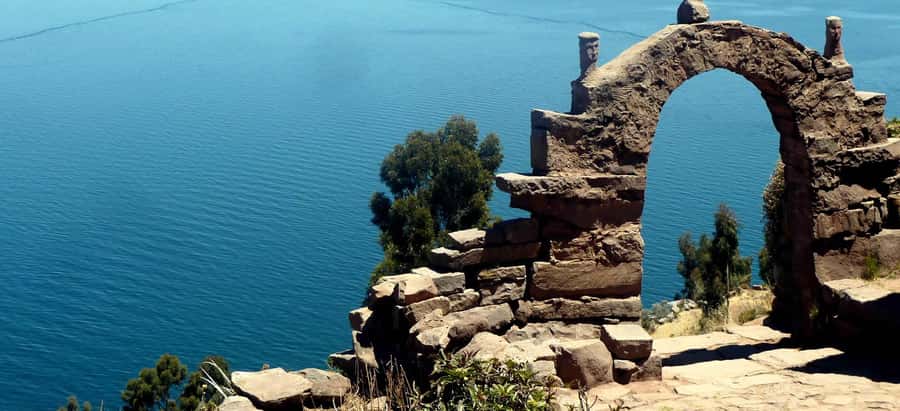
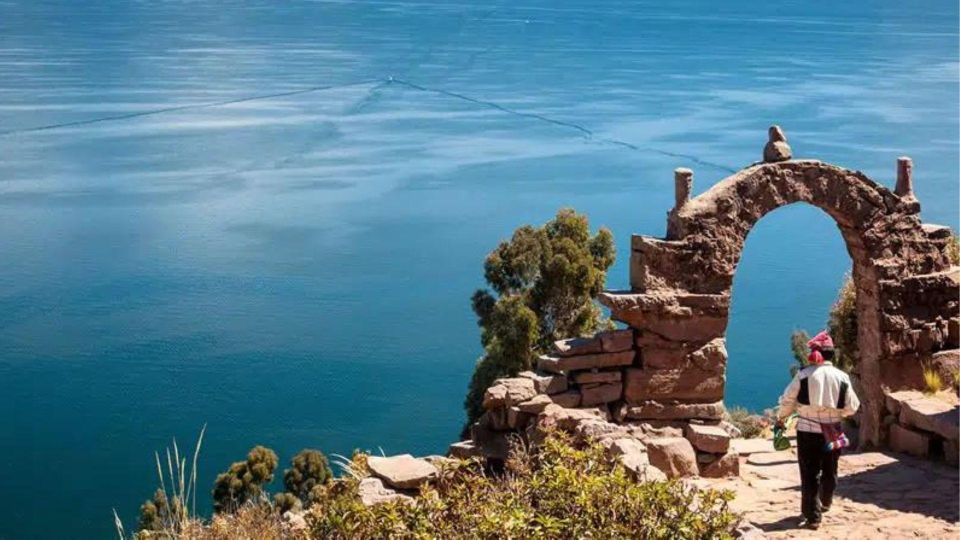
After Uros, you’ll head to Taquile Island by boat. The timing is defined: you get about a 1-hour walk to reach the town. The point of this isn’t to conquer a hike. It’s more about getting your eyes adjusted and then seeing how people live and dress in a settled community on Lake Titicaca.
The tour’s description emphasizes observing landscape and customs from the route to town. Since this is an active walk, you’ll want comfortable clothes and footwear you can trust on uneven ground. The lake region can also feel colder than you expect, especially if the morning air is brisk. A jacket helps more than you think.
Lunch on Taquile is the cultural payoff
Taquile includes a typical lunch in a local restaurant. The standout part here is that the meal ties into the broader cultural presentation—locals show how they live through their fabrics. That connection is exactly what makes the stop feel worthwhile. You’re not just eating; you’re learning what the textiles represent and why they matter.
In the reviews, lunch shows up as a specific positive: it was described as tasty. That’s useful because lots of island tours promise local food and then deliver something bland or generic. Here, at least in the feedback you have, the meal quality was part of what people liked.
A fair reality check
Taquile is guided and structured, so you won’t have unlimited freedom to wander. You’re walking a set route to the town, then eating in the time window the itinerary provides. If you’re the type who likes long, spontaneous wandering, you may feel slightly guided—though the tradeoff is that you’ll understand what you’re seeing.
Back to Puno by late afternoon: how to use your free time
The tour returns to Puno at about 5:00 pm. After that, you have a free afternoon before the return transfer to the Puno land terminal.
This is your practical reset window. You’ve just done:
- overnight travel
- a morning island boat tour
- a full guided Uros visit
- a Taquile walk and lunch
So use the free time for things you’ll want after a long day: a real sit-down meal (if you want dinner later, you’ll see why this matters in a second), a warm drink, and time to recharge before getting back on the bus.
Also note: dinner isn’t included. You’ll probably need to sort out food options during your free time in Puno or on the way back. Bring some cash in case you run into places that don’t take cards, since the tour notes cash is useful.
Puno → Cusco again: the second overnight transfer

After your free time, you’re transferred to the bus terminal at 9:00 pm, with departure at 10:00 pm. Arrival in Cusco is around 5:30 am the next day. Then your staff picks you up at the Cusco bus station and takes you to your hotel.
This return leg is why the tour earns points for efficiency. You don’t finish the day and lose another entire travel day. You’re back where you started, and you can decide what to do with the rest of your Cusco time.
One more logistics note: the earlier review that complained about pickup issues seems like a reminder to stay alert around terminal transfers. The tour includes pickup on both ends, but execution can vary. If you can, confirm your pickup instructions in writing (even a simple message) the day before, and don’t assume the same taxi will appear exactly on time.
Price and value: is $150 a fair deal for Cusco + Lake Titicaca + Taquile?
At $150 per person for a 1-day experience, you’re paying for far more than a boat ride. What you’re really buying is a bundled transfer day that includes:
- hotel → Cusco land terminal transport
- Cusco ↔ Puno bus tickets (both ways) on a bed bus
- Puno pickup and terminal transfers
- boat tour for Uros and Taquile
- basic breakfast
- traditional lunch in Taquile
- a guided component in both island areas
If you tried to cobble this together yourself—overnight bus, two separate tours, boat transport, breakfast/lunch arrangements—you’d likely spend more time and possibly more money. The value here is the structure: you’re getting transportation, guided visits, and meals folded into one price.
The hidden “cost,” if you want to call it that, is your energy. The all-night bus is part of the deal. But for travelers moving between Cusco and Puno anyway, that fatigue is often the same fatigue you’d pay for transport. Here, it’s wrapped in a meaningful cultural day instead of being dead time.
So I see the $150 as reasonable if:
- you’re traveling between Cusco and Puno
- you want to see Uros and Taquile without extra nights
- you’re okay with a tight schedule
Practical tips that make the difference on Lake Titicaca
Here’s how to set yourself up so the day feels smoother, not frantic.
Bring:
- Passport (the tour requires sharing passport information for ticket purchase)
- Warm clothing and a jacket (lake + early hours can be cold)
- Comfortable clothes and something warm for walking on Taquile
- Camera
- Cash
Think about what the tour says is not allowed:
- No large luggage or big bags
- No pets
- The tour isn’t suitable for pregnant women or wheelchair users
That luggage restriction is more than a line item. If you show up with a huge bag, you may feel stressed about where everything goes during transfers and on the boat.
And don’t forget the mosquito warning from the Uros experience. Even if you’re not usually bothered by insects, the floating reed area can be a different story.
Who should book this tour (and who should skip it)
This fits best if you want a cultural, guided Lake Titicaca day and you’re already planning to move from Cusco to Puno (or the other direction). It also suits people who like clarity: pickup times, set windows, guided explanations, and a full day that ends predictably.
You might consider skipping it if:
- you strongly prefer normal daytime travel instead of overnight buses
- you get miserable with early starts and cold mornings
- you need accessibility support beyond what this tour offers
- you’re sensitive to mosquito bites and don’t want to prepare
The reviews support the big positives: scenery was described as beautiful, guides were competent and informative, and lunch was tasty. So if those are your priorities, you’re likely to feel satisfied with the core experience.
Should you book Cusco: Uros Taquile Island from Cusco?
Book it if you want maximum value from your time and you’re okay with the overnight schedule. It’s a smart way to connect Cusco and Puno while still getting guided stops at both Uros reed islands and Taquile, including a local lunch and fabric-focused cultural context.
Skip it if your plan doesn’t include moving to Puno anyway, because the overnight bus is the real commitment. And because a review flagged pickup/taxi issues in Cusco, I’d also be careful and confirm your pickup plan in advance so you don’t waste energy at the start of the day.
If you do book, pack warm layers, insect repellent, and keep cash handy. That’s how you turn a long travel day into a genuinely memorable Lake Titicaca experience.
FAQ
What is the duration of the tour?
The experience is listed as 1 day.
Where does the tour take place?
It runs on Lake Titicaca and includes stops at Uros and Taquile Island through Puno.
What is the typical pickup time in Cusco?
Pickup from your hotel is scheduled at 9:15 pm in Cusco.
What time does the tour start in Puno?
After an arrival in Puno around 5:00 am and a basic breakfast, the tour begins at approximately 7:00 am.
What meals are included?
You get a basic breakfast and a traditional lunch in Taquile. Dinner is not included.
Do I need my passport for this tour?
Yes. The tour notes that you must share your passport information to purchase tickets to the centers described.
What languages is the guide in?
The live tour guide is listed in Spanish and English.
What should I bring?
Bring your passport, warm clothing/jacket, comfortable clothes, a camera, and cash.
Is luggage allowed?
No. The tour specifically lists no luggage or large bags.
Is this tour suitable for everyone?
The tour is not suitable for pregnant women or wheelchair users. Pets are not allowed, and you should also note other listed restrictions (like baby carriages and mobility scooters).