REVIEW · PISAC & OLLANTAYTAMBO TOURS
Super Sacred Valley with Transfer to Ollantaytambo
Book on GetYourGuide →Operated by Exploor Trip E.R.L · Bookable on GetYourGuide
Sacred Valley in one day feels time-warped. This route strings together Inca ruins and Andean everyday life, from craft-market culture to salt production and a final stop in Ollantaytambo. You’ll move through places tied to agriculture, food, and empire—without needing multiple tour days.
What I like most is the mix: the Chinchero market side-by-side with its archaeological and colonial highlights, and the way Moray’s circular terraces show how Inca science worked. I also appreciate that lunch is built in at Urubamba, so you’re not just snacking your way through high-altitude sightseeing.
One possible drawback: the day can feel like a fast sequence, and the biggest time/comfort variable is how strictly everyone keeps up at each stop—especially if you’re carrying luggage and need to move quickly. Also, entrance fees (and Maras salt mines access) are not included, so budget a bit extra.
In This Review
- Key highlights worth planning for
- How the One-Day Route Fits Sacred Valley Dreams
- Chinchero at 3,780m: market culture plus church and ruins
- Moray’s circular terraces: Inca agriculture research in plain sight
- Maras Salt Mines: 4,000+ wells and why salt matters
- Urubamba lunch: a real break that keeps the day workable
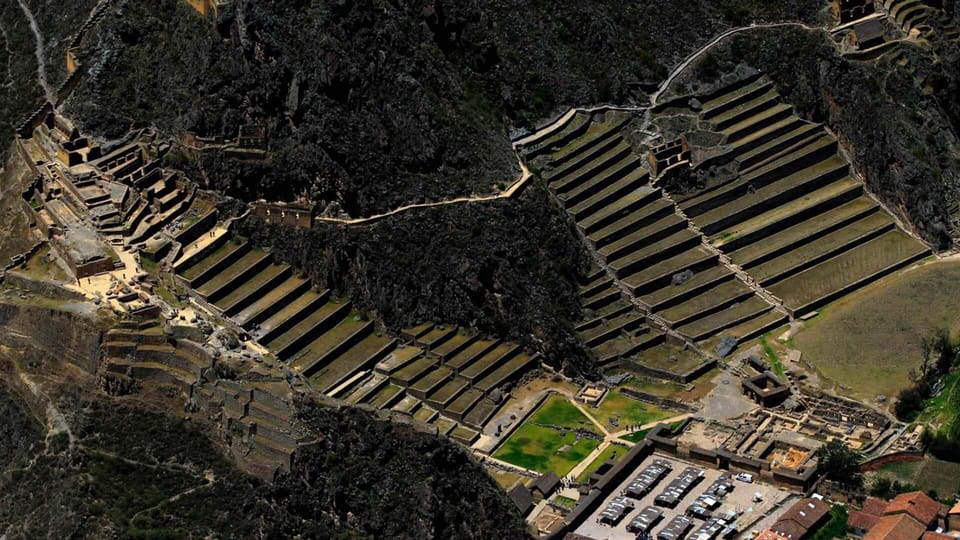
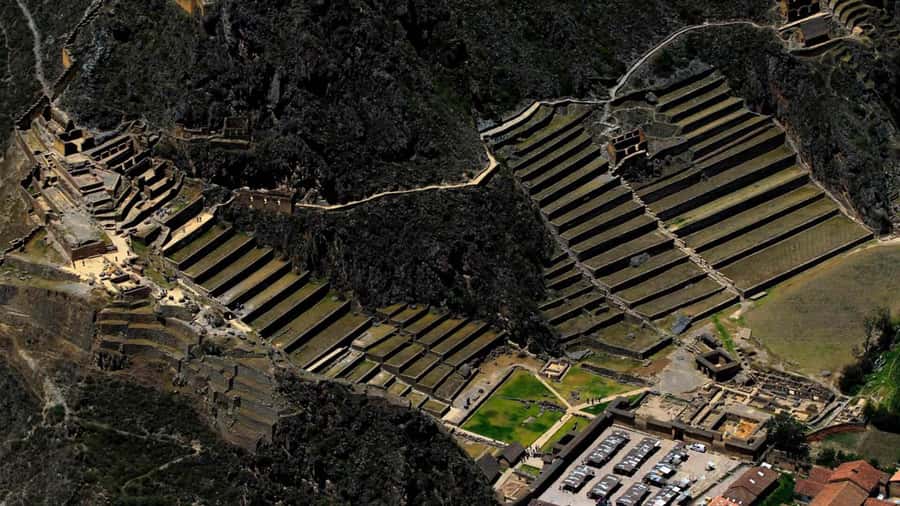
- Ollantaytambo: a strategic Inca city you can still feel
- Price and value: where the $35 really goes
- Tour logistics that can make or break the day
- Who this tour is best for
- Should you book this Sacred Valley tour?
- FAQ
- Is lunch included?
- What sites does the tour visit?
- Do I need to pay entrance fees?
- Is Maras Salt Mines access included?
- Where do you get picked up and where do you get dropped off?
- How long is the tour?
- What languages are the guides?
- Is free cancellation available?
- Can I reserve without paying right away?
Key highlights worth planning for
- Chinchero (3,780 m): a church with Cusco School paintings plus a market where product exchange still happens
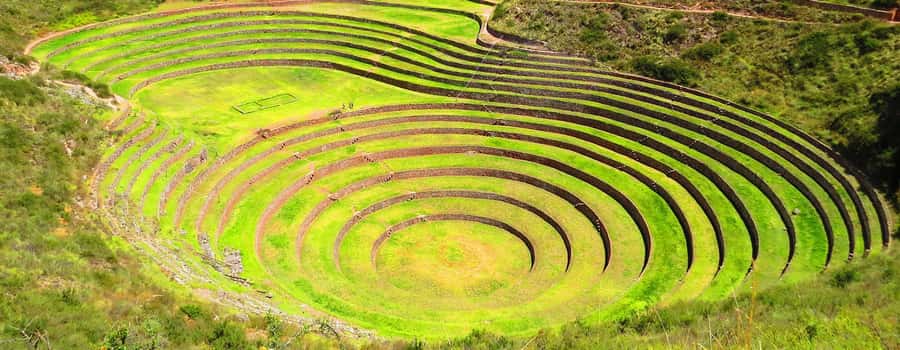
- Moray’s terraces: circular agricultural experiment fields that explain Inca “trial and error”
- Maras Salt Mines: 4,000+ wells producing salt used in gastronomy
- Urubamba lunch: a real break in a regional town, not just a quick stop
- Ollantaytambo transfer: drop-off near the train station so you can keep your momentum
How the One-Day Route Fits Sacred Valley Dreams
This is the kind of day trip that works best when you want a big-picture view of the Sacred Valley—without spending extra nights on the road. You start with hotel pickup in Cusco and spend the day going outward through key sites, then finish near Ollantaytambo’s train station.
The best part is the pacing of themes. You begin with Chinchero’s blend of market life and colonial/archaeological layers, then shift to Moray for agricultural experimentation, and end with Maras for salt and a final “living Inca city” feeling at Ollantaytambo.
That said, one-day tours reward smart packing and a clear plan for your body in altitude. Even though you’re not hiking for hours, you’ll still be moving and standing in places around 3,780 m at Chinchero.
You can also read our reviews of more tours and experiences in Cusco


Chinchero at 3,780m: market culture plus church and ruins
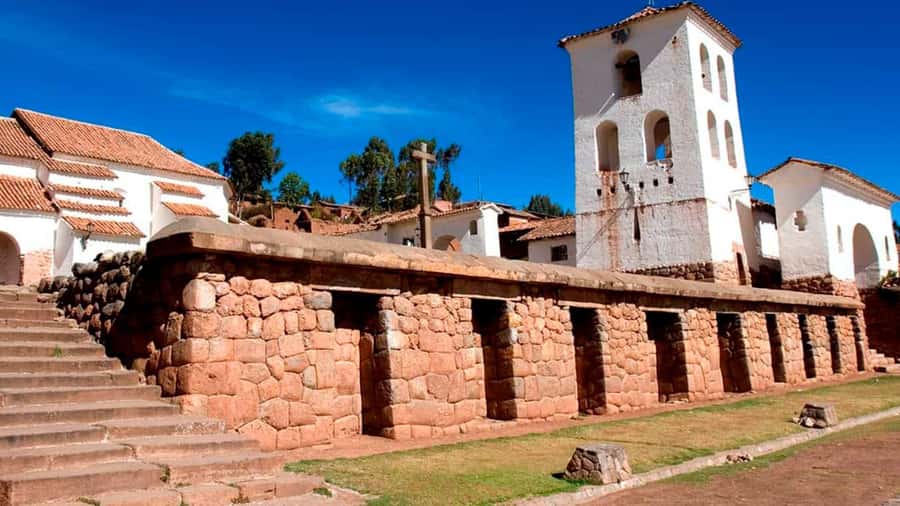
Chinchero is where the day first turns from scenery into something hands-on. You’ll visit the town and archaeological areas, including a 17th-century colonial church that features canvases from the Cusco School. If you like seeing how Spanish colonial art mixed with local styles, this stop gives you that “two worlds in one building” moment.
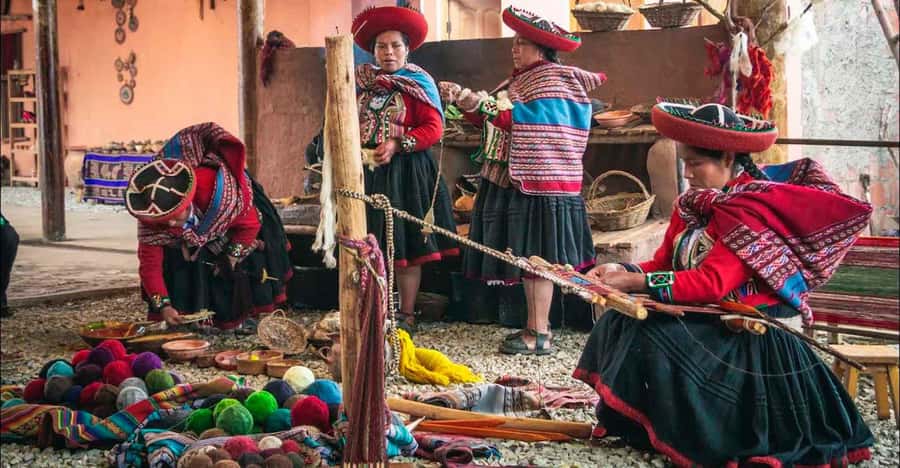
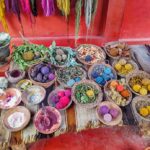
Then there’s the market. This is not just browsing for souvenirs—you’ll see a typical Andean trading scene where the exchange of products is still part of local rhythm, and where you can buy Andean fabrics. The fabrics are the obvious draw, but what I like is the atmosphere: you’re watching people do the thing they do daily, not only posing at ruins.
Practical tip: if you care about fabric shopping, give yourself permission to move slowly here. It’s one stop where it’s easy to lose time if you’re trying to maximize every minute—yet it’s also one of the best places to buy something you’ll actually remember.
Moray’s circular terraces: Inca agriculture research in plain sight
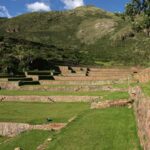
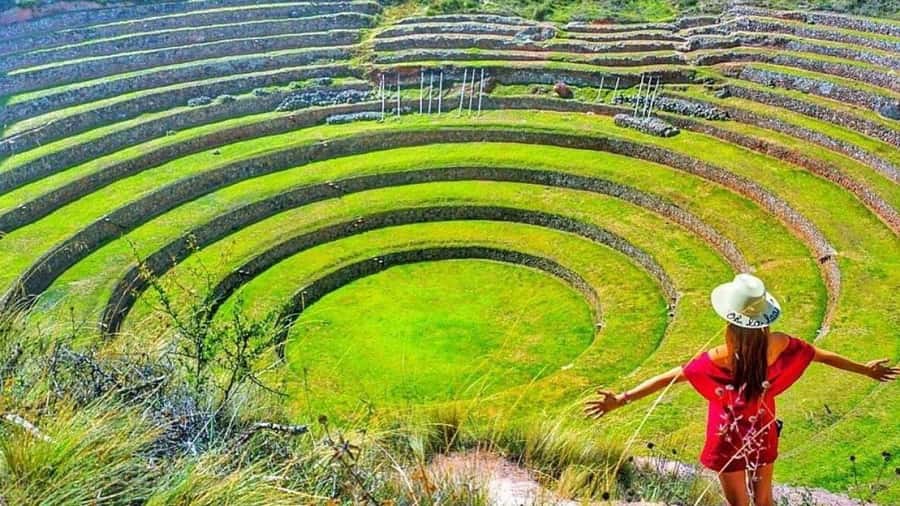
After Chinchero, you head to Moray, known for its circular agricultural terraces. The big idea is simple and fascinating: these were used as an ancient agricultural research center. In other words, the Inca weren’t only building farms—they were experimenting with growing conditions.
Walking around Moray (even casually) makes the structure click. Those terraces are arranged like a set of controlled zones, which helps explain why people describe it as “research.” You’re seeing a built system that would let farmers test how plants behaved under different microconditions.
The one thing to keep in mind is that Moray is best when you treat it like a science site, not a photo-only spot. If you look at how the levels curve and how the terraces relate to each other, you’ll come away with a clearer sense of what the Inca were trying to learn.
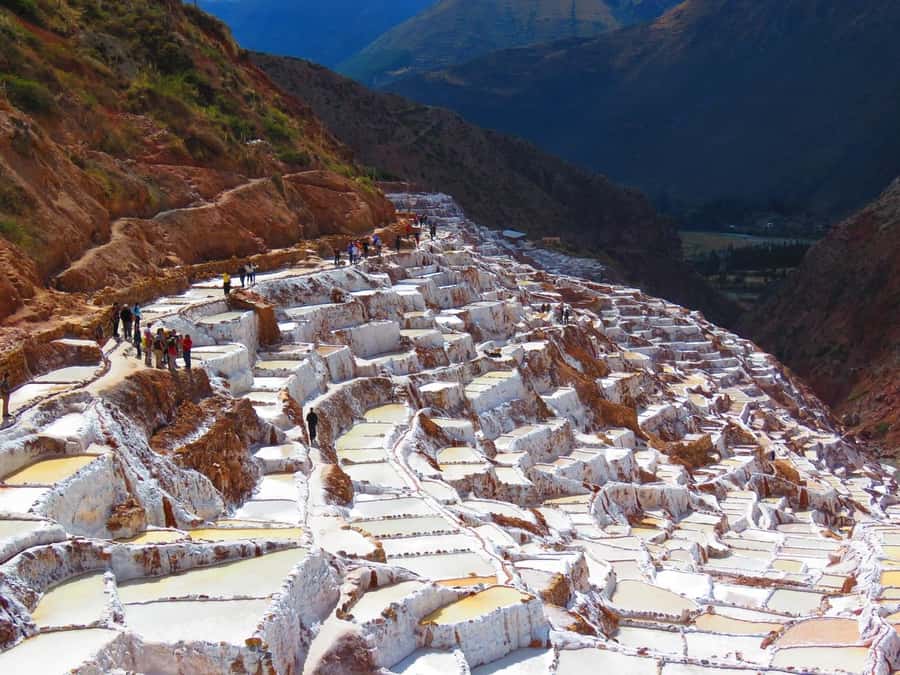
Maras Salt Mines: 4,000+ wells and why salt matters
Next comes Maras Salt Mines, with more than 4,000 wells across one of the highest salt flats in the world. This is the stop that feels visually strange in the best way: repeating patterns of tiny pools, all tied to one purpose—salt production.
The tour information also connects it to food. One of the most highly valued salts in gastronomy is produced here, so this isn’t just industrial spectacle. It links an Inca-era resource and Andean labor to something you can taste later, back home.
Important budget note: entrance fees for archaeological sites are not included, and access related to Maras salt mines is also not included. So if you’re trying to hold costs, plan for those add-ons before you go.
Also, if you’re sensitive to sun and glare, Maras can be bright. Bring sun protection and keep water in mind, even if you’re not doing a long hike.
Urubamba lunch: a real break that keeps the day workable
By the time you reach Urubamba, you’re ready for fuel and a chance to sit. Lunch here is included, at a typical restaurant in the area, and it’s one of the best value parts of the whole day because it reduces your mental load: you don’t have to hunt for food in the middle of a route.
The tour description focuses on typical regional flavors, which is exactly what I’d aim for on this kind of trip. If you’re visiting multiple Inca and craft sites, lunch is your chance to rest your legs and reset your expectations for the final push.
Practical tip: eat like you’ll still be walking after lunch. Don’t go too heavy on anything that sits in your stomach when you’re at altitude.
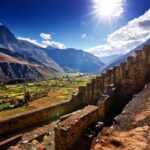
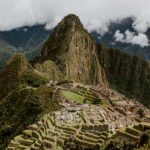
Ollantaytambo: a strategic Inca city you can still feel
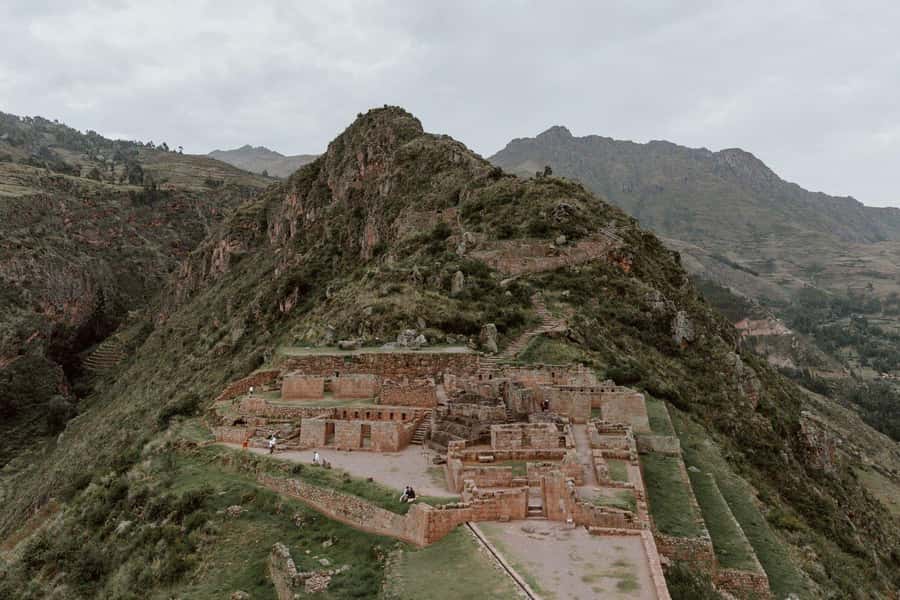
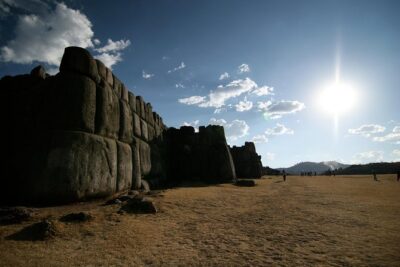
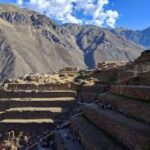
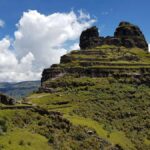
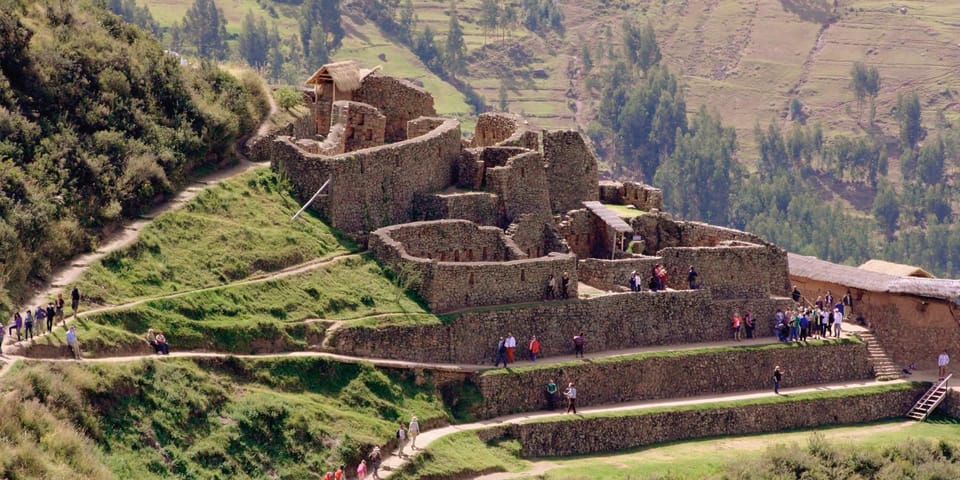
You’ll finish at Ollantaytambo, described as a living Inca city with a strategic military, religious, and administrative fortress. This is where the day shifts from “tour stops” into something more atmospheric.
Ollantaytambo tends to feel different from the other places because the town itself is part of the story. You’ll admire its splendor and learn how the fortress worked in multiple roles—defense, ceremony, and governance. Even if your Spanish is limited, a good guide makes the connections between layout and purpose.
The tour ends with drop-off near the Ollantaytambo train station, which is genuinely useful if you’re continuing on by rail. It reduces the risk of scrambling for transport at the end of a long day.
Based on a caution from a less-smooth experience I’ve seen, the biggest thing to watch at Ollantaytambo is how your group handles luggage and timing. If you’re carrying bags, keep essentials in a small day bag and be ready for quick moves between vehicle and ruins area.
Price and value: where the $35 really goes
The price listed is $35 per person for a 1-day route, and the value comes from the full package: hotel pickup in central Cusco, transport, multiple major stops (Chinchero, Moray, Maras, Ollantaytambo), and lunch in Urubamba plus a live guide in English or Spanish.
Where you need to budget extra is clear: entrance fees to archaeological sites are not included, and entrance to the Maras salt mines is not included. On a one-day itinerary, these can add up, so check what you’ll likely pay once you’re there.
If you’re deciding between booking vs. DIY driving, the tradeoff is time and stress. Here, you’re buying someone else’s routing, guiding, and transport. If you don’t want to figure out the logistics across multiple sites and you’re okay with a tight schedule, that’s where the $35 can feel fair.
Tour logistics that can make or break the day
This is a transfer-style day trip, and your comfort depends on a couple of small operational details.
First: confirm pickup timing and where the meeting point is. Some trips run on time, others get chaotic if communication fails. If your guide or operator reaches out, answer fast.
Second: plan for movement. You’ll be getting on and off transport multiple times across the Sacred Valley. If you’re bringing a lot of luggage (especially if you’re chaining train travel), ask how you’re expected to manage bags at stops and whether there are any tight transitions.
Third: build in buffer. Even if the day looks straightforward on paper, reality includes walking, restroom breaks, and the time it takes to regroup. Bring patience and keep your day bag organized.
One more practical angle: if you want the best experience, treat each stop like a distinct mission. At Chinchero, you’re shopping and learning. At Moray, you’re looking for agricultural logic. At Maras, you’re photographing the repeating salt patterns and understanding the resource side. That mindset keeps you from feeling rushed even when the schedule is tight.
Who this tour is best for
This one-day Sacred Valley trip fits best if you want a strong overview and don’t mind a packed agenda. I’d say it’s especially good for:
- First-time visitors who want Chinchero, Moray, Maras, and Ollantaytambo in one day
- People who like learning the “why” behind sites, not only the “what”
- Travelers who value a guided pace and included lunch, and prefer not to coordinate transport between scattered stops
- Anyone continuing onward from Ollantaytambo by train, since the drop-off is near the station
If you’re the type who needs long free time at each location, you might find the day a little hectic. In that case, you’d likely be happier with a slower, shorter itinerary.
Should you book this Sacred Valley tour?
If you want the Sacred Valley highlights in a single day, this is a solid value. The combination of Chinchero’s market culture, Moray’s agricultural research terraces, Maras Salt Mines, and the finish at Ollantaytambo creates a full “land, food, and empire” story without extra travel days. Add lunch and hotel pickup, and the practical benefits are real.
I’d only hesitate if you know you struggle with fast transitions or you’ll be carrying heavy luggage that you can’t easily keep with you. If that’s your situation, message the operator ahead of time and ask how luggage is handled during stop-to-stop transitions.
For most people planning a first Sacred Valley day with minimal hassle, I think booking makes sense.
FAQ
Is lunch included?
Yes. Lunch in Urubamba is included as part of the tour.
What sites does the tour visit?
You’ll visit Chinchero, Moray, the Maras Salt Mines, and Ollantaytambo.
Do I need to pay entrance fees?
Yes. Entrance fees to archaeological sites are not included, and entrance to the Maras salt mines is also not included.
Is Maras Salt Mines access included?
No. The tour does not include entrance to the Maras salt mines, so you should budget for that on-site.
Where do you get picked up and where do you get dropped off?
Pickup is from your hotel in central Cusco. The tour ends with drop-off near the Ollantaytambo train station.
How long is the tour?
The duration is 1 day.
What languages are the guides?
The live tour guide offers English and Spanish.
Is free cancellation available?
Yes. You can cancel up to 24 hours in advance for a full refund.
Can I reserve without paying right away?
Yes. The tour offers reserve now & pay later, so you can book and pay nothing today.
If you want, tell me your travel dates and whether you’re doing train connections out of Ollantaytambo. I can help you plan the day around timing and how to handle luggage comfortably.