REVIEW · CUSCO
Quads in Cusco
Book on GetYourGuide →Operated by Andean eirl · Bookable on GetYourGuide
ATVs in Peru feel like a shortcut to big scenery. This one is built around two famous stops—Moray and the Maras Salt Flats—so you’re not just racing trails, you’re also seeing Inca-era engineering and a salt tradition that still works. I also like the way the day blends active fun with photo time at each key viewpoint.
One possible drawback: this is a physically demanding ATV experience, and it’s listed as not suitable for pregnant women and for people with mobility impairments—so you’ll want to think carefully about what you can handle before booking.
In This Review
- Key Things to Know Before You Go
- Why Moray and Maras Make This ATV Ride Worth It
- The 4-Hour Flow From Cusco: Safety, Training, Then Trails
- First Stop: Moray’s Circular Terraces and Microclimates
- Maras Salt Flats: Walking the Pools and Seeing a Living Craft
- ATV Riding in the High Andes: The Terrain, the Photo Chances, and the Km Range
- Price and Logistics: Is $70 Good Value for This Day?
- What’s Included—and What to Budget For
- Practical Tips: What to Bring for a Smooth Ride
- Who This ATV Tour Fits Best (And Who Should Rethink It)
- Should You Book Quads in Cusco?
- FAQ
- How long is the ATV tour?
- Where does the tour go?
- What is the price per person?
- What’s included in the cost?
- What costs extra?
- What languages are the guides?
- What do I need to bring, and what’s not allowed?
Key Things to Know Before You Go
- Moray’s circular terraces: Inca crop experiments shaped around microclimates
- Maras salt flats walk time: you’ll get on foot among thousands of evaporation pools
- Small groups (up to 6): more guide attention when you’re learning the ATV
- High Andes panoramas: frequent opportunities for snow-capped peak photos
- Clear riding setup: safety instructions plus tips for controlling the ATV
- Not a food-included tour: plan on covering your own meals
Why Moray and Maras Make This ATV Ride Worth It
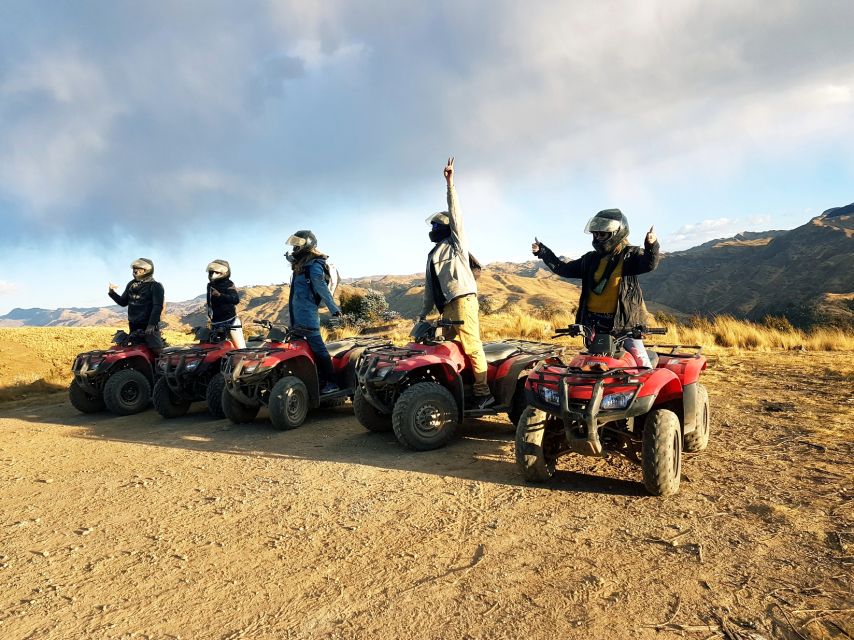
Cusco is great, but sometimes you want more than buses and guided walks. This ATV day gives you a clear payoff: you trade city time for altitude air, trail time, and two major sights in one loop. Moray and Maras aren’t random stops—they’re both about how people adapted to the Andes.
Moray is all about design. The circular agricultural terraces are the kind of place where you can almost feel the thinking behind them: same area, different conditions, and the ability to test what grows where. That makes it a perfect match for an ATV tour. You arrive after bouncing along mountain roads, then your brain switches gears from motion to meaning.
Maras Salt Flats is the opposite vibe—in a good way. You go from engineered terraces to a working landscape of salt harvesting. You’ll walk among the evaporation pools and learn about the ancestral technique that’s still central to the local economy. The contrast between the two sites is one reason the day stays interesting even if you’ve already seen a few ruins in the Cusco area.
You can also read our reviews of more tours and experiences in Cusco.
The 4-Hour Flow From Cusco: Safety, Training, Then Trails
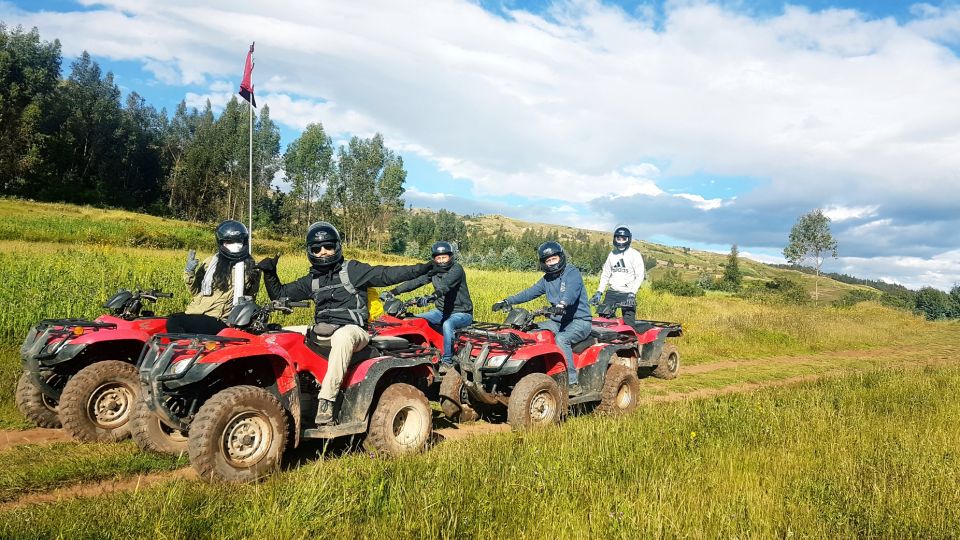
The tour runs about 4 hours, with starting times that depend on availability. That duration matters because it’s long enough to feel like a real adventure, but not so long that you feel cooked at high altitude.
Your day starts in Cusco. You’ll receive safety instructions first, then get familiar with the ATV before you head out on mountain roads and trails. This part is more important than it sounds. When you understand braking, turning, and how to move smoothly on uneven ground, you spend less energy panicking and more energy enjoying the ride.
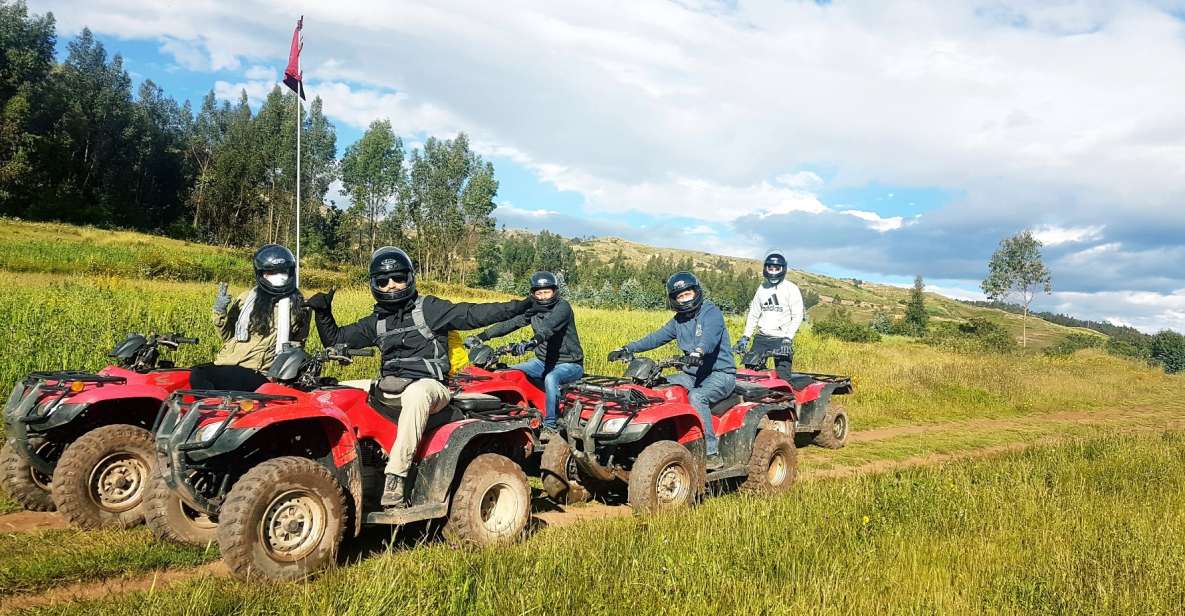
You’ll also be with a professional guide and a small group (limited to 6 people). In practical terms, that means you’re less likely to feel lost in the crowd. It’s also easier for the guide to keep an eye on the line of ATVs, especially when the terrain changes.
I like that the pace is built around stops rather than just drive time. The itinerary is structured so you reach Moray, then Maras, and then return to Cusco with the momentum still on your side.
First Stop: Moray’s Circular Terraces and Microclimates
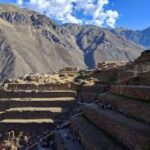
Moray is one of those places where arriving by ATV adds a layer of energy. You’re already up in the high Andes, and the circular shapes of the terraces start making sense faster because you’re seeing the terrain firsthand.
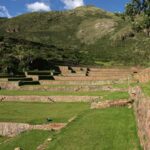
The key idea at Moray is microclimates. The Incas used these circular agricultural terraces to experiment with growing different crops under slightly different conditions—essentially turning one location into multiple growing environments. When you stand in the area, the circular pattern feels like a giant farming tool, not just ruins.
What to watch for while you’re there:
- The terrace layout and how it follows the land’s natural contours
- The way the area is designed to create differences in growing conditions
- Photo angles from higher vantage points where the circles read clearly
The only caution: entrance fees aren’t included, so you’ll want to budget for that if you’re aiming to pay and go. Even with that extra step, Moray is a strong anchor for the day because it gives you context for why the Andes were worth building for.
Maras Salt Flats: Walking the Pools and Seeing a Living Craft
After Moray, you continue toward Maras Salt Flats, where people harvest salt using traditional methods that have been in place for centuries. It’s easy to see why this is a standout stop: the salt flats aren’t just ruins to observe. They’re active.
You’ll be able to walk among the thousands of evaporation pools. That means your visit isn’t limited to a single viewpoint. You can actually move through the scene, get closer to the pools, and understand what makes the salt production work.
A big reason this stop pairs well with ATV riding is rhythm. The ride gets you to the area fast enough to feel like you’re in the middle of something alive. Then the walking gives you a slower pace to notice details—pool textures, the pattern of the workings, and the way the area supports a local economy.
One practical note: the tour says food isn’t included. With a salt-flat walk, you may feel how altitude plus activity can build hunger quickly. If you’re sensitive to that, consider eating before you start or planning a post-tour meal in Cusco.
ATV Riding in the High Andes: The Terrain, the Photo Chances, and the Km Range
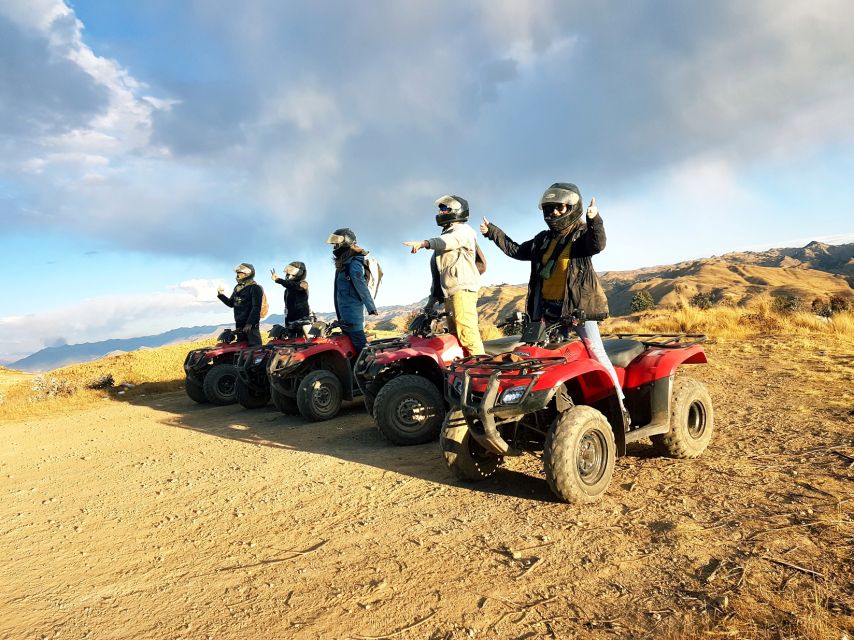
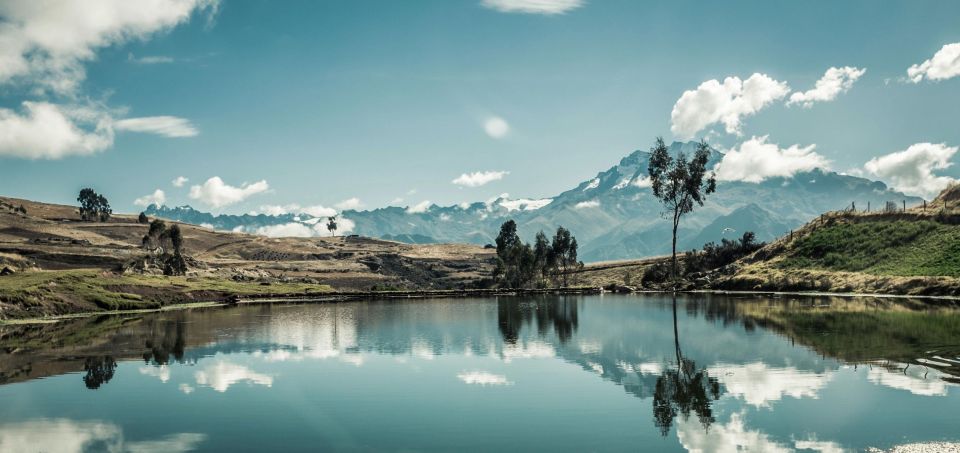
This is an ATV adventure, not a scooter parade. Your route includes winding roads and mountain trails, and you’ll see dramatic scenery as you go—especially with snow-capped peaks showing up in the background.
Based on rider feedback, the distance can land around 48 km, and some routes stretch to roughly 63 km depending on timing and conditions. That’s useful to know because it helps you gauge how “big” the ride feels. You’re not just going to the two stops—you’re also experiencing the ride between them.
You’ll also want to think about the kind of photos you want:
- If you love wide shots, you’ll get plenty of chances when the road opens up
- If you prefer action shots, the winding sections and rocky trail moments can give you that
- If you just want nice landscapes, plan to use your breaks at Moray and Maras for cleaner, steadier photo angles
The guide’s role here is real. Clear instructions and handling tips make a noticeable difference—especially on uneven ground. The tour includes safety accessories, and that reduces the guesswork when you’re getting started.


Price and Logistics: Is $70 Good Value for This Day?
$70 per person for a 4-hour, small-group ATV tour is often a fair price in Cusco—especially because this one includes the essentials most people don’t want to chase down. You get transportation, a professional guide, and safety accessories for motorcycles/ATVs.
Two cost items aren’t included:
- Entrance fees to archaeological sites (Moray in particular)
- Food
So the real value question is simple: if you’re willing to cover your own entrances and meals, you’re paying mainly for the ride, guidance, and access to Moray and Maras in one go. If you’d rather have everything bundled, you might feel like there are add-ons—but that’s common for tours built around multiple sites.
Where this price feels especially sensible is the small group cap. With up to 6 participants, you’re more likely to get hands-on instruction and a smoother experience rather than watching from the back of a big pack.
What’s Included—and What to Budget For
Included in the price:
- Transportation
- Professional guide
- Safety accessories for motorcycles
Not included:
- Archaeological site entrance fees
- Food
It’s also a good day-planning trick to remember the tour is listed in English and Spanish, with a live guide. If you’re bilingual, great. If not, the guide should still be able to keep you moving and informed.
Practical Tips: What to Bring for a Smooth Ride
The tour asks you to bring a passport or ID card. That’s the kind of detail that can save you from last-minute stress, so don’t skip it.
Also, the rules are clear about what not to bring or do:
- No alcohol and drugs
- No pets
Since you’re riding and then walking, you’ll want your clothes to handle dust and movement. Wear something you can ride in comfortably and shoes you feel confident in on foot at the salt pools. High Andes weather can shift fast, so plan for layers even if Cusco starts sunny.
One more practical point: don’t underestimate the altitude effect. Even if you feel fine at the beginning, the combination of ATV handling, getting off at stops, and walking can add up.
Who This ATV Tour Fits Best (And Who Should Rethink It)
This is a strong choice if you want:
- A day that mixes active fun with real sights (Moray + Maras)
- Panoramic views you can actually experience from the road
- A guided experience in a small group setting
- Enough time at each stop to take photos without feeling rushed
It’s not the best match if you:
- Are pregnant (explicitly listed as not suitable)
- Have mobility impairments (explicitly listed as not suitable)
- Expect an easy, fully seated experience the whole time
There’s one small contradiction in the details you should pay attention to: it’s also listed as wheelchair accessible. Because ATV riding and trail conditions aren’t the same thing as access on flat ground, you should contact the operator to confirm how accessibility works in practice.
If you’re generally healthy and comfortable with riding plus walking at altitude, this tour is likely a good match.
Should You Book Quads in Cusco?
I’d book it if you’re chasing a single day that delivers more than one kind of experience. Moray gives you the Inca “why” behind the terrace design, Maras gives you the “still working” story behind salt, and the ATV ride ties it all together with real time out in the Andes.
Skip it if you want a slow, low-effort sightseeing day, or if mobility or pregnancy affects what you can safely do. And if you’re counting every dollar, remember entrance fees and food are on you.
If you want an adventure that still has meaning behind the views—this one makes sense. The best part is the balance: you get safety guidance for the ride, then you earn the payoff with stops that actually explain what you’re looking at.
FAQ
How long is the ATV tour?
The duration is about 4 hours. Starting times depend on availability.
Where does the tour go?
It runs from Cusco to Moray and the Maras Salt Flats, then returns to Cusco.
What is the price per person?
The price is $70 per person.
What’s included in the cost?
Transportation, a professional guide, and safety accessories for motorcycles/ATVs are included.
What costs extra?
Entrance fees to archaeological sites and food are not included.
What languages are the guides?
The live tour guide is offered in English and Spanish.
What do I need to bring, and what’s not allowed?
Bring a passport or ID card. Alcohol and drugs aren’t allowed, and pets aren’t allowed.