REVIEW · SACSAYHUAMAN & INCA RUINS
Private Cusco City Tour with Sacsayhuaman & Inca Sites
Book on Viator →Operated by TreXperience · Bookable on Viator
Cusco can feel like a lot on day one. This private tour is built for fast orientation, stacking the biggest Inca and colonial sights into a 4–5 hour loop without you fighting buses or hunting meeting points. I like the hotel pickup and drop-off, and I also like how the stops build on each other, so you understand why Cusco matters before you leave the city center.
There is one trade-off: the time at each major stop is short (many are around 30 minutes). If you love slow wandering and long photo breaks, you may want to pair this with a second, longer visit to whichever site grabs you most. Also, the tour requires moderate physical fitness, since you’ll do walking at altitude.
In This Review
- Key Highlights at a Glance
- Cusco in 4–5 hours: how this route keeps you moving
- Plaza de Armas: your orientation stop in the heart of Cusco
- Qorikancha (Koricancha): the Golden Courtyard in Inca stonework
- Sacsayhuaman: the fortress above Cusco
- Q’enqo (Qorikancha’s neighbor vibe): zigzags, altars, and ritual tunnels
- Puka Pukara: the Red Fortress checkpoint with valley views
- Tambomachay: the Inca Baths and its cooling water story
- Cristo Blanco viewpoint: the photo stop that also teaches geography
- Guides and pacing: what you should expect from a private tour
- Price and value: is $180 per person worth it?
- Who this Cusco tour fits best
- Should you book this private Cusco City Tour?
- FAQ
- How long is the private Cusco city tour?
- What time does the tour start?
- Is hotel pickup and drop-off included?
- Are entrance fees included?
- Are meals included?
- Is this tour private?
- What fitness level do I need?
- Is free cancellation available?
Key Highlights at a Glance
- Private, hotel-based convenience: pickup and drop-off means you can focus on the sights, not logistics
- A route that adds context fast: Plaza de Armas into Qorikancha, then up to the fortress sites
- Engineering and ritual explained in plain language: especially at Sacsayhuaman and Q’enqo
- Multiple Inca water-and-ceremony stops: Tambomachay plus the surrounding route
- A panoramic finale: Cristo Blanco gives you a visual map of the city from above
Cusco in 4–5 hours: how this route keeps you moving
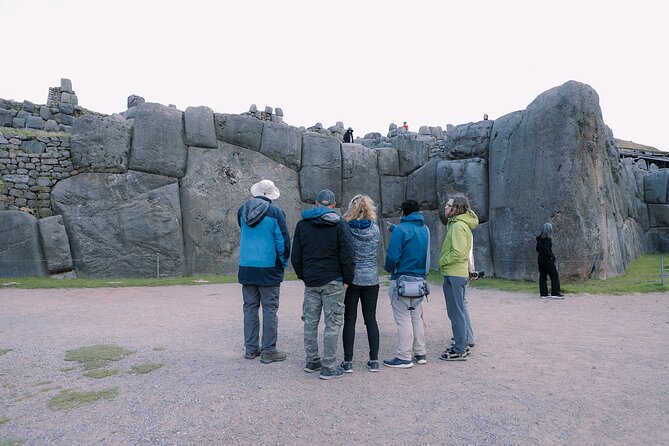
This tour is designed for one practical goal: you want to see Cusco’s main highlights without spending your precious first hours figuring things out. You start either in the morning at 9:00 am or in the afternoon at 1:00 pm, and the operator keeps the start time flexible so it fits your day.
The route makes sense geographically. You begin in the historic core (easy to orient yourself), then you move outward and upward to the Inca sites above the city. Finally, you end with a viewpoint stop that helps everything “click” visually when you’re looking at Cusco from above. That last part matters more than people think. When you can see the city laid out under you, it’s easier to understand where the roads and ruins fit into the broader Inca landscape.
Because it’s private, the guide can adjust the pace to your group. That can help a lot at altitude. In feedback from past guests, guides like Freddy and Jennifer were specifically praised for matching the rhythm to a family’s needs, including a child, and for checking in when someone felt altitude effects.
You can also read our reviews of more city tours in Cusco
Plaza de Armas: your orientation stop in the heart of Cusco
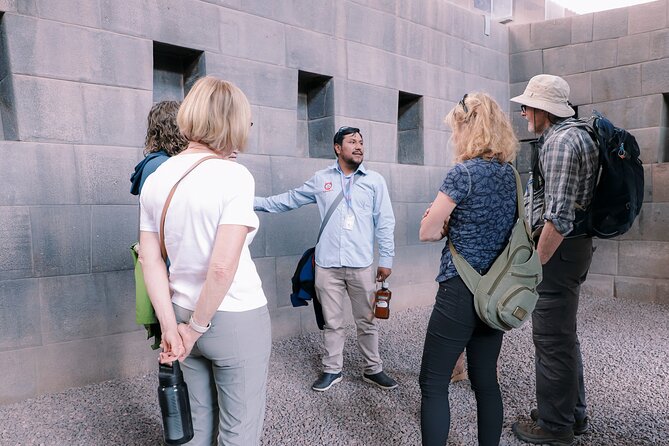
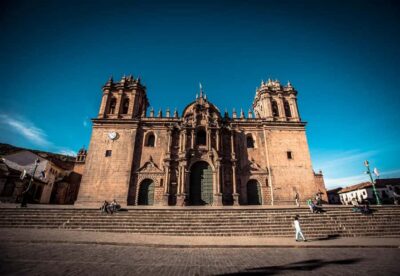
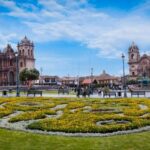
Your tour usually kicks off at the center of Cusco around Plaza de Armas, with the option to start morning or afternoon. Your guide takes you through the main square and into the surrounding streets, including the famous 12 Angled Stone and Loreto Street.
I love this stop because it gives you immediate bearings. Cusco’s old center can look chaotic at first, but once you’ve walked the key blocks with a guide, you start recognizing landmarks instead of just spotting stone and balconies. The best part is that the time here is efficient: you get context without losing the rest of the day.
Practical note: the plaza area is lively, so expect some foot traffic. If you’re sensitive to crowds, plan to treat this as a quick “get your map” walk rather than a long hang.
Qorikancha (Koricancha): the Golden Courtyard in Inca stonework
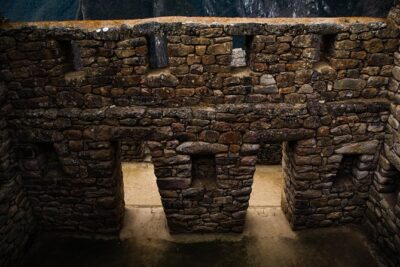
Next comes Qorikancha, the Inca Empire’s most important temple. Its Quechua name means Golden Courtyard, a nod to how richly the area was once decorated with gold. Even if you don’t know the story yet, the stonework communicates scale and precision fast.
What makes this stop valuable is how the guide connects the site to what Inca life revolved around: ceremonies, astronomy, and worship of the Sun. This isn’t just archaeology tourism. You’re learning how a sacred space could function like a calendar, a ritual center, and a statement of power all at once.
Admission is included here, which is a small but real convenience. You don’t need to track tickets mid-tour, and you can keep your day flowing.
One consideration: because the tour is time-boxed, you’ll likely cover the essentials rather than linger in every corner. If Qorikancha is your top priority, you’ll get more out of a follow-up visit on a slower day.
Sacsayhuaman: the fortress above Cusco
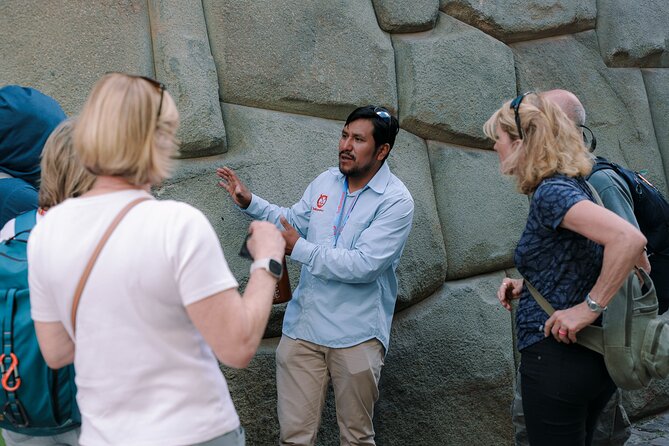
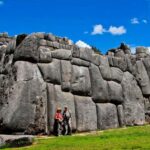
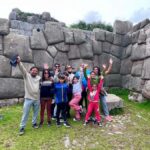
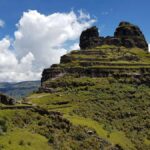
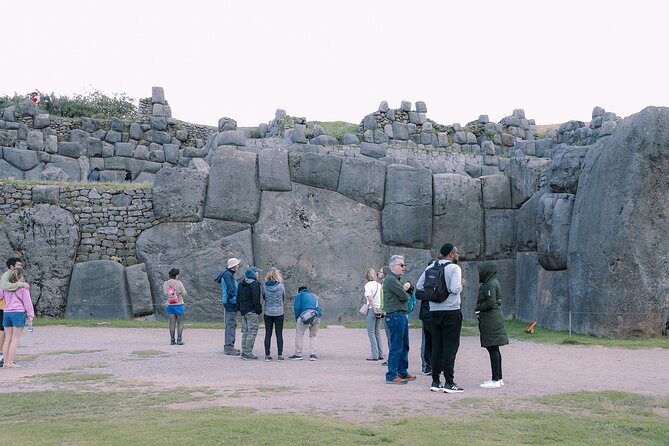
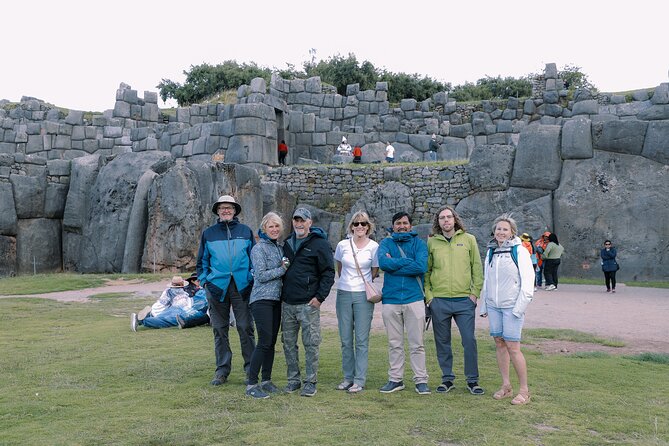
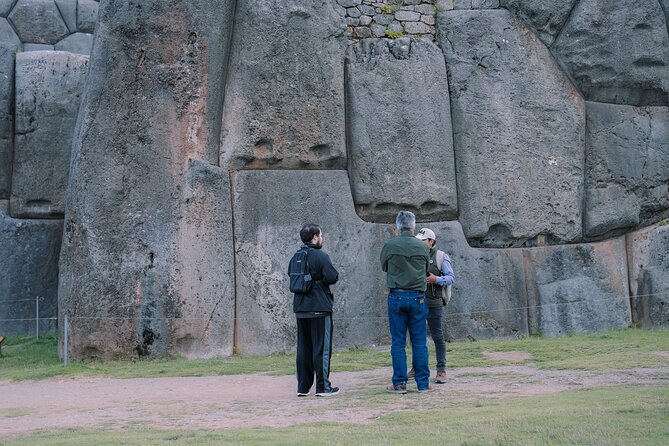
Then you drive up to Sacsayhuaman, one of the most dramatic Inca sites overlooking the city. This fortress is famous for its enormous stone walls made from blocks that can weigh more than 100 tons. The scale is the headline, but the guide’s job is to help you understand the engineering logic and the purpose of the fortress.
I like the way this stop changes your perspective. In the lower city, you read history in buildings and streets. At Sacsayhuaman, you read it in gravity, fit, and construction. You start to see why the Incas could build structures that still command attention centuries later.
The site is also a great altitude moment if your body handles elevation well. The views are wide, the air feels crisp, and the walk is more about steady movement than sprinting. If you’re feeling short of breath, stay patient. This is where your pace matters.
Admission is included, and the stop is timed so you don’t rush, but you do keep moving toward the next sites.
Q’enqo (Qorikancha’s neighbor vibe): zigzags, altars, and ritual tunnels
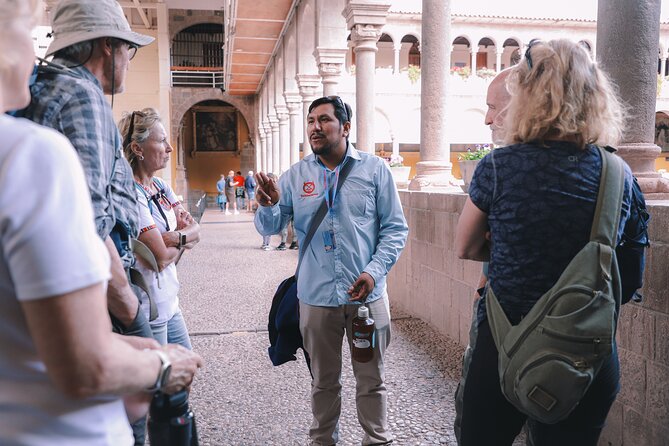
After Sacsayhuaman, the tour heads to Q’enqo (also seen as Q’enko or Kenko). The name comes from a Quechua word meaning zigzag, which refers to the carved channels and winding shapes in the rock.
This is one of those stops that can feel small until you understand what you’re looking at. Q’enqo is described as a ceremonial site with altars, tunnels, and carved stones tied to Inca rituals. Your guide shares legends and explains why it’s considered a sacred huaca.
I appreciate this kind of stop because it fills in the “why,” not just the “what.” Sacsayhuaman gives you the big defensive fortress story. Q’enqo gives you the spiritual and ceremonial side of the puzzle. Together, they make Cusco feel less like random ruins and more like a planned system of places.
Potential drawback: if you prefer only the most famous sites, Q’enqo might not feel as instantly impressive as Sacsayhuaman. But if you like symbolism and sacred design, this one rewards you.
You can also read our reviews of more private tours in Cusco
Puka Pukara: the Red Fortress checkpoint with valley views
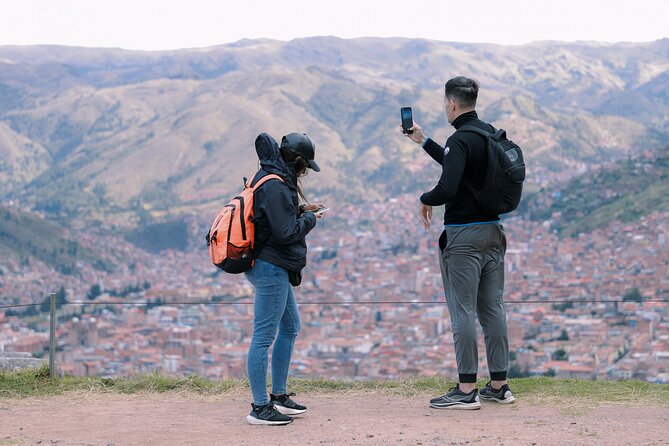
Next is Puka Pucara, which means Red Fortress. This one is smaller than the big headline sites, but it has a job to do in the surrounding Inca network.
The tour frames Puca Pucara as likely a military outpost and checkpoint on the road toward the Sacred Valley and Machu Picchu. That road connection is useful because it helps you connect Cusco’s ruins to the bigger journey you’re planning next.
The practical bonus: the views from Puka Pucara help you understand the terrain. You see hills and valleys in a way that makes later stops feel less mysterious. You’re building a mental model of where these places sit relative to each other.
Admission is included, and the stop’s length keeps it from turning into a long detour.
Tambomachay: the Inca Baths and its cooling water story
Then you reach Tambomachay, known for its crystal-clear water fountains and fine stonework. People often call it the Inca Baths, but the more important point is how the tour explains the role of water ceremonies and rest by Inca nobility.
This stop is also a nice pacing reset. After the stronger, more “fortress” energy of the earlier sites, Tambomachay feels quieter. It’s a good moment to pause, breathe, take photos, and let your body adjust if you’re feeling the altitude.
If you’re traveling toward Machu Picchu soon, this is the kind of stop that fits acclimatization. You’re moving, but it’s not constant climbing or sprinting. You get a calmer rhythm at a high point in the tour.
Admission is included, and the timing usually works well inside the 4–5 hour window.
Cristo Blanco viewpoint: the photo stop that also teaches geography
The last major stop is Cristo Blanco (the white statue of Christ) above Cusco. The key value here is not just the view. It’s how the view gives your brain a map.
From this hilltop vantage point, you get panoramic sightlines over Cusco: red roofs, plazas, and the surrounding mountains. Late afternoon can be especially photogenic because the city starts to glow, but even in earlier light, you’ll see the shape of the valley setting.
Admission is included here too, which keeps your day simple.
A small practical note: this is a viewpoint, so dress for cool air at elevation. Cusco evenings can shift fast, and you’ll appreciate layers while you’re waiting for your perfect photo angle.
Guides and pacing: what you should expect from a private tour
The biggest reason this tour gets strong feedback is not just the list of stops. It’s how guides handle timing and clarity.
In past experiences shared by guests, guides like Freddy, Frank, Franklin, Miguel, Jennifer, Katia, Katie, and Filio were praised for being friendly, answering questions, and adjusting pacing. Franklin was noted for balancing information with space to take in views, which is exactly what I’d want at altitude. Another review highlighted a guide making sure someone felt okay when altitude kicked in and offering tips that helped later days.
What you can do to make this smoother:
- Start early in the day if you’re prone to feeling altitude effects.
- Bring water and small snacks, since meals aren’t included.
- Ask your guide to slow down if you need it. A private format is built for that.
Price and value: is $180 per person worth it?
At $180.00 per person for about 4 to 5 hours, the value comes from three things you’ll feel during the tour:
1) Fewer logistics headaches
Hotel pickup and drop-off removes the stress of coordinating transport while you’re acclimating. In Cusco, saving energy is part of the value.
2) Admissions handled for major stops
Qorikancha and several Inca sites (plus Cristo Blanco) have admission included. Plaza de Armas is free to begin with. Even if you don’t total up every ticket, you’re paying for a day that’s less admin and more sightseeing.
3) Coverage without full-day fatigue
You hit a lot of major Cusco highlights in one outing: the city center orientation, Qorikancha, Sacsayhuaman, plus ceremonial and checkpoint sites like Q’enqo and Puka Pucara, then Tambomachay and Cristo Blanco. If you’re short on time, this format can be the best use of a first day.
Is it “cheap”? Not really. But it’s also not a long, multi-day package. It’s a focused, private half-day style tour aimed at helping you get oriented and then enjoy the rest of Cusco with fewer unknowns.
Who this Cusco tour fits best
This tour is a great fit if:
- You’re a first-time Cusco visitor and want a smart introduction fast.
- You have limited time but still want multiple Inca sites around the city.
- You’d rather pay for convenience than spend energy on public transport and ticket lines.
- You’re traveling as a group and want everyone to stay together in a private vehicle.
It may be less ideal if:
- You want to linger for long periods at each ruin.
- You prefer ultra-detailed, museum-style explanations over a fast tour rhythm.
- You have mobility limits that make steady walking hard.
The tour is marked for moderate physical fitness, so go in expecting some walking and uneven terrain at archaeological stops.
Should you book this private Cusco City Tour?
I’d book it if you want to get your bearings quickly and you like learning the meaning behind the stones. The combination of Plaza de Armas + Qorikancha + Sacsayhuaman gives you the big anchors of Cusco, while stops like Q’enqo, Puka Pucara, and Tambomachay round out the spiritual and ceremonial side. Then Cristo Blanco helps you stitch it all into one mental map.
I’d skip it (or plan extra time elsewhere) if you’re planning to do deep, slow study at one or two sites only. In that case, you’ll likely want a second, longer visit later.
If you book, bring water and snacks, dress for cool air at elevation, and give your guide room to pace the day. That’s the difference between a tour that feels rushed and one that feels like a solid first chapter in your Cusco trip.
FAQ
How long is the private Cusco city tour?
It runs about 4 to 5 hours.
What time does the tour start?
You can start in the morning at 9:00 am or in the afternoon at 1:00 pm, and the start time is described as flexible.
Is hotel pickup and drop-off included?
Yes. Pickup and drop-off from your hotel are included.
Are entrance fees included?
Yes for Qorikancha, Sacsayhuaman, Q’enqo, Puka Pucara, Tambomachay, and Cristo Blanco. Plaza de Armas is free.
Are meals included?
No. Meals are not included, so bring water and snacks.
Is this tour private?
Yes. It’s private, and only your group participates.
What fitness level do I need?
It’s suitable for travelers with a moderate physical fitness level, since you’ll be walking at the sites.
Is free cancellation available?
Yes. You can cancel up to 24 hours in advance for a full refund.