REVIEW · OLLANTAYTAMBO
From Cusco: Ollantaytambo Fortress Half-Day Private Tour
Book on GetYourGuide →Operated by LimaTours · Bookable on GetYourGuide
150 steps separate you from the Inca elite.
This half-day private outing takes you from Cusco’s hotel area into the Sacred Valley to explore Ollantaytambo’s fortress grounds, cobbled streets, ruins, and agricultural terraces at a relaxed pace. I like that it’s not just a quick photo stop; it’s walkable Inca stonework with enough context to make the place click.
Two things I really appreciate here. First, the Temple of the Sun is unforgettable: six massive monoliths of pink granite, each part of a construction weighing more than 50 tons. Second, you get the full sense of Ollantaytambo’s role as a religious, military, and agricultural center, including the story of Manco Inca’s victory over Hernando Pizarro—not as a legend floating in space, but as a reason the site’s layout matters.
One consideration: you climb 150 steps, and this experience is not suitable for wheelchair users. Also, you’ll need the Cusco Tourist Ticket (BTC) for the fortress, since it’s not included.
In This Review
- Key things you’ll notice on this Ollantaytambo tour
- Ollantaytambo’s big idea: a city built to last
- Getting there from Cusco without turning your day into a hassle
- Climbing into the fortress: the Temple of the Sun and the Ten Niches
- Ollantaytambo as a military, religious, and agricultural center
- The cobbled streets and ruins you’ll actually walk through
- Ending in Ollantaytambo town: Inca urban planning still in use
- Your guide matters: bilingual explanations that keep the walk moving
- Price, tickets, and what $126 buys you in real terms
- What to bring, what to avoid, and who should pass
- Should you book this Ollantaytambo half-day tour?
- FAQ
- Do I need the Cusco Tourist Ticket (BTC) for the Ollantaytambo fortress?
- How long is the Ollantaytambo Fortress half-day private tour?
- What does the tour include?
- Where does the pickup happen in Cusco?
- Is this tour wheelchair accessible?
- What should I bring for the tour?
- How does the cancellation policy work?
Key things you’ll notice on this Ollantaytambo tour
- 150 steps from the lower area to the fortress summit, so bring footwear you trust
- Temple of the Sun with six huge pink granite monoliths, over 50 tons in total construction weight
- Terrace of the Ten Niches, a distinct architectural detail you’ll see up close
- Military, religious, and agricultural planning in one complex—platforms, buildings, and terraces
- Inca-style town planning still lived today, with narrow streets and central patios
- Urubamba River orientation, as the town’s streets open toward the river
Ollantaytambo’s big idea: a city built to last
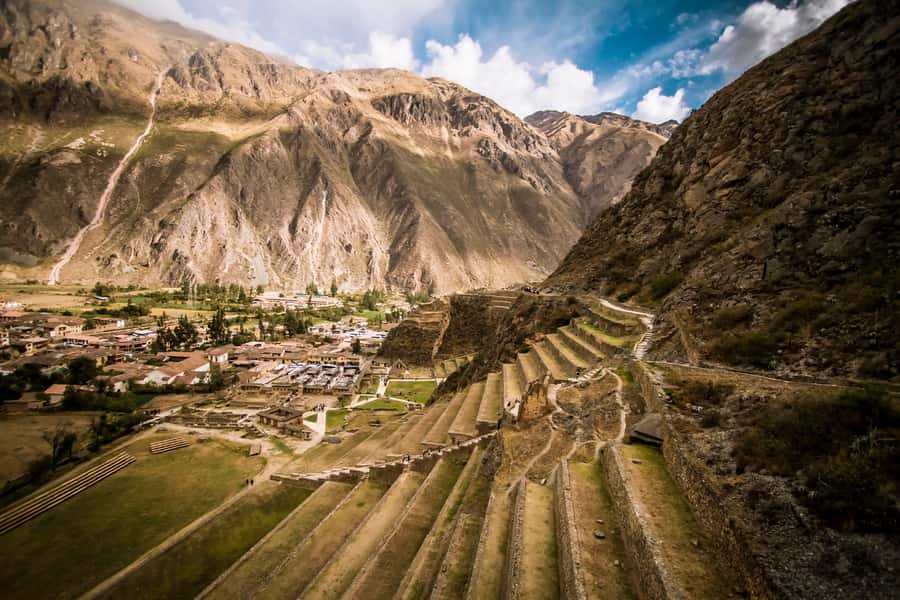
Ollantaytambo sits in the Sacred Valley region of Peru, about 80 km from Cusco (in the province of Urubamba) and roughly 40 km from Machu Picchu. That proximity is useful: even if you’re saving Machu Picchu for later, Ollantaytambo gives you a strong Inca setting to understand the broader region.
I also like the way the name itself anchors you. Ollantaytambo comes from the Quechua term Ulla-nta-wi, meaning place to see down. The fortress layout helps you feel that meaning—this is a site designed with sightlines, elevation, and control in mind.
And one more reason it feels real: this isn’t just a ruin with a fence around it. A short visit to the town shows how people still live with traditions inherited from their Inca ancestors, and you can walk the urban pattern that’s been used for centuries.
You can also read our reviews of more private tours in Ollantaytambo
Getting there from Cusco without turning your day into a hassle
This is a private group half-day tour with a 5-hour duration. Pickup and drop-off come from hotels in Cusco Historic Center, which is the most practical option if you’re staying centrally and don’t want to coordinate taxis.
You’ll have a professional bilingual guide (English and Spanish), so language won’t be a barrier if you want clear explanations while you walk. Since this is private, you can move at a pace that fits you—slower for photos or tighter if you want to see everything in the allotted time.
One small logistics detail that matters: if you’re staying somewhere outside the Historic Center—like a private Airbnb—you’ll need to coordinate a meeting point with the operator ahead of time. That avoids the classic “we assumed you’d be at the hotel lobby” problem.
Climbing into the fortress: the Temple of the Sun and the Ten Niches
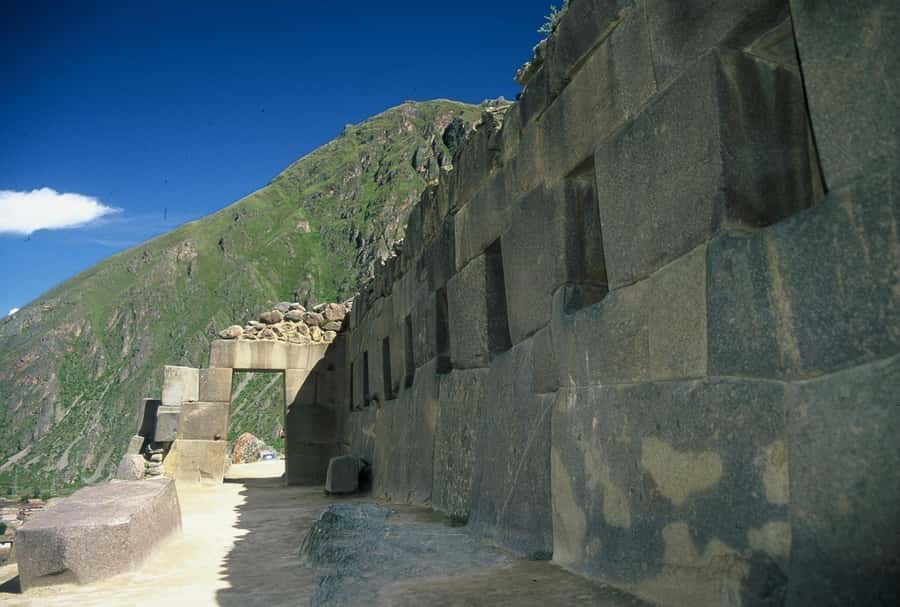
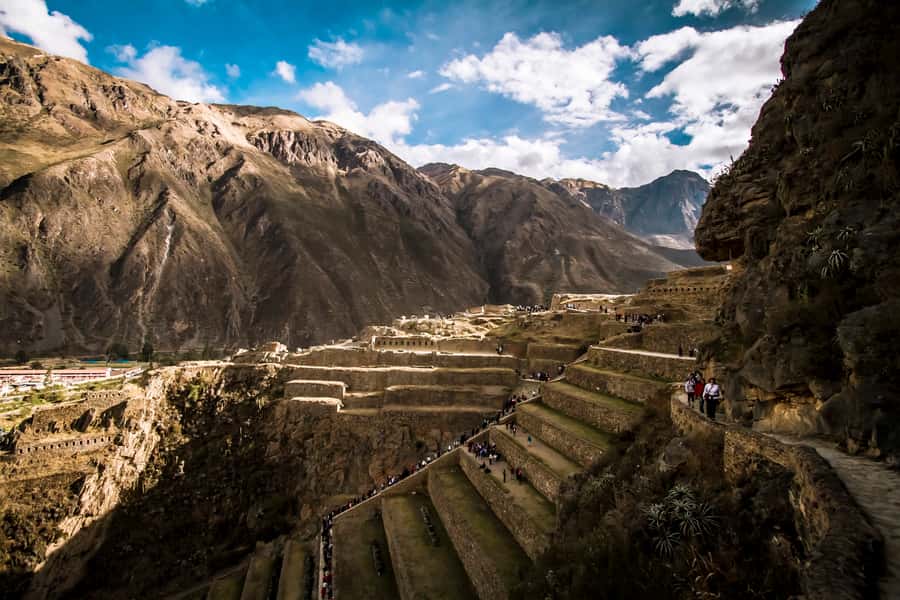
The heart of the tour is the fortress complex, reached by climbing 150 steps that separate the summit area from the lower part of Ollantaytambo. These steps are not a casual stroll. If your legs tire easily, you’ll want to take it steady from the start and pace your breathing.
As you work your way up, the most famous feature is the Temple of the Sun, described as being formed by six huge monoliths of pink granite, with a total weight of more than 50 tons. Even without doing any math yourself, the sheer scale is the point: this is Inca stonework aimed at permanence and power, not decoration.
Another highlight is the Terrace of the Ten Niches. It’s the kind of detail that makes you stop and look twice, because niches aren’t just random cutouts—they’re part of a larger architectural logic. You’ll understand the site better when your guide points out how these features fit into the broader complex.
The fortress doesn’t feel like one single building. You’re moving through a layout that includes platforms, imposing structures described as over four meters high, and areas tied to ceremonial and strategic use. This is where the site starts to feel like a system: access, elevation, and stonework working together.
Ollantaytambo as a military, religious, and agricultural center
Ollantaytambo was built as a strategic military, religious, and agricultural center, and the tour design reflects that. You won’t just get a list of monuments—you’ll see how the complex mixes functions.
On the military side, you’ll hear about the moment when Manco Inca faced the Spanish troops of Hernando Pizarro and emerged victorious. Knowing that story adds weight to what you’re walking on. The fortress wasn’t meant to be ornamental; it was meant to control movement and defend territory.
Religiously, the Temple of the Sun brings the message into focus. A sun temple sounds abstract until you see how the architecture is tied to the idea of observation and celestial meaning—again, that place to see down connection helps your brain connect the dots.
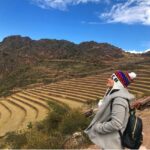
Agriculture is the quiet star here. The complex includes agricultural terraces, and these matter because they show how the Incas kept land productive in steep environments. When terraces are part of a defensive zone, it also suggests long-term planning: you can hold ground because you can feed people.
And one more detail I find useful: the site preserves elements from the Tahuantinsuyo era, including houses, streets, and canals. So even when you’re looking at ruins, you’re seeing a living form of infrastructure—water management and daily movement, not just ceremonial stone.
The cobbled streets and ruins you’ll actually walk through
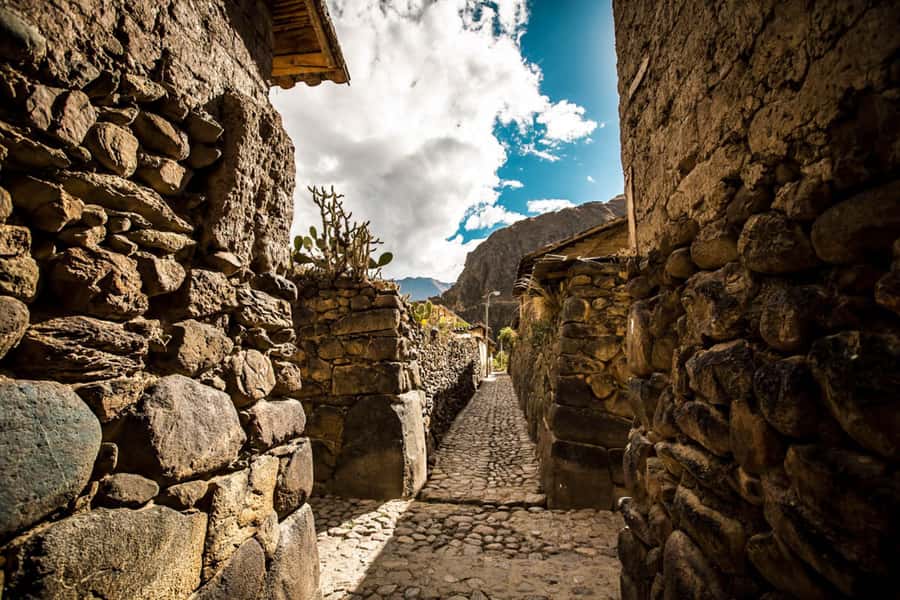
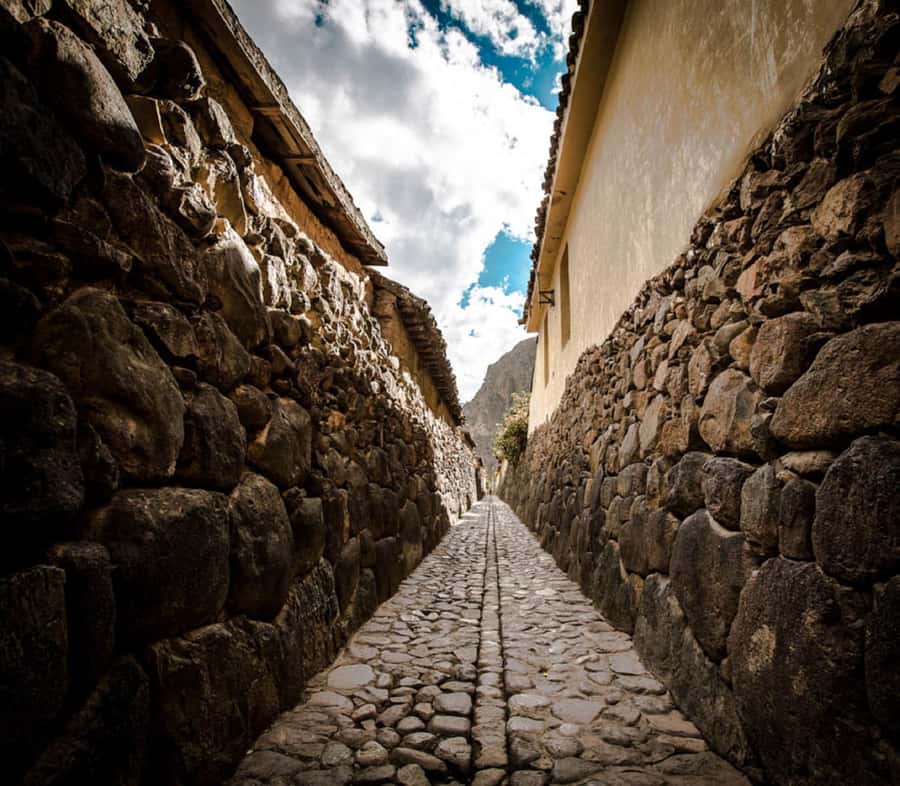
As you move through the fortress area, the experience leans heavily into the “walkable ruins” side. Expect cobbled and winding streets, with stone structures scattered throughout and terraced agricultural areas close by.
This walking style is one of the most practical parts of the experience. Instead of cramming everything into a viewpoint, you build a mental map as you go: where the terraces sit, how the stone platforms relate, and how the fortress integrates with the town below. That makes the visit feel less like watching a slideshow and more like reading a map in person.
There’s also an everyday feel to the environment. The stonework includes platforms and structures that feel connected to real life—because they were. When you’re on-site, the “religious, military, agricultural” mix stops being a summary and starts becoming obvious.

Ending in Ollantaytambo town: Inca urban planning still in use
Half the magic for many people is what happens after the main fortress climb: a short visit to Ollantaytambo town. This is where you get the contrast—fortress power up top, then the lived-in Inca city down below.
The town is described as a typical example of Inca urban planning. Streets are narrow, and many are laid out in a rectilinear pattern. The blocks and courts are structured around household groups, where a set of houses shares a central patio and even shares the same door to that patio.
You’ll also notice how the streets open toward the Urubamba River, giving the town an orientation that ties daily life to the landscape. It’s an easy detail to miss if you’re rushing, so if you can, slow down here. This is one of those sections where you get the strongest sense of continuity: the same basic urban logic is still here.
Your guide matters: bilingual explanations that keep the walk moving
A lot of ruins tours fail because the guide’s storytelling turns into a monologue while you’re standing still. Here, the bilingual English and Spanish guide helps you keep your attention on what you’re seeing.
Because the site is both architectural and historical—monoliths, niches, terraces, streets, canals—the explanations work best when you’re actively walking and looking. That’s the advantage of a private format: you can ask quick questions when something catches your eye instead of waiting for a group moment.
If you like history, you’ll appreciate the story elements such as the Manco Inca and Hernando Pizarro episode. If you’re more into engineering, you’ll likely focus on how the stonework and terraces work together. Either way, the guide’s job is to connect the physical layout to the meaning, and that’s what makes the time feel worth it.
Price, tickets, and what $126 buys you in real terms
At $126 per person for a 5-hour private tour, the value comes from three things you’re getting together: hotel pickup and drop-off, a bilingual professional guide, and a guided walk through a major archaeological zone plus town.
The tradeoff is that the Cusco Tourist Ticket (BTC) is not included. The fortress requires that ticket, and if you show up without it, you’ll lose time. So think of the base price as the guided experience, and the BTC as a separate entry requirement.
One more “value” angle: this tour avoids the common full-day problem where you spend hours commuting and end up exhausted. A half-day format keeps you focused. You get a concentrated hit of fortress design, then a calmer town walk, without draining your next day.
Also note the pricing/tax rule mentioned by the operator: rates don’t apply for Peruvians or for foreign passengers whose stay exceeded 60 days in Peru because sales taxes aren’t included and may be collected locally. If that’s your situation, it’s worth asking ahead so you’re not surprised.
What to bring, what to avoid, and who should pass
Bring:
- Comfortable shoes (the steps and cobbled areas need traction)
- Sunscreen (you’ll be outdoors most of the time)
- Comfortable clothes suited to walking
Avoid:
- Pets
- Unaccompanied minors
Who this fits well:
- You want a private, guided Sacred Valley walk without a full-day commitment
- You’re interested in Inca architecture, terraces, and town planning you can still see in use
- You can handle climbing 150 steps
Who should think twice:
- If stairs are a problem, this is not suitable for wheelchair users, and the step count is a clear limiter.
Should you book this Ollantaytambo half-day tour?
I’d book it if you’re in Cusco with limited time and you want one outing that covers both sides of Ollantaytambo: the fortress complex with its Temple of the Sun and Terrace of the Ten Niches, plus the town where Inca urban planning is still visible in daily life.
I’d skip it if you can’t manage stairs or you strongly prefer easy, flat walking. Also, don’t treat the price as a total all-in cost—factor in the BTC ticket before you go.
If you like your Peru travel practical and hands-on, this one does that. You get guided context, real walking, and a place where Inca planning still shows up long after the ruins phase.
FAQ
Do I need the Cusco Tourist Ticket (BTC) for the Ollantaytambo fortress?
Yes. The tour notes that to visit the Ollantaytambo fortress, it is important to acquire your Cusco Tourist Ticket (BTC). It’s not included in the tour price.
How long is the Ollantaytambo Fortress half-day private tour?
The duration is listed as 5 hours, with starting times depending on availability.
What does the tour include?
It includes pickup and drop-off from Cusco hotels and a professional bilingual tour guide in English and Spanish. The BTC ticket and personal expenses are not included.
Where does the pickup happen in Cusco?
Pickup is available from hotels located in Cusco Historic Center. If you’re staying outside, including some Airbnb locations, you need to coordinate a meeting point in advance.
Is this tour wheelchair accessible?
No. The experience is listed as not suitable for wheelchair users.
What should I bring for the tour?
Bring comfortable shoes, sunscreen, and comfortable clothes. The site involves walking and climbing stairs.
How does the cancellation policy work?
The activity offers free cancellation up to 24 hours in advance for a full refund.