REVIEW · OLLANTAYTAMBO
Cusco: Sacred Valley + Maras and Moray
Book on GetYourGuide →Operated by Zarate Adventours · Bookable on GetYourGuide
A packed day in the Andes, with salt and ruins. I like this trip for the way it strings together Maras salt mines and the Moray circular terraces into one efficient route. You’ll also see classic Sacred Valley stops that are generally easy to understand even if you’re not a deep archaeology nerd.
The main thing to keep in mind is pacing. It is a long day, so you may feel time pressure at each site, and that can make a few moments feel rushed rather than relaxed.
In This Review
- Key highlights you’ll care about
- First Stop Is at 6:30 am: The Route Rhythm From Cusco
- Chinchero’s Textiles, Archaeology, and Colonial Temple
- Moray Circular Terraces: Built for Experimentation, Not Just Views
- Salineras de Maras Salt Mines: Pre-Inca to Inca Extraction
- Urubamba Buffet Lunch: A Real Mid-Day Reset
- Ollantaytambo: A Sacred Valley Anchor Stop
- Pisac’s Archaeological Centre: Where the Day Lands
- Guide Quality Makes or Breaks a Packed Day
- Price and Entrance Fees: What the 35 USD Really Buys
- Who This Tour Fits (and Who Should Rethink)
- Should You Book Cusco: Sacred Valley + Maras and Moray?
- FAQ
- What time is hotel pickup in Cusco?
- How long is the tour?
- What does the 35 USD price include?
- Are entrance fees included?
- How many people are in the group?
- What languages are the guide and tour in?
- Can I cancel and get a refund?
- FAQ
- Is this tour a reserve now, pay later option?
- Do I need WhatsApp for the tour?
Key highlights you’ll care about
- 6:30 am Cusco pickup keeps you moving early, so you fit multiple ruins and landscapes into one day
- Chinchero stop mixes textiles (interpretation center) with an archaeological site and a colonial temple
- Moray’s circular terraces are treated as an agricultural laboratory, not just pretty circles
- Salineras de Maras salt mines are tied to Pre-Inca and Inca salt extraction
- Urubamba buffet lunch gives you a proper sit-down reset mid-day
- Small group size (15 max) helps the day feel less like a commuter bus tour
First Stop Is at 6:30 am: The Route Rhythm From Cusco
This tour runs like a well-timed relay. Pickup starts at 6:30 am from your hotel in or near Cusco’s Historic Center, and the return to the city is around 7:00 pm. That means you get a full day’s worth of Sacred Valley highlights, not a half-day sampler.
I like the structure because it keeps changing scenery and stops before you get bored. You’ll head from Cusco into the valley area, then work through Chinchero, Moray, Maras, Urubamba, and finally two major archaeological centers—Ollantaytambo and Pisac—before going back.
One practical point: plan your expectations around the schedule. You’ll likely have enough time to see what you came for, but it’s not a slow stroll where you linger until the light is perfect. If you prefer unhurried visits, you might feel the day is a bit too efficient.
You can also read our reviews of more tours and experiences in Ollantaytambo.
Chinchero’s Textiles, Archaeology, and Colonial Temple
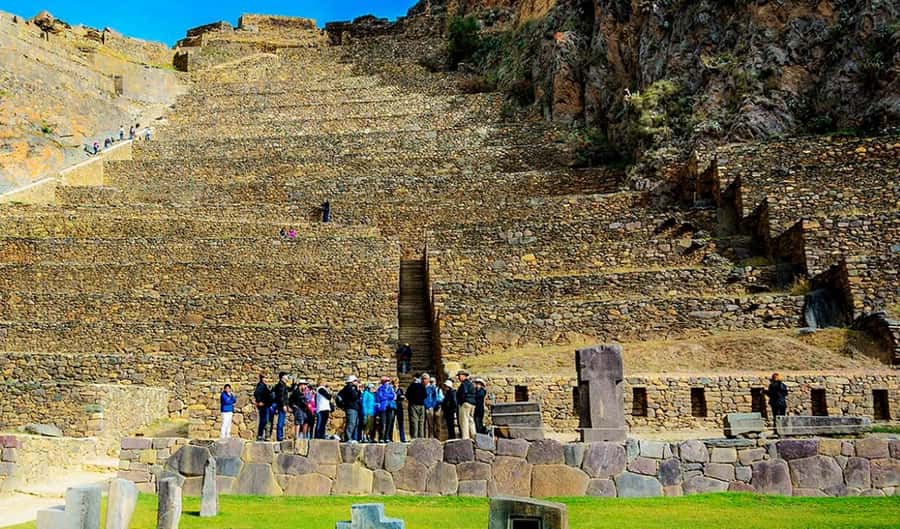
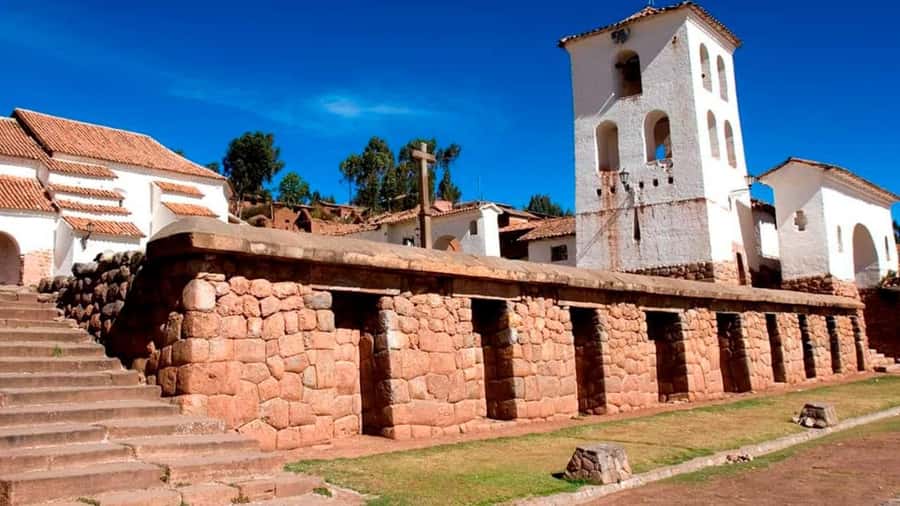
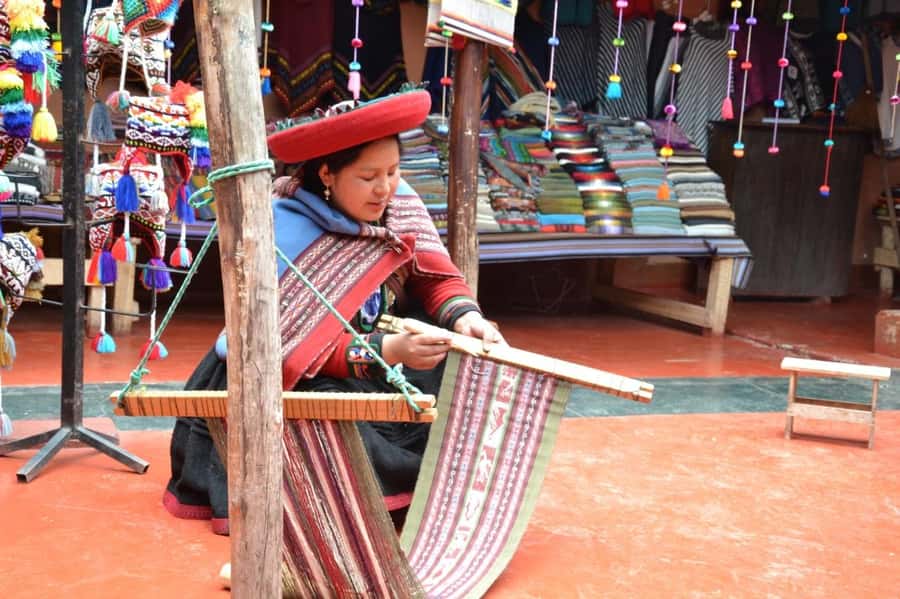
Chinchero is the first real anchor of the day. You’ll visit a textile centre of interpretation, plus an archaeological space and a colonial temple. That combination matters because it lets you connect craft, place, and time period in one stop rather than treating each site as a separate postcard.
What I like here is the mix of subject matter. Textiles are more than shopping, even when you pass through sales areas. A textile-focused stop gives you context for why patterns and techniques matter, and then you can contrast that with the archaeological and colonial layers in the same area.
Timing note: this is an early stop, so you’ll want to be ready to walk. Comfortable shoes help because you’ll be moving through a working tour environment, not just a flat museum floor.
Moray Circular Terraces: Built for Experimentation, Not Just Views
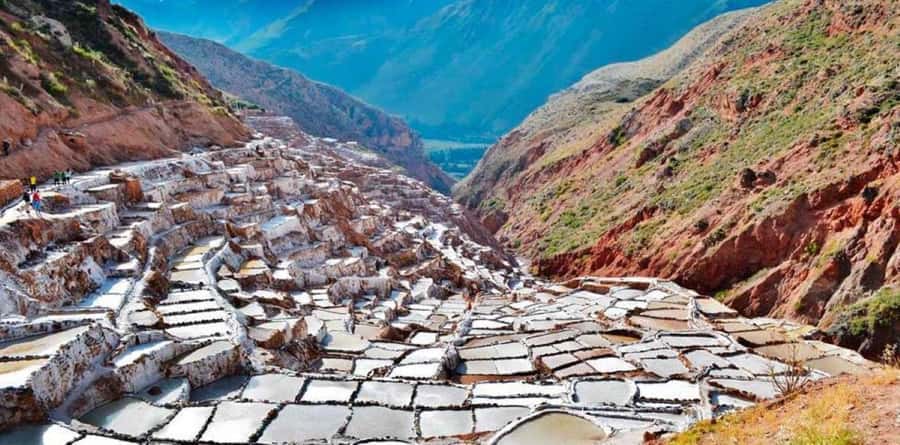
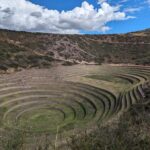
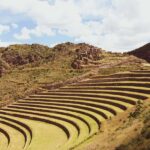
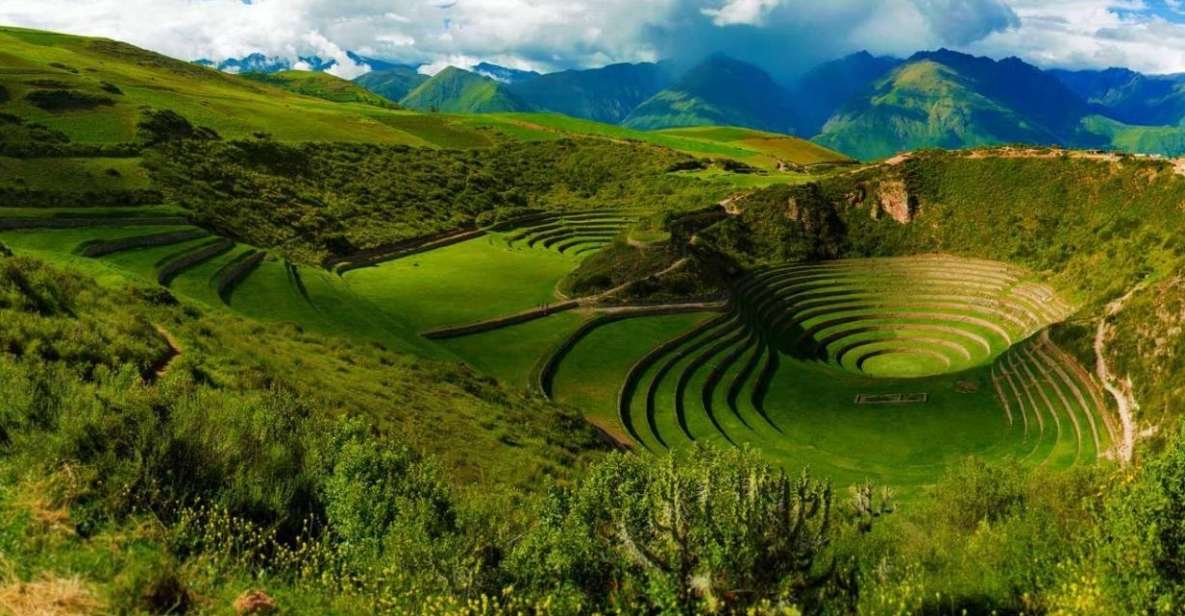
Next up is Moray, known for its circular terraces. The way this stop is framed—an agricultural laboratory—changes how you look at the site. You’re not only viewing impressive geometry. You’re trying to understand why these terraces were built the way they were and how they functioned.
These terraces are a strong contrast to the surrounding landscape. From a distance, they can look like a natural amphitheater, but up close you’re looking at human engineering meant to manipulate growing conditions. Even if your Spanish or English isn’t perfect, a good guide can usually translate the main ideas quickly: the terraces weren’t random. They were planned.
The upside: Moray is one of those places where a short explanation makes the place click. If your guide does a good job, you’ll leave thinking about agriculture and experimentation, not just architecture.
Salineras de Maras Salt Mines: Pre-Inca to Inca Extraction
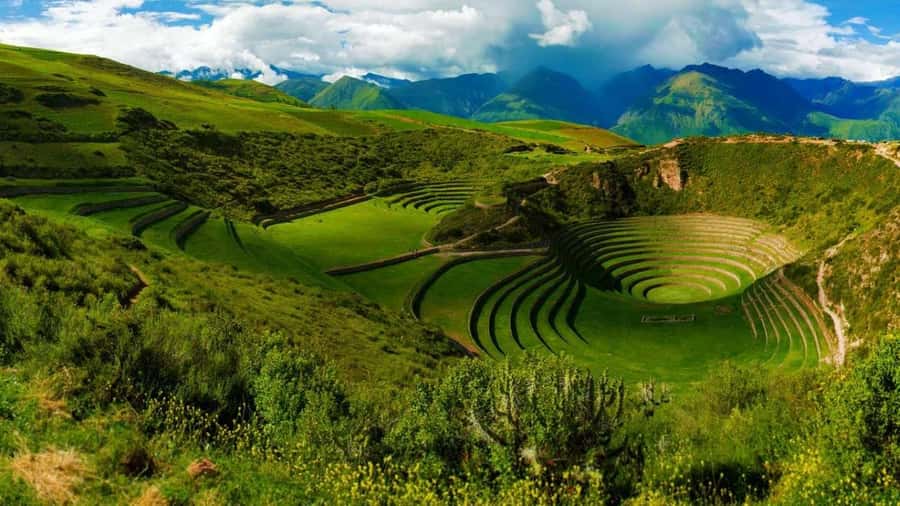
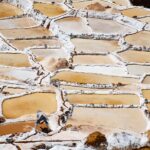
Then comes one of the most photogenic stops on the route: the Salineras de Maras salt mines. They’re described as salt mines that have been exploited since Pre-Inca and Inca times. That deep time connection is what gives this stop extra weight.
I love how visually clear the salt mining is once you arrive. You can see the network of small channels and pools, and it’s easy to grasp how production could work across many plots. It also helps that the site is designed for visitors—meaning you can explore at your own pace while staying oriented.
Plan for a bit of time on your feet. The salt areas are spread out enough that you’ll naturally keep moving as you take photos and follow viewpoints. If you’ve got limited mobility, this is the type of stop where you might need to move carefully.
Also, there’s an entry cost here. Entrance for Maras is listed separately at 5 USD, so it’s worth budgeting that in advance.
Urubamba Buffet Lunch: A Real Mid-Day Reset
Urubamba is where you recover energy with lunch. This is a buffet lunch, and it’s included in the tour price. I appreciate buffet days on long tours because they keep the logistics simple: fewer decisions, more speed, and you can usually find something you’ll tolerate well after hours of sightseeing.
That said, I have to mention a downside that showed up in real feedback: one person reported getting food poisoning after lunch. You can’t predict that. But it’s still a useful reminder to eat like a cautious traveler. If you have a sensitive stomach, take it easy and stick to foods that look freshly served.
On balance, lunch being included is a value boost. You’re not scrambling to find a place to eat or negotiating menus while the clock runs.

Ollantaytambo: A Sacred Valley Anchor Stop
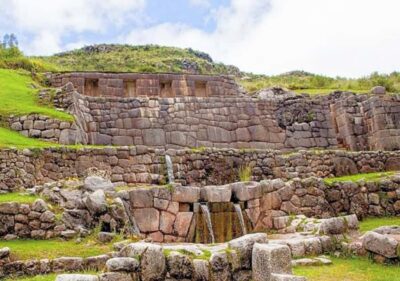
After lunch, the itinerary moves to Ollantaytambo. You’ll visit the archaeological centre there. The key point is simple: this is one of the Sacred Valley’s big-name ruins, and it tends to be easier to appreciate when you’ve already seen a few other stops that morning.
Ollantaytambo can feel more structured than some smaller ruins because it’s an archaeological center built for visitor routes. With a professional guide, you’ll get the main context without needing to be a historian. It also pairs well with what you saw earlier: terraces, salt production, and then an urban/ceremonial site.
I recommend using your guide time here. Ask quick questions. If you only focus on photos, you miss the chance to make sense of what you’re seeing.
Pisac’s Archaeological Centre: Where the Day Lands
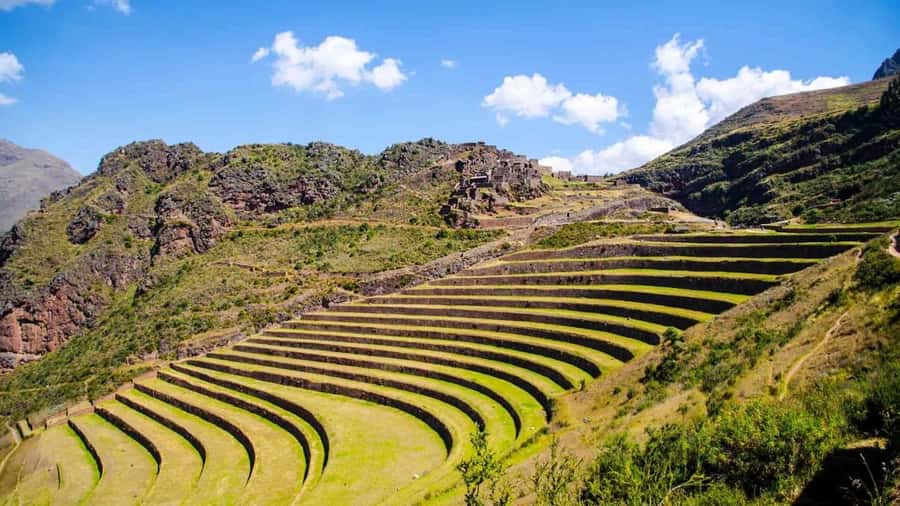
The final stop is Pisac, another archaeological centre with a lot of Andean history. The tour keeps this as your last big site before heading back to Cusco, which means it can feel like a wrap-up moment. You’ll want to keep your energy steady, since you’ll likely still be walking and moving around to see the key areas.
What I like about ending at Pisac is that it gives you a broader sense of the Sacred Valley as a living region shaped over time. You’re not only seeing one type of place. You’ve moved through textiles, experimentation, salt extraction, and two major archaeological centers.
One practical note: because it’s the last stop of a long day, don’t assume you’ll be able to linger the way you would on a standalone visit. If Pisac is a top priority for you, arrive ready to focus.
Guide Quality Makes or Breaks a Packed Day
This tour uses a professional guide, and the small group size—15 participants max—helps the guide actually manage the day instead of just talking over everyone. In one of the best bits of feedback, a guide named Sandro stood out for being top-notch, interesting, and responsive, with explanations that landed clearly.
That matters because the itinerary moves fast. When you have good interpretation, each stop becomes more than a quick photo break. You understand what you’re looking at and why it matters.
I’d treat the guide as part of the value, not an extra. If you ask questions and pay attention during transitions, you’ll get more out of each site than you would if you were doing this route on your own without context.
Price and Entrance Fees: What the 35 USD Really Buys
The headline price is 35 USD per person for this 1-day tour. For that money, you’re paying for hotel pickup in the Historic Center, tourist transportation, a buffet lunch, and a professional guide, with the group limited to 15 people.
Then there are separate entrance costs. The partial tourist ticket is listed at 20 USD, and Maras entrance is listed at 5 USD. So your all-in cost can add up depending on what you already have.
Here’s how I’d think about value: 35 USD covers the human and logistical side—transport, timing, guiding, and lunch. The entrances are the extra that you budget for. If you’re planning to hit multiple major sites in one day anyway, this is often cheaper and less stressful than trying to assemble the route yourself.
If you already hold the right tickets, your cost swings in your favor fast.
Who This Tour Fits (and Who Should Rethink)
This is a good fit if you want a single-day Sacred Valley overview with major stops. It works well for first-timers who like structure and want to see Chinchero, Moray, Maras, Ollantaytambo, and Pisac without doing the math.
It also suits people who like guided interpretation. When a guide is strong, you get meaning quickly, even when you’re only spending limited time at each place.
I’d think twice if you hate feeling rushed. The schedule is full, and at least one review flagged that the stops felt like you had to rush through. If you prefer slow travel, you might be happier with a less packed itinerary.
And if you’re sensitive to food, treat the included buffet with caution. One negative report related to lunch is rare, but it’s enough for me to suggest you eat lightly and smart.
Should You Book Cusco: Sacred Valley + Maras and Moray?
Book it if you want a well-organized day that hits the Sacred Valley highlights plus the salt and terraces people come for. The combination of Chinchero, Moray, and Maras is strong, and the buffet lunch plus guide support keeps the whole thing practical.
Don’t book it if your ideal day is unhurried wandering and long time in just one or two places. This is a route tour. You’ll see a lot, but you won’t camp out at your favorite views all day.
If you book, go in with two tactics: bring good walking shoes, and use your guide time at the big ruins like Ollantaytambo and Pisac. Do that, and this “fast day” turns into a day you actually remember.
FAQ
What time is hotel pickup in Cusco?
Pickup is scheduled for 6:30 am from hotels near or inside the Historic Center.
How long is the tour?
The duration is 1 day.
What does the 35 USD price include?
It includes hotel pickup (near or inside the Historic Center), tourist transportation, a buffet lunch, and a professional guide.
Are entrance fees included?
No. A partial tourist ticket is listed at 20 USD, and Maras entrance is listed at 5 USD. Entrance fees are not included in the tour price.
How many people are in the group?
The group is small, limited to 15 participants.
What languages are the guide and tour in?
The tour has a live guide in English and Spanish.
Can I cancel and get a refund?
Yes. Free cancellation is available up to 24 hours in advance for a full refund.
FAQ
Is this tour a reserve now, pay later option?
Yes. You can reserve now and pay later, with no payment required today.
Do I need WhatsApp for the tour?
You should put your contact number correctly with your country code and have WhatsApp, as it’s used for communication.